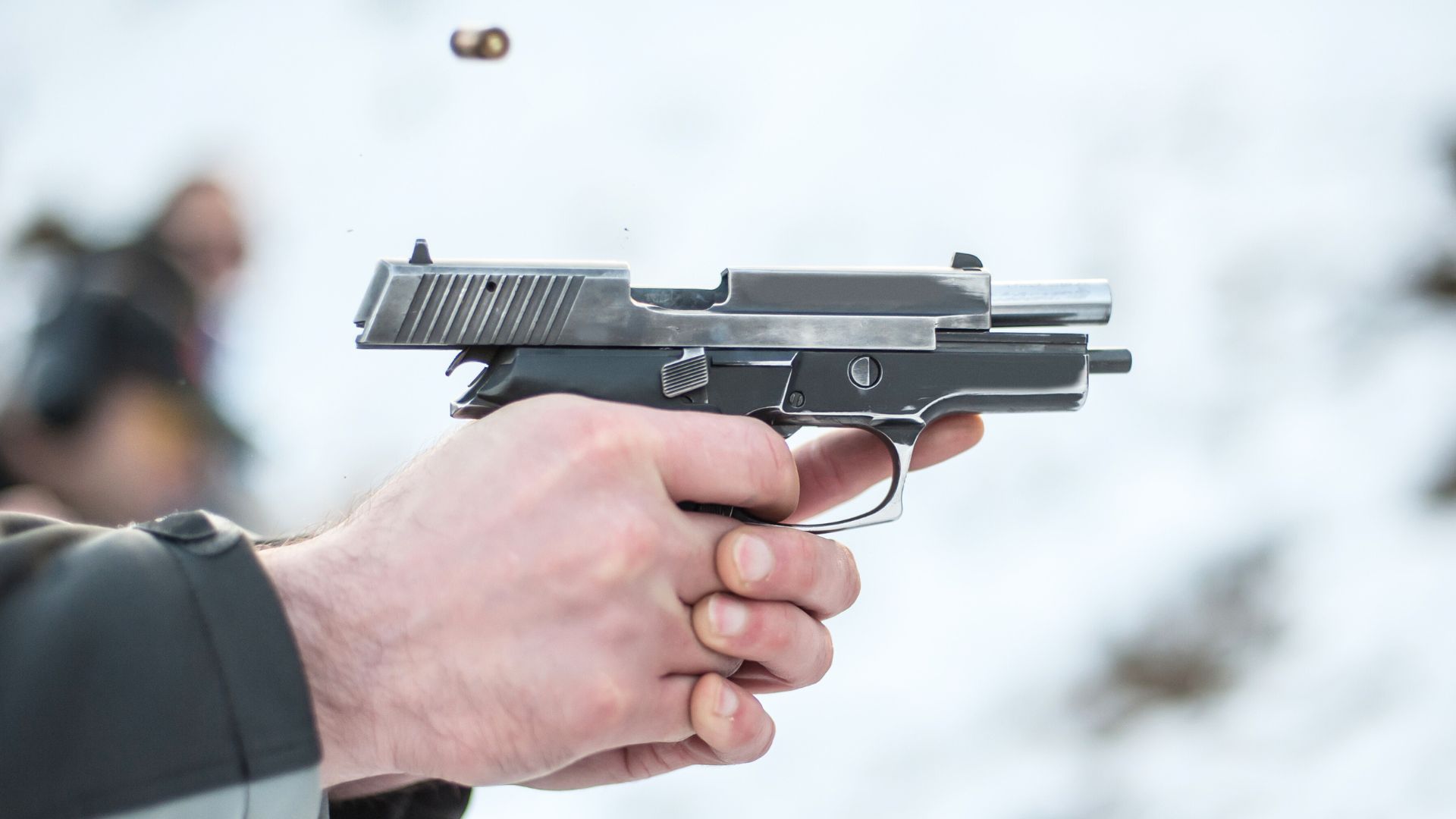
Photo credit: guruXOX/Shutterstock.com
A lot of shooters chase “hard-hitting” by chasing recoil. That’s backwards. Recoil is a clue, but it’s not a measurement of what happens in the target. Bullet construction, impact velocity, sectional density, and where a round spends its energy matter a whole lot more than how spicy it feels in your hands.
Some calibers earn a reputation for being mild, especially in sensible rifle weights or full-size handguns. Then you start looking at what they actually do on deer, hogs, predators, and steel—and you realize they punch above their comfort level. These aren’t magic rounds, and they don’t erase bad shot placement. But they do give you more real-world effect than most people expect when they first touch one off.
6.5 Creedmoor

In a normal hunting rifle, 6.5 Creedmoor usually feels more like a firm push than a slap. That’s why people shoot it well. But downrange, it carries energy and penetration better than you’d guess from the recoil, mostly because 6.5 bullets tend to have high sectional density and decent ballistic efficiency.
On deer-sized game, it’s a clean killer when you choose a proper hunting bullet and keep your impact speeds reasonable. It also holds up surprisingly well on bigger-bodied animals when you do your part and don’t try to turn it into a shoulder-breaking contest. The real advantage is you’ll actually practice with it. A caliber you train with will “hit harder” in the only way that matters: quicker, more confident, better-placed shots.
.243 Winchester

.243 gets treated like a “kid’s deer gun,” which is part of why it’s so misunderstood. The recoil is light, the report is manageable, and it’s easy to stay on target. But with modern hunting bullets, .243 can penetrate far better than the old stereotypes suggest, especially on broadside deer.
Where it surprises you is how fast it can drop deer when you hit lungs and let the bullet do what it was built to do. It doesn’t wreck meat like some hotter, bigger rounds can when they’re paired with fragile bullets, and it doesn’t beat you up enough to create bad habits. If you’ve ever watched a good shooter run a .243 and stack clean kills season after season, you stop calling it “small” pretty quickly.
7mm-08 Remington
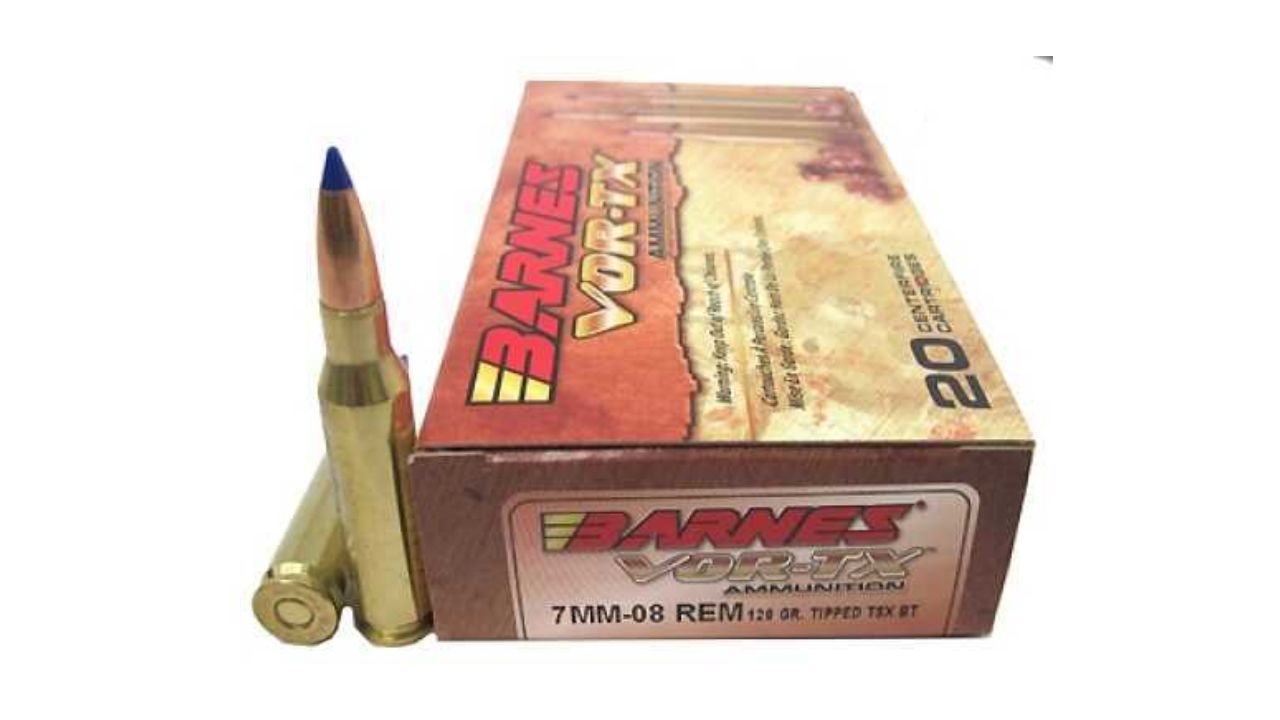
7mm-08 is one of those rounds that feels almost boring in a standard-weight rifle. It’s not loud in a way that rattles you, recoil is very manageable, and it’s easy to spot hits. Then you see what a quality 140- to 150-grain hunting bullet does at normal whitetail ranges, and the results look a lot more serious than the recoil feels.
It works because it sits in a practical window: enough bullet weight, enough velocity, and often excellent penetration without needing magnum behavior. It also tends to be forgiving in shorter barrels, which means handy woods rifles don’t give up as much as people expect. If you want a cartridge that hits with authority but doesn’t turn every range session into a chore, 7mm-08 is a quiet overachiever.
.30-30 Winchester

Nobody calls .30-30 “soft,” but most people underestimate it because the recoil isn’t dramatic and the velocity numbers look old-fashioned. With the right bullet, especially modern tipped designs, .30-30 hits harder in real tissue than people expect. It’s a wide, heavy-for-velocity slug that does work without needing speed.
The reason it surprises you is the way it performs inside normal woods ranges. It doesn’t rely on fancy expansion tricks, and it doesn’t need perfect angles to do what it does best—drive through lungs, break some rib, and keep going. In a lever gun, recoil is friendly enough that you can shoot it fast and stay accurate. That combination—realistic distances, controllable recoil, honest penetration—is why it keeps filling freezers.
.35 Remington

.35 Rem doesn’t get talked about as much anymore, which is a shame, because it’s a classic “hits bigger than it feels” cartridge. Recoil in a typical lever or pump rifle is very manageable, but the bullet diameter and weight make for dependable terminal performance at the ranges where most deer are actually shot.
It’s especially good at leaving clear blood trails and delivering quick kills on whitetails and black bear when the bullet is built right. You don’t need to read a ballistic chart to see it work. The round’s strength is simple: it puts a reasonably heavy, reasonably wide bullet through the stuff that matters without beating you up. It’s not a long-range round, but inside its lane, it hits like it’s a step above what the recoil would suggest.
.257 Roberts

The .257 Roberts has always had a reputation among hunters who’ve actually used it: easy to shoot, hard on deer. Recoil is mild, and it’s one of those cartridges that makes you feel steady behind the rifle. But a well-chosen .257 bullet at sensible velocity can penetrate and expand in a way that puts deer down fast.
It’s not about raw energy numbers. It’s about how the bullet behaves at impact. The Roberts tends to run in a velocity range that encourages controlled expansion rather than explosive blow-ups, which can keep meat damage reasonable while still delivering a strong wound channel. For a hunter who wants a “pleasant rifle” that still performs like a serious deer round, .257 Roberts is one of the best examples of recoil lying to you.
6.5×55 Swedish

The 6.5 Swede is another round that doesn’t impress people until they see results. In a normal rifle, recoil is very manageable, and it’s easy to shoot accurately. But the Swede shines with long-for-caliber bullets that penetrate deep and hold together well, especially with modern hunting designs.
It’s been taking big game cleanly for a long time for a reason. You get a bullet that tends to drive straight, maintain momentum, and do consistent work in the lungs and through bone when the angle is reasonable. The punch comes from bullet design and sectional density more than speed. If you want a cartridge that doesn’t punish you but still leaves you confident on deer and similar game, the Swede is the definition of “hits harder than it feels.”
.300 Blackout (supersonic)

.300 Blackout gets associated with short barrels and suppressors, which makes some people assume it’s “weak.” In recoil terms, it is mild, especially in an AR platform. But with supersonic hunting loads and proper bullets, it hits harder than most people expect at close to moderate ranges.
The key is understanding the lane. This isn’t a 300-yard deer cartridge for most setups. Inside 150 yards or so—depending on load and barrel length—it can deliver surprisingly solid performance with controlled-expansion bullets designed for the velocities it produces. Recoil stays calm, follow-up shots are fast, and that matters in real hunting. When you keep it in its effective envelope, .300 Blackout feels gentle and performs more like a traditional woods cartridge than people expect.
6.8 SPC

6.8 SPC is a classic example of a cartridge that looks “middling” until you hunt with it. In an AR, recoil is easy, and the gun stays flat enough for fast, accurate follow-ups. But on deer and hogs inside realistic distances, 6.8 can hit with authority, especially with bullets built for expansion at its typical impact speeds.
It works because it throws a reasonably heavy bullet for its bore size and tends to carry momentum well in the ranges where it’s meant to be used. You don’t get the sharp snap some faster, smaller rounds can have, but you still get a wound channel that looks more serious than the recoil suggests. If you like the AR hunting concept but want more punch than 5.56 without paying a recoil tax, 6.8 SPC is one of the better answers.
.350 Legend

.350 Legend is often bought for practical reasons—straight-wall rules, easy recoil, and affordable ammo. The surprise is how effective it can be on deer at typical Midwestern distances. Recoil is mild in most rifles, especially in handy bolt guns and lightweight single-shots, but the bullet diameter and weight do real work in tissue.
You’re not getting magnum speed, and you don’t need it. With a good hunting bullet, .350 Legend tends to create a wide wound channel and reliable penetration on broadside shots. It’s also easy to shoot well, which is the point. If you’re a hunter who wants a comfortable rifle that still puts deer down quickly without tearing up half a shoulder, .350 Legend often performs above what first-timers expect after feeling how gentle it is.
6mm Creedmoor

6mm Creedmoor is easy to shoot, and that’s why people sometimes underestimate it as a hunting cartridge. The recoil is light enough that you can stay in the scope and see impacts, which makes you more precise in the real world. With the right hunting bullets, it can be surprisingly effective on deer-sized game.
The trick is not treating it like a varmint round. Choose bullets designed to hold together and penetrate, keep your impact speeds in a reasonable window, and it puts animals down with clean lung shots. The cartridge’s real “power” is that it makes accuracy easier for you. When you can place shots confidently at distance without flinching, you end up with better results than shooters who chose bigger cartridges they don’t actually shoot well.
.44 Magnum (in a rifle)

A .44 Mag revolver can feel stout, but in a rifle it’s a different story. Recoil is often mild-to-moderate, and the gun is easy to run fast. Then you see what a .44 does on deer and hogs inside woods ranges, and it stops feeling like a “handgun round.” A heavy bullet at carbine velocities carries real punch.
The effect comes from bullet weight and diameter more than speed. You’re pushing a big chunk of lead or copper through vital tissue, often with dependable penetration and a wide wound channel. It’s not a flat shooter, and it’s not a long-range solution. But inside 100 yards, sometimes 125, it hits with surprising authority for how comfortable it is to shoot from a shoulder-fired gun.
.45 Colt (in a rifle)

Like .44 Mag, .45 Colt surprises people when you run it out of a rifle. Recoil can be very manageable depending on the load, but performance on game inside realistic distances can be excellent. A good .45 Colt hunting load pushes a big, heavy bullet that doesn’t need high velocity to do damage.
What you notice in the field is how decisive it can be when you put it through lungs and let the bullet keep driving. It’s also a cartridge that tends to be forgiving in short, handy rifles where you want quick handling and fast follow-ups. The recoil doesn’t scare you away from practice, and the close-range impact is far more serious than the gentle shooting experience would lead a new shooter to expect.
10mm Auto

10mm gets a loud reputation, but in a full-size pistol it can be more controllable than people think, especially with moderate loads. The surprising part is what it delivers for that level of recoil: better penetration and more energy than most common service calibers, with bullet weights that carry momentum well. You’re not getting rifle power, but you are stepping into a different class of handgun performance.
Where it shines is when you need deeper penetration, especially with proper bullets. That can matter for hogs, trail defense, and hard-angle shots where you want the bullet to keep going. The recoil feels more like a firm push than the “hand cannon” stories suggest—assuming you’re not running the hottest loads in the lightest guns. When you choose a sensible setup, 10mm hits harder than the recoil would make a lot of first-timers expect.
.327 Federal Magnum

.327 Federal Magnum doesn’t get the attention it deserves because people glance at the bullet diameter and shrug. In a revolver, recoil can be very manageable—especially compared to big-bore magnums—yet the cartridge can deliver impressive velocity and penetration for its size. It’s one of those rounds that surprises you when you see how it performs on small game, varmints, and defensive roles.
The real appeal is that it gives you performance without needing a huge gun. You can get an extra round in the cylinder in many revolvers compared to .357, and you still have a cartridge that can drive bullets deep and straight with the right load. It’s not magic, and it’s not a replacement for larger hunting rounds. But for what it is, it hits harder than the recoil and the “small caliber” label suggest.
.41 Magnum
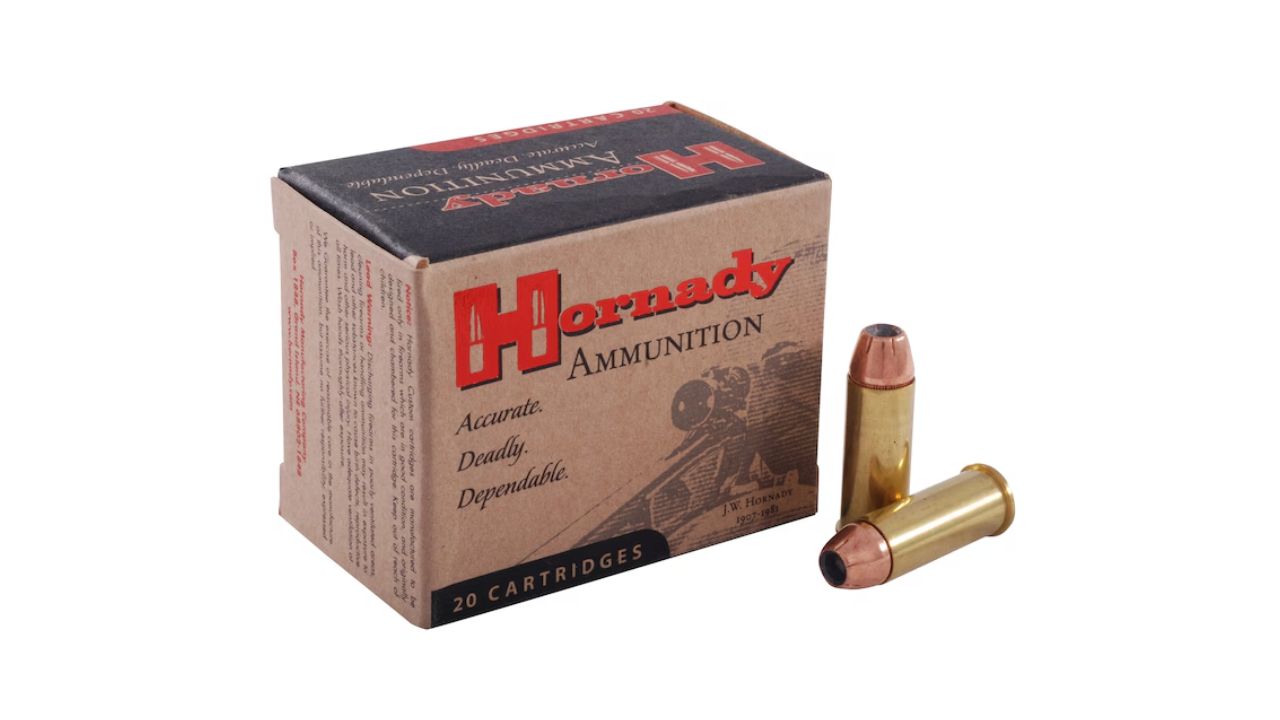
.41 Magnum lives in the shadow of .44 Magnum, but it has a loyal following for a reason. In many revolvers, it can feel noticeably more controllable than a full-house .44 while still delivering serious performance on game. The recoil is firm but often less punishing than people expect when they assume “magnum equals misery.”
It’s a practical sweet spot if you want a hunting revolver cartridge that penetrates well and carries enough bullet weight to matter, without beating you up quite as badly as the bigger option. With good bullets, it drives deep and hits hard. The surprising part is how shootable it can be in a properly sized revolver. When you can actually practice with the thing and keep your hits where they belong, the cartridge’s real-world effect looks bigger than the recoil would lead most shooters to guess.
Like The Avid Outdoorsman’s content? Be sure to follow us.
Here’s more from us: