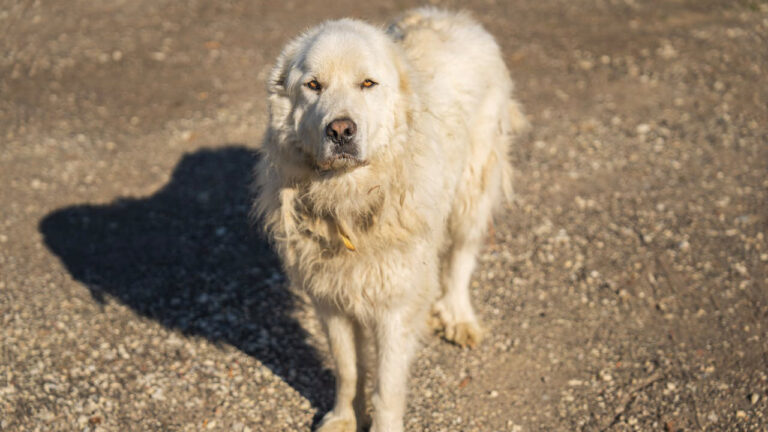
Photo credit: Karen Montero/Shutterstock.com
A lot of people still picture predators as something that stays out beyond the fence line, out in the brush, or down by the creek where you only notice them if you go looking. That is not how a lot of these encounters work anymore. In plenty of neighborhoods, the problem is not that predators exist nearby. It is that they are learning how easy porches, side yards, pet doors, trash areas, and backyard routines can be after dark. Wildlife guidance across multiple states now treats this as a residential issue, not just a rural one, especially with coyotes and in some areas black bears, bobcats, and mountain lions.
The reason this gets serious fast is simple: pets and porches bring together exactly the things predators look for. Outdoor pet food, fallen fruit, bird-seed spill, unsecured trash, cats roaming at night, and small dogs being let out alone all make a property easier to work. UC guidance says urban and suburban coyotes prey on cats and small dogs and will also eat garbage, pet food, and fruit, while Austin Animal Services warns that coyotes take advantage of pet food left outdoors and can prey on unsupervised small animals.
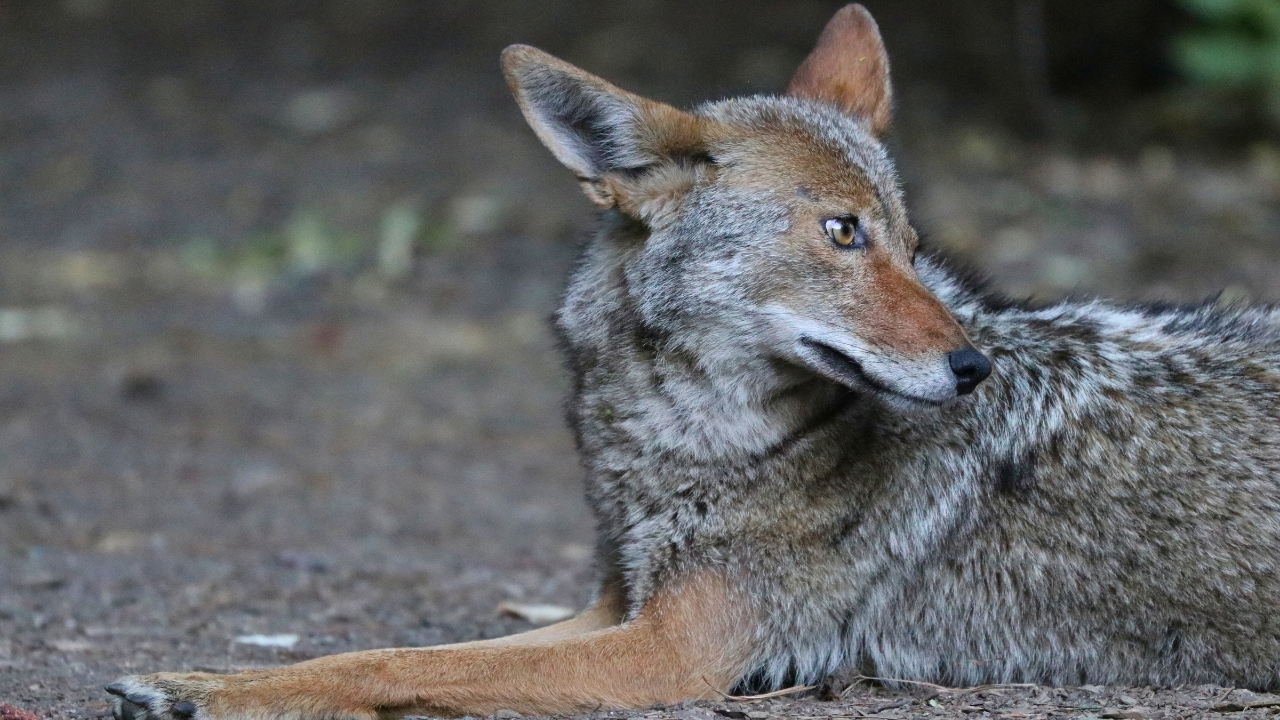
Coyotes are the most obvious neighborhood example
If there is one predator people keep underestimating around homes, it is the coyote. This is the animal that has figured out how to use greenbelts, drainage lines, creek corridors, parks, apartment edges, and fenced neighborhoods without making much noise about it. UC says some coyotes have adapted to life in residential neighborhoods and parks, and Connecticut says local animal control officers regularly deal with public-safety questions tied to coyotes near people and pets.
What makes coyotes such a problem around pets and porches is how quickly they learn routine. They do not need the whole neighborhood to be sloppy. They only need one porch with a food bowl, one yard with a cat slipping out after dark, one block where rodents keep showing up under the bird feeder, or one family that lets a little dog out alone every night. Cities and towns keep repeating the same advice because the pattern stays the same: do not leave pet food outside, secure trash, and do not assume a coyote will stay wary forever if the property keeps paying off.
Porches become trouble spots faster than people think
A porch feels safe because it is close to the house, lit up, and familiar. Predators do not read it that way. They read it as a place where food, scent, shelter, and pet routines collect in one easy spot. Alabama Extension flat-out notes that a full bowl of cat food on a porch is an invitation to coyotes, foxes, raccoons, skunks, and other wildlife. That is a perfect example of how the “safe” parts of a home can become the most attractive parts to animals after dark.
This is also why spaces under porches and decks keep showing up in safety guidance. Albany, California’s 2025 coyote reminder tells residents to trim bushes and close off access under porches and decks because those spaces can become shelter opportunities. Once a predator starts treating the area right up against the house as usable cover, the distance between “wildlife nearby” and “wildlife on the porch” gets very small.
Small pets are often what turns a sighting into a real problem
A lot of predators pass through neighborhoods. The problem changes when they start connecting those neighborhoods with easy prey. Cities and agencies are blunt about this point. Austin says coyotes are known to prey on unsupervised small dogs and outside cats, and Kyle, Texas says it is well documented that predators such as coyotes and owls prey on smaller pets. That is why so many warnings focus less on the predator itself and more on leaving pets out alone, especially at night.
This is where homeowners get lulled by routine. The little dog has gone out that same back door for years. The cat always sits on the porch rail. The pet food stays by the step because it has “never been a problem.” Then one night it becomes a problem because the wrong animal finally noticed the pattern. Predators that get comfortable around porches are usually not wandering blind. They are studying what shows up there and when.
In some places, black bears are learning the same lesson
Coyotes are the common neighborhood predator, but they are not the only one getting bolder around homes. In bear country, porches, grills, smokers, garbage, and pet food can teach black bears the same bad lesson. California wildlife officials in late 2025 pushed hard on securing trash and removing attractants like human and pet food, grills, smokers, and bird feeders because bears keep turning those easy rewards into repeat behavior.
That matters because once a large predator gets comfortable approaching a house for food, the situation becomes much less forgiving. A coyote circling a porch is bad enough. A bear that decides the porch, trash area, or side gate is part of its nighttime route is a different level of problem entirely. The underlying mistake is still the same, though: a home kept offering rewards long enough for the animal to stop hesitating.
In mountain lion country, deer near homes can bring bigger trouble in behind them
Mountain lions are not porch scavengers in the same way coyotes and bears can be, but they become a near-home issue when neighborhoods overlap with prey and cover. Washington’s cougar guidance and recent regional reporting tie lion presence closely to deer and other prey near developed areas, while Idaho officials have linked increased lion reports around communities to resident deer and elk staying nearby year-round.
That is why some neighborhoods feel safe until they suddenly do not. A home backs up to a greenbelt, deer keep bedding near the lots, pets get let out after dark, and thick landscaping runs right up to the property line. That is enough to shrink the distance between a predator that “lives out there” and one that is moving a lot closer to porches and pets than people would ever guess.
The real pattern is easy food, easy cover, and human routine
When predators get too comfortable around pets and porches, it usually is not because they suddenly turned bold for no reason. It is because the setup kept making sense. Food stayed outside. Trash stayed loose. Fruit stayed on the ground. Rodents kept working the feeder area. Bushes stayed thick. Pets stayed unsupervised. Wildlife agencies and extensions keep coming back to those same factors because they are what turn a passing animal into a repeat visitor.
That is the part homeowners need to take seriously. The predators getting far too comfortable around pets and porches are usually the ones that learned a neighborhood is quiet, predictable, and profitable. By the time people say the animals are getting “too close,” the animals have often been learning those porch and pet routines for a while already.
Like The Avid Outdoorsman’s content? Subscribe to our newsletter so you never miss an article.
Here’s more from us: