Photo credit: Radowitz/Shutterstock.com
A lot of people still think dangerous or unsettling wildlife belongs somewhere else. Deep woods. Swamps. Empty ranch country. Far-off places where you expect to watch your step and keep your eyes open. That line keeps getting thinner. More animals are showing up closer to neighborhoods, porches, parks, retention ponds, and backyard fences, and they are doing it with a level of comfort that catches people off guard. It is not always because they have suddenly become fearless. A lot of the time, people have simply made everyday places easier for wildlife to use.
That is what makes these encounters feel so strange. The setting looks normal. Kids are riding bikes. Dogs are in the yard. Someone is dragging the trash can to the curb. Then a coyote cuts across the street, a gator turns up behind a subdivision, or a bear starts checking the same neighborhood like it has done it before. In a lot of places, animals are not only wandering close to homes. They are learning how to live around them. That shift matters because once an animal gets comfortable in human space, the odds of a bad encounter usually start rising with it.
Coyotes have learned that neighborhoods offer easy chances
Coyotes may be the clearest example of an animal that has figured out how to live around people without needing much help. They do not need wilderness. They need cover, movement lanes, and something to eat. A subdivision with greenbelts, drainage cuts, brushy fence lines, outdoor cats, small dogs, rodents, and careless trash habits gives them plenty. That is why so many people are seeing coyotes in cul-de-sacs, along school routes, behind shopping centers, and near back patios at hours that used to feel too busy for them.
What makes coyotes especially unsettling is how casual they can look. They trot through a yard like they know nobody is going to stop them. They pause and watch. They circle back to the same edges of a property. That kind of behavior tells you the animal is no longer only passing through by chance. It has learned the ground. It knows where pets go out, where the fence lines are weak, and where human attention drops off after dark. Once that happens, the neighborhood starts feeling less like a barrier and more like part of the coyote’s range.
Black bears keep finding suburban life easier than it should be
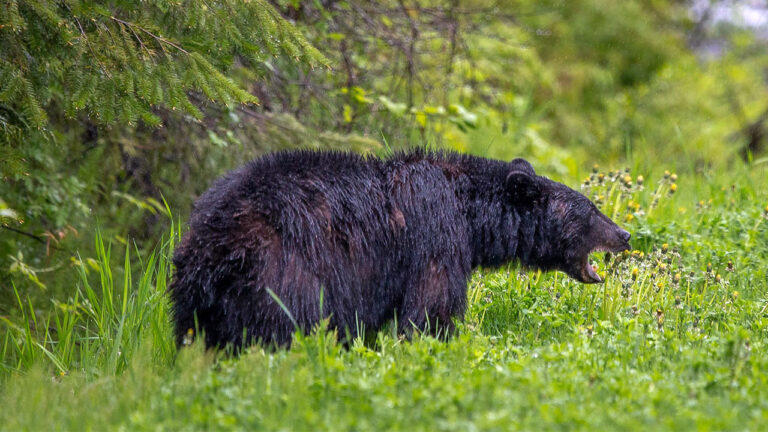
A bear showing up near homes still rattles people for good reason, but in some regions it is becoming far less unusual than many homeowners want to believe. Garbage, bird feeders, pet food, outdoor fridges, grills, orchards, and even cool shady spots under decks can turn a neighborhood into a repeated bear stop faster than people realize. Bears do not need a huge reward every time. They only need enough success often enough to remember that the area is worth checking again.
That is why bear encounters start feeling less random once they build. First it is one sighting. Then somebody’s trash gets dragged off. Then another neighbor catches one on camera. Before long the same area has become part of a food route. Bears that start getting comfortable around houses do not look like lost animals anymore. They look like animals that have learned people leave calories sitting out in some very predictable ways. That is where nerves start climbing, because a bear that thinks of a neighborhood as a good bet is a very different problem than one that simply wandered through once.
Gators are showing up in backyard water people stopped respecting
Alligators keep proving that people trust ordinary-looking water far too much. Retention ponds, drainage canals, subdivision lakes, golf course hazards, and backyard waterfronts all get treated like harmless scenery once people get used to them. In the right parts of the country, that is a mistake. A gator does not care whether the water sits behind a gated community or beside a school walking path. If it holds fish, birds, turtles, and enough quiet space, the animal can use it like any other water.
That is what makes gator encounters around homes so unsettling. The water is part of daily life. People walk dogs near it, let kids play close to it, and assume the tidy neighborhood setting means the danger is low. Meanwhile, the gator is using the bank, slipping through the canal system, or sitting in the same pond often enough that it starts to feel like it belongs there. In some places, that is the real problem. The animal does start acting like it belongs there, because from its point of view, it does.
Feral hogs are pushing into places people never expected
Wild hogs still surprise people because many imagine them as a ranch problem or a deep-country mess. But hogs do not need remote ground to cause trouble. They need water, cover, soft soil, and enough quiet movement space to keep coming and going. That is why they keep showing up around small-acreage neighborhoods, golf course edges, city-fringe creek bottoms, and semi-rural developments where people thought the setting was too crowded or too polished for serious wildlife damage.
The issue with hogs is not only that they show up. It is how fast they turn familiarity into destruction. One rooted patch becomes several. A neighborhood greenbelt starts looking torn apart. A retention area gets churned up. A property line near a creek turns into a regular travel lane. Once hogs start using those in-between spaces, they stop feeling like a distant wildlife issue and start feeling like a brute-force problem that moved right into the edge of town.
Mountain lions and bobcats keep using the gaps around development
Big cats still carry that rare, out-there reputation in a lot of people’s minds, but the smaller truths around them matter more. They do not need to stand in the middle of a driveway every week to become a real neighborhood issue. They use creek corridors, brushy edges, greenbelts, foothills, and undeveloped pockets behind homes. Bobcats especially can live around people more quietly than most folks realize. Mountain lions need more room, but they still use the same edge habitat when homes push farther into their range.
That is why sightings feel so unnerving. People do not expect a predator like that to be close until it is already very close. The cat was not hiding in some dramatic wilderness setting. It was moving a brush line behind the houses, crossing a trail at dawn, or watching deer and pets near the same transition ground people barely think about. The animal does not need to act aggressive to change how safe a place feels. It only needs to start using that place like another part of its map.
Venomous snakes do well in the places people quit checking
Few animals blend into everyday life more effectively than venomous snakes. That is part of why they seem to keep turning up “out of nowhere.” In reality, they are usually using the same kinds of spots again and again: mulch beds, wood piles, rock borders, drainage edges, shed corners, brushy fence lines, and shaded landscaping near the house. Those are not wild places in the way people think about wildlife. They are the forgotten pieces of ordinary property life.
That is why snake encounters around homes keep catching people flat-footed. The threat is not charging across the lawn. It is holding still in the kind of place someone reaches into barehanded or steps past without looking down. Once a yard offers prey, shade, and cover, snakes can use it without needing much room at all. They start feeling like they belong there because the setup keeps giving them reasons to return, and homeowners often do not notice until the surprise is already too close.
Raccoons, foxes, and smaller predators have gotten far too comfortable too
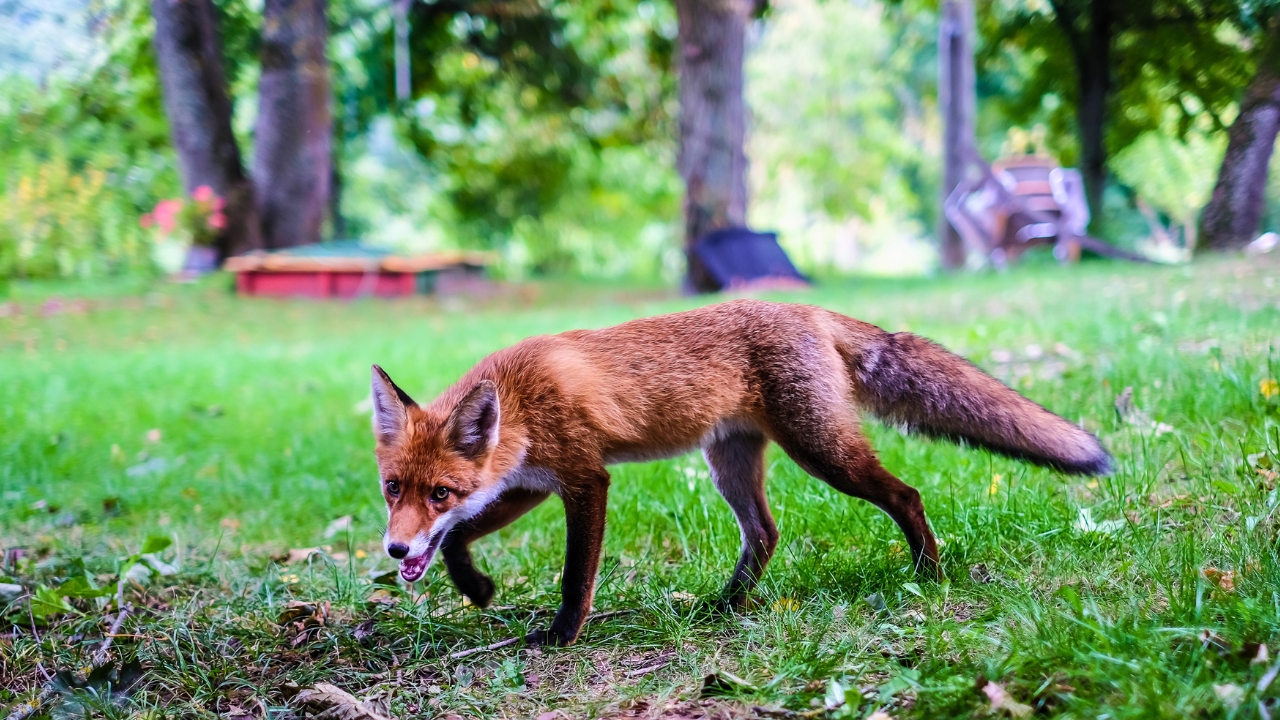
Not every animal creeping closer to homes makes headlines, but that does not mean the pattern is harmless. Raccoons, foxes, opossums, and similar mid-sized animals have become extremely good at using neighborhoods as feeding zones. Trash, pet dishes, crawl spaces, attic access, outdoor feeding habits, and decorative water sources all help them settle into human areas more easily than people realize. They may not feel as alarming as a bear or a lion, but they are part of the same larger shift.
These animals matter because they normalize the idea that homes are usable habitat. Once that line gets blurred, larger predators and more serious problem animals often follow the same basic routes and opportunities. A yard that constantly draws raccoons or rodents is already telling wildlife that food and cover are easy to find. People tend to laugh off the smaller visitors until they realize the whole property has become attractive for the wrong reasons.
The real problem is how normal it all starts to feel
That is really what makes these animals creeping closer to homes such a problem. It starts feeling ordinary before it starts feeling dangerous. A coyote in the distance. A gator in the pond. A bear on camera. A snake in the mulch. A hog along the creek. Each one gets treated like a weird one-off until the same kind of sighting happens again nearby. Then again. Then enough times that the animal stops seeming lost and starts seeming settled.
That shift is what people need to take seriously. Wildlife does not need to storm a neighborhood all at once to become a bigger issue. It only needs to learn that homes come with food, water, cover, and predictable human behavior. Once enough animals figure that out, the edge between wild space and daily life gets a lot thinner than most homeowners are ready for. The people who stay safest are usually the ones who stop pretending those animals are only visiting and start accepting that some of them have already learned how to live far closer than they used to.
Like The Avid Outdoorsman’s content? Subscribe to our newsletter so you never miss an article.
Here’s more from us: