Photo credit: Browning Europe EN/YouTube
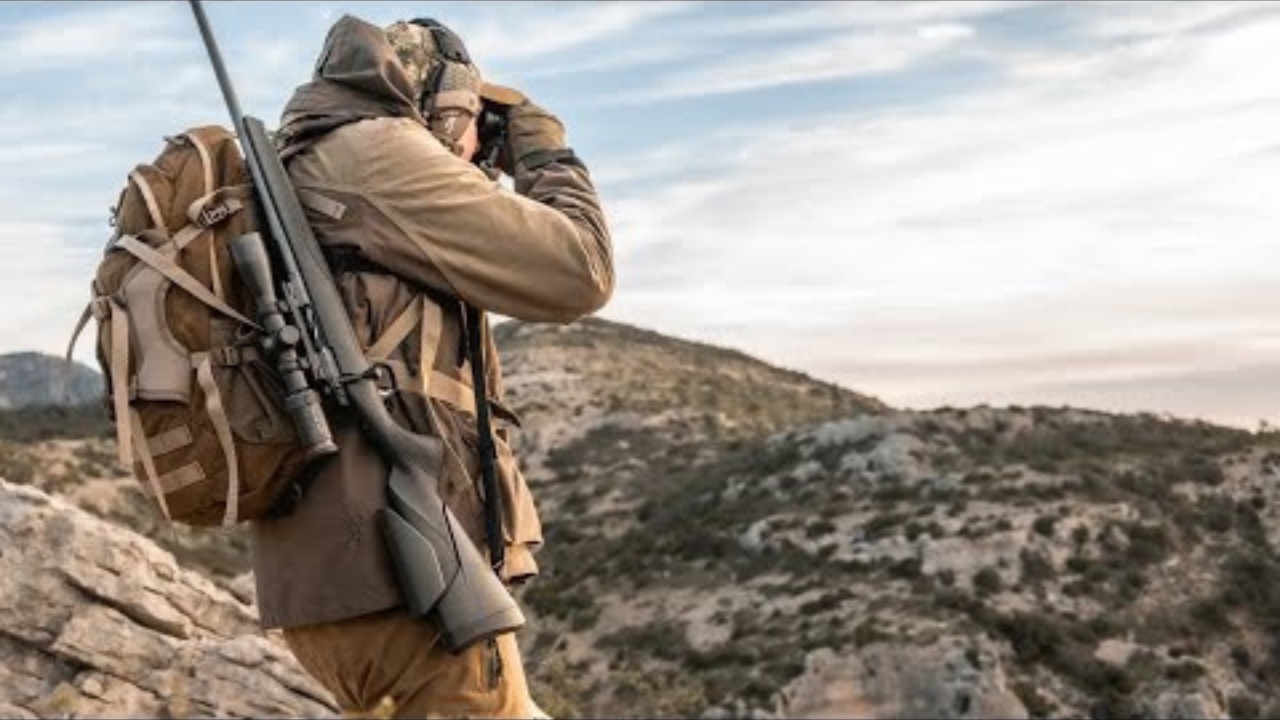
A lot of hunting rifles come and go because they look cool on a rack or feel good in a store. The rifles that keep getting bought year after year earn it the hard way—by working when you’re cold, tired, and trying to make one clean shot count. They hold zero after a season of bumps. They feed when you’re shooting at an awkward angle. They don’t turn into a project because you switched ammo or hunted in bad weather.
If you’ve been around hunters long enough, you’ve seen the pattern. The same models show up in camps across the country, carried by guys who don’t care about trends. They bought them because they needed a rifle they could trust, and they kept them because the rifles kept delivering. These are the hunting rifles that keep getting bought because they just work.
Remington 700

The Remington 700 is one of those rifles that keeps showing up because it’s familiar and it does the job. When a rifle has been in that many deer camps, elk camps, and pickup trucks, it’s not because everyone got lucky. It’s because the platform tends to shoot well and it tends to hold together.
You also see it because parts, mounts, and know-how are everywhere. That matters when you’re trying to keep a hunting rifle running for decades. You can keep it basic and it will still kill game cleanly, or you can tune it into exactly what you want without reinventing anything. When you want a rifle that’s easy to set up, easy to keep shooting, and hard to truly wear out, it’s easy to understand why the 700 stays on the buying list.
Winchester Model 70

The Model 70 keeps getting bought because it’s built around a controlled-feed idea that hunters trust when things get messy. When you’re working the bolt fast on a steep slope or in thick brush, you want the cartridge to behave the same every time. This rifle has a long history of doing that.
It also carries like a hunting rifle should. The balance feels right in your hands, and it doesn’t feel like a bench gun pretending to be a field gun. The Model 70 is the kind of rifle you can run hard in bad weather, wipe down at night, and keep hunting without wondering what’s going to change. Hunters buy them because they’ve seen them run for decades, and they keep buying them because the rifle keeps earning that reputation.
Ruger American

The Ruger American has built a reputation the honest way: it usually shoots better than its price suggests and it keeps working when you treat it like a tool. That combination is why you see so many of them getting bought, especially by hunters who want results without a fancy bill.
It also fits real life. You can mount a scope, confirm zero, and go hunt without needing a long break-in routine or a bunch of upgrades. The magazines generally feed well, the rifle tends to hold zero, and it doesn’t punish you so badly that you stop practicing. A rifle that’s affordable is nice, but a rifle that makes you confident is what really matters. That’s where the American keeps winning—because it’s usually dependable enough that you quit thinking about it and start thinking about the hunt.
Savage 110

The Savage 110 stays popular because it’s a workhorse that often shoots like it costs more than it does. For a lot of hunters, accuracy is the first trust builder. When a rifle prints consistent groups with common hunting loads, you start believing in it fast.
The 110 also holds up to hard use. It’s the kind of rifle you can carry through brush, ride in a scabbard, and hunt in wet weather without feeling like you’re babying it. The action might not feel fancy, but the lockup is usually consistent and the rifle tends to keep its zero. Hunters keep buying them because they’re tired of rifles that look great but need constant attention. The 110 usually gives you steady performance and a platform you can keep for years.
Tikka T3x

The Tikka T3x keeps getting bought because it makes shooting well feel easier. The action is smooth, the barrels are commonly excellent, and the rifle tends to be consistent with a wide range of ammo. When you’re trying to build confidence before season, that consistency is everything.
It also carries well in real terrain. You’re not fighting the rifle, and you’re not thinking about whether it will cycle clean when you need a fast follow-up. You’re thinking about the shot. That’s the difference between a rifle you respect and a rifle you trust. The T3x is often the rifle hunters “upgrade” to, and then never move on from, because it keeps delivering without drama. When a rifle feels that steady, you stop shopping and start hunting.
Weatherby Vanguard

The Vanguard keeps getting bought because it feels substantial and it tends to shoot straight. A lot of budget rifles can feel hollow or whippy, especially in awkward field positions. The Vanguard usually feels more settled, which helps you shoot steadier when you’re not on a bench.
It’s also a rifle that takes normal hunting abuse without losing its manners. The action generally runs smoothly, it feeds reliably, and it holds zero through weather changes and travel. That’s why you see them in camps where rifles get used hard and cleaned when there’s time, not because anyone is trying to impress somebody. The Vanguard isn’t chasing trends. It’s doing what hunters actually need: repeatable accuracy, dependable function, and a “grab it and go” feel that keeps it in circulation year after year.
Howa 1500

The Howa 1500 is one of the most consistent “value” actions out there, and hunters keep buying it because it rarely surprises you in the field. It tends to be accurate enough for any reasonable hunting distance, and it tends to keep running even when the rifle isn’t treated delicately.
It also has that solid, reassuring feel when you cycle it. When you’re wearing gloves, working the bolt from an odd angle, or shooting under pressure, you want the rifle to feel predictable. The Howa usually delivers that. It’s a rifle you can leave mostly stock and hunt hard with, or build into something more refined later without wasting the original investment. Hunters keep buying them because the rifle behaves like a dependable tool, and dependable tools earn repeat business.
Browning X-Bolt

The X-Bolt keeps getting bought because it balances well and it tends to be accurate without a lot of fuss. Hunters notice when a rifle shoulders naturally and tracks smoothly in real shooting positions. That matters when the shot comes fast and you don’t get to reset your whole body like you do on a bench.
It also tends to hold up. The action is usually smooth, feeding is dependable, and the rifle doesn’t feel finicky about normal hunting conditions. The X-Bolt is often chosen by hunters who want something that feels a step above the basic entry rifles without turning into an expensive custom project. It’s the kind of rifle you can sight in, hunt with hard, and still trust next season without needing to re-learn the gun. That’s why you keep seeing them come home from gun counters.
Mossberg Patriot

The Patriot keeps getting bought because it gets people into a hunting rifle without draining the budget, and it often shoots well enough to earn real trust. Hunters don’t keep buying a rifle just because it’s cheap. They keep buying it when it actually works and doesn’t punish them with constant problems.
The Patriot’s biggest advantage is practicality. It’s light enough to carry all day, it generally holds zero if your mounts are solid, and it feeds reliably for the kind of shooting most hunters actually do. It’s not trying to feel premium. It’s trying to fill tags. If you set it up correctly, check your torque, and run hunting ammo it likes, it can be a dependable deer rifle that keeps doing its job. That’s why it stays in the conversation every season.
Winchester XPR

The XPR is one of those rifles that doesn’t always get the loudest attention, but it keeps getting bought because it’s steady. It usually shoots respectable groups, it tends to feed reliably, and it holds up well to wet mornings and dusty roads.
A lot of hunters like it because it feels like a rifle built to be used. It’s not overly complicated, it carries easily, and it doesn’t demand special treatment. When you’re hunting hard, you want a rifle that you can operate without thinking, especially if you need a quick follow-up shot. The XPR generally gives you that confidence. Put a dependable scope on it, confirm your zero, and it tends to stay where you set it. That kind of predictability is why hunters keep coming back to it.
Marlin 336

The Marlin 336 keeps getting bought because it solves real hunting problems in thick cover. When deer hunting is fast and close, a handy lever gun that points naturally can be more useful than a long bolt rifle that’s awkward in brush. The 336 has been proving that for a long time.
It also earns trust through reliability. When it’s in good shape, it runs with a straightforward rhythm that’s easy to repeat under pressure. You don’t need perfect conditions or a perfect shooting position. You need a rifle that comes up quick and hits where you aim at woods distance. That’s the 336’s whole deal. Hunters keep buying them because they’ve watched them work on whitetails, hogs, and black bear for generations. The rifle is familiar, effective, and easy to live with.
Henry H009

The Henry H009 keeps getting bought because it’s a modern lever gun that runs clean and feels solid. Hunters who want a straight-walled or big-bore woods rifle often end up here because the rifle is straightforward, dependable, and built to handle real use.
It also delivers something you notice right away: it carries well and shoots in a way that makes sense for close and mid-range hunting. You’re not buying it to ring steel at 600. You’re buying it to put a heavy bullet where it needs to go at the distances where lever guns shine. The H009 tends to cycle smoothly, hold up to hard seasons, and keep its accuracy where it matters. When a rifle is that predictable, you stop tinkering. You hunt with it, you trust it, and you recommend it to the next guy.
Ruger M77

The Ruger M77 keeps getting bought because it has a “built for the field” reputation that hunters value. It’s the kind of rifle you don’t feel bad about carrying through rain, snow, and brush because it was never meant to be a delicate range toy.
A lot of that confidence comes from how the rifle feels in use. The action is sturdy, the rifle tends to hold zero, and it doesn’t feel like it’s on the edge of reliability when conditions get rough. Hunters who spend time in steep country or nasty weather end up appreciating rifles that don’t need constant attention. The M77 has that old-school dependability that keeps it circulating on the used market, and it keeps people buying them because they’ve watched these rifles stay functional for decades.
CZ 600

The CZ 600 keeps getting bought because it brought a modern, practical feel to the hunting bolt gun world without making it complicated. It tends to shoot well, it handles well, and it gives you the kind of consistency that makes practice feel worthwhile.
It also appeals to hunters who want something newer that still feels like a serious hunting rifle. You can run it in cold weather, carry it all day, and it doesn’t feel fragile. When a rifle is comfortable to shoot and it keeps performing across different ammo types and field conditions, you start trusting it quickly. The CZ 600 has been winning people over because it feels like it belongs in that “buy it once and hunt with it for years” category. That’s the real reason rifles keep getting bought—not because they’re trendy, but because they keep delivering.
Bergara B-14

The Bergara B-14 keeps getting bought because it often shoots like a rifle that should cost more. Hunters notice when a rifle prints consistent groups and holds that performance over time. That’s how a rifle earns word-of-mouth in hunting circles.
The B-14 also feels solid. It’s not trying to be the lightest thing on the mountain, and that can actually help you shoot better from field positions. The action tends to run smoothly, the barrel work is widely respected, and the rifle usually behaves predictably when you’re practicing and when you’re hunting. That predictability is what makes a rifle feel “easy” in the best way. Hunters keep buying the B-14 because it gives them a rifle that’s accurate, dependable, and ready to hunt without turning into an endless upgrade project.
Springfield Armory 2020 Waypoint

The 2020 Waypoint keeps getting bought because it offers a lightweight, modern hunting rifle that still shoots like it means it. A lot of light rifles get whippy or inconsistent. The Waypoint has built a reputation for staying accurate while still being packable.
It also fits the hunter who wants a rifle that’s ready now, not after a pile of modifications. The design is aimed at real field use—carry it far, shoot it steady, and trust it when you’re breathing hard. That’s the whole goal for a mountain-capable hunting rifle. When you buy a rifle like this and it holds its zero, shoots tight enough to matter, and doesn’t beat you up during practice, you keep it. And when other hunters see that performance season after season, they buy one too. That’s how “they just work” spreads.
Like The Avid Outdoorsman’s content? Subscribe to our newsletter so you never miss an article.
Here’s more from us: