
Photo credit: Nomad_Soul/ShutterStock.com
Not every cartridge earns its place at the range or in the field. Some calibers look promising on paper but fail to deliver when you actually put them to use. Accuracy isn’t just about the shooter—it’s also about whether the round flies consistently, maintains stability, and performs the same way from shot to shot. Over time, certain calibers have built a reputation for erratic results, whether because of poor ballistics, limited load development, or design flaws that make them difficult to shoot well. If you’ve ever tried to sight in a rifle and found your groups wandering despite doing everything right, chances are you’ve met one of these cartridges. Knowing which calibers tend to scatter more than they score helps you avoid wasting money and frustration. These are the rounds that sound good in theory but often fail to back it up when you’re behind the trigger.
.17 HMR in semi-auto rifles
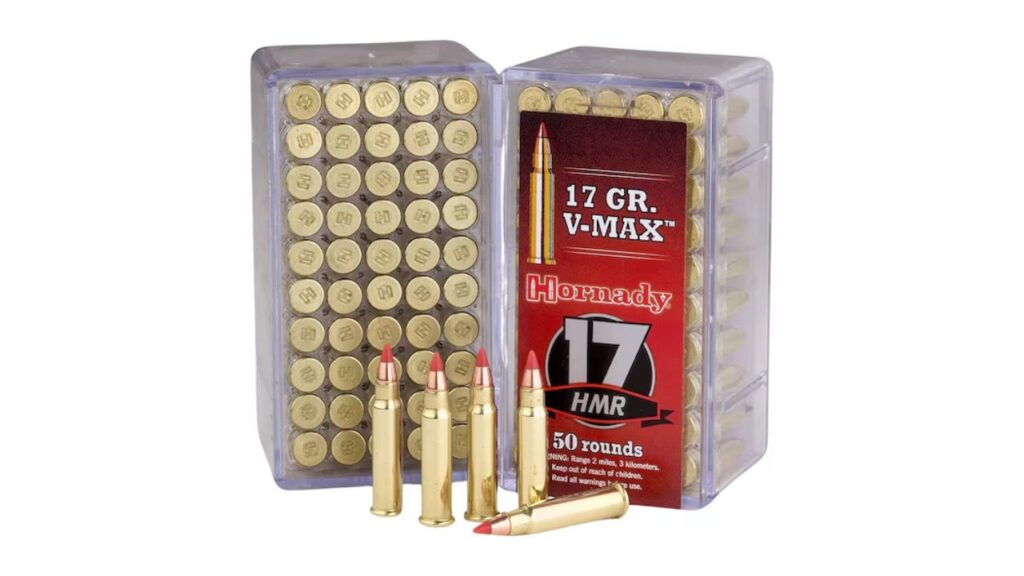
The .17 HMR shines in bolt-action platforms where it can stay consistent, but in semi-autos, it’s another story. The high pressure and delicate rimfire case don’t always play nice with semi-automatic actions. What you often get is erratic cycling, inconsistent ignition, and accuracy that falls apart after the first few shots. Many manufacturers even pulled back their semi-auto offerings in this caliber because the combination created reliability and precision headaches.
On the bench, you’ll see flyers popping up even in tight groups, and out in the field, those misses become costly. It’s not that the .17 HMR can’t be accurate—it absolutely can—but when paired with the wrong platform, it starts missing more than it hits. If you want to run this cartridge, stick to a bolt-action where it’s stable, predictable, and far more rewarding. Semi-auto rifles chambered in .17 HMR tend to frustrate more than impress.
.22 WMR in handguns
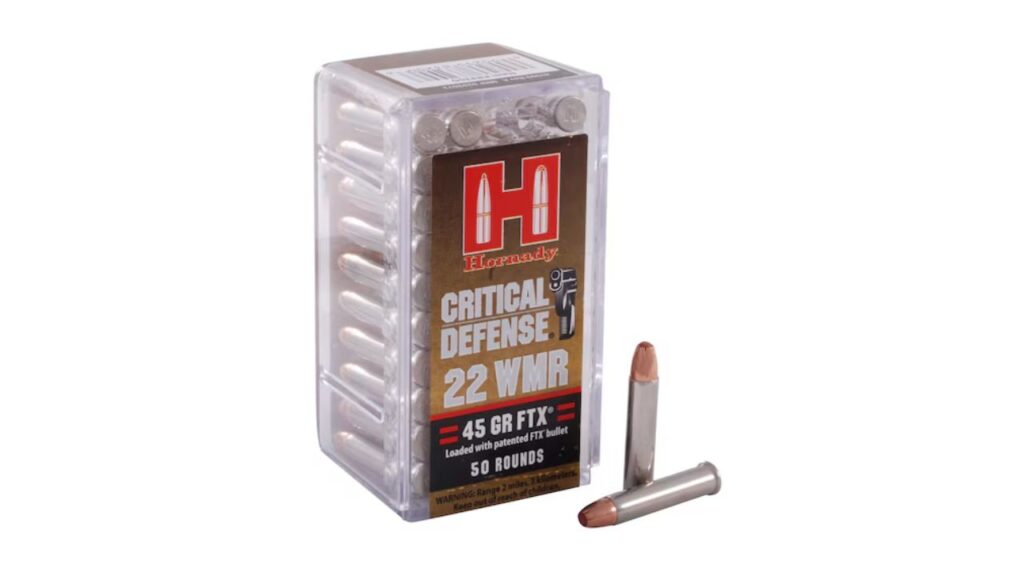
The .22 WMR has its fans in rifles, but once you chamber it in a handgun, performance drops off fast. The cartridge was designed for rifles, where the powder can burn completely and the velocity really shines. In a short pistol barrel, you’re left with excessive muzzle blast, inconsistent velocities, and groups that rarely hold together past close range.
At the range, shooters often notice wider spreads and unpredictable shot placement, especially when trying to stretch past 25 yards. While it might sound like a step up from .22 LR, in a handgun it often feels like you gave up accuracy for flash and noise. If you’re looking for a reliable rimfire sidearm, the .22 LR offers far more consistency and better ammo availability. The .22 WMR misses more than it hits when shortened barrels rob it of the characteristics that make it shine.
.25 ACP

The .25 ACP has been around for more than a century, but accuracy was never its strong point. Designed for tiny pocket pistols with very short barrels, the cartridge rarely delivers respectable groups. The problem isn’t just the ballistics—it’s also the platforms it’s chambered in. Those small, cheaply made handguns often have poor sights, heavy triggers, and loose tolerances, all of which scatter your shots.
At realistic defensive ranges, the .25 ACP struggles to stay consistent. On paper, you’ll find groups opening up quickly, even when you do everything right. Add in the weak ballistics and it’s hard to justify this round for anything serious. Many shooters treat it as more of a novelty than a dependable choice. If you want something small that still performs, the .380 ACP or even modern micro 9mms give you far more accuracy and control. The .25 ACP simply misses too often to inspire confidence.
.32 ACP
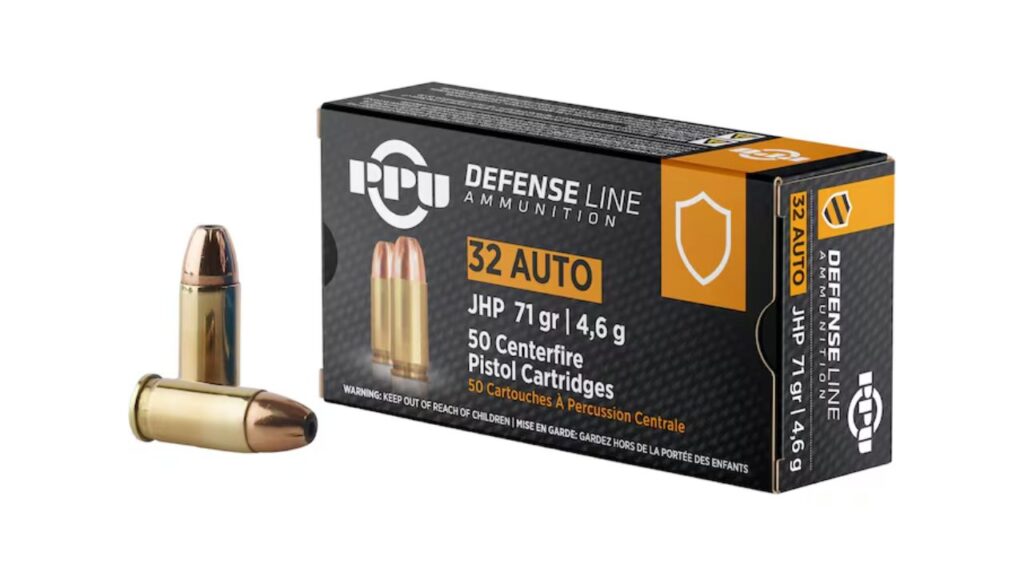
The .32 ACP was once considered a viable defensive option, but modern testing has exposed its shortcomings. Accuracy is often inconsistent, especially when fired from the compact pistols it’s usually paired with. Those guns tend to have small sights, short sight radiuses, and triggers that make steady shooting difficult. Combine that with a cartridge that doesn’t always stabilize well at longer distances, and your groups spread quickly.
While the recoil is mild, which should help accuracy, the round still tends to wander compared to more modern options. It also suffers from limited load development, so you don’t have as many accurate factory loads to choose from. On the target line, you’ll often see your shots drift wide even when your fundamentals are good. If you’re considering a pocket pistol caliber that hits consistently, there are better options. The .32 ACP too often lives up to the complaint of missing more than it hits.
.357 SIG

The .357 SIG was designed to mimic .357 Magnum ballistics in a semi-auto, but accuracy varies more than many shooters would like. The bottleneck design can produce feeding consistency, but on paper, groups often scatter wider than expected. One problem is the limited variety of loads compared to mainstream calibers like 9mm or .40 S&W. If your pistol doesn’t like the specific ammo you feed it, accuracy falls apart fast.
At the range, you might see a few tight groups followed by unpredictable flyers. Recoil also plays a role—it’s sharper than 9mm, which can throw off follow-up shots and open up your spread. While some shooters swear by it, others have abandoned the caliber after struggling to keep it consistent. If you value tight groups and predictable shot placement, .357 SIG often leaves you frustrated. It’s a round that misses more than it hits in practical shooting scenarios.
.41 Magnum

The .41 Magnum never found the sweet spot between recoil, ballistics, and accuracy. On paper, it should bridge the gap between .357 Magnum and .44 Magnum, but in practice it often feels less predictable. Loads vary wildly in performance, and many revolvers chambered for it don’t seem to group as tightly as their .357 or .44 counterparts.
At the range, you’ll often find the round punishing to shoot, which works directly against accuracy. Flinching and fatigue set in quickly, and once that happens, your groups spread wide. Hunters who’ve tried the .41 Magnum frequently move on to cartridges with better consistency and broader ammo support. While it has its niche fans, it’s not a caliber that rewards long practice sessions. More often than not, it leaves shooters with scattered groups and sore hands.
5.7x28mm

The 5.7x28mm looks great in marketing materials—flat shooting, high velocity—but in real-world use, accuracy is hit or miss. Out of a pistol like the FN Five-seveN, groups often widen as you stretch beyond short distances. The lightweight bullets are highly sensitive to wind, and that translates to inconsistency even under decent conditions.
Another issue is limited load selection. You don’t have the same depth of accurate factory ammo that you do with more common calibers, and the rounds available aren’t always tailored for precision. At the range, you’ll often find your groups scattering more than expected given the hype. While it’s fun and unique, it doesn’t deliver the kind of consistent accuracy many shooters demand. For a caliber that promised so much, it frequently misses when it matters most.
7.62x39mm in AR platforms

The 7.62x39mm works well enough in AK rifles, but once you chamber it in an AR platform, accuracy often falls apart. The cartridge itself isn’t inherently precise, especially with common steel-case loads, and the mismatch with AR magazine geometry creates feeding inconsistencies. At the bench, you’ll notice groups widening compared to 5.56 NATO rifles, even when using quality optics.
Another factor is ammo quality. Much of the 7.62x39mm on the market is bulk surplus or budget steel-case, which isn’t known for tight tolerances. That alone makes accuracy unpredictable. While it can serve for close-range shooting, it rarely performs consistently past 100 yards. If you’re used to the precision of a decent AR-15 in 5.56, a 7.62x39mm AR will feel like a downgrade that misses more often than it connects.
.45 GAP
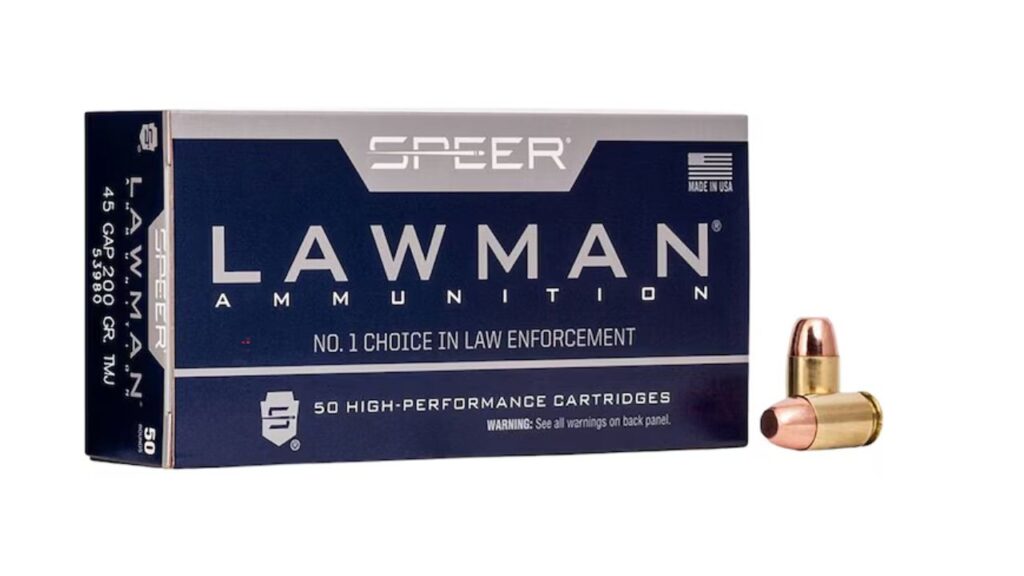
The .45 GAP was Glock’s attempt to shrink .45 ACP performance into a smaller frame size, but it struggled to earn a following. Accuracy was one of the reasons. Ammunition choices were limited from the start, and not every load grouped well. Shooters found themselves dealing with wider spreads compared to .45 ACP, even from pistols designed around the round.
Another issue is that recoil feels sharper than .45 ACP, which can disrupt follow-up shots. The end result is groups that rarely impress. With dwindling ammo support and inconsistent performance, the .45 GAP never lived up to its promise. On the range, you’ll often find it missing more than hitting in terms of practical accuracy. It’s a caliber that showed potential but ultimately failed to deliver consistent results.
.458 SOCOM

The .458 SOCOM was created to give AR platforms more stopping power, but accuracy is where it comes up short. With heavy bullets and rainbow-like trajectories, the round is difficult to keep on target past 100 yards. At closer ranges it’s fine, but stretch the distance and you’ll find your groups widening dramatically.
Ammunition availability also plays a role, as most loads are specialized and not built for precision. Many shooters describe it as a “minute of hog” cartridge—good enough for big, close targets but not for tight groups. If you’re looking for a caliber that rewards careful shooting on paper, .458 SOCOM won’t deliver. It’s powerful, but it misses far more often than it hits when accuracy is the priority.
*This article was developed with AI-powered tools and has been carefully reviewed by our editors.


