Photo credit: rogercoy/GunBroker
Spend enough Saturdays in little-town auction halls and you start to see a pattern. The crowd is there for the tractors, the gun safes, the old decoys, and anything with a recognizable logo. Meanwhile, a handful of revolvers keep slipping through the cracks because they look “just like Grandpa’s old wheelgun” to the untrained eye.
The smart buyers aren’t magic. They just know what to look for before the patter picks up, the bids start flying, and the person behind the mic suddenly realizes the plain-looking revolver in his hand is the one everybody should’ve been paying attention to. Here are 20 revolvers that tend to get spotted early by folks who’ve handled enough of them to recognize the tells.
1. Colt Python (pre-2005, especially 1970s–1980s guns)
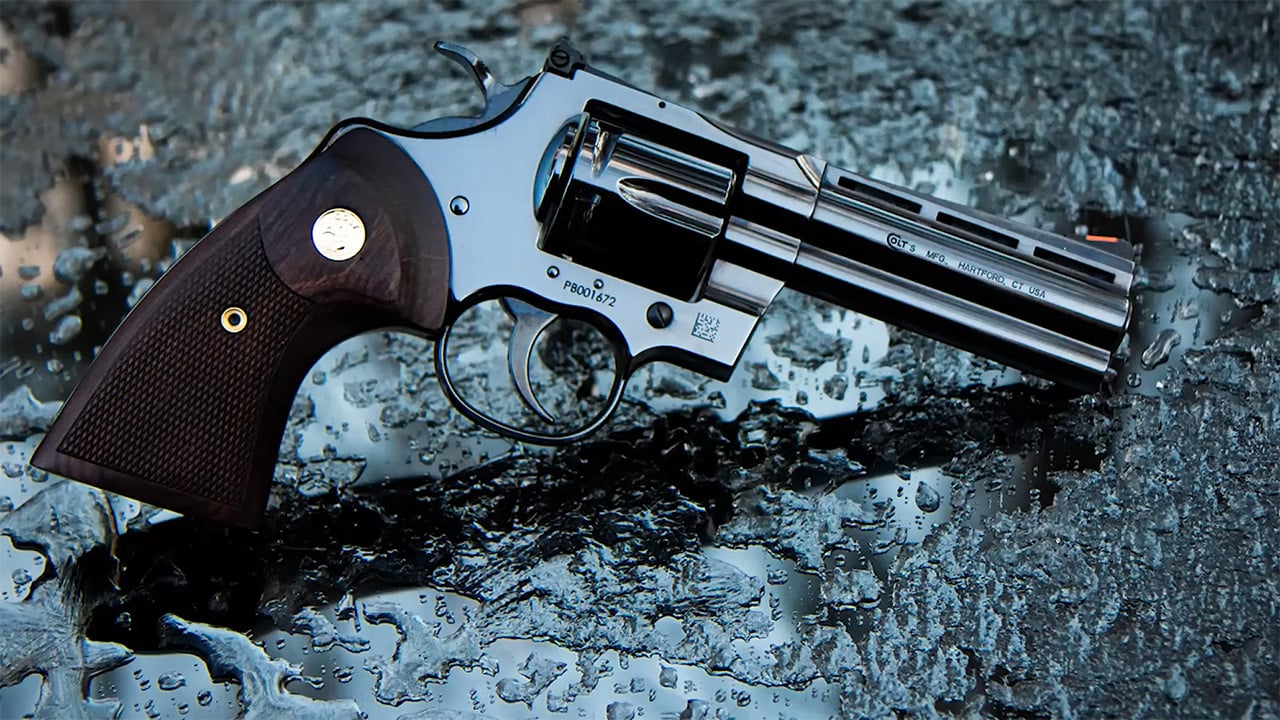
When a real Python shows up and it’s not labeled clearly, it doesn’t stay “under the radar” for long. The ventilated rib, full underlug, and the way the barrel lettering sits are usually dead giveaways. But what really tips off experienced eyes is the finish depth and the overall polish work.
They’re not all perfect shooters, and they’re not all safe queens. Still, the smoothness of a good Python action is hard to fake, and once bidders catch on, the number climbs fast. If you see one with honest holster wear and no butchered screws, that’s the kind of wear I can live with.
2. Colt Detective Special (early, blued, unshrouded ejector rod)
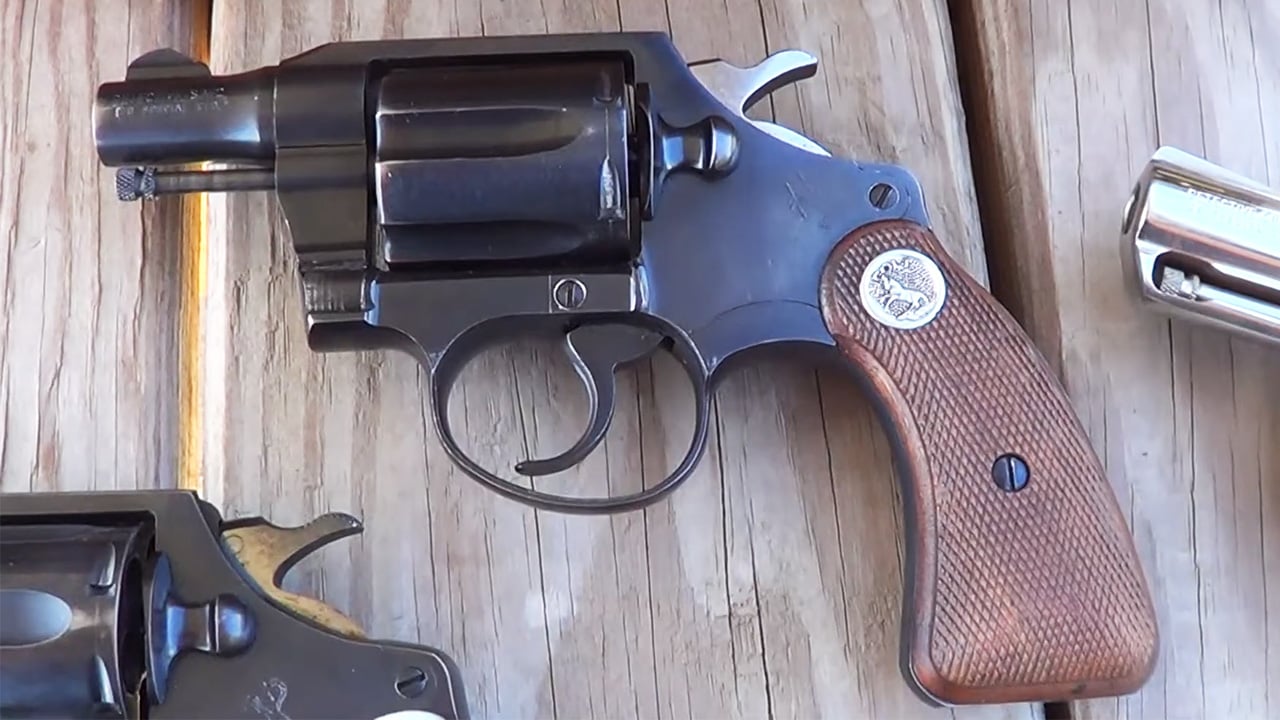
This is one that gets dismissed as “an old snub” until somebody clocks the frame size and the six-shot cylinder. The early Detective Specials have a look that’s clean and businesslike, and they carry like they were designed by someone who actually had to pack a gun all day.
Condition matters, but even a working-grade example tends to bring more than the casual crowd expects. Parts and true Colt double-action knowledge aren’t as common as they used to be, so I’m picky about timing and lockup here.
3. Smith & Wesson Model 19 (pinned-and-recessed, 2.5-inch and 4-inch)
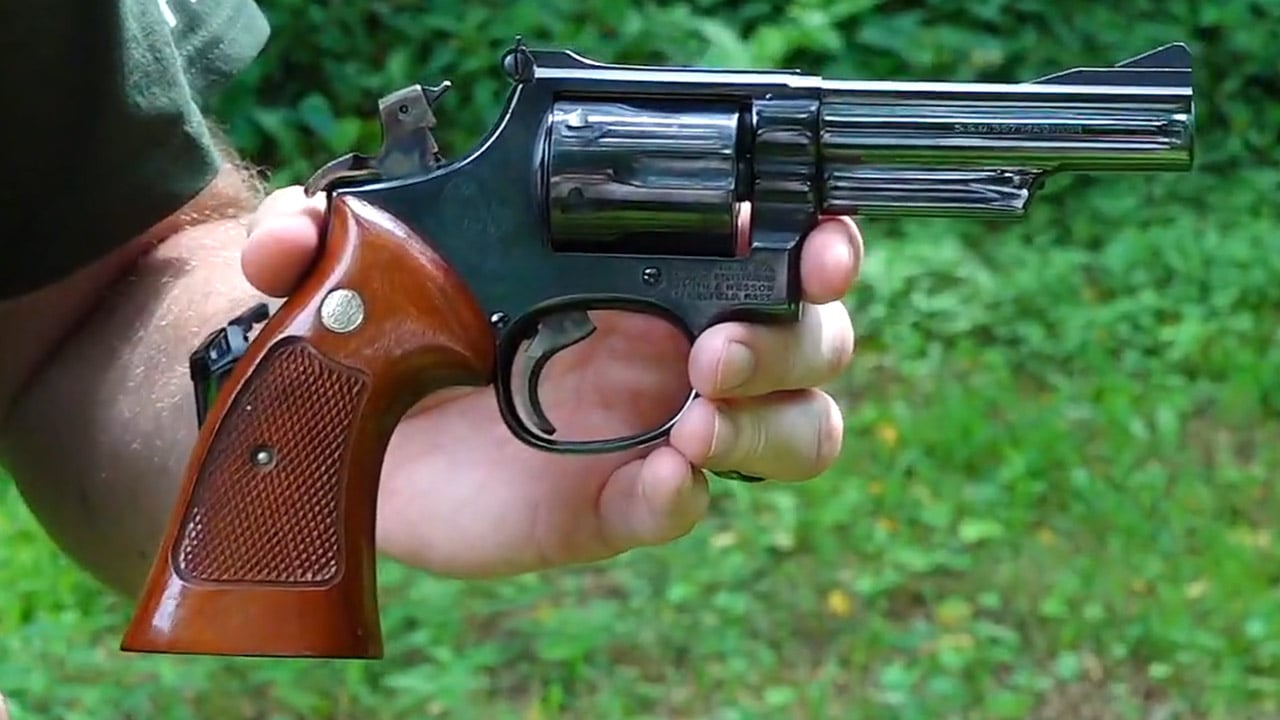
The Model 19 is one of those revolvers that feels “right” the second you pick it up. K-frames point naturally, and the balance is about as good as it gets for a carryable .357. The pinned barrel and recessed cylinder versions are what the sharp buyers look for first.
It’s not the revolver you feed a steady diet of hot, light-bullet magnums forever. But as a real-world .38/.357 woods sidearm, it’s hard to beat. When you see one with good stocks and a clean forcing cone, you don’t hesitate long.
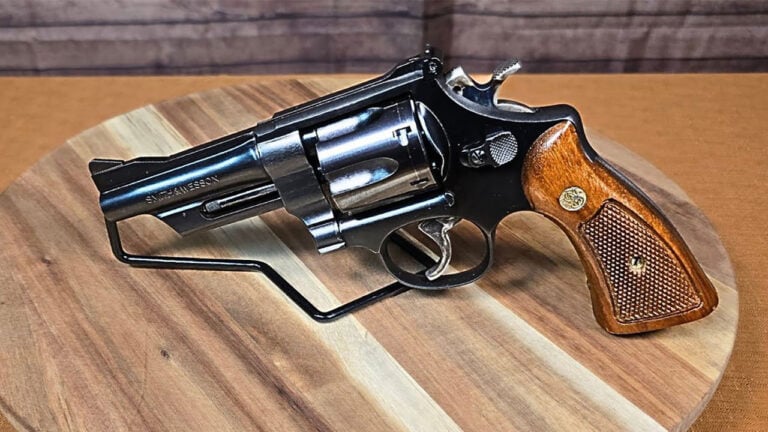
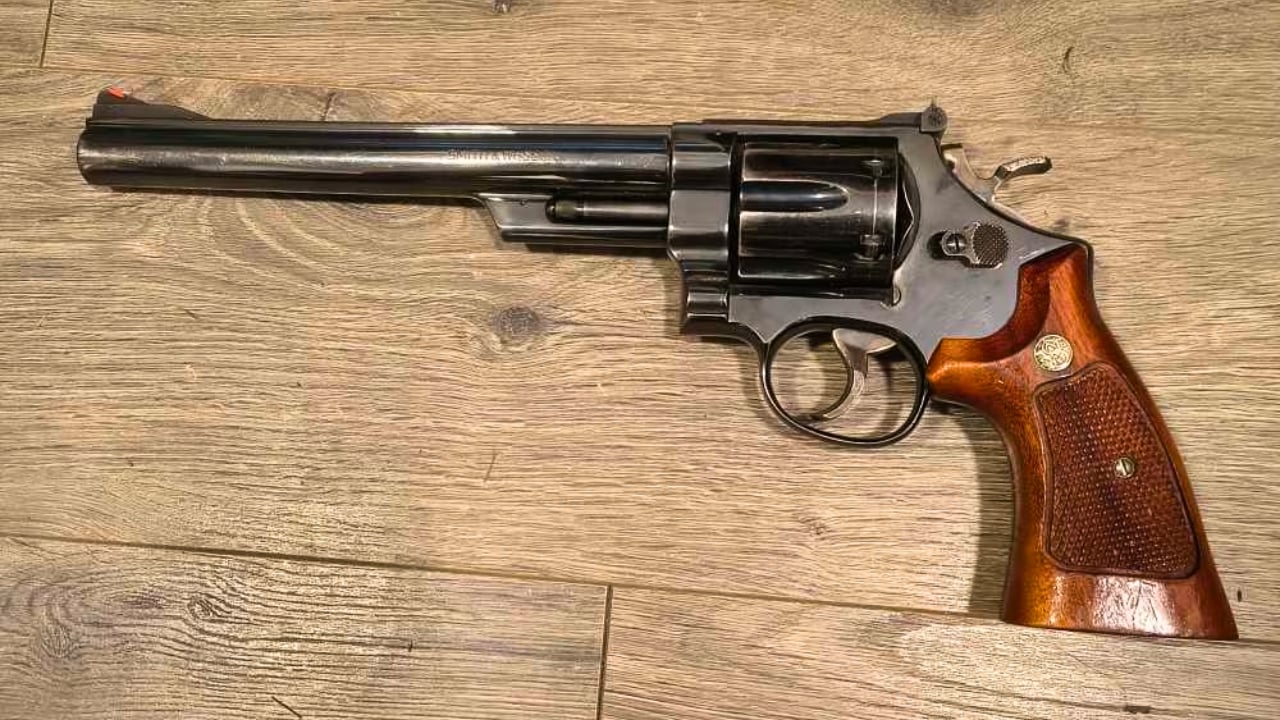
4. Smith & Wesson Model 27 (early N-frame .357)
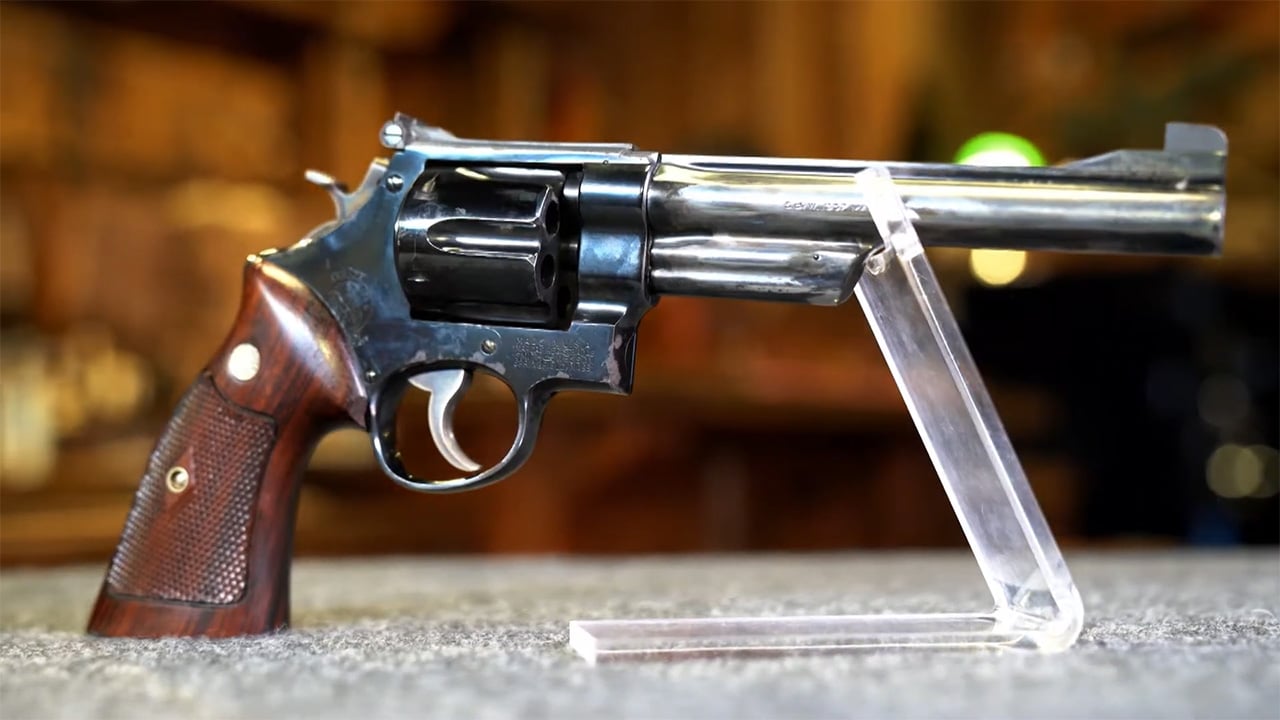
Model 27s sometimes sit on tables because they’re big and “old fashioned.” Then someone flips the gun over, sees the checkering on the topstrap, and the tone changes. This was S&W showing off, and it still shows.
They’re heavy on the belt, no way around it. But they shoot like a dream, soak up recoil, and they have that classic lawman vibe without being gimmicky. If the auction listing just says “S&W .357,” pay attention.
5. Smith & Wesson Model 29 (pinned-and-recessed .44 Magnum)
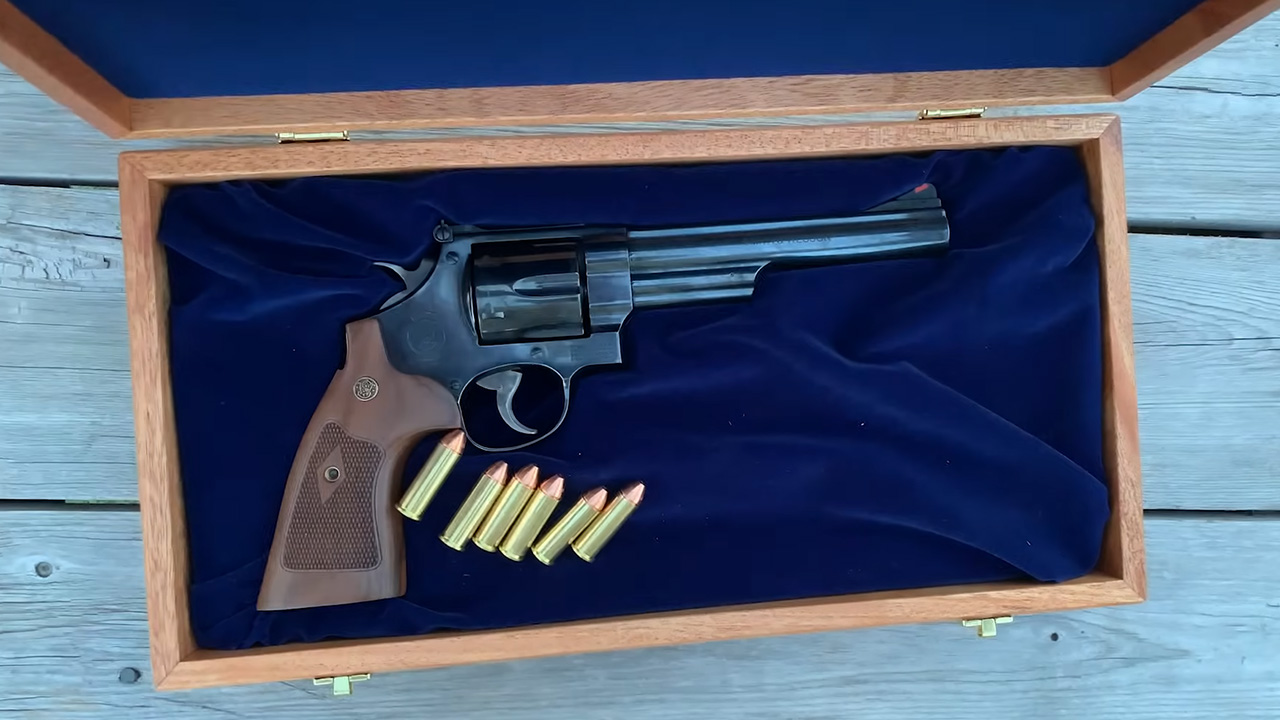
The Model 29 isn’t just a movie gun. A good one is a legit hunting and woods tool, and the older pinned-and-recessed examples tend to get spotted fast by the guys who’ve chased them for years.
Not everybody enjoys full-house .44 Mag, and I get that. But even if you’re mostly a .44 Special shooter, the 29 has a feel that newer, rougher actions don’t always match. Check for cylinder endshake and any signs it lived a hard “handload experiment” life.
6. Smith & Wesson Model 66
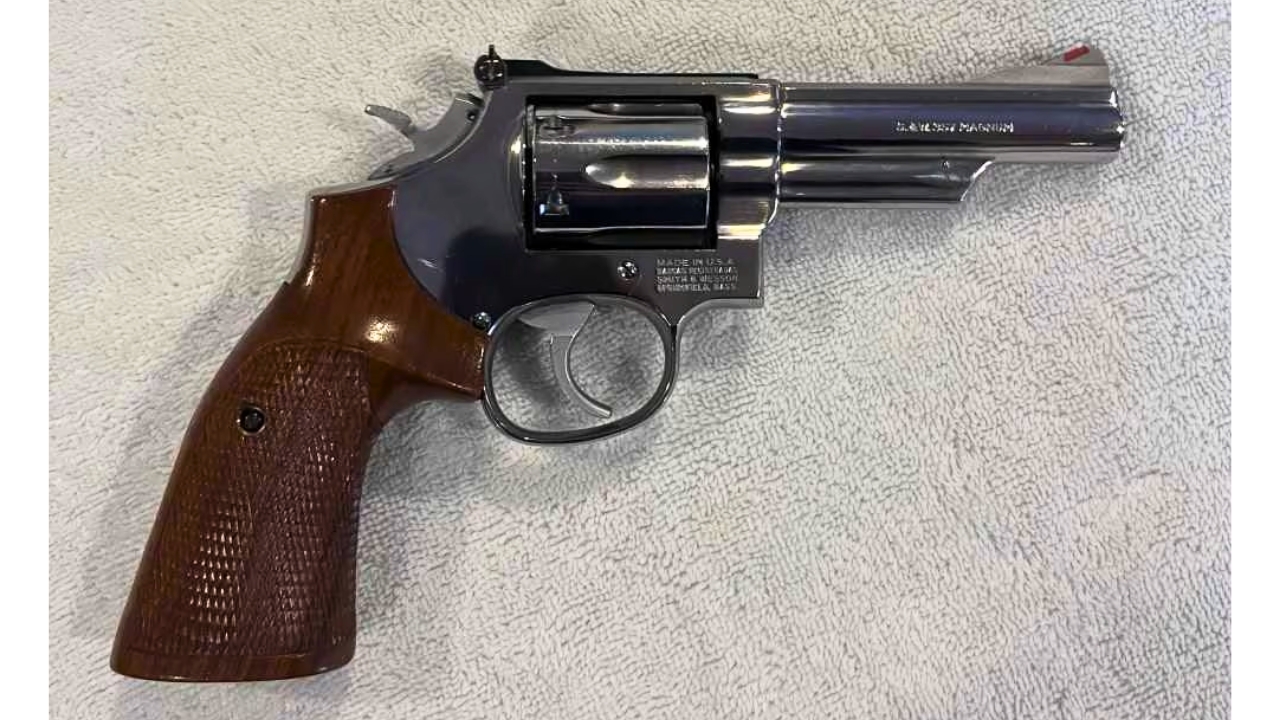
If you want the Model 19 vibe but prefer stainless for real outdoors use, the Model 66 is it. These get mistaken for “just another stainless .357” by folks who don’t know the older dash numbers.
It’s the kind of revolver that rides in a truck, goes into a wet deer camp, and still cleans up without drama. The no-lock versions are what many buyers chase, but the bigger deal is overall mechanical health. A tight 66 is a joy.
7. Smith & Wesson Model 10 (pre-model and early model guns)
Boring? Yep. Also one of the most useful revolvers ever made. The Model 10 is what a revolver looks like when it’s built for work, not for internet arguments.
At auctions, these sometimes go cheap because they aren’t flashy and they’re “only” .38 Special. Fine by me. A clean Model 10 with a decent barrel and a smooth trigger will outshoot plenty of more expensive handguns at normal distances.
8. Smith & Wesson Model 15
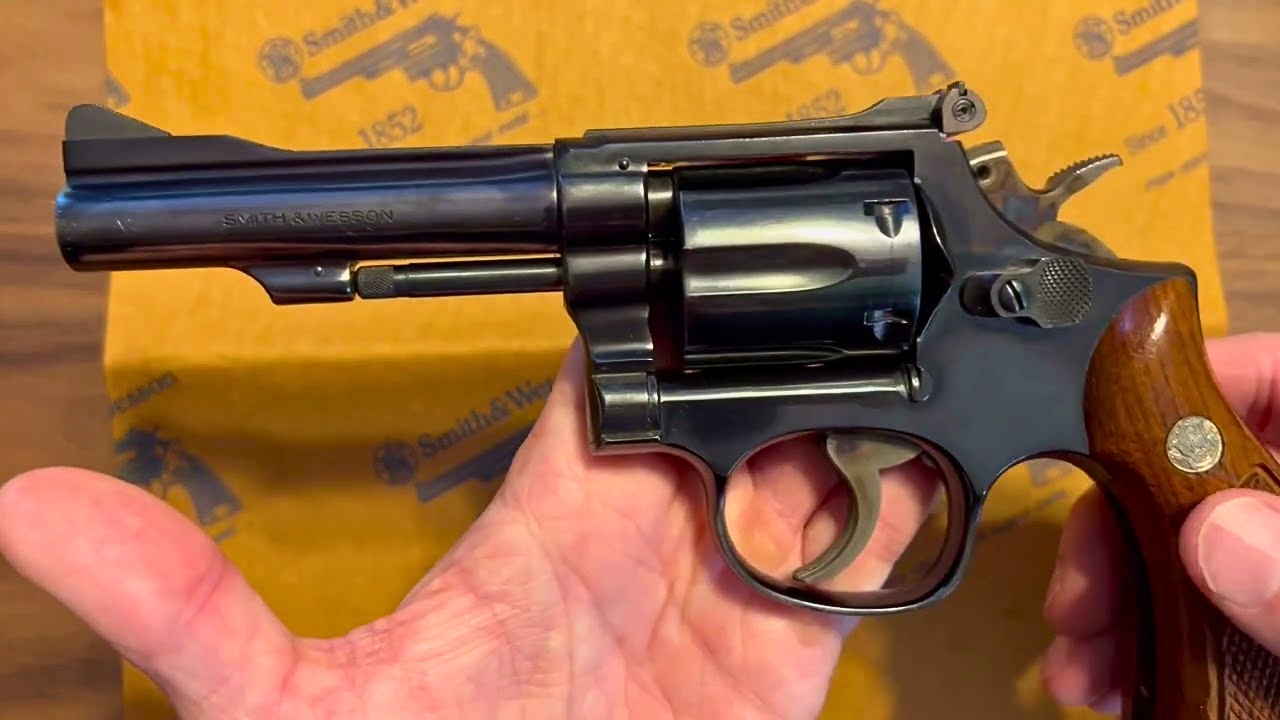
The Model 15 is another sleeper because it’s a .38 with adjustable sights, and some buyers assume that means “target gun.” In reality, it’s a practical, do-it-all revolver that balances like it’s reading your mind.
If you’ve ever tried to teach a new shooter on a decent revolver, you know why these matter. Soft recoil, easy accuracy, and a trigger that encourages good habits. When one comes up with original grips and no hack-job mods, it rarely stays affordable for long.
9. Smith & Wesson Model 36
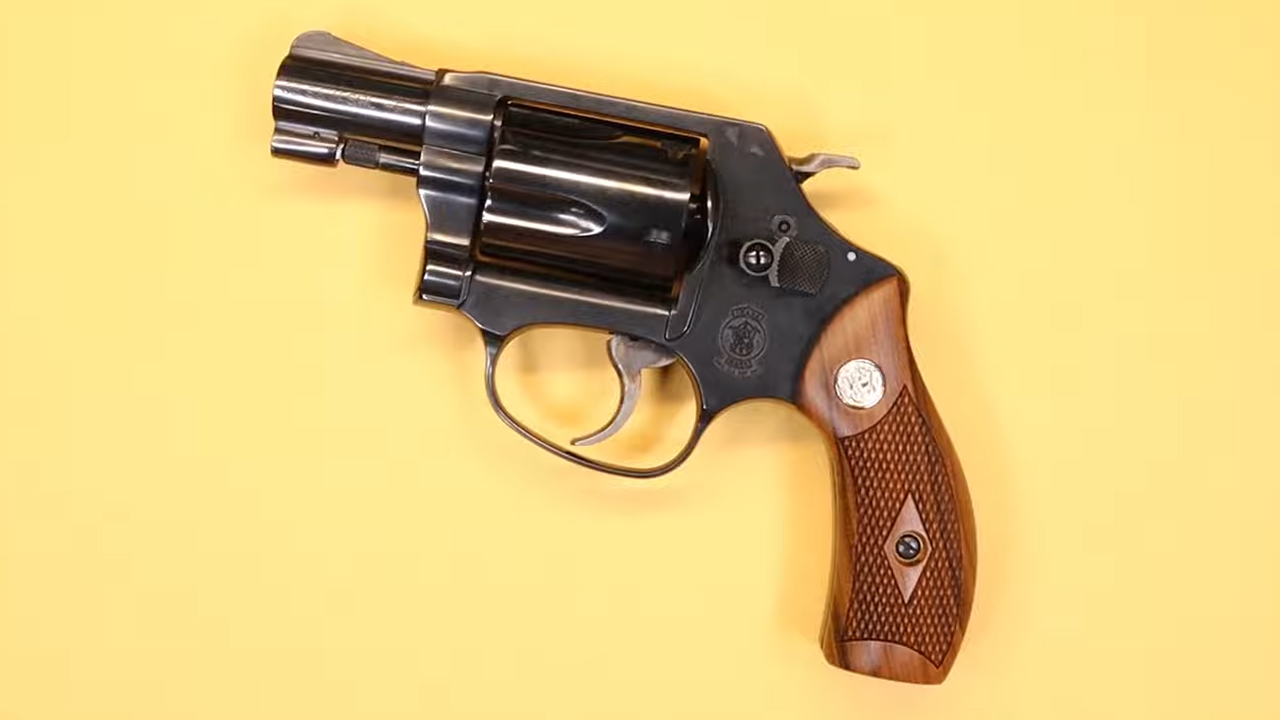
J-frames are common, but early Model 36 revolvers still get special attention from buyers who like classic carry guns. They’re small, simple, and they’re often the revolver that lived in a nightstand for 40 years.
They’re not range toys, and +P isn’t what I’d run all day in an older specimen. But as a compact .38 that actually works and actually carries, the Model 36 still earns its keep. Look for cracked grips and signs it was dropped, because small guns take hard knocks.
10. Smith & Wesson Model 640

The 640 looks plain, and that’s why it gets overlooked. Then the knowledgeable buyer notices it’s the snag-free, enclosed-hammer setup that rides well in a pocket or coat without collecting lint in the action.
This is one of those revolvers that is never fun to shoot a lot, but it’s easy to have with you. If you find an older no-lock gun in good shape, it tends to bring “quiet money” from the folks who actually carry.
11. Ruger GP100

The GP100 doesn’t have the delicate charm of a classic S&W, but it has something else: it’s tough. At auctions, it can get lumped in with generic “Ruger .357,” especially if it’s wearing ugly aftermarket grips.
In the real world, a GP100 is a steady diet revolver. Hot loads, rough use, bad weather—keep it clean and it keeps going. The action can be improved with use, and it’s the kind of gun I’d trust when I’m miles from the truck.
12. Ruger Security-Six (and Speed-Six)
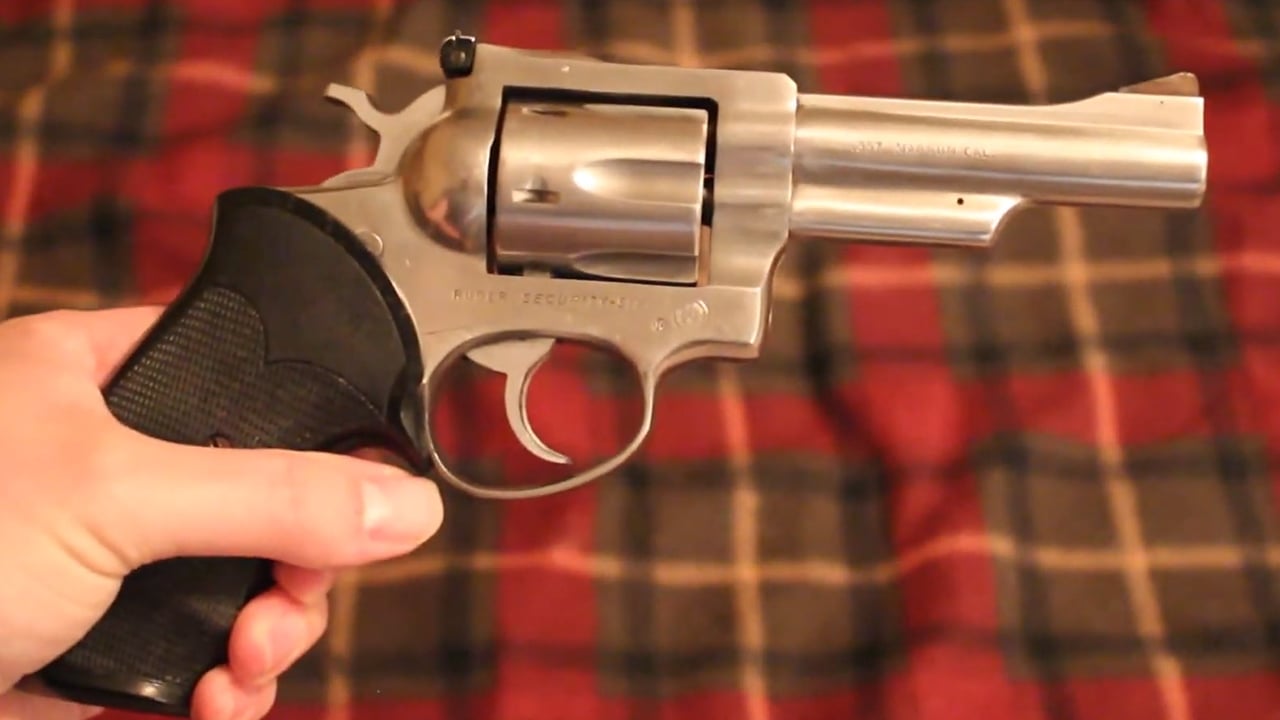
These old Six-series Rugers don’t always get the love they deserve until somebody remembers what they are: strong, simple .357s from a time when Ruger was turning out honest workhorses. They’re lighter than a GP100 and still plenty durable for sane use.
I’ve seen them misidentified as a GP100 more than once, which is a nice problem to have if you’re the bidder. Check timing, check the cylinder latch function, and look for frame abuse from over-tightened grips or backyard tinkering.
13. Ruger Blackhawk (Old Model three-screw)
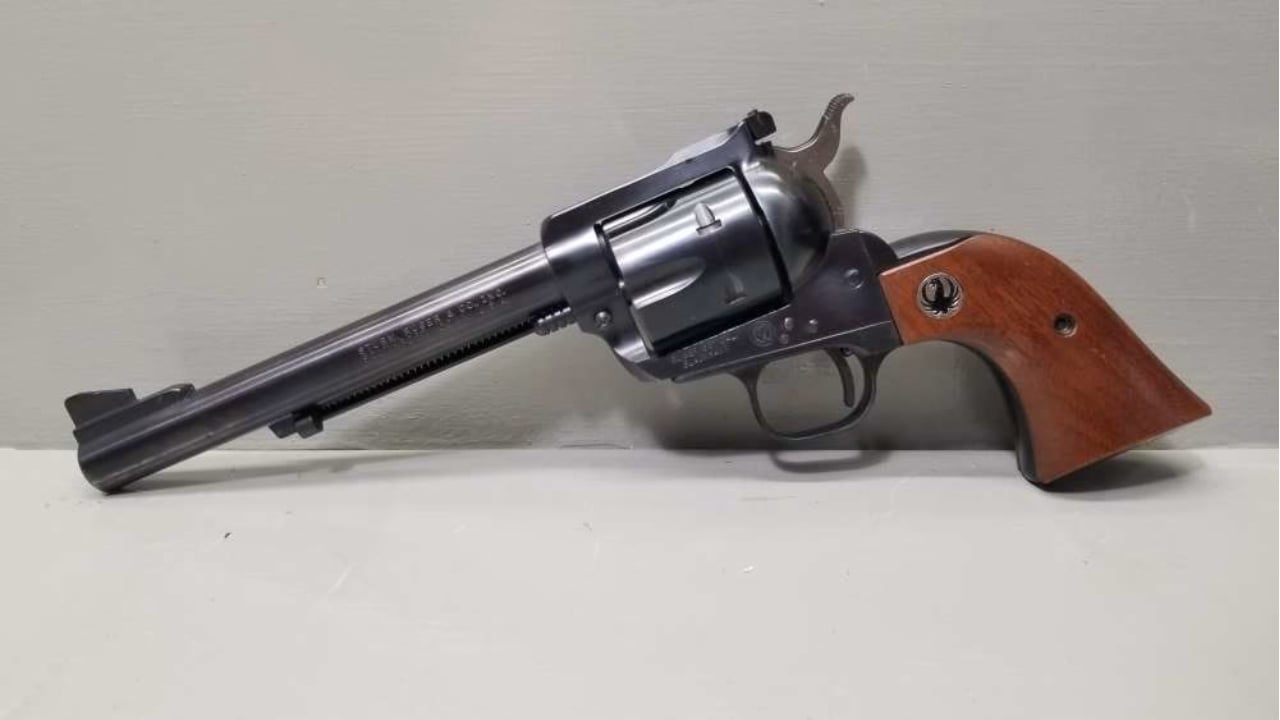
Single-actions confuse some auction crowds because they’re either “cowboy guns” or “just for looks” in a lot of folks’ minds. An Old Model three-screw Blackhawk is a different animal, and the collectors know it the second they see the frame and screws.
These are fun, accurate, and built to handle real field use. They’re also the kind of revolver that gets messed with—refinishes, home trigger work, odd parts swaps. If you find one that’s clean and correct, that’s when you pay attention.
14. Ruger Single-Six (early, three-screw and clean convertibles)
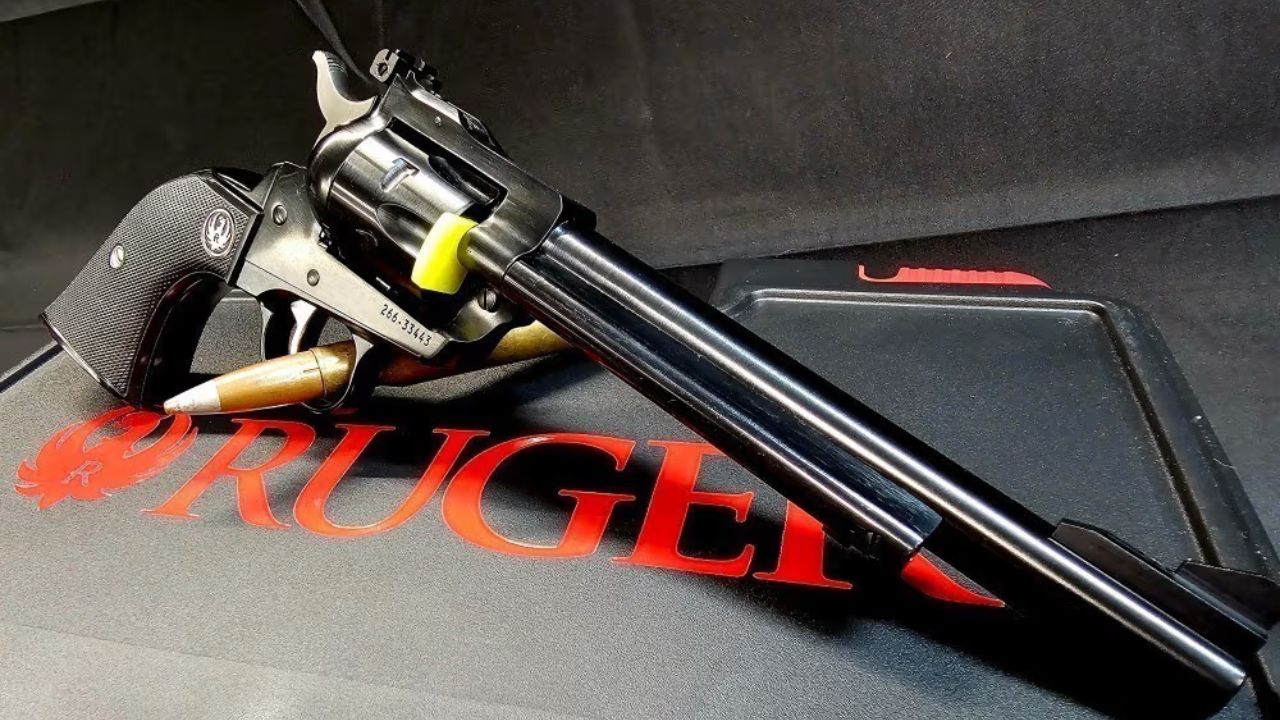
Everybody needs at least one .22 revolver, and the Single-Six is a classic for a reason. At an auction, they can get dismissed as “kid guns.” Then the smart buyer notices it’s a three-screw, or it’s a clean convertible with both cylinders present.
A .22 revolver is a camp gun, a trapline companion, and a tool for teaching without burning through your wallet. Missing cylinders hurt value and usefulness. A complete set with the box? That gets spotted from across the room.
15. Colt Trooper Mk III
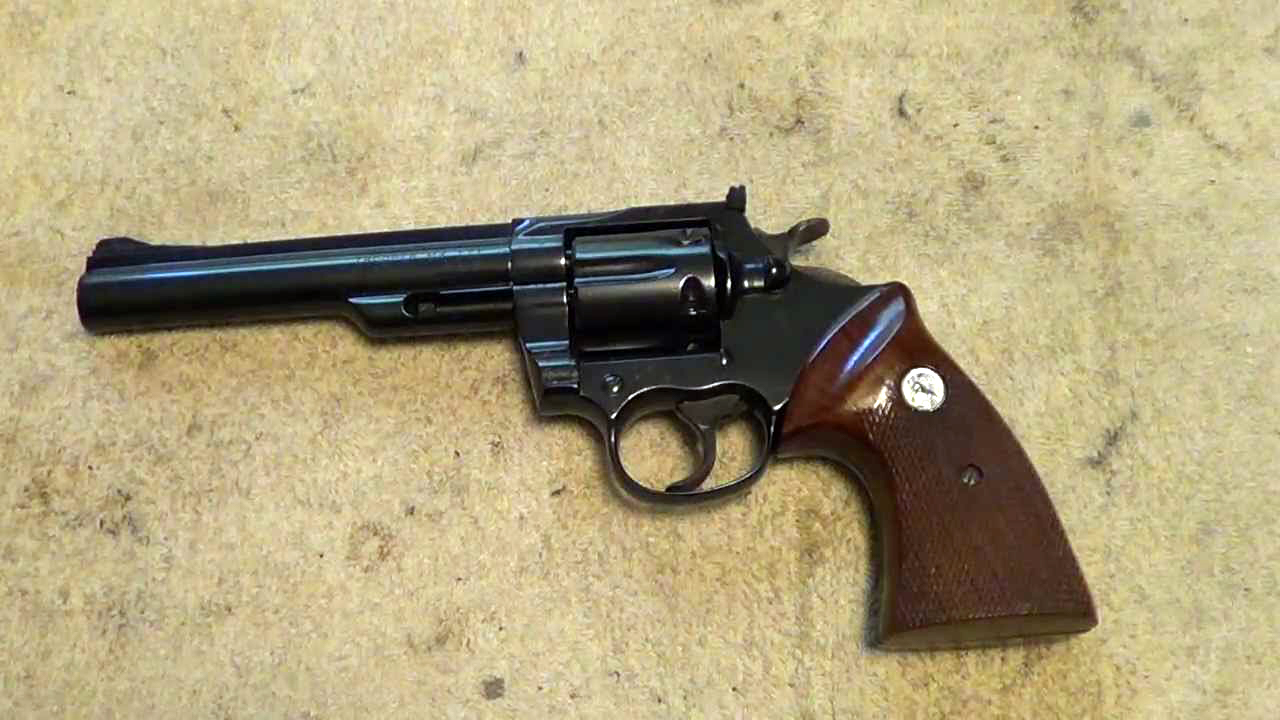
Troopers don’t always get the same immediate attention as a Python, and that’s exactly why sharp buyers like them. The Mk III guns are solid shooters, often with great bores and surprisingly good triggers once you learn their feel.
They’re not “cheap Pythons,” and I wouldn’t buy one expecting that. But if you want a real Colt .357 that you can actually shoot without wincing at every cylinder turn, a Trooper Mk III makes a lot of sense when the bidding is still sane.
16. Dan Wesson Model 15 (.357 with interchangeable barrel system)
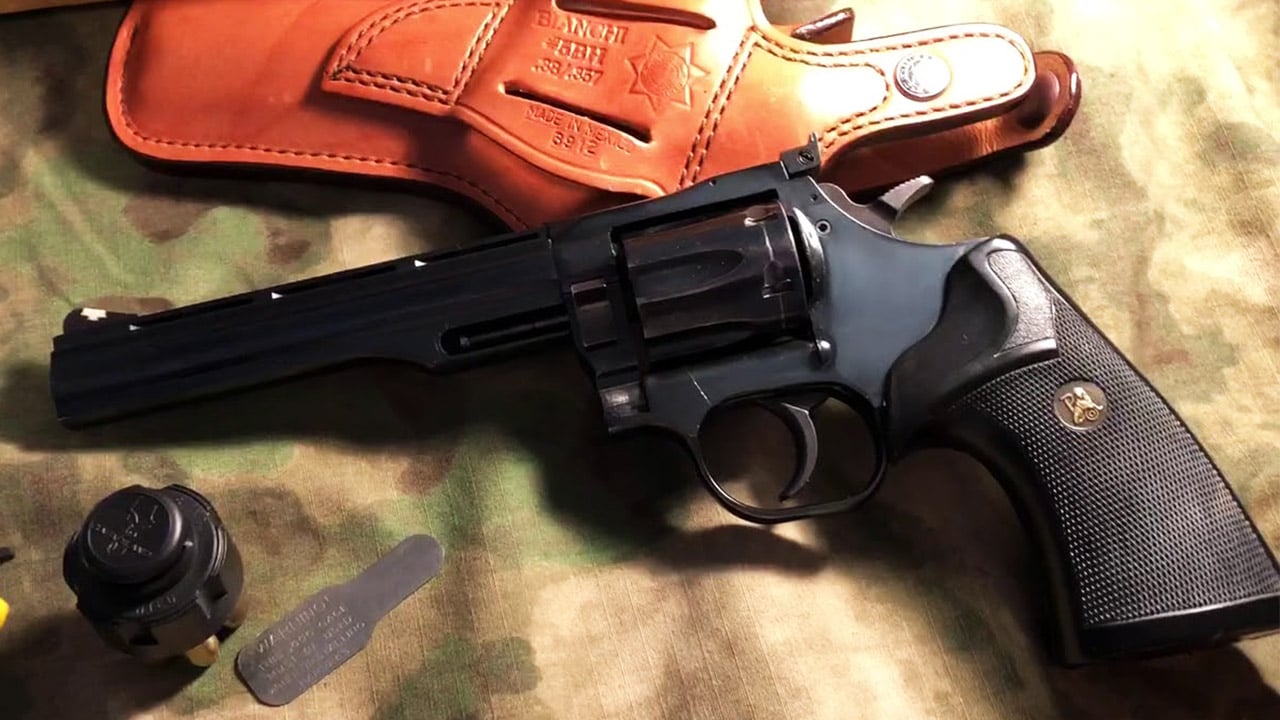
Dan Wessons are the revolvers that make auctioneers squint. The barrel shroud and nut system looks odd if you don’t know what you’re seeing, and sometimes they’re described in the listing with a shrug.
When the gun is complete with the right tools and extra barrels, bidders who know jump early. These can be tack drivers, and the value swings hard depending on completeness. A lonely revolver without the wrench isn’t the same prize as a full kit.
17. Smith & Wesson Model 17
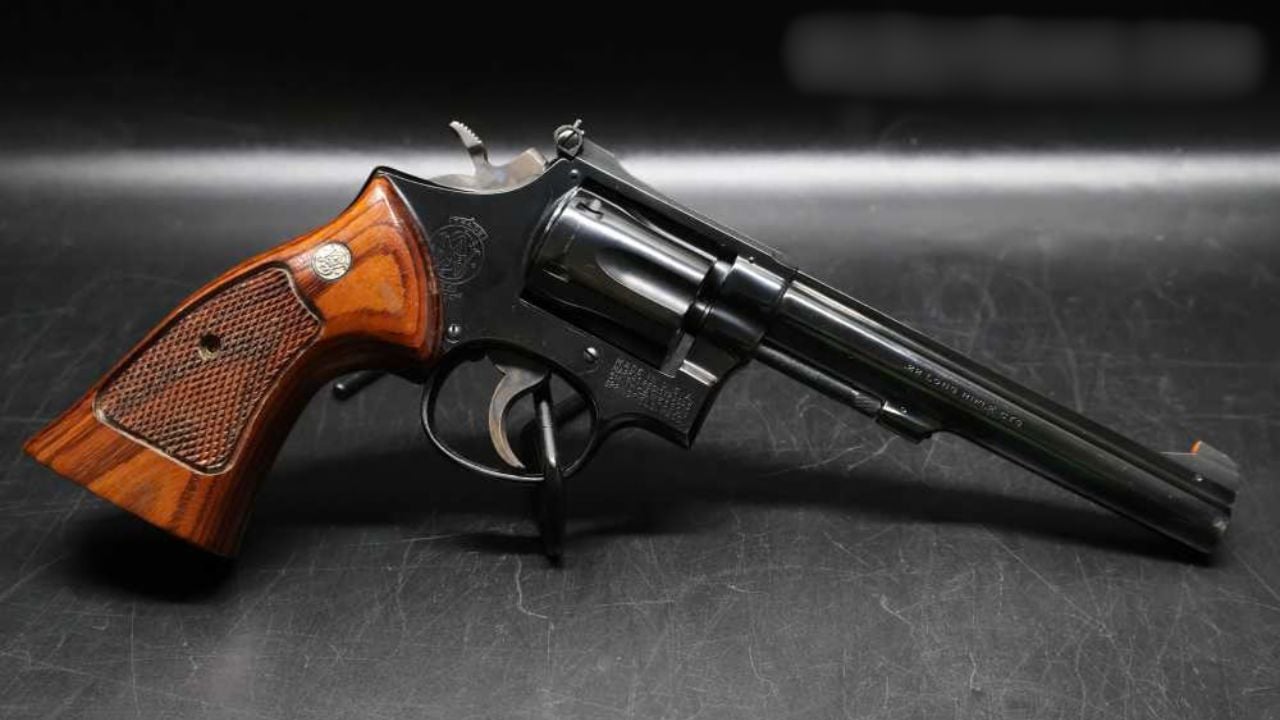
Serious .22 revolver guys love the K-22 for a reason. It’s built like a centerfire service gun but chambers .22 LR, which means you get real sights, real balance, and a trigger that rewards you for doing your part.
At auctions, these can get lost in the sea of “old .22 pistols.” If you’re the one who recognizes a clean Model 17, you’ll understand why it brings strong money once the right buyers wake up.
18. Smith & Wesson Model 24
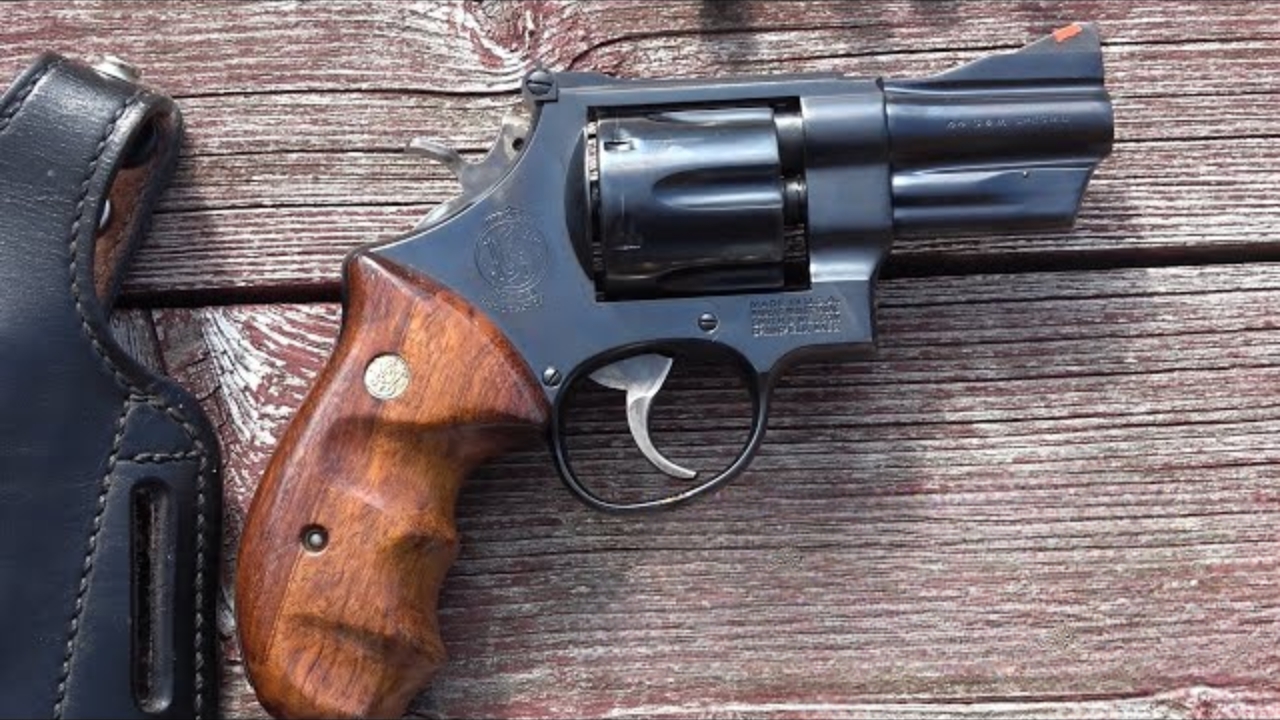
There’s a certain crowd that perks up the second they hear “.44 Special.” The Model 24 is a big-bore revolver that doesn’t have to scream to get the job done. It’s also not nearly as common as the .44 Magnum models most folks know by name.
It’s a woods gun for people who like control, not punishment. If you find one at an estate auction where it’s lumped into “assorted pistols,” don’t assume it will stay overlooked. The guys who know tend to be patient until they’re not.
19. Colt Single Action Army
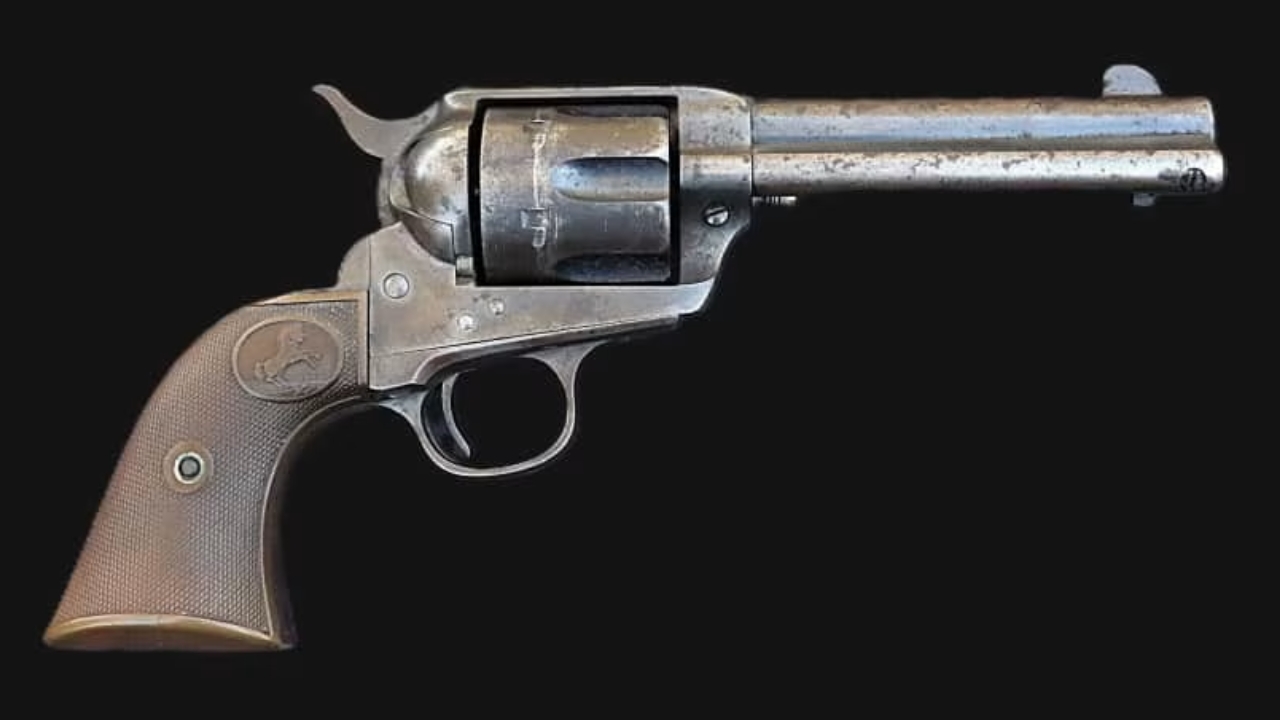
The SAA is one of those guns everybody recognizes, but not everybody recognizes correctly. Replicas and clones are everywhere. A real Colt, even a later one, still commands respect and money if it hasn’t been messed with.
Condition is everything and originality is the whole game here. I’ve seen bidders pay strong for a tired-but-correct Colt while passing on a shinier clone. If you’re buying to shoot hard, this might not be your play, but as an auction find, it can be a big moment.
20. Smith & Wesson Model 57
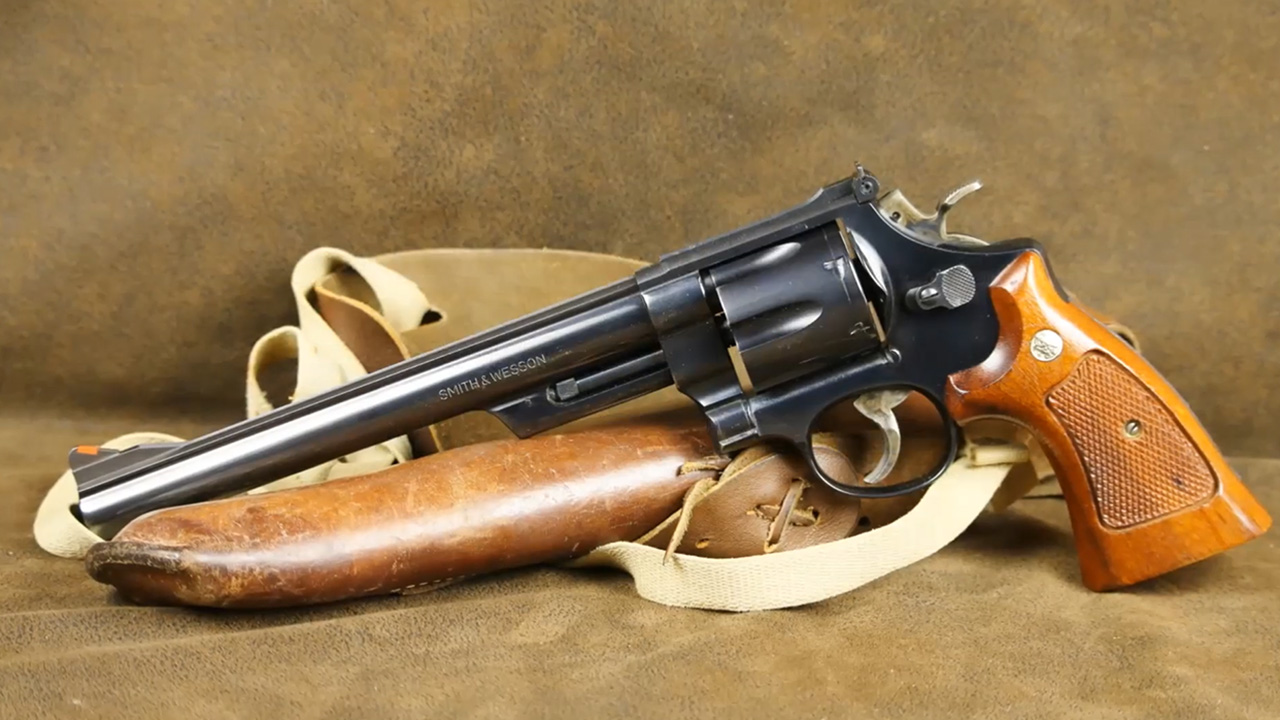
The .41 Magnum is the cartridge that always seems to be “about to make a comeback,” and the Model 57 is the revolver that keeps it alive. At an auction, it sometimes sells like a weird .44 because fewer people have real time behind one.
The funny part is how usable the .41 can be if you load and choose ammo with a little sense. The revolver itself is classic S&W N-frame, and a clean Model 57 has a way of attracting quiet bidders who don’t talk much until the hammer falls.
Here’s the real trick with auction revolvers: don’t get hypnotized by shine, and don’t get spooked by honest wear. Check the basics you can safely check—timing, lockup, bore condition, obvious damage, and whether the screws look like somebody fought them with a hardware-store screwdriver. The smart buy usually isn’t the cheapest gun in the room. It’s the one that still makes sense after the excitement wears off and you’re back home wiping it down under decent light.
Like The Avid Outdoorsman’s content? Subscribe to our newsletter so you never miss an article.
Here’s more from us: