Photo credit: Everyday Tactical Vids/YouTube
Popularity can hide a lot of flaws. A knife gets a huge following because of its brand, blade steel, locking system, or appearance, and suddenly every downside gets explained away as something the owner simply needs to get used to. Sometimes that is fair. Other times, the knife is making everyday carry harder than it needs to be.
A good pocket knife should be easy to carry, easy to open, comfortable to use, and straightforward to maintain. If you are constantly adjusting the pivot, fighting the pocket clip, babying the edge, or working around a handle that never quite feels right, the knife may not be worth the reputation surrounding it. These 20 are popular for understandable reasons, but they also bring enough headaches that I would think twice before buying one.
Benchmade Bugout

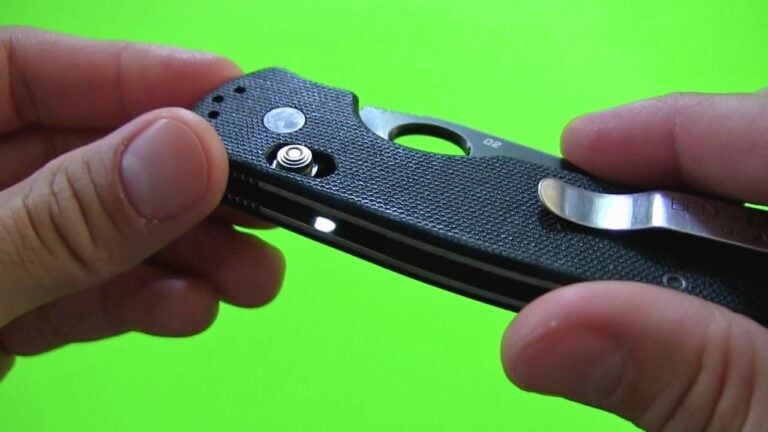
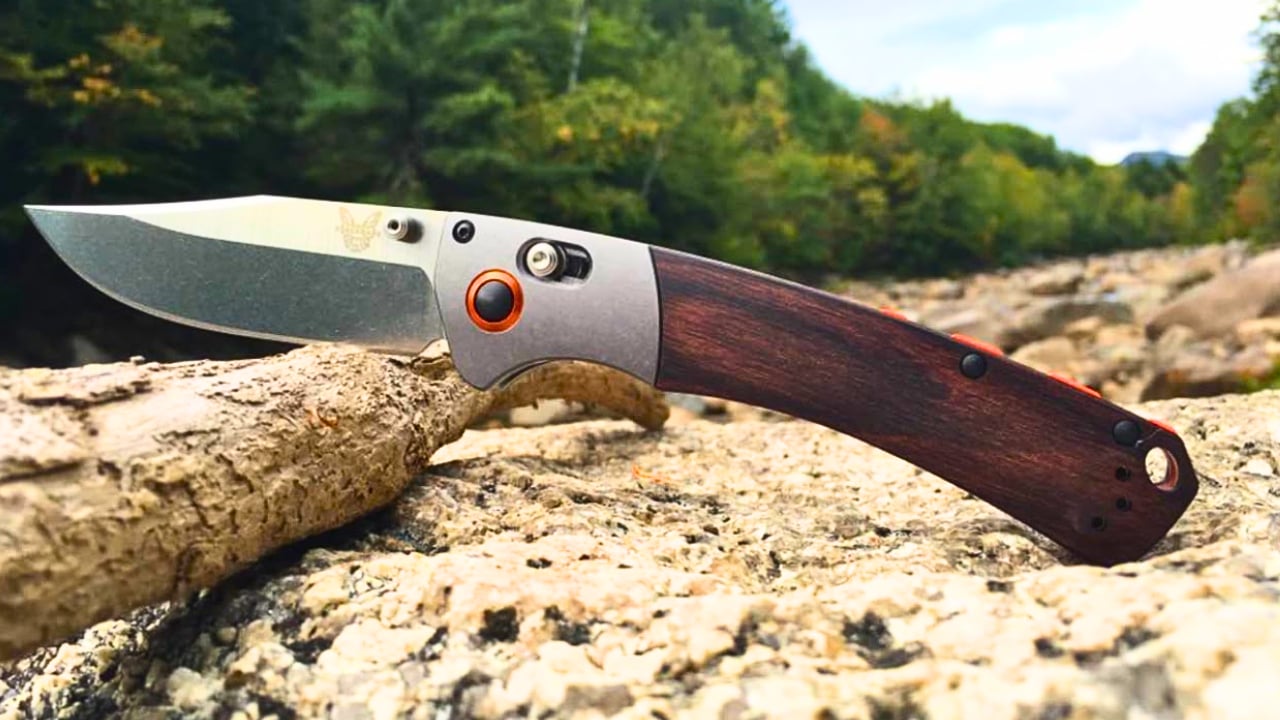
The Bugout became one of the most popular lightweight EDC knives in the country because it disappears in the pocket, uses a proven crossbar-style lock, and gives you a very useful blade shape without much weight. For hikers and people who hate heavy gear, that formula is genuinely appealing.
The problem is that the lightweight construction can feel cheap compared with the price. The standard polymer scales flex, the knife can feel less substantial than much cheaper competitors, and many owners immediately start shopping for aftermarket scales. Once you replace the handle, clip, and maybe even the hardware, the “lightweight value” argument starts falling apart. The Bugout works, but it too often feels like a platform you are expected to finish yourself.
Spyderco Para 3 Lightweight

The Para 3 Lightweight is easy to carry, slices well, and gives you the compression lock in a much lighter package than the standard Para 3. That sounds ideal until you start paying attention to the details.
The single-washer pivot setup and lightweight construction can make centering more finicky than buyers expect. Some examples arrive slightly off-center, and getting the action exactly where you want it without introducing blade play can become a balancing act. None of that ruins the knife, but it feels unnecessary on a model this popular. The standard Para 3 may be heavier, but it often feels easier to live with long term.
Benchmade 940 Osborne

The 940 is one of Benchmade’s most famous designs because it carries small for the amount of blade you get, has excellent overall proportions, and looks distinctive without being outrageous.
The problem is cutting geometry. The blade is relatively thick behind the edge, which makes it much less impressive at slicing than its premium price suggests. It is tough, but everyday pocket-knife work is mostly cardboard, packaging, food, and general utility—not prying. Once you compare the 940 with thinner modern folders, the gap becomes obvious. It is a great design that sometimes feels like it is coasting on reputation.
Spyderco Manix 2 XL
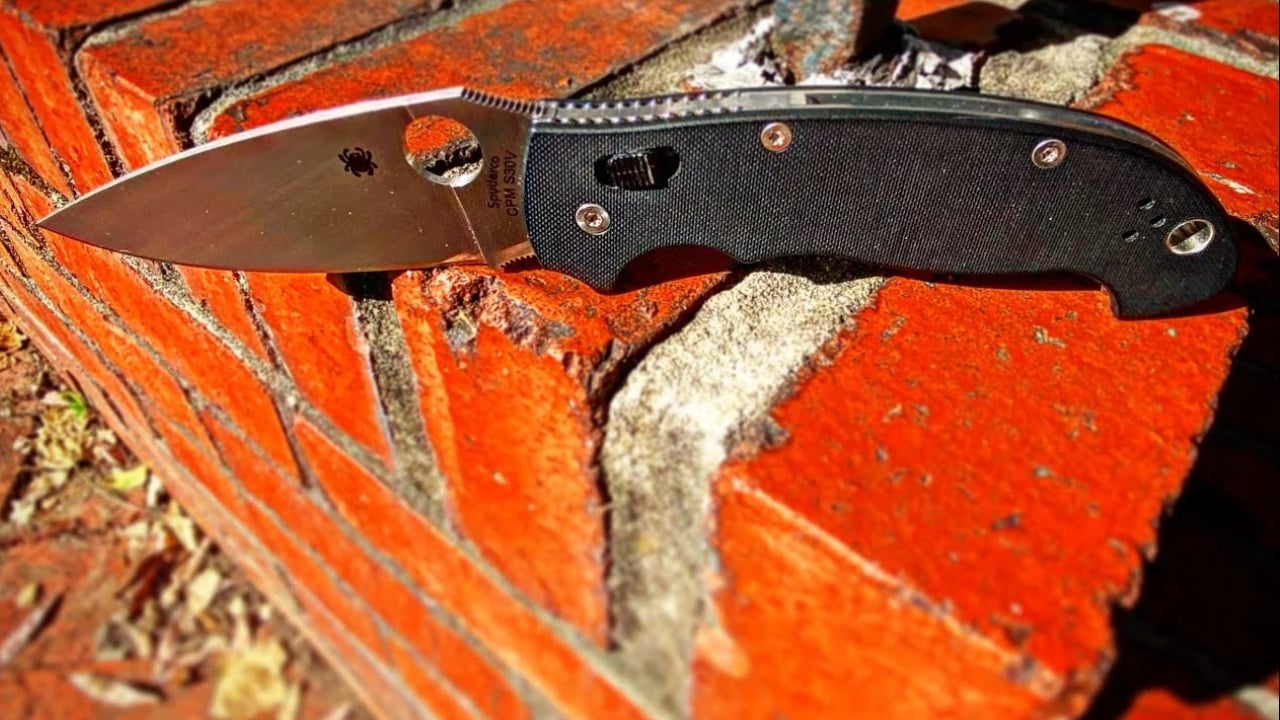
The Manix 2 XL gives you a huge blade, an extremely secure lock, and one of the most confidence-inspiring grips in Spyderco’s lineup. It feels like a serious hard-use folder.
It also takes up a ridiculous amount of pocket space. The broad handle, large blade, and protruding lock cage make it far bulkier than many knives with similar cutting ability. That is fine if you specifically want an oversized folder, but for normal EDC the knife can become annoying quickly. The regular Manix 2 already offers plenty of strength. The XL often feels like extra knife without enough extra usefulness.
Zero Tolerance 0562

The 0562 has a strong following because it combines Hinderer-inspired styling with excellent action, a stout frame lock, and a blade that looks ready for hard work.
The downside is weight and thickness. It carries heavier than many current folders, and the blade geometry favors toughness over slicing. That was less of a problem when heavy titanium frame locks dominated the premium market. Today there are lighter knives with equally strong locks and better cutting performance. The 0562 still feels impressive, but the ownership experience can seem dated once you carry it beside newer designs.
Spyderco Military 2

The Military 2 is long, capable, and built around an excellent blade shape. It offers reach and slicing performance that smaller EDC knives cannot match.
The issue is pocket length. The knife occupies a huge amount of real estate, and the handle is longer than many people need for normal use. That becomes especially noticeable when sitting, driving, or carrying anything else in the same pocket. It is a great working knife, but unless you genuinely need the reach, you may spend more time managing the knife than benefiting from its size.
Benchmade Adamas

The Adamas is built to be tough, and that toughness is obvious the moment you pick it up. The thick blade, oversized hardware, robust lock, and substantial handle make it feel nearly indestructible.
The problem is that most pocket-knife jobs do not require anything close to that level of construction. The knife is heavy, bulky, and much less pleasant for ordinary slicing than lighter EDC designs. It excels at looking ready for abuse, but if your daily workload is boxes, straps, and food packaging, you are carrying a lot of unnecessary steel. It is impressive, just often impractical.
Spyderco Native Chief
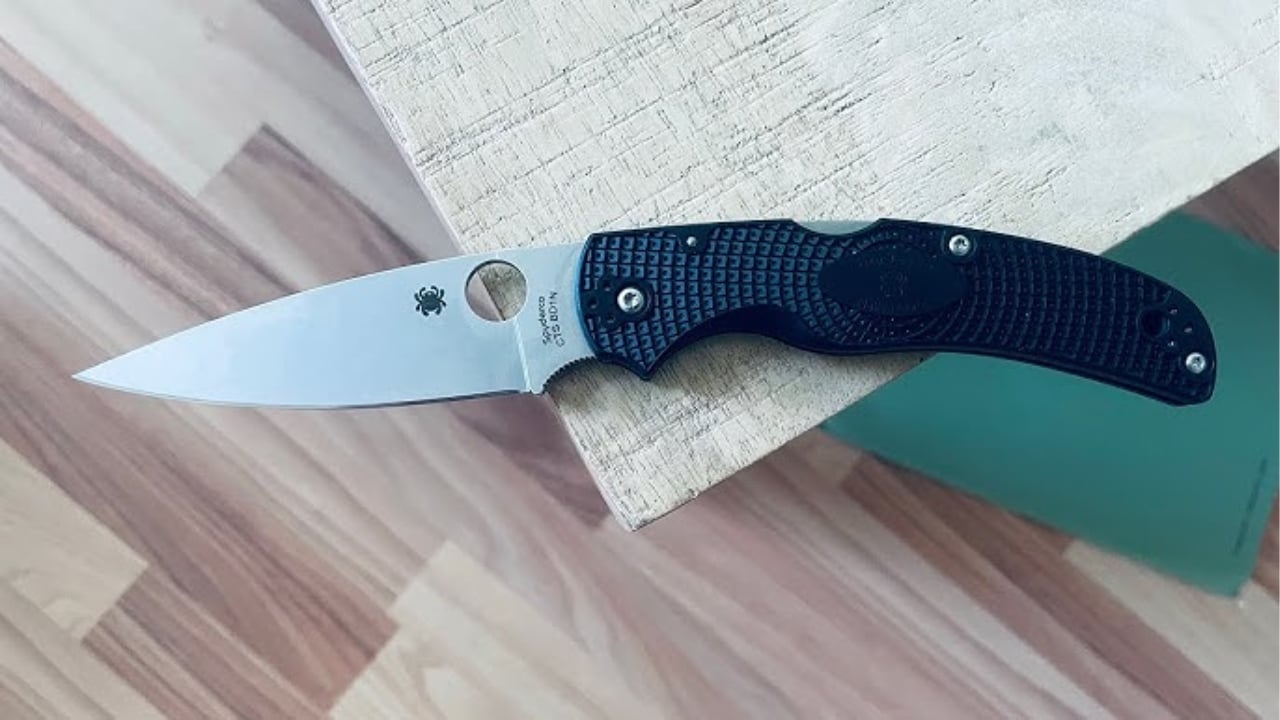
The Native Chief gives you a long cutting edge and the excellent ergonomics of the Native family stretched into a larger format. It is surprisingly slim for its size and slices well.
The trouble is that the long handle and back-lock layout make it feel less convenient than modern alternatives. Closing the knife one-handed is not as effortless as a compression lock or crossbar lock, and the overall length makes pocket carry more noticeable. The design works, but it can feel like a lot of knife for people who only occasionally need the extra reach.
Benchmade Mini Freek
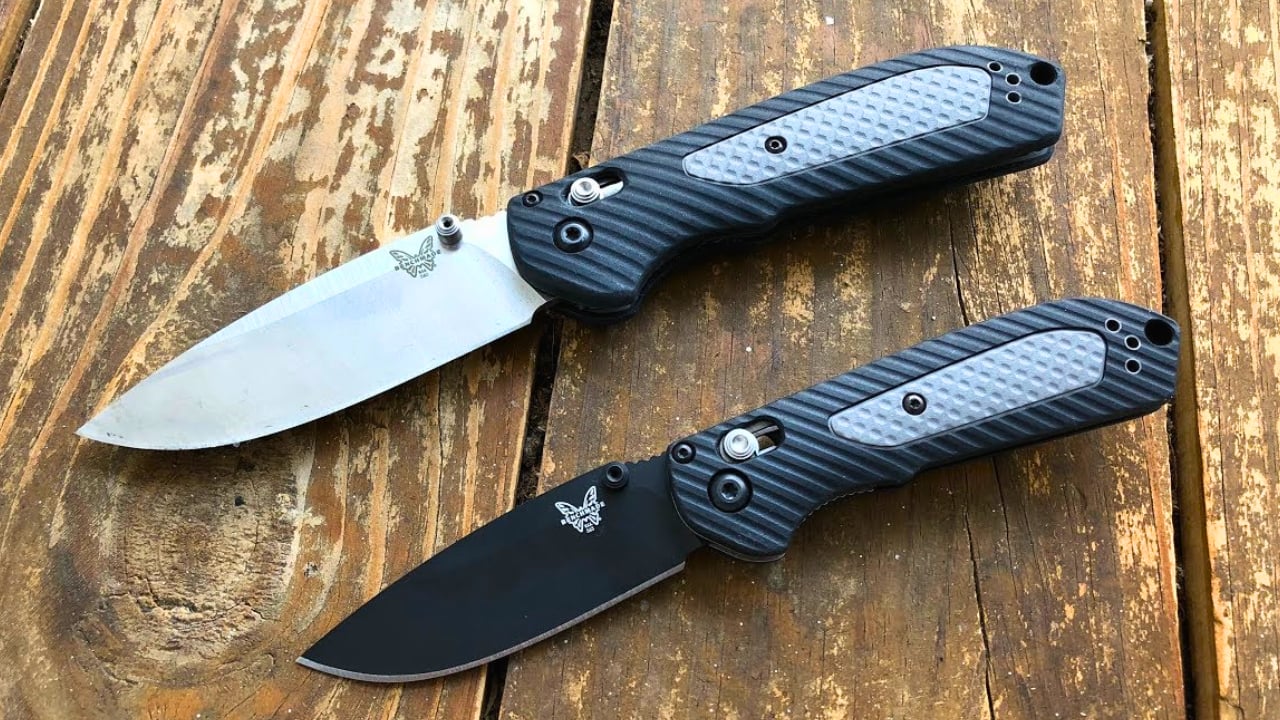
The Mini Freek combines a comfortable handle, premium steel in higher-end versions, and the Axis-style lock in a compact format. It looks like a perfect EDC option.
The problem is value. Premium versions can cost enough that the handle materials and basic lock hardware start inviting comparison with much more refined knives. Benchmade’s pricing has climbed to the point where the Mini Freek is harder to recommend purely on performance. It is good, but there are now many knives with equally good steel, stronger perceived build quality, and lower prices. The trouble is mostly what you are asked to pay.
Spyderco Police 4 Lightweight
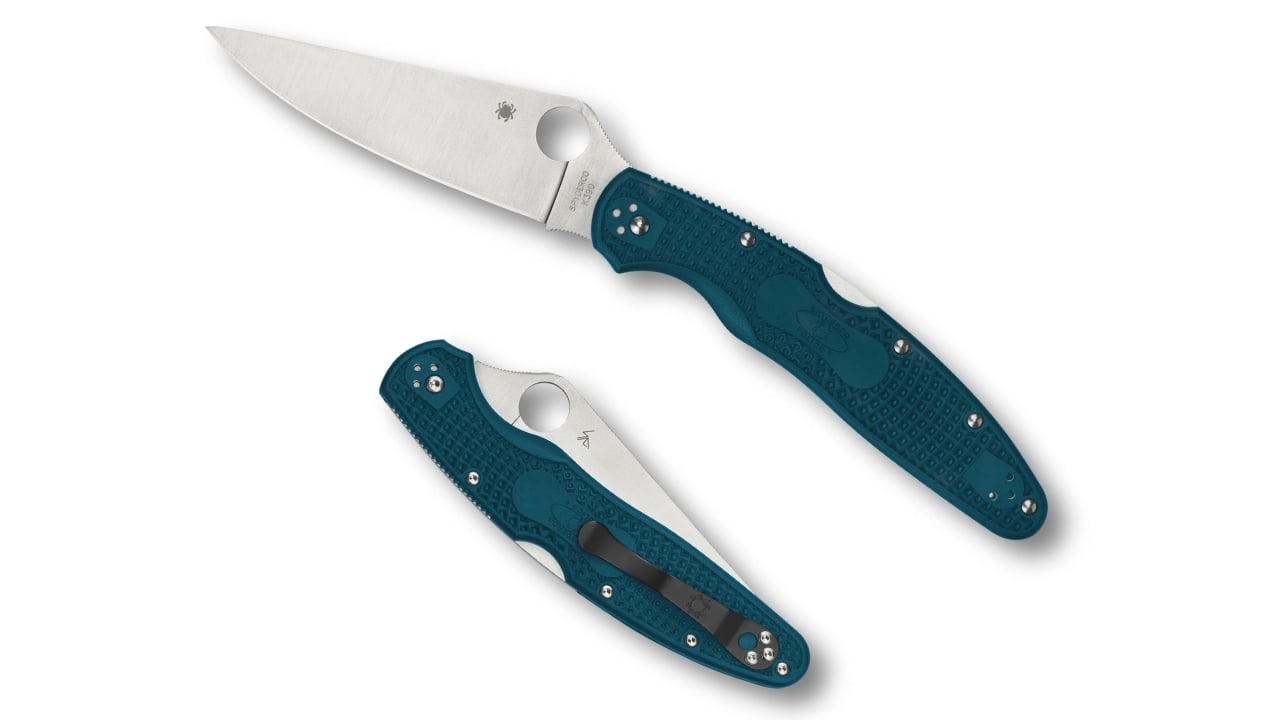
The Police 4 Lightweight gives you an enormous amount of cutting edge in a surprisingly light package. For slicing, food prep, and tasks where reach matters, it can be excellent.
But the handle is extremely long and the knife is awkward in a front pocket. The lightweight scales also make the huge blade feel slightly out of proportion. It works better as a specialized large folder than as an everyday pocket knife. If you carry it because you genuinely need the blade length, fine. If you bought it because bigger sounded better, the novelty can wear off fast.
Benchmade Griptilian

The Griptilian has been one of Benchmade’s most successful knives because the ergonomics are excellent, the blade shapes are practical, and the lock is familiar and easy to use.
The problem is that the standard handle has never felt as premium as the price suggests. The hollow-sounding polymer scales can make the knife feel cheaper than it is, especially now that budget brands routinely offer G10, aluminum, or micarta for less money. The Griptilian still cuts well and feels great in hand, but its value proposition has aged poorly. You may end up paying premium money for a handle that feels distinctly midrange.
Spyderco Dragonfly 2
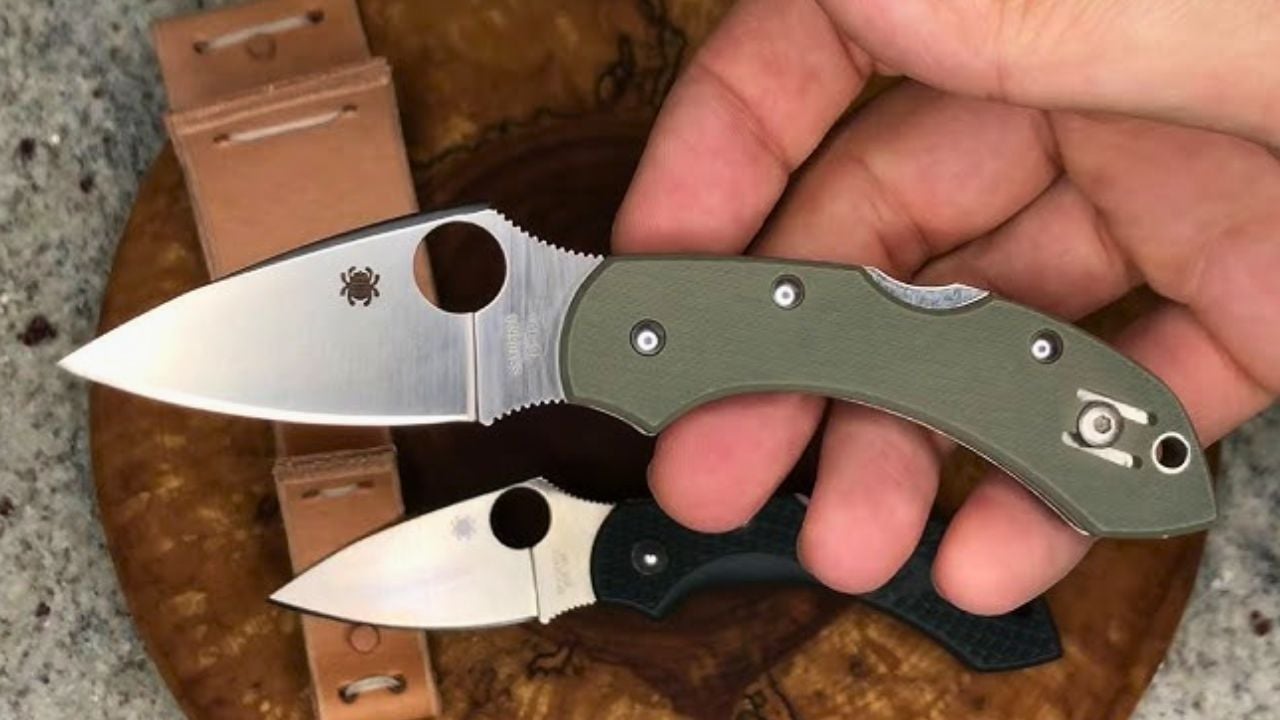
The Dragonfly 2 is beloved because it gives you surprisingly good ergonomics in an extremely compact package. The finger choil lets you choke up securely, and the knife disappears into almost any pocket.
The compromise is cutting edge. Once the choil and short blade are accounted for, there is not much sharpened length left. For light EDC that is fine, but it can become tedious if you regularly break down cardboard or cut larger material. The handle-to-edge ratio makes the knife feel less efficient than its popularity suggests. It is a great tiny knife, but that does not make it a great all-purpose knife.
Zero Tolerance 0350

The 0350 has been around for years because it is rugged, fast to deploy, and built around the overbuilt ZT philosophy that helped make the brand famous.
It is also thick, heavy, and assisted in a market where smooth manual actions have gotten dramatically better. The spring assist adds parts and makes maintenance more complicated without providing much benefit once you are used to modern bearings and detents. The blade is also thick enough that slicing performance lags behind many newer designs. The 0350 still has fans, but it increasingly feels like a product from another era.
Benchmade Taggedout
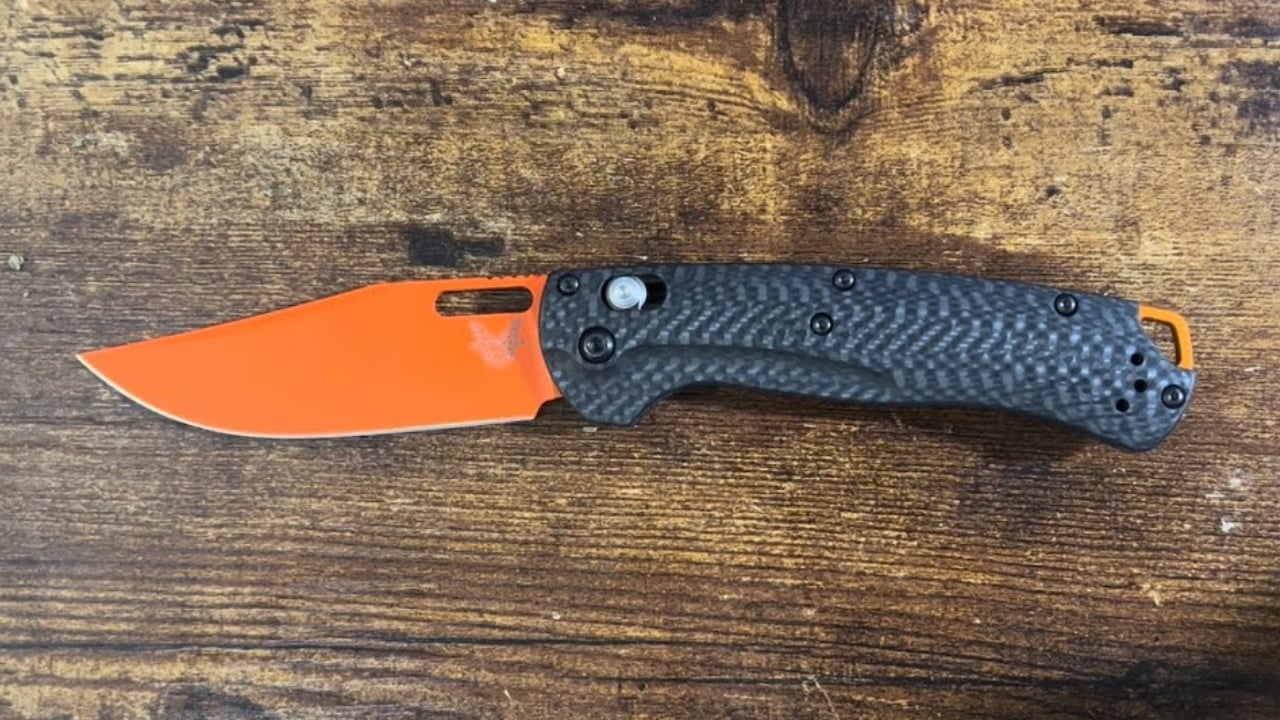
The Taggedout is light, slicey, and clearly aimed at hunters and outdoors users who want a folder that disappears in the pocket.
The problem is that the lightweight construction can feel underwhelming for the price, especially on versions using premium steel. Like the Bugout, it can create the impression that you are paying heavily for minimalism. If low weight is your top priority, the design makes sense. If you want something that feels solid in hand, the Taggedout can leave you wondering where the money went.
Spyderco Endela
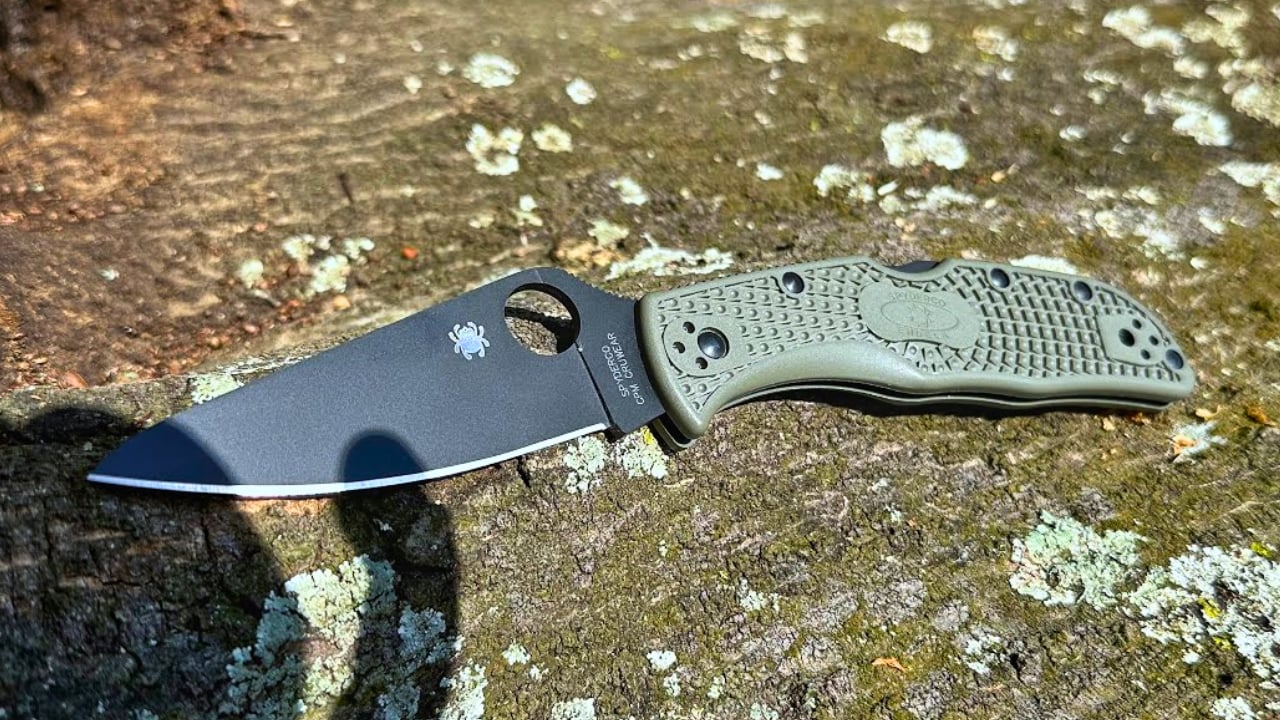
The Endela sits between the Delica and Endura and probably represents the most sensible size of the three. The blade length is useful, the handle is comfortable, and the back lock is proven.
The issue is that the design feels conservative compared with what the same money buys elsewhere. FRN scales, a back lock, and washer-based action are all functional, but newer competitors offer smoother deployment, more modern locks, and equally good steel for similar prices. The Endela works well. It just makes you work harder to justify why you are paying for a design that feels increasingly old-school.
Benchmade Crooked River

The Crooked River looks fantastic. The long clip-point blade, traditional styling, and modern lock system make it one of Benchmade’s most attractive knives.
Then you put it in a pocket. It is long, fairly heavy, and much larger than most people need for daily carry. The handle also takes up considerable space, and the premium price makes it harder to treat casually. It is an excellent knife for someone who specifically wants a large modern folder with classic styling. As an ordinary EDC, it can feel like carrying a hunting knife that happens to fold.
Spyderco Matriarch 2
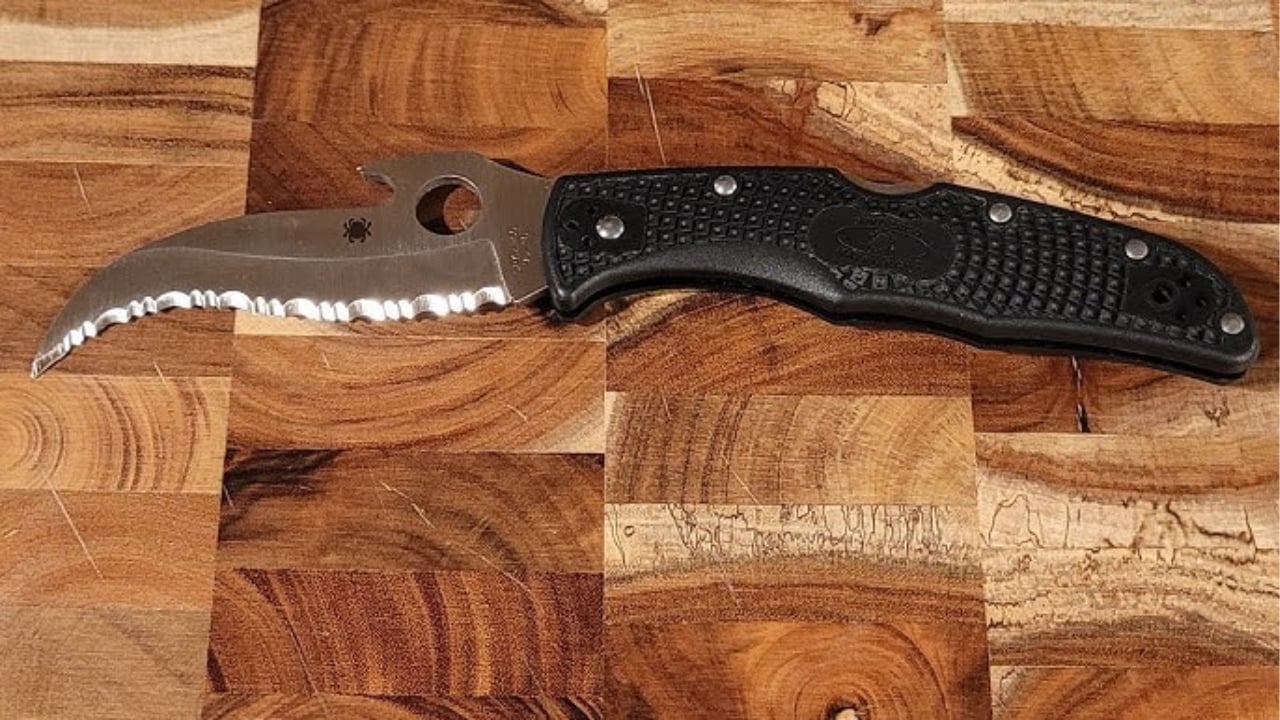
The Matriarch 2 is memorable because of its aggressive reverse-S blade and serrated edge. It looks extremely capable and has a strong following among people who like specialized Spyderco designs.
The downside is sharpening and general utility. That blade shape is much harder to maintain than a simple straight or gently curved edge, and the aggressive serrations limit the kinds of tasks where the knife feels natural. It can cut certain materials extremely well, but it is a poor choice if you want one folder to do everything. Specialized geometry always comes with specialized maintenance.
Benchmade Auto Presidio II
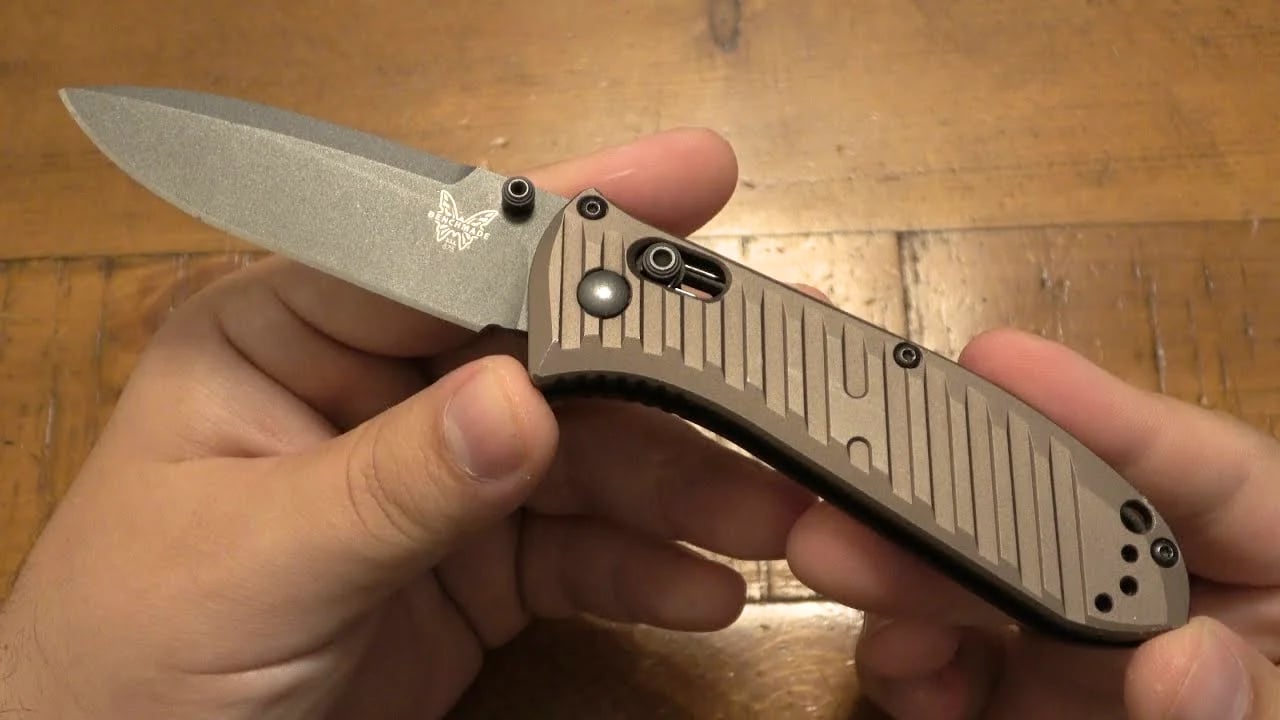
The Auto Presidio II is tough, fast, and built around a full-size handle that gives you excellent control. It feels like a serious duty-oriented automatic.
The problem is weight and legal practicality. The automatic mechanism adds complexity, while the substantial handle and blade make it heavier than many manual knives that open nearly as fast. Depending on where you live or travel, automatic-knife laws can also add another layer of hassle. For someone who specifically wants an auto, it makes sense. For general EDC, the extra complication does not always buy much.
Spyderco Techno 2
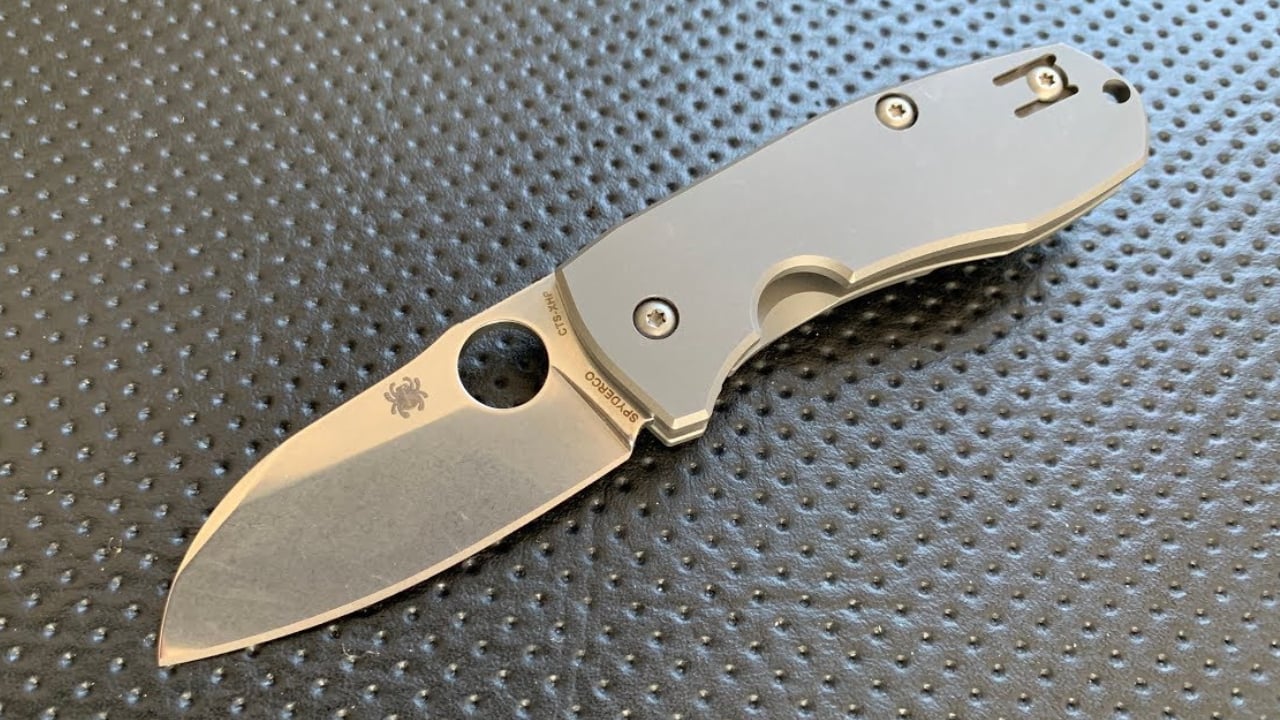
The Techno 2 is compact, beautifully machined, and built with the kind of titanium frame-lock construction that attracts collectors.
The problem is that it is thick for its size and gives you very little cutting edge relative to the amount of metal in the handle. It carries like a dense little block, and the short blade can feel limiting during larger tasks. The quality is excellent, but the proportions are unusual enough that owners either love it or quickly question why they are carrying so much handle for so little edge.
Benchmade 535BK-4 Bugout
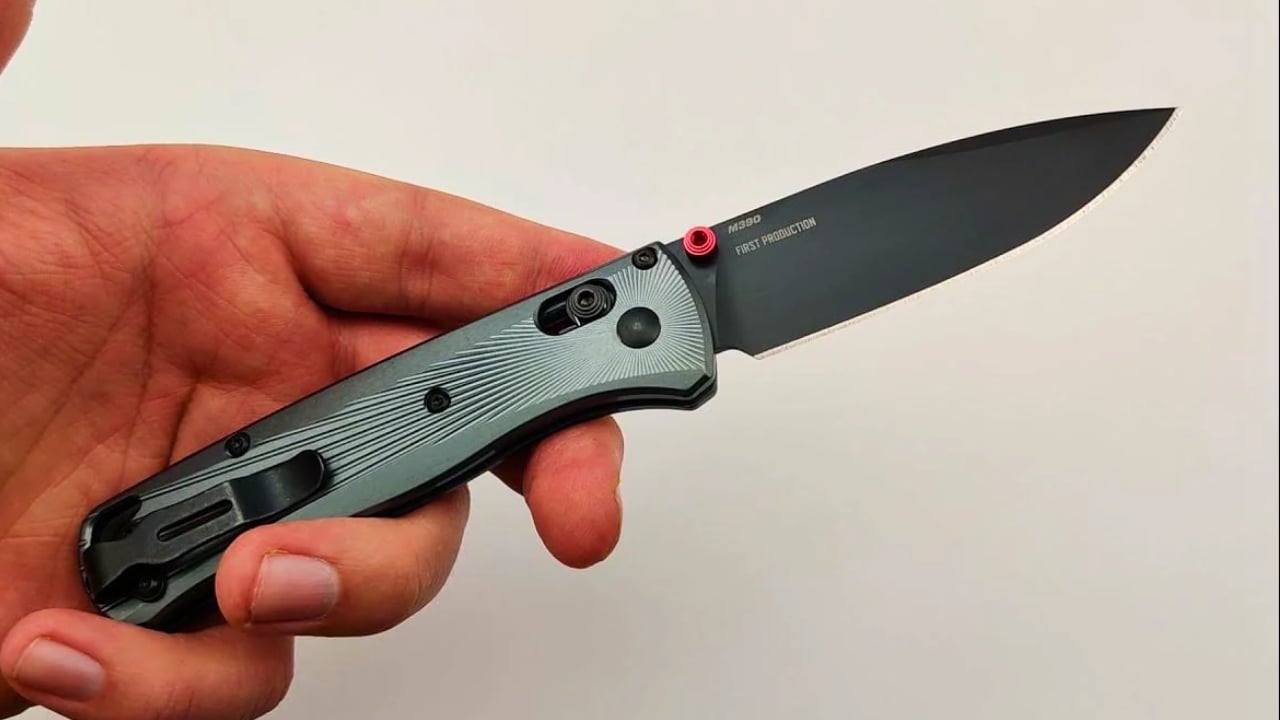
The aluminum-handled premium Bugout solves the flex issue of the basic model and looks dramatically more upscale. The machining is excellent, the knife feels more solid, and the blade steel is a major step up.
It also pushes the Bugout into a price range where its original appeal becomes harder to understand. The whole point of the platform was an ultralight, straightforward EDC knife. Once you add premium aluminum scales and a much higher price, the knife starts competing with folders designed from the beginning to feel luxurious. It is a very good Bugout, but at that point you are paying a lot to fix the weaknesses of the cheaper one.
Like The Avid Outdoorsman’s content? Subscribe to our newsletter so you never miss an article.
Here’s more from us: