Photo credit: www.bushcraftcanada.com/YouTube
Modern knives have better steels, smoother actions, stronger locks, and more exotic materials than ever. But none of those things automatically make a knife cut better. In fact, some older designs still outperform modern tactical folders because they use thinner blades, simpler handles, better slicing geometry, and shapes that were refined around actual work rather than appearance.
That is why certain traditional knives refuse to disappear. A basic carbon-steel slipjoint can slice circles around a thick premium folder. A Scandinavian fixed blade can carve wood better than a much more expensive survival knife. And a century-old hunting pattern may still feel more natural on an animal than something covered in jimping and machined grooves. These old-school knives prove that newer is not always better.
Opinel No. 8

The Opinel No. 8 is almost embarrassingly simple compared with modern folders. You get a wooden handle, thin blade, rotating collar lock, and very little else. There are no bearings, crossbar locks, titanium scales, or elaborate pocket clips.
That simplicity is exactly why it cuts so well. The blade is thin enough to glide through food, cardboard, rope, and ordinary utility material without wedging. Many modern folders use much thicker blade stock because toughness sells better than slicing efficiency. The Opinel reminds you that a pocket knife is supposed to cut first. It is inexpensive, lightweight, comfortable, and easy to sharpen. For normal everyday work, a good No. 8 can embarrass knives costing ten times as much.
Mercator K55K
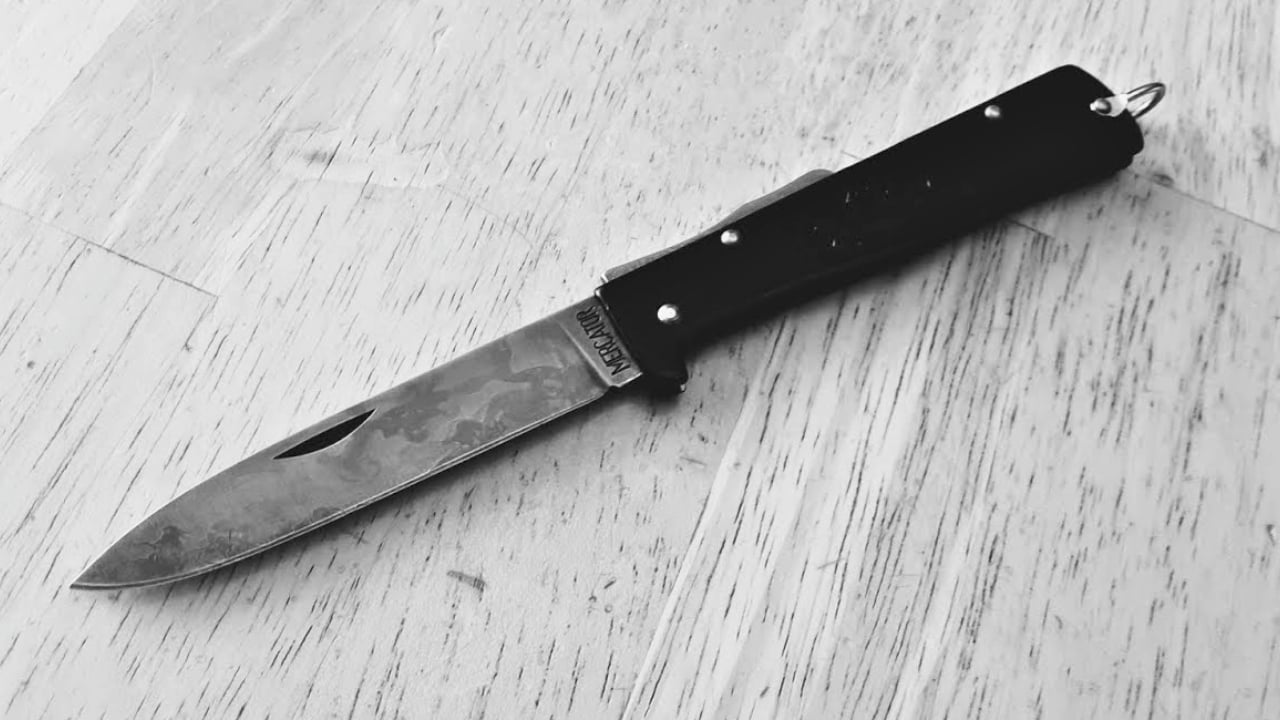
The Mercator K55K has been around for generations because there is very little to go wrong. The folded steel handle is extremely thin, the blade is straightforward, and the lockback mechanism gives it more security than many traditional slipjoints.
The real advantage is carry efficiency. Modern knives with sculpted scales and oversized pivots can take up a surprising amount of pocket space. The Mercator disappears against the side of the pocket while still giving you a useful blade length. It may not feel luxurious, but it carries beautifully and cuts well. If your definition of a good pocket knife is something you can forget about until you need it, this old German pattern still beats plenty of newer designs.
Douk-Douk
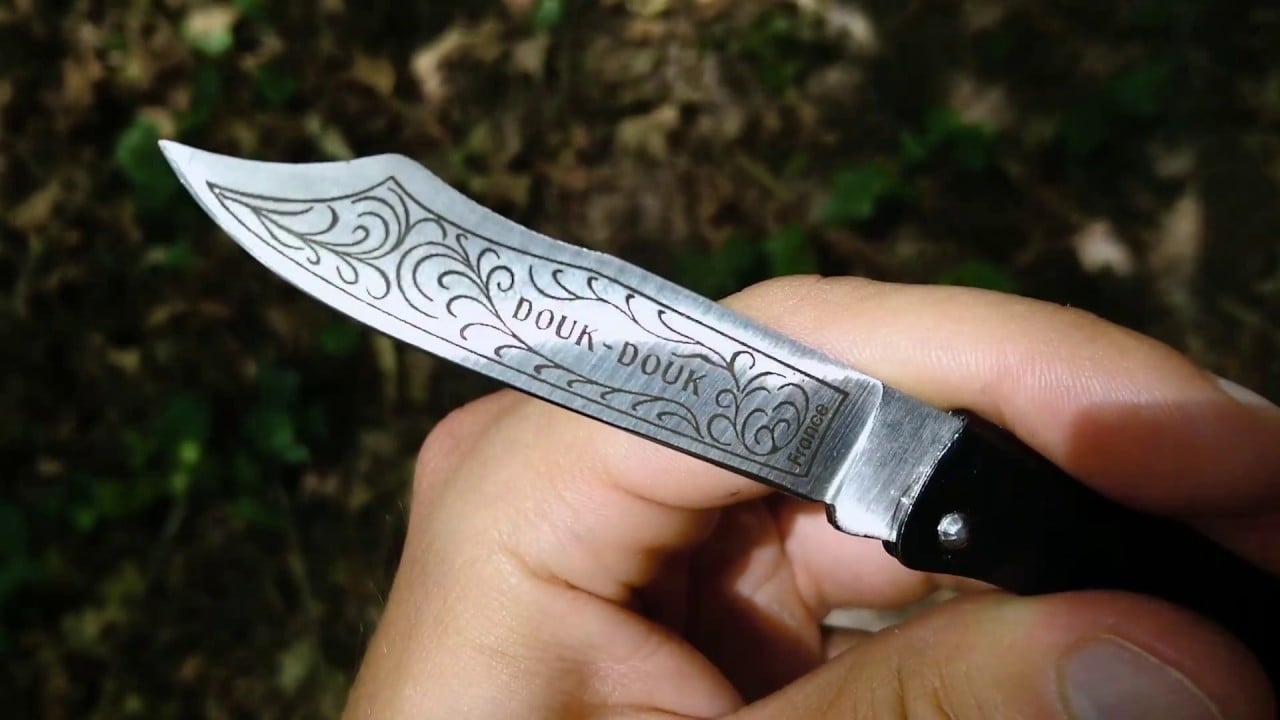
The Douk-Douk is another knife that proves refinement does not require complexity. Its folded-metal handle, slim carbon-steel blade, and basic slipjoint mechanism look almost primitive next to modern EDC folders.
In real use, though, the thin blade is excellent. It slices food, opens packaging, cuts cord, and handles ordinary utility work with less resistance than many thick modern folders. The knife is also nearly flat in the pocket, which makes it incredibly easy to carry. There is no pocket clip to create hot spots and no complicated lock to collect debris. It is not a hard-use pry bar, but as a cutting tool, the Douk-Douk remains wonderfully efficient.
Mora Classic No. 2
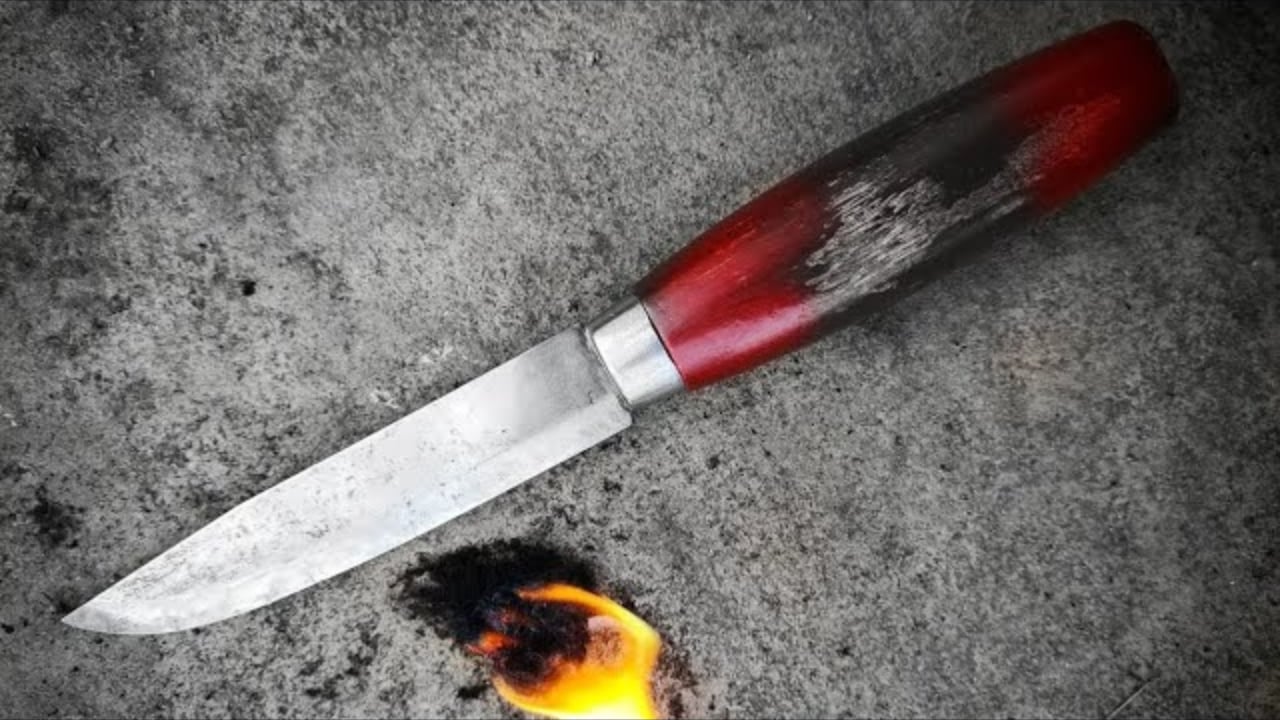
The Mora Classic No. 2 looks like something that belongs in an old Scandinavian workshop, and that is essentially the point. The red-stained birch handle, simple carbon-steel blade, and Scandinavian grind have changed very little because the design already works.
For carving and general camp use, that Scandi grind remains difficult to beat. The wide bevel makes edge control intuitive, and the thin blade bites into wood instead of bouncing off it. Many modern survival knives use much thicker stock and complicated grinds that make them harder to sharpen in the field. The Mora is lighter, cheaper, and often better at the actual cutting tasks people perform around camp. It does not look tactical, but it works.
Grohmann No. 1 Canadian Belt Knife
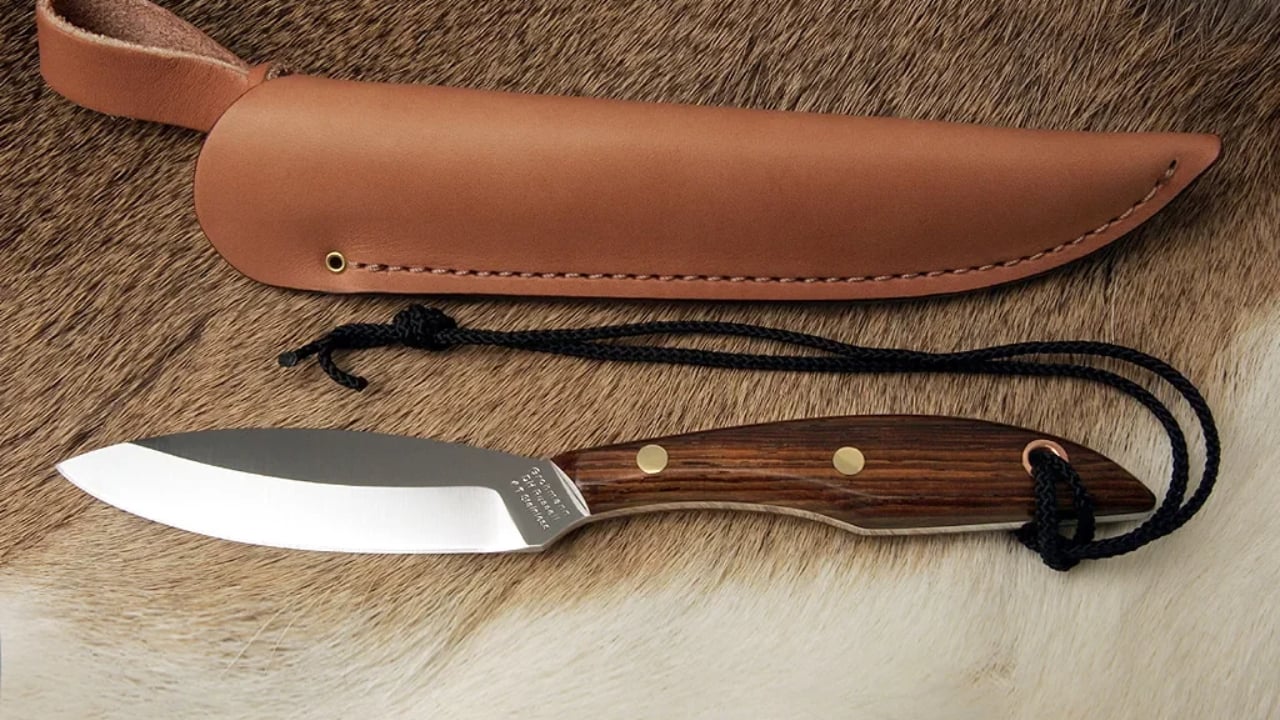
The Grohmann No. 1 has an unusual elliptical blade that looks odd until you actually use it. The design was shaped around hunting, food preparation, and field work rather than modern styling trends.
That curved edge gives you excellent slicing control, especially when skinning or making long cuts. The handle also lets the knife sit naturally in different positions without forcing your wrist into awkward angles. Modern hunting knives often add aggressive finger grooves and elaborate texturing, but the Grohmann proves that good geometry can do more than decoration. It is one of those designs that initially looks dated and then suddenly makes sense once you start working with it.
Russell Canadian Belt Knife
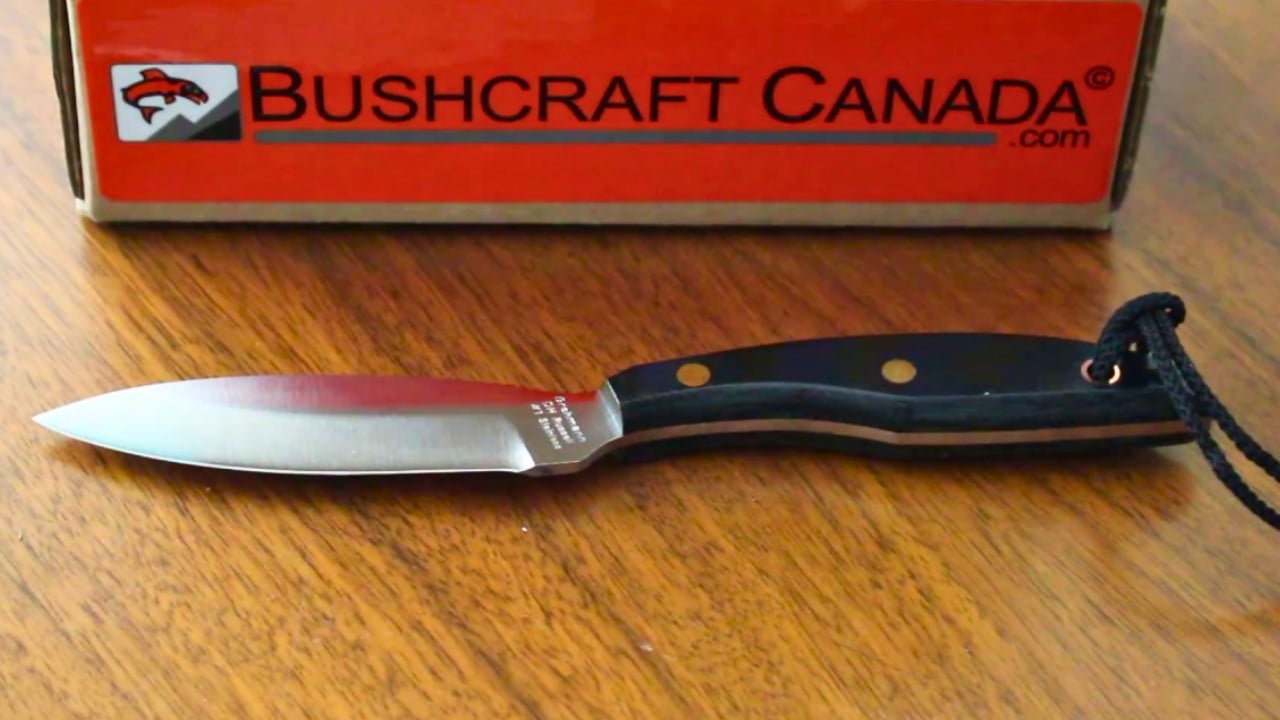
The Russell version of the Canadian Belt Knife follows the same basic pattern that made the design famous: an offset handle and broad, sweeping blade intended for practical field use.
The knife performs especially well when you need controlled slicing rather than brute force. The blade shape naturally works through meat, hide, and food, while the handle keeps your hand in a comfortable position. Modern outdoor knives often prioritize thickness and toughness, but that can make them clumsy at the exact jobs hunters actually perform. The Canadian Belt Knife remains a reminder that a hunting knife does not need to look aggressive to be extremely effective.
Case Sod Buster Jr.
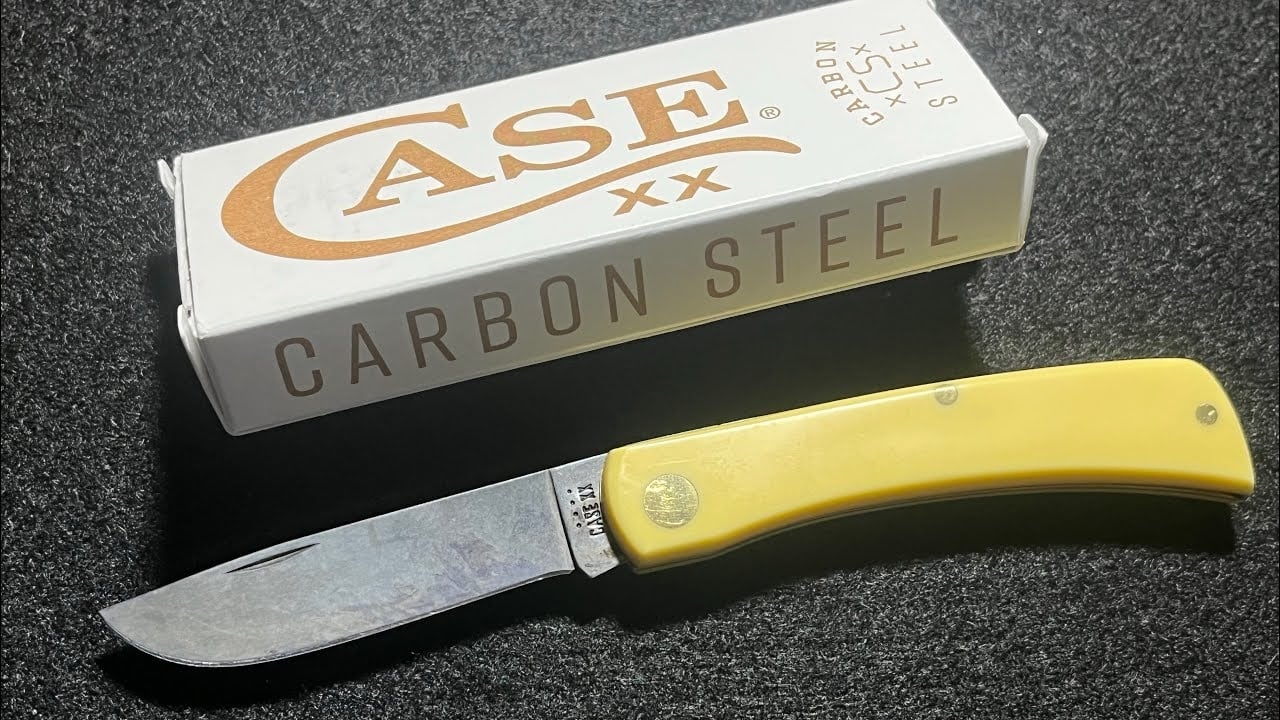
The Sod Buster Jr. is one of the purest working-knife designs still widely recognized. It uses a simple handle, broad blade, and slipjoint mechanism with almost no decorative distractions.
Its strength is the blade geometry. The broad, relatively thin blade makes an excellent utility cutter, and the handle gives you enough room to work without creating unnecessary bulk. There is no flipper tab, no oversized pivot, and no thick frame lock taking up space. The knife opens, cuts, closes, and goes back in the pocket. For someone who uses a knife rather than constantly playing with the action, the Sod Buster Jr. can feel refreshingly efficient.
Old Timer 8OT Senior Stockman
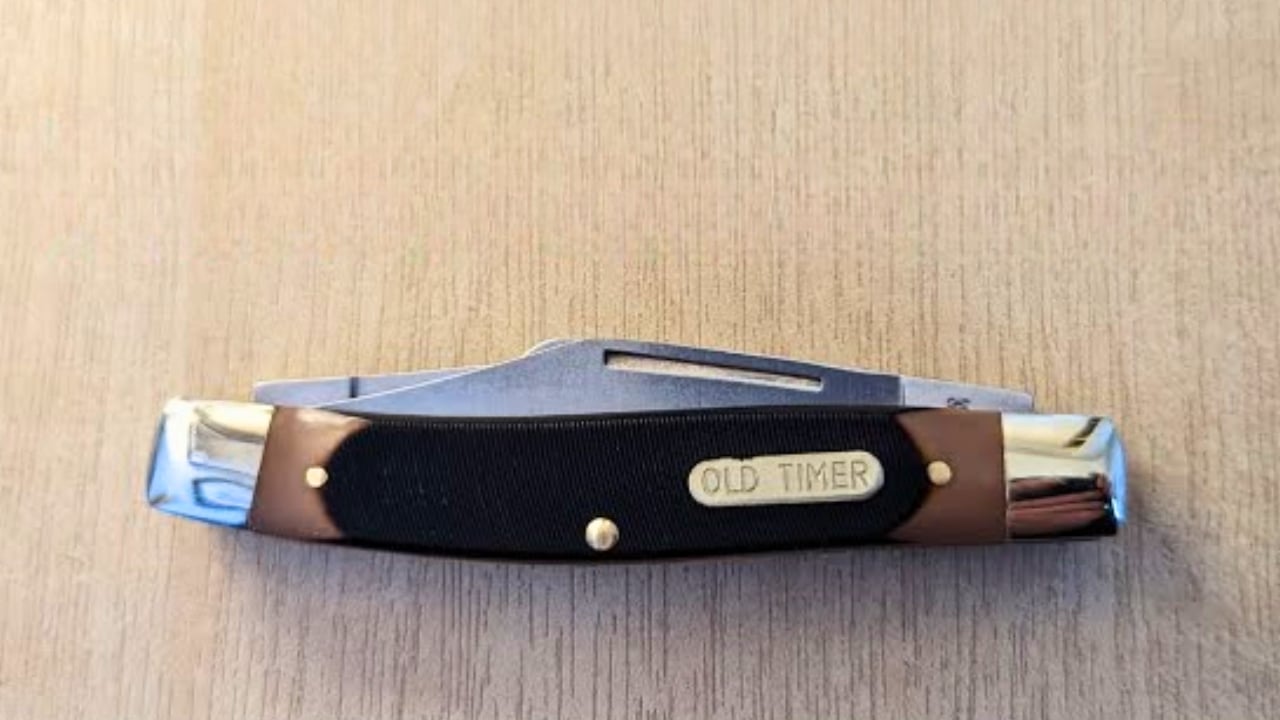
The traditional Stockman pattern gives you three different blade shapes in one compact handle, and the Old Timer 8OT represents that concept perfectly. Instead of carrying one thick blade and pretending it handles every job equally well, you get separate blades for different types of cutting.
That old-school approach still makes enormous practical sense. The clip point handles general work, the sheepsfoot excels at controlled straight cuts, and the smaller spey blade works well for finer tasks. Modern folders often sell versatility through interchangeable parts or elaborate blade profiles. The Stockman accomplishes the same goal with three simple blades and no added mechanical complexity. For ranch, farm, and workshop use, that is hard to beat.
Case Medium Stockman
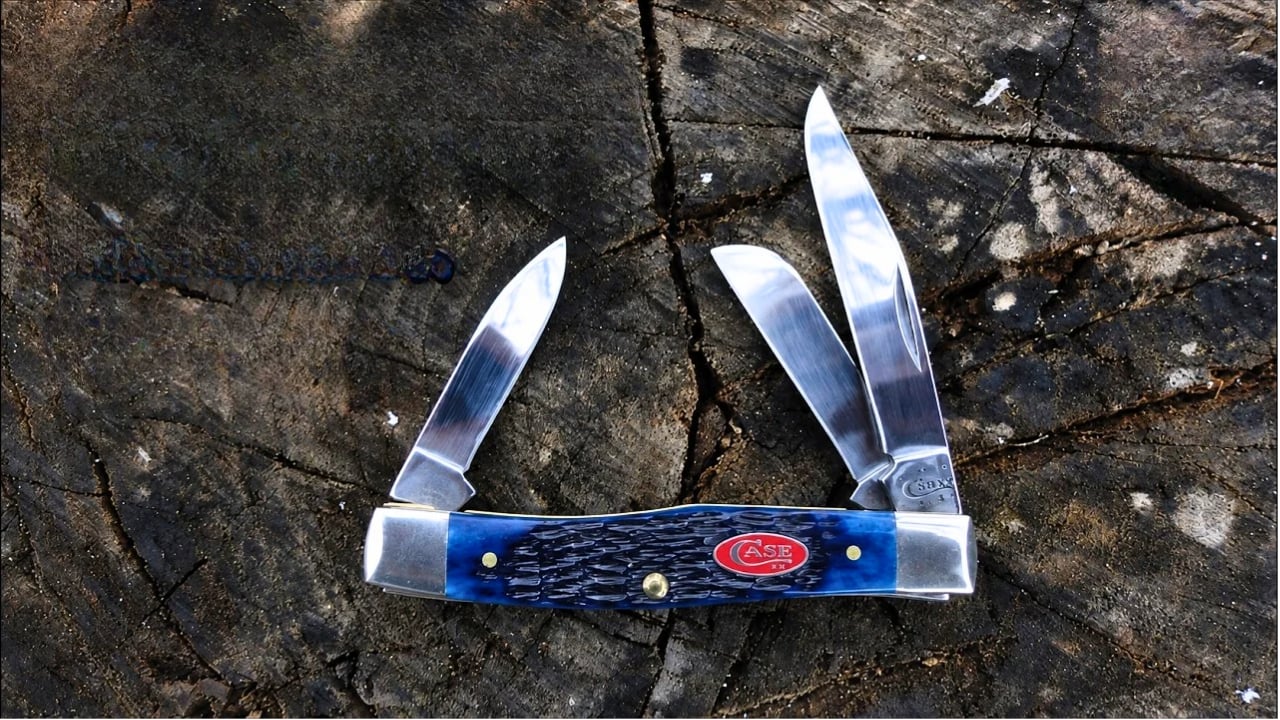
The Medium Stockman takes the same three-blade formula and packages it into a size that is exceptionally easy to carry. It is one of the best examples of why traditional pocket knives remained popular for generations.
The knife gives you more cutting versatility than many modern single-blade folders while remaining thinner in the pocket. You can keep one blade extremely sharp for delicate work and use another for rougher chores. There is also something practical about not opening the same blade for every task. The knife lacks the one-handed convenience of a modern folder, but if you care more about actual cutting options than fast deployment, the Stockman still has a strong argument.
Case Canoe
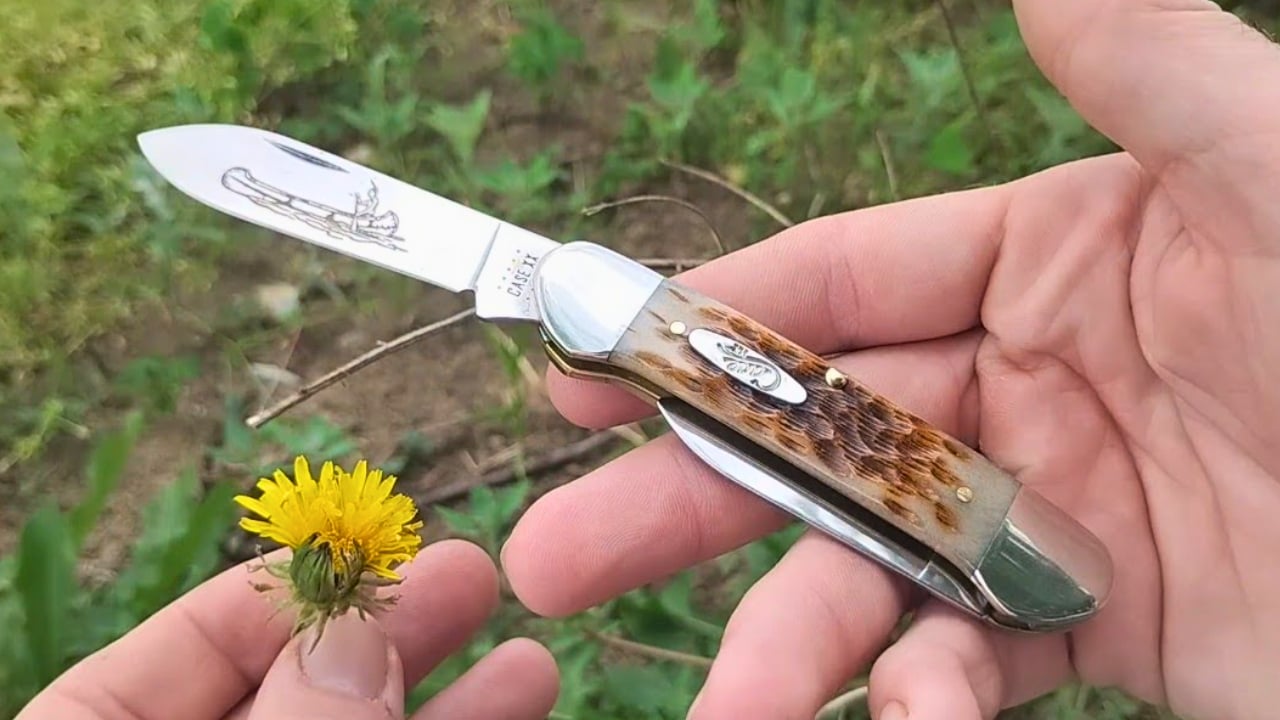
The Canoe is an old pocket-knife pattern with rounded bolsters and opposing blades that sit comfortably in the handle. The shape is smooth enough to carry loose in a pocket without snagging everything around it.
That matters more than modern knife marketing often admits. Pocket clips are convenient, but they can scratch cars, furniture, and phones while also creating uncomfortable pressure points during hard cuts. The Canoe carries like a polished pebble and gives you two useful blades without unnecessary bulk. It may take an extra second to open, but once the knife is in use, the simple handle is often more comfortable than aggressively machined modern scales.
Case Copperhead
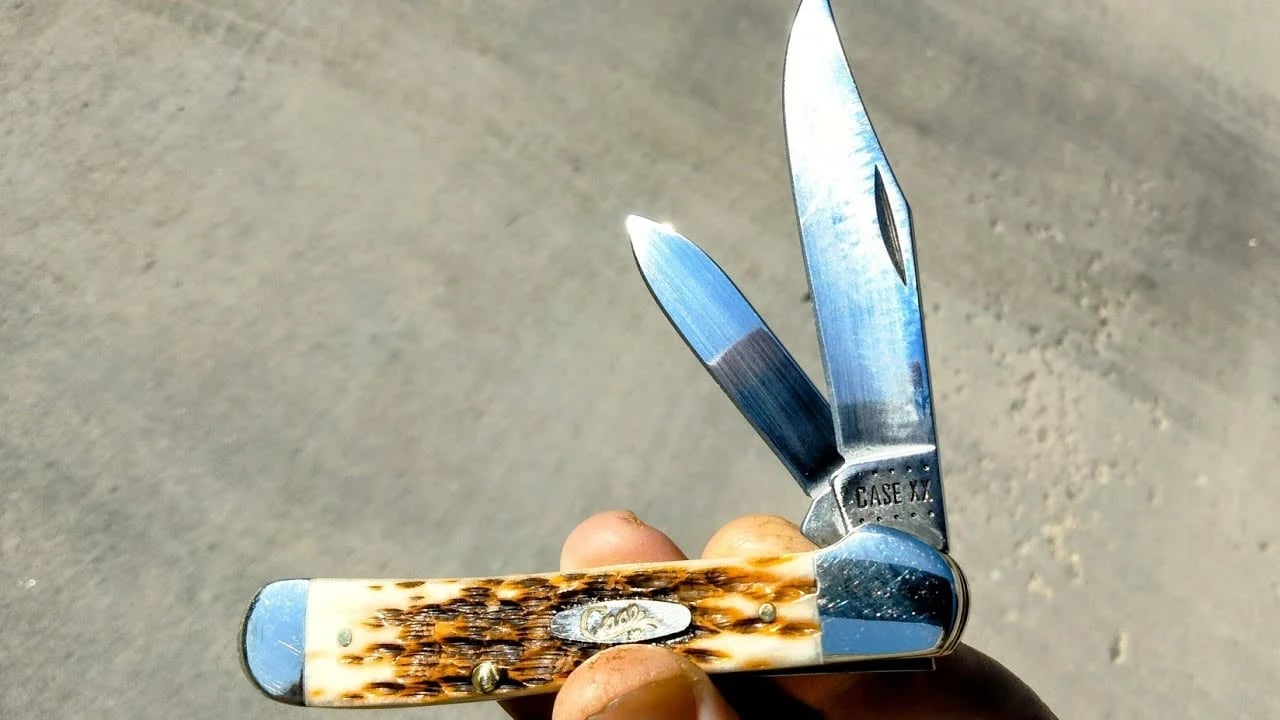
The Copperhead pattern gets its name from the enlarged front bolster that covers the blade tang when closed. That sounds like a minor detail, but it makes the knife much more comfortable in the pocket because there is less exposed metal to snag.
The pattern also gives you a long, useful blade in a slim traditional handle. Modern EDC knives often grow thick because every design needs liners, scales, locks, bearings, spacers, and a deep-carry clip. The Copperhead proves a pocket knife can remain thin while still offering plenty of cutting ability. It is less exciting to fidget with, but more comfortable to carry than many supposedly advanced designs.
Boker Barlow
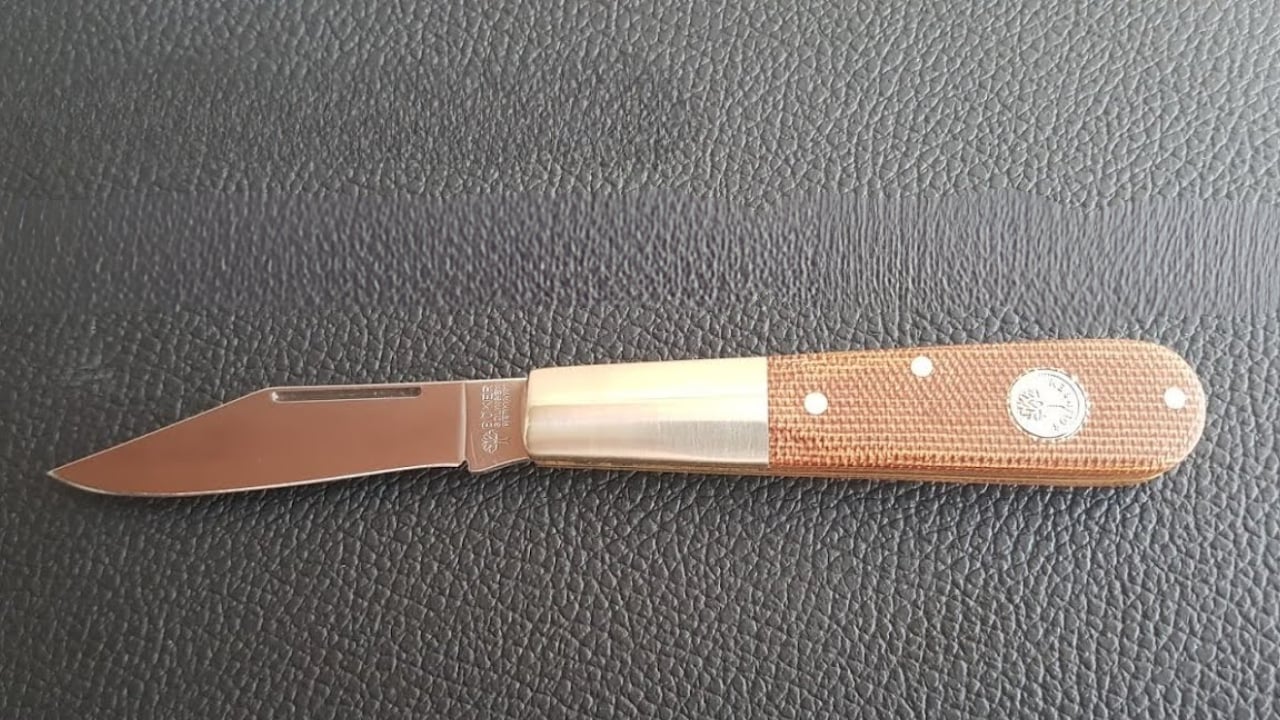
The Barlow pattern dates back centuries, and Boker’s traditional versions retain the elongated bolster and straightforward handle shape that made it so successful.
The big advantage is structural efficiency. The long bolster reinforces the pivot area while the rest of the knife remains slim and uncomplicated. The blade is thin enough to slice beautifully, and the handle is comfortable despite lacking modern contouring. There is no unnecessary hardware adding width. A Barlow will not replace a hard-use locking folder, but for ordinary pocket tasks it gives you exactly what you need without carrying around half an ounce of tactical styling.
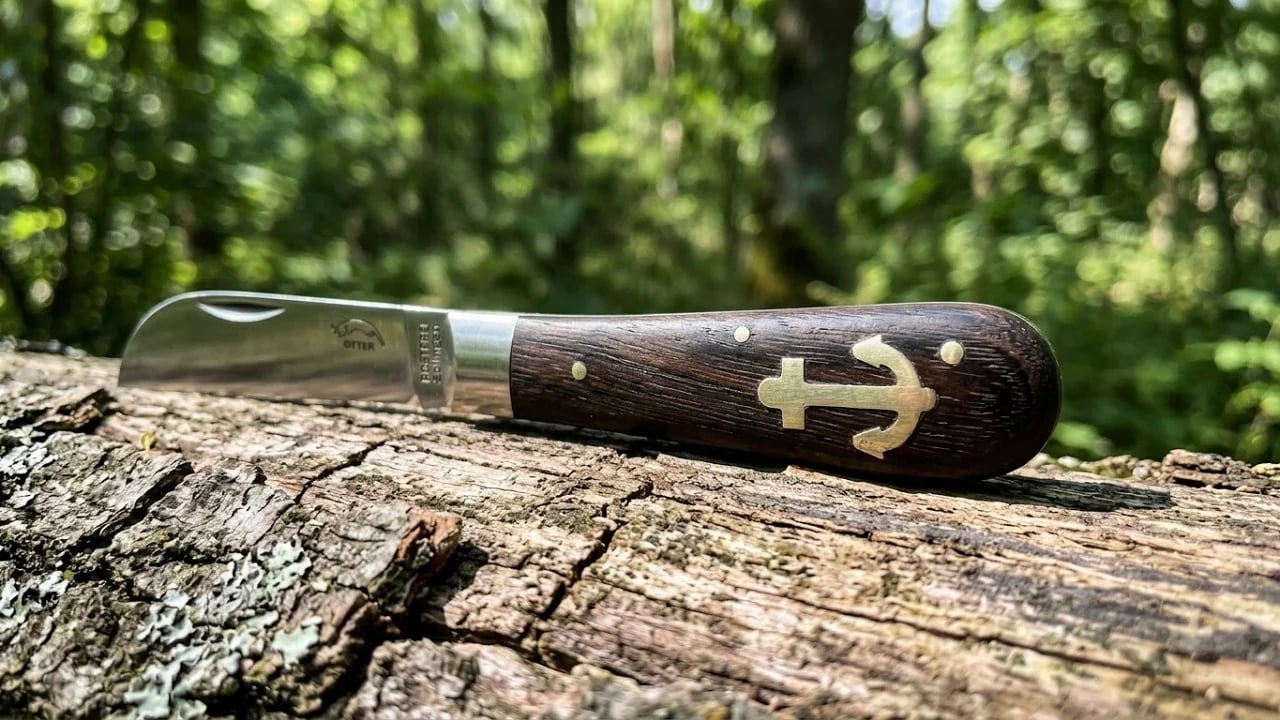
Otter-Messer Anchor Knife
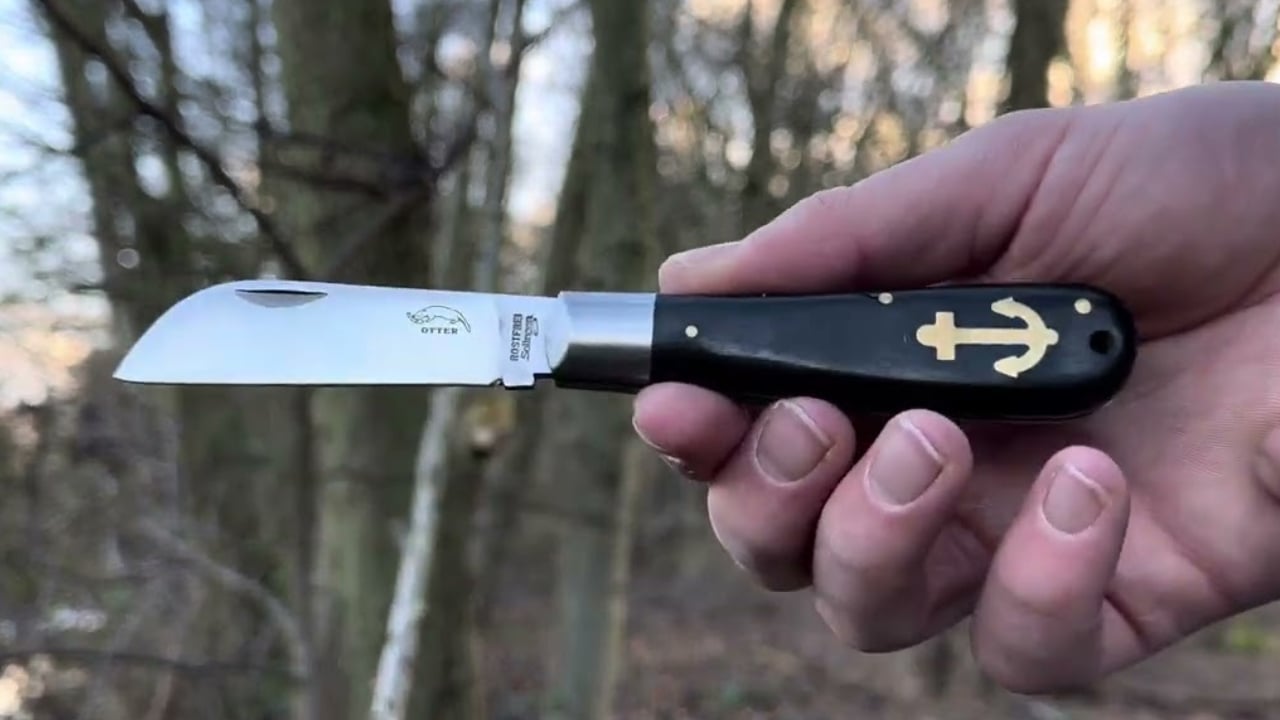
The Anchor Knife is a traditional German working folder with a wood handle, brass details, and straightforward blade. It has the visual character of an old maritime tool because that is the heritage behind the design.
It also remains extremely practical. The handle is slim, the blade geometry is excellent for normal cutting, and there is very little hardware to maintain. Modern knives often chase perfect drop-shut action, but a work knife does not need to fall closed under gravity. It needs to cut reliably and ride comfortably. The Anchor Knife does both while carrying far less bulk than many modern folders with similar blade length.
Higonokami
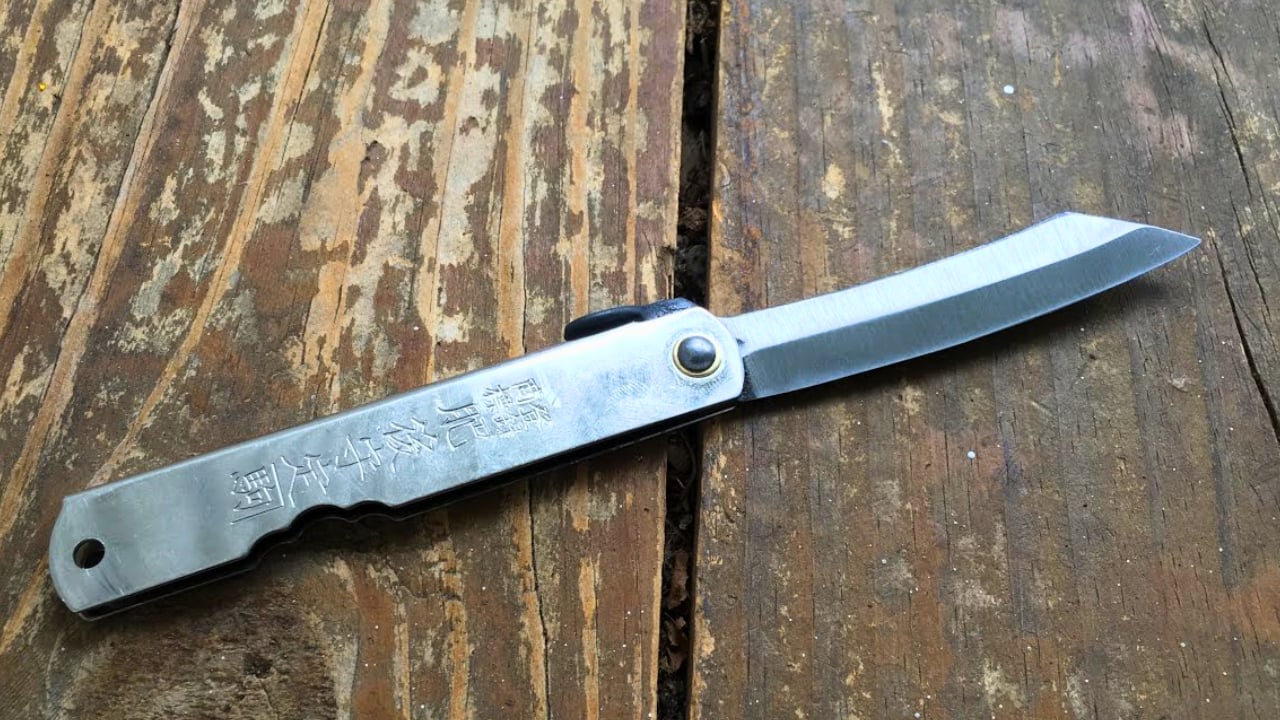
The Higonokami is one of the simplest folding knives imaginable. A folded metal handle, friction-style blade, and extended tang provide almost everything needed for basic use.
That minimalism gives it several advantages. The knife is extremely thin, weighs almost nothing, and can be sharpened easily because the blade geometry is straightforward. There is no lock to foul and almost nothing mechanical to wear out. You obviously need to respect the lack of a conventional locking mechanism, but for controlled cutting the Higonokami is wonderfully efficient. It is a century-old argument against the idea that every pocket knife needs five opening methods and a complicated lock.
Victorinox Spartan

The Spartan is old-school in a different way. Instead of focusing entirely on the blade, it gives you a compact set of tools that can handle dozens of ordinary problems without making the knife huge.
That versatility is why it can outperform much more expensive folders in real life. A premium titanium knife may slice cardboard beautifully, but it cannot tighten a loose screw, open a bottle, pull a cork, or perform the little tasks that constantly appear during travel and daily life. The Spartan’s blades are also thin and easy to sharpen. It may not impress knife collectors the same way a premium folder does, but as an actual pocket tool, it remains brutally effective.
Victorinox Pioneer

The Pioneer strips the Swiss Army concept down into a tougher aluminum-handled package. You get a blade, awl, screwdrivers, openers, and a handle thin enough to disappear in the pocket.
The main blade is also ground much thinner than the blades on many modern tactical folders. That makes it surprisingly good at food prep, cardboard, and normal slicing work. The other tools add utility without making the knife excessively bulky. Modern EDC culture often encourages carrying a knife, multitool, pry bar, and bottle opener separately. The Pioneer quietly handles most of those jobs in one old-fashioned package.
Schrade Old Timer 152OT Sharpfinger
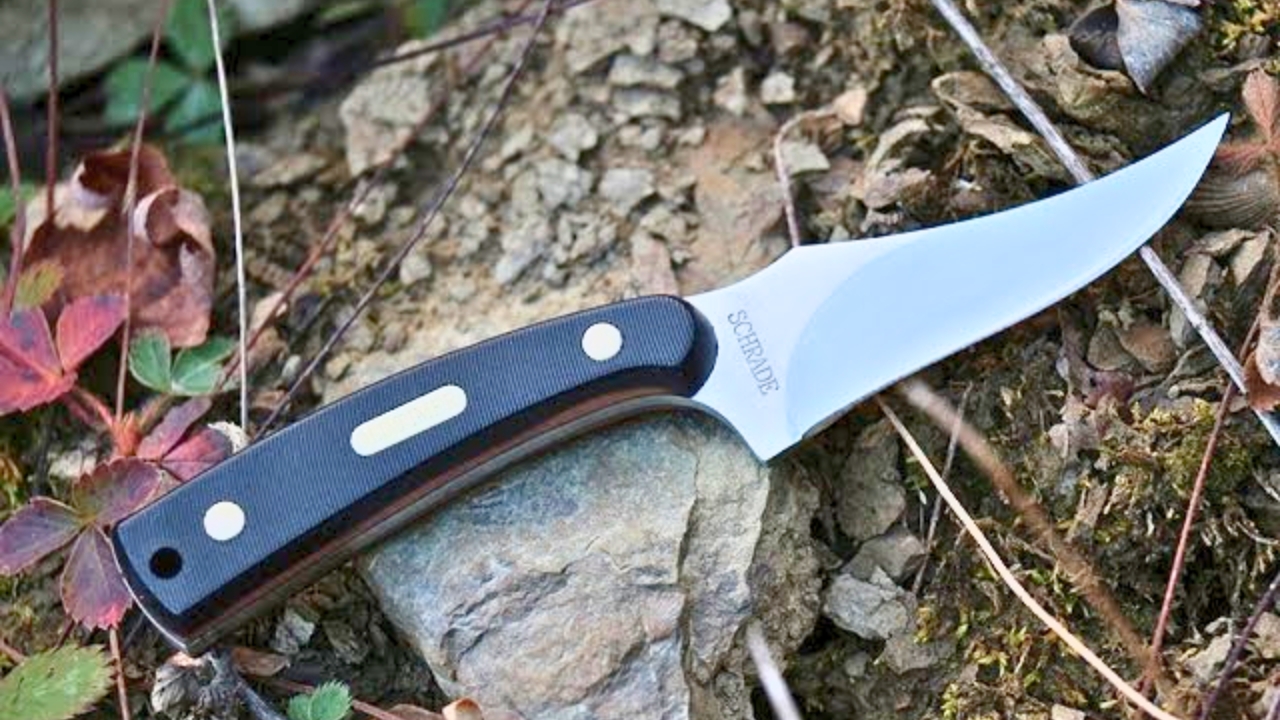
The Sharpfinger is one of those hunting-knife patterns that became iconic because the blade shape works. The pronounced belly and upswept point provide excellent control during skinning and field work.
Modern hunting knives often use replaceable blades or highly specialized profiles, but the Sharpfinger remains a remarkably capable all-around game knife. The compact size lets you work carefully, while the curved edge provides plenty of cutting surface. It is not meant for batoning logs or pretending to be a survival machete. It is meant to process game, and that focus is precisely why the design still performs so well.
Green River Dadley
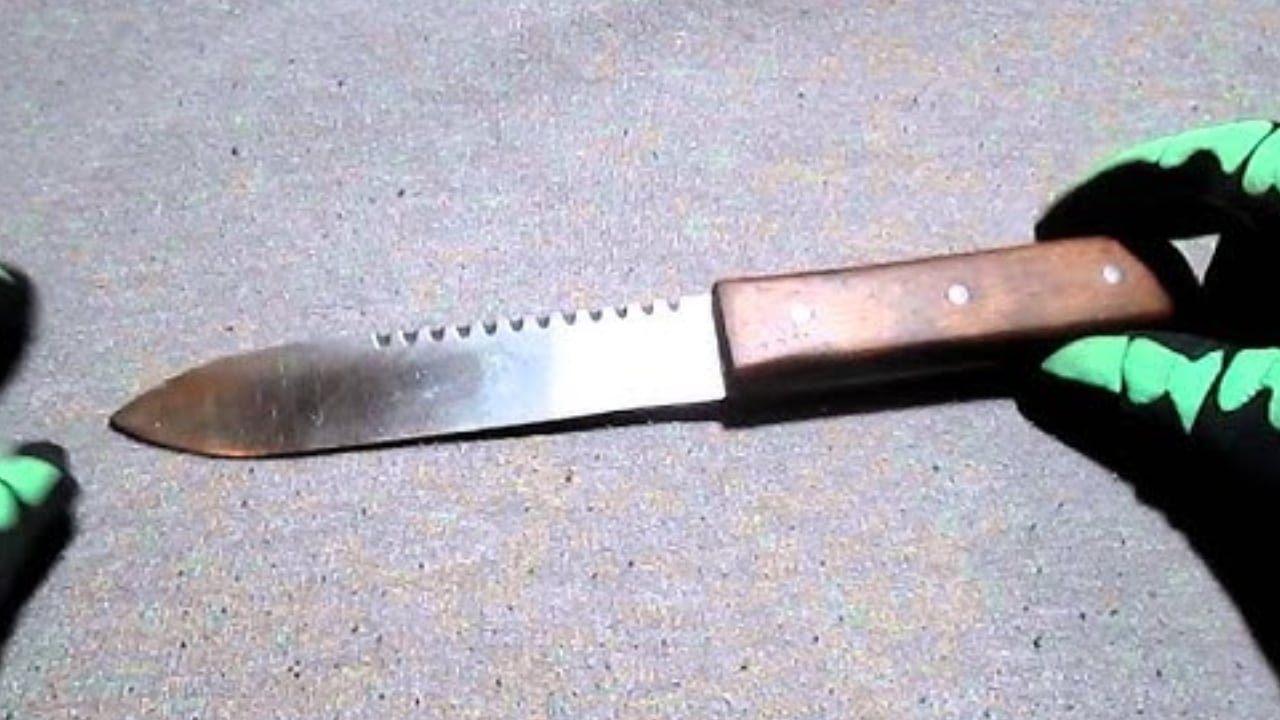
Green River knives have a long history in American camps, kitchens, and frontier work, and the Dadley pattern reflects that utilitarian background. The broad blade and straightforward handle give you a large amount of cutting ability without excessive thickness.
That thinness makes the knife especially good at food processing, camp chores, and slicing jobs where modern survival blades often feel like wedges. It may not survive the same abuse as a quarter-inch-thick tactical knife, but most people do not actually need their knife to survive being used as a pry bar. For real cutting, the older Green River approach often works better.
Svord Peasant Knife
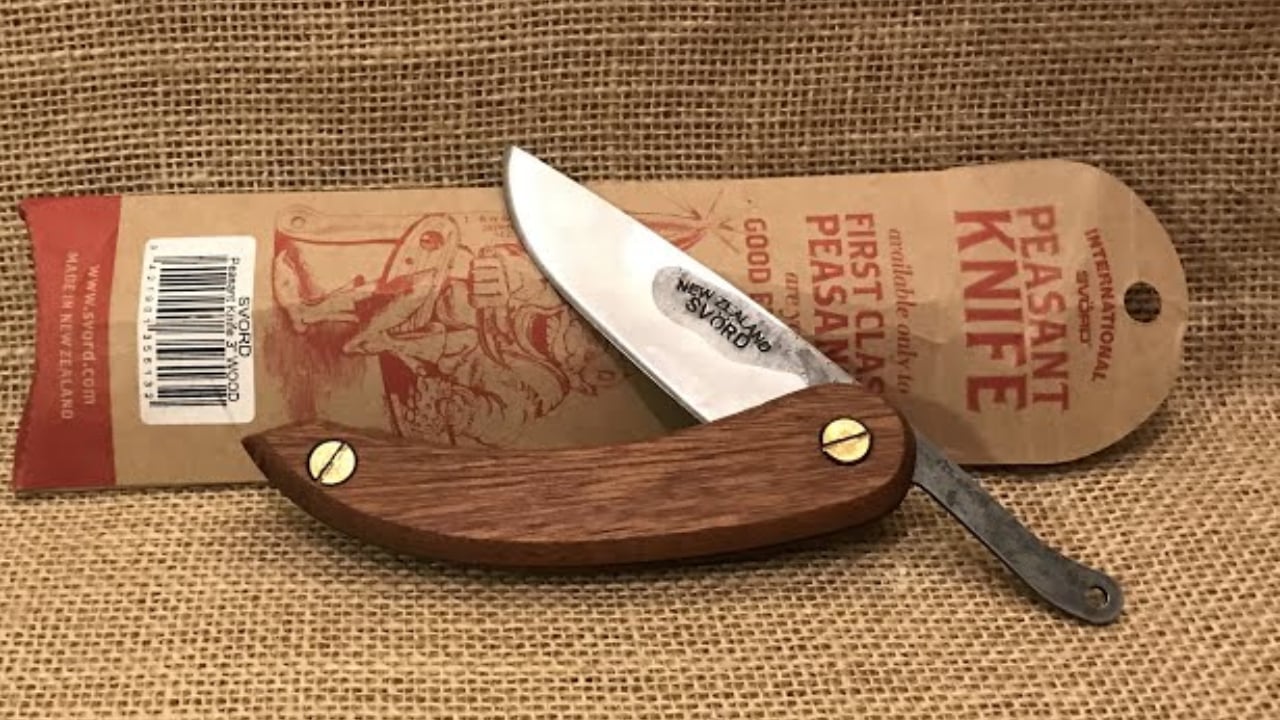
The Svord Peasant Knife takes the friction-folder idea and turns it into one of the most practical inexpensive working knives available. The extended tang gives you direct control over the blade while the wood or polypropylene handle stays simple and comfortable.
The carbon-steel blade is thin enough to cut extremely well and uncomplicated enough to sharpen almost anywhere. There is no lock, so it demands sensible technique, but that also means there are very few components to fail. Modern knives often compete by adding mechanisms. The Svord competes by removing them. For basic cutting, carving, and utility work, that old-school philosophy still works remarkably well.
Like The Avid Outdoorsman’s content? Subscribe to our newsletter so you never miss an article.
Here’s more from us: