Photo credit: HK USA
Some pistols just don’t play nice with holsters. Whether it’s oversized controls, sharp slide cuts, abrasive grip textures, or poor finish matching, there are certain handguns that chew through holsters faster than you’d expect. You notice it after a few hundred draws—frayed fabric, split seams, leather that’s ground down, or kydex that’s scuffed and warped in the wrong places. The wear isn’t always obvious at first, but it adds up. And if you carry every day or train regularly, you start seeing holsters fail way before their time. That means more money spent replacing gear, but more importantly, it introduces risk—like snagging on a sloppy reholster or dragging through a torn sweat guard. If you’ve got one of these pistols, you’ll need to get picky about holster construction, or accept that your gear’s going to wear out fast. Here are ten models known to be hard on holsters—each with their own little quirks that make them holster-killers.
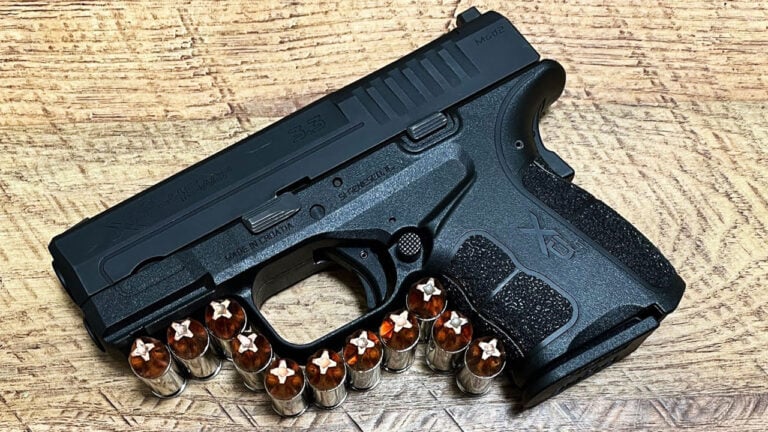
Springfield XD-M Elite

The Springfield XD-M Elite is a solid shooter, but its oversized slide serrations, tall sights, and aggressive grip texture all work against your holster. Those deep rear cocking grooves can sand the inside of a kydex shell over time, especially during high-rep drills or concealed carry practice. On leather or hybrid rigs, the sharp edges of the grip panels can start to shred stitching or dig into the backer after just a few weeks of use.
You’ll also find that the extended mag release and ambi slide stop levers can start wearing grooves into soft materials—particularly if you wear your rig tight to the body. This pistol demands a holster with reinforced edges and a little extra room around controls. If you pair it with a minimalist or mass-produced holster, expect that rig to give out sooner than it should. Many folks learn the hard way that the XD-M’s design isn’t holster-friendly unless the holster is built specifically with long-term durability in mind.
FN 509 Tactical

The FN 509 Tactical is purpose-built for serious use, but the extended slide, suppressor-height sights, and threaded barrel make holster compatibility an ongoing challenge. That long front end combined with the tall sights tends to rub the sight channel and wear down kydex faster than other pistols. If you use a soft holster, that thread protector will start chewing up seams and liners in no time—especially if you carry appendix and reholster frequently throughout the day.
Even with good gear, the combination of height, length, and rough-textured grip makes for more friction than most holsters are designed to handle. Holster companies often offer a specific 509 Tactical mold, and for good reason—it doesn’t fit well into most “universal” full-size shells without issues. Expect that your favorite EDC holster won’t last as long with this gun unless it’s reinforced or specifically reinforced for threaded barrels and suppressor sights.
SIG Sauer P320 XCarry

The SIG P320 XCarry is a modular, versatile pistol with a lot going for it—but it’s also rough on holsters. The slide shape is chunky up front, with pronounced angles that dig into kydex over time. If you carry with optics, the rear of the slide and plate area often starts rubbing the sweat guard or optic hood on most holsters. That wear accelerates if you’re training hard or doing repeated one-handed reholsters.
Add in the ambi slide stop and extended beavertail, and you’ve got more surface area catching and dragging across holster material. On hybrid holsters, the beavertail starts digging into the backer. On leather, you’ll see compression and warping earlier than you would with a sleeker gun. If you’re carrying a P320 XCarry, your holster better have a solid sight channel and a reinforced mouth—or you’ll be replacing it sooner than you’d planned.
Glock 41 Gen4

The Glock 41’s long slide is where most holsters start to suffer. This .45 ACP Glock stretches the standard full-size dimensions into territory that rubs, scrapes, and eventually splits holsters that weren’t designed with that extra length in mind. The wider slide profile paired with Glock’s squared-off front edges means more friction and more pressure on seams, especially during reholstering at speed.
It’s also heavy, which adds to the strain. Lightweight or thin-walled holsters tend to sag or wear out faster because of the weight distribution. On top of that, if you’re using a soft-sided IWB holster, the muzzle pressure on the bottom stitching becomes a weak point. You’ll see fabric give out early unless the rig has extra reinforcement. If you’re carrying a 41 daily, make sure your holster is rated for extended-slide Glocks specifically, or you’ll be buying replacements more often than you’d like.
Walther PDP Full Size

The Walther PDP has some aggressive slide cuts and deep front serrations that feel great under your fingers—but not so great for the inside of your holster. Those sharp serrations can gouge plastic or rub down leather prematurely, especially if you draw and reholster frequently. The slide is also fairly tall, which causes issues with fit on holsters molded for lower-profile pistols. Over time, the friction points wear unevenly and can deform thinner kydex holsters.
It also doesn’t help that the grip texture is extremely abrasive. That stippling is great for control, but it tends to eat up the interior of leather and hybrid rigs—especially where the edge of the backer meets your body. If you’re using a tuckable or low-profile holster, expect it to start showing signs of wear after a few weeks of real use. With the PDP, you need something built tough, with generous spacing and hard edges to survive the abuse.
Canik TP9SFx

The Canik TP9SFx is a competition-friendly pistol with a long slide, extended controls, and angular frame cuts that create pressure points most holsters aren’t ready for. Those aggressive forward serrations and slide edges dig into the inner wall of kydex holsters, especially during fast reholsters. On soft material, that front sight and long slide can eventually stretch or deform the muzzle end of the holster, leading to poor retention or snagging.
The oversized slide release also tends to press outward on soft holsters and can wear down the retention area over time. If you’re training regularly with a TP9SFx, you’ll need a holster with good sight clearance, sturdy muzzle support, and reinforced retention points. Skip those details and you’ll wear through your gear faster than expected. The gun runs smooth, but it’s not gentle on your carry rig.
HK VP9 Tactical

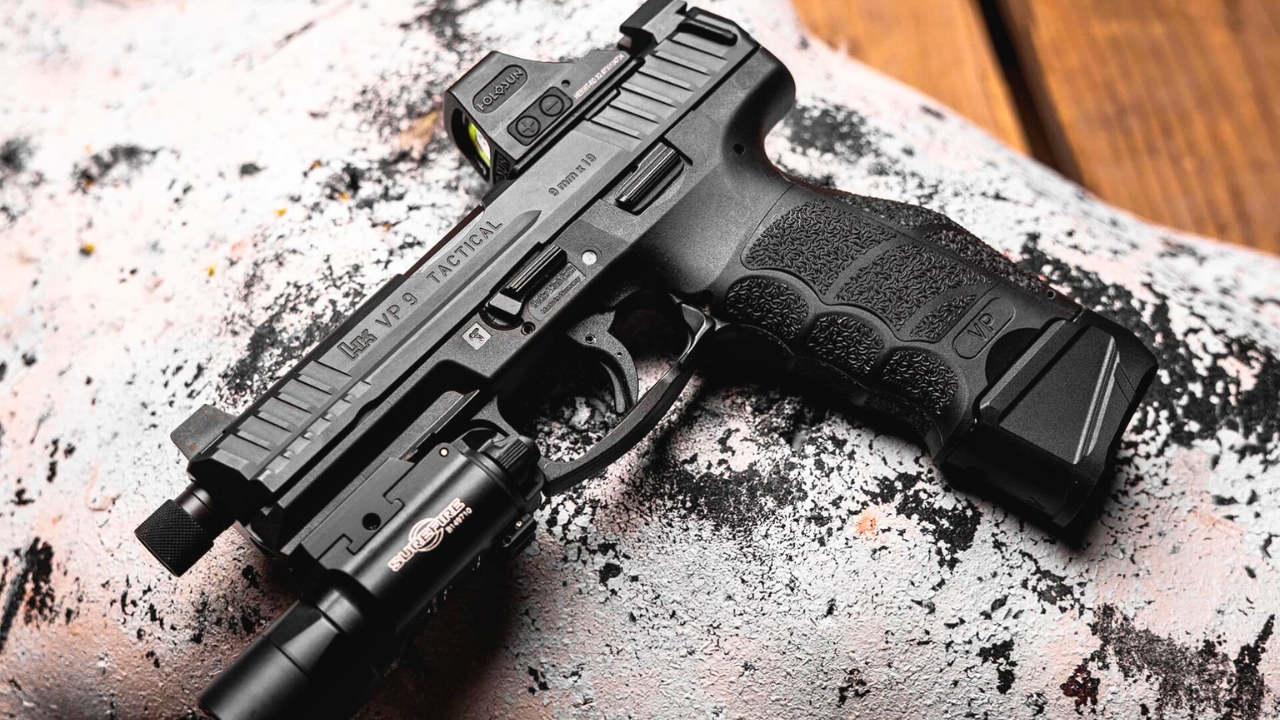
The HK VP9 Tactical features an extended threaded barrel and tall sights, which immediately puts stress on standard holsters. Most off-the-shelf options don’t account for the extra front length or the suppressor-height sight channel, so you end up with rubbing, scraping, or poor lock-up. The result is faster wear—especially on soft or hybrid holsters where the muzzle can stretch the shape and loosen the retention.
The slide’s forward serrations are also aggressive and can grind down holster material over time. Add in a set of rear charging “wings” or optics, and now you’re dealing with multiple friction zones. If your holster isn’t built specifically for the VP9 Tactical, it’ll wear unevenly or fail sooner than you think. Many owners eventually switch to a custom kydex rig to avoid chewed-up gear. This isn’t a “grab any holster and go” pistol—it demands something purpose-built.
Taurus G3C

The Taurus G3C has proven itself in the budget EDC world, but it’s not easy on holsters. The grip texture is extremely rough—great for control, not so great for leather or hybrid holsters. Over time, that stippling sands down backers and frays fabric lining, especially if you’re carrying close to the body. Reholstering adds pressure, and cheaper rigs start to show wear fast around the sweat guard and trigger guard areas.
The sharp angles around the trigger guard and aggressive takedown cuts also dig into thin kydex or press seams on soft rigs. A lot of mass-market holsters weren’t molded tightly for this frame, so you end up with poor fit and faster breakdown. If you’re carrying a G3C regularly, expect to go through a couple holsters before you find one that can handle its wear patterns. Don’t cheap out on your second one—get something reinforced from the start.
Beretta 92FS

The Beretta 92FS is a classic service pistol, but its wide frame and sharp edges don’t play nice with every holster. The oversized trigger guard, open-slide design, and decocker/safety levers create multiple wear points, especially if you’re using a holster with minimal reinforcement. Kydex can warp or crack near the ejection port where the slide opens up, and soft leather tends to stretch near the guard and muzzle.
Its overall width also means holsters wear faster simply due to increased pressure against the sides and retention points. That open slide is known to catch on some hybrid designs, especially if the sweat guard rides high. You’ll notice your rig loosening up faster than with sleeker pistols, especially if you’re carrying daily or doing regular draw work. The 92FS might carry with pride, but it doesn’t do your holster any favors over the long haul.
Glock 20 Gen4

The Glock 20 in 10mm is a beast of a handgun, and it puts a real strain on holsters over time. The large slide profile and heavy frame create more pressure than most rigs are built to handle. Cheap kydex starts to warp or loosen around the trigger guard, especially after a few hundred reps. If you’re running optics or tall sights, the wear speeds up even more, especially inside the sight channel and retention zones.
Soft holsters are even worse off—grip texture chews at the backing and the overall bulk presses seams until they start to split. The extra weight of a loaded G20 doesn’t help, either. It causes sag and distortion in minimalist designs. If you carry a G20 regularly, expect to rotate holsters more often—or spend more upfront on one that’s purpose-built to survive the punishment. The gun’s reliable, but it can burn through gear quicker than most of its 9mm cousins.
*This article was developed with AI-powered tools and has been carefully reviewed by our editors.