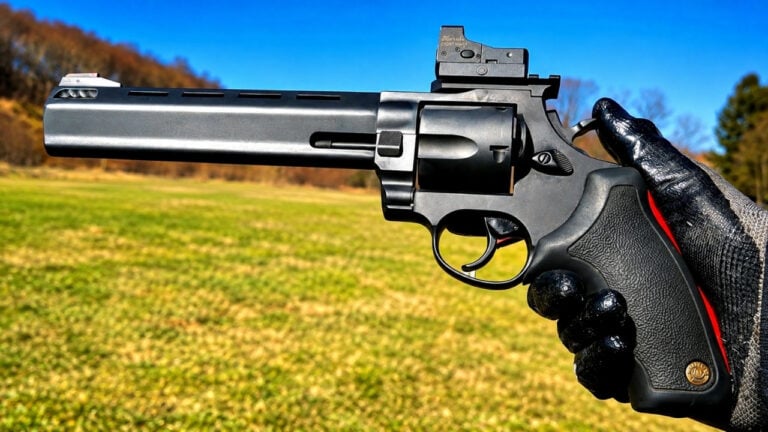
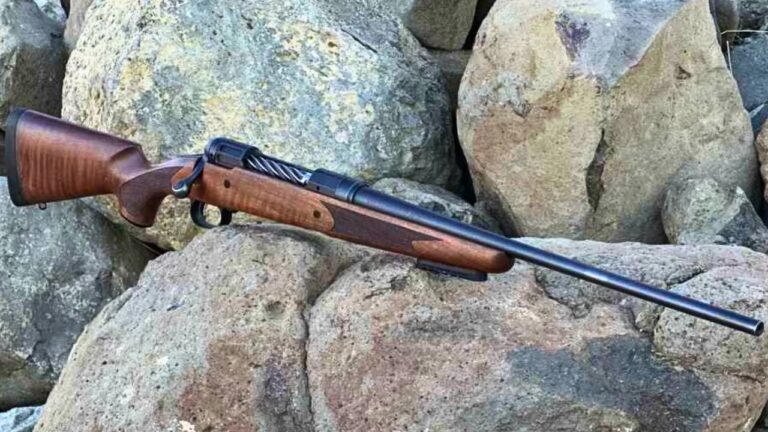
Photo credit: Suburban Rifleman/YouTube
There’s a reason some cartridges never leave store shelves, even when the internet won’t shut up about the newest hot-rod 6-something. The old standbys work in real seasons, with real recoil, and real ammo availability. They feed easy from box mags, don’t demand exotic barrel twists, and they kill clean without needing a chart to understand them.
These are the classic hunting rounds that still make sense today because they don’t get cute. They launch normal bullet weights at sensible speeds, they shoot straight enough, and you can actually find ammo for them when a season opener is three days away and your plans just changed.
.30-06 Springfield

If you wanted to build a “do everything” North American rifle and never talk ballistics again, you’d grab a .30-06 and be done with it. It’ll push 150–180 grain bullets at useful speeds, giving you plenty of reach for open-country shots without beating you up like the big magnums. Factory loads cover everything from soft deer bullets to bonded elk pills, and almost every gun counter in America keeps some version of it in stock.
The .30-06 isn’t trendy, but it patterns tight, handles wind decently, and doesn’t punish you on the bench. A lot of guys quietly go back to it after chasing newer calibers, because it just plain works. Inside sane hunting distances, the animal can’t tell if the label said “Springfield” or some flashy new acronym.
.270 Winchester

Jack O’Connor sold half the country on the .270 for a reason. It throws 130–150 grain bullets fast enough to stay flat for practical hunting ranges, and it hits plenty hard on deer, antelope, and elk with the right bullet. There’s nothing odd about it—standard case, standard pressures, easy feeding, and mountain rifles that stay comfortably light without being abusive.
Walk into any small-town hardware store and you’ve got a pretty good shot at finding .270 on the shelf. Zero it a couple inches high at 100 and you can hold middle of the chest a long way before you ever think about dialing. That’s the theme here: predictable, repeatable, and not fussy about conditions.
.308 Winchester

The .308 is what you get when you trim the .30-06 down and keep the good parts. It burns powder efficiently, plays nice with short actions, and shoots well from compact rifles that are easy to carry all day. With 150–168 grain bullets, you’re in the sweet spot for deer and black bear; step up to 180s and you’re fine for closer elk work with tough bullets.
The other reason it still wins is stability. You can get accurate .308 loads from almost any major brand, and most rifles will show you decent groups without a lot of drama. It’s also one of the best cartridges for guys who want to practice a ton—reasonable recoil, good barrel life, and plenty of affordable ammo options when times are normal.
.30-30 Winchester

On paper, the .30-30 looks dated. In the woods, it still fills more tags than a lot of fancy numbers. A 150–170 grain flat- or round-nose bullet at modest speed doesn’t impress internet charts, but inside 150 yards it hammers deer and hogs just fine. It’s also tied to light, quick lever guns that balance well in a stand or slip through thick brush better than most long-range rigs.
The .30-30 doesn’t ask for match optics or turrets. It wants a low-power scope or irons, a solid rest, and realistic shot choices. For a lot of whitetail country—hardwoods, cutovers, and creek bottoms—that’s still the right answer. It does one thing very well: close- to mid-range work on medium game without a bunch of complexity.
.243 Winchester

If you actually want to enjoy recoil instead of bracing for it, a .243 makes a ton of sense. It pushes 90–100 grain bullets fast enough to get flat trajectories, and with modern controlled-expansion bullets it’s absolutely capable on deer-sized game when you place shots correctly. It also doubles as a coyote and varmint round with lighter bullets, which makes practice a lot more fun.
Nothing about the .243 is weird—it runs in standard short actions, fools around with regular bullet diameters, and has more factory load choices than most newer 6mm options. Youth rifles and smaller-framed hunters benefit from the mild recoil, but plenty of experienced guys keep one around because it stacks groups and teaches good form instead of flinch.
.280 Remington

The .280 Rem has always lived in the shadow of the .270 and .30-06, but on paper and in the field, it hangs right with both. You’re basically throwing 140–160 grain bullets from necked-down .30-06 brass, giving you a nice balance of speed, sectional density, and recoil. You don’t need weird twist rates or boutique bullets to make it shine.
In real use, the .280 is a classic “if you know, you know” cartridge. It’s gentle enough for long practice sessions, but it carries enough authority for elk and mule deer when paired with good bullets. It never became a fad caliber, which is exactly why it belongs here—it just keeps doing its job for people who own one.
7×57 Mauser

The 7×57 has been quietly killing game all over the world since the 1890s. Bell used it on elephants, and modern hunters use it for everything from whitetails to elk. It pushes 140–175 grain bullets at modest velocities that don’t stress brass or shoulders, and it operates at pressures older rifles can handle safely when loaded correctly.
Most factory loads are conservative out of respect for vintage guns, but even those “slow” numbers work fine in real hunting distances. The cartridge feeds smoothly, doesn’t beat up light rifles, and offers excellent penetration thanks to good bullet length and sectional density. Nothing about it is flashy, but that’s why it’s still around.
6.5×55 Swedish

Before everyone lost their minds over new 6.5s, the Swedes were already using 6.5×55 to kill moose and everything smaller. It launches long, high-BC bullets at sensible speeds with very manageable recoil, and it does it out of actions that feed like butter. European data and anecdotes both back up its track record on big-bodied game.
Unlike some modern 6.5s that push pressures hard, the 6.5×55 stays pretty relaxed, especially in older surplus rifles. In modern guns, handloaders can safely match or beat 6.5 Creedmoor speeds while still keeping recoil light. No oddball case geometry, no crazy throats—just a long-proven round that works when you’re cold, tired, and trying to make one shot count.
.257 Roberts

The .257 Roberts never got the marketing it deserved, but in the field it’s one of the easiest rounds to live with. It sends 100–120 grain bullets at respectable speeds, shooting flat enough for open-country deer and pronghorn without punishing your shoulder. It sits in a sweet spot between recoil, trajectory, and killing power that newer quarter-bores don’t really improve on for typical hunting distances.
Because it’s based on the 7×57 case, it feeds smoothly and doesn’t require weird hardware. Ammo options are fewer than the big mainstream cartridges, but what’s out there tends to be well thought out. Guys who run a .257 usually stick with it because it’s just boringly effective and easy to shoot well.
.25-06 Remington

If you like speed but don’t want to get kicked around, the .25-06 is about as spicy as you need to go. It’s a .30-06 case necked down to .257, pushing 100–120 grain bullets fast enough to flatten out holdovers on deer and antelope in wide-open country. Despite the velocity, recoil stays manageable in a regular hunting rifle, and barrel life is still reasonable if you’re not mag-dumping.
There’s nothing quirky about its behavior. It feeds well, works with common bullet designs, and doesn’t demand super-heavy rifles or giant brakes. In real prairie and wheat-field hunting, that means quick follow-ups if needed and easy confidence on longer shots once you’ve done your range work.
.35 Remington

In thick woods, the .35 Remington still makes more sense than half the modern alphabet soup. It throws 180–220 grain bullets at moderate speeds, trading long-range reach for close-range thump in a package built around handy lever guns. On deer, hogs, and black bear inside 150 yards, it hits hard and punches deep without dramatic recoil.
It doesn’t care about high-BC numbers or dialing turrets. It cares about a solid hit through the ribs or shoulder at realistic woods distances. Ammo isn’t as common as .30-30, but it’s still around, and the round’s manners in the field—straightforward trajectory and honest terminal performance—are exactly why it still has a following.
7mm-08 Remington

The 7mm-08 isn’t ancient, but it behaves like an old soul. It’s basically a necked-down .308, running 120–150 grain bullets with excellent efficiency. You get flat enough trajectories for mountain and field work, mild recoil, and a cartridge that usually groups well without drama in lightweight rifles.
Because it’s built on standard brass with normal pressures, you don’t fight feeding issues or weird throat erosion. It just cycles, shoots straight, and kills clean. For newer hunters who want something that will last them decades without chasing trends, a 7mm-08 checks all the boxes: nothing exotic, nothing fussy, plenty of real-world results.
.45-70 Government

On paper, the .45-70 looks like a relic. In the field, especially at close range, it’s anything but. Modern loads push 300–405 grain bullets at higher pressures in strong rifles, giving you serious penetration and authority on big game like bear, moose, and buffalo. It doesn’t need speed to work; it relies on bullet weight and diameter.
The cartridge case itself is simple and forgiving. You can load it mild for old trapdoor rifles or spicy for modern lever guns and single-shots. Inside its wheelhouse—woods ranges and heavy game—it does exactly what you ask with no surprises. You’re not guessing what the bullet will do when it hits; you already know.
.375 H&H Magnum
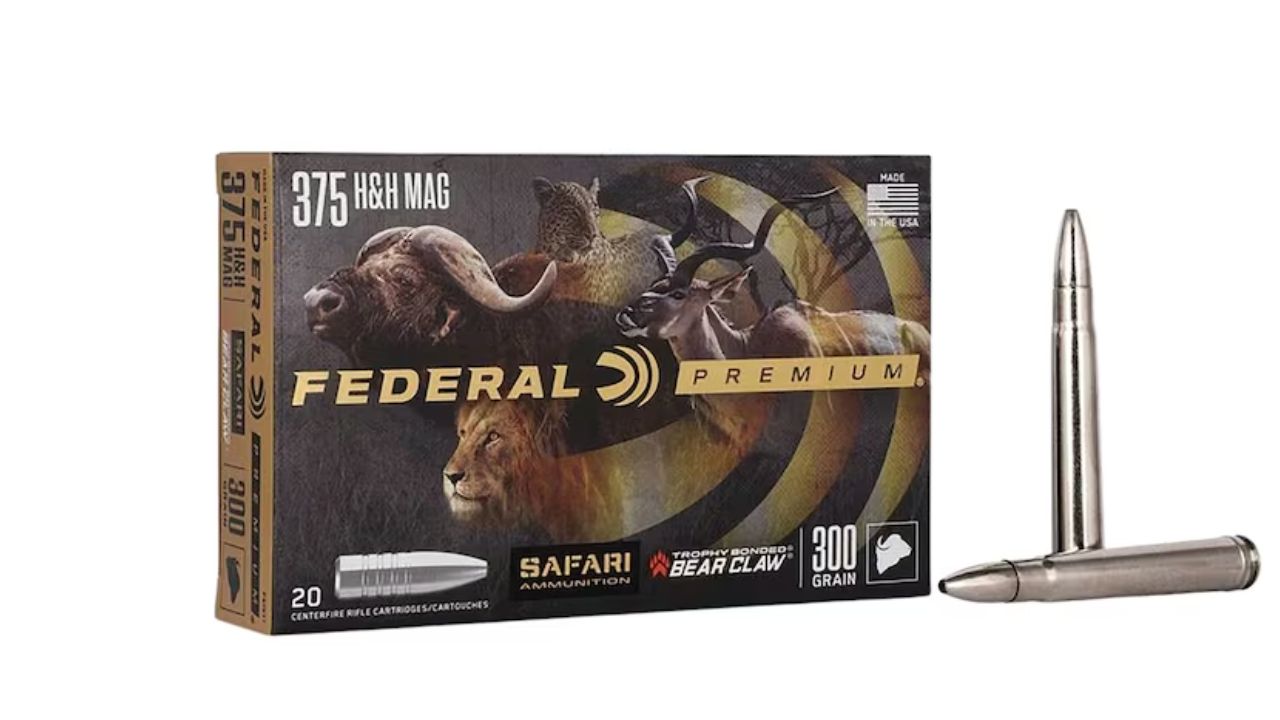
If you’re going to run a big bore, the .375 H&H is the definition of not doing anything weird. It feeds smooth, runs at moderate pressure for its size, and has a long history on dangerous game all over the world. It’ll push 250–300 grain bullets fast enough for good trajectory inside practical ranges, and it hits hard enough that professional hunters still trust it.
Recoil is stout but manageable in a properly stocked rifle, and the cartridge doesn’t need wild velocities to be effective. It just relies on bullet construction and diameter. In a world full of niche safari rounds, the .375 H&H sticks around because it’s predictable, proven, and doesn’t make your life harder than it needs to be.
.300 Winchester Magnum
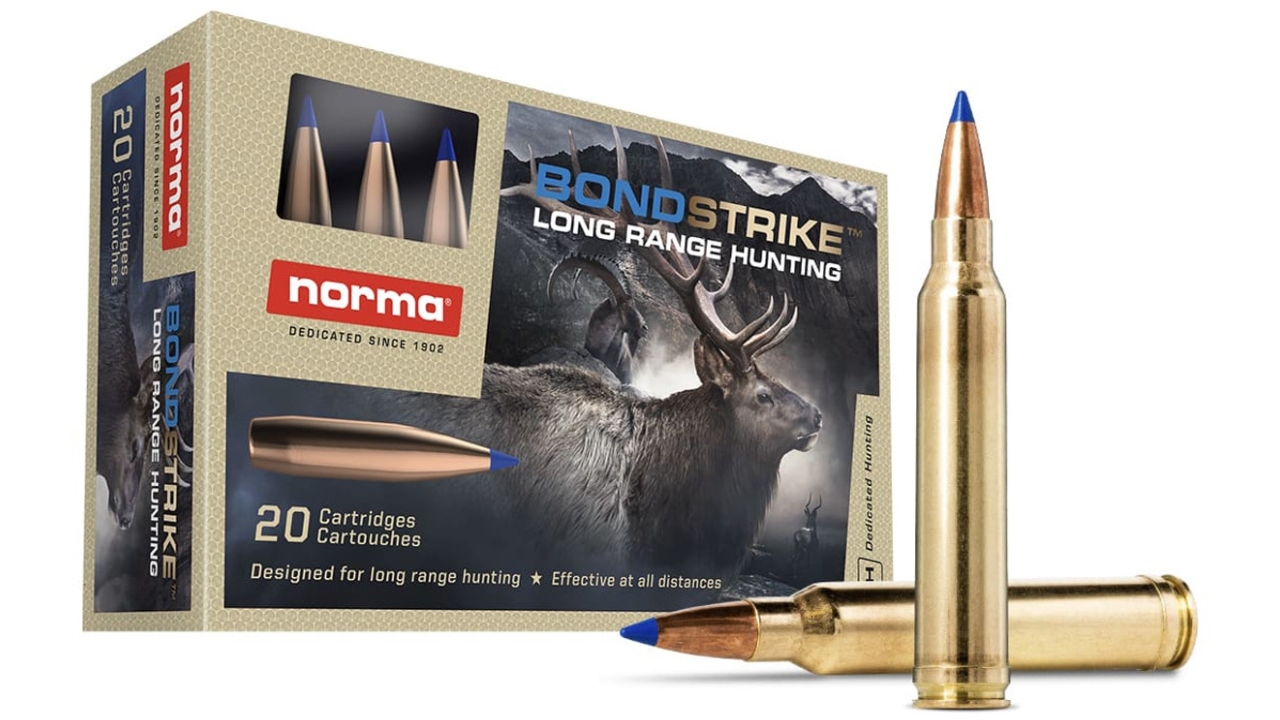
The .300 Win Mag is about as “weird” as most hunters ever need to get. It throws 165–200 grain bullets fast, stretches your effective range compared to a .30-06, and has decades of real-world use behind it from elk mountains to western plains. Yes, recoil is noticeable, but it’s still very shootable out of a decent rifle with a pad or brake.
It also benefits from an ocean of load data and factory options. You’re not stuck hunting for obscure ammo or dealing with finicky chamber specs. For guys who want one rifle to cover everything from long western shots to heavy game, the .300 Win Mag offers reach and authority without stepping into true punishment territory or oddball cartridge design.
Like The Avid Outdoorsman’s content? Subscribe to our newsletter so you never miss an article.
Here’s more from us: