Photo credit: CornFromAJar/YouTube.
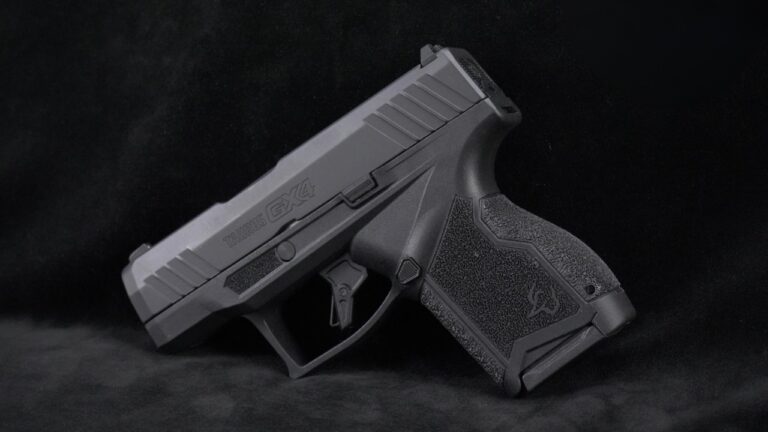
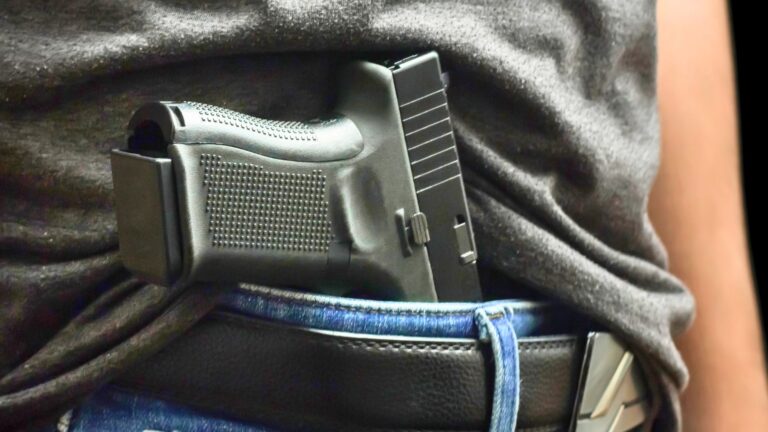
Just because a caliber fits in a tiny handgun doesn’t mean it belongs there. Some rounds lose their effectiveness in short barrels, others produce way too much recoil, and a few are just plain unreliable when the platform gets that small. If you’re banking on a pocket pistol to protect you, it’s worth taking a closer look at what you’re feeding it. Here are a few calibers that don’t always play nice with compact carry guns.
.22 LR

Yeah, it’s cheap and easy to shoot, but .22 LR just doesn’t hit hard enough out of a pocket gun. In a real-world self-defense situation, the lack of stopping power becomes a big deal. You’re relying on perfect shot placement—under stress.
It’s also notorious for misfires, especially with bulk ammo. When you’re betting your life on each pull of the trigger, that’s a problem. Sure, it has its place for training or as a backup to a backup, but as a primary carry? Not ideal.
.25 ACP
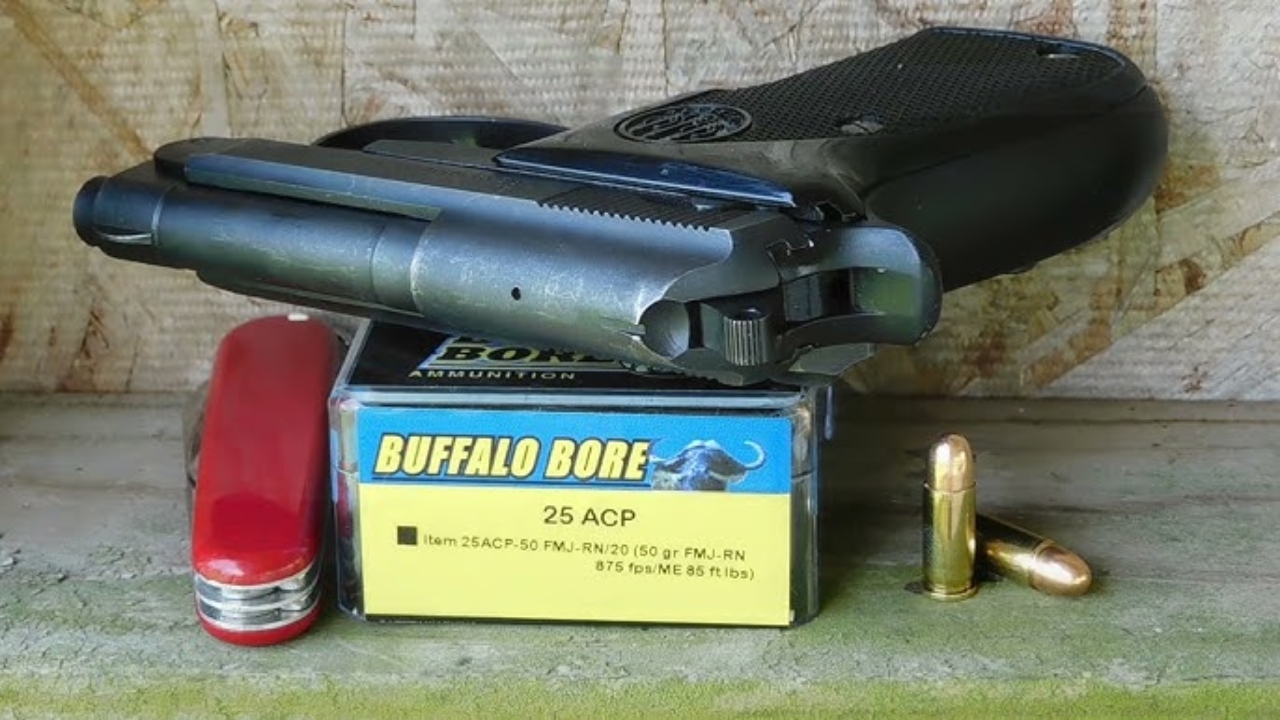
The .25 ACP was designed for pocket pistols, but that doesn’t mean it performs well. It’s underpowered and doesn’t penetrate deep enough to reach vital organs reliably. In ballistic gel tests, it’s not impressive—even with hollow points.
On top of that, most guns chambered in .25 ACP are outdated and lack modern safety features. You’re often stuck with low capacity, poor sights, and unreliable triggers. There are simply better small-caliber options on the market now.
.32 ACP

The .32 ACP sits in a weird middle ground. It’s not quite as weak as .22 or .25, but it still struggles with penetration and expansion. In a short-barreled pistol, it often fails to meet FBI minimum standards for self-defense ammo.
Some folks like it for its low recoil, and that’s fair. But low recoil doesn’t matter if the round can’t do enough damage to stop a threat. Pocket pistols chambered in .380 or even 9mm just make more sense today.
10mm Auto
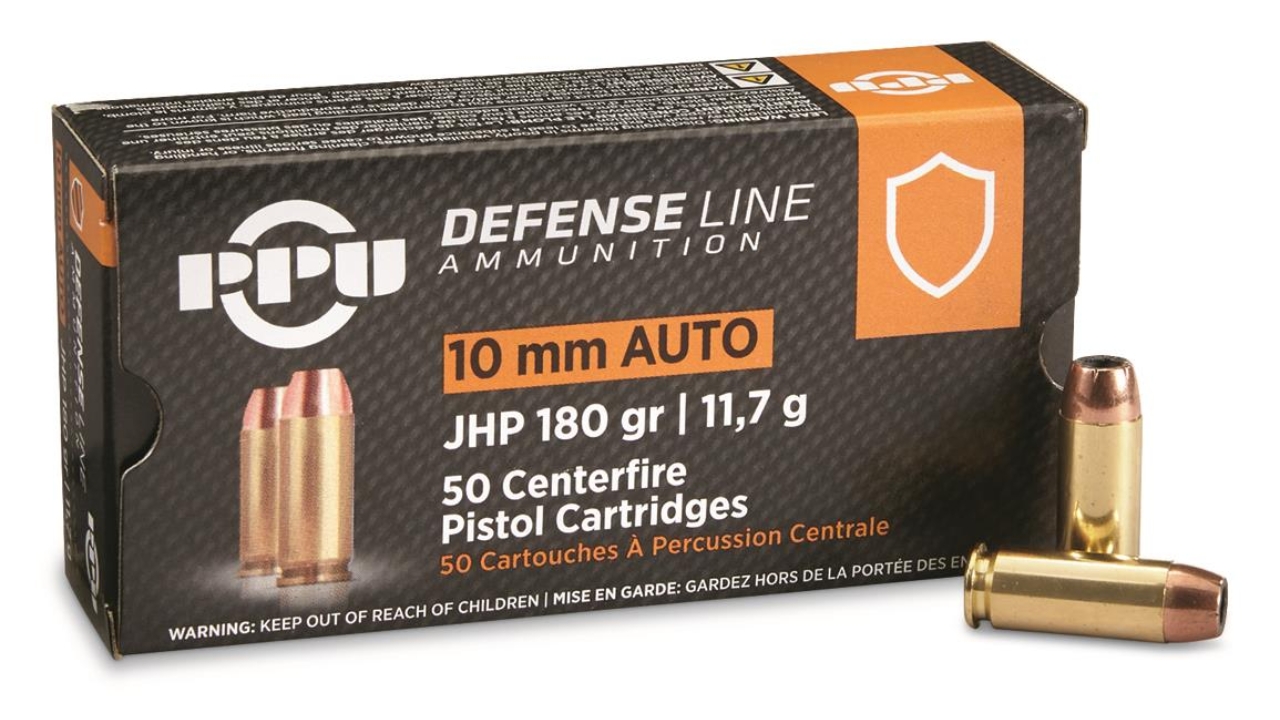
This one’s overkill in a bad way. Stuffing 10mm into a tiny gun sounds cool until you shoot it. Recoil is brutal, muzzle flash is blinding, and follow-up shots are slow—if your hand isn’t stinging too much to take one.
Most pocket-sized 10mm guns also suffer from feeding issues due to the cartridge’s length and power. Unless you’re hiking in bear country and absolutely need that power, there are better choices for everyday carry.
.357 Magnum

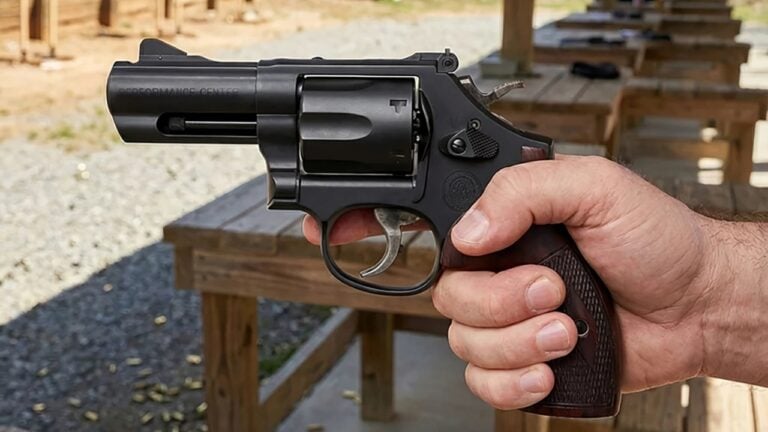
.357 Mag delivers serious energy, but you lose a lot of that in a snub-nose revolver. The unburned powder just adds flash and noise, not velocity. What you’re left with is harsh recoil and ear-splitting blast without the full benefits.
Follow-up shots are tough, and some loads actually perform worse than .38 Special +P out of a short barrel. If you’re using a snubby for defense, loading it with .38 Special may give you better control and consistent performance.
.45 ACP

Big, slow, and heavy—.45 ACP needs barrel length to shine. In a pocket-sized 1911 or micro compact, you’re dealing with extra bulk and reduced performance. That big bullet doesn’t get enough speed to expand reliably at short barrel velocities.
Recoil and muzzle rise can also make a tiny .45 tough to control, especially under stress. You’ll often get fewer rounds in the mag too. It’s not a terrible round, just not at its best in a small frame.
5.7x28mm

The 5.7x28mm is known for speed and penetration, but those advantages take a hit in a short barrel. You lose velocity, and that affects both terminal ballistics and its armor-piercing reputation (which most civilian loads don’t live up to anyway).
Recoil isn’t terrible, but the ammo is pricey and over-penetration can become a real issue. In a pocket pistol, it’s more flash than function. Unless you have a very specific use case, it’s probably not worth the trade-offs.
*This article was developed with AI-powered tools and has been carefully reviewed by our editors.