Photo credit: LeverBoy/YouTube
The handgun market gets distracted easily. One year it is all about tiny carry guns. Then everyone wants optics cuts on everything. Then comes the next wave of modular frames, “duty-ready” branding, or some fresh promise that this new pistol finally made older designs irrelevant. Most of that noise fades faster than people admit. What usually remains are the handguns that kept doing real work the whole time.
That is what this list is about. These are the handguns that stayed useful while the market kept chasing other ideas. Not because they dominated every trend cycle, but because they kept offering the things that matter after the hype cools off: reliability, shootability, durability, and plain long-term usefulness. These are the pistols that kept making sense while a lot of buyers were busy getting impressed by something newer.
Smith & Wesson 3913
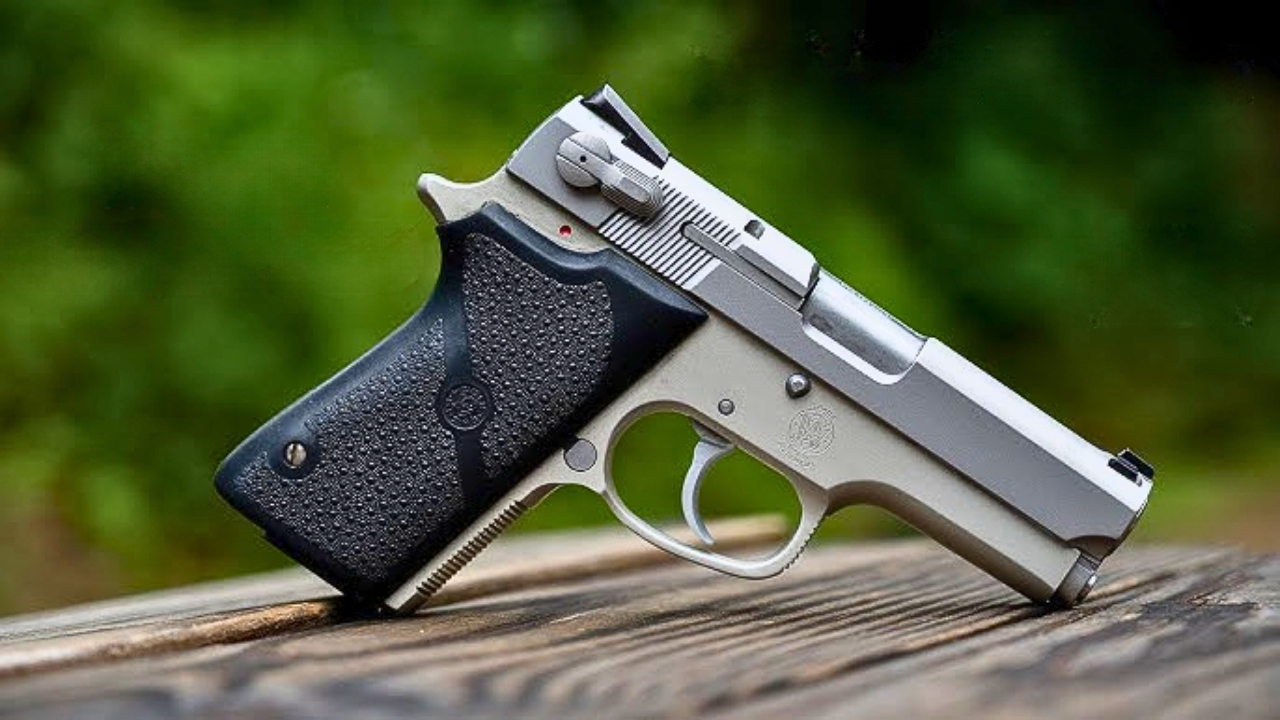
The 3913 stayed useful because it solved a real problem cleanly long before the carry market started reinventing itself every six months. It was slim, dependable, easy enough to carry, and still substantial enough to feel like a proper handgun when it was time to practice. That balance matters more than many buyers realize at first, especially after they have spent time with smaller pistols that were easier to hide and much harder to enjoy.
What kept the 3913 relevant is that the reasons to own one never really disappeared. A compact metal-frame 9mm that carries well and behaves itself on the range is still a smart thing to have. While the market went chasing micro-compacts, weird hybrid sizes, and endless new sales angles, the old Smith kept making a very calm, very convincing case for itself.
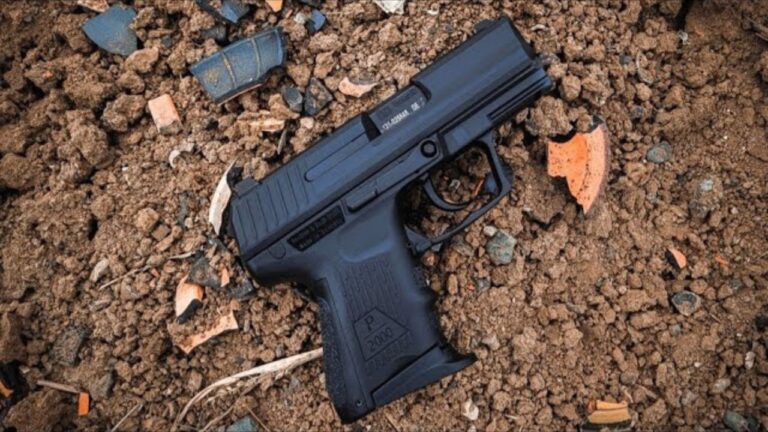
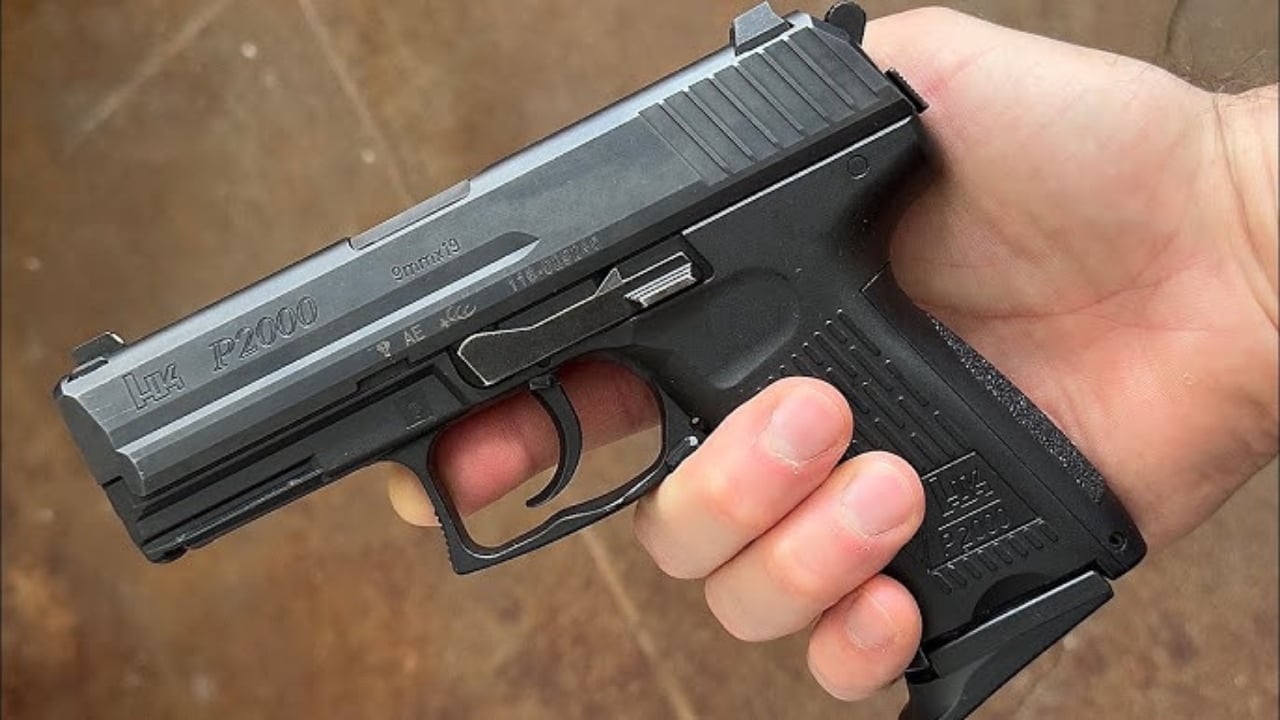
HK P2000
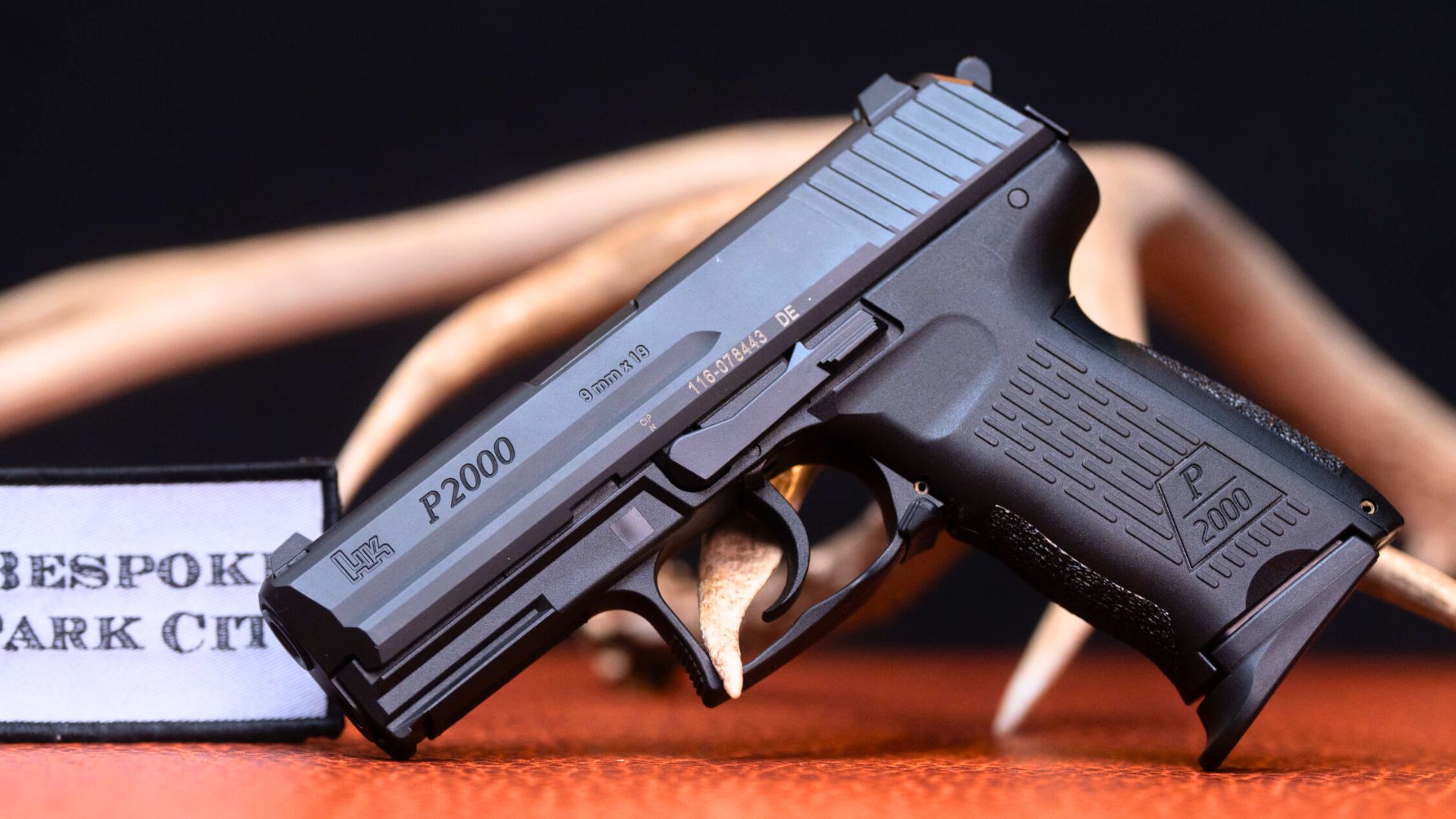
The P2000 stayed useful because it was built around duty-grade practicality instead of trend-driven attention. It never needed to be the loudest HK in the room. It just needed to keep functioning, keep fitting real hands well, and keep giving the owner a pistol that worked without much drama. That kind of quiet competence ages very well.
A lot of newer handguns promised fresh answers to old problems, but the P2000 kept solving the same problems without changing its story. It still worked for carry, home defense, and training without feeling compromised in any of those roles. That sort of steady usefulness is why some pistols outlast entire market conversations.
Beretta Cougar 8000
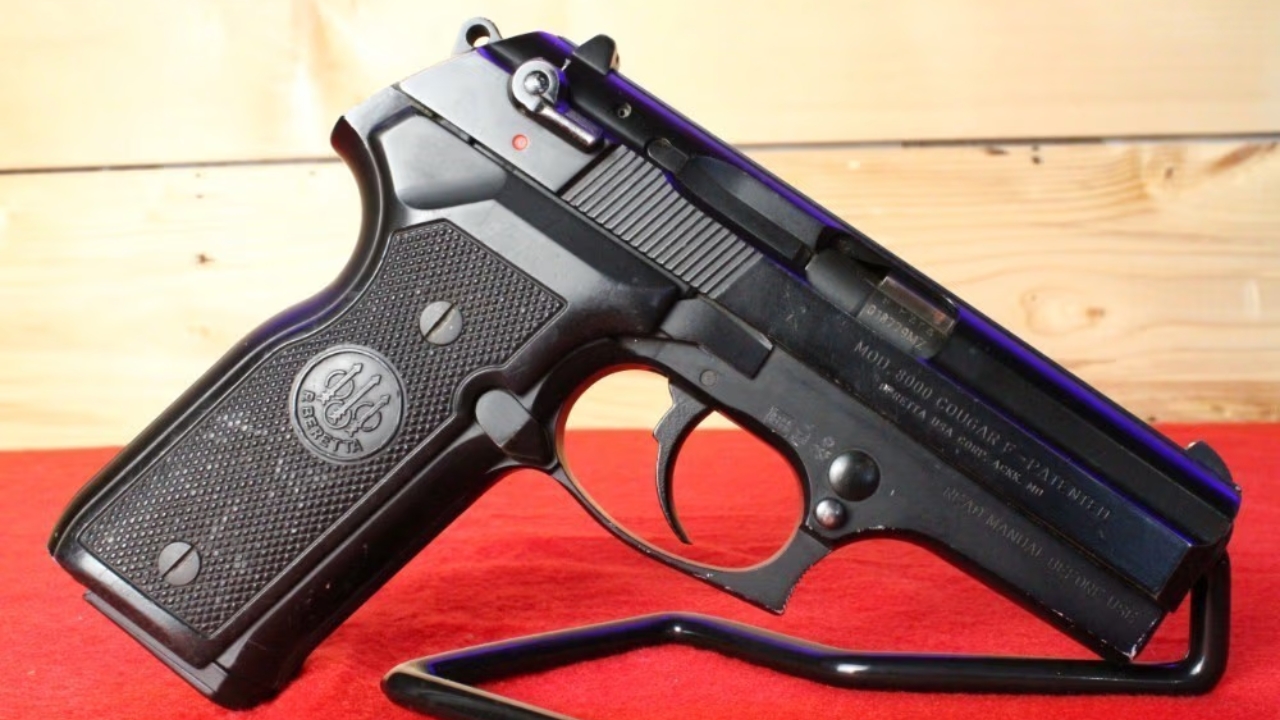
The Cougar stayed useful because it was one of those pistols that made more sense after shooting than it ever did in the display case. It had the Beretta name, decent manners on the range, and enough substance to feel like a serious handgun, but it never enjoyed the same level of market adoration that some other Berettas did. That left it underappreciated for a long time.
What kept it alive was that owners who actually used one often figured out the gun had been underrated. It was dependable, comfortable enough to shoot, and practical in a way that survived changing tastes. While the market ran after lighter, trendier, or more aggressively marketed pistols, the Cougar kept doing the less glamorous job of staying useful.
SIG Sauer P239

The P239 stayed useful because it came from a period when a slim pistol was still expected to feel like a real handgun. It was not trying to be the smallest thing on the shelf. It was trying to be dependable, manageable, and easy to carry without becoming unpleasant to train with. That distinction still matters.
The market spent years chasing higher capacity, smaller dimensions, and all kinds of “best of both worlds” claims. Through all of that, the P239 remained what it had always been: a compact pistol that handled itself honestly. That is why many owners kept them long after supposedly smarter carry ideas had already come and gone.
Walther P5
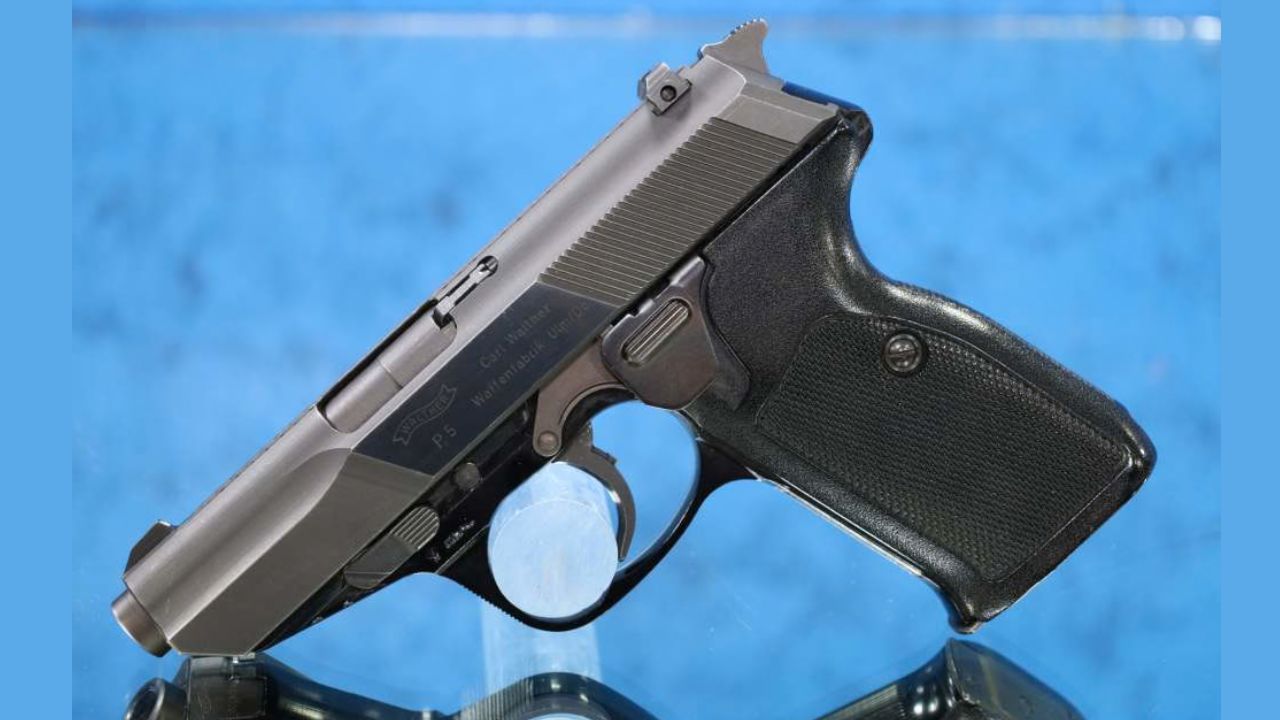
The P5 stayed useful because it was built with enough quality and enough practical sense that it never became merely an old curiosity. It may not have fit neatly into every modern buying trend, but it kept enough real-world appeal to remain a serious handgun instead of a conversation piece pretending to be one.
What makes a pistol last is not always trend compatibility. Sometimes it is simply the fact that the gun still works well in the hand and still feels like it was built with real intention. The P5 had that. While the market cycled through newer striker answers and temporary obsessions, it kept proving that a well-made service-style pistol does not suddenly become foolish just because the display case changed.
Smith & Wesson 457
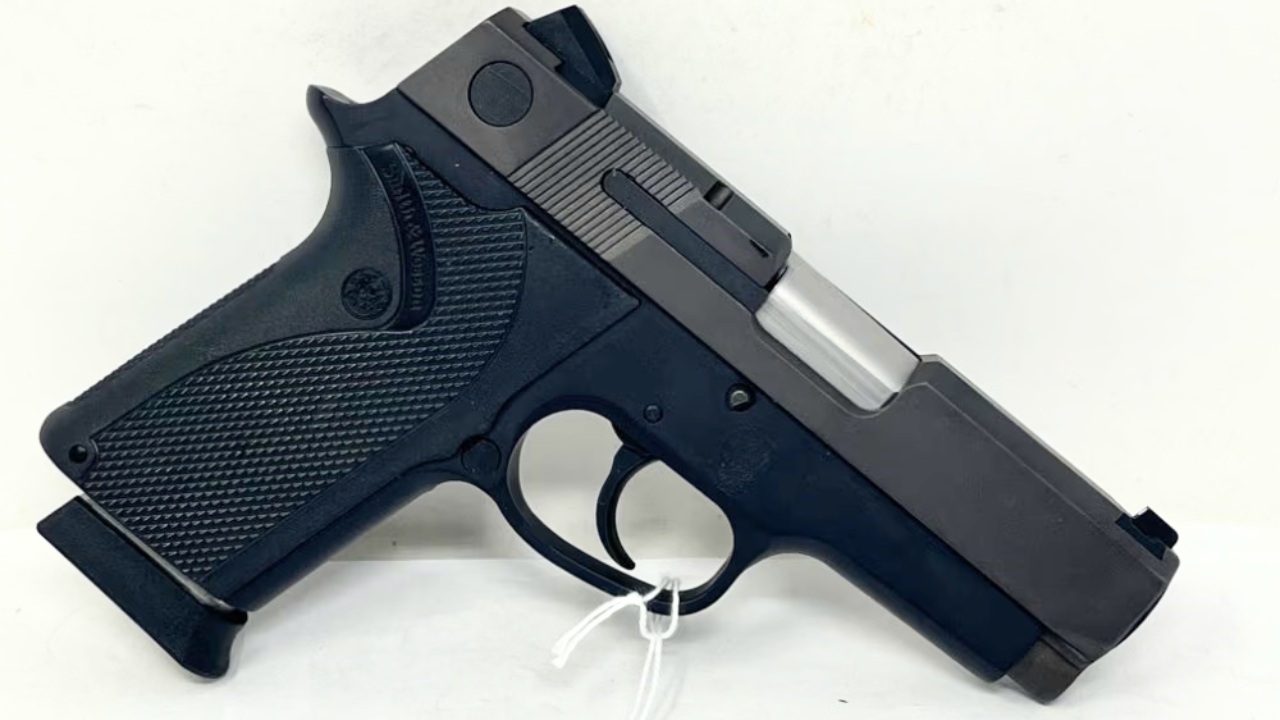
The 457 stayed useful because it never tried to be more than a dependable compact .45, and that honesty worked in its favor. It was not a boutique 1911, not a flashy polymer experiment, and not a gun built around a lot of identity-marketing. It was simply a practical little Smith that did not ask the owner to put up with much nonsense.
That made it easy to keep around. The compact .45 market has always attracted plenty of bad ideas dressed up as premium solutions. The 457 survived because it stayed grounded. Even while the market kept serving up newer, louder, and more “advanced” carry options, this old Smith kept offering a sensible answer for people who cared more about reliability than theater.
Ruger P95

The P95 stayed useful because it never cared whether it looked elegant. It was there to work, and that tends to matter a lot more once the gun has been owned for a few years. Plenty of pistols got praised for style, slimness, or innovation. The old Ruger kept moving along on brute practicality and the sort of durability that makes owners forgive a lot of cosmetic ugliness.
That is exactly why it outlasted more exciting handguns in many collections. The market loves to chase polished stories. The P95 had no polished story. It had usefulness. Guns like that often look smarter after enough time passes, because the buyer eventually learns that “unimpressive but dependable” usually beats “impressive for six months.”
Browning BDM

The BDM stayed useful because it was better than the market treated it. For years it lived in that awkward space between respected and ignored, which meant it never fully benefited from hype but also never got burdened by impossible expectations. Buyers who actually used one often found a well-behaved pistol with more practical merit than its reputation suggested.
That is often how long-term usefulness works. A pistol survives not because everyone agreed on it early, but because it kept making sense after people had already moved on to newer distractions. The BDM never dominated the conversation, but it did enough right to remain worthwhile while a lot of louder pistols burned hot and then faded.
Beretta 81

The Beretta 81 stayed useful because compact metal-frame pistols still offer things the market keeps pretending it has outgrown. It feels substantial, shoots in a calm, predictable way, and gives the owner something many newer compacts do not: the sense that he is holding an actual handgun instead of a tiny compromise with decent marketing.
While the market chased ever smaller and ever thinner carry ideas, the 81 kept reminding people that pleasant shooting and real control still matter. A gun does not have to dominate every category to stay useful. It only has to keep doing enough important things well, and the Beretta did that without asking for trend approval.
FNX-9
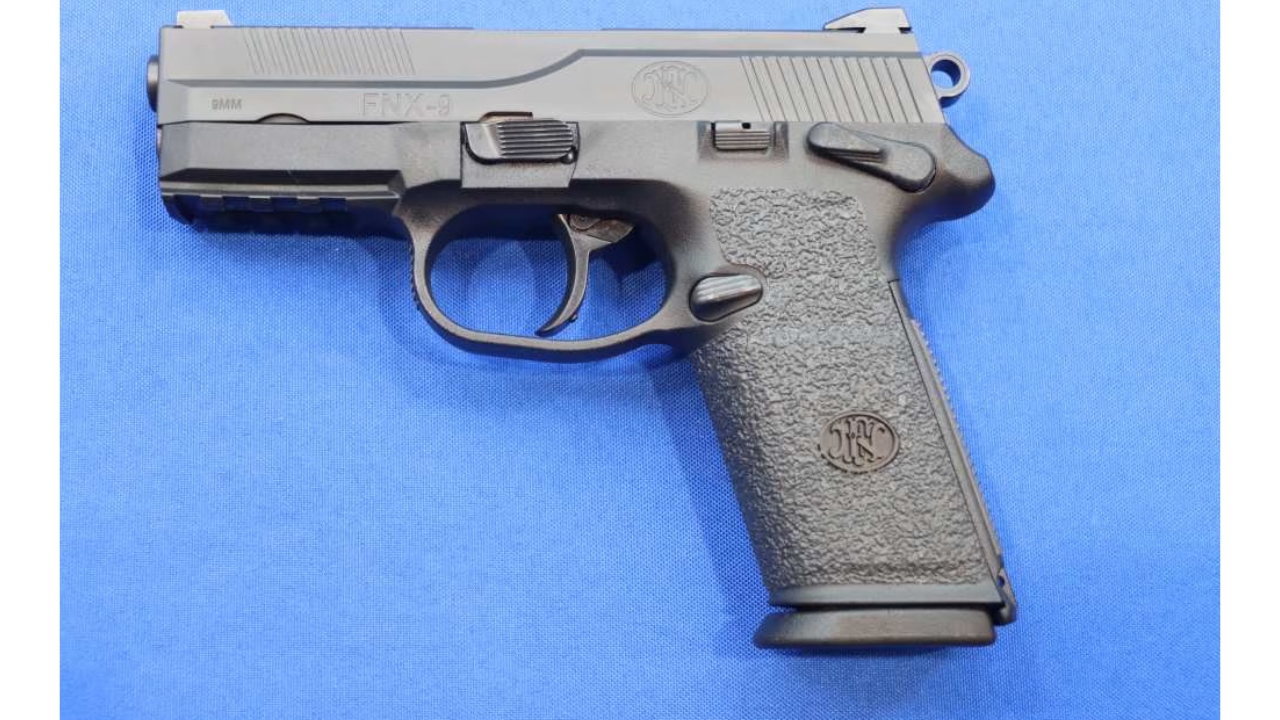
The FNX-9 stayed useful because it did not need to become fashionable to be solid. It offered practical controls, dependable function, and the kind of all-around service-pistol competence that often gets overlooked when the market is busy obsessing over the newest carry darling or the latest modular frame setup.
That is the kind of pistol that ages better than many buyers expect. While the market kept moving its attention somewhere else, the FNX-9 stayed relevant because it remained a very usable handgun. It kept solving ordinary handgun problems, which is often much more important than sounding innovative in the moment.
Star Firestar

The Firestar stayed useful because it had enough real substance to outlast being treated as merely an interesting old compact. It was heavy for its size and not especially fashionable once lighter carry options took over, but that heft came with a degree of shootability and seriousness that many smaller guns lacked. That gave it more staying power than its market buzz ever suggested.
A lot of newer carry guns chased convenience so hard that they forgot people still have to shoot them. The Firestar never forgot that. It could be more handgun than the buyer expected, and that helped it remain useful long after trendier carry pieces had already become the thing their owners used to justify new purchases.
HK45C

The HK45C stayed useful because it never depended on being the flavor of the month. It was a compact .45 built around hard use, and that mission did not suddenly go away because the market got obsessed with other calibers, smaller frames, or the latest carry language. A dependable compact .45 with genuine durability still has a place.
That is why this pistol held its ground so well. It remained controllable enough to train with, serious enough to trust, and practical enough to justify while other handguns kept arriving with louder claims and shorter cultural shelf lives. The HK45C stayed useful because it was built around enduring needs instead of market moods.
EAA Witness Steel Full-Size

The steel Witness stayed useful because it kept giving owners a lot of practical handgun for the money while the market was busy chasing newer and often less satisfying ideas. It had weight where weight helped, decent shootability, and enough all-around substance to avoid feeling disposable. That is not glamorous, but it is exactly the kind of thing that keeps a pistol relevant.
The market often underrates guns that are merely solid until shooters have enough experience to recognize how much that solidity matters. The Witness stayed useful because it remained pleasant to shoot and easy to respect. That is often a stronger long-term trait than being momentarily exciting.
Steyr M9-A1

The M9-A1 stayed useful because it was one of those pistols that quietly solved practical shooting problems while everyone else was arguing about whatever was newest. Good ergonomics, low bore axis, and real range competence gave it a lot more staying power than its mainstream attention ever reflected. It never needed to dominate the market to be a good gun.
That is what helped it survive. Buyers who actually lived with one often found a pistol that was better than the noise around it suggested. Meanwhile, the market kept wandering off into fresher talking points. The Steyr remained useful because real handling and real performance do not expire just because the crowd found something shinier to discuss.
Dan Wesson 15-2
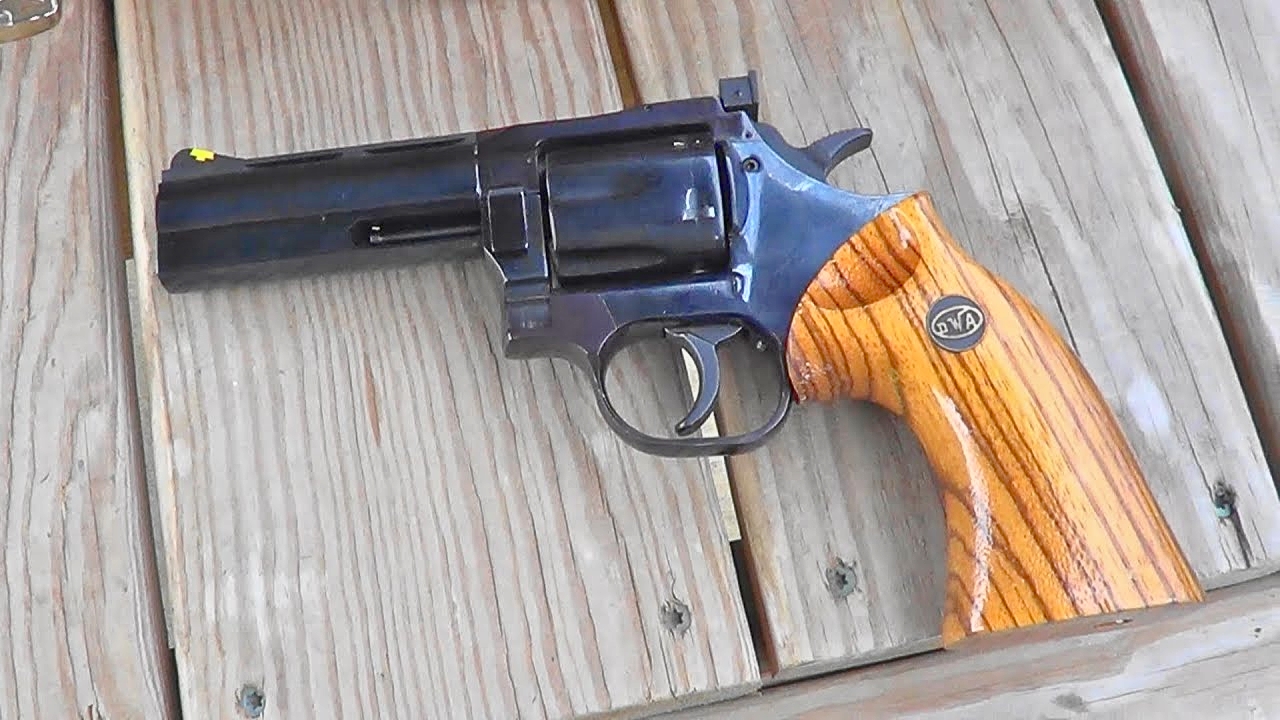
The 15-2 stayed useful because a well-made medium-frame revolver never stops making practical sense as quickly as the market likes to pretend. Revolver attention rises and falls, but a gun that shoots well, balances well, and keeps rewarding ownership often survives those cycles better than expected. The Dan Wesson did that by being more than a novelty or a brand curiosity.
Even while the market chased striker-fired everything and increasingly niche revolver hype, the 15-2 stayed worthwhile because it remained a good revolver in plain terms. Guns that keep delivering straightforward satisfaction do not always make noise, but they do keep earning their place.
Walther PPQ M2

The PPQ M2 stayed useful because it got the core experience right. It was comfortable, easy to shoot well, and had enough plain practical appeal that it stayed attractive even after the striker market began flooding with more and more “next big thing” entries. A lot of those newer pistols tried to sound smarter. The PPQ often just kept shooting better in normal hands.
That is why it held its place. It did not need to be the newest idea forever. It only needed to remain a genuinely good handgun once the novelty wore off elsewhere. The market chased all kinds of other directions, but the PPQ M2 stayed useful because actual shootability is very hard to replace with marketing.
Like The Avid Outdoorsman’s content? Subscribe to our newsletter so you never miss an article.
Here’s more from us: