Photo credit: BILSTMAXX/YouTube
Some rifles build expectations they cannot always meet. They look good in the rack, carry a familiar name, or promise budget accuracy, hard-hitting power, or modern features that sound better than they feel once you start shooting. That gap between what a rifle should do and what it actually does is where disappointment starts.
Not every rifle here is useless. Some can be made to work, and plenty of owners have good examples. But when a rifle develops a pattern of rough handling, inconsistent accuracy, awkward ergonomics, cheap magazines, punishing recoil, or poor field manners, buyers start talking. These are the rifles that can leave shooters wondering why the performance never quite matches the promise.
Remington 742 Woodsmaster
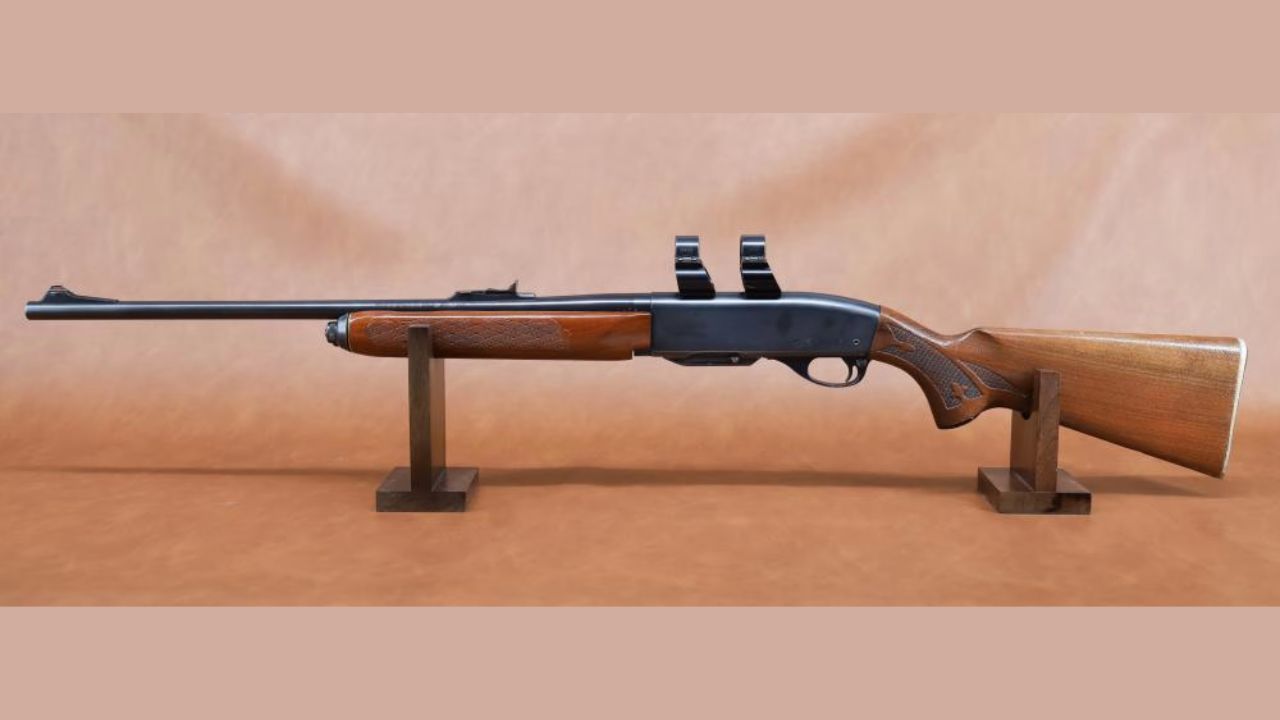
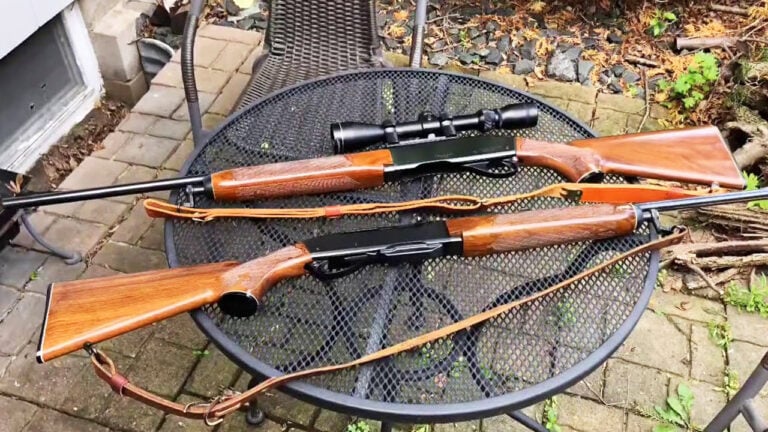
The Remington 742 Woodsmaster had the right idea for deer hunters who wanted fast follow-up shots in a familiar sporting rifle. It pointed well enough, came in useful chamberings, and spent a lot of time in deer camps across the country.
The trouble is that many 742s did not age gracefully. Worn rails, rough cycling, magazine issues, and inconsistent accuracy gave the rifle a reputation that has followed it for years. A clean one may still hunt, but buying used can feel like a gamble. When a semi-auto hunting rifle starts acting tired, it does not take long before confidence fades.
Remington 710

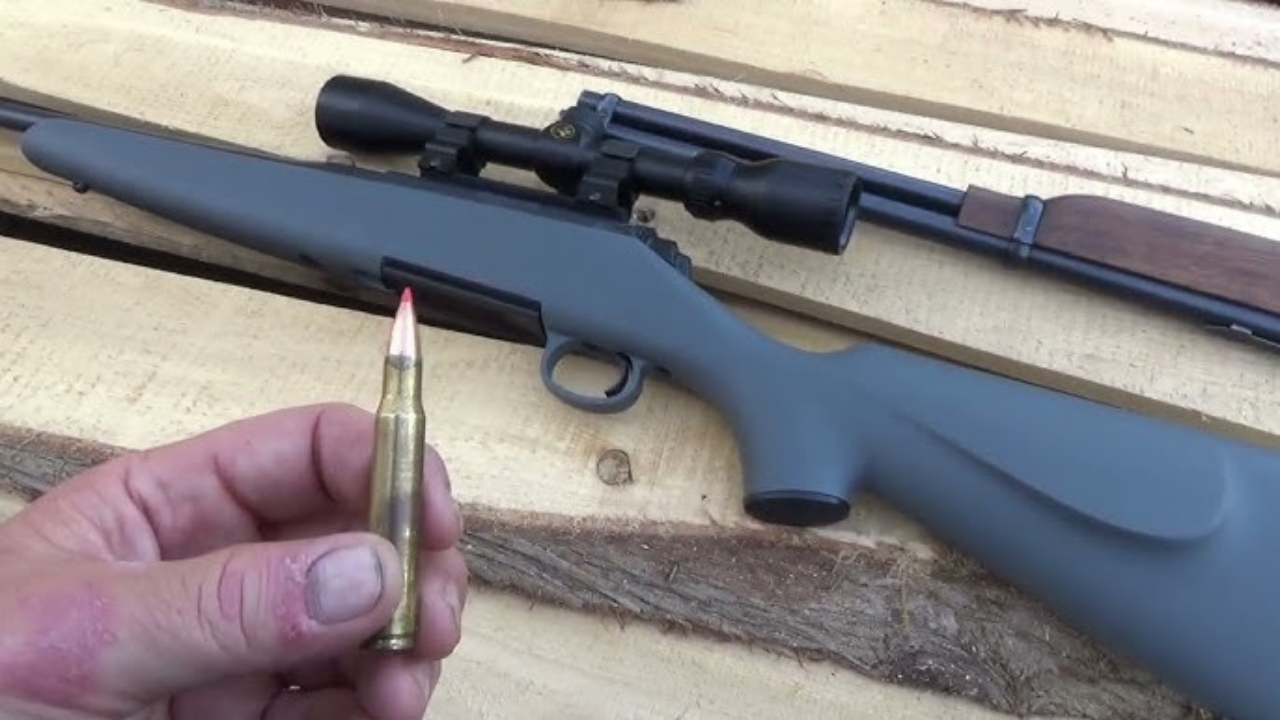
The Remington 710 was supposed to give hunters an affordable bolt-action package with a scope already mounted. For new buyers, that sounded convenient. You could walk out with a rifle ready for deer season without spending Model 700 money.
In practice, the 710 became one of Remington’s most criticized bolt guns. The bolt feel could be rough, the overall build felt cheap, and the rifle never earned the kind of trust hunters expect from the Remington name. Some shot fine, but the platform felt more disposable than dependable. When a rifle makes you miss the cheaper rifle you should have bought instead, that is a problem.
Remington 770
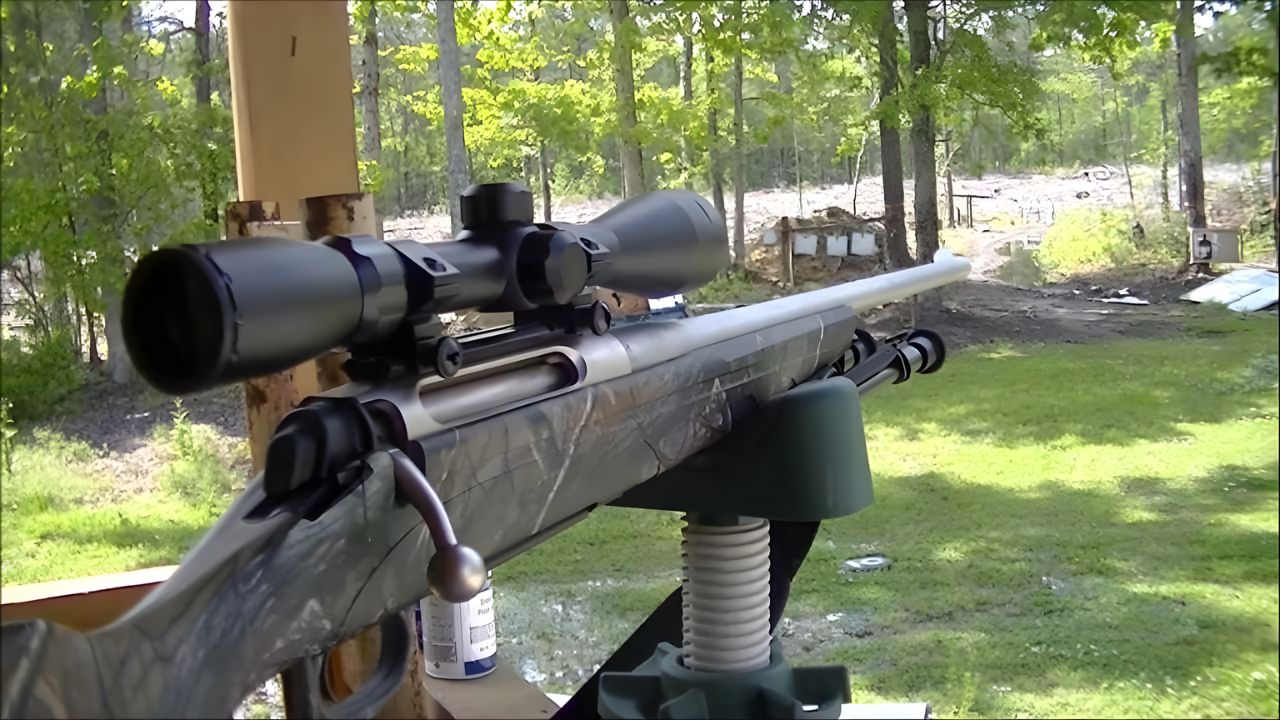
The Remington 770 followed the same affordable-package lane as the 710, and it carried many of the same complaints. It gave budget-minded hunters a complete setup, but it rarely made them feel like they had found a hidden bargain.
The 770’s biggest issue was feel. The bolt could be stiff, the stock felt hollow, and the rifle often lacked the confidence-building smoothness that matters when you are trying to make a clean shot. Yes, some hunters killed plenty of deer with them. But as a rifle line, it never shook the reputation of being cheap in the wrong ways.
Savage Axis First Generation

The first-generation Savage Axis gave hunters an affordable way into a bolt-action rifle, and plenty of them shot better than expected. That is why it is not fair to call the rifle a complete failure.
The problem was that the early Axis often felt rough around the edges. The stock was flexible, the trigger on pre-AccuTrigger versions could be heavy, and the overall feel did not inspire much pride. Accuracy could be decent, but performance is not only group size. A rifle also has to feel good enough that you want to practice with it. The later Axis II made a better case.
Mossberg ATR 100

The Mossberg ATR 100 entered a tough market full of affordable bolt guns. It gave hunters a low-cost rifle in common chamberings, which was enough to get attention from people who wanted a basic deer rifle.
But the ATR never built the confidence of stronger budget competitors. Some rifles shot fine, while others left owners complaining about rough actions, inconsistent accuracy, and a general lack of refinement. The rifle felt like Mossberg was still trying to find its footing in the centerfire bolt-action market. Compared with better budget rifles that came later, the ATR often feels like one you can skip.
Mossberg 464
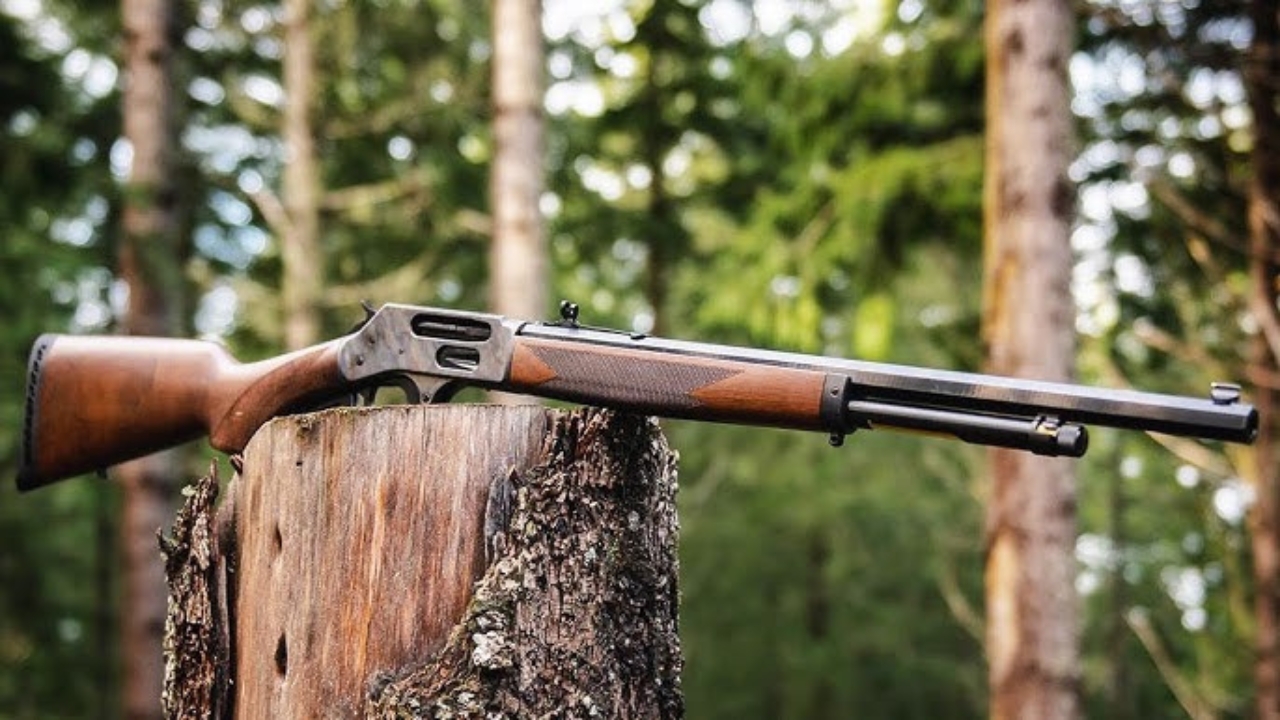
The Mossberg 464 tried to give hunters and lever-action fans a modern alternative to classic .30-30 rifles. On paper, that sounds smart. A new-production lever gun with familiar chambering and easier availability should have had a clean lane.
In real use, the 464 never fully escaped comparisons to older Winchester and Marlin rifles. Some shooters liked theirs, but others complained about rough cycling, stiff triggers, and a fit-and-finish level that did not feel equal to the classics. Lever guns depend heavily on feel. If the action does not feel right, the whole rifle loses its charm fast.
Winchester Model 100

The Winchester Model 100 had style, decent handling, and the appeal of a semi-auto hunting rifle in cartridges like .308 Winchester. It looked like it should have been a long-term deer-camp favorite.
Instead, it became a rifle many hunters approach cautiously. Accuracy could be ordinary, triggers were not usually impressive, and older semi-auto hunting rifles bring maintenance and parts concerns that can wear on owners. There was also a firing pin recall issue on the Model 100, which adds another layer of caution. It is collectible to some, but as a field performer, it can feel underwhelming.
Winchester 190
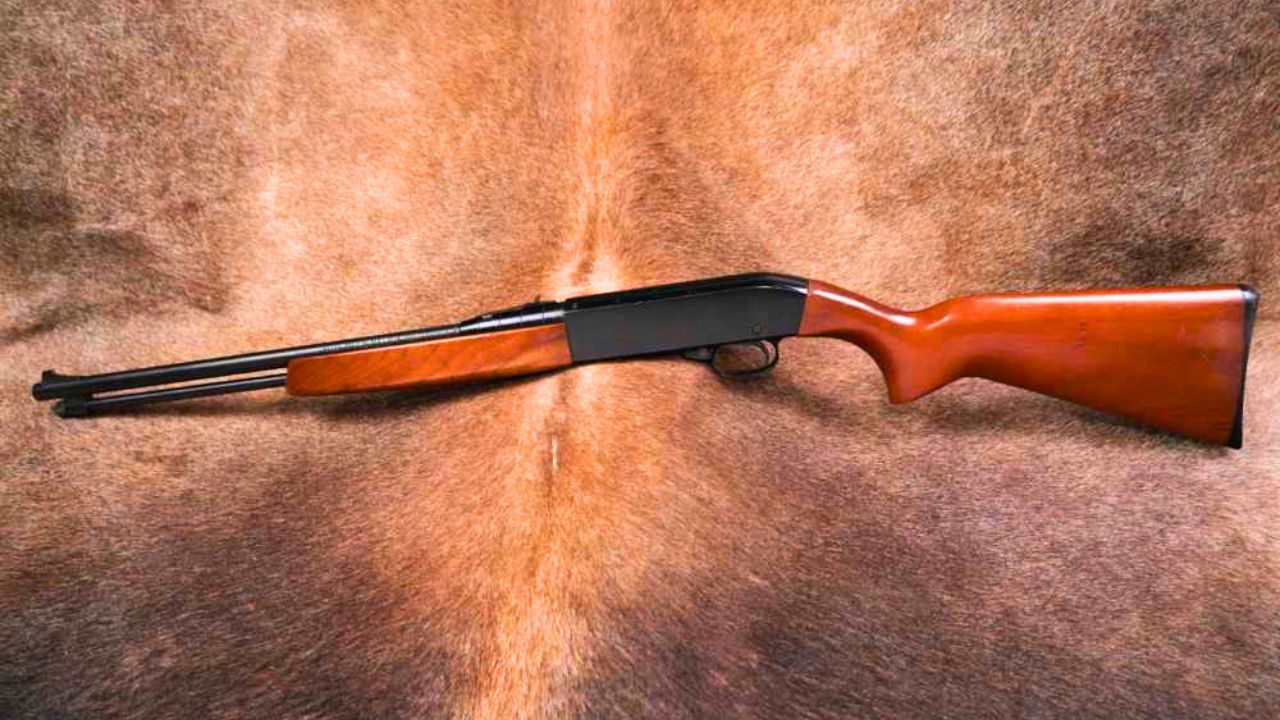
The Winchester 190 was a semi-auto .22 that introduced plenty of shooters to rimfire plinking. It was affordable, common, and useful enough for casual shooting when everything was clean and working.
The problem is that it rarely feels impressive compared with better rimfires. The trigger is not great, the action can be finicky when dirty, and the rifle often feels more like a cheap plinker than a lifetime .22. That may be fine for soda cans and informal shooting, but it misses the mark if you expect the smooth reliability and support of a Ruger 10/22 or Marlin Model 60.
Marlin Model 60 Plastic-Era Examples
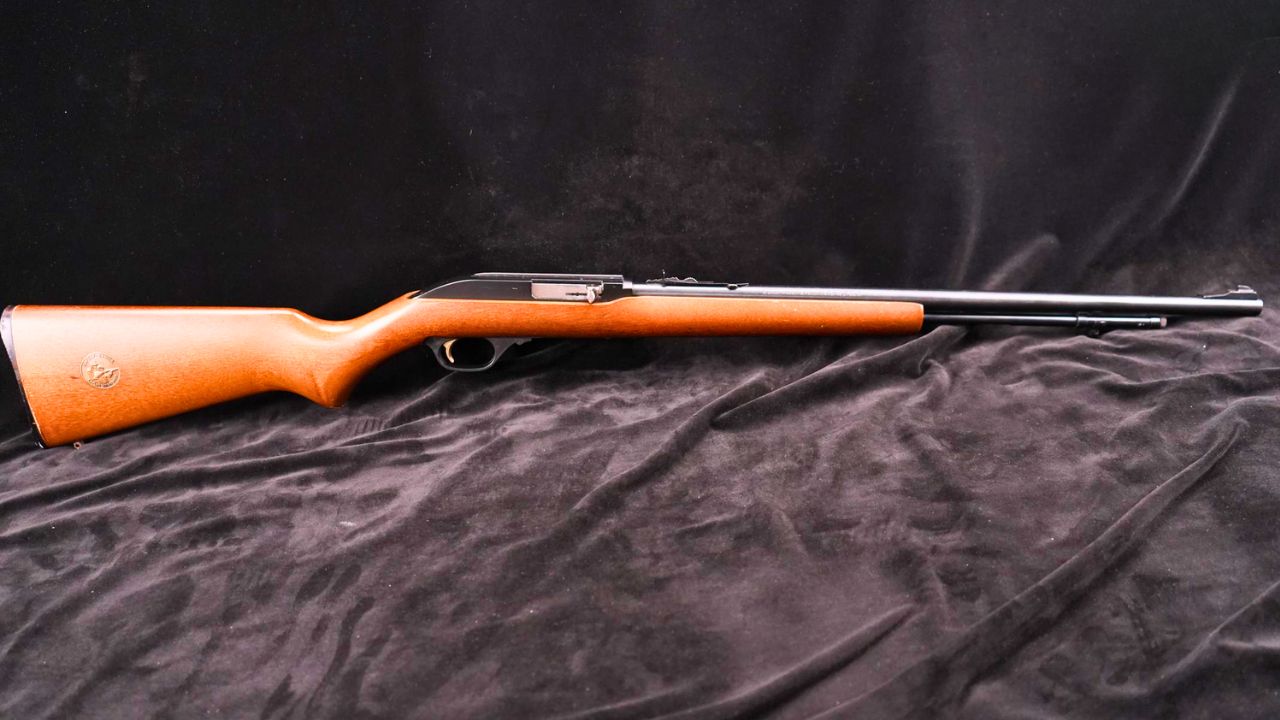
The Marlin Model 60 as a design deserves respect. Plenty of older rifles have served shooters well for decades. The issue is with some later, cheaper-feeling examples that do not carry the same charm or perceived quality as earlier guns.
When a Model 60 runs well, it is a fine plinker. When it gets dirty, worn, or paired with ammunition it does not like, frustration can show up fast. The tube magazine is useful until unloading and clearing become annoying. It is not a bad rifle, but some examples leave buyers wishing they had spent more for a cleaner-running rimfire with better parts and magazine support.
Remington 597
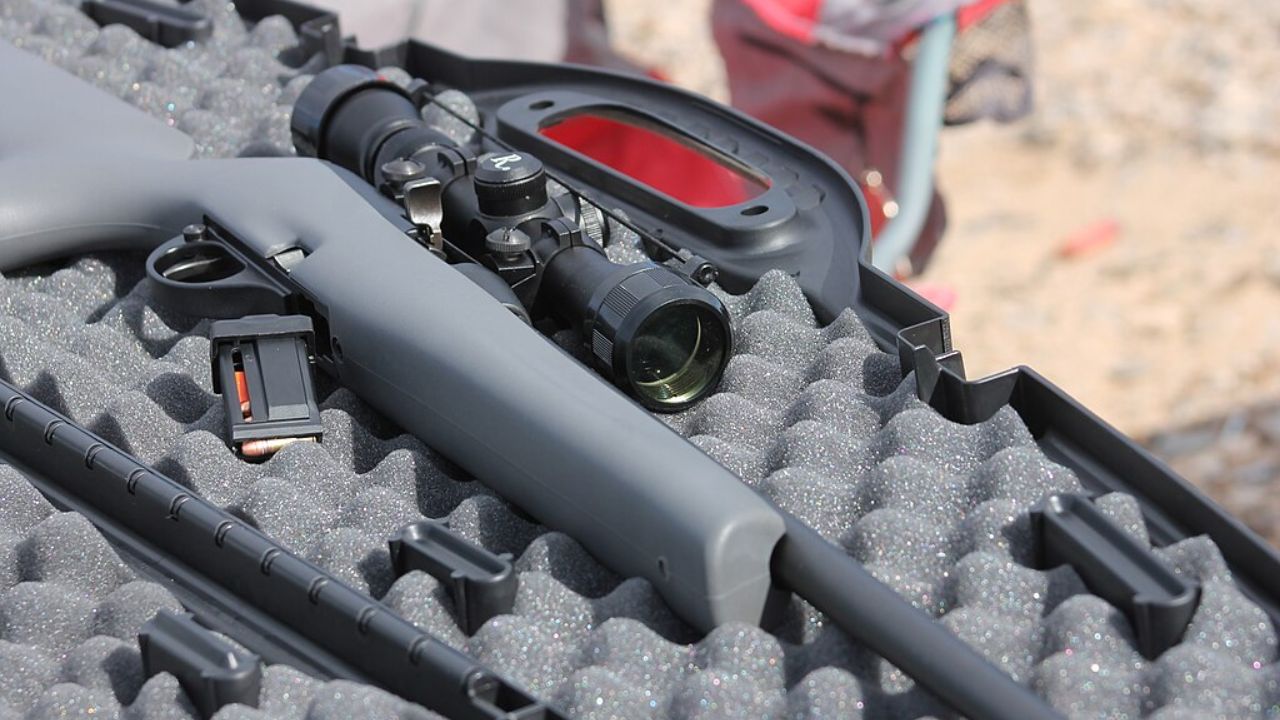
The Remington 597 was supposed to challenge the Ruger 10/22 and give rimfire shooters a serious semi-auto alternative. The concept made sense, and the rifle had some good points.
The magazine system hurt it badly. Early magazines caused enough feeding complaints that the rifle’s reputation never fully recovered, even though later versions improved. Some 597s shoot well and run fine, but the market did not forgive the rough start. When a semi-auto .22 cannot build trust around feeding, it misses the mark no matter how good the idea sounded.
Ruger Mini-14 Older Pencil-Barrel Models

The Ruger Mini-14 has a loyal following, and newer rifles are generally better than the older reputation suggests. The older pencil-barrel models, though, are where the accuracy complaints really came from.
Many shooters expected a handy .223 semi-auto that could keep up with AR-style rifles. What they often got was a reliable ranch rifle that opened groups as the barrel heated. For close-range utility, that was not always a dealbreaker. But for buyers expecting precision, the old Mini-14 could be disappointing. It worked, but it did not always perform the way people wanted it to.
KelTec SU-16
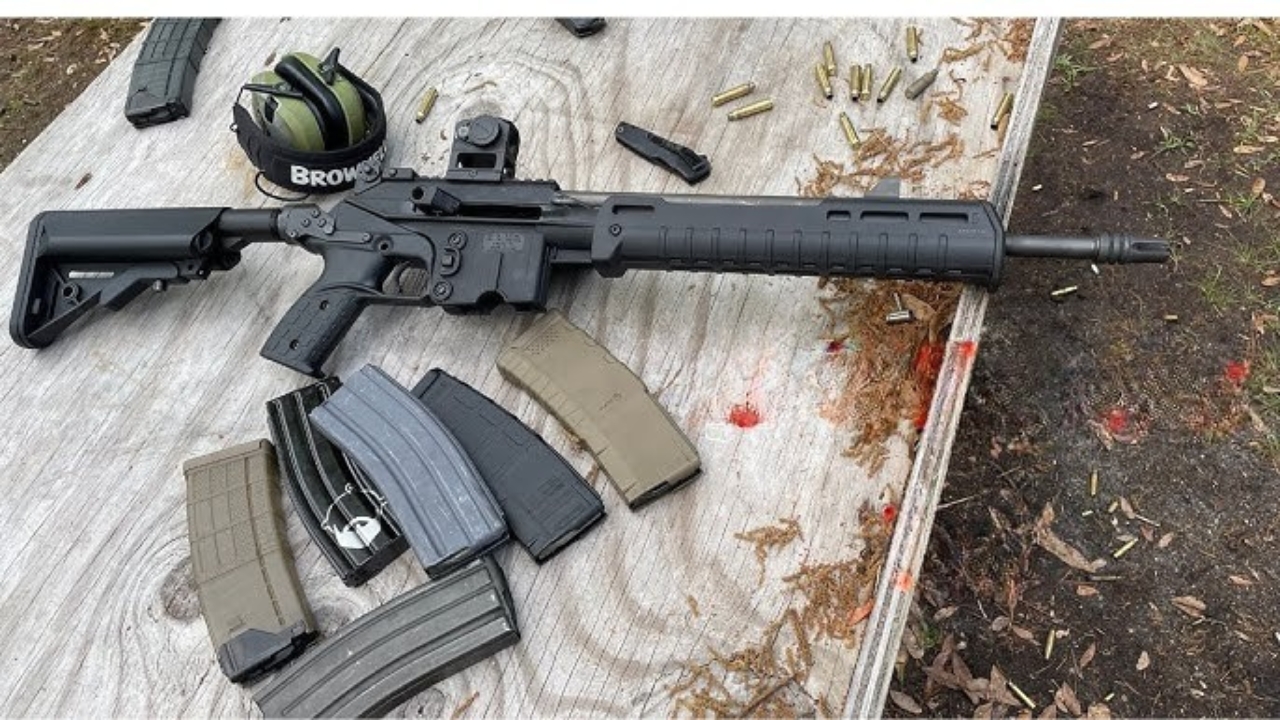
The KelTec SU-16 has an interesting feature set. It is lightweight, folds or stores compactly depending on the version, and fires .223/5.56 from AR-style magazines. On paper, it sounds like a clever utility rifle.
The problem is that clever does not always translate into confidence. The SU-16 can feel flimsy compared with more conventional rifles, and the lightweight build does not help it feel steady during hard use. It may fill a niche as a packable rifle, but for many shooters, the performance does not match the promise. When ARs became cheaper and better, the SU-16 became harder to defend.
Century Arms C308

The Century Arms C308 appealed to shooters who wanted a .308 battle-rifle style gun without paying premium money. The HK-pattern look, roller-delayed concept, and affordable pricing made it tempting.
But rifles like this live or die on build quality, and Century’s reputation made many buyers cautious for good reason. Some C308s run well, while others leave owners dealing with rough fit, heavy triggers, harsh recoil, or reliability questions. A good one can be fun. A bad one can feel like a project you did not mean to buy. That inconsistency is exactly why it makes this list.
IO Inc. AK Rifles
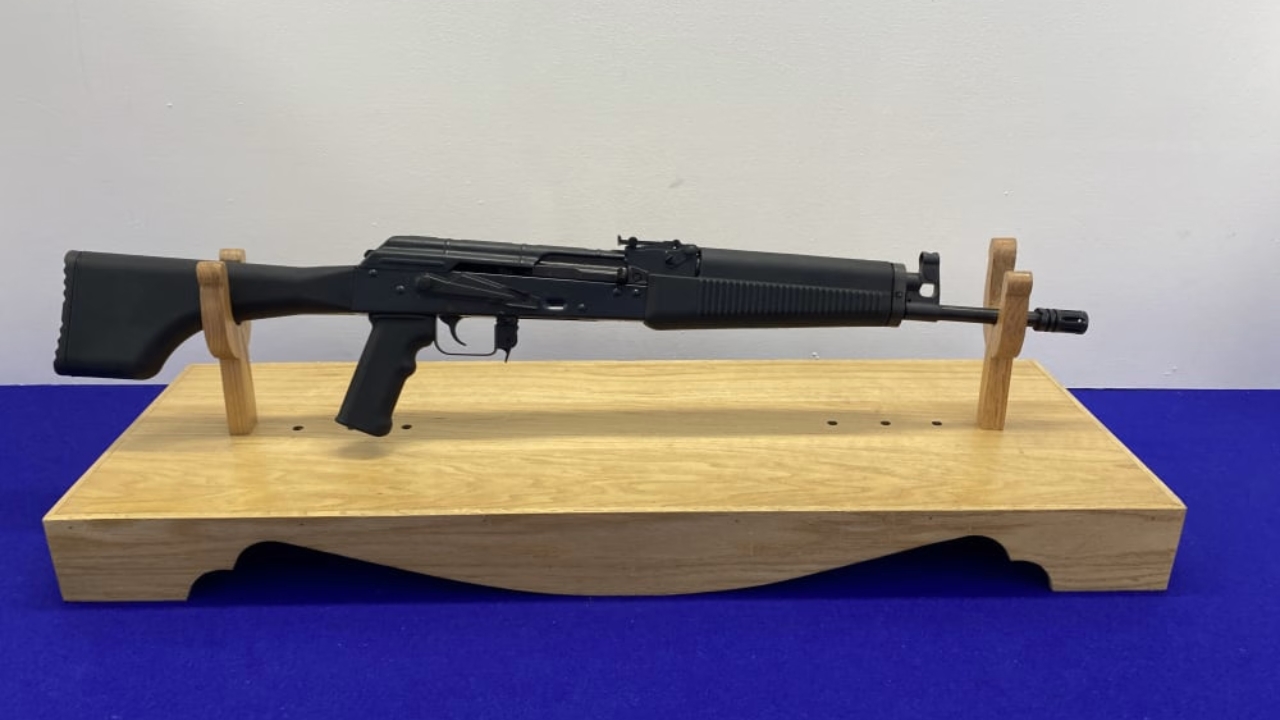
IO Inc. AK rifles became examples of how not every AK is automatically rugged just because it looks like one. New buyers sometimes assumed any AK-pattern rifle would be tough, simple, and dependable.
That assumption caused problems. IO rifles developed a poor reputation for quality-control issues, soft parts concerns, and reliability complaints. The AK platform can be excellent when built right, but shortcuts show up fast when the rifle is actually used. A rifle that should inspire confidence instead makes owners watch for problems. That is missing the mark in the worst way.
Remington R-15

The Remington R-15 tried to bring the AR platform into the predator and varmint hunting world with camo finishes and sporting-rifle branding. That was not a bad idea. The timing made sense, and the concept fit the market.
The issue is that the R-15 often felt like a branded hunting AR rather than something that clearly outperformed ordinary AR options. Once AR choices exploded, shooters could build or buy rifles with better triggers, barrels, rails, and features for the same or less money. The R-15 was not necessarily awful, but it became underwhelming because the market moved faster than the rifle did.
Like The Avid Outdoorsman’s content? Be sure to follow us.
Here’s more from us: