Photo credit: THE PEWPEW ZONE/YouTube
The 1911 is a classic, no doubt—but that doesn’t mean it can’t be tuned up for better reliability, accuracy, and carry. Whether you’re running a budget-friendly GI-style model or a higher-end version, there are a few upgrades that can really make a difference. Some are easy DIY swaps. Others are worth paying a gunsmith to install. But all of them help make your 1911 shoot smoother, run cleaner, and fit your needs better.
Drop-In Trigger Kit
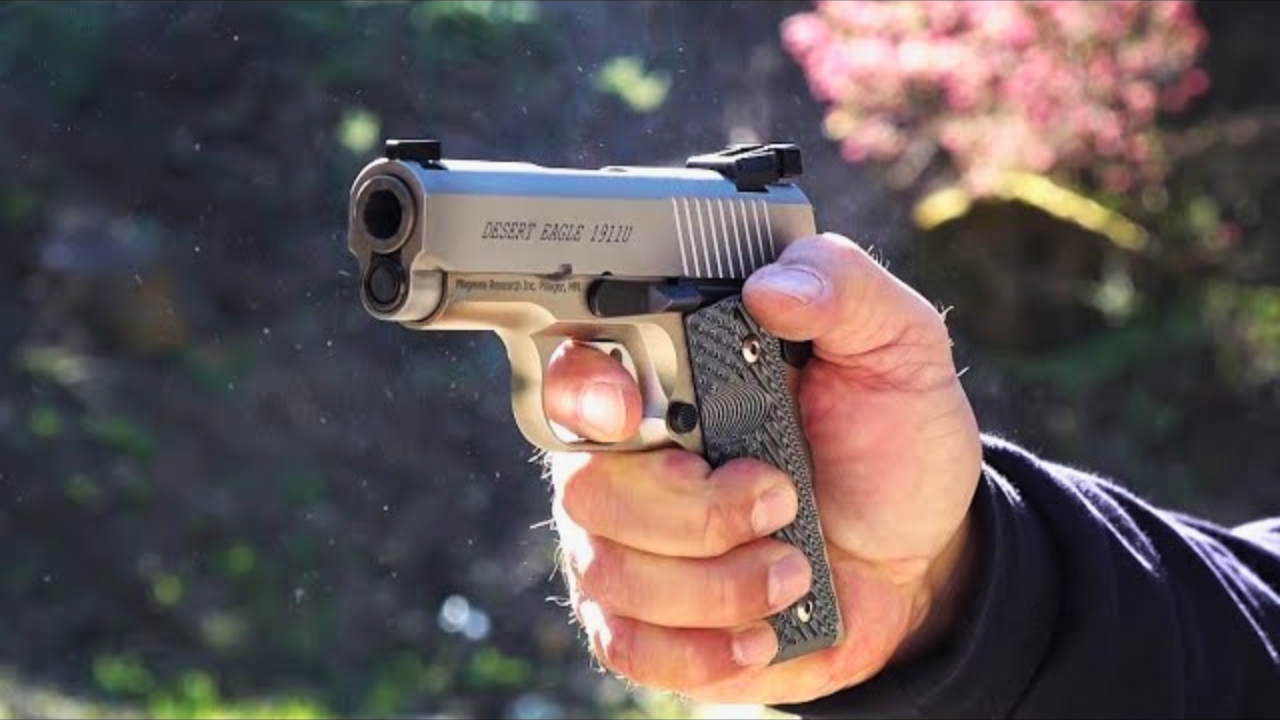
The factory trigger on most entry-level 1911s is serviceable—but not exactly crisp. A drop-in trigger kit can tighten up that take-up and break, giving you more control shot to shot. Some even reduce pull weight without sacrificing safety.
This is one of the simplest ways to make your 1911 feel like a much more expensive gun. You don’t need a full custom job—just a quality kit from a trusted brand and a careful install.
Extended Thumb Safety

If you’ve ever missed the safety under stress, you’re not alone. An extended thumb safety gives you more surface area to work with, especially when drawing fast or wearing gloves.
It’s a small change that helps a lot with muscle memory and confidence. Just be sure it fits your grip style—too big and it can get in the way. Most are easy to swap with basic tools and a little patience.
Upgraded Sights

Many stock 1911s come with low-profile sights that are hard to pick up quickly, especially in low light. Swapping in a fiber-optic front or a set of night sights makes a world of difference.
You don’t have to go full combat sights either—just something with more contrast and faster target acquisition. It’s one of the first things many shooters upgrade, and for good reason.
Flared Magwell

Reloads on a single-stack 1911 can be slow if you’re fumbling around. A flared magwell helps guide the magazine in, especially under pressure.
This upgrade makes sense for competition and carry alike. It adds almost no weight and can be had in a low-profile form that won’t print under a shirt. Just make sure your mags have compatible baseplates.
Recoil Spring and Guide Rod

Swapping your recoil spring for the right weight can help tame muzzle flip and smooth out cycling. Adding a full-length guide rod can also help keep things aligned and consistent.
Some shooters like the original GI setup, but if you’re running hotter loads or want more control, this is worth considering. Just make sure to match the spring to your ammo and barrel length.
Beavertail Grip Safety

A beavertail grip safety isn’t just about looks—it helps with high hand placement and prevents slide bite. If you’ve got big hands or shoot a lot, this one’s a no-brainer.
Some models drop in, others require fitting. Either way, it makes the gun more comfortable and helps you shoot faster and flatter with better recoil control.
Match Barrel

If you’re chasing tighter groups, a match-grade barrel is one way to get there. Most factory barrels are fine for general use, but a fitted barrel can really dial in precision.
You’ll probably want a gunsmith to fit it right—this isn’t a drop-in job unless you’re buying a pre-fit option for your exact model. When done right, it can shrink your groups noticeably.
Textured Grips

Swapping out the grips changes both the look and feel of the gun. More aggressive texturing helps you keep control under recoil, especially with sweaty or gloved hands.
There are options from wood to G10, thin to chunky. It all comes down to what feels best in your hand and how you use the gun. It’s an easy swap, and a personal one.
*This article was developed with AI-powered tools and has been carefully reviewed by our editors.