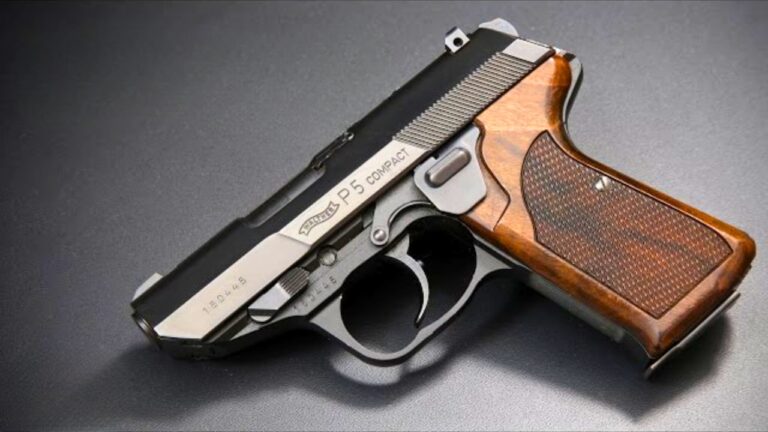
Photo credit: LifeSizePotato/YouTube
Clean discontinued handguns don’t vanish because they were bad. Most of the time, they disappear because they were good enough that people kept them, carried them, and shot them a lot. Then the factory stops making them, nostalgia kicks in, and everyone suddenly wants the version they used to ignore at the gun counter. The market gets even tighter because the nicest examples aren’t the ones circulating. They’re sitting in safes, or they’re already spoken for before they ever hit a table.
The other reason “clean shape” is getting hard to find is wear patterns. Many of these pistols were daily carry guns in an era when people didn’t baby gear. Holster shine, edge wear, dings on the muzzle, beat-up night sights, and amateur trigger work are common. So when a truly clean one shows up—correct parts, factory finish intact, no kitchen-table mods—it gets bought fast. If you’re hunting for one, you need patience and a sharp eye, because the good ones are getting scarce.
Smith & Wesson 3913

The 3913 is one of those slim 9mms that carried better than a lot of modern compacts, and it earned a loyal following with people who actually carried every day. When Smith stopped making the third-gens, the 3913 went from “old cop gun” to “the one you should’ve bought.”
Finding a clean one is tough because most of them lived in holsters. You’ll see plenty with finish wear on the slide edges and frame, and many have been through years of handling. Add in the fact that collectors want correct grips, mags, and sights, and the truly clean examples get scooped quickly. If you want one that hasn’t been tinkered with and still looks sharp, you’re competing with both shooters and collectors.
Smith & Wesson 5906

The 5906 used to be everywhere, and that’s exactly why clean ones are getting harder to find. They were duty pistols, and duty pistols get worn. Holster rub, scuffed stainless, and small dents from years of police work are common. Many were also sold off in big batches, which meant a lot of them got picked over.
Now the perception has shifted. People want a heavy, reliable, all-metal 9mm again, and the 5906 scratches that itch. The issue is that the “nice” ones don’t stay on the market long, especially if they come with correct mags and aren’t marked up by agency engravings. A clean 5906 is still out there, but it’s not sitting around waiting for you.
SIG Sauer P225 (West German)

The P225 is a classic that feels right in the hand, and the West German examples have a pull that collectors can’t ignore. It’s slim, accurate, and has that old SIG balance that makes people trust it the moment they pick it up. Once production ended and the supply stayed fixed, prices and demand did what they always do.
Clean shape is hard because many P225s were carried hard and cleaned casually. You’ll see finish wear, worn grips, and sloppy aftermarket parts. The truly clean West German pistols—nice finish, crisp markings, original mags—get snapped up fast. A lot of buyers also want specific proof marks and configurations, which pushes the “good” ones into collector territory. If you’re trying to buy one as a shooter, you’ll notice the nicest examples are already gone.
SIG Sauer P239

The P239 was a real carry gun in the era when “single-stack” meant serious business. It carried flat, shot better than most guns its size, and had a steady feel that a lot of modern micro-compacts still don’t match. When SIG discontinued it, it didn’t take long for people to start missing it.
Clean P239s are tough because most were daily drivers. They rode in holsters, got sweat on them, and saw lots of administrative handling. Many also have worn tritium sights or swapped parts from years of ownership. The clean examples with original finish and unmolested internals tend to sell the same day they show up. If you want one that looks like it lived in a safe instead of on a belt, you’re looking for the exception, not the rule.
Browning Hi-Power (Belgian/Portuguese production)

The Hi-Power is a legend, and when Browning stopped regular production, the clean originals got scarce fast. A lot of Hi-Powers out there have been refinished, modified, or fed a steady diet of hard use. That’s not always bad, but it makes truly clean examples harder to spot.
Collectors want correct markings, original finishes, and matching details, and they’ll pay for them. Shooters want one because it feels great and points naturally. That’s a recipe for “impossible to find” in clean shape. You’ll see plenty with worn bluing, swapped sights, or trigger work of unknown quality. The clean ones—especially those that haven’t been altered—tend to get bought immediately. If you’re chasing a real original, you need to know what you’re looking at before you hand over money.
Heckler & Koch P7 (PSP / P7M8)

The HK P7 is one of those pistols that never stopped being cool, it just stopped being affordable. It’s compact, accurate, and built with a level of machining you don’t see much anymore. Once they were discontinued and the supply tightened up, clean P7s turned into collector bait.
Clean ones are scarce because many came in as police trade-ins, and they were used like duty guns. You’ll see finish wear, worn squeeze-cocker surfaces, and lots of handling marks. Some also have mismatched mags or replacement parts, which matters to buyers now. When a P7 shows up in truly clean shape—sharp finish, clean bore, correct mags—it doesn’t sit. It’s also a pistol people “graduate” into collecting, so demand stays strong. The result is a gun that feels rarer every year.
Ruger P89 (early production, clean examples)

The Ruger P89 isn’t a glamour pistol, but that’s part of why clean ones are suddenly hard to find. People treated them like work tools. They lived in glove boxes, tackle boxes, and nightstand drawers, and they got used without much concern for cosmetics. That’s why most of what you see now looks like it’s lived a full life.
The shift is that shooters are starting to respect overbuilt, reliable 9mms again, and the Ruger P-series has a following that keeps growing. A clean P89 with minimal wear, good sights, and original parts stands out because it’s uncommon. Most have scratches, worn controls, or general “truck gun” scars. When a truly clean one shows up, it gets attention because it’s a time capsule from a different era of pistol design.
Colt Python (early production, clean examples)

The Python is a revolver, but it’s in the handgun collector world in a way few others are. Once Colt’s original production ended, clean examples became a status item, and the market has only gotten more intense. Even with the reintroduction, the older guns still carry a different kind of demand.
Clean shape is hard because many Pythons were shot and carried, and the finish doesn’t hide wear. You’ll see turn lines, edge wear, and guns that have been refinished or tuned by unknown hands. Collectors care about details—finish, barrel length, markings, and condition—and that pushes clean originals into a small, expensive pool. When one shows up that’s legitimately clean and correct, it’s usually sold before it gets a second look. If you’re chasing one, you need to know exactly what “clean” really means.
Colt Detective Special (early editions)

The Detective Special was carried a lot, and that’s why clean ones are tough. These were pocket and belt revolvers for people who actually depended on them, not safe queens. Holster wear, worn bluing, and dings are common, and plenty have been “touched up” in ways that collectors don’t love.
What’s changed is that the small revolver market has swung back toward appreciation. People miss real steel and traditional handling, and the Detective Special has a reputation that keeps it desirable. The clean ones—good finish, tight lockup, correct grips—get grabbed quickly because there aren’t many left that haven’t been worked over. You’ll find plenty of shooters, but truly clean examples have become collector pieces almost by default.
Smith & Wesson Model 19 (pinned and recessed era)

The Model 19 is one of the most loved .357s ever made, and the pinned-and-recessed era guns have a following that keeps prices climbing. The problem is that a lot of Model 19s were carried as duty revolvers and shot regularly. That’s great for the gun’s story, but not for “clean condition.”
You’ll see plenty with worn bluing, holster shine, and grips that got swapped out decades ago. Some also have been tuned or reblued, which can be fine for a shooter but kills collector appeal. A clean, original Model 19 with sharp finish and correct features is getting harder to locate because collectors recognize them instantly. If you want one that hasn’t been refinished or messed with, you’re competing with people who know exactly what they’re hunting.
Walther P99

The P99 has become one of those pistols people didn’t fully appreciate until it was on its way out. The ergonomics are excellent, the design is clever, and it has that “early modern” vibe that’s starting to feel nostalgic. Once it became harder to find new, interest spiked.
Clean examples are getting scarce because many P99s were bought as practical pistols and carried. That means holster wear and handling marks are common, and some have had sights swapped or triggers messed with. Collectors also care about certain variants and years, which narrows the pool further. When a clean P99 shows up—especially one with the right mags and factory parts—it tends to move fast. It’s one of those guns that went from “available” to “where did they all go?” in a short time.
Beretta 8040 Cougar

The Cougar series has a quiet fan base, and the .40 S&W 8040 models in particular are getting harder to find clean because they were often carried and shot hard during the peak .40 years. These pistols were built to run, and owners treated them like work guns.
Now, as people circle back to all-metal or metal-heavy pistols with a different feel than modern polymers, the Cougar has gotten more attention. Clean examples are tough because many have finish wear, worn sights, or unknown maintenance history. A lot also lack the original boxes and accessories, which matters more now than it used to. When you find a clean 8040 Cougar with minimal wear and solid mechanical condition, it stands out because most of the surviving ones look like they’ve lived a rougher life.
Ruger Speed Six
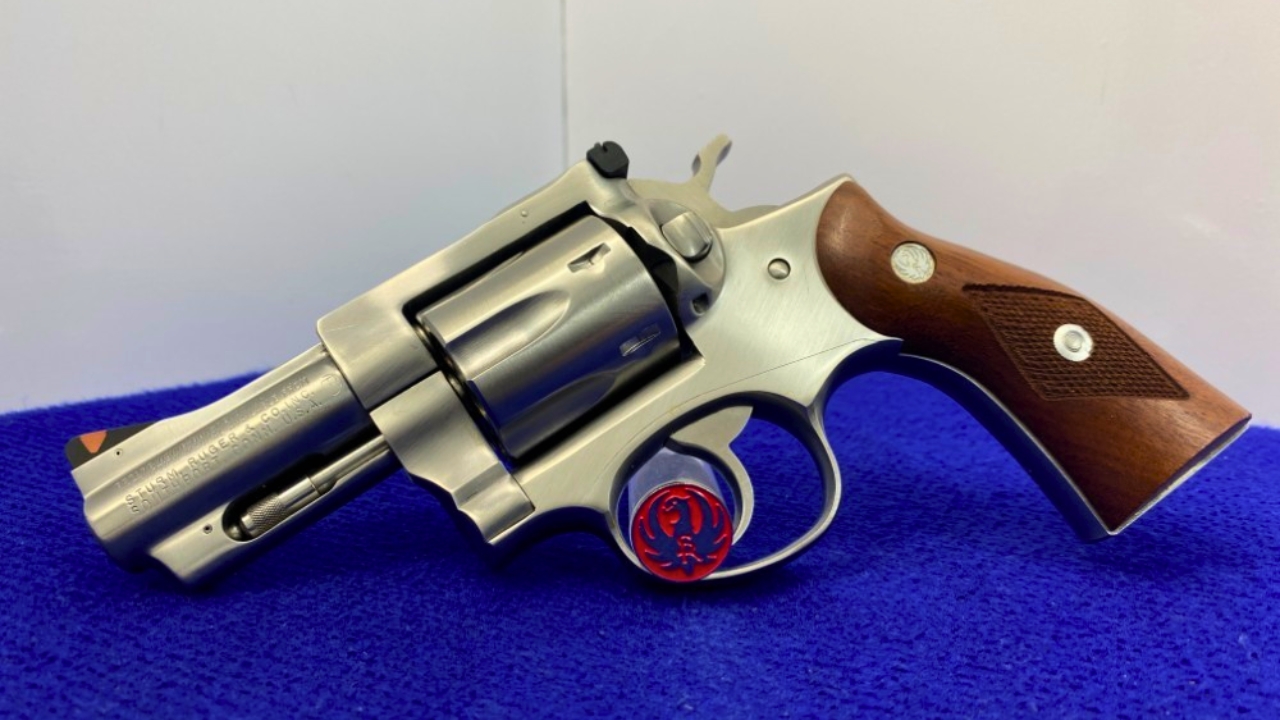
The Speed Six is one of those Ruger revolvers that people trust because it’s strong, compact, and built for real use. It was carried a lot by people who wanted a durable .357 that didn’t need babying. That’s exactly why truly clean examples are getting tough to find.
Most Speed Six revolvers you see now have honest wear—rubbed finish, carry marks, and grips that were replaced long ago. Many also saw steady use, and some have timing or endshake issues from long service. The clean ones—tight, original, and with good finish—get bought quickly because they offer the best of both worlds: a practical revolver and a discontinued Ruger that isn’t making any more. If you want one that looks like it wasn’t carried daily for years, you’re hunting for the rare one.
Smith & Wesson 1076
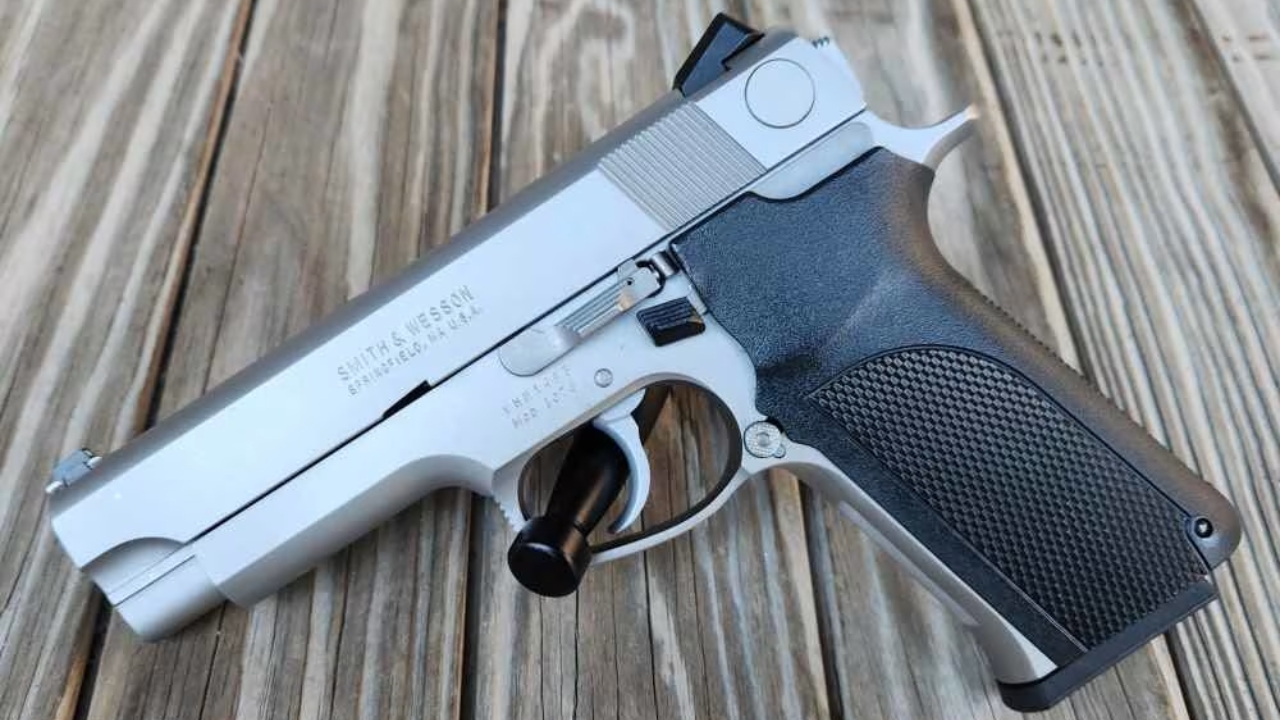
The 1076 has a special place because of the 10mm story and its law enforcement history. It’s a serious pistol with a real following, and once the third-gen era ended, the supply became fixed. Interest has only grown as 10mm keeps expanding.
Clean 1076 pistols are hard because many were used hard or stored without much care. You’ll see finish wear, swapped parts, and sometimes questionable modifications. People also want correct mags and proper function, and that narrows the pool further. A clean 1076 with good finish, proper operation, and original parts tends to vanish fast because it checks two boxes at once: it’s a discontinued S&W that represents an era, and it’s a 10mm that people actually want to shoot. That combination makes clean examples scarce.
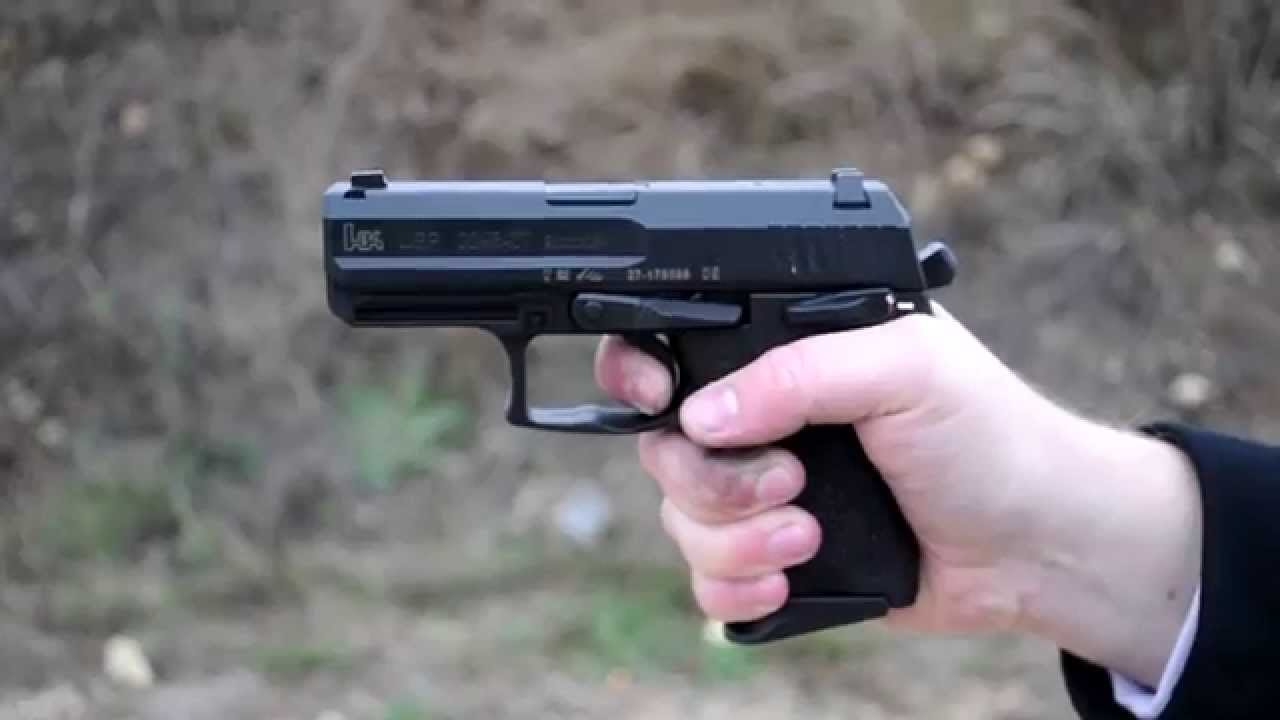
HK USP Compact .40 (older production, clean examples)
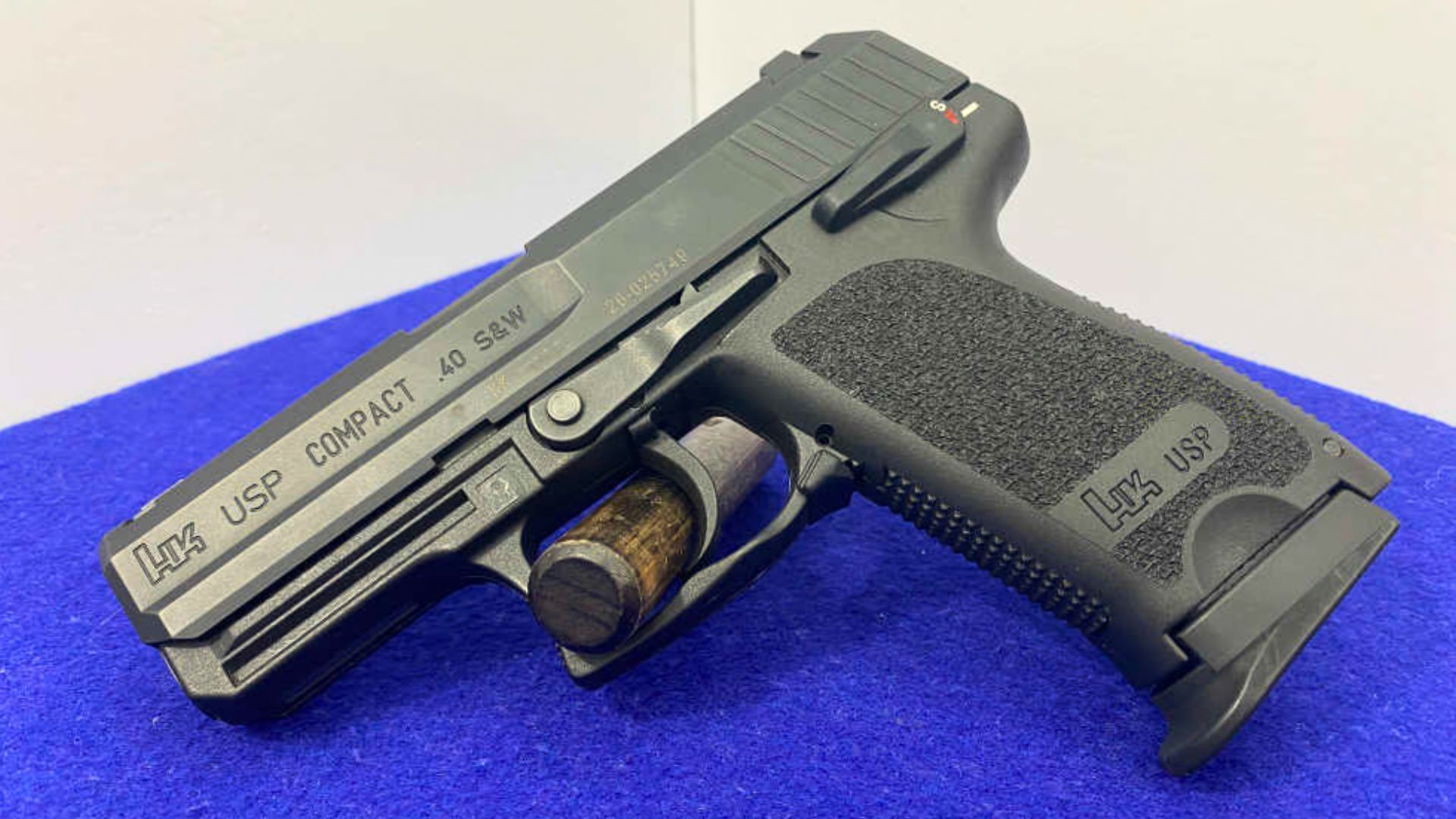
The USP Compact in .40 was carried a lot when .40 was king. It’s durable, reliable, and built like a tool, so people used it like one. The result is that many of the ones still floating around show holster wear, worn controls, and general handling marks.
Clean examples are now harder to find because interest in “classic HK” keeps climbing, and shooters want the older guns for their feel and reputation. People also tend to hang onto them once they have one that runs well. When a clean USP Compact .40 shows up with good sights, clean finish, and the right mags, it doesn’t sit. Even if you’re not a .40 fan, you can see why it’s getting harder: a tough gun that got used hard, then got discontinued, then got appreciated all over again.
Like The Avid Outdoorsman’s content? Be sure to follow us.
Here’s more from us: