Photo credit: WHO_TEE_WHO/YouTube
Some rifles make a strong first impression before you ever touch off a shot. The box looks good, the price seems right, the chambering sounds useful, and the counter talk makes it feel like you found the answer. Then you get it to the bench, run the first few rounds, and the excitement starts leaking out fast.
Sometimes the problem is accuracy. Sometimes it is a rough bolt, bad trigger, cheap stock, awkward magazine, harsh recoil, or a rifle that feels worse in live fire than it did in the store. These are the rifles that often leave buyers thinking the first range trip told them everything they needed to know.
Remington 770

The Remington 770 disappointed a lot of hunters because it looked like a ready-to-go deer rifle at a price that made sense. A scoped package from Remington sounded good enough, especially for someone buying their first bolt gun.
The first few rounds often changed the mood. The bolt could feel rough, the stock felt hollow, and the overall rifle lacked the confidence people expected from the Remington name. Even if one grouped acceptably, it rarely felt like a rifle you wanted to keep for years. It felt like a shortcut, and the range made that obvious.
Remington 710
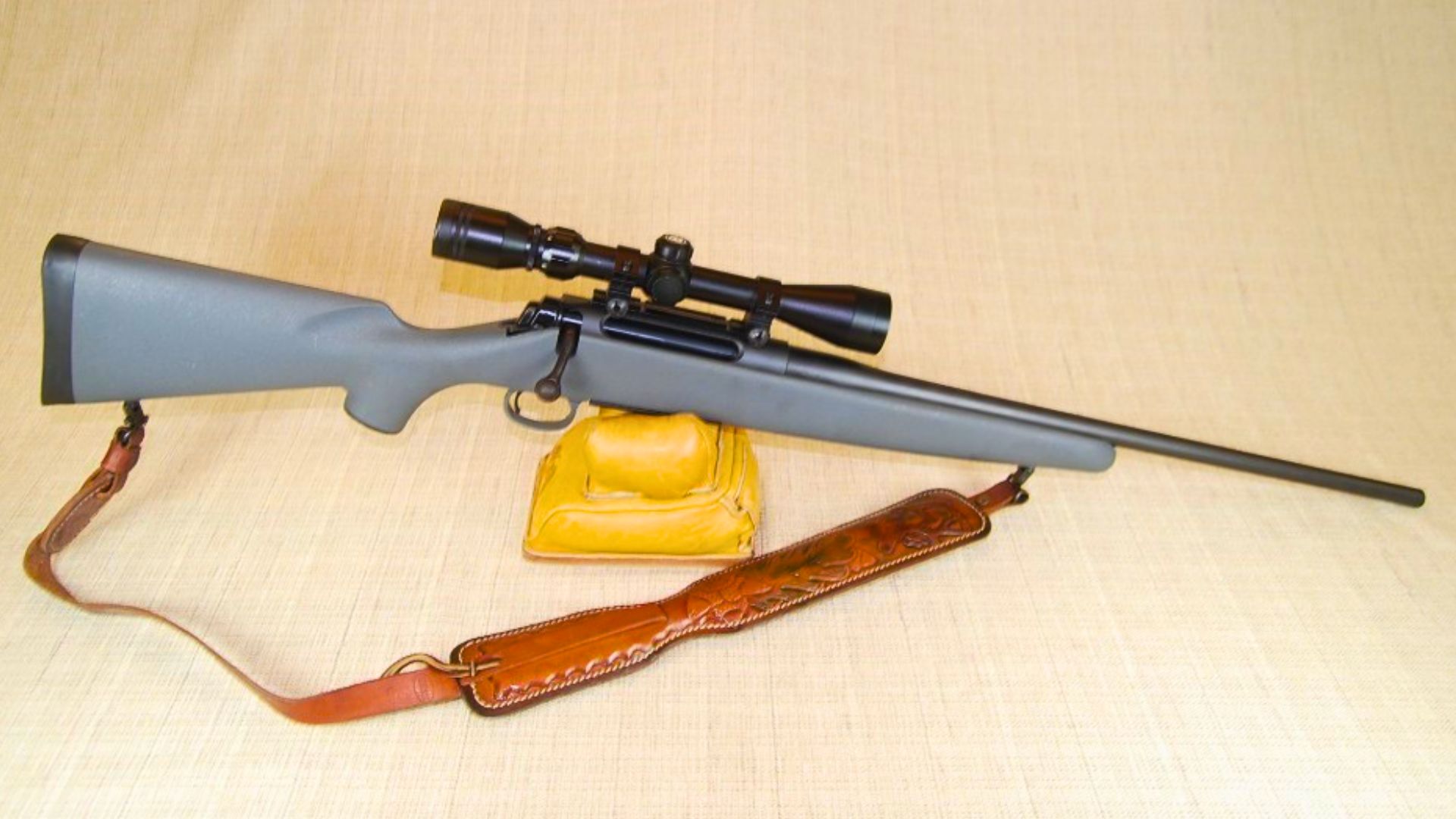
The Remington 710 had the same basic problem as the 770. It promised affordable hunting performance under a familiar name, which was enough to get plenty of buyers interested. On the rack, it looked like a budget answer.
Once fired and cycled, the cheapness became harder to ignore. The action was never known for feeling smooth, and the rifle often felt more disposable than dependable. A hunting rifle does not have to be fancy, but it should feel like something you trust. The 710 too often felt like a rifle people bought once and replaced as soon as they could.
Mossberg 4×4
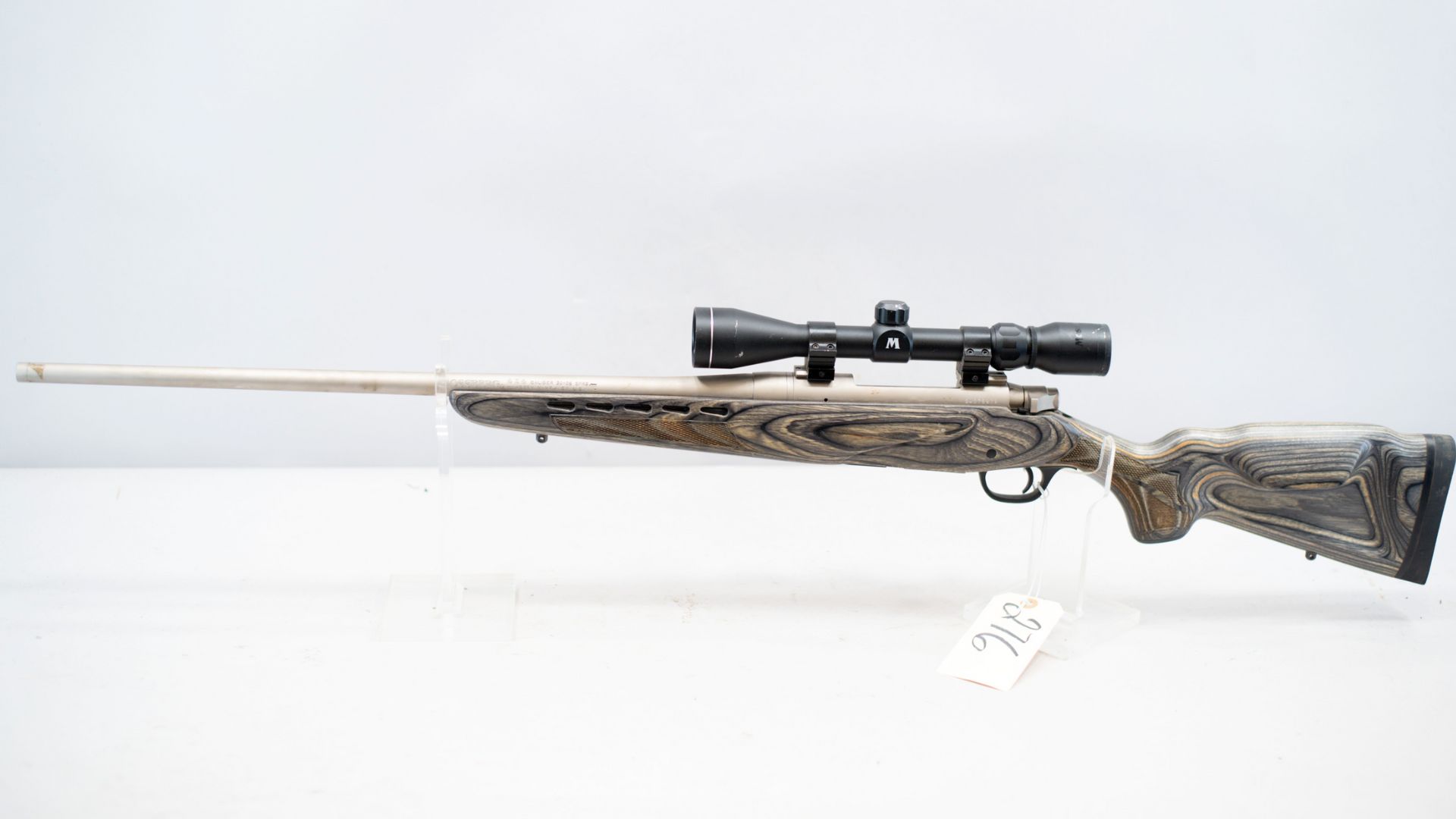
The Mossberg 4×4 tried to stand out with styling and features that looked different from the usual plain bolt rifle. For buyers tired of boring budget guns, that gave it some counter appeal.
Then live fire had a way of cooling things off. The rifle could feel awkward, bulky, and less refined than expected. A hunting rifle needs to settle into your shoulder, feed smoothly, and make you want another group. The 4×4 often felt like it was working harder to be different than to be better.
Mossberg 100 ATR
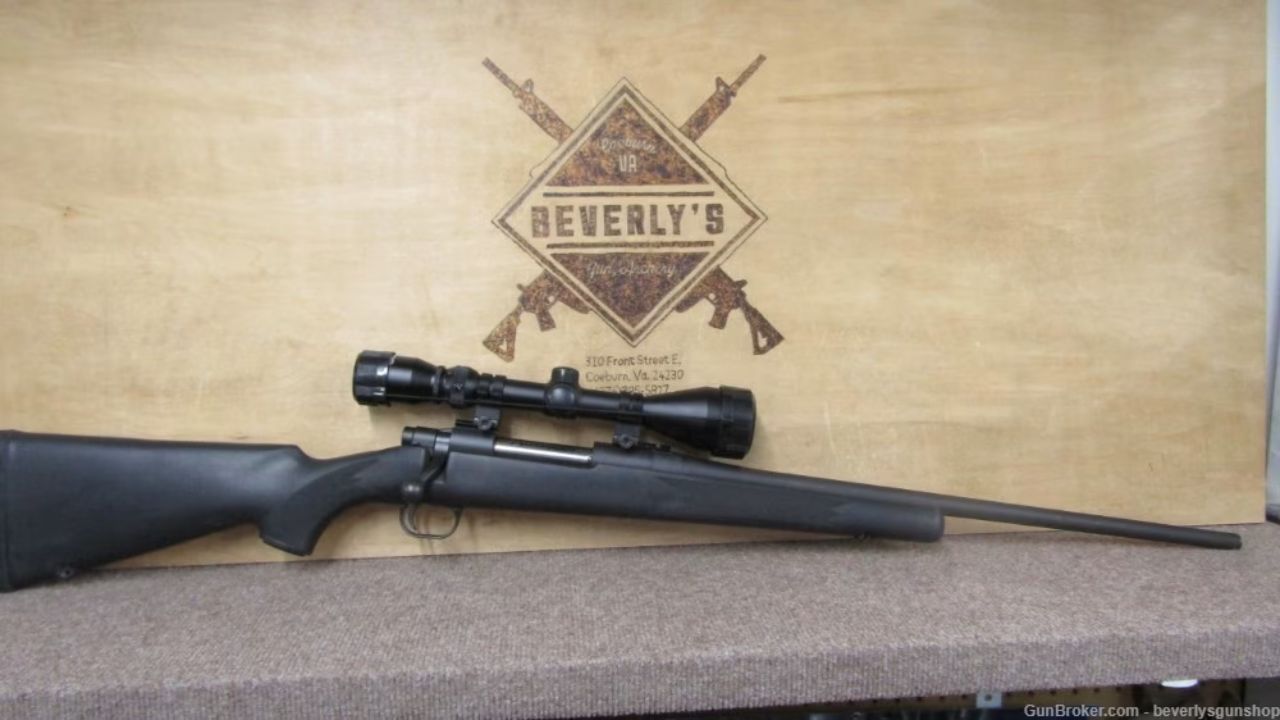
The Mossberg 100 ATR attracted buyers because it was affordable and available in useful hunting chamberings. It looked like a basic rifle that could get someone into the deer woods without draining the budget.
The disappointment usually came from how it felt once shooting started. The stock, bolt travel, trigger feel, and general fit did not always inspire much pride of ownership. Some examples shot fine, but the rifle often felt like a low-cost tool in the least flattering way. After a few rounds, many shooters started wishing they had saved for something with better polish.
Savage Axis XP

The Savage Axis XP has sold well because it gives buyers an affordable rifle package that usually works. The problem is that “works” and “feels good” are not the same thing. The price is the main selling point.
After the first range session, some buyers notice the thin stock, basic scope, and economy feel more than the accuracy. The Axis can shoot better than expected, but it often feels cheap while doing it. If you only need a low-cost hunting rifle, fine. If you expected something satisfying to own, the first few rounds can feel underwhelming.
Thompson/Center Compass
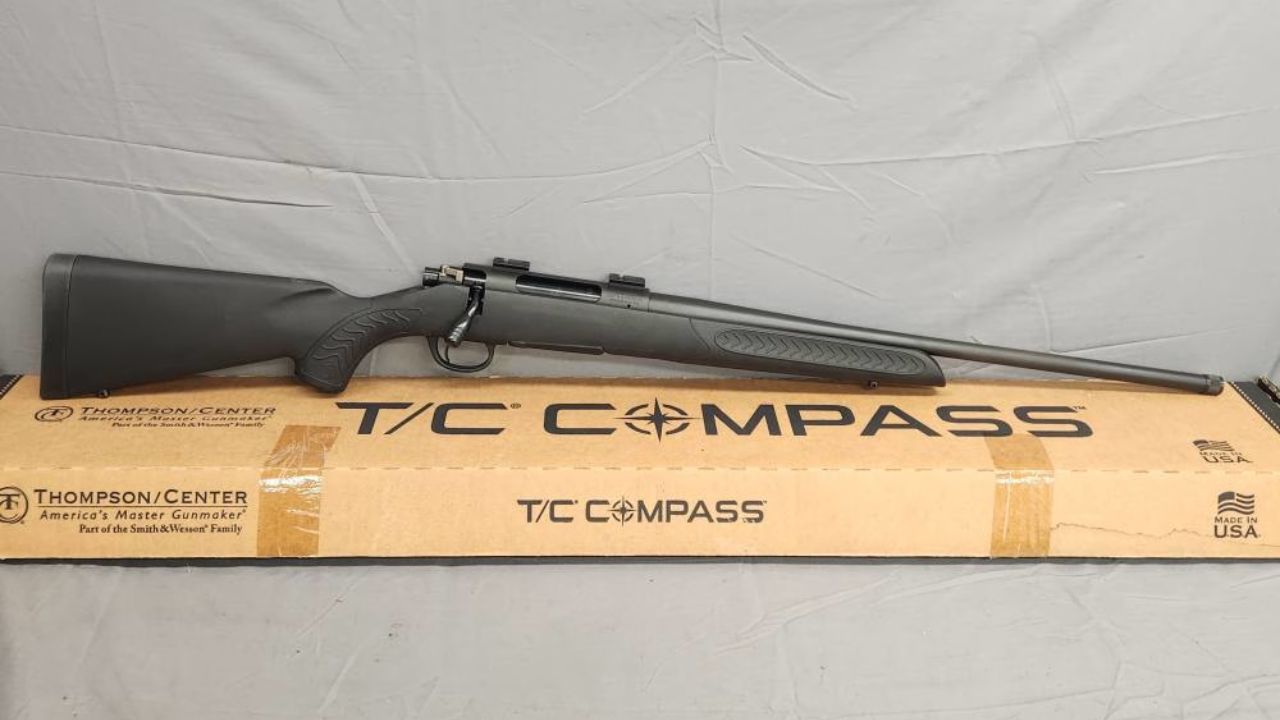
The Thompson/Center Compass built a reputation around affordable accuracy, and that got plenty of hunters interested. It sounded like one of those rifles that could punch above its price and make expensive guns look silly.
The range could still expose the tradeoffs. The rifle might group well, but the stock feel, magazine setup, bolt operation, and overall handling could leave buyers cold. Accuracy matters, but it is not the whole rifle. If every shot reminds you that the gun feels cheap, the excitement fades quickly.
Winchester XPR

The Winchester XPR is not a bad rifle, but it can disappoint buyers expecting Model 70 soul at a lower price. The Winchester name creates expectations, and a lot of hunters bring those expectations to the first range trip.
What they often find is a practical modern budget rifle, not a classic. The XPR can shoot and function, but it may feel plain, stiff, and less memorable than the name suggests. There is nothing wrong with basic, but if you bought it hoping for old Winchester character, the first few rounds can feel like a letdown.
Browning AB3
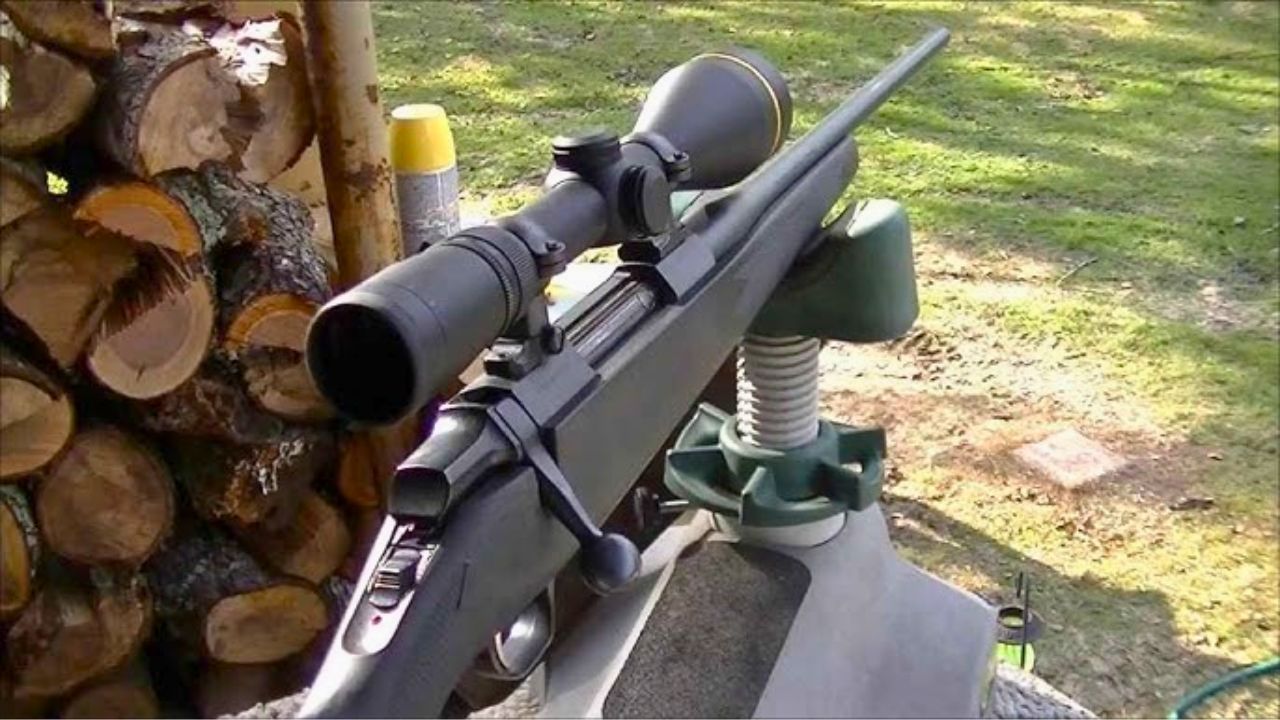
The Browning AB3 sounds attractive because it carries the Browning name at a more approachable price. That is a strong hook for hunters who want brand confidence without paying X-Bolt money.
The issue is that the AB3 can feel like exactly what it is: a trimmed-down rifle built to hit a price point. The bolt, stock, magazine, and general feel may not deliver the refined Browning experience buyers pictured. It can be accurate enough and still feel disappointing. When a rifle wears a respected name, “good enough” sometimes feels worse than it should.
Ruger American Predator
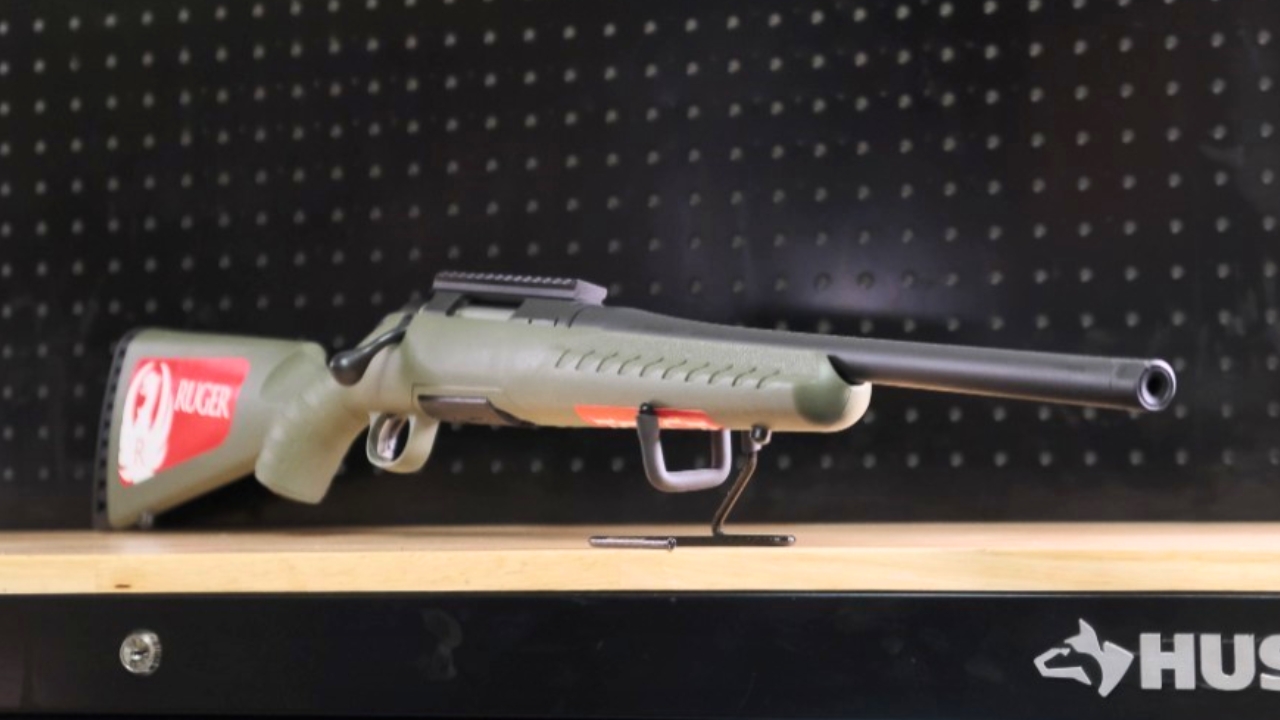
The Ruger American Predator is a popular rifle for good reason, but it can still disappoint certain buyers after the first few rounds. The accuracy can be excellent for the money, which makes people expect the whole rifle to feel better than it does.
Then they notice the flexible stock, economy feel, and sometimes rougher-than-expected handling. The Predator is practical, but it is not refined. If you bought it for groups, you may be happy. If you bought it expecting a rifle that feels solid and polished, the first range trip can remind you where Ruger saved money.
CVA Cascade

The CVA Cascade has earned attention as a modern affordable hunting rifle, and many shooters like it. But some buyers go in expecting it to feel like a clear step above the crowded budget-rifle field.
After shooting, the reaction can be more mixed. The Cascade may group well, but the feel, stock design, bolt smoothness, and overall personality do not always create much attachment. It can be a perfectly useful rifle without being memorable. That is where disappointment sneaks in. You expected to be impressed, and instead you got a rifle that felt merely fine.
Kimber Hunter

The Kimber Hunter looked like an appealing way to get a lightweight hunting rifle without jumping into the cost of Kimber’s higher-end models. Light weight always sounds great when you are thinking about long walks and mountain country.
The first few rounds can be a reality check. Lightweight rifles are harder to hold steady, recoil feels sharper, and some examples can be pickier than buyers expect. Add a synthetic stock that does not feel especially premium, and the excitement can fade fast. A light rifle is only a win if it also gives you confidence.
Christensen Arms Mesa
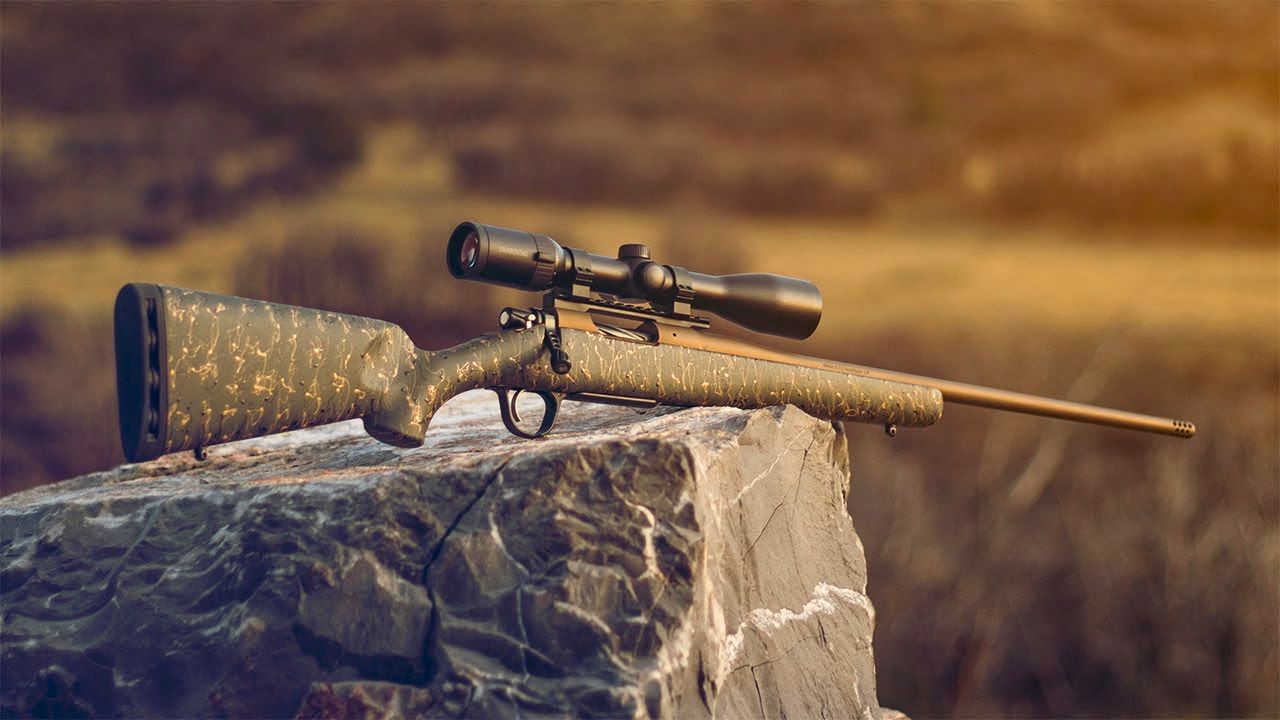
The Christensen Arms Mesa comes with premium expectations because the brand carries a serious long-range and mountain-rifle image. Buyers expect tight groups, refined feel, and a rifle that justifies the price quickly.
When a Mesa does not shoot the way the owner hoped, disappointment hits harder than it would with a cheaper rifle. At that price, “acceptable” feels weak. Some shoot very well, but others leave buyers chasing loads, torque settings, or excuses. The first few rounds matter more when the rifle costs enough to raise your standards before you ever pull the trigger.
Weatherby Mark V Backcountry

The Weatherby Mark V Backcountry sounds excellent for hunters who want a light, powerful, high-end rifle. The name, chamberings, and mountain-rifle setup all create big expectations before the first shot.
Then recoil and shootability enter the conversation. A lightweight rifle in a serious Weatherby or magnum chambering can be sharp, loud, and hard to settle into from the bench. It may be built for carrying more than casual range comfort, but that does not stop buyers from feeling disappointed early. Sometimes the rifle is doing its job, and the shooter simply realizes the job is not much fun.
Benelli Lupo
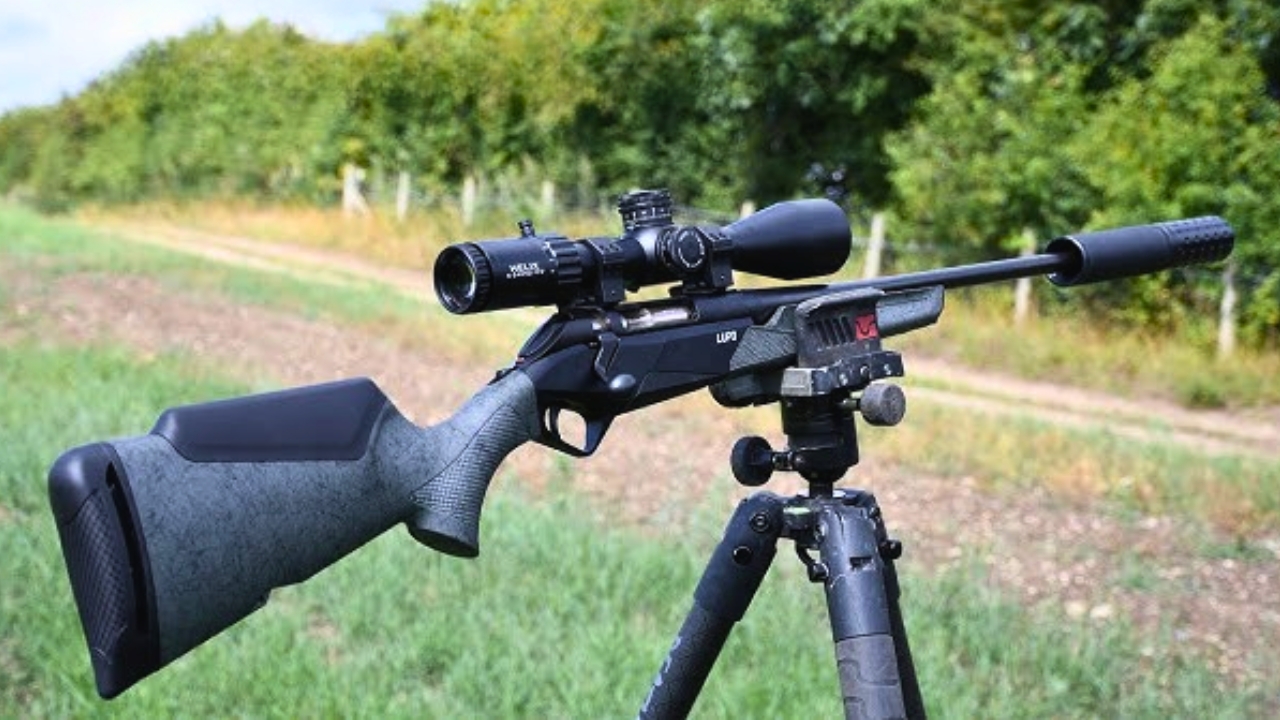
The Benelli Lupo entered the rifle world with a lot of curiosity because Benelli’s shotgun reputation is so strong. The modular look, modern stock system, and sleek design made it feel like something different in the hunting-rifle aisle.
For some shooters, different did not automatically mean satisfying. The styling is polarizing, the feel is unusual, and the price can make buyers expect instant connection. If the rifle does not group spectacularly or fit naturally right away, the disappointment shows up fast. A modern design has to do more than look fresh once live fire starts.
Springfield Model 2020 Waypoint
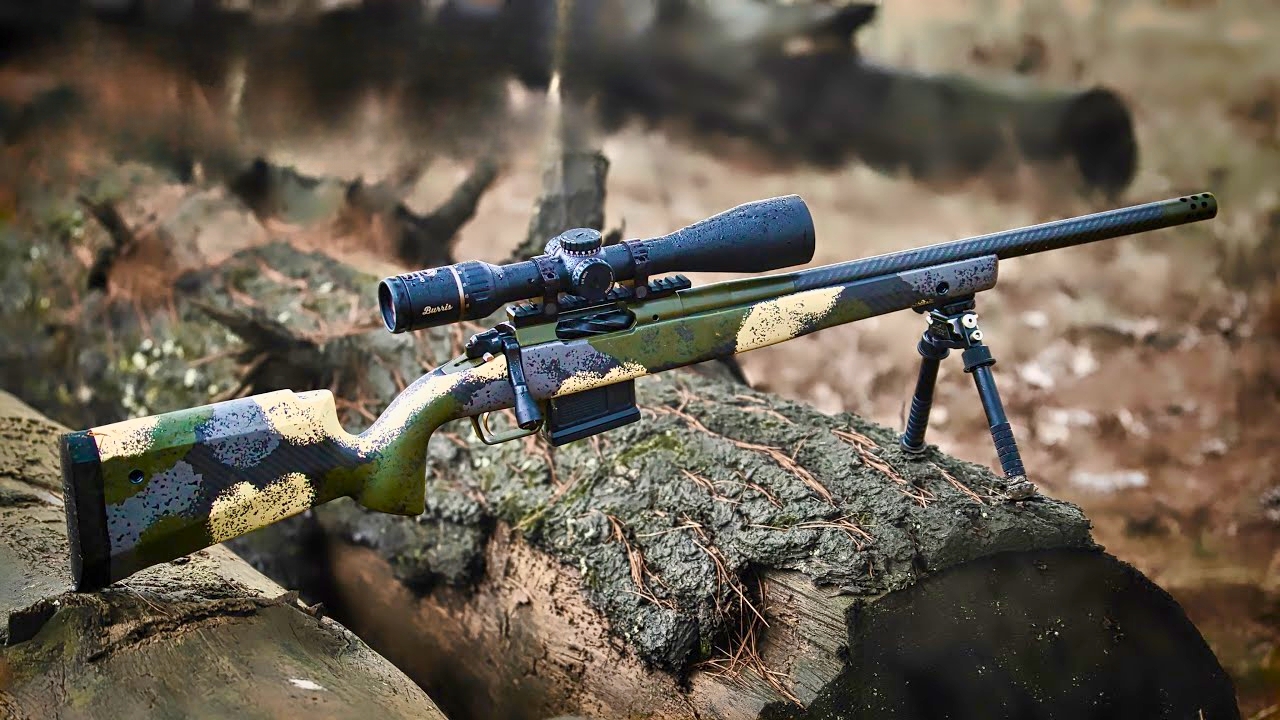
The Springfield Model 2020 Waypoint sounded like a serious premium hunting rifle: carbon-fiber options, modern features, accuracy promise, and a strong first impression. It looked ready to compete with rifles that cost serious money.
That is exactly why disappointment can come quickly if the first groups are ordinary. At this level, buyers are not hoping for “decent.” They are expecting confidence right away. The Waypoint can be a fine rifle, but premium rifles live under premium pressure. If recoil, fit, load preference, or group size does not match the promise, those first few rounds feel expensive.
Like The Avid Outdoorsman’s content? Be sure to follow us.
Here’s more from us: