Photo credit: NRApubs/YouTube
Some rifles never needed a luxury badge or a swollen price tag to feel like serious equipment. They came with practical stocks, straightforward finishes, and the kind of pricing that made people assume they were merely “good for the money.” Then owners started shooting them, carrying them in the field, and living with them long enough to realize they got a lot more rifle than the shelf tag implied. That is usually when a model starts earning loyalty the hard way.
Those are the rifles on this list. Not the obvious premium names people buy to impress themselves, but the guns that quietly overdeliver. They feel better made, better sorted, and more dependable than their original price bracket ever suggested. Some are old sleepers. Some are newer workhorses. But all of them have the same appeal: they make the owner feel like he got away with something.
Weatherby Vanguard Series 2

The Vanguard Series 2 always had a way of making buyers double-check what they paid for it after they spent real time behind it. The rifle did not scream luxury, but it often shot like a rifle that should have cost noticeably more. That alone gets a hunter’s attention fast. A gun can wear a modest price tag and still feel very grown up once it starts stacking bullets the way a serious field rifle should.
It also helped that the Vanguard felt more solid than a lot of rifles in its lane. The action had substance, the rifle carried itself well enough in the field, and the whole package gave off a much more confidence-inspiring impression than the price suggested. Plenty of rifles sell as “budget options.” This one often ended up feeling like a practical rifle disguised as a bargain.
Browning A-Bolt II

The A-Bolt II is one of those rifles people often bought because it seemed like a smart, sensible step below the flashier prestige rifles, then slowly realized it did not actually feel very far below them at all. The handling was good, the bolt operation stayed slick enough to inspire confidence, and a lot of owners came away thinking the rifle carried itself with a lot more polish than they expected.
That matters in the field. A rifle that feels settled, smooth, and easy to trust usually starts feeling expensive in the ways that count. The A-Bolt II never depended on huge noise or tactical image. It won people over because it felt like a lot of rifle for the money, and years later, a lot of owners still remember it that way.
Howa 1500 Hogue
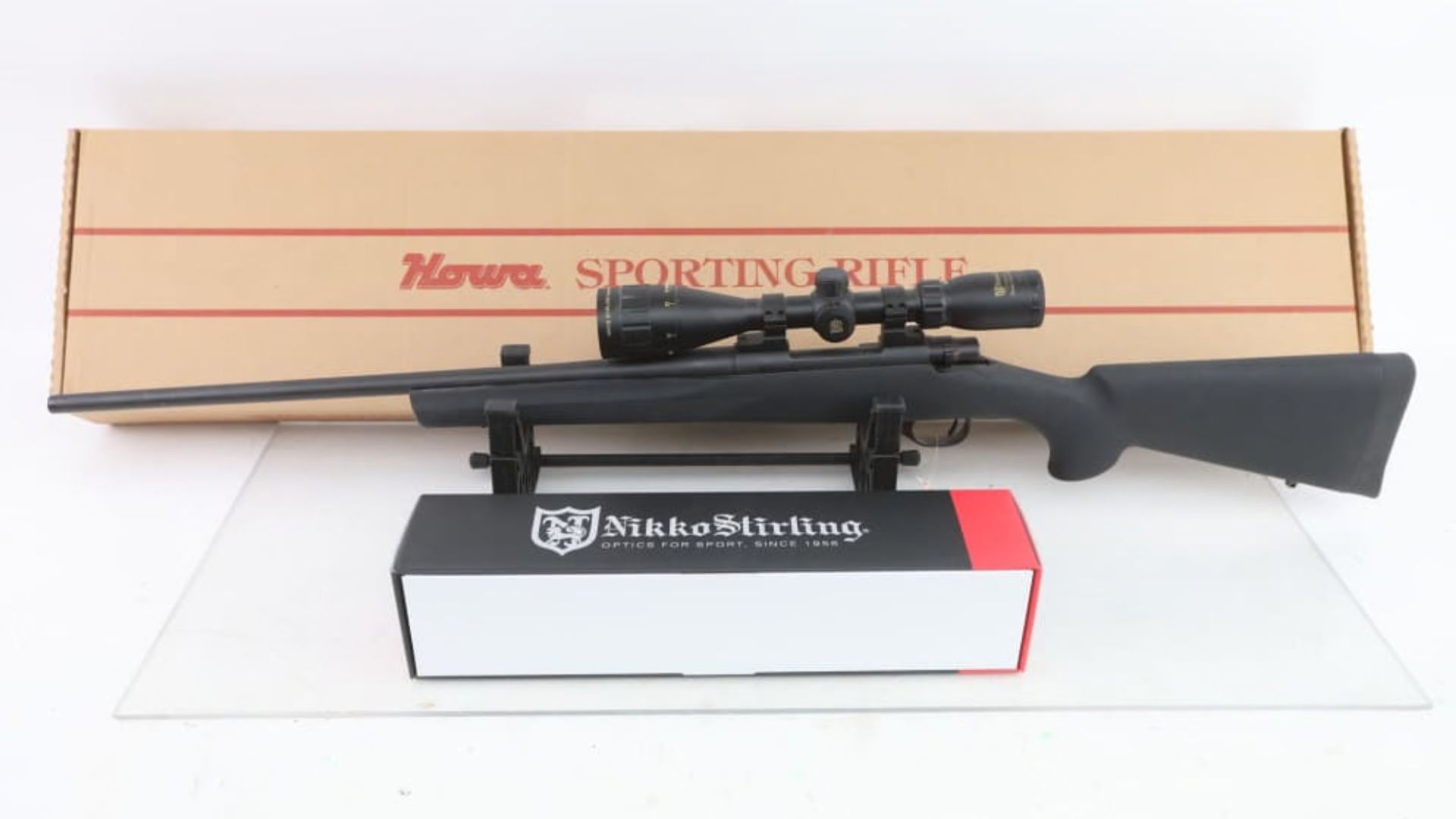
The Howa 1500 Hogue package fooled a lot of people by looking more utilitarian than refined. It often got treated like a plain, practical bolt gun for shooters who wanted something affordable and serviceable. Then those same buyers started shooting them and found a rifle with a very respectable action, strong accuracy potential, and a generally more “finished” feel than they had mentally budgeted for.
That sort of surprise is what earns a rifle lasting respect. It is not only about tiny groups. It is about the feeling that the gun was built with a little more care than the sticker price had any right to promise. The Howa 1500 earned that reputation quietly, which is often the best way for a rifle to do it.
Savage 114 American Classic
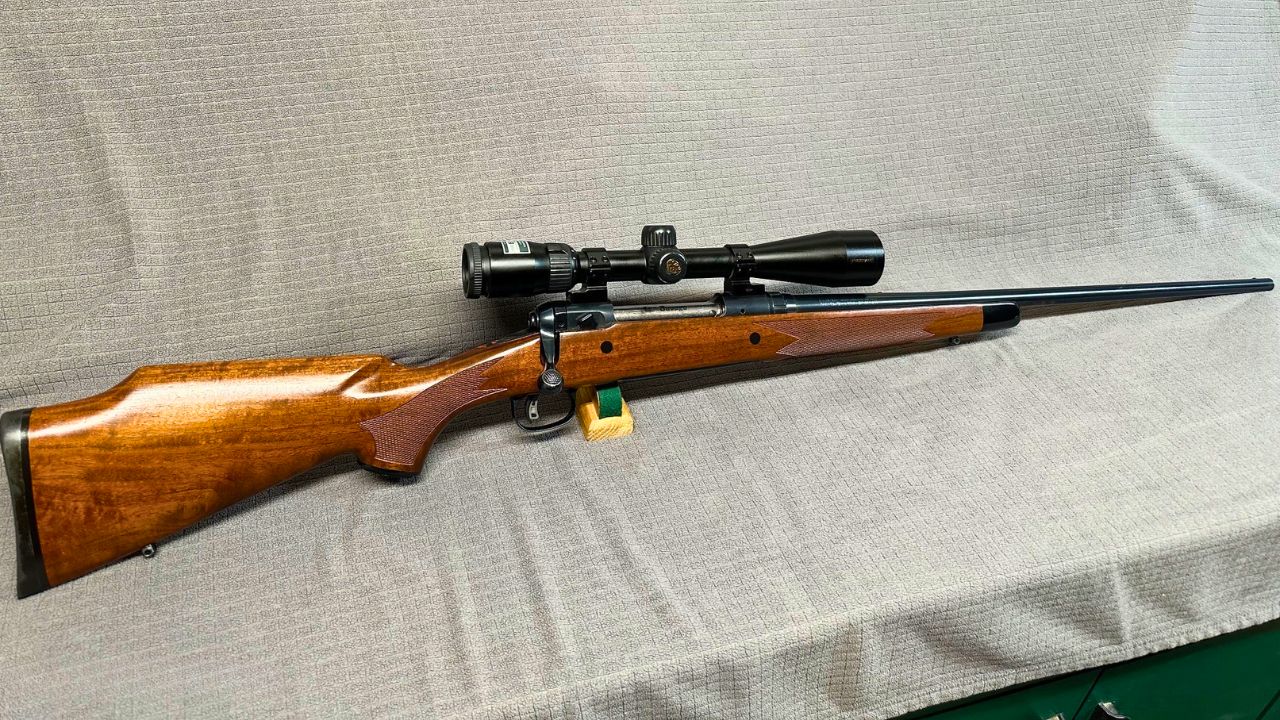
The Savage 114 American Classic had a habit of sneaking into conversations once people had actually owned one for a while. On paper, many buyers saw a Savage with nicer furniture and assumed that was the whole story. Then they lived with it and realized the rifle had the sort of practical accuracy and calm field behavior that made it feel a notch more serious than many prettier rifles in the same general range.
That is where the “feels more expensive” part shows up. It is not always in the finish alone. It is in the way a rifle starts behaving like a dependable partner instead of a purchase. The 114 American Classic gave buyers some visual warmth, sure, but it also backed that up with enough real field merit to make the price look pretty modest in hindsight.
T/C Venture

The Thompson/Center Venture was one of those rifles that too many buyers underestimated because it did not come with enough noise around it. It looked like a practical hunting rifle and got treated accordingly. Then owners started putting rounds through them and carrying them afield, and the reaction often shifted toward something more appreciative. The rifle felt better put together and better sorted than its market position led many people to expect.
That is what made it stand out. When a rifle gives you dependable accuracy, straightforward handling, and very little nonsense, it starts feeling like it should have worn a higher number on the price tag. The Venture had that effect on a lot of people. It did not need a lot of hype to make its case. It simply needed enough time in the owner’s hands.
Winchester XPR

The Winchester XPR landed in a market full of rifles buyers often treat as interchangeable, which made it easy to overlook. But that also created the perfect setup for overdelivering. Once hunters started actually using them, many found a rifle that shot honestly, handled field conditions well, and felt a little more mature than the “entry-level bolt gun” category it often got shoved into.
That is a big reason it belongs here. Sometimes a rifle feels expensive because it avoids feeling cheap in all the ways that usually matter later. The XPR did not have to be luxurious. It only had to avoid the corner-cutting feel people expect at that price point, and it did that well enough to leave a stronger impression than many buyers expected.
Ruger American Hunter

The American Hunter took a rifle line many people already saw as practical and added just enough seriousness to make the whole thing feel like a better deal than it should have been. Buyers who expected another plain Ruger often ended up with a rifle that handled more confidently, felt more substantial, and shot well enough to blur the line between budget practicality and more premium ambitions.
That is exactly how a rifle starts feeling expensive. Not because it mimics luxury styling, but because it performs and handles like a rifle from a higher shelf. The American Hunter gave people that sort of pleasant surprise. It still felt grounded, still felt useful, but with just enough extra confidence in the hand to make owners think they got away with paying less than the rifle really deserved.
Mossberg Patriot Walnut
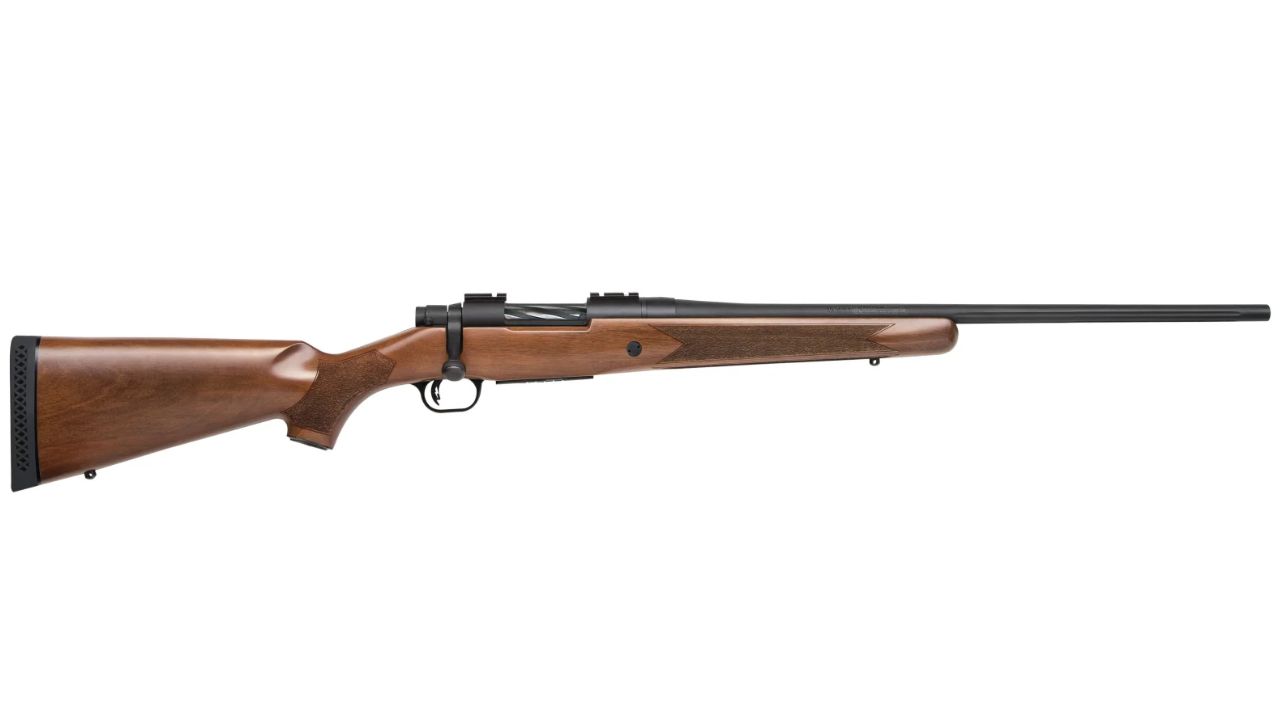
The Patriot Walnut is easy to underestimate if you judge it too quickly. It does not walk into the room with a giant aura around it. It simply looks like a practical sporting rifle with decent wood and a fair price. Then you spend some time with one and realize it often carries itself with more grace than many buyers expect from a rifle in that bracket.
A rifle can feel expensive when it avoids feeling disposable. That is what the Patriot Walnut often managed to do. It gave buyers a traditional-looking hunting rifle that still felt like a real firearm instead of a compromise wrapped in fake elegance. When a rifle offers warmth, usefulness, and enough real field competence to keep a hunter happy, it starts feeling like money was left on the table in the buyer’s favor.
CZ 557 American

The CZ 557 American always had the sort of understated quality that can get lost if a buyer is too busy chasing louder names. It was not trying to shock anybody. It was simply a well-balanced, useful sporting rifle with the kind of old-world steadiness that tends to show itself more clearly after some range time and a few hunts. That kind of rifle rarely feels cheap for long.
It also had that hard-to-fake sense of being thoughtfully made. When the action feels right, the rifle shoulders naturally, and the whole thing avoids the toy-like shortcuts buyers fear in mid-priced rifles, the price starts looking smaller in the rearview mirror. The 557 American had that effect on a lot of owners.
Remington 700 SPS Stainless
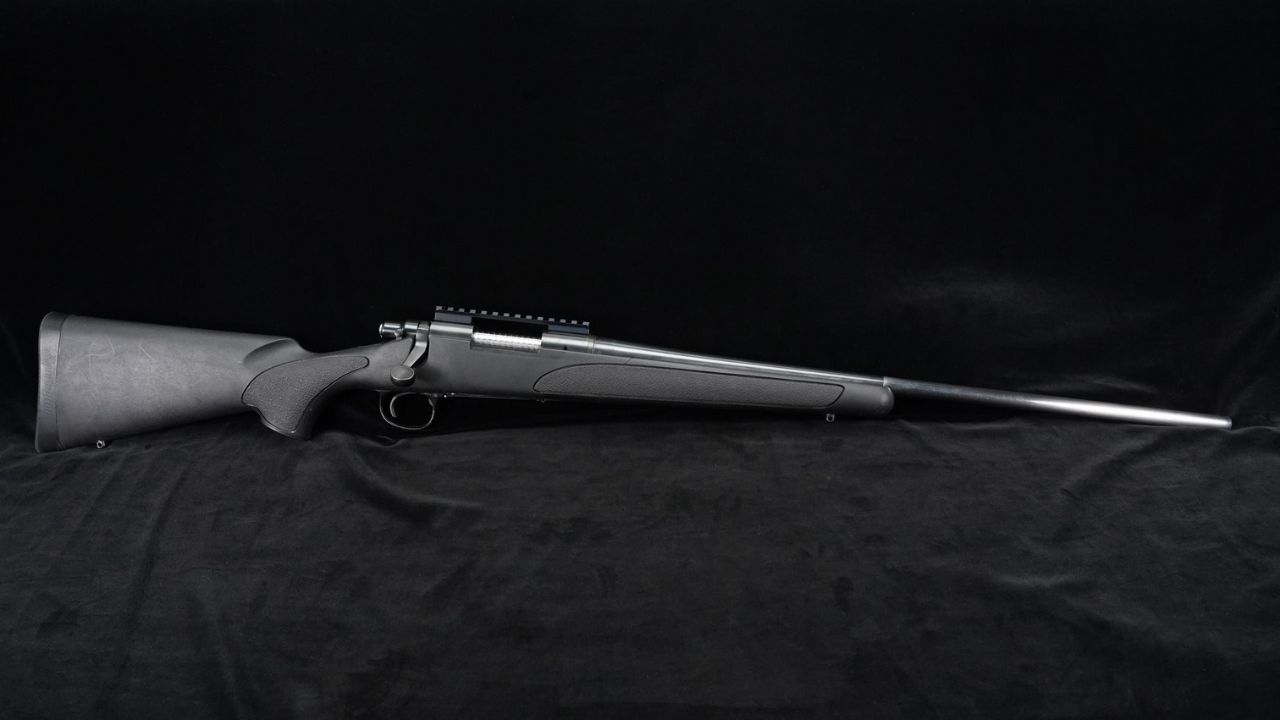
The 700 SPS Stainless often got bought as the practical version of a trusted rifle pattern, but it sometimes ended up feeling like a smarter deal than buyers expected. Stainless steel and synthetic trim usually tell you a rifle is there to work, not to charm. But once a hunter actually started using one, the rifle often delivered enough confidence and enough honest field utility to feel like a lot more than a stripped-down package.
That is where price and value split apart. A rifle that works in bad weather, stays familiar, and gives the owner a dependable platform to hunt with season after season starts feeling more expensive in the best way. The SPS Stainless did not need glamour to pull that off. It only needed to keep making sense every time it left the case.
Bergara B-14 Ridge
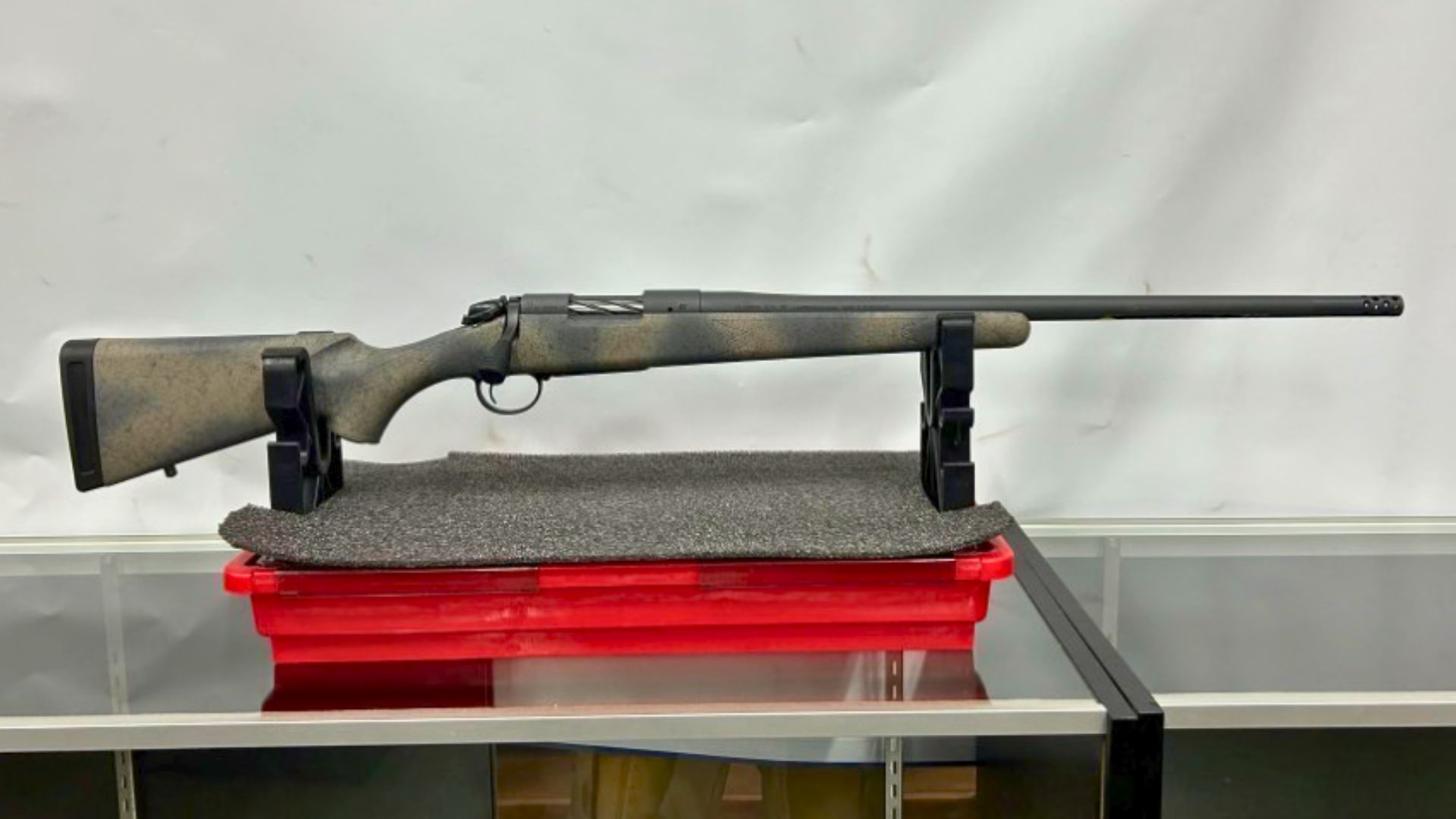
The B-14 Ridge entered the market with enough quality baked in that many shooters quickly started talking about it like it had wandered in from a more expensive neighborhood. It had the sort of action feel, barrel quality, and practical accuracy that made buyers start wondering how much rifle they would have had to buy elsewhere to get the same confidence level.
That is one of the clearest ways a gun starts feeling upscale. The B-14 Ridge did not depend on fantasy. It gave people a rifle that behaved like a serious shooting and hunting tool from the start. When the owner keeps seeing that kind of performance without the pain of a premium invoice, the rifle starts earning a reputation as a lot more than just “good for the money.”
Sako A7 Roughtech
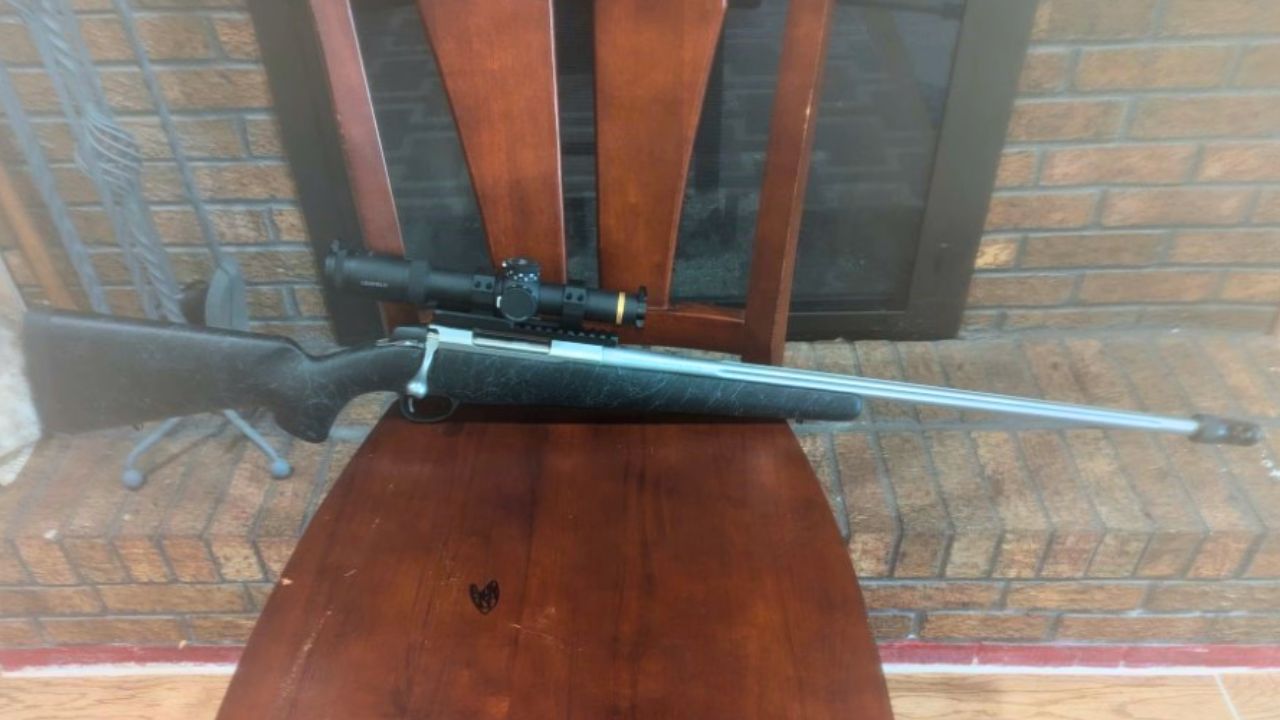
The Sako A7 Roughtech never felt like a budget rifle, but it often felt like it gave buyers more Sako-level experience than the price suggested they were entitled to. That is a big difference. It was one of those rifles that let people step into a more refined handling experience without having to pay full luxury-rifle punishment to do it.
In the field, that sort of value stands out fast. A rifle that cycles smoothly, carries well, and behaves with calm confidence under hunting conditions immediately starts feeling more expensive than its invoice. The A7 Roughtech had enough of that polish to leave an impression, and that impression usually deepened after real use instead of fading.
Ruger 77 Hawkeye All-Weather

The 77 Hawkeye All-Weather always felt like a rifle that gave the buyer more confidence than the market’s price hierarchy would have predicted. It was not all shine and salesmanship. It was a working hunting rifle with stainless steel, synthetic practicality, and the sort of sturdy presence that many hunters still want when the weather turns ugly and the hunt gets rough.
That sort of rifle often feels “expensive” because it feels durable in a very reassuring way. A hunter notices that after enough miles. The Hawkeye All-Weather did not need to be delicate or especially glamorous to feel like quality. It simply had to keep acting like a rifle built for real work, and that made the price look better and better over time.
Franchi Momentum Elite

The Franchi Momentum Elite had one of those “wait, this costs what?” kinds of impressions for a lot of buyers. It came off more refined than they expected, and that matters because many rifles in its bracket feel aggressively average the second you start handling them. The Momentum Elite avoided that. It felt like someone had put actual effort into making the gun more satisfying than necessary.
That kind of care is what creates this category. Once a rifle starts shooting well, handling cleanly, and generally avoiding the rough edges buyers have learned to expect at a certain price, it begins to feel like a steal instead of just a purchase. The Momentum Elite made that kind of impression on more than a few owners.
Winchester 70 Ranger
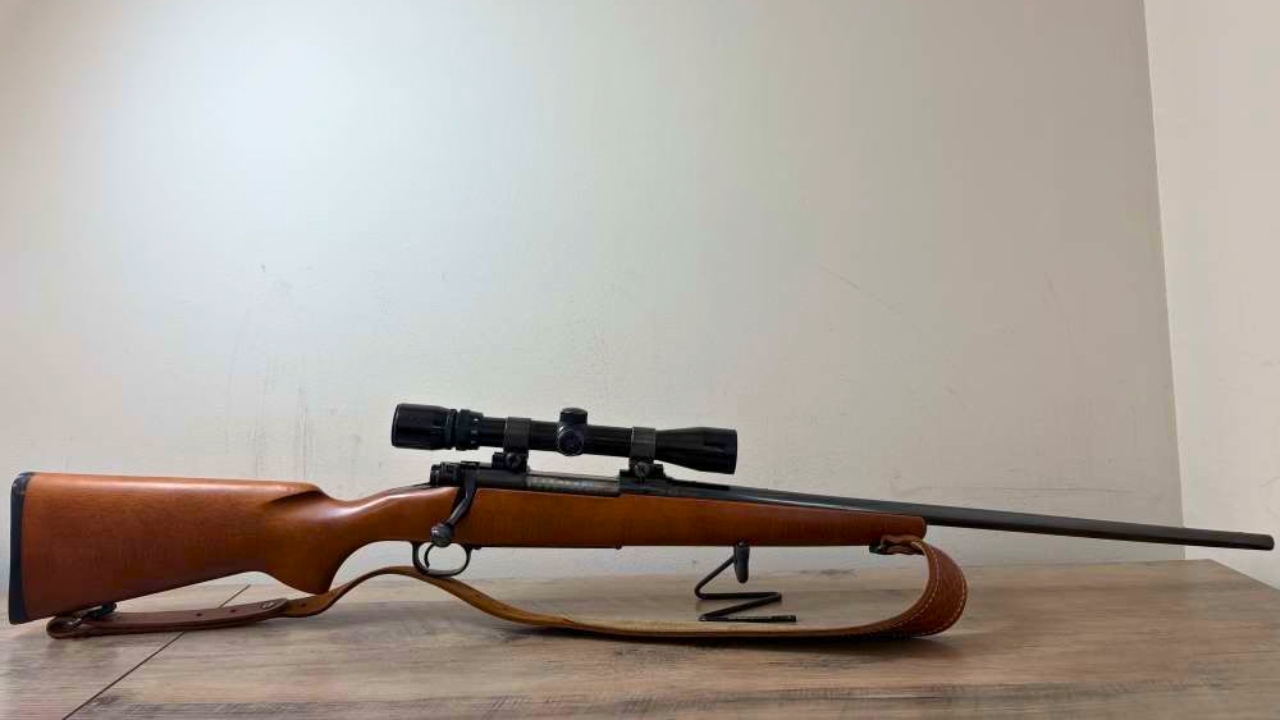
The Model 70 Ranger spent years being underestimated because buyers often treated it like the plainclothes version of a more prestigious rifle. That actually helped it. People who bought them expecting only practical utility often discovered a rifle that still carried much of the confidence and feel that made the Model 70 name matter in the first place.
That is how rifles like this earn deeper respect. The owner feels like he bought the “simple” one and later realizes the rifle still handled with real authority. A gun that delivers a familiar, trustworthy field experience without making the buyer pay for extra dressing often ends up feeling more expensive than it ever looked on the rack.
Like The Avid Outdoorsman’s content? Subscribe to our newsletter so you never miss an article.
Here’s more from us: