Photo credit: Michael E. Cumpston – CC BY-SA 4.0/Wiki Commons
Every hunter, guide, or outdoorsman who’s been at it long enough ends up with one gun that never lets them down. For me, that’s a Ruger Blackhawk. It’s been rained on, dropped in dust, and hauled through country that breaks newer guns in days. The finish might be scratched, and the grips worn smooth, but it still runs like the day I bought it. You don’t carry a revolver like that for style—you carry it because you trust it.
The Blackhawk has been around since the 1950s, and its reputation hasn’t faded. It’s the revolver that keeps showing up in the field because it’s tough, accurate, and built for real use. Every nick and scuff tells a story, and mine’s got plenty to tell.
Strength in the Frame
What makes the Blackhawk special starts with its frame. Ruger built it strong enough to handle heavy loads that older single-actions couldn’t dream of. It’s overbuilt in the best way—steel where it needs to be, tolerances that stay tight, and a cylinder that feels like it could handle anything short of artillery. You can feel that confidence every time you thumb the hammer back.
That strength isn’t theoretical. It’s why reloaders and handloaders love this revolver. You can run heavy .45 Colt or .44 Magnum rounds without worrying about beating up the gun. The frame doesn’t flinch, and the lock-up stays solid season after season. It’s the kind of gun you load for power and accuracy, not concern.
Accuracy That Doesn’t Fade
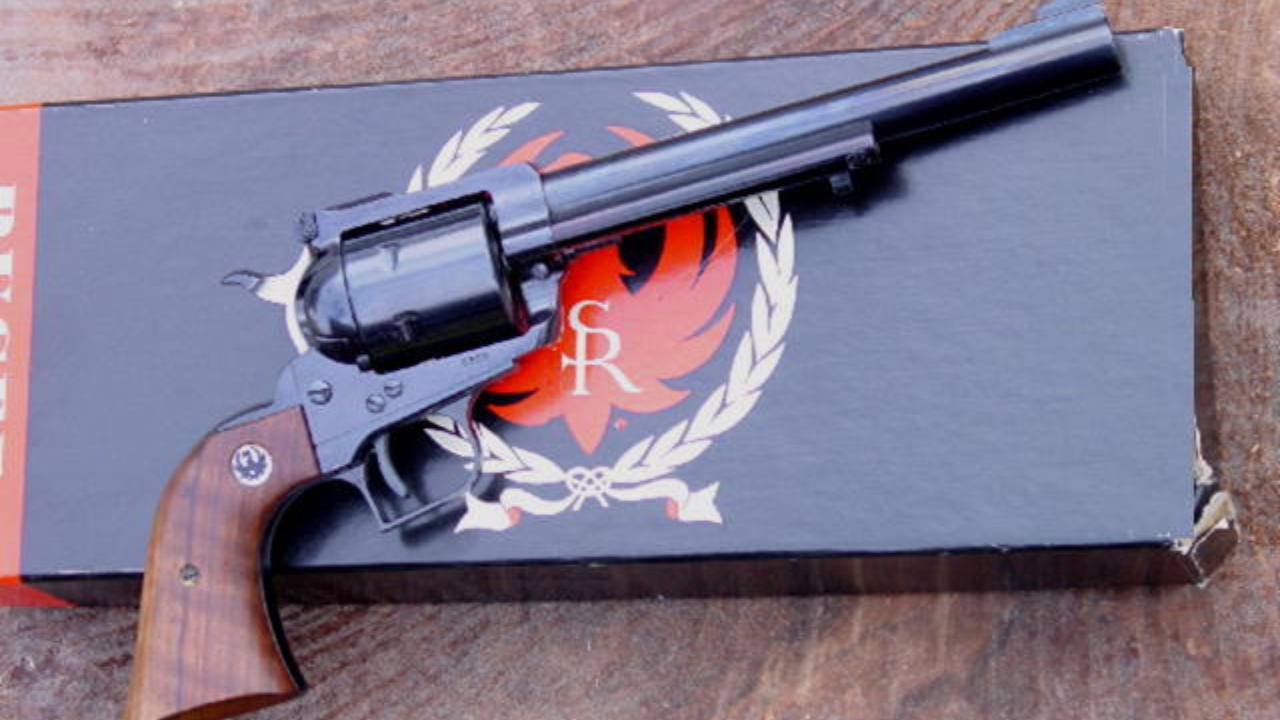
There’s a rhythm to shooting a Blackhawk that rewards patience. Once you get used to the single-action trigger and sight picture, it’s surprisingly precise. My Blackhawk still prints tight groups offhand, even after thousands of rounds. The adjustable rear sight and crisp trigger give you all the control you need to make hits well beyond typical handgun distances.
What’s more, it doesn’t seem to care what ammo it eats. Heavy handloads, mild cowboy rounds, or factory loads—it’ll put them where you aim if you do your part. That level of consistency doesn’t fade with time, and it’s one reason so many shooters refuse to retire theirs even after decades of use.
A Revolver Made for Real Conditions
Every outdoorsman knows that gear gets tested hardest when conditions are bad. The Blackhawk never complains. I’ve carried mine through rain, mud, and freezing sleet. It’s been exposed to dust and grit, and it keeps cycling. The solid frame and simple design mean there’s not much to foul up. You can clean it with basic tools and oil, and it’ll run like it always has.
When you’re miles from the truck, that kind of reliability isn’t optional—it’s mandatory. This revolver doesn’t need special care or tight tolerances to keep working. It’s forgiving of the kind of abuse that would sideline most semi-autos.
Power You Can Tailor to the Job
Part of the Blackhawk’s appeal is versatility. In .357 Magnum, it’s perfect for trail carry and small-game hunting. In .44 Magnum or .45 Colt, it’s got more than enough authority for deer or even bear at close range. And if you handload, you can tailor the recoil and velocity to exactly what you want.
That flexibility means one gun can fill several roles—range shooter, trail companion, or backup hunting sidearm. The Blackhawk handles them all. It’s not picky about ammo, and the fixed-barrel design ensures that every load delivers the kind of accuracy and reliability Ruger built it for.
Built to Last a Lifetime—Or Two
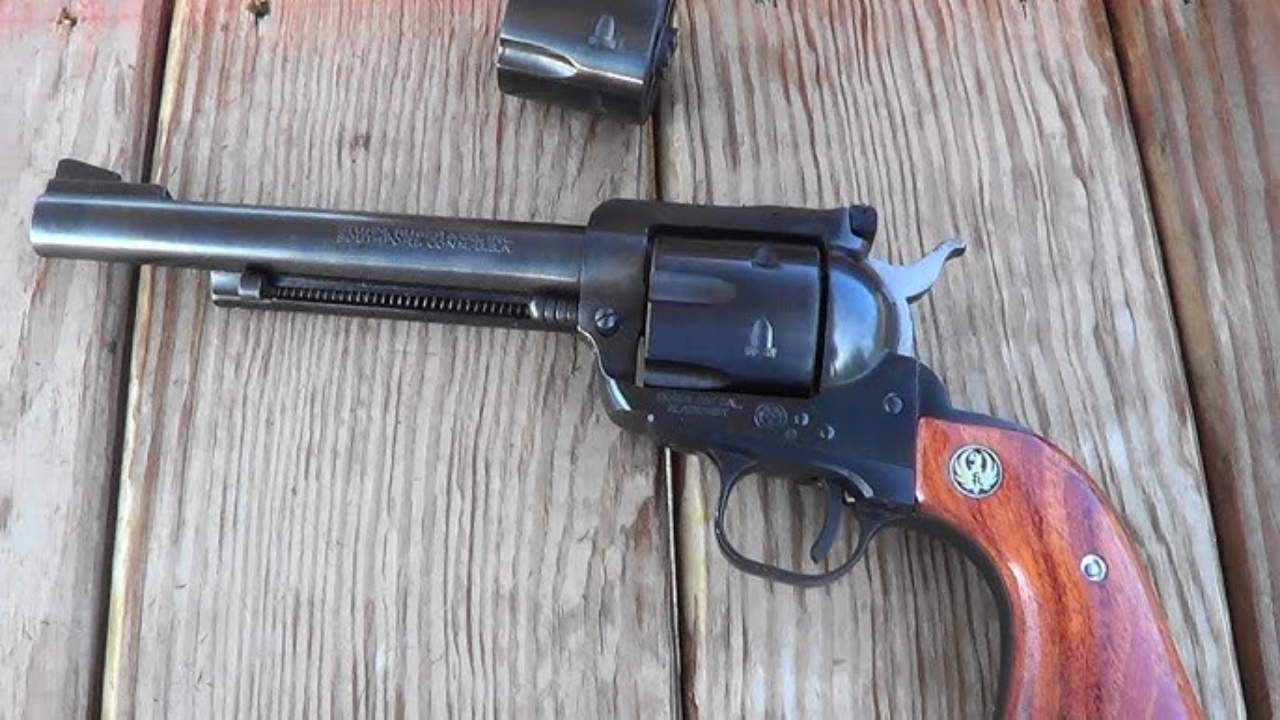
Every time you handle a Blackhawk, you can feel the workmanship. The action is smooth, the cylinder locks up tight, and the overall fit gives it a reassuring heft. These revolvers don’t wear out; they get broken in. I’ve seen Blackhawks passed down from fathers to sons still running strong, their only real maintenance being an occasional spring replacement and fresh grips.
That kind of longevity isn’t an accident—it’s design done right. No aluminum shortcuts, no fragile internals. Just well-made steel parts that work together the way they’re supposed to. That’s why so many old Rugers still ride on the hips of hunters today.
The Trigger That Rewards Skill
The single-action trigger on the Blackhawk is one of its greatest strengths. There’s virtually no take-up, and the break feels like glass snapping. That predictability turns good shooters into great ones. It forces you to slow down, find your sight picture, and make each shot count. In a world of double-action and striker-fired triggers, the Blackhawk reminds you what precision feels like.
That trigger is part of why this revolver keeps showing up in hunting camps. When you’re taking an offhand shot at a hog or lining up a finishing shot on a deer, that crisp pull gives you control you can trust. It’s an honest, deliberate design—and that’s exactly what shooters value.
Why It Still Matters
You can spend a fortune chasing the latest polymer handgun or custom revolver, but few of them will give you what the Blackhawk does—durability, simplicity, and power in one package. It’s not a gun you baby or brag about; it’s one you carry because you know it’ll work. That’s why they’re still riding in trucks, packs, and holsters all over the country.
The Ruger Blackhawk isn’t just another classic—it’s a working gun that’s still earning its keep. Whether it’s been through desert dust or mountain snow, it keeps firing, keeps hitting, and keeps reminding you why good design never gets old.
Like The Avid Outdoorsman’s content? Be sure to follow us.
Here’s more from us:
The worst deer rifles money can buy
Sidearms That Belong in the Safe — Not Your Belt
*This article was developed with AI-powered tools and has been carefully reviewed by our editors.