Photo credit: Texas Plinking Gear/YouTube
You buy a rifle expecting a partner for seasons to come — not an expensive regret you pawn the week after the rut. Some guns look great in photos and read well in spec sheets, but in the mud and cold and long hikes they show their true colors: fiddly feeding, torquey stocks, poor triggers, or optics that won’t stay put. Hunters learn fast that a single bad season can ruin the love affair and turn a rifle into a pawn-shop sign. Below are rifles that have made that trip for a lot of people — models that promised dependability but ended up costing time, money, and patience when the woods closed and the weather turned. These aren’t universal disasters; they’re the ones that tend to wear out their welcome after one rough season.
Remington 700 SPS

You probably thought the Remington 700 SPS would be a safe pick — it carries the 700 name, after all. The reality for many is less forgiving. Factory fit can be inconsistent: loose scope bases, rough bolt rails, and triggers that feel more like a threshold than a crisp break. On a cold, muddy morning those little issues multiply into a hunting nightmare. You’ll spend more time checking mounts and adjusting headspace than glassing horizons.
What pushes people to sell is the grind of maintenance plus mediocre out-of-the-box performance. Once you’ve spent the season bedding, polishing, and swapping parts to get it right, it’s easy to decide you’d rather cash out and buy something that didn’t demand a gunsmith just to behave.
Winchester Model 94 (modern production)

The modern Winchester Model 94 looks classic and feels right in your hands, but some buyers learn the hard way that nostalgia doesn’t cover modern shortcomings. New runs have shown inconsistent headspacing and feeding jams with certain loads, especially followed by wet or gritty conditions. When you’re on a mountain ridge and the lever won’t close cleanly, optimism turns sour fast.
Hunters who expected the smooth one-and-done reliability of older lever guns find themselves cleaning and tweaking more than shooting. After one season of sticky action and lost opportunities, it’s common to see these traded off for more modern, trouble-free designs that don’t require an afternoon of tinkering between stands.
FN SCAR 16S/17S (hunting setups)
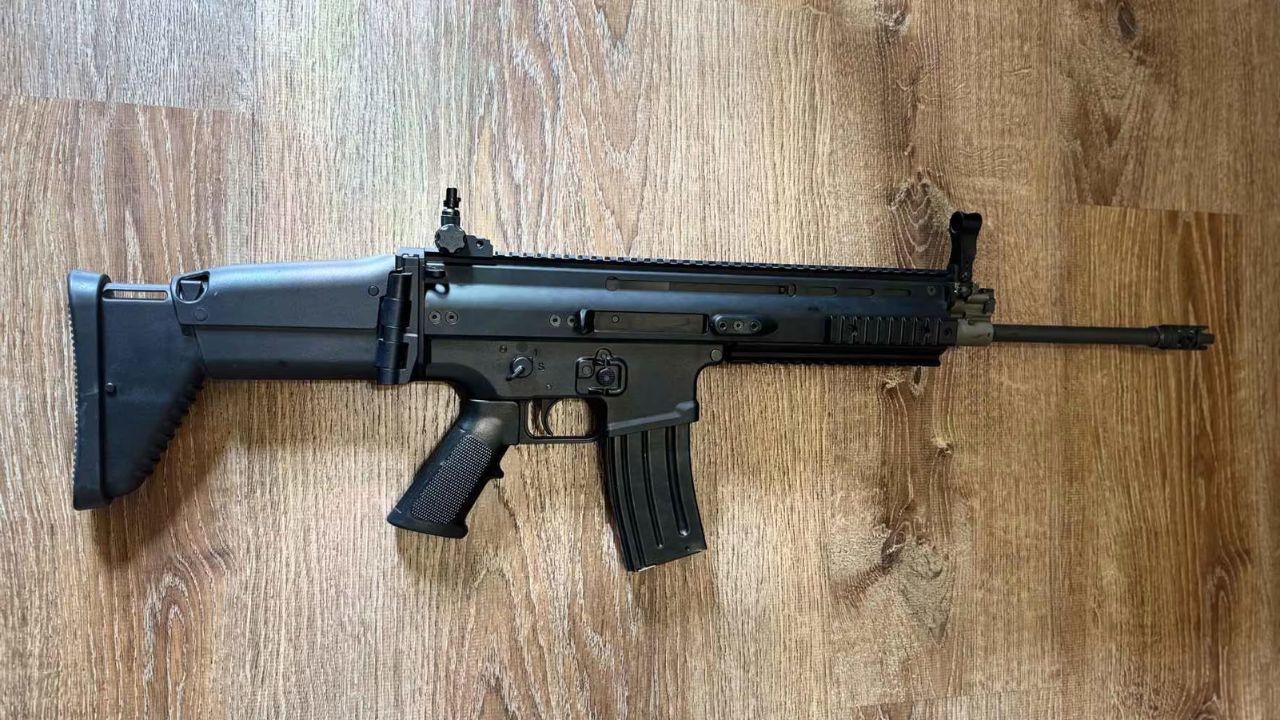
The SCAR is admired for military use, but slap on hunting furniture and optics and some inconveniences become obvious. In the field, you quickly notice sensitivity to scope mounts, carbon build-up in the gas system, and occasional hot-chamber issues with certain factory ammo. For hunters expecting a “set it and forget it” platform, that’s a nasty surprise.
When you’re in a blind and have to chase a short-stroke or a picky magazine, frustration accumulates. That frustration plus the SCAR’s premium cost often pushes hunters to sell — they’d rather have a lighter, lower-maintenance rifle that behaves every morning without the need for armorers’ attention.
Savage 110 Precision (entry production lots)
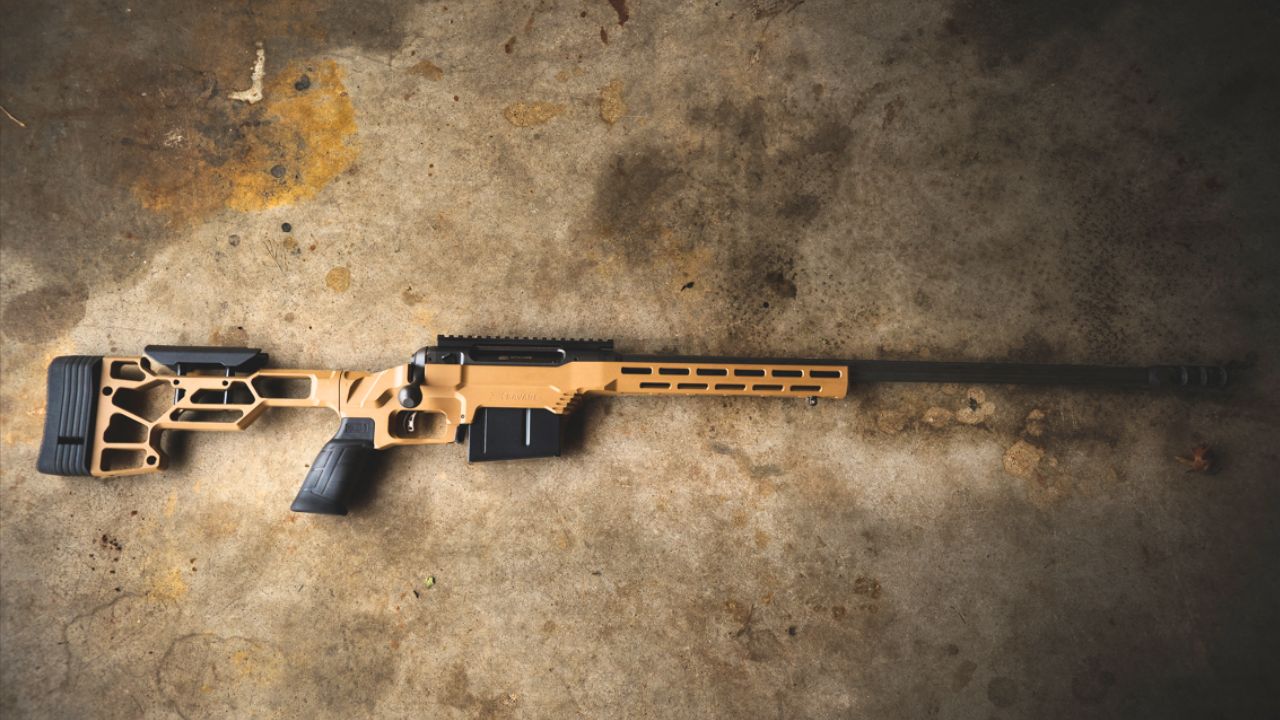
Savage’s Precision-style 110s promised great value, but some early or lower-tier production lots showed fit-and-finish problems. Loose pillar bedding, inconsistent triggers, and variable barrel harmonics led to rifles that grouped poorly unless the owner invested in bedding, trigger work, or barrel swaps. That’s not a cheap fix.
After a season of reloading and trial-and-error load development, plenty of owners concluded it wasn’t worth the extra work and sold the rifle at a loss. It’s a rifle with potential, but when the factory unit needs upgrades to be useful in the field, most hunters move on rather than keep sinking time and cash into tuning.
Thompson/Center Compass (early builds)

The T/C Compass launched as an affordable, accurate rifle, but early builds had problems: inconsistent magazine shape, stock contact issues, and rough trigger feel. Those translate into missed zeros and surprise flyers on the first cold morning out. Hunters who expected respectable out-of-box performance were disappointed.
When your season is short and every shot counts, the time required to sort a Compass’s quirks is a luxury most don’t have. After one season of clearing misfeeds and re-bedding, many choose to trade it for a rifle that behaves without a workshop full of adjustments.
Bergara B-14 Sport (select batches)
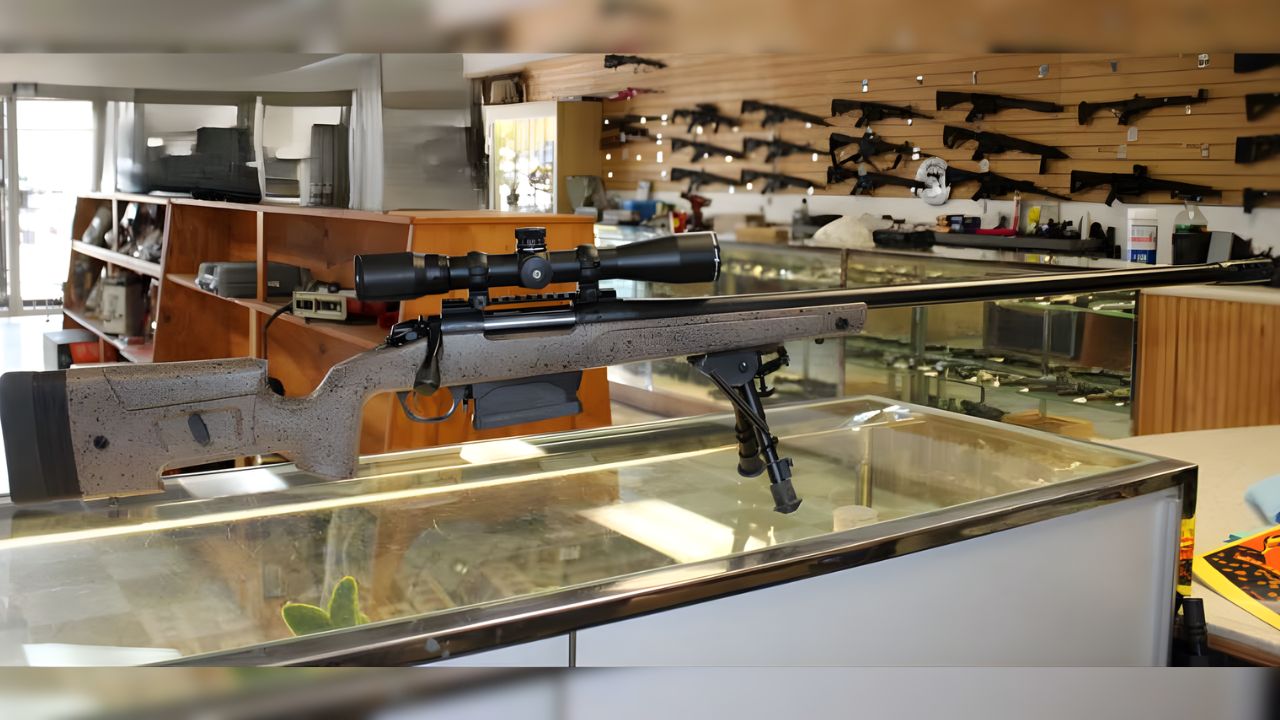
Bergara barrels are frequently praised, but some B-14 Sport batches shipped with mismatched bedding and inconsistent action screws, leading to rifles that wouldn’t settle into a reliable zero. A hunter discovers this the hard way when groups spread after a day’s hike or a scope re-torque. You spend the season chasing a sweet spot that never quite appears.
It’s the practical cost that stings: hours to diagnose, a gunsmith bill here and there, and then the realization that you could have bought a more stable platform for about the same money. Those rifles often show up in classifieds after a single frustrating season.
Howa Mini Action (early compact trims)
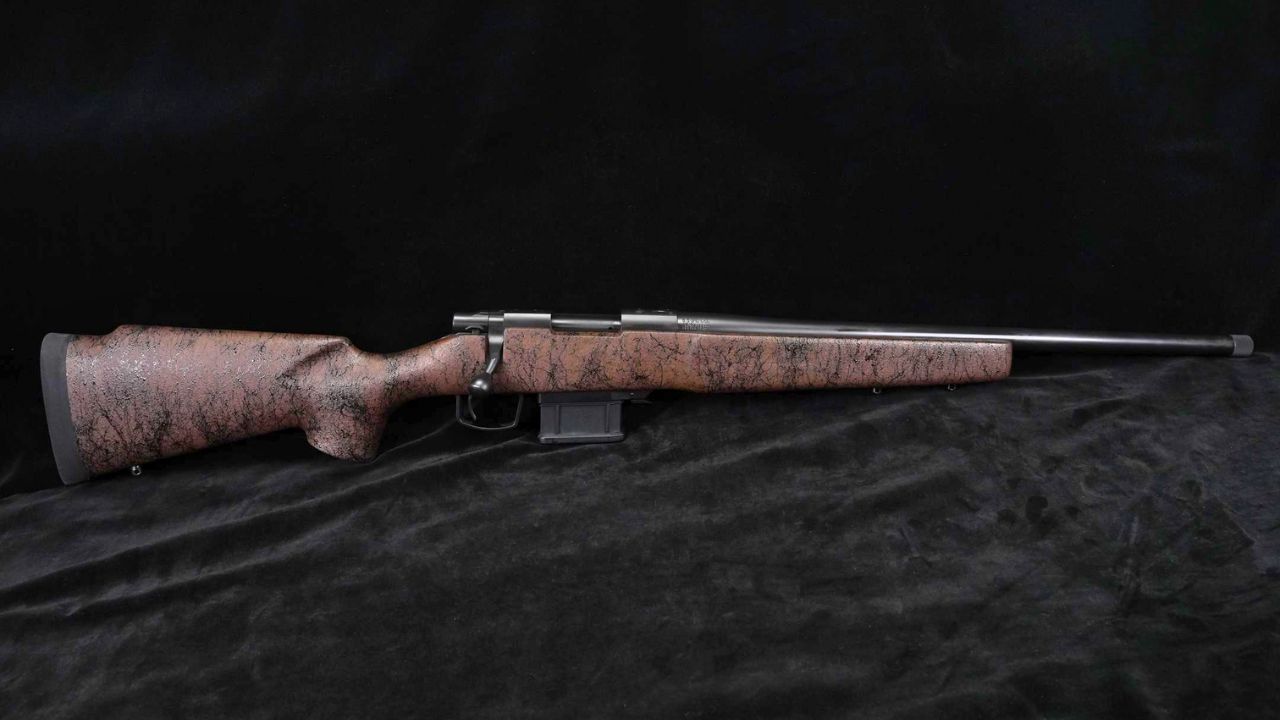
Howa’s mini-action rifles seemed like the perfect compact stalking rifles until owners found rounds that wouldn’t feed reliably from the short magazines. Short action combined with tight chamber tolerances made certain factory loads or reloads problematic, especially when dust or cold fog entered the equation. That spells trouble on a long glassing morning.
Once you’ve carried it uphill and spent hours swapping ammo just to get through a stand, the love fades. Hunters frequently cut losses and sell these to someone wanting a project rifle rather than a dependable camp companion.
Browning BLR Lightweight
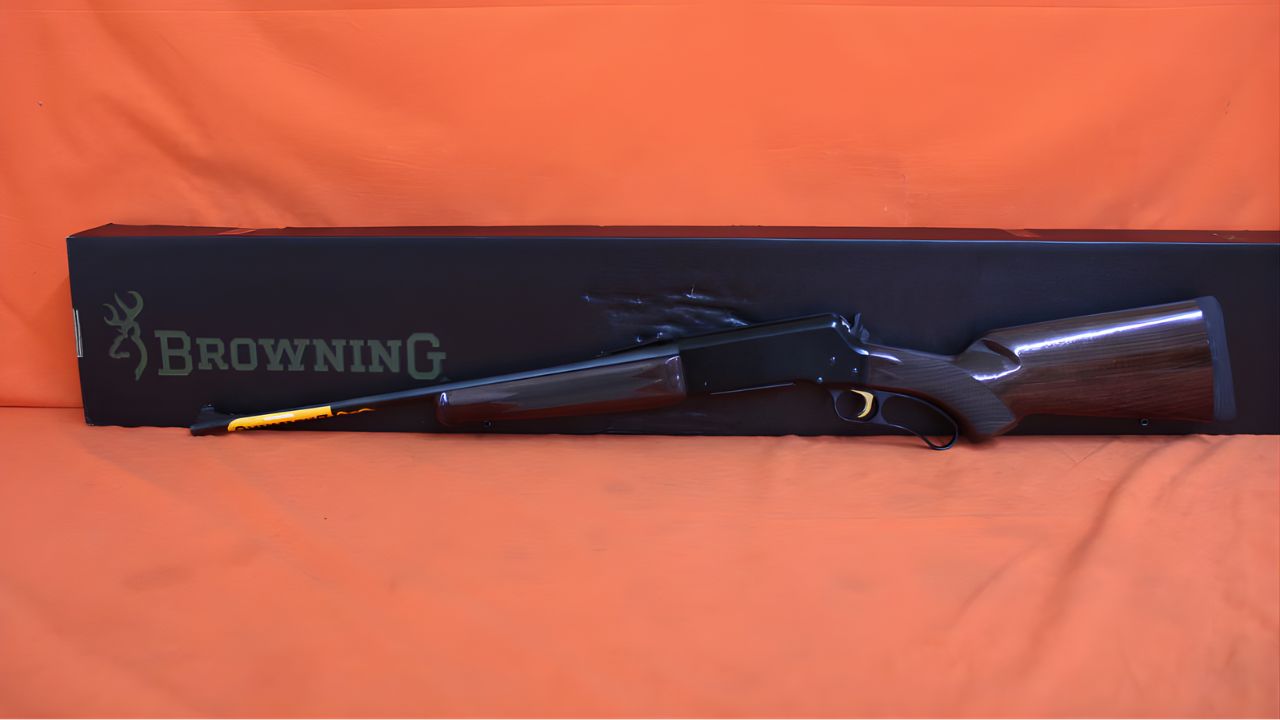
The BLR’s light variants looked attractive for brush hunting, but many owners report stock flex and a thin barrel that changes point of impact after a few shots. In the field, that unpredictability turns quick follow-ups into guesswork. If your hunting style requires confidence in short, accurate follow-ups, that unreliability wears you down fast.
After one season of missed chances and constant zero checks, a lot of hunters decide a heavier, steadier rifle is a better companion. The BLR gets traded when the pain of chasing sight-in outstrips any advantage of the saved ounces.
Ruger Precision Rimfire (as a centerfire substitute)
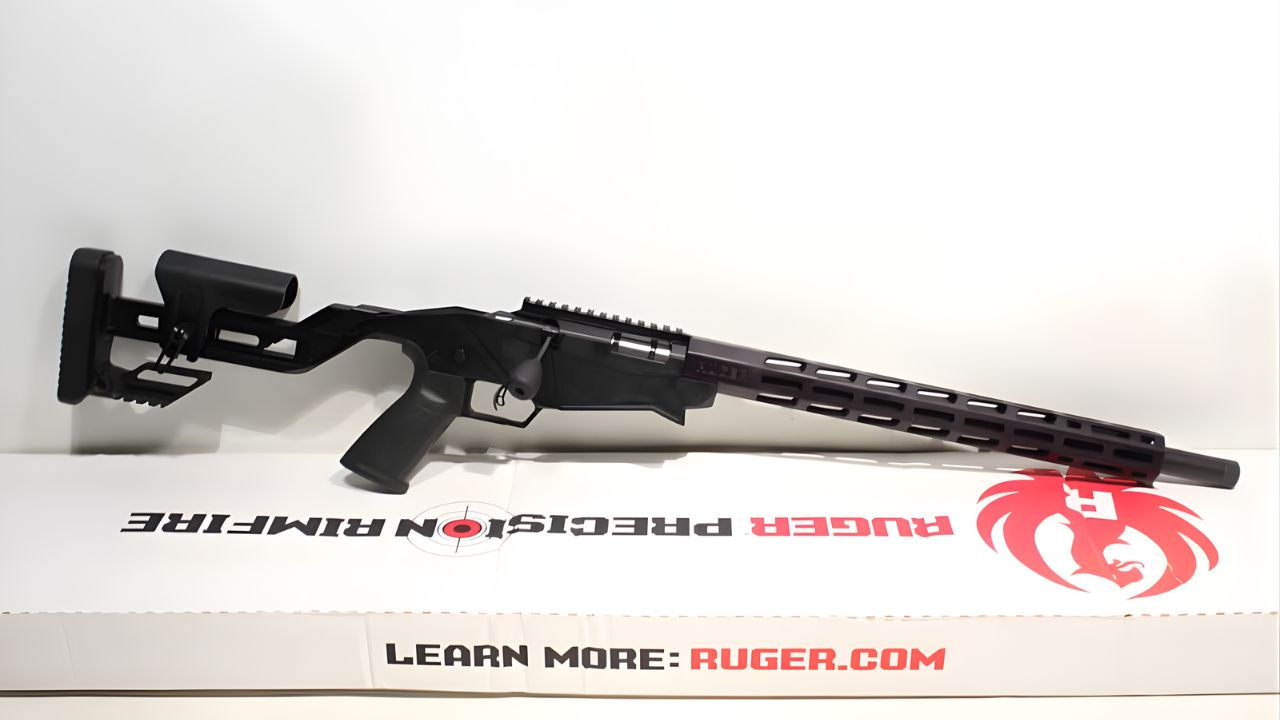
Ruger’s precision rimfire appealed as a cheap trainer, but in practice its food-chain role didn’t always work. These rifles are picky about rimfire brands and fouling quickly changes point of impact. Hunters who bought them to replace centerfire range time found accuracy inconsistent over a busy season and grew frustrated.
When you’re trying to build real shooting discipline, ammo sensitivity and the need for constant cleaning undermines the whole purpose. Many owners sell the rifle after one season and return to using .22s with proven reliability or simply keep practicing with inexpensive centerfire options.
Mauser M18 (early production QC)
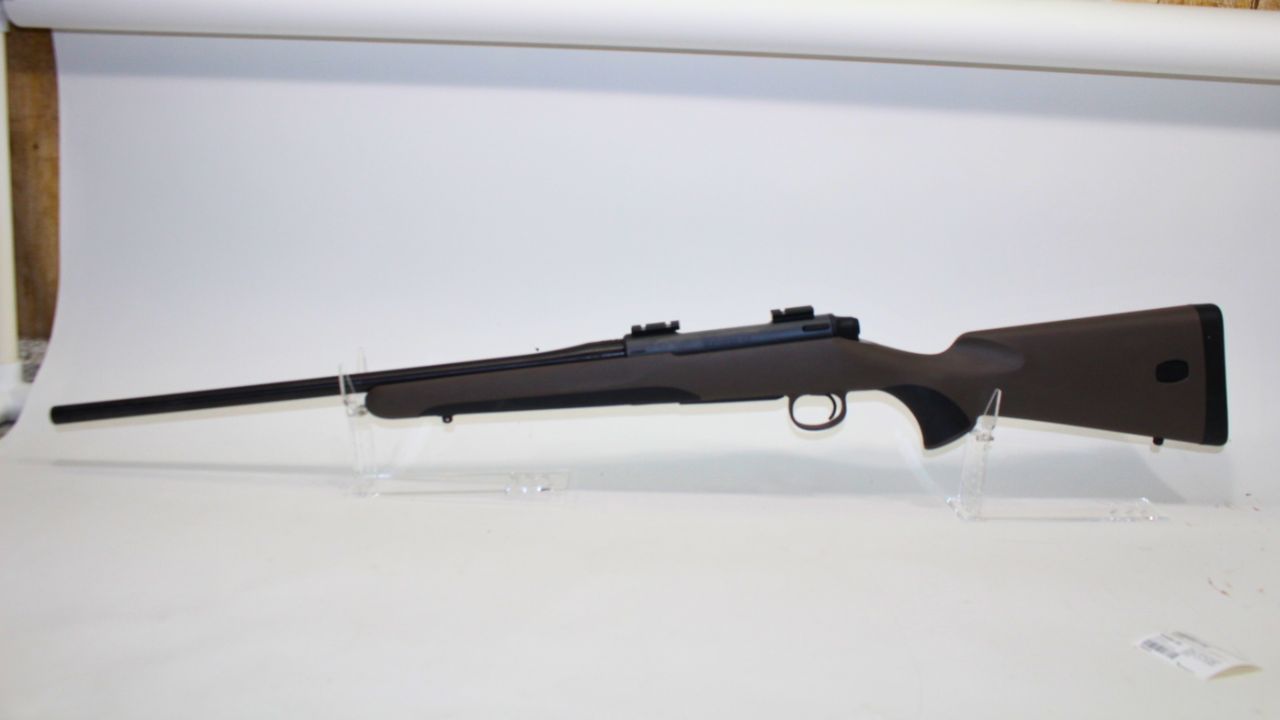
The M18 hit the market as an affordable Mauser-style bolt gun, but some early examples shipped with rough bores, loose bedding, and mismatched screws. The result is a rifle that groups poorly or develops shifts after a few weather changes. For hunters who expect Mauser reliability, that’s a harsh disappointment.
After a single season of chasing flyers and sorting out sloppy assembly, many owners decide it’s easier to pawn the rifle than keep repairing it. It becomes a lesson in checking serial-run reputation before you buy.
*This article was developed with AI-powered tools and has been carefully reviewed by our editors.