Photo credit: Buckeye Ballistics/YouTube
Every shooter has a caliber they swear by for concealed carry. Maybe it’s what you grew up with, what your dad carried, or what the old-timer at the range recommended. But not every round that seems “good enough” on paper actually performs when it counts. Some lack penetration. Others rely too much on velocity or expansion that simply doesn’t happen in short-barreled pistols. You can get away with these calibers on the range or for plinking, but when you’re carrying for real, they show their weaknesses fast. These are the carry calibers that look fine on the surface—but fall apart when it matters most.
.380 ACP

The .380 ACP is one of the most carried rounds in America, largely because it fits in small, lightweight pistols that are easy to conceal. It’s convenient, comfortable, and controllable—but those perks come with tradeoffs.
Ballistic testing shows .380 struggles to meet the FBI’s minimum penetration standards. Even premium hollow points can underperform through heavy clothing or barriers. You might get decent expansion, but at the cost of depth. In a close-range confrontation, it’s better than nothing—but it’s not the caliber you’d choose if you had options. The .380 is easy to carry, but confidence fades when you start thinking beyond the first seven yards.
.32 ACP

The .32 ACP has history—it kept detectives armed for decades. In its day, it worked well enough against unarmored threats. But that era’s long gone. Modern tests prove its limited energy and shallow penetration don’t stack up to current defensive needs.
Most .32 loads barely break 200 foot-pounds of energy, which leaves little margin for effectiveness. You can shoot it well, but it’s more of a deterrent than a stopper. Lightweight and low recoil make it appealing for small-framed shooters, yet the tradeoff in real-world performance is steep. The .32 ACP is a nostalgic choice, not a practical one for serious carry today.
.25 ACP
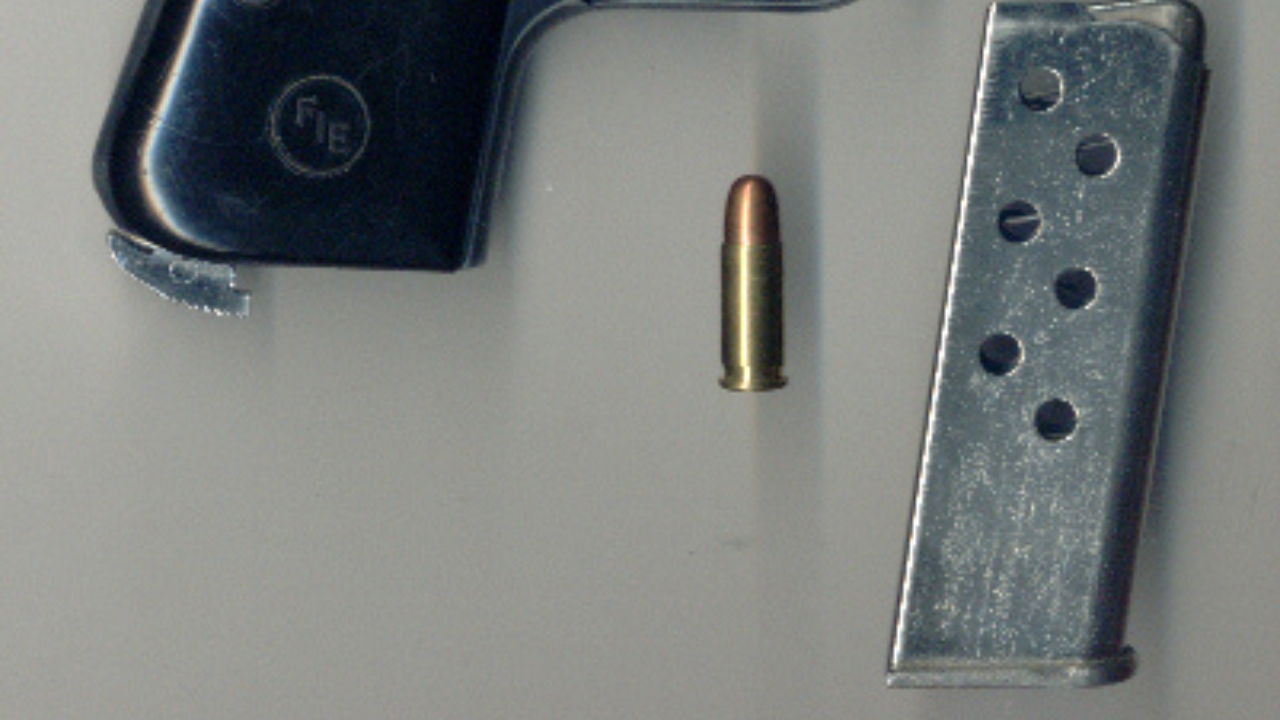
If there’s a round that keeps hanging around for the wrong reasons, it’s the .25 ACP. People like to defend it because it’s small, easy to carry, and doesn’t kick. But it’s also incredibly weak and inconsistent out of short barrels.
Most .25 ACP loads fail to penetrate deeply enough to reach vital organs, especially through layers of clothing. Even solid hits can fail to stop a determined threat. In the real world, the difference between noise and stopping power becomes painfully clear. The .25 ACP might cycle smoothly in an old pocket pistol, but you’ll wish for something more capable if things ever turn serious.
.22 LR

Plenty of people carry a .22 for its lack of recoil and low cost. And yes, shot placement matters more than caliber—but you can’t count on rimfire ignition when it matters most. Misfires, duds, and light strikes happen far more often than with centerfire ammo.
While modern .22 loads have improved, they still don’t generate reliable expansion or penetration from tiny barrels. You’ll find YouTube heroes claiming it’s enough, but ballistic gel doesn’t lie. It’s a training or backup round, not a first choice for self-defense. You’ll hit what you aim at—but you might not stop what you hit.
.22 Magnum

The .22 Magnum packs a little more punch than its LR cousin, especially from longer barrels. In a rifle, it’s a coyote killer. In a short-barreled handgun, though, that extra velocity burns off before the bullet clears the muzzle.
It’s loud, flashy, and fast—but lacks consistent performance in self-defense distances. Expansion is unpredictable, and penetration barely makes the cut. It’s accurate and easy to handle, but once again, rimfire reliability keeps it off the serious carry list. It’s fine for pests, not for predators that walk on two legs.
.25 NAA
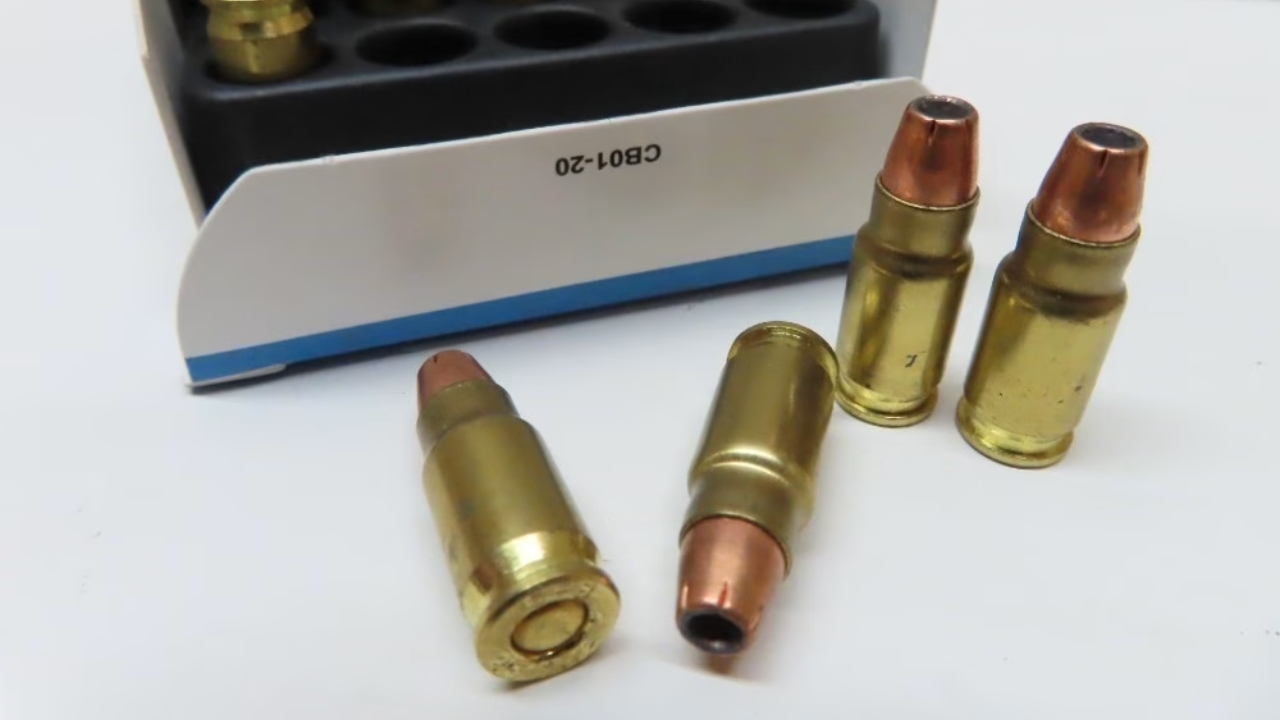
The .25 NAA is one of those niche calibers that never really found a home. It’s designed for a necked-down .32 ACP case firing a .25-caliber bullet at high speed. The idea sounds clever, but the real-world results don’t back it up.
Energy levels remain low, and ammo is nearly impossible to find outside of specialty dealers. While it’s technically more powerful than a .25 ACP, it’s still far from effective by modern standards. The round looks interesting on paper, but it fails where it counts—reliability, penetration, and expansion. It’s a novelty, not a dependable carry choice.
9×18 Makarov
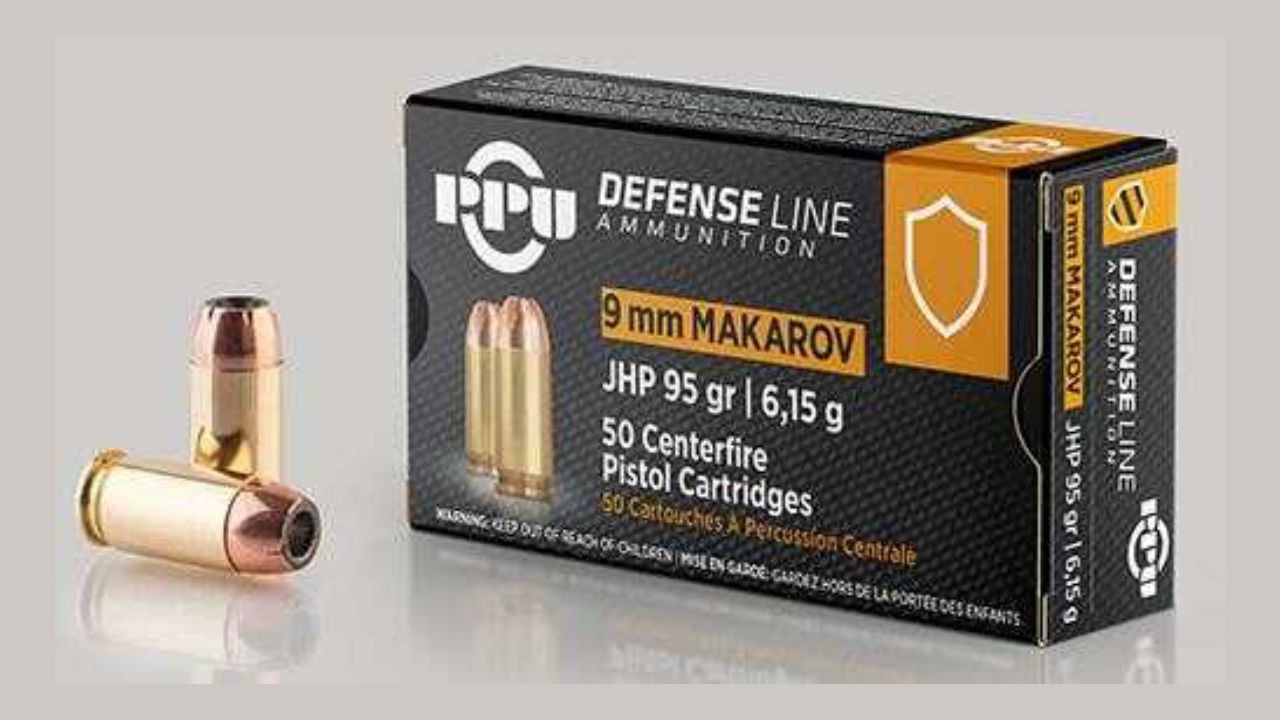
The Makarov round earned a solid reputation in the Cold War era, known for simple pistols and rugged reliability. But by today’s standards, it’s outdated. Ballistically, it sits somewhere between .380 ACP and 9mm Luger—and carries the weaknesses of both.
Penetration and expansion are limited by old bullet designs, and modern defensive loads are rare. Recoil feels snappy in compact Soviet-era pistols, yet you don’t get the performance payoff that modern 9mm delivers. It’s fun to shoot, but outdated for carry. You’re giving up modern ballistics for nostalgia, and that’s not a trade worth making.
.38 S&W
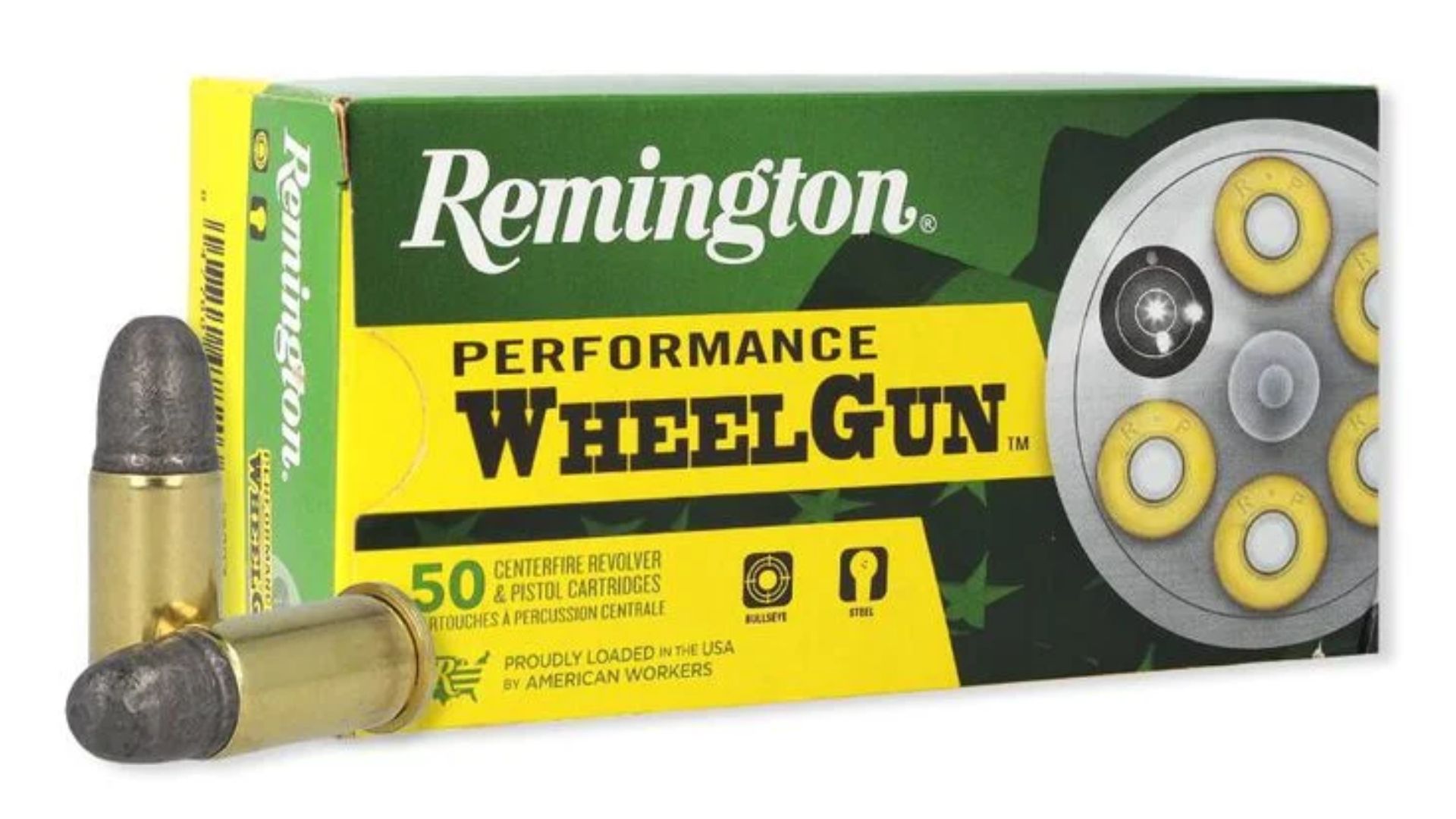
Before .38 Special took over, the .38 S&W served police officers well enough. But those days are long gone. It fires heavier bullets at low speeds, producing mediocre energy levels that simply don’t meet modern expectations.
Revolvers chambered for .38 S&W are often old and worn, and defensive ammo for them is limited or outdated. The round lacks penetration and expansion, especially compared to modern defensive loads. It’s an interesting piece of firearms history, but carrying it today is like showing up to a fight with a butter knife.
.45 GAP
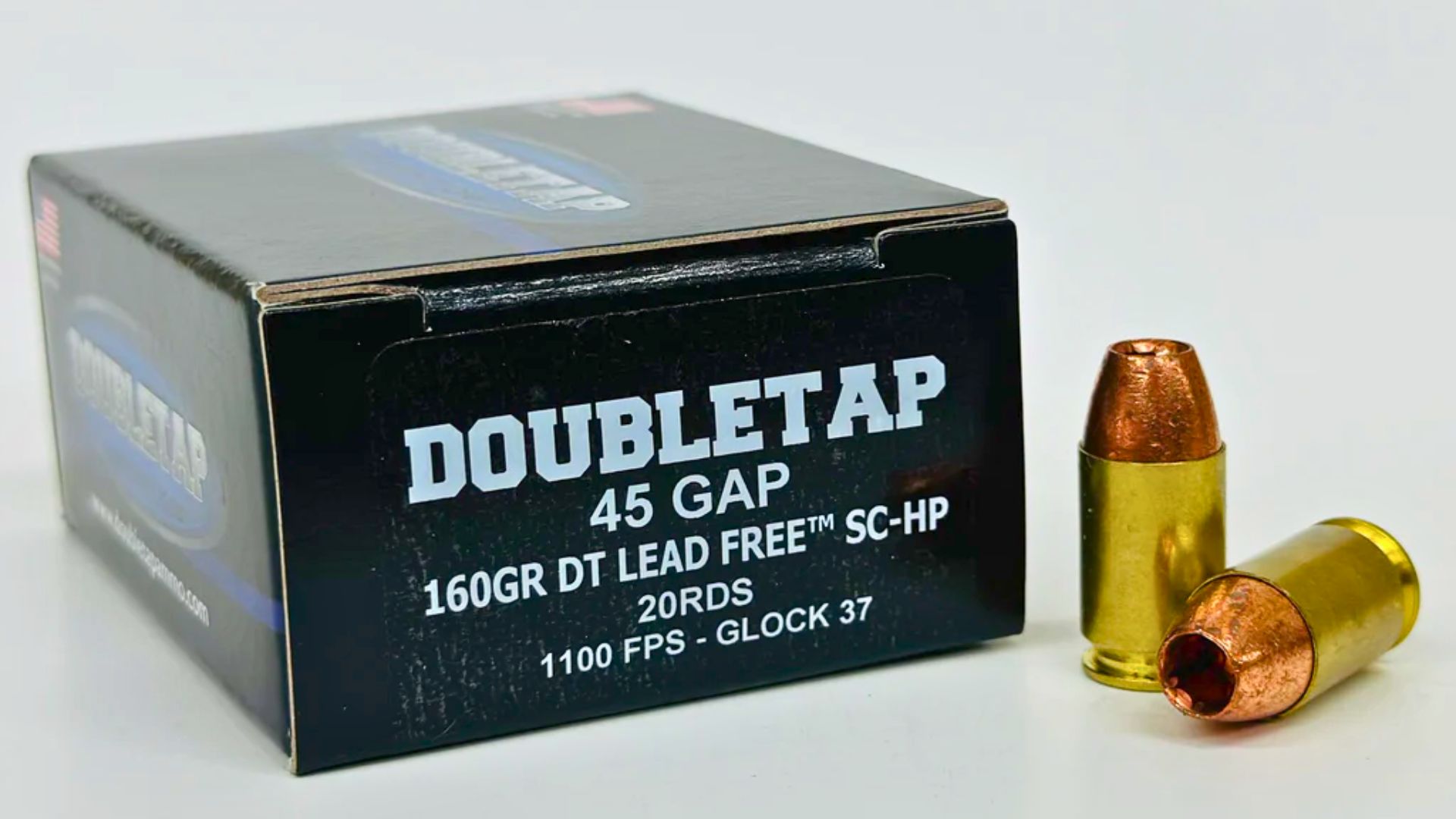
The .45 GAP was Glock’s answer to packing .45 ACP performance in a smaller frame. It promised big-bore power in a compact pistol, but it never lived up to the hype. Ammo availability has tanked, and performance doesn’t actually match the standard .45.
It offers similar bullet weights at lower velocities, meaning less energy on target. Add in the fact that you’ll struggle to find ammo anywhere, and it’s more of a curiosity than a carry choice. It’s not terrible—but it’s not worth the hassle when proven options like 9mm and .40 S&W exist everywhere.
.357 SIG
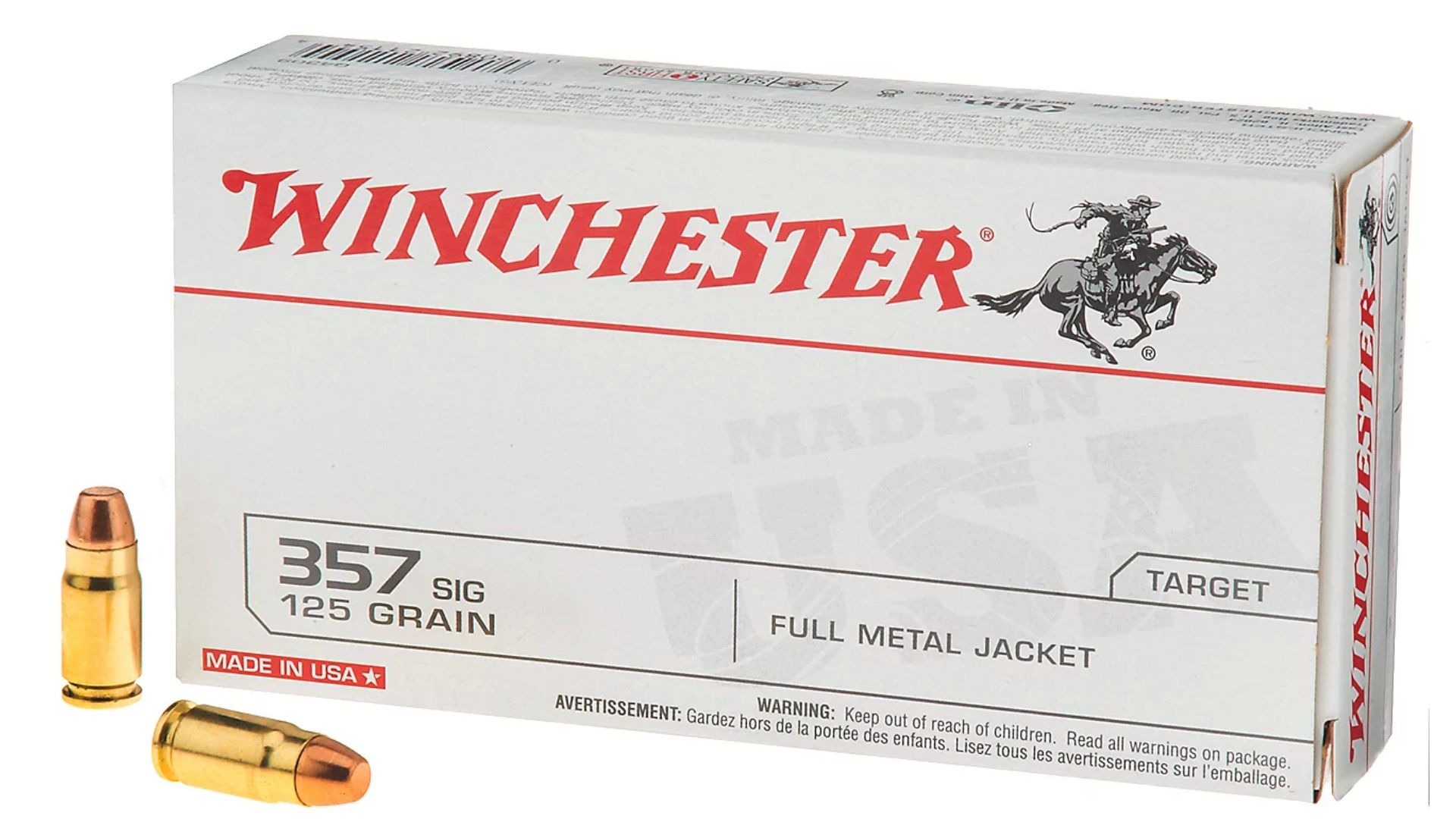
The .357 SIG came out swinging as a high-velocity defensive round meant to mimic .357 Magnum energy in a semi-auto. And while it performs impressively in lab conditions, the real-world results haven’t kept up.
It’s loud, snappy, and hard on pistols. Barrel and recoil spring wear come fast, and ammo is expensive. While it penetrates well, it also tends to overpenetrate—something you don’t want in a defensive shooting. It’s fast and flashy, but ultimately impractical for most carriers. You’ll spend more time explaining your choice than benefiting from it.
.40 S&W

Once the king of law enforcement, the .40 S&W has been steadily losing favor—and for good reason. Modern 9mm loads now match or exceed its performance with less recoil, cheaper ammo, and higher capacity.
The .40 beats up compact pistols faster and wears shooters down quicker. It’s not a bad round, but it’s been outclassed. On the range, it feels snappy; in small guns, it’s punishing. The .40 had its time in the spotlight, but that time has passed.
.357 Magnum (Snub-Nose)

In a full-size revolver, the .357 Magnum is an outstanding defensive round. But in a 2-inch barrel snub-nose, it’s a mess. The muzzle blast, flash, and recoil are punishing, and the velocity drops so much that it loses its advantage over .38 Special.
Accuracy suffers, follow-up shots are slow, and flash can blind you in low light. The .357 still commands respect—but not when you try to cram it into a pocket revolver. You’ll get bark without consistent bite.
.41 Magnum
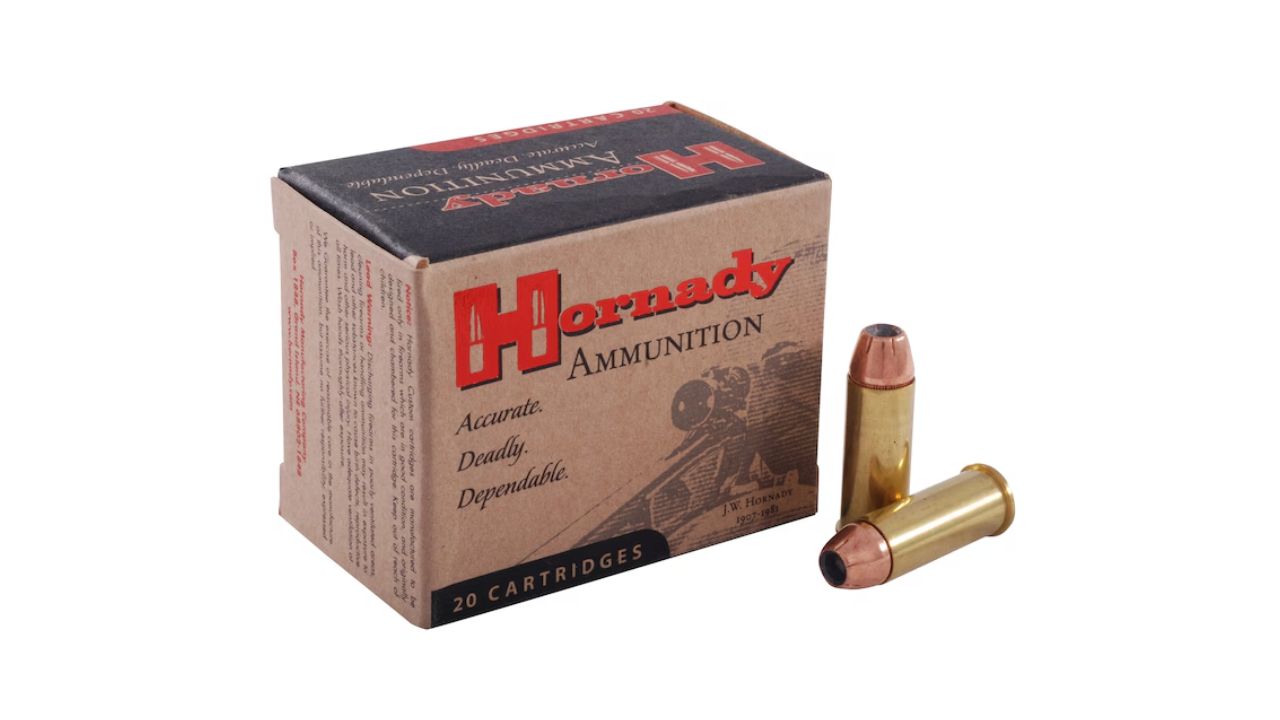
The .41 Magnum is powerful, no doubt. But that power comes with brutal recoil, heavy guns, and limited ammo selection. It’s great for hunting or backcountry defense—but overkill for concealed carry.
It also creates a problem of control. Most shooters can’t manage rapid, accurate shots under stress with it. You might hit hard once, but misses matter more. The .41 Magnum is a fine cartridge—it’s just the wrong tool for everyday defense.
.44 Special

The .44 Special has that classic, slow-moving thump that makes it a joy to shoot on the range. It’s accurate, smooth, and mild for its size. But it doesn’t deliver the energy or expansion needed for defensive reliability in shorter barrels.
In lightweight revolvers, recoil still kicks harder than expected, and you don’t gain much over modern 9mm or .38 loads. It’s a fine round for nostalgia and range time—but for daily carry, it’s more comfort than confidence.
.410 Shotshell (in Handguns)
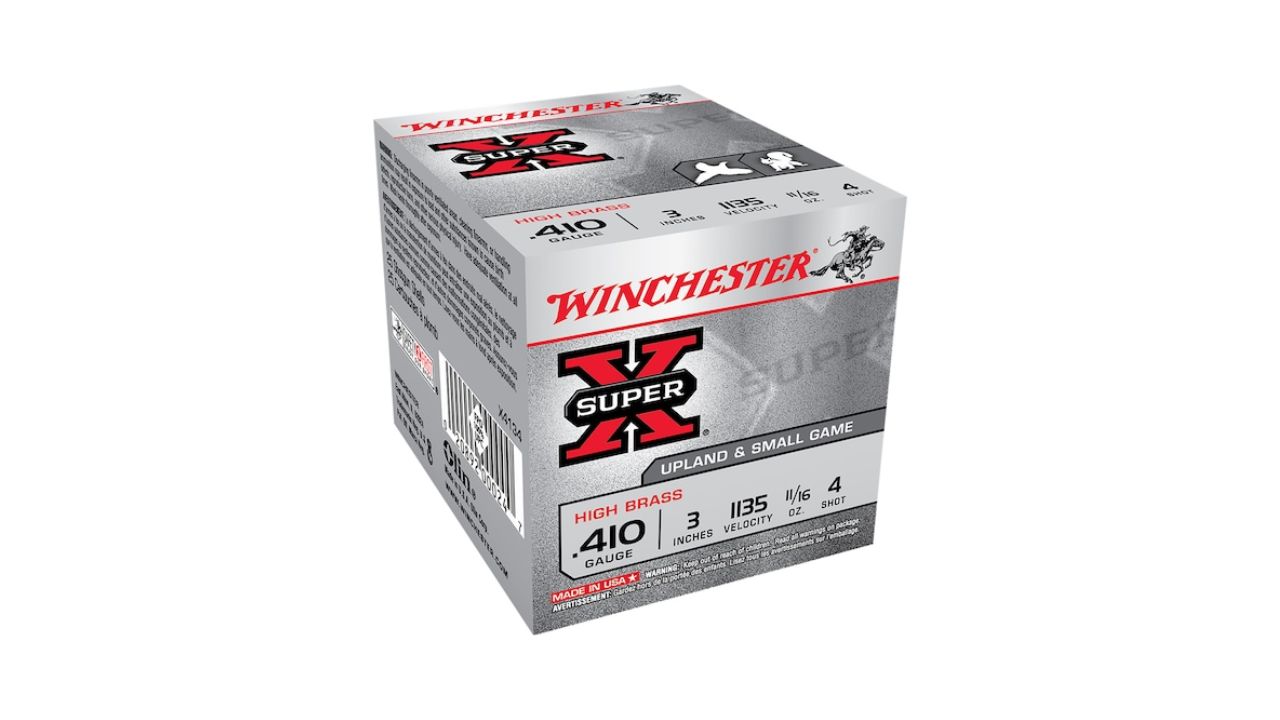
The .410 shotshell in handguns like the Taurus Judge or S&W Governor sounds versatile—birdshot, buckshot, or slugs in one gun. But reality doesn’t match the marketing. Most loads spread too fast, lose energy quickly, and underperform in defensive tests.
Slugs offer decent penetration, but accuracy suffers in those short, rifled barrels. Birdshot is nearly useless for defense, and the recoil-to-performance ratio is terrible. The .410 may look like a clever idea, but in practice, it’s bulky, inconsistent, and unreliable as a primary defensive choice.
Like The Avid Outdoorsman’s content? Be sure to follow us.
Here’s more from us:
The worst deer rifles money can buy
Sidearms That Belong in the Safe — Not Your Belt
*This article was developed with AI-powered tools and has been carefully reviewed by our editors.