Photo credit: Savage Arms
Every hunter’s been there—you hand a rifle or shotgun to a buddy for “just one weekend,” and it comes back looking like it spent the trip in a rock tumbler. Maybe it’s scratched, rusted, or somehow lost zero even though “they didn’t drop it.” Lending out guns feels harmless in the moment, but some firearms don’t handle rough treatment or neglect well. They need to be babied, cleaned properly, or treated with a little mechanical respect. The guns on this list have earned a reputation for getting ruined—or never being quite the same—after a “friend” borrowed them.
Browning BAR

The Browning BAR is a great semi-auto hunting rifle, but it’s not something you hand to someone who treats guns like garden tools. The action is reliable when clean, but it’s sensitive to neglect. Mud, powder residue, or a little moisture in the gas system can turn a smooth shooter into a jam factory.
If your buddy isn’t meticulous about cleaning, expect it to come back cycling sluggishly or rusting around the gas piston. And since disassembling a BAR isn’t exactly simple, most people “wipe it down” and call it good. That’s how rust and carbon sneak in. It’s a beautiful gun that deserves care—and once someone else forgets that, you’ll spend a long evening tearing it apart trying to make it right again.
Remington 1100

The Remington 1100 is a classic, soft-recoiling shotgun that’s smooth as silk when properly maintained. The problem is, it needs real cleaning discipline. If your buddy doesn’t strip and wipe the gas ports after every outing, you’ll get it back gummed up, sluggish, or even corroded.
A lot of hunters think “semi-auto means self-cleaning,” but that’s far from the truth here. You might hand it over in perfect condition and get it back choking on cheap target loads. Worse yet, they’ll say it “stopped cycling for no reason.” That reason is almost always carbon buildup or fouling. You’ll never forget the regret of letting someone borrow one of these unless they’re the type who actually brings a cleaning kit to camp.
Ruger 10/22

The Ruger 10/22 is reliable in most hands, but when someone treats it like a throwaway .22, things go downhill fast. Cheap ammo, neglect, and a little dirt can turn it into a stovepiping nightmare. It doesn’t take much effort to keep a 10/22 running smooth—but many borrowers never clean the action or wipe out the chamber.
You’ll get it back full of unburned powder, lead residue, and gunk caked into the trigger housing. Even the bolt stop pin can get battered if they dry-fire it too much. It’s a forgiving rifle, but it’s also one of those guns that shows how careless someone’s been the moment you pop the receiver apart.
Marlin 336

A Marlin 336 has heart, but it’s not indestructible. Lever guns demand a certain finesse when cycling. Someone who yanks the lever like they’re cranking a jack handle can bend a carrier, peen a loading gate, or scar the brass lifter. It doesn’t help that older Marlins have tight tolerances that don’t love abuse.
When you lend one out, you’re trusting that the person won’t short-stroke it or jam it by feeding mixed ammo. Unfortunately, that’s exactly what happens. You’ll get it back with gouges, dings, and maybe a lever that feels like it’s grinding through gravel. These rifles were built for the field, not for ham-fisted “helpers.”
Remington 742 Woodsmaster

If there’s a rifle that defines “don’t loan this out,” it’s the Remington 742. They’re already known for being temperamental, and neglect only makes them worse. The action rails wear fast, and a little dirt or rust accelerates that wear tenfold. Once those rails start galling, accuracy and reliability go out the window.
Your buddy might return it claiming, “It jammed a couple times, but I got it working.” Translation: it’s now scored and sluggish. Disassembling a 742 isn’t fun, and fixing those rails means a trip to the gunsmith. The 742 is one of those rifles you hand to family, not friends—and only after a long lecture on cleaning habits.
Winchester Model 70 (Pre-’64)
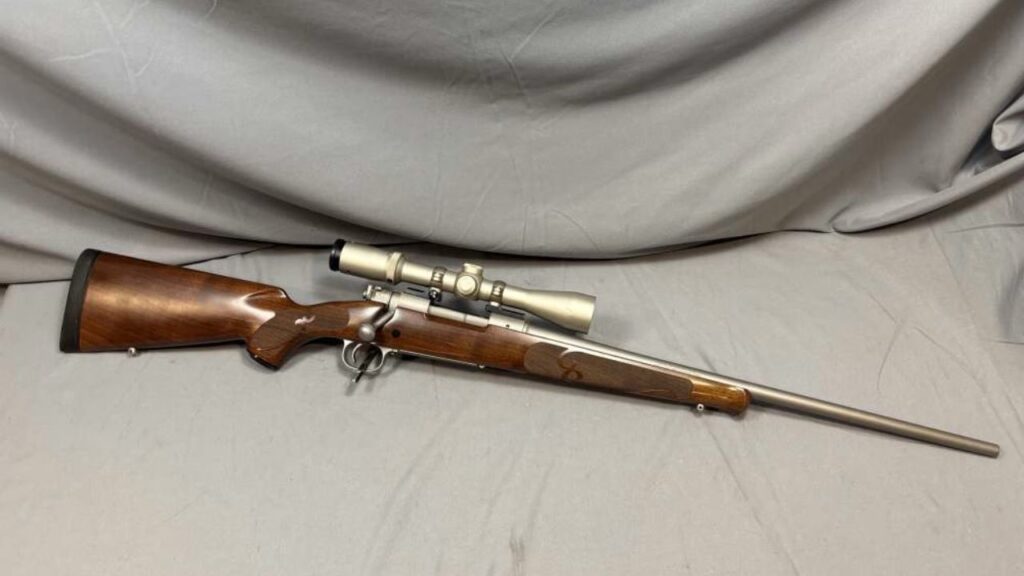
A pre-’64 Winchester Model 70 is a rifle you should never loan to anyone—ever. These rifles are smooth, beautifully built, and have collector value that can’t be replaced. A single scratch, ding, or careless bore cleaning can wipe away hundreds of dollars in value.
Even if your friend means well, one muddy hunt or rough sling can ruin the bluing or damage the stock finish. They might not understand how to properly work the safety or bolt and end up forcing something that shouldn’t be. You’ll spend years finding another rifle that feels as good in the hand. Lending this one is like handing over a piece of history—one that rarely comes home the same.
Mossberg 500

The Mossberg 500 is a tank in the right hands—but that’s the key: the right hands. It’ll run forever if kept clean and properly lubed, but if your buddy decides to “see how far it’ll go without cleaning,” you’ll find out real quick how sloppy an action can get.
The twin-action bars and shell elevator are prone to gumming up if left dirty, and once that happens, the pump feels gritty and rough. Add in someone who uses the cheapest shells they can find, and you’re getting back a gun full of fouling and grit. Sure, you can tear it down and fix it—but after that, you’ll think twice before loaning it again.
Savage 110

The Savage 110 is accurate and dependable, but it’s also one of those rifles that doesn’t take kindly to over-torqued screws or careless bolt handling. A buddy who likes to “tighten everything” might end up warping the stock or shifting the bedding, leaving you with wandering zero.
Even worse, they might fiddle with the AccuTrigger without understanding how it works. I’ve seen more than one 110 come back with a trigger so light it was unsafe, or so heavy it ruined accuracy. You can fix it—but not before wondering why you ever handed it over in the first place.
Ruger No. 1

The Ruger No. 1 is a beautiful single-shot rifle that rewards patience and skill. Unfortunately, it’s also the kind of gun that confuses people who’ve never shot one. They’ll fumble the lever, overforce the action, or dry-fire it carelessly. These rifles have tight tolerances and precise mechanisms, and they’re easy to scratch if handled roughly.
When you loan one out, it’s likely coming back with a marred receiver or dings in the wood. The ejector system can also get gummed up if someone decides to “clean it” with WD-40 and nothing else. It’s a rifle for shooters who respect craftsmanship, not folks who think a gun’s a gun.
Remington Model Seven

Compact and accurate, the Remington Model Seven makes a great loaner—until it doesn’t. Its short action is smooth but delicate, and if someone cycles it too hard or fails to clean it, you’ll get it back stiff and scuffed. The barrel channel’s tight fit also means debris easily scratches the finish.
The Model Seven’s trigger can drift out of tune if someone tampers with it, and its short stock makes it more prone to dings from careless handling. You’ll know the regret the first time you notice a gouge in the walnut or realize it won’t shoot the same tight groups anymore. It’s a rifle best kept close, not shared.
Henry Lever Action .22

The Henry .22 is one of the most enjoyable rifles to shoot, but it’s also one of the easiest to mistreat. It needs proper lubrication and gentle cycling to stay smooth. Loan it to a buddy with heavy hands, and the lever’s likely to get bent or the feed tube dented.
.22 ammo leaves a lot of residue, and if your friend doesn’t clean it right after shooting, you’ll be scraping lead and grime for hours. It’s not a gun that tolerates neglect—it’s one that rewards care. And once that buttery-smooth lever starts feeling gritty, you’ll wish you’d never let it leave your safe in the first place.
*This article was developed with AI-powered tools and has been carefully reviewed by our editors.