Photo credit: guruXOX/Shutterstock.com
We may earn revenue from products featured on this page through affiliate links.
Most people don’t skip training because they’re lazy. They skip it because they’re busy, and they’re looking for the “good enough” shortcut that lets them feel prepared without spending a ton of time. The problem is some shortcuts don’t just fail under pressure—they create false confidence that makes outcomes worse. In a real moment, your body won’t rise to your intentions. It drops to whatever you’ve repeated enough to make automatic. The shortcut that backfires hardest is the one that trains you to be comfortable only when everything is calm, controlled, and predictable.
Relying on slow, perfect range shooting instead of practicing the first shot from concealment
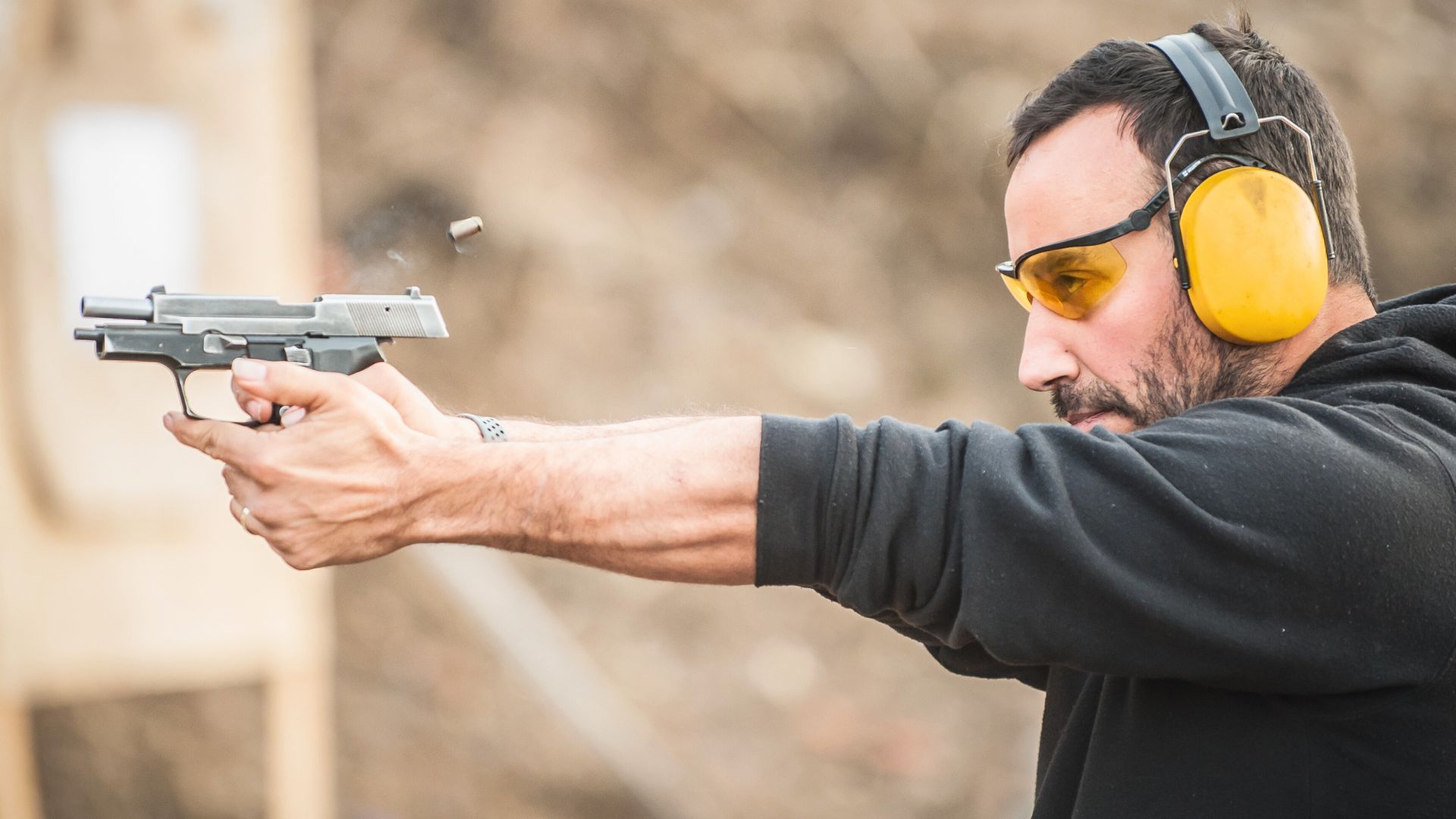
The most common shortcut is shooting slow, pretty groups at a static range and calling it “training.” It feels productive because you’re sending rounds downrange. It looks good because your target has holes close together. But it doesn’t build the skill you actually need if you carry: one fast, accurate hit from concealment under stress. That first shot is where people fail, not because they can’t shoot, but because they can’t draw, clear clothing, get a real grip, and press the trigger cleanly when the clock is running. Static range habits also hide problems like poor grip acquisition, inconsistent presentation, and flinching that shows up only when you try to go fast. The fix isn’t turning into a competition shooter. It’s adding a small amount of reality: dry practice with garment clearing, live fire from low ready or from holster when allowed, and short, repeatable drills that force you to deliver an accurate first hit quickly. You don’t need a thousand rounds. You need honest reps.
“I don’t need to practice reloads or malfunctions” until you do
Another shortcut is never practicing reloads or malfunction clearing because “it’ll never happen.” The gun runs fine at the range, so you assume it will always run fine. Under pressure, when you get a bad magazine, a weak grip, a dud primer, or a failure to feed, your brain will not calmly diagnose the problem. You’ll freeze or you’ll do something random unless you’ve practiced. The real danger isn’t the malfunction itself. It’s the hesitation and chaos it creates. The fix is simple: build a basic routine for the common stoppages and practice it enough that you can execute without thinking. It doesn’t have to be fancy. Tap-rack. Strip and reload. Get back on target. Those are skills, and skills require repetition.
Dry fire is the best shortcut, but only if you do it honestly
Dry fire is the rare shortcut that actually works—if you don’t cheat it. Most people do dry fire like they’re just clicking a trigger. They don’t work garment clearing. They don’t build a real grip. They don’t use a target. They don’t hold themselves accountable for sight movement. Then they wonder why it didn’t translate. Honest dry fire is simple: same holster, same clothing style, real target, clean press, and a slow, deliberate reholster. If you want feedback that makes dry fire more honest, a laser trainer can help you see movement you might ignore, like the LaserLyte training cartridge that Bass Pro carries. The point isn’t the laser. The point is accountability. If the dot jumps, you moved the gun. If the draw is sloppy, you’ll see it. Dry fire works when it’s done like practice, not like pretend.
The shortcut that backfires is avoiding discomfort and stress in training
Real pressure makes your hands shake, your breathing spike, and your thinking narrow. Training that never includes even mild discomfort—time pressure, elevated heart rate, awkward positions—creates a false sense of readiness. Then you get into a stressful moment and your “range skill” disappears because you’ve never practiced when your body isn’t calm. The fix is not making training dangerous or reckless. It’s adding small stressors safely: timed draws, simple movement, shooting after a short sprint, or practicing from seated positions. Your body needs to learn that it can still operate the gun when it doesn’t feel perfect. If your training never leaves your comfort zone, your confidence is based on a version of you that may not show up when it matters.
Like The Avid Outdoorsman’s content? Subscribe to our newsletter so you never miss an article.
Here’s more from us: