Photo credit: Alabama Arsenal/YouTube
Past 300 yards, “consistent” doesn’t mean you’re stacking bullets like a benchrest shooter. It means your rifle holds its zero, tracks predictably, and groups well enough that your dope actually matches reality. The rifles that do this consistently usually share a few traits: solid bedding, a barrel that doesn’t walk as it warms, a trigger you can press without yanking the shot, and magazines that feed the same way every time.
“Not being picky” matters too. Some rifles shoot one boutique load like a laser and then fall apart with everything else. The more useful rifles tend to shoot a variety of common hunting and match-leaning factory ammo well, which is what most people actually rely on. These are rifles with a track record of showing up, holding together, and making 300-yard work feel repeatable instead of mysterious.
Tikka T3x CTR

The CTR is one of those rifles that makes 300 yards feel like normal distance instead of a special occasion. The action runs slick, lockup is consistent, and the factory barrel tends to shoot a wide range of factory loads well. You’re not forced into one magic bullet weight to get honest groups.
The magazine system is also a big part of why it stays predictable. It feeds smoothly, and it doesn’t introduce weird pressure points that can change how the rifle behaves shot to shot. Add a clean trigger and a stock geometry that helps you get behind it the same way every time, and you’ve got a rifle that’s easy to shoot well. It isn’t fragile, it isn’t fussy, and it tends to reward good fundamentals without making you chase tiny quirks.
Tikka T3x Lite
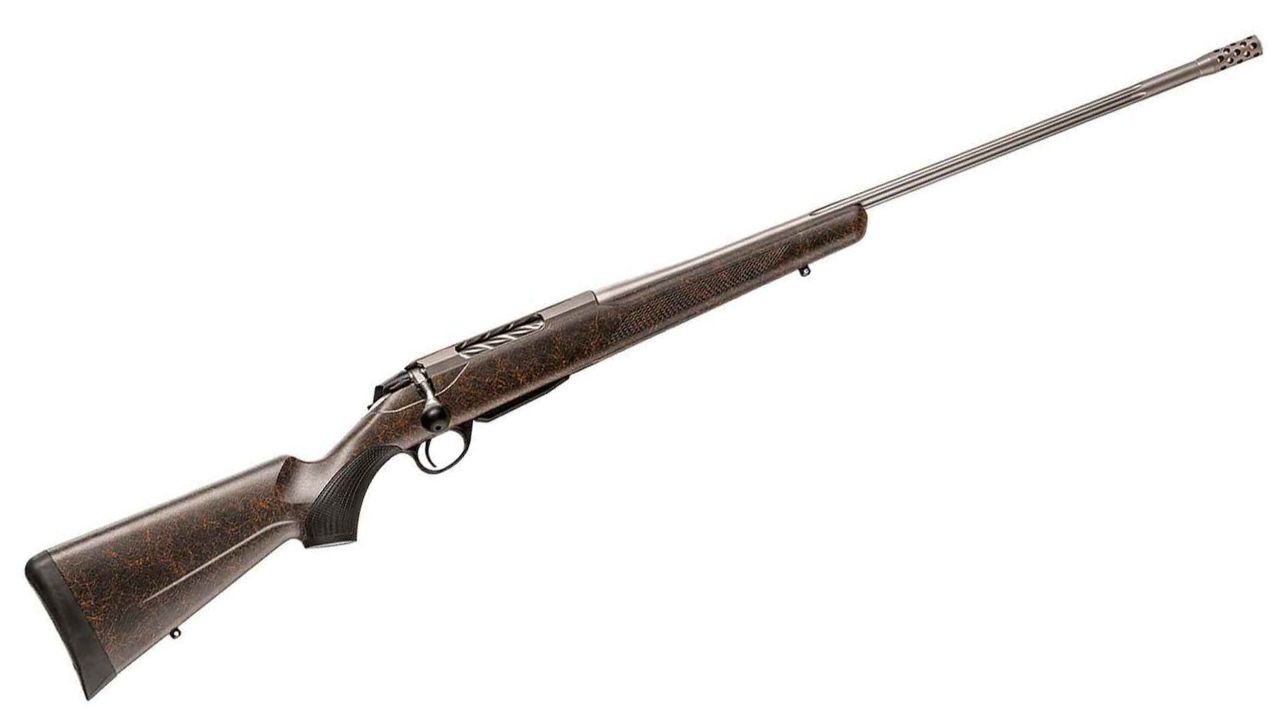
The T3x Lite is a hunting rifle that punches above its weight past 300 yards because it’s built around consistency, not gimmicks. The trigger is usually clean, the action is smooth, and the barrels generally shoot well with common hunting ammo. That matters when you don’t want to spend a season trying to find the one load it “likes.”
Being light can make it harder to shoot well from field positions, but the rifle itself typically does its part. It holds zero, it doesn’t feel unpredictable, and it’s easy to run without disturbing your position. If you keep your sling setup and scope mounts solid, it’s the kind of rifle that will let you confirm dope, then go hunt without second-guessing whether your groups are going to change when the temperature drops or the barrel warms up a little.
Bergara B-14 HMR

The B-14 HMR is popular for a reason: it behaves like a serious rifle without demanding serious tinkering. The stock gives you a stable platform, the barrel profile helps it stay steady over longer strings, and the overall setup makes it easier to shoot consistently past 300.
A lot of rifles can shoot a pretty three-shot group. The HMR tends to keep shooting as you settle in, build a position, and send more rounds. That’s where “not picky” shows up—when you can grab multiple solid factory loads and they all group in the same neighborhood instead of giving you one good option and a bunch of disappointments. The action feel is smooth enough, the trigger is workable, and the rifle’s weight helps you stay on target. For practical distance shooting, it’s a dependable tool.
Bergara B-14 Wilderness Terrain

This is a rifle built for real-world use: weather, dust, truck rides, and long days. The Wilderness Terrain tends to hold together under the kind of handling that makes some rifles start shifting point of impact. That’s a big piece of “consistent past 300.”
The reason it works is simple. You’re getting a solid action, a barrel that doesn’t feel whippy, and a stock that’s meant to take abuse without turning into a torque-sensitive mess. It also tends to shoot a variety of factory loads well enough that you can choose ammo based on availability and performance, not superstition. When you’re dialing or holding at 300 to 500 yards, confidence comes from repeatability. This rifle is more about repeatability than chasing tiny groups on perfect days.
Ruger American Gen II

The Ruger American Gen II isn’t a boutique rifle, but a good one can absolutely be a dependable 300-yard tool with factory ammo. The updated platform is designed to be practical: easy to scope, easy to carry, and generally accurate enough that your misses aren’t because the rifle “doesn’t like that load.”
What makes it “not picky” is that it often shoots several mainstream hunting loads into similar groups. You’re not always locked into one expensive option. The action won’t feel like a custom gun, but it usually feeds reliably and holds zero if your mounts are right. Past 300 yards, the shooter matters more than people want to admit, and the Gen II gives you a straightforward rifle that doesn’t fight you. Do your setup right, confirm your dope, and it’ll do honest work.
Ruger Hawkeye Long-Range Target

This Hawkeye variant is built with consistency in mind: heavier barrel, more stable stock, and a layout that helps you shoot it the same way every time. That stability is what keeps groups from wandering when you stretch things past 300.
You’re not buying this one to be featherweight. You’re buying it to settle in, build a position, and watch impacts without the rifle getting squirrelly. It’s also a rifle that usually handles a range of factory loads without acting like it needs one perfect recipe to behave. The Hawkeye action is proven, and when it’s paired with a purpose-built setup, you end up with a rifle that feels more “plug and play” than most. It’s a solid choice when you want a factory rifle that’s meant to shoot, not meant to be modified into shooting.
Savage 110 Tactical

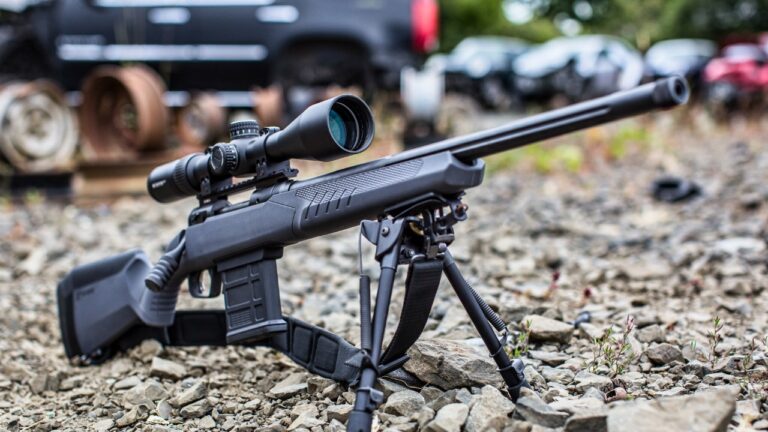
Savage has been putting accurate rifles in regular people’s hands for a long time, and the 110 Tactical is a good example of why. The platform is built around function: adjustable trigger, practical ergonomics, and a heavier barrel profile that helps it stay consistent over longer strings.
“Not picky” shows up when you can run several factory loads and the rifle still prints respectable groups without drama. The 110 Tactical tends to do that, especially in the common calibers it’s chambered in. The action isn’t the slickest on earth, but it’s usually consistent, and consistency is what matters when you’re trying to make data you can trust. Past 300 yards, you want a rifle that does the same thing every time you do the same thing. This one often fits that bill.
Howa 1500 (heavy-barrel variants)

The Howa 1500 has a quiet reputation for being tougher and more consistent than its price suggests. In heavier-barrel trims, it’s a rifle that tends to hold accuracy well as you shoot longer strings, and it doesn’t usually demand one specific load to stay honest.
The action is solid, the lockup is consistent, and the rifles often respond well to a wide range of factory ammo. That’s the practical kind of “not picky” that matters when you’re buying what you can actually find. A lot of shooters also like how predictable the Howa feels under recoil—nothing weird, nothing surprising, just steady behavior. If you build a stable setup with good rings and a reliable optic, the rifle usually keeps showing you the same point of impact. That’s what makes longer shots feel repeatable.
Weatherby Vanguard (hunting-weight and heavy variants)

The Vanguard is one of those rifles that often shoots better than people expect, and it tends to do it with a variety of factory loads. That alone earns it a spot in a “not picky” conversation, especially for hunters who want a rifle they can confirm and trust past 300.
A lot of the Vanguard’s appeal is how steady and predictable it feels. The action is consistent, the platform is proven, and the rifle typically holds zero across normal hunting conditions without acting temperamental. You’re not chasing tiny match groups here—you’re chasing dependable “minute of deer vitals” or better at real distance. With a good scope and a sane load choice, the Vanguard often prints groups that make dialing to 400 or 500 feel reasonable, not like a gamble. It’s a rifle that tends to reward practical shooting more than internet bragging.
Browning X-Bolt (Speed/Pro variants)

Browning’s X-Bolt line has a reputation for being accurate in factory form, and many of them shoot a range of hunting ammo well enough that you’re not trapped into one load. That’s especially useful when you’re trying to stay consistent past 300 without treating ammo selection like a science project.
The rifle’s strengths show up in how it carries and how it points, but it also helps you shoot well. The trigger feel is usually clean, the action cycles smoothly, and the rifle balances in a way that makes field positions feel natural. That matters at 300 and beyond, where a shaky position is a bigger enemy than the rifle itself. You’re not buying an X-Bolt to run long strings like a match shooter, but for practical distance hunting and steel, it often stays dependable and predictable with common factory loads.
CZ 600 (range-oriented models)

The CZ 600 series has earned attention because many of these rifles feel complete right out of the box. The ergonomics are practical, the action is smooth, and they often shoot a variety of factory ammo well enough that you’re not locked into one magic recipe to get consistent results past 300.
Consistency at distance is mostly about repeatable interface—how the rifle fits you, how the stock tracks in recoil, and whether the barrel stays stable as you shoot. The CZ 600 tends to do well in those basics. With a solid optic setup, you can gather dope and trust it, which is the whole point of stretching a factory rifle. It’s also a platform that doesn’t feel delicate. You can carry it, shoot it, and run it without feeling like you need to baby it for it to behave.
SIG Sauer Cross

The Cross was built around the idea of a portable rifle that still performs at distance, and it often delivers a very usable level of consistency past 300 with factory ammo. The design helps you get behind the rifle the same way each time, and that consistency in your position shows up on target.
“Not picky” here means you can shoot more than one decent factory load and still get predictable groups and repeatable dope. The Cross is also friendly to practical shooting because it’s easy to pack and easy to set up in the field, especially when you’re working from a pack or bipod. You still need to do your part—wind calls don’t get easier because the rifle folds—but the platform often avoids the weird surprises that make some lightweight rifles feel inconsistent. It’s a modern answer for shooters who want distance capability without a boat-anchor rifle.
Springfield Armory Waypoint

The Waypoint is a factory rifle that’s clearly aimed at the hunter who wants real accuracy without spending the first month fixing things. In many examples, it shoots well with multiple quality factory loads and stays stable enough that 300-yard work feels routine.
You’re paying for a rifle that feels sorted: good barrel performance, a stock that doesn’t feel flimsy, and an overall build that tends to hold zero under real hunting use. The “not picky” part shows up when you can pick from a few strong hunting loads and still see consistent groups instead of dramatic swings. For practical long-range hunting, you want a rifle that gives you confidence in your data—your elevation holds, your dialed drops, your cold-bore impact. When the rifle is consistent, you can focus on what actually changes: wind and position.
Sako 90

Sako rifles are known for fit, smooth actions, and consistent barrel performance, and the Sako 90 carries that forward in a way that helps you shoot confidently past 300 without chasing unicorn ammo. The whole rifle tends to feel predictable, which is exactly what you want when you’re building real dope.
A rifle that isn’t picky usually has two things going for it: solid manufacturing consistency and a platform that doesn’t shift with small changes in torque, temperature, or shooting position. The Sako 90 tends to check those boxes. Triggers are typically excellent, actions cycle smoothly without disturbing your position, and the rifles often shoot a variety of good factory loads well. You still have to do your homework with your specific rifle, but you’re not starting from a place of fighting the gun. That’s why these rifles are trusted by people who actually shoot.
FN SCAR 20S

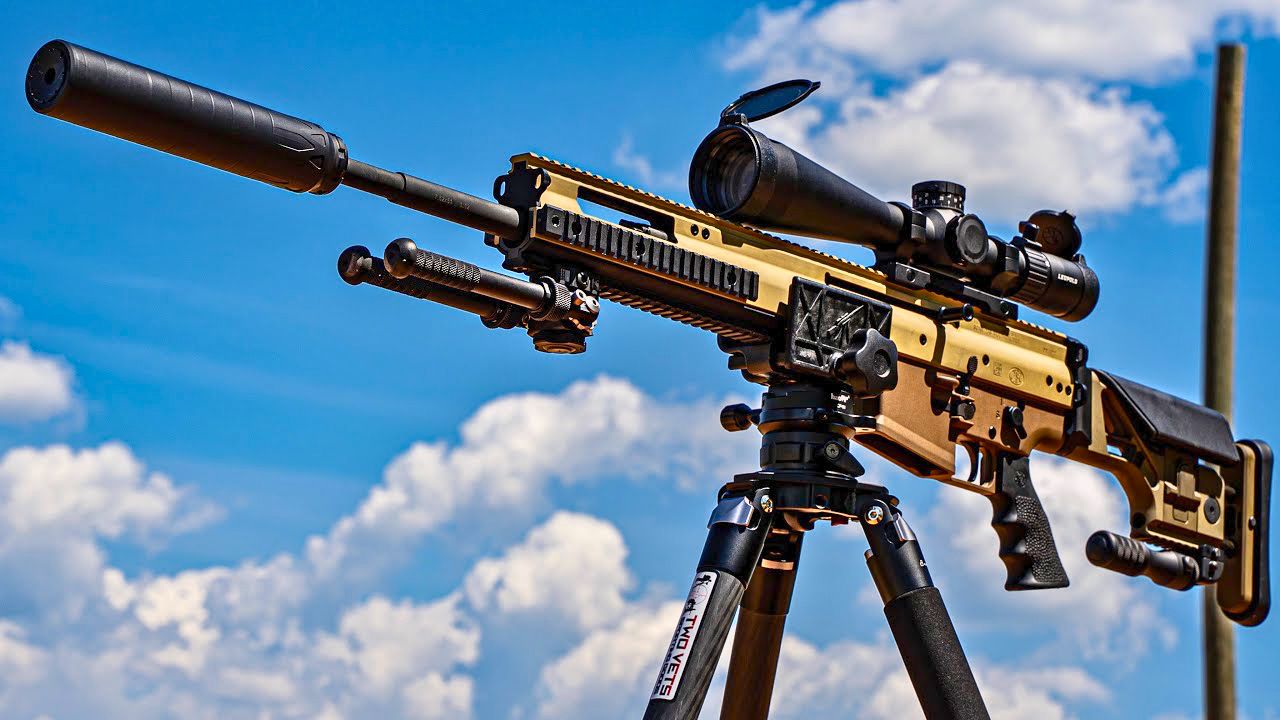
The SCAR 20S is a semi-auto that’s built with accuracy and consistency in mind, and that’s a big deal past 300. A lot of semi-autos can be “good enough,” but the 20S is designed to hold tighter performance with a stable setup and quality ammo, without requiring a custom build to get there.
Consistency here also comes from how easy it is to shoot well. The rifle’s weight and recoil behavior help you stay on target and call your shots. That makes your data more trustworthy, because you’re not guessing whether a miss was wind, position, or the rifle. “Not picky” doesn’t mean it loves bargain ammo, but it often runs well across a range of quality loads without acting temperamental. If you want a factory semi-auto that can live in the 300-to-700-yard world with confidence, this is one of the more proven options.
AR-10 pattern rifles (quality factory builds)

A well-built AR-10 pattern rifle can be one of the least picky ways to stay consistent past 300, mainly because the platform is so mature and supported. When you start with a quality factory rifle, you often get a stable barrel, good gas system tuning, and reliable feeding that doesn’t throw random variables into your groups.
The big advantage is repeatability. The ergonomics make it easy to build the same position every time, and the recoil impulse is manageable enough that you can spot impacts and make corrections quickly. A good AR-10 won’t demand one exact load to shoot acceptably; it often runs a range of mainstream match-leaning and hunting loads with predictable results. You still need a solid optic and mount, and you still need to confirm your dope, but you’re not usually wrestling a temperamental rifle. When you want consistent performance at distance with fewer surprises, a good AR-10 can deliver.
Like The Avid Outdoorsman’s content? Subscribe to our newsletter so you never miss an article.
Here’s more from us: