Photo credit: Ondrej Prosicky/Shutterstock.com
Wolves get the headlines, the hearings, and the social media arguments. Meanwhile, a lot of livestock loss happens in quieter ways—one calf at a time, one lamb at a time, often with no clean “smoking gun” left behind. If you’ve ever walked a pasture at first light, you already know the difference between a dramatic kill and a quiet problem that keeps repeating until it finally shows up on your bottom line.
In a lot of places, the animals doing the most damage aren’t wolves at all. They’re the predators that live closer to people, move fast, hit when you’re busy, and don’t always leave obvious sign. These are the culprits that routinely cause real losses on many ranches and farms—often more often than wolves—because they’re widespread, adaptable, and hard to stay ahead of.
Coyotes

Coyotes are the quiet workhorses of livestock loss in a lot of the country. They don’t need wilderness, they don’t need big packs, and they don’t need a long window. A single coyote can take lambs, kid goats, and poultry fast, and a pair can put serious pressure on calving pastures when conditions are right. They also test fences and routines constantly, so they learn patterns faster than most people expect.
The frustrating part is how “normal” they are. You can have coyotes around for years with minimal trouble, then one spring they flip the switch and start targeting newborns. They also scavenge, which muddies the water when you’re trying to determine what actually killed an animal versus what found it afterward. Either way, coyotes are often the most consistent predator problem you deal with.
Domestic dogs (loose pets and roaming farm dogs)

Loose dogs are one of the most underestimated livestock killers, mostly because people don’t want to believe it. A dog doesn’t have to be starving to chase and bite. A lot of the damage is thrill behavior—running animals to exhaustion, grabbing at legs, pulling down smaller stock, and causing injuries that turn into losses later. The dog goes home. You’re left with dead or wrecked animals and a headache nobody wants to own.
The quiet part is the timing. Dogs often hit during the day, when nobody is thinking “predator,” and they can do it close to homes, barns, and roads. Tracks can look messy, and the dog may not return for days. When you finally connect the dots, the pattern usually makes sense: repeated chasing, scattered animals, and injuries that don’t match a clean kill. In many areas, dogs cause more ongoing trouble than the predators everyone argues about.
Feral dogs and dog packs

Feral dogs are a different problem than the neighbor’s loose lab. Packs learn to hunt, they travel, and they hit like a predator even though they’re still “dogs.” They can take down goats and sheep, harass cattle, and create injuries that lead to infections, broken legs, and lost weight. When a pack shows up, it often feels like the losses accelerate quickly.
What makes feral dogs so hard is that they don’t behave predictably. They’ll hit one property, then vanish, then show up miles away. They also don’t always leave the clean feeding sign you expect from wild predators. Sometimes they kill and move on, leaving multiple animals dead or mauled. You end up dealing with a high-stress, high-loss situation that doesn’t get the same public attention as wolves, even though the local damage can be worse and more frequent.
Black bears

Black bears don’t always get blamed first, but they can be real calf and lamb takers in the right country. They’re strong, they’re opportunistic, and they can work quickly when a cow is calving in cover or a lamb drops near brush. In some regions, bears become repeat offenders because they learn the timing and the locations where vulnerable animals show up.
The quiet part is that bears are also heavy scavengers. If you find a dead calf, a bear may already be on it, and now you’re trying to sort out what happened first. Bears can kill cleanly, but they can also simply take advantage of weakness, weather, or a difficult birth. Either way, you’re losing livestock and you’re often losing it in places where you don’t have easy visibility—timber edges, creek bottoms, and rough pasture that hides a lot.
Grizzly bears

Grizzlies are not everywhere, but where they are present, they can cause serious livestock loss and stress on operations. They can take calves, kill sheep, and create a ripple effect by scattering animals and disrupting grazing. The raw power makes every incident feel high stakes, even when the number of kills isn’t constant.
What makes grizzlies “quiet” in the public conversation is that you don’t always see the build-up. You might go weeks with nothing, then have a short window where losses stack up. The sign can be obvious, but the timing and location can still be hard to manage because grizzlies use cover and terrain well. When you’re dealing with a big predator that can do major damage quickly, prevention becomes a daily habit, not a once-a-season fix.
Mountain lions

Mountain lions can take livestock in a way that feels surgical. They often target goats, sheep, and calves, and they like edges—brush lines, ravines, creek bottoms, and any terrain that lets them stalk close. In some areas, they become repeat offenders because livestock is predictable compared to wild prey.
The quiet part is how little sign you sometimes get until it’s already happening. A lion kill may be dragged, covered, or placed in cover where you don’t see it right away. You might notice missing animals or odd behavior in the herd before you find the actual kill site. Lions also tend to work alone, which makes the problem feel random and hard to pin down. On the ground, it isn’t random. It’s a predator using terrain and routine against you.
Bobcats

Bobcats don’t get much attention because they’re smaller and less dramatic, but they can be relentless on small livestock. Poultry, rabbits, kid goats, and lambs are all on the menu when the opportunity is there. They slip through tight spots, work quietly, and don’t always leave a big, obvious scene.
What makes bobcats frustrating is that they can live right on the edge of people without being noticed. You might blame hawks, raccoons, or “something” until the pattern becomes clear. Bobcats also tend to keep coming back once they find an easy setup—especially if there’s cover close to pens or pastures. They’re not taking full-grown cattle, but they can take enough small stock over time that the loss adds up in a way that feels like a leak you can’t find.
Red foxes

Red foxes are classic poultry thieves, and they’re good at it because they’re patient and smart. They’ll work the edges, learn when you’re feeding, and hit when the yard is quiet. They can also take young lambs or small goats if conditions line up, especially when cover is tight and visibility is poor.
The “quiet” part is how clean they can be. Sometimes you just have missing birds and a few feathers, and that’s it. Foxes also tend to operate close to homes and barns, which makes the losses feel especially irritating—because you were right there. If you raise poultry, a fox problem can quietly drain your numbers without any big event. It’s death by small cuts, and it’s often more common than the big predators that get the press.
Raccoons

Raccoons don’t look like livestock killers until you raise poultry or deal with small stock. They’re strong for their size, they have hands that can manipulate latches, and they’ll kill more than they eat in a single night when they get into a coop. That kind of loss feels personal because it’s close to home and it happens fast.
They’re also hard to catch in the act. Raccoons are night operators, and they’re comfortable around buildings. You’ll often discover the damage in the morning: scattered feathers, dead birds, and a mess that doesn’t look like a “clean predator kill.” Over time, raccoons can take enough poultry to hit your bottom line harder than you expect. They don’t need wilderness. They need one weak latch and one quiet night.
Stray cats and feral cats

Feral cats are usually thought of as rodent control, but they can be brutal on poultry and young birds. Chicks, ducklings, and small birds can disappear quietly, especially in backyard setups where animals are loose during the day. You might never see the cat do it. You’ll just notice your numbers shrinking.
The other issue is how normal they seem. Cats are everywhere, and that makes the losses feel invisible or “just part of it” until you add them up. Feral cats can also stress birds enough to change laying and behavior, which becomes a secondary cost. They’re not taking calves, but they can take enough poultry over a season to matter. If you’re serious about livestock protection, you don’t ignore the quiet predators just because they look familiar.
Golden eagles
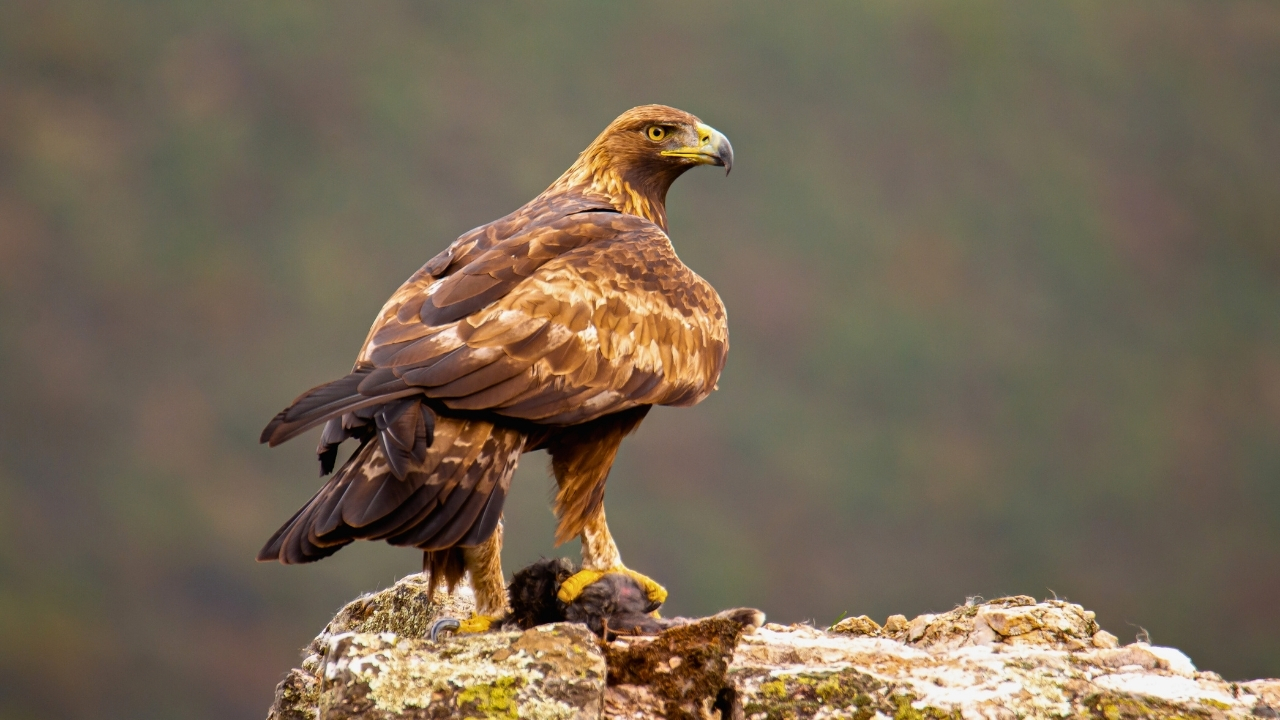
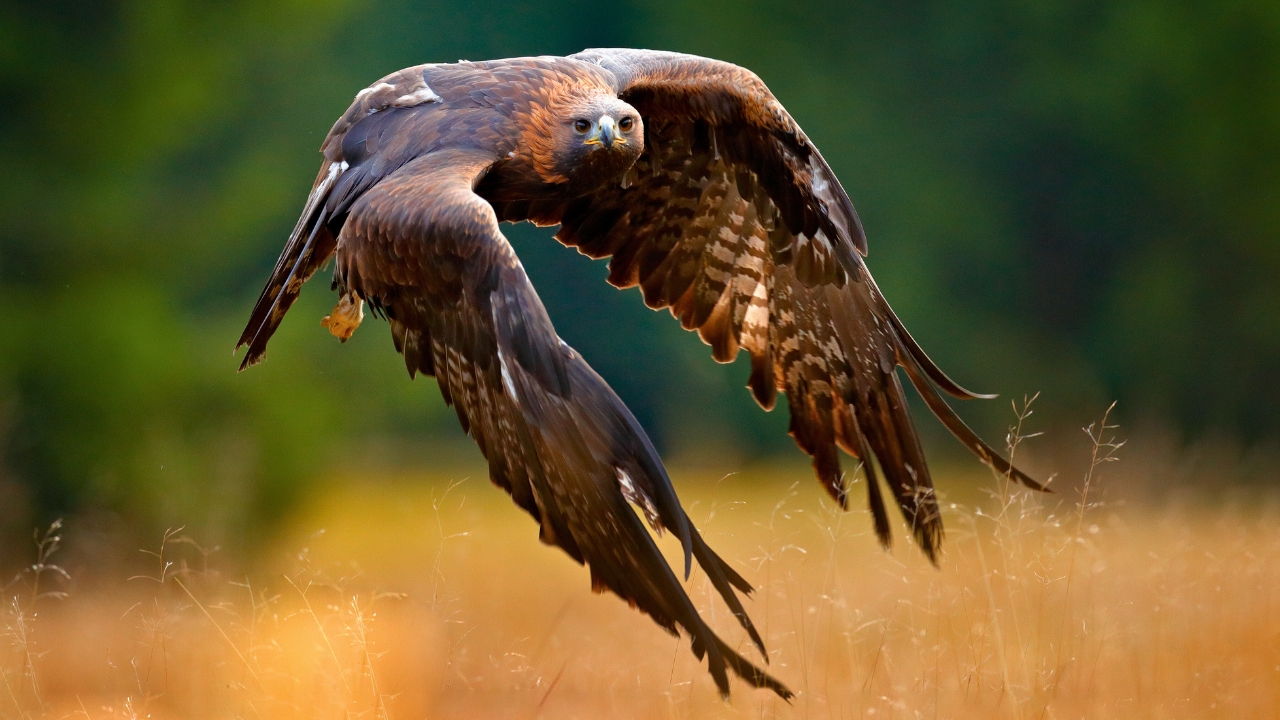
In open country, golden eagles can take lambs and kid goats, and it can happen faster than you’d think. They don’t need a long struggle. They need a vulnerable animal and a clean approach. When you’re dealing with small stock on wide pasture, an eagle can be a real loss, not a myth.
The quiet part is that the evidence can be subtle. You may find talon marks, a carcass moved or partially fed, or a missing lamb with little sign. Eagles are also protected in many contexts, which means prevention is often the only realistic lever you have. That pushes the problem into management rather than “solve it.” If you’ve never lost stock to eagles, it sounds unlikely. If you have, you don’t forget it.
Ravens and crows

Ravens and crows aren’t classic “predators” in people’s minds, but they can be a serious problem during calving and lambing. They’ll peck at afterbirth, eyes, and soft tissue, and they can turn a difficult birth into a fatal one. They also stress animals, which can lead to mismothering or calves and lambs getting separated and chilled.
What makes this quiet is how it blends into normal ranch life. You see birds around. That’s not unusual. The damage shows up in the margins—weak newborns, injuries that become infections, and losses that don’t look like a clean kill. You’re not always going to find a dramatic scene. You’re going to find a newborn that didn’t make it, and birds were part of why. It’s ugly, and it’s real.
Turkey vultures and black vultures
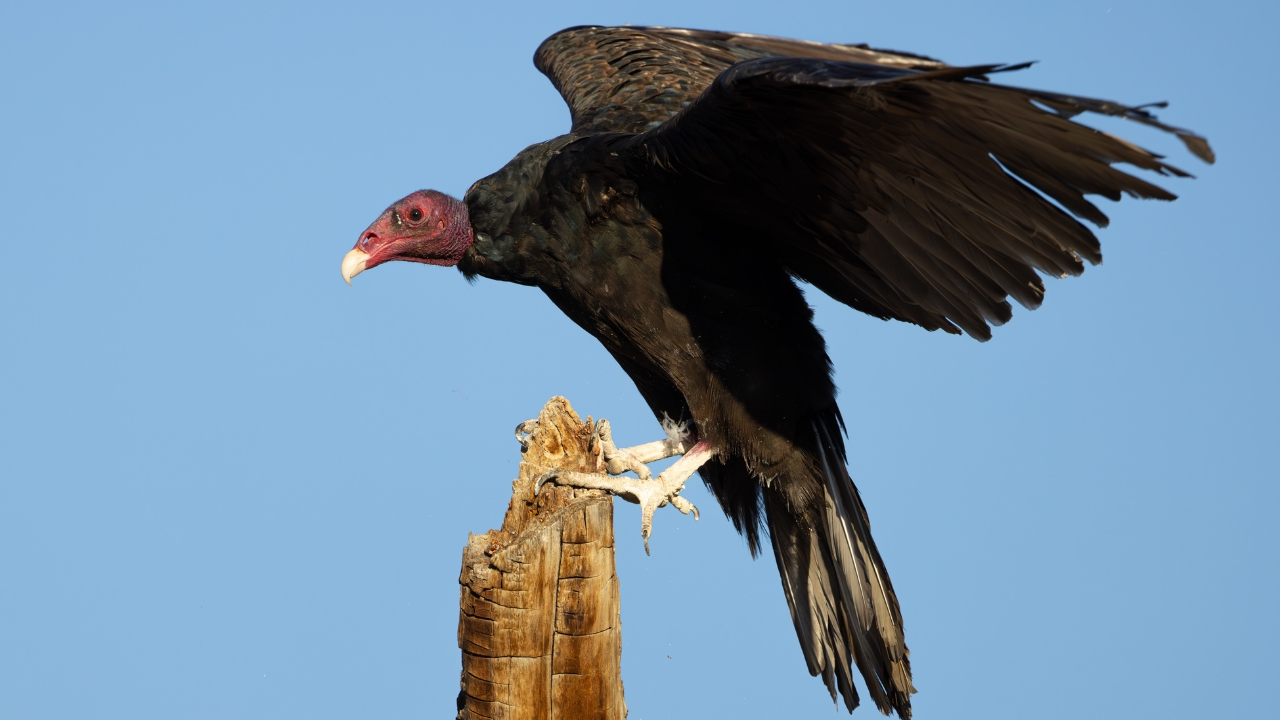
Vultures are mostly scavengers, but in some areas—especially with black vultures—they can injure or kill vulnerable livestock. Newborn calves, weak animals, and animals in the middle of birthing can get targeted. The damage can be severe, and it often starts as pecking and escalates quickly.
The quiet part is timing and confusion. Vultures show up around dead animals, so people assume they’re only cleaning up. In problem areas, they’re also creating the problem. It can be hard to catch in the act, and it often happens when you’re not watching—early morning, remote pasture, brushy edges. When it becomes a pattern, it feels like a switch flips and you suddenly have losses that don’t fit your usual predator story. If vultures are part of your local reality, you learn to take them seriously.
Feral hogs

Feral hogs don’t always “kill livestock” the way predators do, but they can cause livestock losses through aggression, injury, and chaos. They’ll raid feed, wreck fences, and push animals through rough terrain. They can also kill young animals directly, especially piglets aren’t the only ones with sharp teeth in a pasture fight.
The quiet part is that the damage is spread out. You might see injured animals, stressed herds, and missing weight before you ever see a direct kill. You also see secondary losses: animals that break legs in ruts, animals that abort due to stress, and animals that get separated during a nighttime disturbance. Hogs turn pastures into obstacle courses and keep livestock on edge. That kind of ongoing pressure can cost you more than a single dramatic predator event, even if it doesn’t make headlines.
Like The Avid Outdoorsman’s content? Subscribe to our newsletter so you never miss an article.
Here’s more from us: