Photo credit: Steven May/Pexels.com
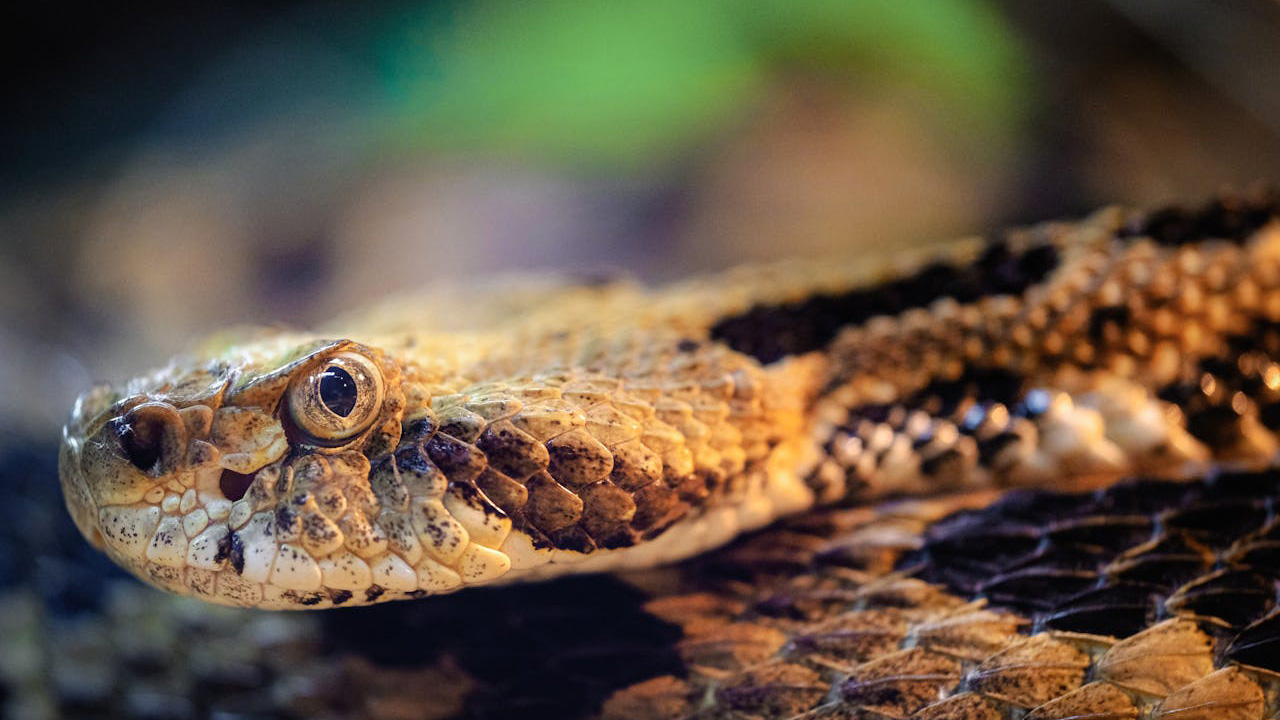
Most people think a rattlesnake problem starts when they actually see the snake. That is usually not how it works. By the time a rattlesnake shows itself in the open, there is a good chance it has already been using part of your property for cover, cooling off, ambushing prey, or moving safely from one spot to another. That is what makes these encounters feel so sudden. The snake did not just appear out of nowhere. You only noticed it once it stopped staying hidden well enough.
The bigger issue is that rattlesnakes do not need much to settle into a property. They need shelter, shade, quiet, and a food source nearby. A lot of homes, especially in dry country, edge neighborhoods, rural lots, and semi-developed land, offer all of that without the homeowner realizing it. You do not need to live in deep desert or wild brush country to have a snake pick a spot and stay there. In a lot of cases, the signs show up before the snake does. The trouble is that people often do not realize what they are looking at until much later.
Rodent activity keeps building in the same areas
One of the clearest signs a rattlesnake may be settling in is a steady prey source. If you have mice, pack rats, voles, chipmunks, or other small animals working the same parts of the property over and over, you have already built one of the main things a rattlesnake wants. Snakes do not stay where food is scarce if better options are nearby. If rodent droppings, burrows, gnawed materials, or nighttime movement keep showing up around sheds, wood piles, feed rooms, garages, or thick landscaping, that part of the property may be doing more than attracting nuisance pests.
That matters because rattlesnakes usually follow a pattern, not a random urge to show up near people. If prey keeps using a certain corner, the snake may begin using that same corner as a reliable hunting zone or a nearby shelter area. A homeowner might focus on getting rid of one visible rodent problem without realizing it is also making the property more attractive to predators that work much quieter and stay hidden much better.
You have cool, shaded cover that rarely gets disturbed
A rattlesnake looking for a place to settle is usually not searching for open lawn or bare dirt in full sun all day. It wants protected spaces that stay cooler, darker, and more stable than the exposed ground around them. That can mean wood piles, stacked rock, gaps under decks, crawl spaces, thick shrubs, stored materials, old equipment, or cluttered edges of the yard nobody checks often. If those areas stay quiet for days or weeks at a time, they can become excellent hiding places without looking dramatic at all.
This is one reason people get surprised. The hiding place is often something familiar enough that it stops registering as possible snake cover. A homeowner sees a pile of leftover pavers, a shaded gap beside the AC unit, or a brushy corner behind the shed and thinks of it as yard clutter or a project for later. A rattlesnake sees dependable protection. The less often the space gets disturbed, the easier it is for a snake to keep using it without being noticed.
You keep hearing or seeing birds and small animals act alarmed in one spot
Wildlife often reacts before people do. If birds keep fussing around one section of the yard, if squirrels or rabbits avoid a certain corner, or if there is repeated alarm behavior around a rock border, brush line, or outbuilding, pay attention. Animals that live close to the ground are usually better at noticing a predator tucked into cover than the homeowner walking past with a coffee in hand. That does not mean every burst of bird noise points to a rattlesnake, but repeated agitation in the same small area deserves more respect than most people give it.
The useful part here is the pattern. One noisy morning means little. The same zone drawing nervous activity over and over is different. A rattlesnake does not need to strike or even move much to change how smaller animals use a space. If one patch of property keeps making local wildlife act like something is wrong, there is usually a reason, and it may be closer to the ground than you think.
Your dog suddenly gets fixated on one part of the yard
Dogs often notice a snake problem before their owners do, especially if the snake is using the same route or hiding place consistently. If your dog keeps sniffing hard around one rock pile, freezing near one shrub bed, barking toward the same fence corner, or refusing to enter a part of the yard it used to ignore, that is worth taking seriously. Dogs can overreact to all kinds of things, but repeated attention to one specific place usually means the dog is picking up on scent, sound, or movement that has become familiar there.
This matters most when the behavior feels new. A dog that always barks at birds is one thing. A dog that suddenly starts acting careful, intense, or oddly alert around a quiet corner of the property is telling you something changed. That does not guarantee a rattlesnake, but if the property also has cover and prey in that same area, the possibility gets harder to ignore. Pets often give you the first honest warning that a hidden part of the yard is not as empty as it looks.
Rock piles, retaining walls, and gaps in masonry stay active
Rattlesnakes love structure that gives them narrow protected spaces with stable temperatures. Rock piles, stacked stone borders, retaining walls, loose pavers, old rubble, and gaps beneath concrete slabs all create exactly that. Those spaces stay cool when the day heats up, hold warmth longer when temperatures drop, and let a snake move in and out without crossing much open ground. If you have that kind of feature on the property, especially near brush, rodent activity, or low foot traffic, it is one of the first places to think about.
What makes these spots risky is how normal they look. A decorative wall, a line of rocks by the flower bed, or an old pile of broken concrete behind the barn may seem too exposed or too close to human activity to matter. But a rattlesnake does not need total isolation. It needs one or two protected gaps that people do not stick their hands or feet into often. Once it finds them, the surrounding property becomes easier to use without the snake having to stay out in the open.
The same patch of ground keeps producing sheds or snake sign
Sometimes the sign gets more direct. A shed skin, a fresh track in fine dust, or a section of dirt showing a winding movement line near cover can all point to repeated snake use. You may not always know whether the sign came from a rattlesnake specifically, but if you are finding snake evidence in the same general area more than once, that tells you the property is functioning as snake habitat rather than as a place one passed through by chance. A single old shed may not mean much by itself. Repeated sign near the same hiding cover means more.
This is where homeowners often talk themselves out of what is obvious. They find a shed behind the wood pile, tell themselves it is probably old, then find another one months later near the same wall and still act surprised when a snake finally turns up. Snakes leave less evidence than many pests, so when they do leave something behind, it is worth paying attention. Repeated sign is often the clearest clue that the animal is not only visiting. It is using the property on purpose.
Ground-level clutter keeps coming back even after cleanup
If you clean up one problem corner and the same kind of clutter or cover keeps building right back up, that area deserves more attention than the rest of the yard. Leaves drift in, limbs collect, materials get stacked there, rodents work through it, and before long you have rebuilt the exact kind of protected pocket a rattlesnake can use. The issue is not only the clutter itself. It is the way certain parts of a property naturally become quiet, messy, and protected enough to support hidden wildlife.
A homeowner may think they solved the issue because they cleared the brush once or moved some boards. But if the area still stays shaded, undisturbed, and attractive to prey, the basic setup has not changed much. A rattlesnake does not need the property to look abandoned. It only needs one dependable refuge that keeps re-forming faster than the homeowner stays on top of it. If the same spots keep drifting back toward cover and prey, they stay worth watching.
You notice movement at dawn or dusk near shelter, not in the open
Rattlesnakes are often most visible during those in-between hours when homeowners are least focused on the ground. Early morning, late evening, and low-light transitions are when a snake may shift between hiding cover and hunting space. If you keep catching a flicker of movement near the same shrub base, wall edge, shed corner, or stone border at those times, take it seriously. Snakes that have picked out a hiding place do not usually roam the yard all day in plain view. They move carefully between useful spots and then disappear again.
That is part of why people miss the pattern. The movement is brief, the light is poor, and the homeowner is often distracted. But repeated low-light activity around one cover feature usually means there is a reason that spot matters. A rattlesnake using a property tends to create a small map for itself: shelter here, prey there, movement in between. If you keep noticing signs of life near the same protected area when the day cools off, that may be the center of the map.
The property has one area that feels “off” for no obvious reason
Sometimes the biggest sign is less technical than people want it to be. There is just one part of the property that keeps making people uneasy. The side yard nobody walks through barefoot anymore. The corner by the shed where the dog gets strange. The retaining wall nobody likes reaching behind. The gate area where rodent sign keeps showing up. When a place keeps drawing your attention because it seems like the kind of spot something could be using, trust that instinct enough to inspect it carefully and change the conditions there.
That does not mean acting paranoid. It means understanding that rattlesnakes do not need dramatic habitat to establish a foothold. They need a handful of practical conditions, and those conditions often cluster in one or two overlooked zones. If the same area keeps checking those boxes, it is usually smarter to assume it could be in use than to keep treating the property like a place where a snake would never bother settling.
The hiding place is usually there before the sighting
The biggest mistake people make is thinking the first sighting is the beginning of the problem. Most of the time, it is the first confirmation of a setup that has already been working for a while. The rattlesnake saw cover, prey, shade, and quiet before you saw anything at all. That is why the smartest move is to read the property honestly. If the same corners keep holding rodents, clutter, shade, and undisturbed shelter, those corners are doing more than looking messy. They are advertising themselves as useful.
You do not need to panic every time your yard has leaves under a shrub or a dog stares at a fence line. But when the signs start stacking up in the same place, pay attention. A rattlesnake that has picked out a hiding place usually leaves clues long before it leaves a full-body sighting. The people who avoid the worst surprises are usually the ones who stop waiting for the snake itself and start reading the property the way the snake already has.
Like The Avid Outdoorsman’s content? Subscribe to our newsletter so you never miss an article.
Here’s more from us: