Photo credit: jggrz/Pixabay.com
A lot of landowners learn this the hard way: you can spend weeks getting a place in shape, and the wrong animal can start undoing it in one night. Sometimes it is obvious, like rooted-up pasture or a hay field full of holes. Other times it starts small, with clipped beans, stripped bark, muddy troughs, tunneled lawns, or feed that keeps disappearing faster than it should. Extension offices and USDA wildlife-damage guidance keep coming back to the same point: the damage is rarely random. Certain animals are repeat offenders because the food, cover, and water around working ground fit them too well.
White-tailed deer

Deer are one of the first animals most people think of for a reason. University of Minnesota Extension says deer will eat almost any plant when pressure is high enough, and they damage gardens, landscaping, trees, and shrubs through browsing and rubbing. That is why a place can look fine one evening and look shaved down the next morning, especially when beans, peas, hostas, fruit trees, or tender garden growth are involved.
The frustrating part is that deer often do not just take a bite and move on. They can keep revisiting the same area once they decide it is safe and productive. UMN notes that fencing is usually the most reliable answer because repellents and plant choices only go so far when deer pressure stays high. On small properties, that tells you everything you need to know. Deer are not a minor nibbling problem when they settle in. They can turn a garden or orchard into their own buffet in a hurry.
Rabbits

Rabbits can make a mess fast, especially in gardens and around young plants. Colorado State University Extension says rabbits leave neat 45-degree cuts on leafy vegetables and grasses, and they can do major damage to young shrubs and fruit trees. They are the kind of animal people underestimate until the lettuce, beans, flowers, or bark around new plantings starts disappearing at ground level.
What makes rabbits so irritating is how easy it is for them to work unnoticed. They do not need much time, and they do not need much space. On a place with cover nearby, they can move in and out of a garden like they own it. CSU also notes that exclusion is the long-term solution for rabbit problems, which makes sense because once they get comfortable around a feed-rich area, they are not going to politely stop. They will keep clipping until the plants are gone or the barrier goes up.
Voles
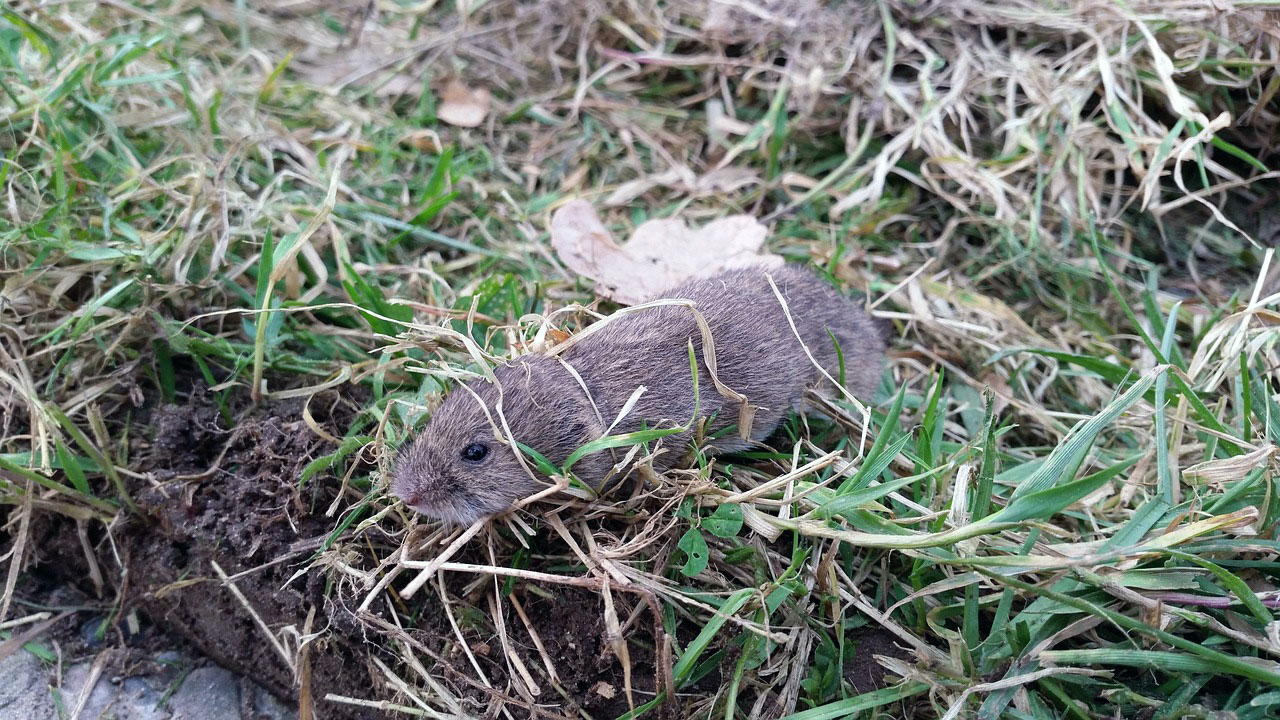
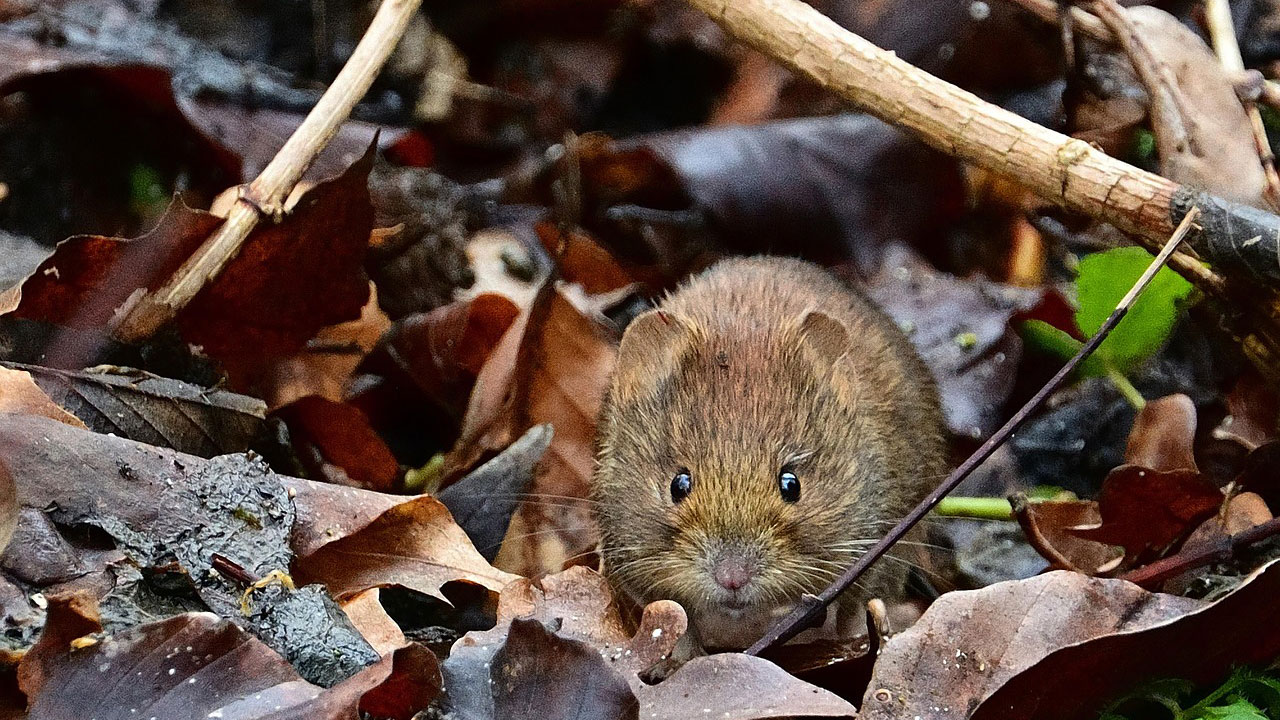
Voles are sneaky because a lot of their damage shows up after the fact. Colorado State University Extension says voles gnaw bark at the base of trees and shrubs, feed on grasses, flowers, and crops, and leave runways and burrows that make the ground feel spongy. That means a property can look mostly normal until the snow melts or the plants start failing, and then the damage shows up all at once.
They are especially rough on young trees and plantings because they work low and stay hidden. A landowner may think a tree just had a bad year, when the real problem is that voles chewed around the base and cut off the plant’s chance to recover. Around gardens, orchards, and landscaped edges near pasture or brush, voles can do a lot of damage for something most people barely notice until it is too late. That is why they stay near the top of so many extension damage lists.
Groundhogs
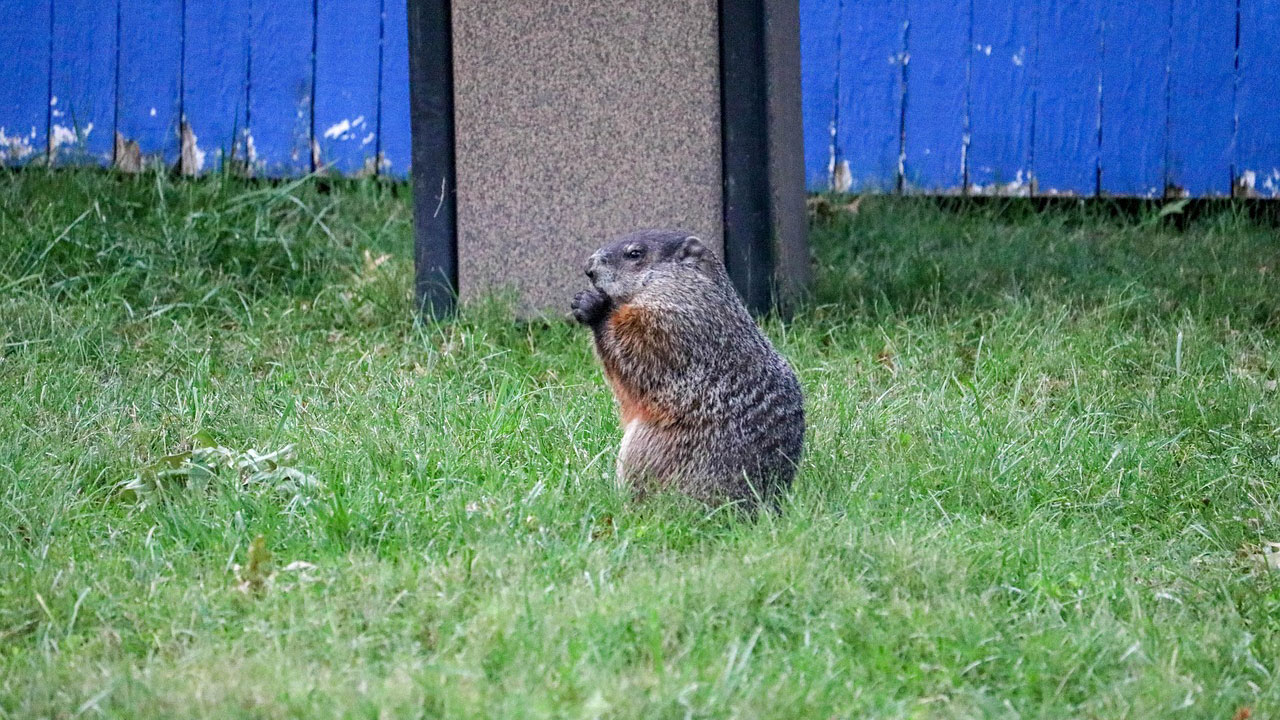
Groundhogs, or woodchucks, can wreck both plants and equipment plans. Penn State Extension notes that exclusion is the best way to stop vegetation damage from woodchucks, and the same extension system also warns that hay fields are common places for groundhog holes that can jar equipment badly when a wheel drops in. That means they are not just chewing on your beans. They are creating real problems in fields you have to drive over.
That combination is what makes groundhogs such a headache. In a garden, they can strip leafy growth quickly. In a pasture or hay setup, their burrows create hazards for tractors, cutters, and balers. A landowner can tolerate a lot of nuisance wildlife until it starts affecting machinery or making a field dangerous to run. Groundhogs get there fast. They eat enough to be annoying, and they dig enough to become expensive.
Pocket gophers

Pocket gophers are brutal on roots, underground systems, and anything that depends on stable soil. A Washington State University wildlife-damage guide says they cause extensive damage to crops, irrigation systems, pastures, orchards, and forests, and that they feed heavily on roots underground. That is the kind of animal that can make a healthy-looking patch go downhill from underneath without giving you much warning.
They also create the kind of mounding and soil disturbance that makes pasture and landscaped areas rougher to manage. CSU Extension points out that pocket gophers feed on roots and leave solid dirt mounds that can even bury perennials. On working ground, that means rough footing, damaged plants, and more wear on equipment when the surface starts getting uneven. Gophers do not always make the loudest mess, but they can absolutely make a place harder to maintain in no time.
Feral swine
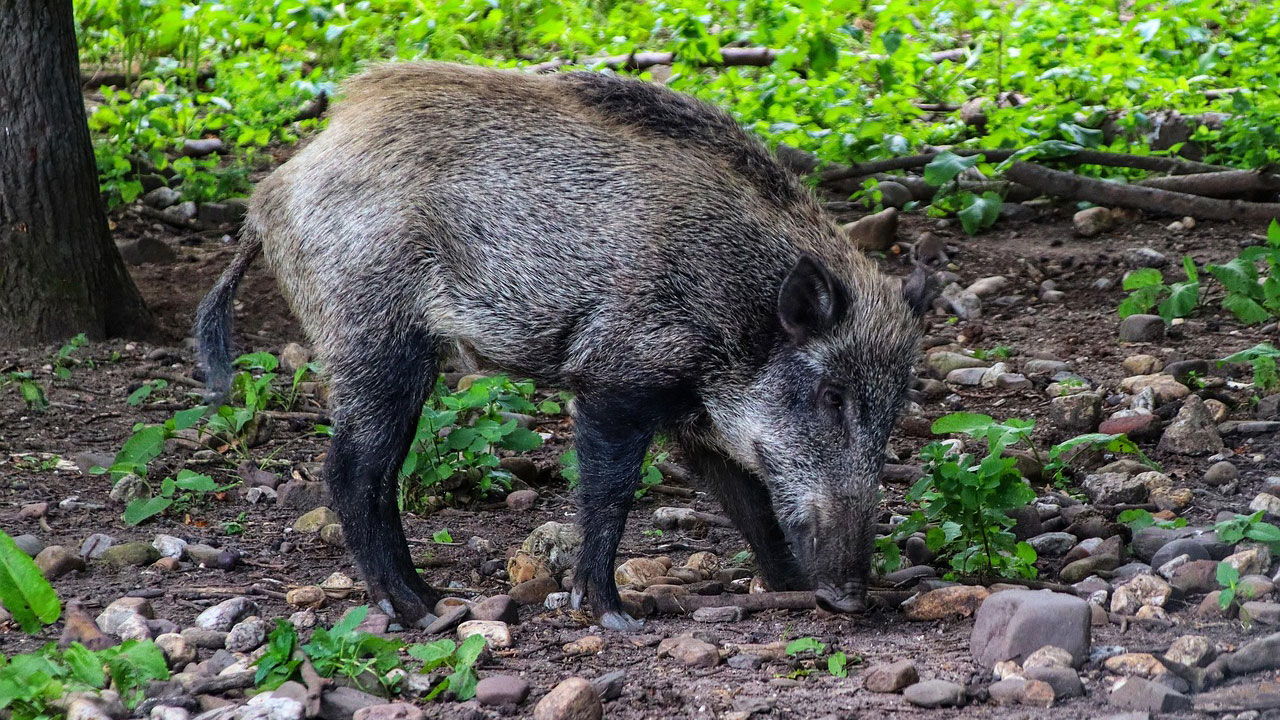
Feral swine are in a completely different damage class. USDA APHIS says they damage pasture grasses, turn over sod through rooting, destroy livestock feed, damage fences and water systems, and create ruts that can make it hard or impossible to drive tractors across a field to harvest hay. That is not nuisance damage. That is land destruction.
They also spread the pain across everything else on the property. APHIS says feral swine root, trample, wallow, contaminate feed, and can even prey on young livestock. So even if a landowner first notices them because a food plot or pasture looks torn up, the real problem may already be bigger. Hogs can hit crops, feed areas, water infrastructure, and animal health at the same time. Once they settle into a place, they are not just inconvenient. They are a full-blown management problem.
Raccoons

Raccoons do not usually wreck a whole pasture the way hogs do, but they can be rough on gardens, feed, and farm setups. Arkansas Extension’s nuisance-wildlife guidance groups them among the common animals that require exclusion and property hardening because simply removing an animal is usually not enough. That fits raccoons perfectly. They are smart, persistent, and very good at finding the easy calories around people.
In practical terms, raccoons are a pain because they will pull sweet corn, raid fruit, get into poultry or livestock feed, and keep coming back if they find an easy routine. They are not as flashy as a buck browsing tomatoes or a hog rooting a hay field, but they can still cost a landowner plenty in wasted produce and feed contamination. Once a raccoon figures out where the groceries are, it tends to treat the place like a standing reservation.
Beavers
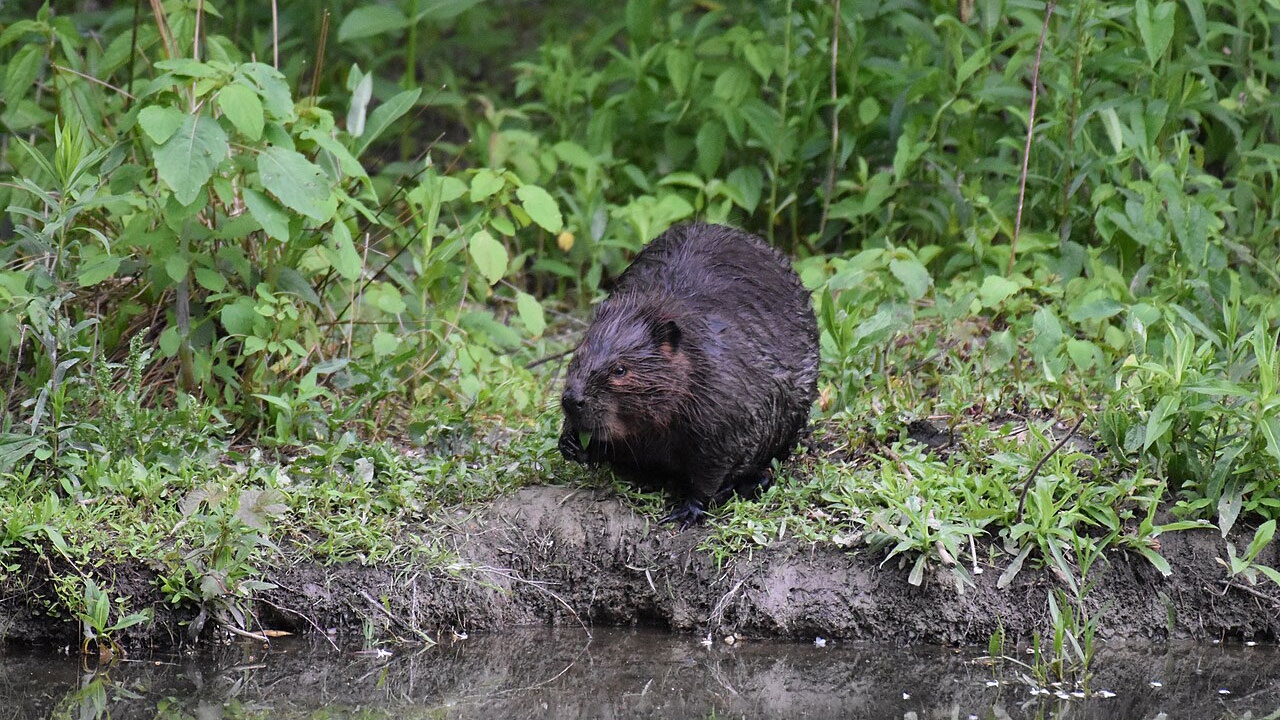
Beavers can turn a property upside down when water and timber matter. They do not need to eat your garden to cause damage. By cutting trees, backing up water, and plugging drainage, they can flood pasture, access roads, and low-ground feed areas fast. The same wildlife-damage guidance extension services use for nuisance control repeatedly treats beaver work as a structural problem, not just an animal sighting.
That is why beavers are such a problem on working ground. A little water spread in the wrong place can make a pasture muddy, drown useful vegetation, and turn vehicle access into a mess. A few chewed trees around a pond edge can become a lot more serious when the wrong shade, bank-holding, or orchard trees are involved. Beaver damage is often less dramatic at first glance than hog damage, but on the wrong place it can become just as aggravating because it changes how the land itself functions.
Canada geese

Canada geese can absolutely trash tender plantings and grass when they settle in. Colorado State Extension documented cases where geese ate bean plants to the ground in demonstration gardens, which lines up with the way geese work anywhere they get comfortable: they graze hard, foul the area, and keep using it if they feel safe. Around ponds, lawns, and irrigated ground, that can get old fast.
For landowners, geese are one of those problems that start looking harmless until the droppings pile up and the feeding pressure shows. They can hammer young growth in gardens and stress maintained grass in a hurry. On places with feed, water, or open visibility, they tend to linger longer than people want. They may not dig holes or root up sod, but they can still turn a nice-looking feed or lawn area into a grazed-down, fouled-up mess in short order.
European starlings

Starlings are a bigger feed-area problem than a lot of people realize. The National Invasive Species Information Center says they cause about $800 million in agricultural damage annually, and APHIS notes that large flocks at dairies and feedlots consume and contaminate feed. That means the damage is not just what they eat. It is also what they ruin.
That matters a lot on working ground because feed losses add up fast when birds keep hammering the same place. Starlings also tend to arrive in numbers, which is what turns them from an annoyance into a real cost. One or two birds are nothing. A noisy flock roosting, fouling surfaces, and burning through feed is a different story. In the wrong setup, they can make a feed area feel like it is being skimmed off the top every day.
Blackbirds
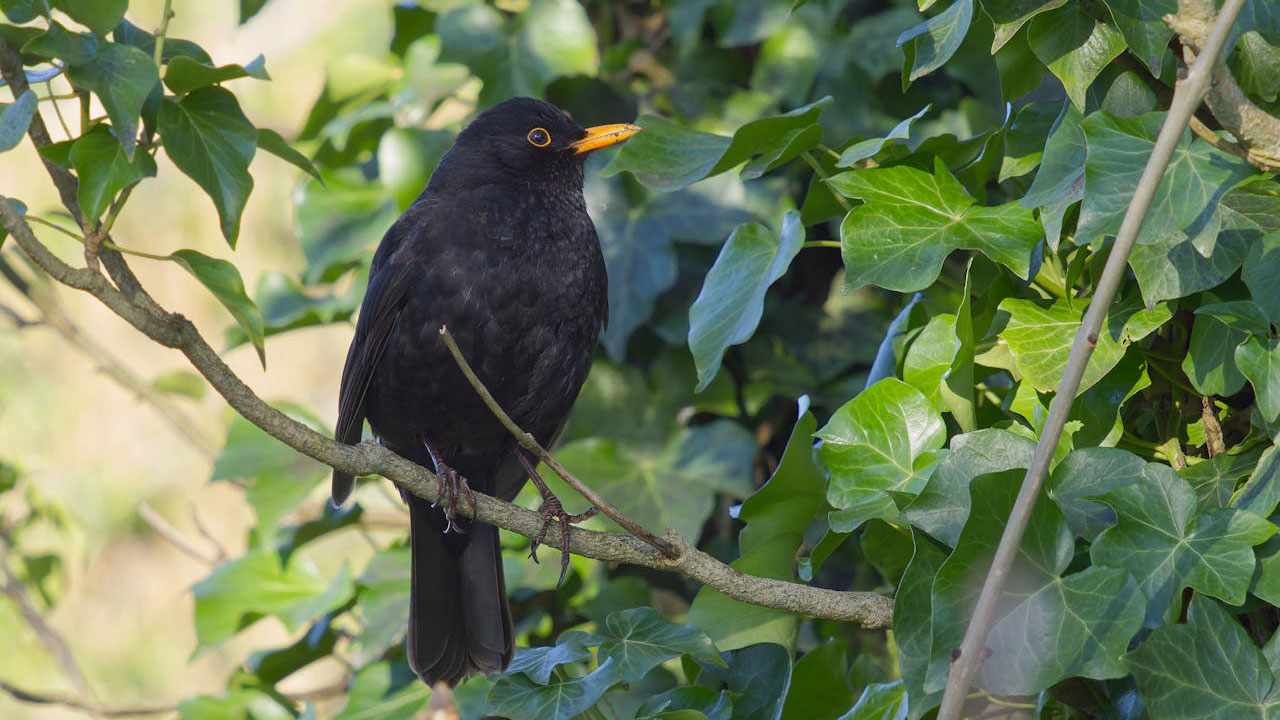
Blackbirds can be brutal on feed areas and certain crops when flocks get concentrated. APHIS and extension wildlife-damage materials routinely group blackbirds with starlings among the birds that create agricultural and feed-loss problems, especially where grain, silage, and livestock feed are easy to hit. They do not need to uproot anything to cost money. They just need numbers and access.
That is what makes them such a classic headache around barns, lots, and feed storage. A flock can settle in and keep picking away long enough that the waste becomes hard to ignore. They also foul bunks, water, and structures while they are at it. On a place that already runs close on margins, a bird problem that keeps contaminating feed and stressing livestock areas can become a bigger issue than people expected when they first heard the noise.
Nutria
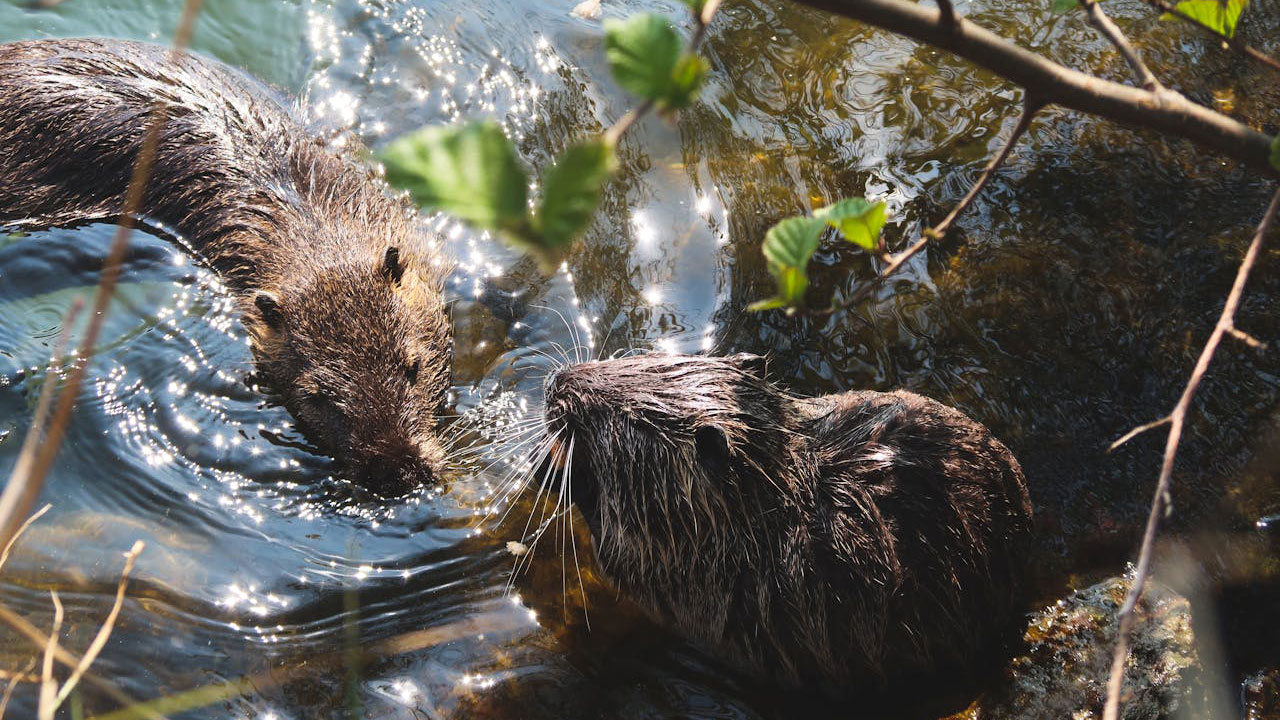
Nutria are rough on any place where wetlands, ponds, or water edges matter. USDA APHIS says they destroy native aquatic vegetation, crops, and wetland areas, and the U.S. Fish and Wildlife Service notes that their feeding can contribute to marsh loss and habitat decline. For landowners, that means they can take a wet area that is holding together just fine and start tearing the structure out of it from the bottom up.
That may not sound like classic garden damage, but it can hit pasture edges, drainage areas, pond banks, and low ground in a hurry. Once wetlands and vegetated shorelines start getting chewed down, erosion and habitat loss tend to follow. Nutria are the kind of animal that can make a soggy corner of a property go from useful and stable to torn up and sliding backward fast. In the right region, they are every bit as much a landowner problem as a crop-raiding mammal.
Prairie dogs
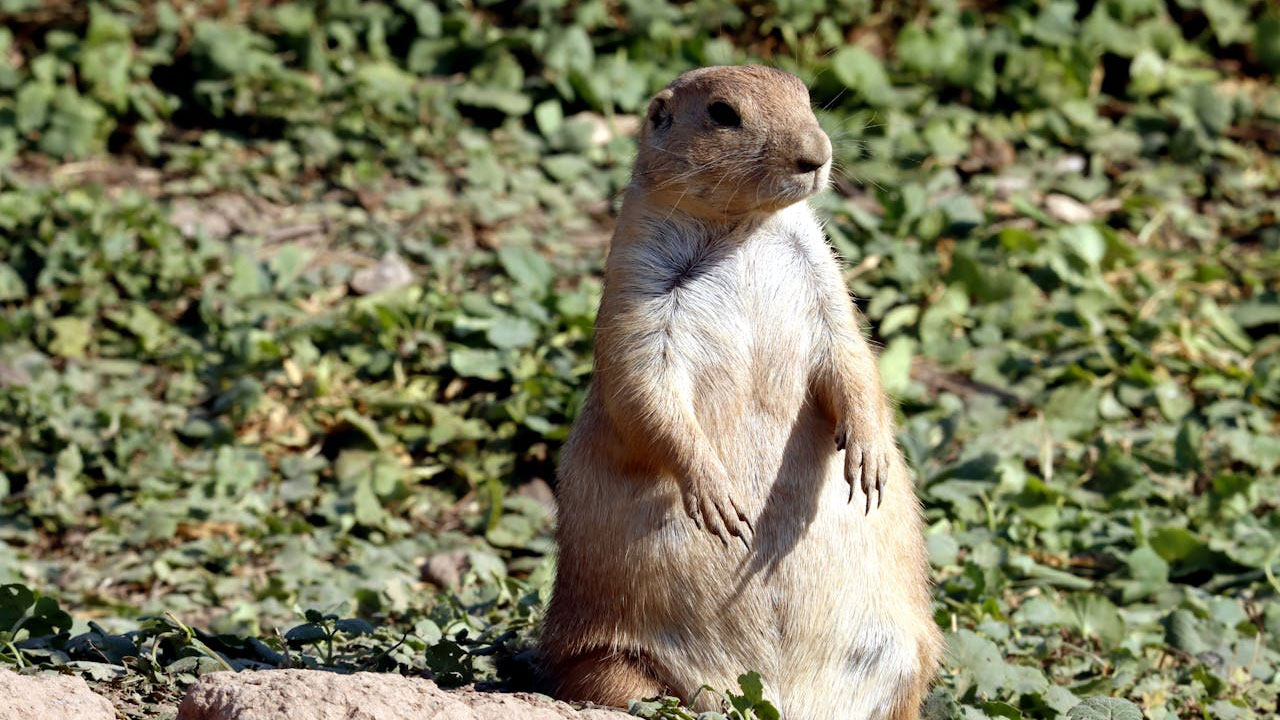
Prairie dogs can make pasture and rangeland harder to use by clipping vegetation and filling the place with holes. Longstanding wildlife-damage workshop material from the Great Plains identifies prairie dogs as one of the classic agricultural damage species. That is not surprising if you have ever tried to manage forage or equipment around a well-established colony.
The issue is not only how much they eat. It is how they change the ground. Once burrows and colonies spread, forage gets reduced, footing gets rougher, and certain parts of the property start becoming more trouble than they are worth. On the right place, prairie dogs can turn a clean pasture into patchy, uneven country fast enough that the landowner starts thinking about control long before the colony reaches its full size.
Ground squirrels
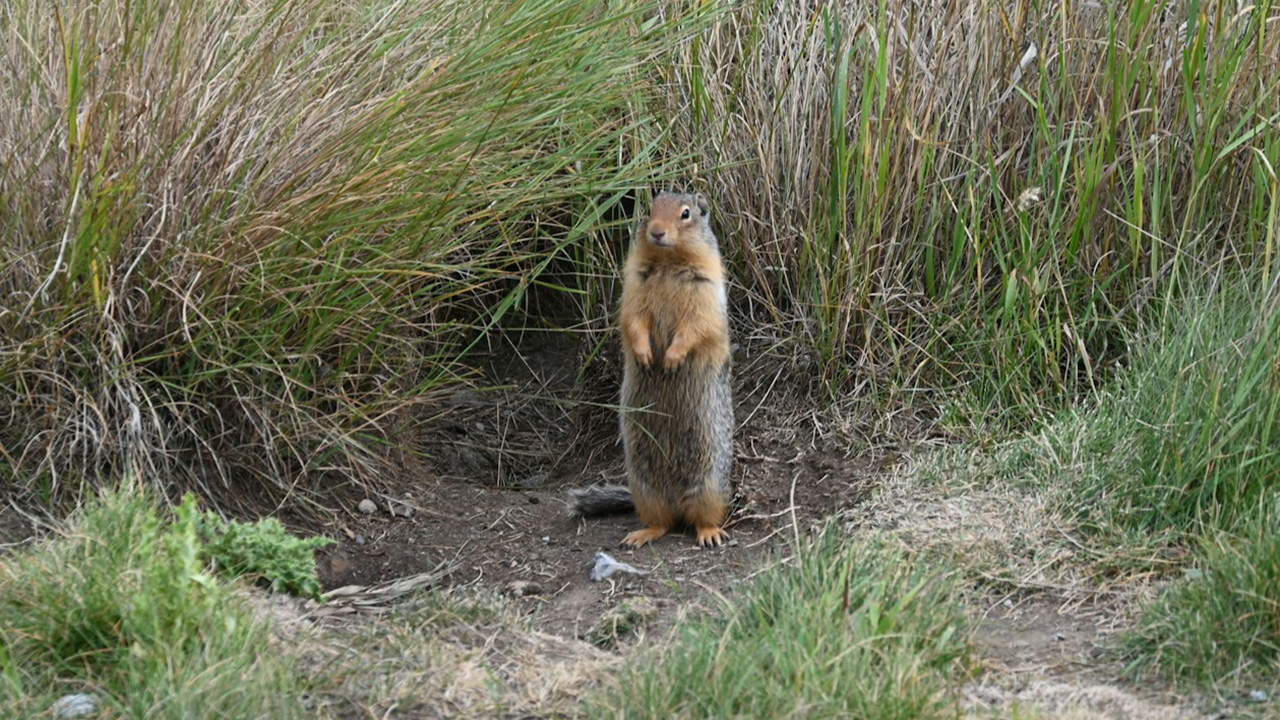
Ground squirrels fit this list because they do a lot of the same practical damage as prairie dogs and gophers, just often in a less dramatic package. CSU and other extension wildlife-garden materials group them among the animals that need exclusion because they dig, feed, and undermine planted spaces. In gardens and field edges, that can mean seed loss, clipped plants, and more disturbed soil than a person wants to deal with.
On working ground, the problem is usually cumulative. A few holes, a little clipped vegetation, and some undermined edges may not sound like a disaster, but it adds up when it keeps spreading. Ground squirrels are very good at turning small ignored damage into a broader maintenance issue, especially in dry country or open spaces where they can keep expanding without much pressure. That is why people who live with them tend to take them more seriously than people who only hear about them.
Elk
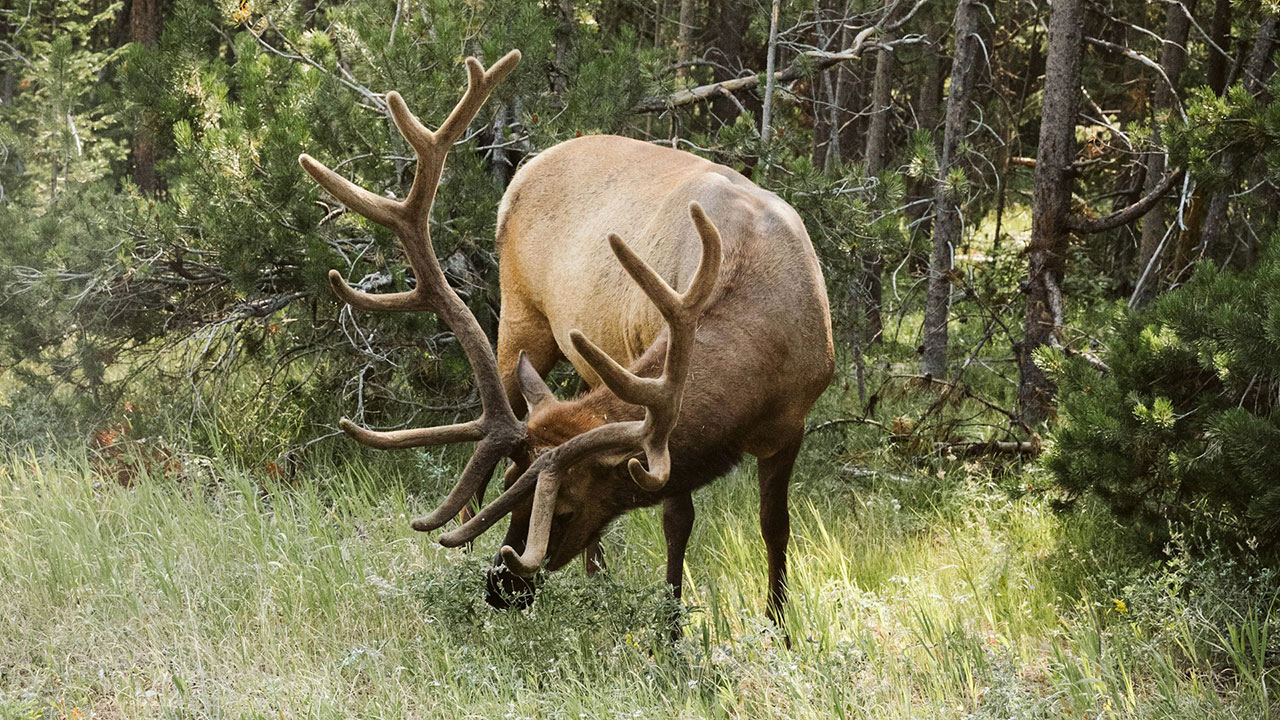
Elk do not get talked about as “damage animals” as often as deer, but on the wrong place they absolutely can be. Penn State’s wildlife-habitat guidance notes that the same protection methods used for wildlife damage can apply broadly to plants and vegetation, and large grazers like elk can hit hay, pasture, and stored-feed areas hard when they concentrate. In western states, landowners know well that a big herd using the same ground repeatedly can strip a surprising amount of forage.
What makes elk different is scale. A few deer browsing a fence line is one thing. A group of elk leaning on pasture, hay aftermath, stack yards, or winter feed is a different level of pressure. They are not subtle eaters, and they are big enough to break fences, muddy up access, and use a place hard if it is offering the right combination of food and safety. When elk decide your ground is part of their routine, the damage can stack up fast.
Like The Avid Outdoorsman’s content? Subscribe to our newsletter so you never miss an article.
Here’s more from us: