Photo credit: guruXOX/Shutterstock.com
There’s a lot of good information out there when it comes to firearms—but there’s also a lot of garbage. Some of the worst advice I’ve heard has come from people who talk loud, act confident, and haven’t trained a day in their life beyond plinking at paper. And the truth is, bad advice around guns isn’t just annoying—it can be dangerous.
This list calls out some of the most common nonsense I’ve heard over the years and breaks down what actually makes sense instead. Because if you’re going to own a gun, you owe it to yourself—and everyone around you—to get it right.
“Just get a shotgun and rack it to scare ‘em off.”

This one gets repeated constantly, and it’s bad advice. First, using a gun to threaten instead of to stop a threat can land you in serious legal trouble. Second, depending on sound to scare someone off isn’t a real defensive strategy.
If you’re going to own a firearm for home defense, you need to be trained, confident, and ready to use it if that moment comes. Don’t rely on sound effects—know how to handle your gun and what your legal rights and responsibilities are.
“Handguns don’t need to be aimed in close quarters.”
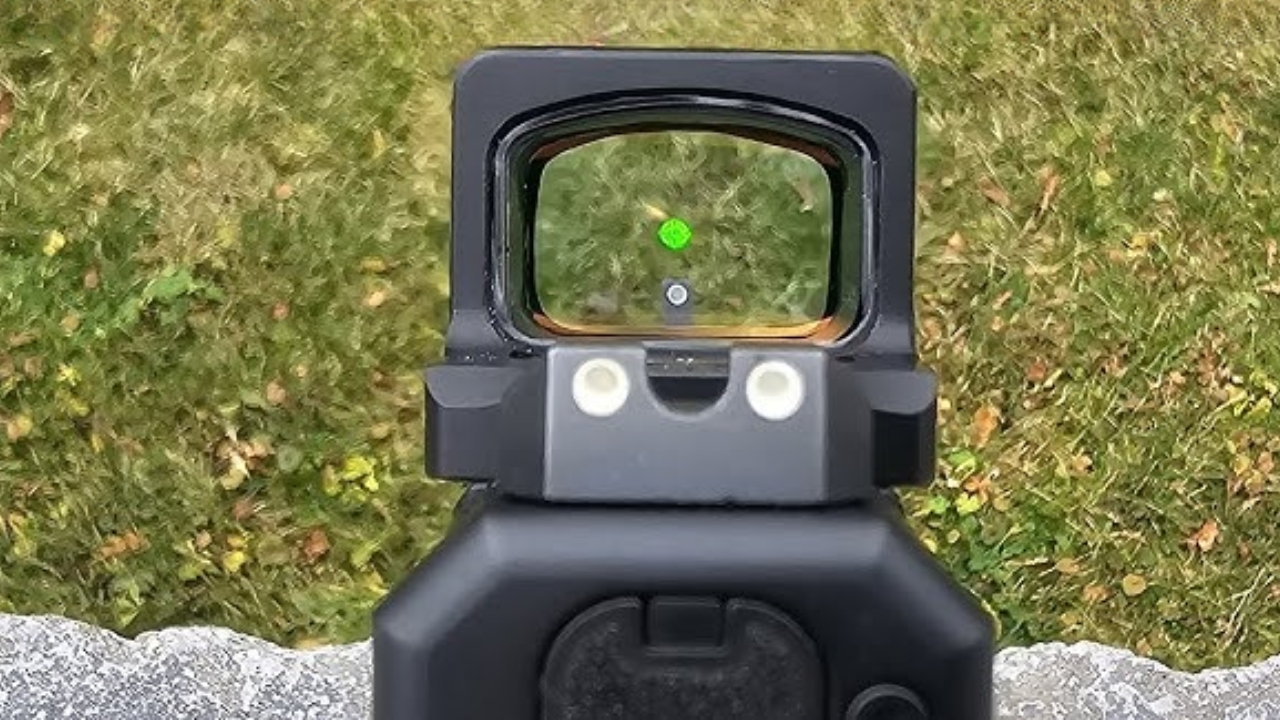
Some folks think you can just point and shoot at close range without aiming. That kind of thinking can get someone hurt or worse. Shooting without aiming is how innocent people get hit.
Even at close distances, sight alignment matters. You don’t have to line up a perfect bullseye shot under pressure, but you do need to have practiced enough to bring your sights up naturally. Point shooting has its place—but it should be backed by training, not guesswork.
“Bigger calibers stop threats better—go with a .45.”

The idea that .45 ACP is a “man-stopper” and 9mm is weak is outdated. Shot placement matters far more than caliber. A missed shot with a .45 won’t stop anyone, but a well-placed 9mm absolutely can.
Modern self-defense ammo has closed the performance gap between calibers. What matters most is what you shoot well and can control. For most people, that’s 9mm. Choose a caliber you can run effectively, not the one someone brags about at the range.
“You don’t need to train. You’ll rise to the occasion.”

This is one of the most dangerous myths out there. In a high-stress moment, you don’t rise to the occasion—you fall to your level of training. If you haven’t trained under pressure, don’t expect to perform well when it counts.
Shooting at a static range once a month isn’t enough. You need reps, movement, and mental preparation. The more you train, the more your reactions become second nature. Don’t assume adrenaline will make up for a lack of experience.
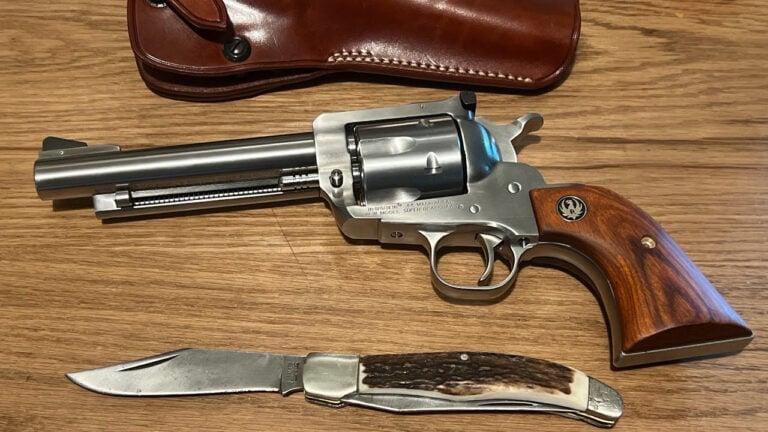
“Revolvers never fail. They’re foolproof.”

Revolvers are generally reliable, but they’re not infallible. They can lock up due to debris under the ejector star, timing issues, or ammo problems. And clearing a malfunction isn’t exactly fast.
A quality semi-auto is just as reliable with proper maintenance—and holds more rounds. If someone prefers a revolver, that’s fine. But don’t choose one thinking it’s immune to issues. Every mechanical system can fail. Know your platform and how to fix it under stress.
“Only use FMJ ammo—it feeds better.”

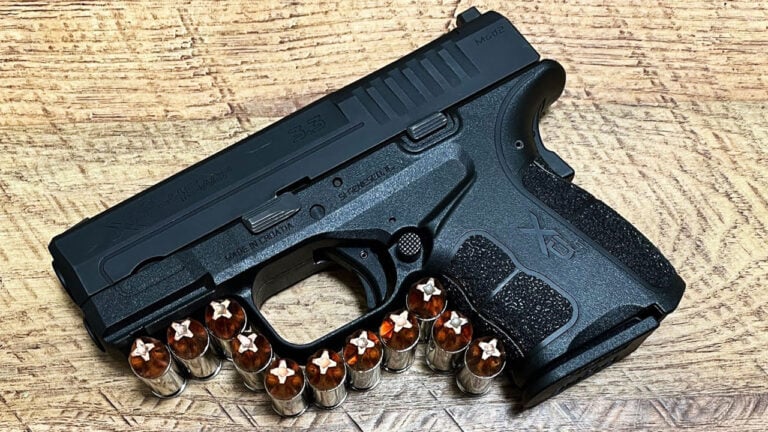
FMJ (full metal jacket) is great for training, but it’s not what you want for self-defense. It’s designed to punch through, not expand, and that means it can pass through a target and hit something—or someone—else.
Modern hollow points are designed to expand and stop threats more effectively. And if your gun won’t feed quality hollow points reliably, that’s a sign you need a better carry gun—not a change in ammo philosophy.
“You don’t need to carry with a round in the chamber.”

This advice sounds cautious, but in a real-world situation, it could cost you precious time—or worse. If you’re carrying for self-defense, you need your gun ready to go. Racking the slide under stress isn’t always possible.
Modern firearms with proper holsters are designed to be carried safely with one in the chamber. If you’re not comfortable with that yet, focus on training until you are. An unloaded gun in a fight is just dead weight.
“You don’t need to clean your gun unless it jams.”

Neglecting regular maintenance is a good way to invite failure when you least expect it. Sure, some guns will run dirty for a while, but why take the risk—especially if you’re relying on it for self-defense?
It doesn’t take long to wipe it down, clean the barrel, and oil the moving parts. You don’t have to detail strip it every time, but basic maintenance keeps your gun reliable. It’s part of responsible ownership.
“You can’t miss with a shotgun.”

You absolutely can miss with a shotgun. The idea that you can aim in the general direction and still hit something is a Hollywood myth. At typical home defense distances, the spread is only a few inches.
You still need to aim. You still need to practice. Shotguns can be great defensive tools, but they’re not magic. Take time to pattern your shotgun and know exactly how it performs with your chosen load.
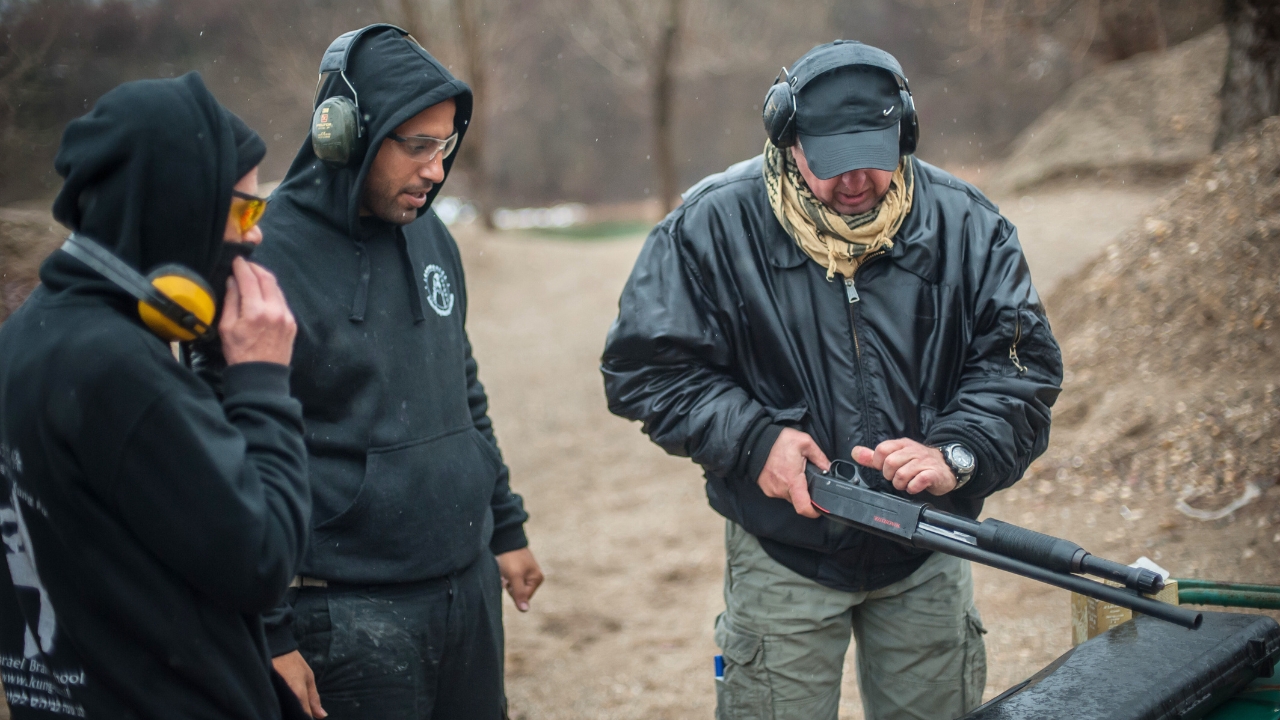
“Don’t spend money on training—buy more gear.”

Gear won’t make you a better shooter. Training will. You can spend thousands on optics, lights, and fancy holsters, but none of it matters if you can’t shoot under pressure or make good decisions in the moment.
Invest in quality instruction and real-world practice. That’s what actually builds skill. The best gun in the world won’t save you if you don’t know how to use it well—and no piece of gear is a substitute for solid fundamentals.
*This article was developed with AI-powered tools and has been carefully reviewed by our editors.