Photo credit: Guy J. Sagi/Shutterstock.com
Not all firearms are built to handle freezing temperatures. Some guns that run fine at the range or in warmer climates tend to choke when snow, ice, and cold weather get involved. Whether it’s because of tight tolerances, bad material choices, or gummed-up actions, certain guns just don’t belong in the deer stand when the mercury drops. Here are 13 firearms that can let you down when the cold sets in.
Remington 742 Woodsmaster

The Remington 742 has a tendency to jam when it gets dirty, and that problem gets worse in cold weather. The semi-auto action just isn’t built for extreme conditions.
Cold temps can thicken lubricants and make the cycling sluggish—or stop it entirely. If it’s below freezing, you’d better hope the first shot counts because follow-ups aren’t guaranteed.
Desert Eagle

The Desert Eagle might look tough, but it’s a poor choice for the cold. This gas-operated handgun is sensitive to both ammo and environmental conditions.
Thick oil and snow can throw the timing off, and cycling issues are common when things freeze up. It’s heavy, clunky, and definitely not built for winter carry.
Ruger Mini-14 (Older Models)

While newer Mini-14s are more reliable, early versions have a history of being finicky in the cold. Tight clearances and inconsistent gas systems don’t play well with frost.
When snow or grit gets into the action, failures to cycle aren’t rare. If you’re going deep into the woods during a freeze, leave the early Minis at home.
Thompson/Center Encore

Single-shot simplicity sounds great for cold weather—until you realize how stiff the Encore can get when frozen. The break-action locking system and trigger assembly tend to get sluggish in the cold.
The trigger can feel sticky, and the hammer may not fall cleanly. It’s a great platform in mild temps, but sub-zero conditions bring out its worst traits.
Kel-Tec Sub-2000

The Sub-2000 folds up small and packs light, but cold weather can cause big problems. The polymer-heavy build becomes brittle, and the charging handle gets harder to manipulate.
Plus, the blowback system can get fouled fast in icy or snowy conditions. It’s better suited for range bags than backwoods winter carry.
AR-15s With Tight Tolerances

Not all ARs are created equal. Match-grade or overly tight builds tend to seize up when temperatures fall. Ice, carbon, and thickened oil don’t mix well with snug tolerances.
If your AR isn’t built for field abuse, it might start choking the moment snow hits the bolt carrier group. Looser builds are better suited for winter.
Beretta 92FS
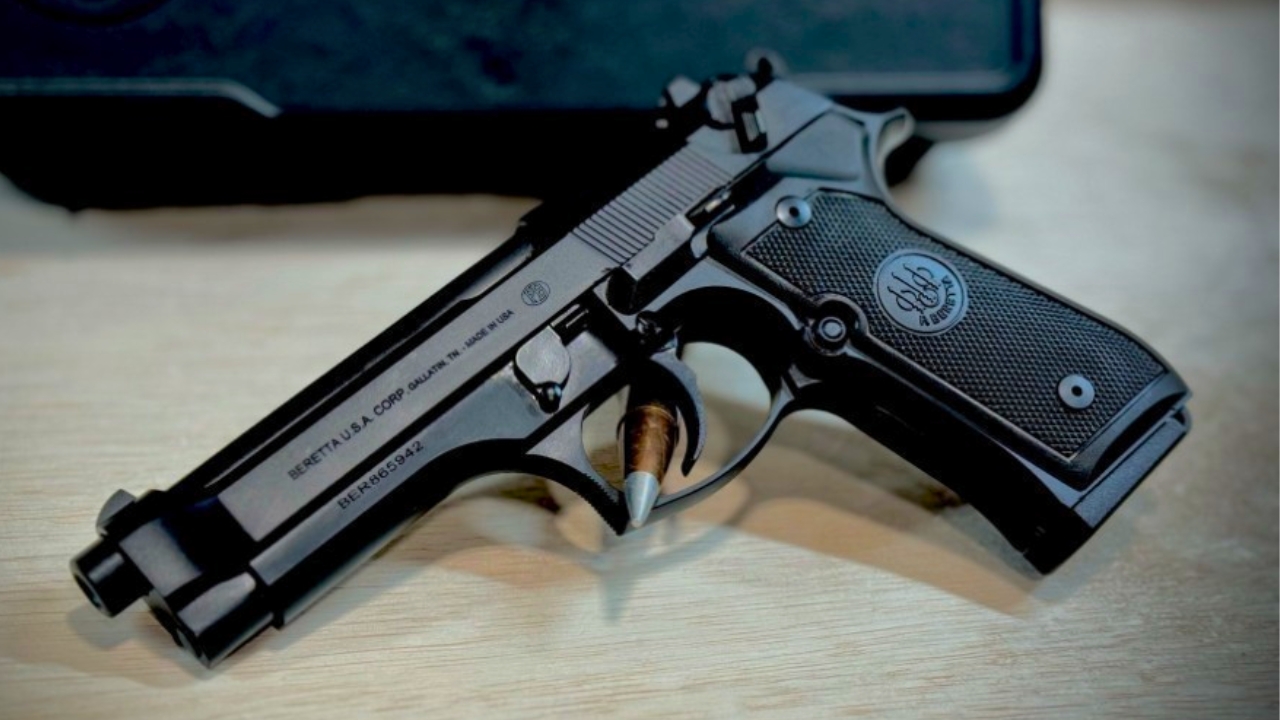
The open-slide design of the 92FS is great in theory but tends to collect snow and ice like a scoop. That’s not ideal when the cold sets in.
In freezing temps, moisture in the action can lock things up quick. It’s reliable in many conditions, but a snow-covered hillside isn’t its strong suit.
Remington Model Seven

The Model Seven is a lightweight bolt gun, but it’s been known to get sticky in extreme cold. The bolt can become stiff, especially if over-oiled before heading out.
It doesn’t have the same ruggedness as larger bolt rifles, and cold-weather shooters have found that it doesn’t always extract smoothly when temperatures crash.
Hi-Point Carbines

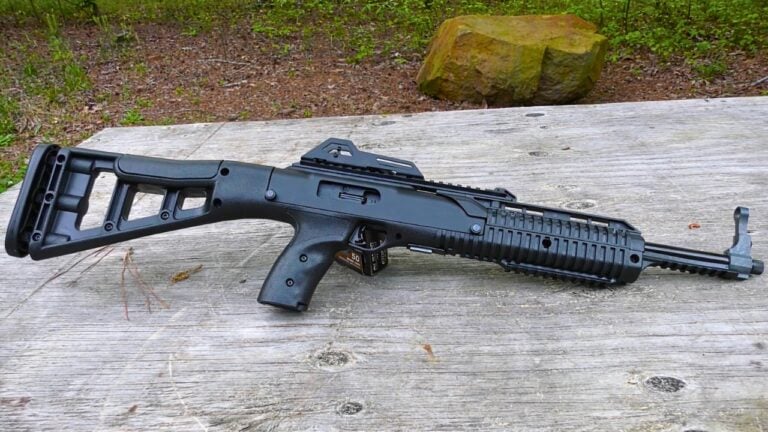
Hi-Points may be tough in some ways, but cold isn’t one of them. Their blowback system and stiff manual safety don’t handle freezing rain or ice well.
Plastic components can become brittle, and the chunky action starts to resist cycling. You’ll notice pretty fast that it’s better off in the truck than in the snow.
Taurus PT92

Similar to the Beretta 92FS, the Taurus PT92 suffers from an exposed slide and parts that don’t like the cold. The safety can be hard to manipulate with gloves on, too.
Moisture freezes fast in the action, especially if it’s not cleaned and prepped for winter. It’s a better fit for warm-weather carry than frosty mornings.
Savage 64

This semi-auto .22 is a fun plinker but doesn’t hold up in the cold. Its action doesn’t respond well to moisture and grime, and cold conditions tend to slow everything down.
Misfeeds and jams are common below freezing. It’s affordable and accurate, but when things get icy, it’s best left in the safe.
SIG P238

This tiny .380 looks great and feels great—until winter comes. The small controls and close tolerances don’t mix well with gloves, and it’s easy to short-stroke the slide when it’s cold.
Cold weather can stiffen the recoil spring and affect cycling. For deep concealment it’s fine, but don’t expect it to be trouble-free when it’s 10°F.
Remington V3

The Remington V3’s gas system can clog up fast with cold fouling and moisture. Some users report sluggish cycling when the temps drop and carbon builds.
Even though it’s more modern than the 1100, it still has some cold-weather quirks. If you’re waterfowl hunting in January, there are more reliable shotguns to reach for.
*This article was developed with AI-powered tools and has been carefully reviewed by our editors.