Photo credit: Nickolas Hunt/YouTube
A hunting rifle can be cheap and still be honest. It can be ugly and still be deadly. What matters is whether it feeds, fires, holds zero, and puts the first shot where it belongs when the woods finally give you a chance. That is where some rifles lose people fast.
The rifles here are actual models that have earned mixed reputations for rough actions, bargain-package compromises, weak stock feel, spotty consistency, awkward handling, or just not inspiring the kind of confidence you want on an important hunt. Plenty of hunters have killed deer with some of them. That does not mean they are the rifles I would reach for when the hunt really matters.
Remington 770

The Remington 770 is one of the rifles that made hunters appreciate the older Model 700 all over again. It was built around affordability, but the rough bolt, cheap stock, and overall feel made it hard to love. You could make one work, but it rarely felt like a rifle you wanted to depend on.
For a casual deer stand rifle, some shooters got by with it. The problem is confidence. When a rifle feels clunky every time you cycle it and does not inspire much trust from the bench, it is not the one I want in bad weather with one clean shot available.
Remington 710

The Remington 710 had the same basic problem as the 770. It came as an affordable scoped package, which sounded useful to new hunters, but the rifle itself never felt like a strong long-term answer. The action could feel rough, the stock felt cheap, and the whole setup carried a cut-corner feel.
Yes, people killed deer with the 710. That does not erase the fact that it felt more like a price-point rifle than a hunting partner. If you are choosing a rifle to rely on for years, there are too many better options to make this one tempting.
Mossberg 100 ATR

The Mossberg 100 ATR was another budget bolt-action that found buyers because the price looked good. The rifle could be accurate enough, but it never had the smoother, more confidence-building feel of better entry-level hunting rifles. Fit and finish were not its strong side.
The ATR’s biggest problem is that it sits in that uncomfortable space where cheap does not always feel reassuring. If you already own one that shoots well, fine. But if I were picking a rifle for an important deer season, I would want something with a better track record and more refined handling.
Mossberg 4×4
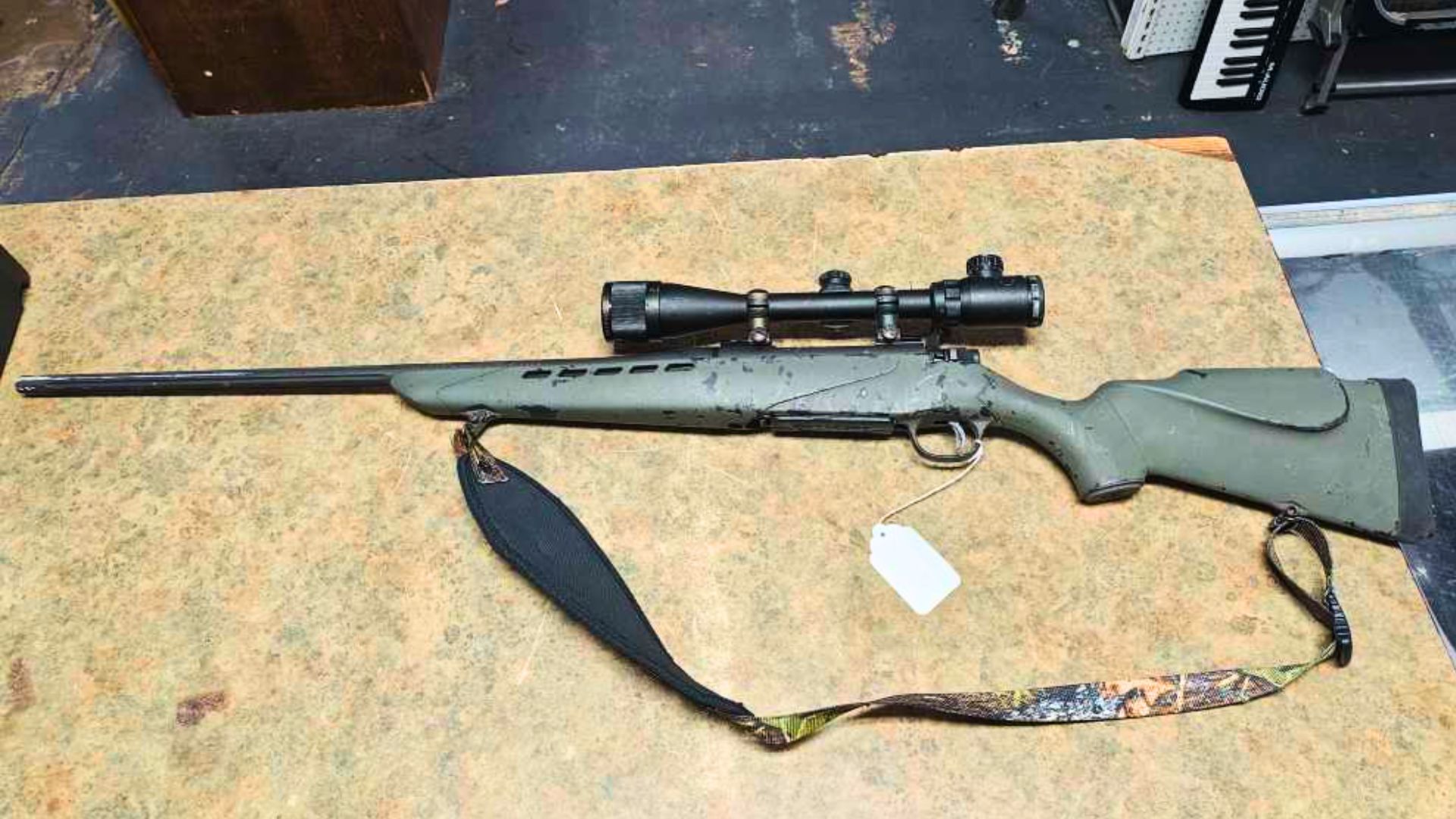
The Mossberg 4×4 had features that looked interesting on paper, but it never really became a rifle hunters talked about with deep confidence. The styling was awkward to some eyes, the handling could feel bulky, and the rifle did not build the same reputation as stronger competitors.
Some examples shoot acceptably, and that keeps it from being useless. Still, a hunting rifle needs to feel like something you trust without arguing yourself into it. The 4×4 always felt like a rifle trying to stand out while still landing in the bargain-rack conversation.
Savage Axis

The Savage Axis has put a lot of meat in freezers, and the platform can shoot better than the price suggests. The issue is that early and basic models often came with flimsy stock feel, heavy triggers, and package scopes that did the rifle no favors.
The Axis is not automatically bad, but it is one I would test hard before trusting. If the stock flexes, the trigger fights you, or the included optic will not hold zero, the rifle’s accuracy potential does not matter much. A hunting rifle needs the whole setup to work, not just the barrel.
Remington 783

The Remington 783 is better than the 770 and 710, but that does not make it a rifle I would choose first. It was made to compete in the budget bolt-action market, and while some rifles shoot well, the overall feel still does not match the better entry-level options.
The 783 can be a workable hunting rifle if you get a good one and replace weak glass. But it has always felt like a rifle you buy because of price, not because it inspires loyalty. For serious hunts, I want more than “probably good enough” from the rifle in my hands.
Thompson/Center Compass

The Thompson/Center Compass has a reputation for decent accuracy, but the rest of the rifle can feel less impressive. The stock, bolt feel, magazine setup, and overall handling do not always give you that solid hunting-rifle confidence when conditions get rough.
It is not a rifle I would call useless. Some shoot well and have served hunters fine. But if a gun feels awkward every time you shoulder it, load it, or cycle it, that matters. Accuracy from the bench is only part of hunting. The rifle also needs to feel dependable in real field positions.
Thompson/Center Venture
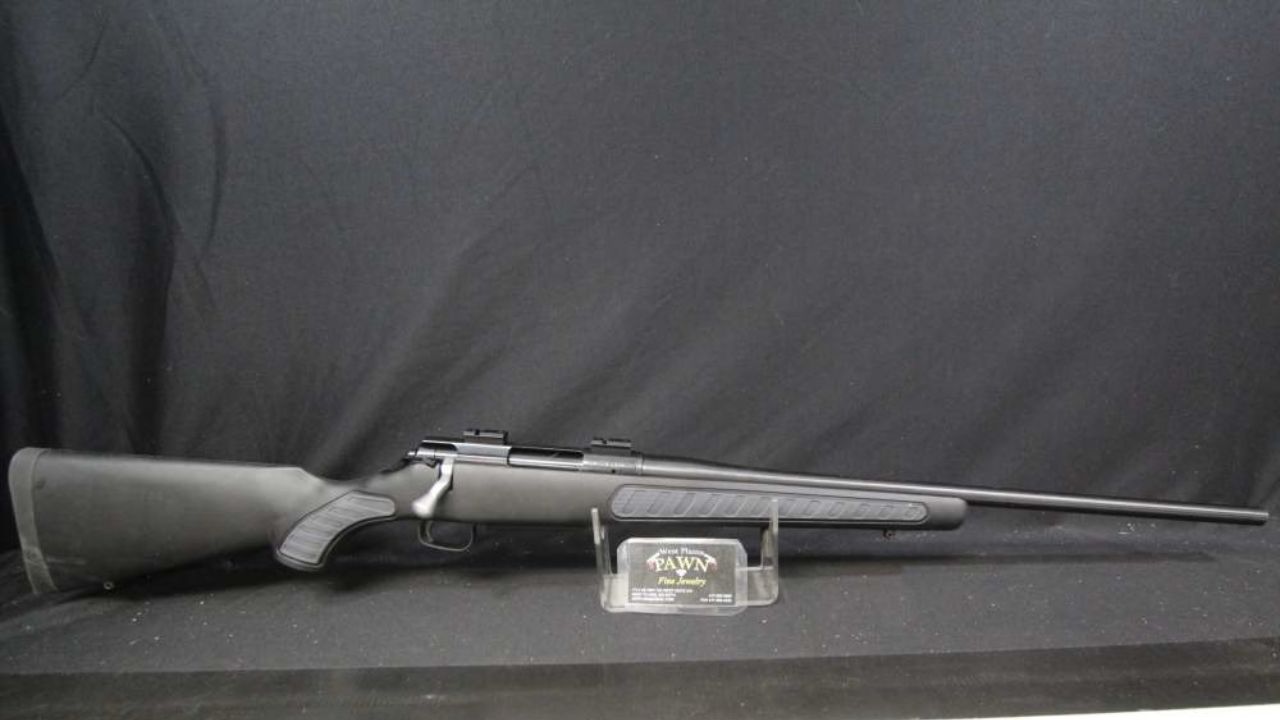
The Thompson/Center Venture looked like a step up from the cheapest rifles, but it never built the kind of following that makes hunters cling to it. Some rifles were accurate, but the platform also had enough mixed impressions that it never felt like a sure thing.
For hunting, consistency and confidence matter. If you own a Venture that shoots cleanly and feeds smoothly, there is no reason it cannot work. But when you are naming rifles people should be careful about relying on, the Venture belongs here because it never became the easy answer its price range needed.
Marlin X7
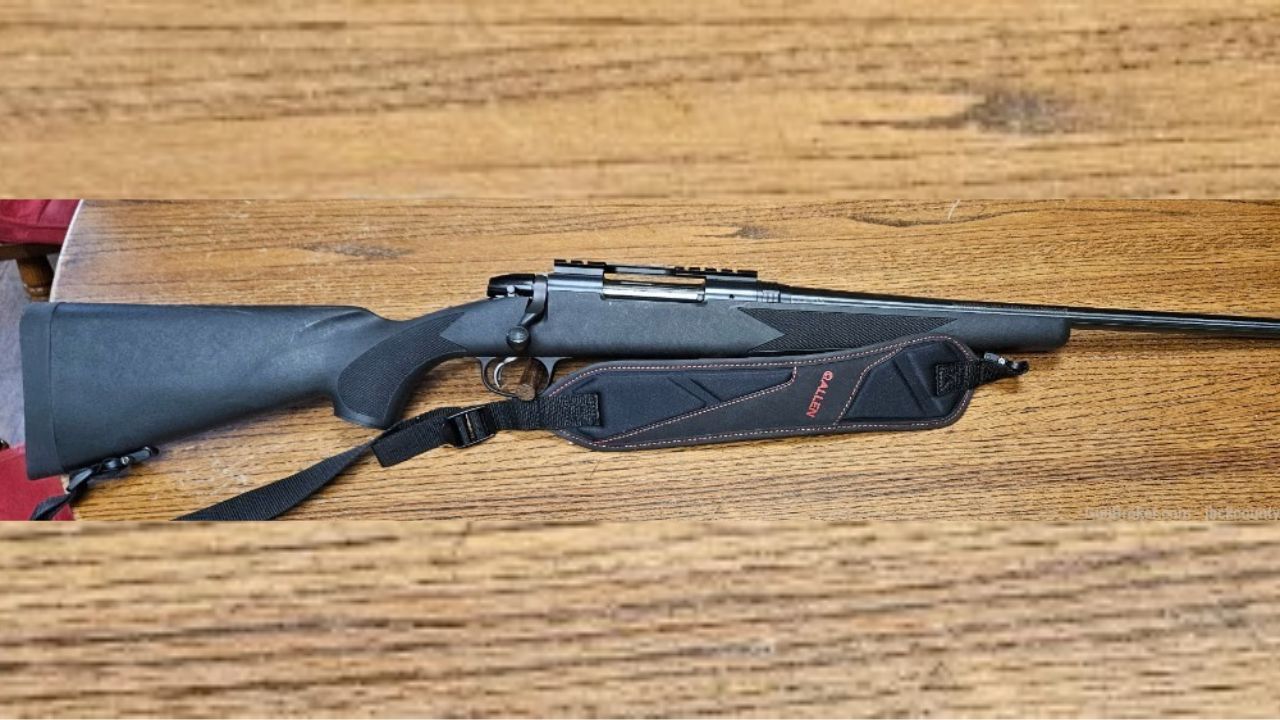
The Marlin X7 had promise and could shoot surprisingly well, but it never developed into a long-running rifle hunters could build much faith around. It arrived in a crowded budget-rifle market and faded before it really became a proven standard.
That does not mean every X7 is bad. Some owners like them a lot. The problem is support, parts, magazines, and long-term confidence compared with rifles that stayed in production and built stronger reputations. If I had to depend on a rifle deep into future seasons, I would rather have something easier to support.
Mossberg Patriot

The Mossberg Patriot is another rifle that can shoot well enough but does not always feel as solid as it should. The price is attractive, the chambering options are broad, and the styling looks more traditional than some budget rifles. Still, the overall feel can be hit or miss.
For a low-cost deer rifle, it may serve just fine if you test it thoroughly. But I would not trust one blindly out of the box with a bargain scope and factory mounts. The Patriot needs proof before confidence. Without that range work, it is not a rifle I would gamble a season on.
CVA Cascade

The CVA Cascade has gained attention as an affordable bolt-action, but I would still put it in the category of rifles that need real proving before a serious hunt. Some shoot well, but the brand does not have the same long centerfire rifle history as older hunting-rifle makers.
That matters to some hunters. A rifle can look good, group well once, and still need time before you fully trust the action, magazine, stock, and field durability. The Cascade may turn out fine for many owners, but I would not skip the testing phase and assume it belongs beside older proven rifles.
Ruger American Predator
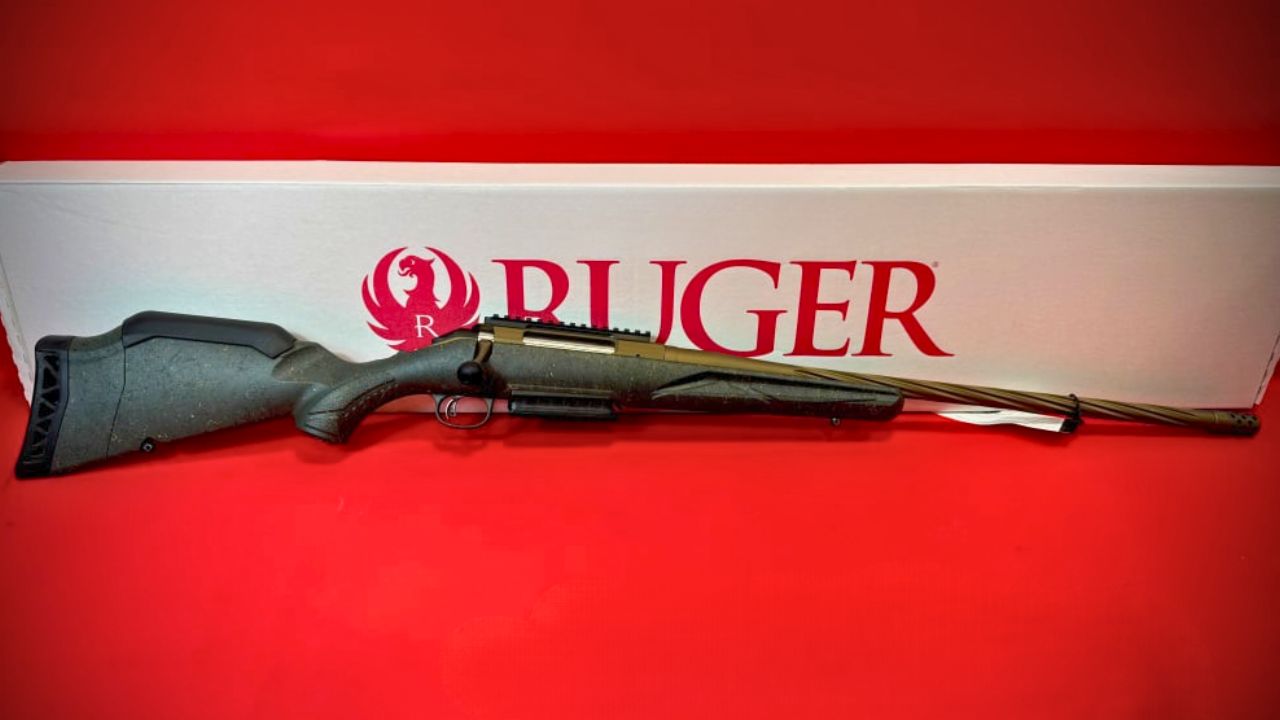
The Ruger American Predator is accurate enough to make a lot of hunters happy, but it can still feel cheaper than some people expect. The stock is flexible, the magazine systems have varied by version, and the rifle’s light build can feel less settled in field positions.
This is not a bad rifle, and many of them shoot very well. The reason it belongs here is because people sometimes trust the accuracy reputation too quickly. Before relying on one, I would test feeding, check the magazine, confirm zero after travel, and make sure the stock and optic setup are not holding the rifle back.
Winchester XPR

The Winchester XPR is a functional budget rifle, but it does not carry the same soul or confidence as the Model 70 name many hunters associate with Winchester. The XPR can shoot, but the feel is more utilitarian than inspiring.
For some hunters, that is enough. For others, the bolt feel, stock, and overall character make it hard to love. A rifle does not need romance to work, but it does need confidence. If I were choosing one rifle for a serious hunt, I would want the XPR thoroughly proven before I trusted it over stronger options.
Browning A-Bolt III
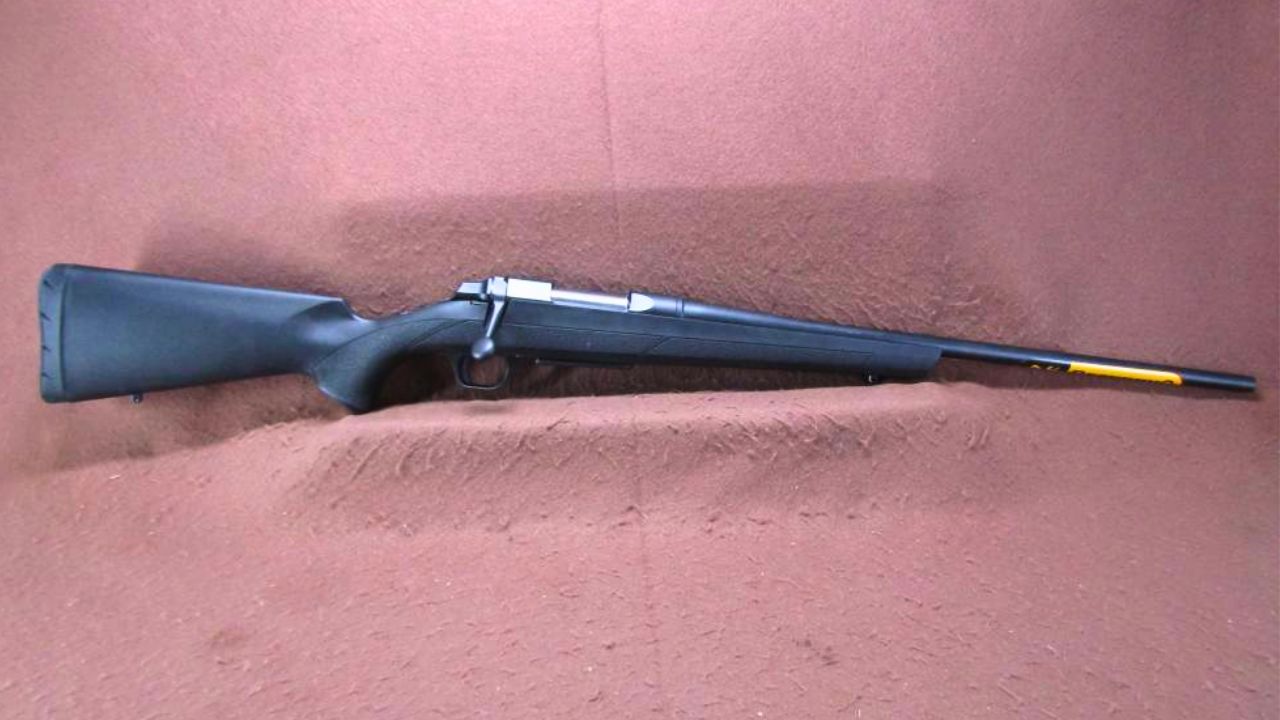
The Browning A-Bolt III was meant to offer Browning buyers a more affordable bolt-action, but it never felt as respected as the older A-Bolt or the X-Bolt. It works, but it often feels like the rifle people bought when they wanted the name more than the best design.
That does not make it junk. It can be accurate and perfectly usable. But compared with Browning’s stronger hunting rifles, the AB3 feels like the budget sibling. If I am trusting a rifle for hard hunting, I would rather have the X-Bolt or an older A-Bolt that feels more settled.
Remington 742 Woodsmaster

The Remington 742 Woodsmaster has a loyal following, but it also has enough baggage that I would be careful relying on one without a serious checkup. Older examples can suffer from worn internals, dirty chambers, magazine issues, and cycling problems that do not show up until the rifle is asked to work cold.
A clean, well-maintained 742 can still kill deer. The trouble is that many have lived hard lives. If you inherit one or find one used, do not assume nostalgia equals reliability. Test it with your hunting ammo, inspect it closely, and make sure it cycles before it becomes your opening-morning plan.
Like The Avid Outdoorsman’s content? Be sure to follow us.
Here’s more from us: