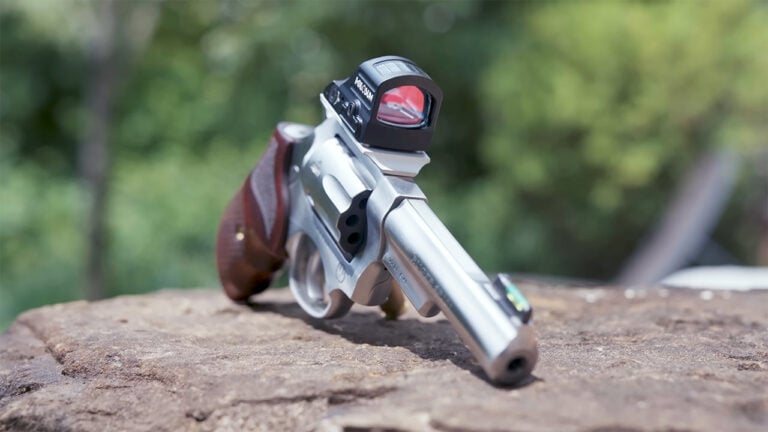
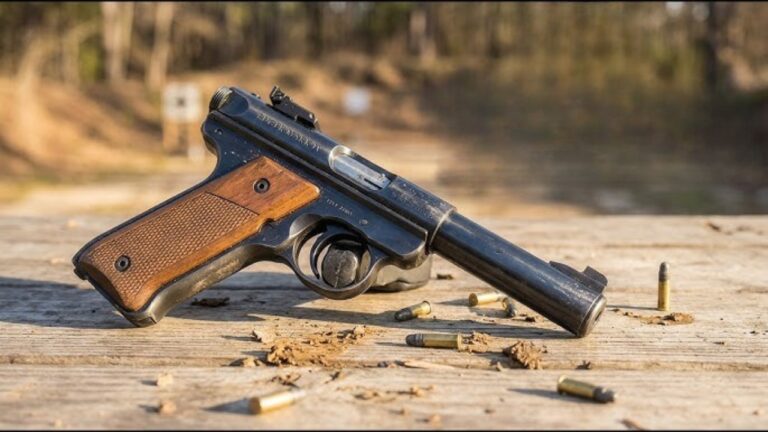
Photo credit: sootch00/YouTube
Some guns sell like hotcakes because they’re cheap, familiar, and easy to explain in one sentence. Others never move that way. They cost more than they should, arrive ahead of their time, or solve a problem most shooters don’t think they have. On a store shelf, those guns can look like mistakes. In the hands of the right owner, they turn into lifelong favorites.
A die-hard fanbase usually forms when a gun does one thing unusually well: it shoots softer than it should, carries flatter than it looks, runs in ugly conditions, or feels “right” in a way spec sheets never capture. These aren’t always big commercial winners, and plenty were niche, misunderstood, or priced into a corner. But if you’ve spent time around serious shooters, you’ve seen how loyal people get when a gun fits their world.
HK P7

The HK P7 never needed mass-market numbers to earn a cult following. It’s heavy for its size and expensive compared to more common carry pistols, so it was never going to flood holsters the way polymer guns did. But when you shoot one, you feel why people won’t let them go. The fixed barrel and low bore axis make it shoot flatter than you’d expect, and the accuracy is easy to access.
The squeeze-cocker system also builds a certain confidence for people who understand it. It carries safely, comes alive the moment you grip it, and rewards clean technique. Parts and mags aren’t cheap, and it’s not a “grab one anywhere” pistol. That scarcity is part of the story now, but the real loyalty comes from how smooth and precise it feels.
HK USP Compact
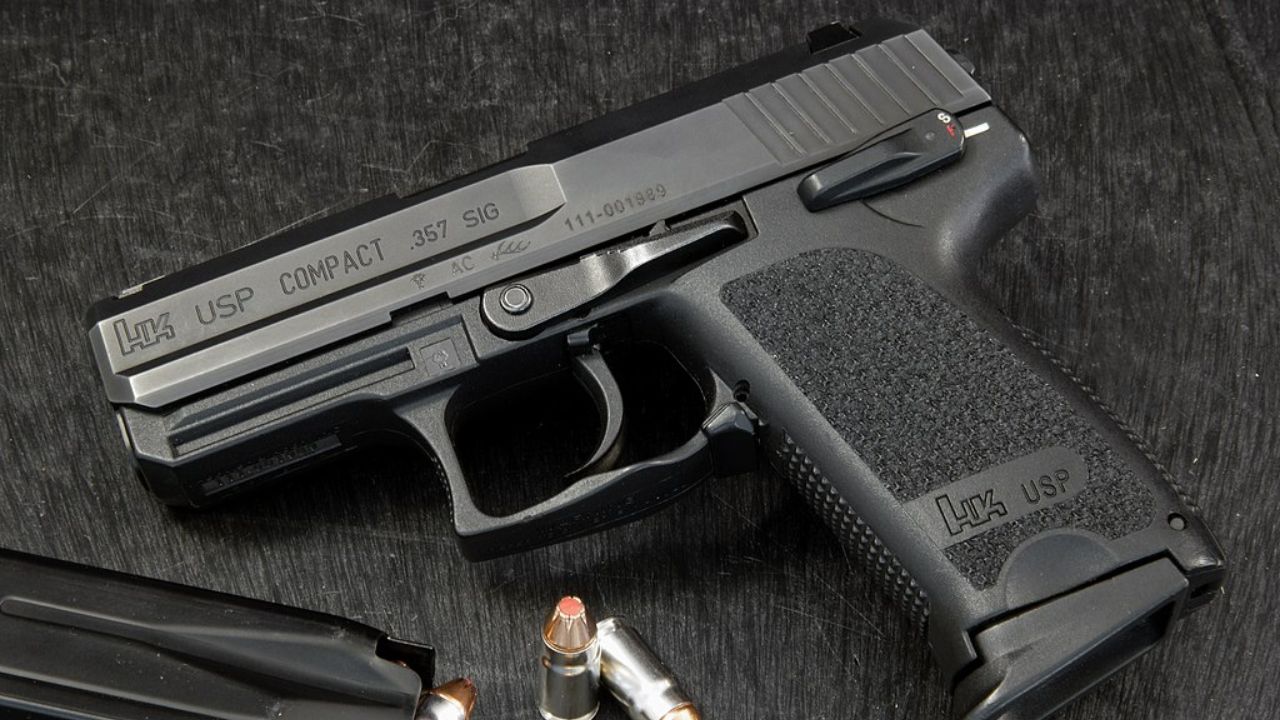
The USP Compact never dominated sales the way striker-fired duty pistols did, mostly because it costs more and feels overbuilt for casual buyers. That overbuilt feel is exactly why it keeps a loyal crowd. The recoil system and sturdy slide give it a calm, controlled impulse, and it runs well even when it’s dirty, dry, or neglected longer than it should be.
You also get flexibility in how you run it. Safety/decocker setups, DA/SA options, and a grip that fits a lot of hands make it feel like a serious tool instead of a trend piece. It’s not the lightest carry gun, and it doesn’t win on price. The fanbase sticks because it’s dependable, predictable, and tough enough to outlast most owners’ attention spans.
SIG Sauer P239

The P239 is a classic example of a pistol that never became a mainstream darling, yet the people who love it really love it. It’s a single-stack, metal-framed carry gun that arrived before today’s thin micro-compacts took over. Once the market moved, it became harder to justify on a sales floor, even though it still carries well and shoots better than many smaller guns.
In the hand, it feels steady and honest. The extra weight makes recoil manageable, and the trigger system rewards deliberate shooting. It’s not a high-capacity pistol, and it’s not the cheapest way to get into a carry gun. The loyalty comes from the feel and the consistency. If you value a calm, controllable carry pistol that doesn’t feel flimsy, the P239 still makes sense.
SIG Sauer P210
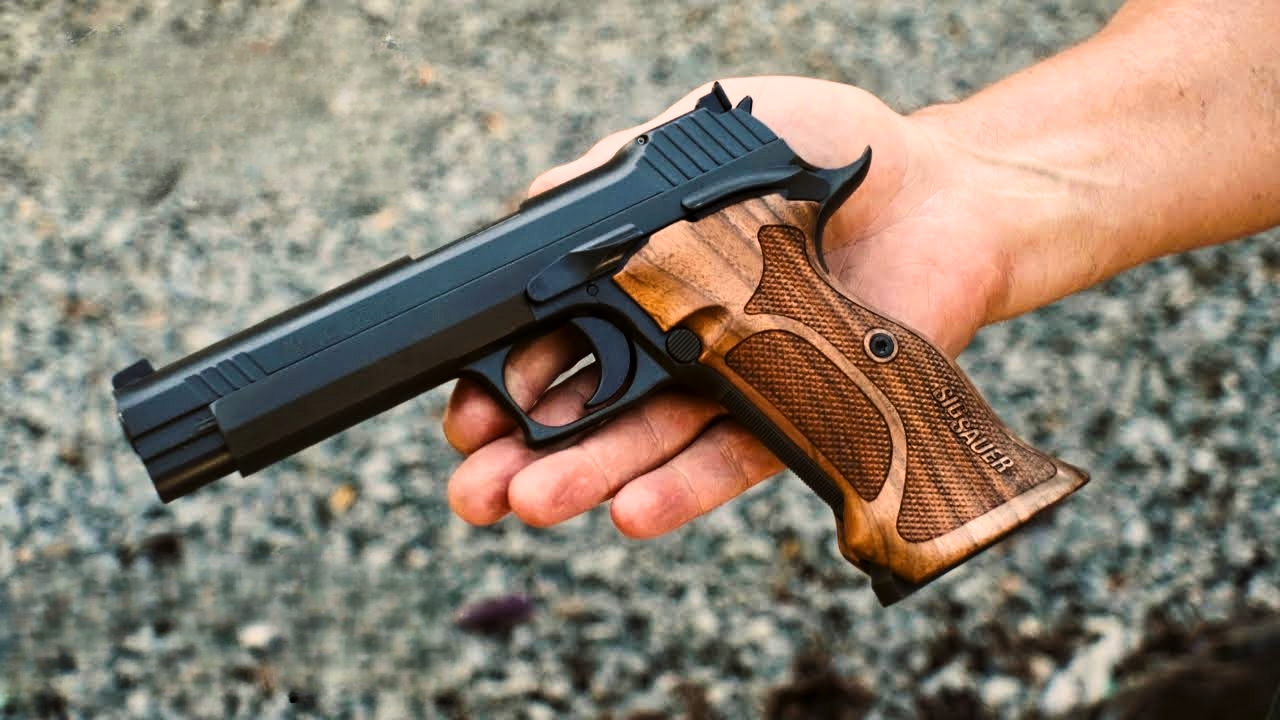
The P210 has never been a mass-market gun, because it lives in a world where precision costs money. It’s the kind of pistol people talk about in terms of trigger feel, slide fit, and how easy it is to shoot tight groups without forcing it. That’s not a recipe for huge sales numbers. It’s a recipe for a smaller group of owners who keep them forever.
When you shoot a P210, you understand why the fanbase is intense. The gun feels refined and steady, and the accuracy doesn’t feel like a fluke. It’s not a duty pistol for everyone, and it’s not priced for casual impulse buys. It’s a shooter’s handgun that attracts people who care about how a pistol behaves when you’re trying to do everything right.
Beretta PX4 Storm

The PX4 Storm never caught the mainstream wave the way other polymer pistols did, partly because it looks unconventional and competed in a crowded market. The fanbase stays loyal because the gun shoots softer than many people expect. The recoil impulse is smooth, and the pistol tracks well when you’re pushing speed. In real range time, that matters more than internet aesthetics.
It also runs with a kind of boring consistency that owners appreciate. The controls are traditional, the grip is comfortable, and it holds up well with normal maintenance. You don’t buy a PX4 to impress anyone who only reads spec sheets. You buy it because you want a handgun that feels calm in recoil and keeps your sight picture stable. Owners keep them because they shoot them well.
FN Five-seveN

The Five-seveN has always been a niche gun because of price, ammo cost, and the way the cartridge sparks endless arguments. That alone keeps it from being a high-volume seller. The die-hards stick around because the shooting experience is unusual: light recoil, fast follow-up shots, and a flat, easy handling feel that makes long range sessions comfortable.
Owners also like the practical details. The pistol is light, carries a lot of rounds, and stays controllable even when you’re moving quickly between targets. It’s not the most budget-friendly handgun to feed, and it’s not a one-gun-for-everyone choice. The loyalty comes from how different it feels from typical service pistols. If you like speed and low recoil, it scratches an itch few other pistols touch.
Steyr M9-A2

Steyr’s striker pistols have never been top-of-the-counter sellers in the U.S., even though they’ve been doing smart things for a long time. The low bore axis and grip geometry help the gun track flat, and the sights are fast once you get used to them. A lot of shooters try one, shoot it better than expected, then wonder why they don’t see more of them.
The fanbase stays loyal because the guns feel purpose-built. The trigger is usually solid, recoil control is easy, and the ergonomics help you find the same grip every time. The downside is availability, aftermarket support, and the fact that many buyers stick to the brands they already know. If you’re willing to be the guy running something different, the Steyr rewards you with smooth, repeatable shooting.
Walther P99

The Walther P99 never became the default “everybody has one” pistol, even though it was ahead of its time in ergonomics and trigger ideas. Market momentum and newer models eventually pushed it into a quieter corner. The loyal crowd keeps it alive because it feels great in the hand, points naturally, and shoots like a pistol designed by people who actually cared about human hands.
It also has personality without being fragile. The trigger system offers a feel that many shooters find more interesting than the usual striker pull, and the gun tends to run reliably with good magazines. It’s not the cheapest option, and it’s not the easiest to find in every shop. The fanbase sticks because the P99 has a balance and shootability that still holds up today.
Ruger No. 1

The Ruger No. 1 has always been a niche rifle because it’s a single-shot in a world that loves magazines and quick follow-ups. That makes it a hard sell to the average buyer, even though it’s strong, accurate, and compact for its barrel length. The people who love it enjoy the discipline it brings and the way it carries in the field.
It also scratches a certain pride-of-ownership itch. You get a classic look, a rifle that feels special, and a design that can handle serious cartridges in a tidy package. In real hunting, most shots are still first-shot situations, and the No. 1 rewards that mindset. It’s not a volume seller because it asks more of you. The fanbase stays because that’s the point.
Browning BLR
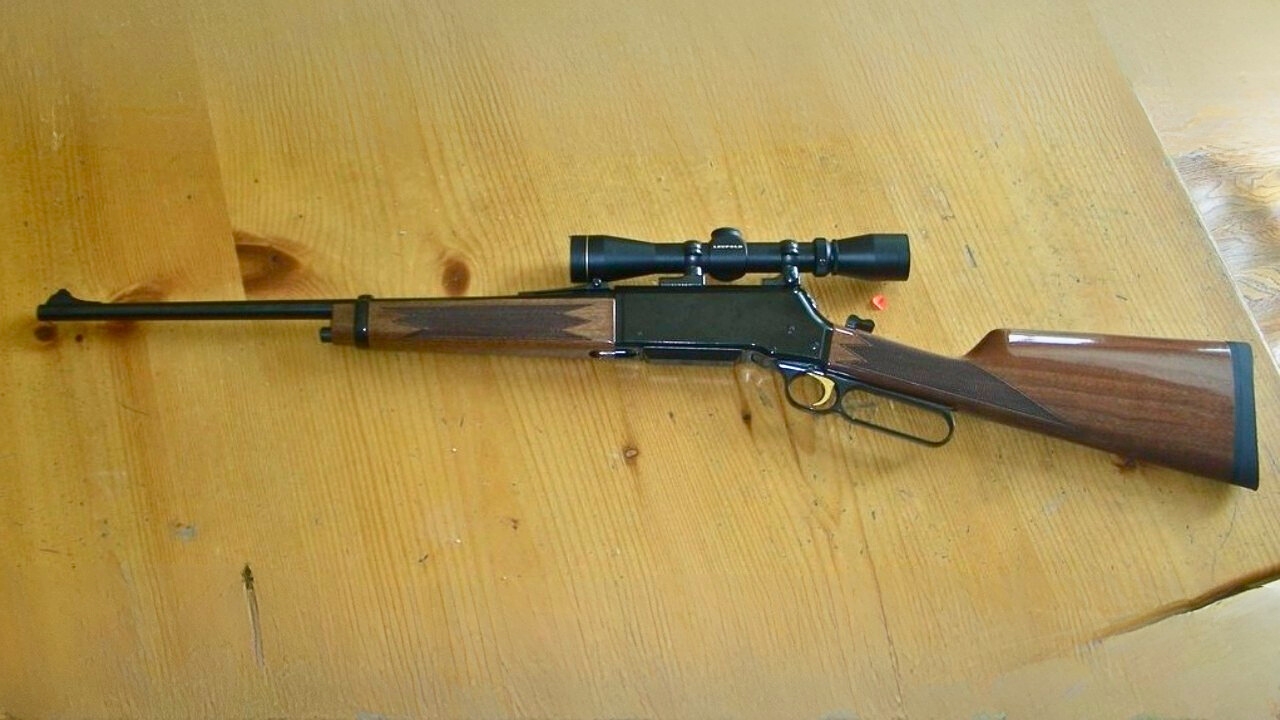
The BLR is beloved by a smaller crowd because it sits between categories. It looks like a lever gun, but it feeds from a magazine and can run modern cartridges. That “in-between” identity kept it from becoming a mainstream classic like a .30-30 lever gun. The loyal owners stick because it solves a real field problem: fast handling with more modern ballistic options.
In the woods, it carries beautifully and points quickly. You get quick follow-ups without the long bolt throw, and you can run cartridges that make sense for longer shots than traditional tube-mag lever rounds. It’s also more complex than simpler lever guns, and the price reflects that. The fanbase remains because the BLR is one of the few rifles that truly feels like both worlds.
Remington Model 7600

The 7600 never got the respect it deserved in the broader market, even though pump rifles have been quietly effective for decades. It’s not trendy, it’s not “tactical,” and it doesn’t have the cool-factor marketing of some modern platforms. The loyal crowd sticks because, in thick cover, a pump rifle can be incredibly fast and natural to run—especially for hunters raised on pump shotguns.
It also handles awkward positions well. You can keep the rifle shouldered, cycle it quickly, and stay on target in a way many shooters struggle to do with a bolt under stress. The downside is that the design is a little orphaned now, and clean examples get snapped up by the people who already understand them. The fanbase is small, but it’s serious.
Ruger Gunsite Scout
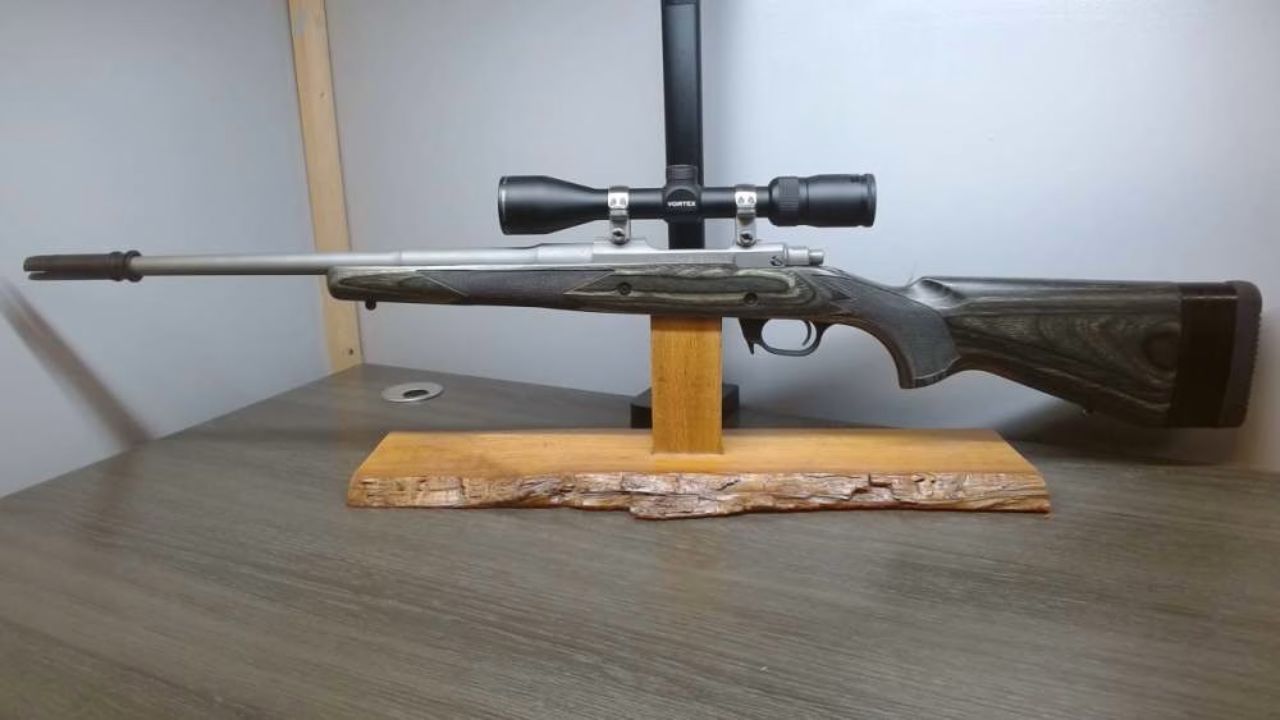
The Gunsite Scout never became a mainstream hunting rifle because it’s a purpose-driven concept in a market that buys with either budget or extreme specs in mind. It’s not the lightest mountain rifle and not the cheapest deer gun. The people who love it stick around because it carries compact, balances well, and feels ready for rough use without feeling delicate.
In the field, that handy length matters. It moves through brush, gets in and out of vehicles cleanly, and still delivers practical accuracy. The rifle also tends to be easy to live with: sturdy action, sensible controls, and a layout that favors real handling over bench bragging. The fanbase isn’t chasing fashion. They’re chasing a rifle that feels like it belongs in your hands all day.
Springfield M1A
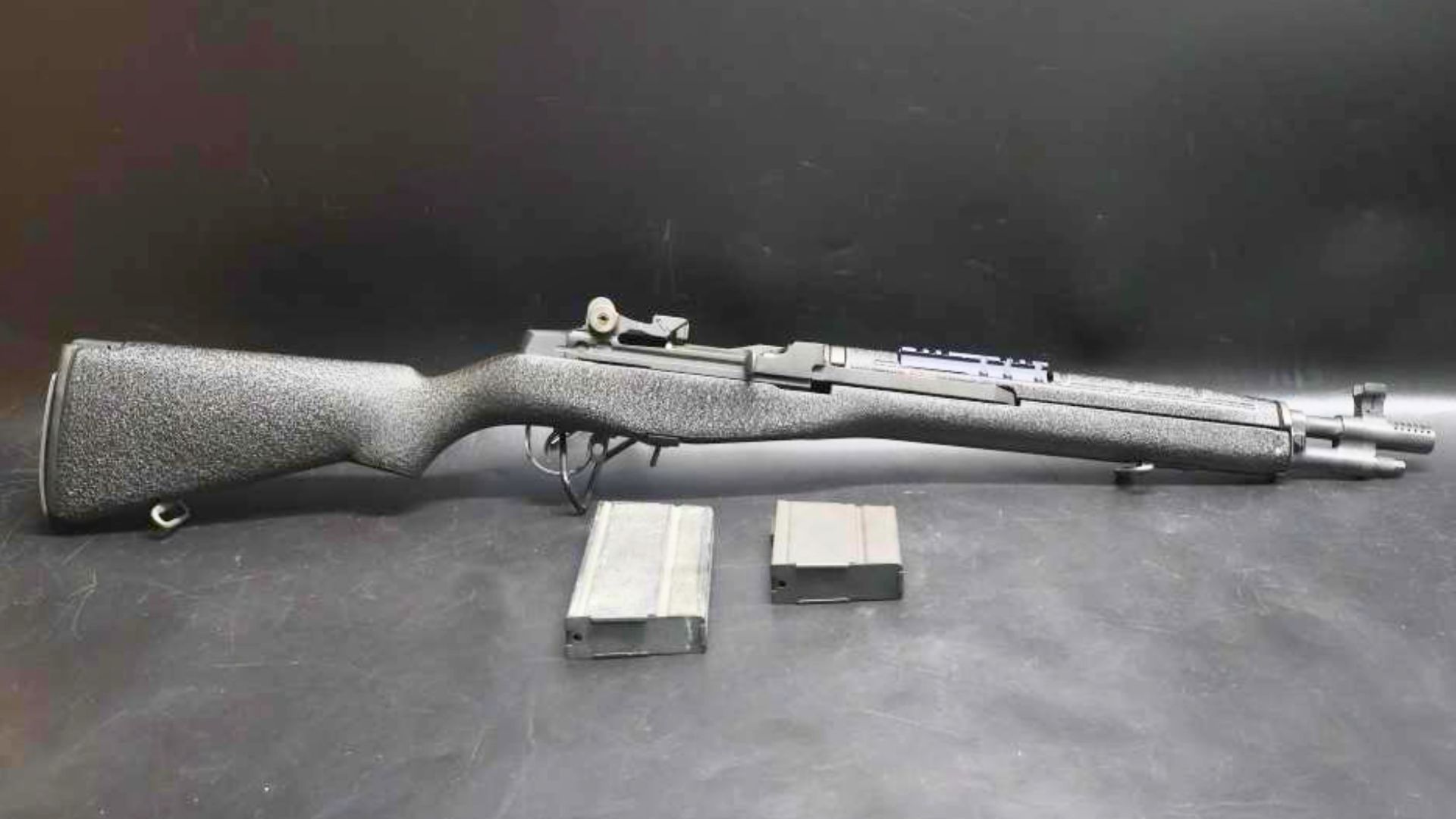
The M1A has never been a top seller in the way modern AR-pattern rifles have been, mostly because it’s heavier, more expensive to feed, and not as modular. The die-hard crowd doesn’t care. They love the feel of the action, the balance, and the way the rifle settles into a steady rhythm when you shoot it. It’s a rifle people bond with.
It also carries history and a certain kind of shooting satisfaction. You’re not buying an M1A for the cheapest path to accuracy or the easiest path to accessories. You’re buying it because it feels alive in a way some modern rifles don’t. The platform can be accurate with the right setup, and it’s capable in the field with a sling and good fundamentals. Owners stick with it because it feels like a rifle, not a project.
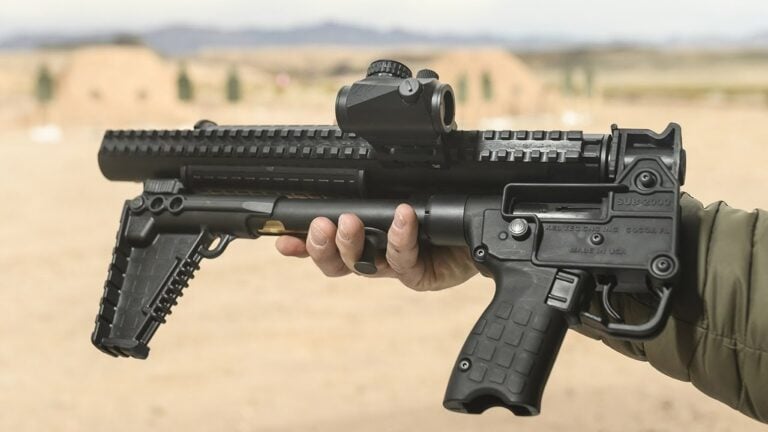
Kel-Tec PMR-30
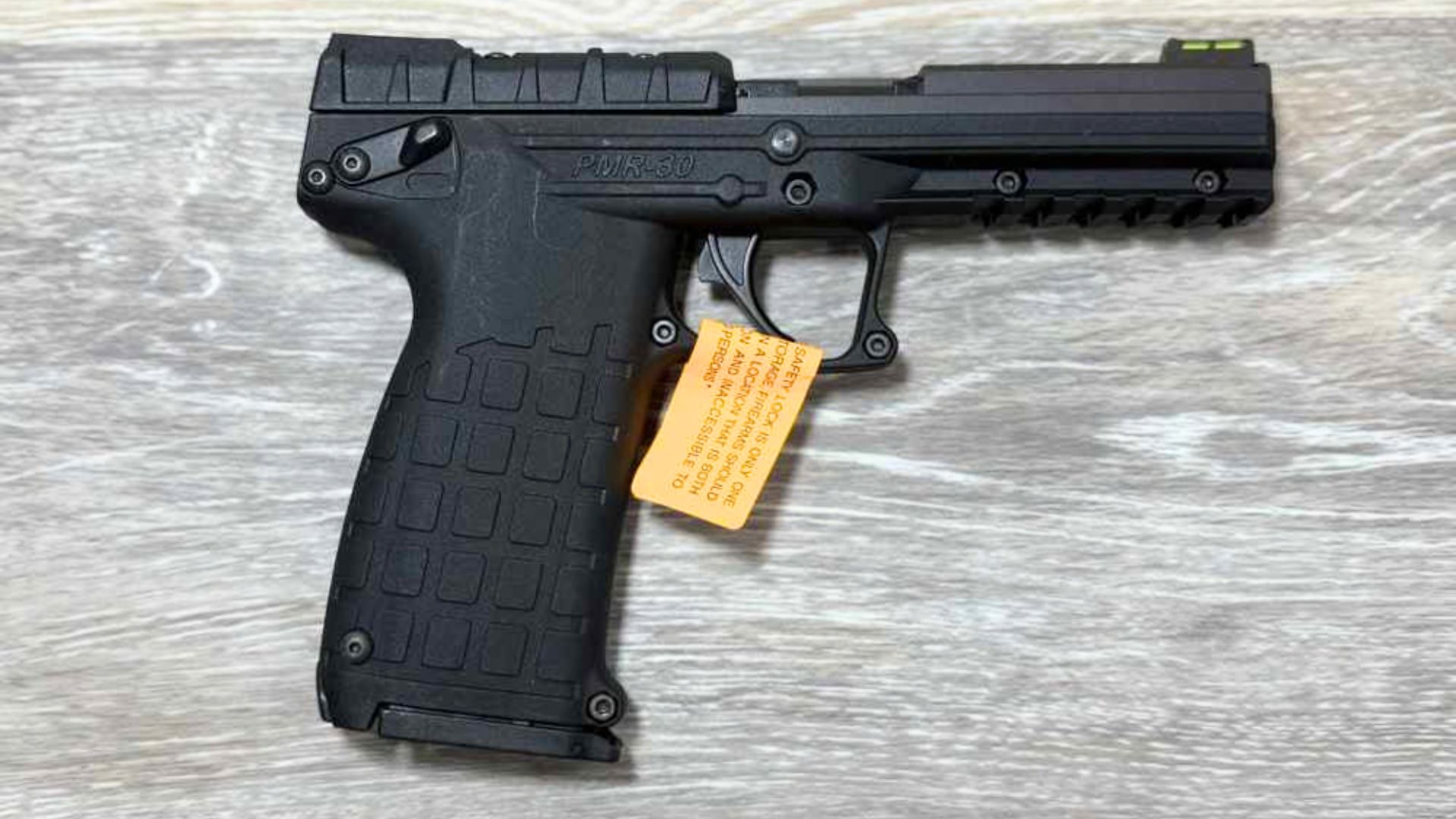
The PMR-30 has always been a niche handgun because it looks unconventional and lives in a cartridge most buyers don’t understand. That alone keeps it from being a steady best-seller. The fanbase sticks because it’s light, fun, and surprisingly capable when you run it with ammo it likes and magazines loaded correctly. For some shooters, it’s one of the most enjoyable pistols they own.
It also fills odd little roles. As a lightweight trail pistol or a range gun that doesn’t beat your hands up, it can make a lot of sense. The .22 WMR brings more punch than .22 LR, and the capacity is part of the appeal. It’s not a “one pistol for everything” choice, and it demands a little attention. The loyal owners accept that trade and keep shooting.
Magnum Research Desert Eagle

The Desert Eagle has never been a normal seller because it’s huge, expensive, and completely impractical for most everyday uses. That’s exactly why the fanbase is so committed. You don’t buy one by accident. You buy it because you want the experience: the weight, the blast, the recoil impulse, and the grin it puts on your face when it runs correctly.
Owners also like that it’s a real, functioning design, not a novelty prop. It takes maintenance, it takes the right ammo, and it’s not built around convenience. But it’s a handgun with presence, and it delivers a shooting experience you can’t fake with anything else. The die-hards treat it like a special event gun, and they keep it because nothing else scratches that same itch.
Chiappa Rhino

The Chiappa Rhino didn’t become a mainstream revolver because it looks different and costs more than plenty of conventional wheelguns. The loyal crowd sticks with it because the design changes how recoil feels. By dropping the bore axis lower, it can reduce muzzle rise in a way you notice immediately, especially with hotter loads. That makes fast, accurate revolver shooting feel more controlled.
It also rewards shooters who actually practice. The trigger feel is different, the sight picture can take a minute, and it’s not a “borrowed from Grandpa” style revolver. Once you adapt, the gun can be extremely shootable. The fanbase stays because it offers something real, not marketing noise. If you like revolvers and you care about how the gun tracks under recoil, the Rhino earns genuine loyalty.
Like The Avid Outdoorsman’s content? Subscribe to our newsletter so you never miss an article.
Here’s more from us: