Photo credit: Leverguns 50/YouTube
Few rifles hold the kind of weight in American hands that a Winchester does. The name alone brings up memories of saddle scabbards, deer camps, and fathers passing down rifles to sons. While the shooting world keeps churning out new polymers, chassis systems, and mag-fed bolt guns, those old Winchesters keep showing up in the woods. They’re not relics—they’re reminders of when rifles were built with soul and purpose. A Winchester might creak a little, carry a few scratches, and wear bluing like an old work jacket, but it still delivers. Whether it’s the iconic lever-actions that built the frontier or the bolt guns that fed generations of hunters, Winchester rifles refuse to fade because they represent something honest. They connect shooters to a time when craftsmanship mattered more than marketing—and every round fired carried a story worth telling.
Winchester Model 70
The Model 70 didn’t earn the nickname “The Rifleman’s Rifle” for nothing. Its controlled-round feed, solid bolt, and crisp trigger made it a favorite among hunters who valued precision and reliability. Even decades later, it feels balanced in the hand and natural on the shoulder.
Hunters who grew up with the Model 70 trust it like an old friend. You can carry it for miles, put it through rain and cold, and it’ll still cycle smooth as ever. While newer bolt guns may print smaller groups, few feel as right when you bring them up to shoot. The Model 70 isn’t nostalgia—it’s proof that good design doesn’t age.
Winchester Model 94

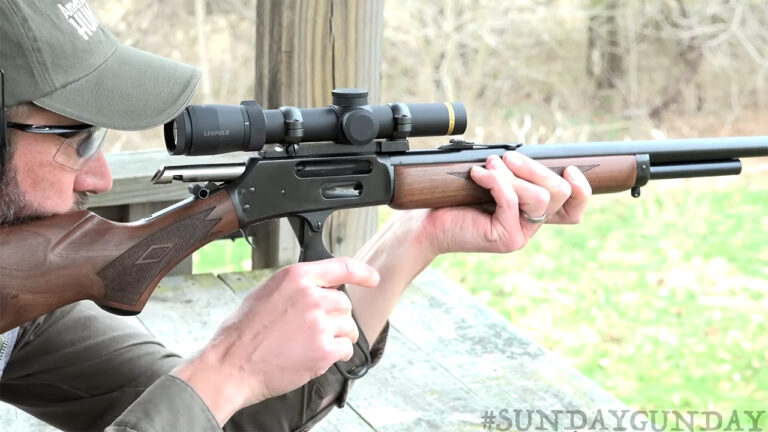
If there’s one rifle that defines the American deer woods, it’s the Model 94. Slim, fast, and perfectly at home in thick timber, this lever-action was built for hunters who walked more than they sat. It’s been taking whitetails and black bears since before most modern cartridges existed.
The 94’s balance and handling are what make it timeless. You can carry it all day without fatigue and shoulder it instinctively when a buck slips through the brush. Its .30-30 cartridge might not make headlines anymore, but it still does the job cleanly. No gadgetry, no hype—just steel, walnut, and results.
Winchester Model 1892
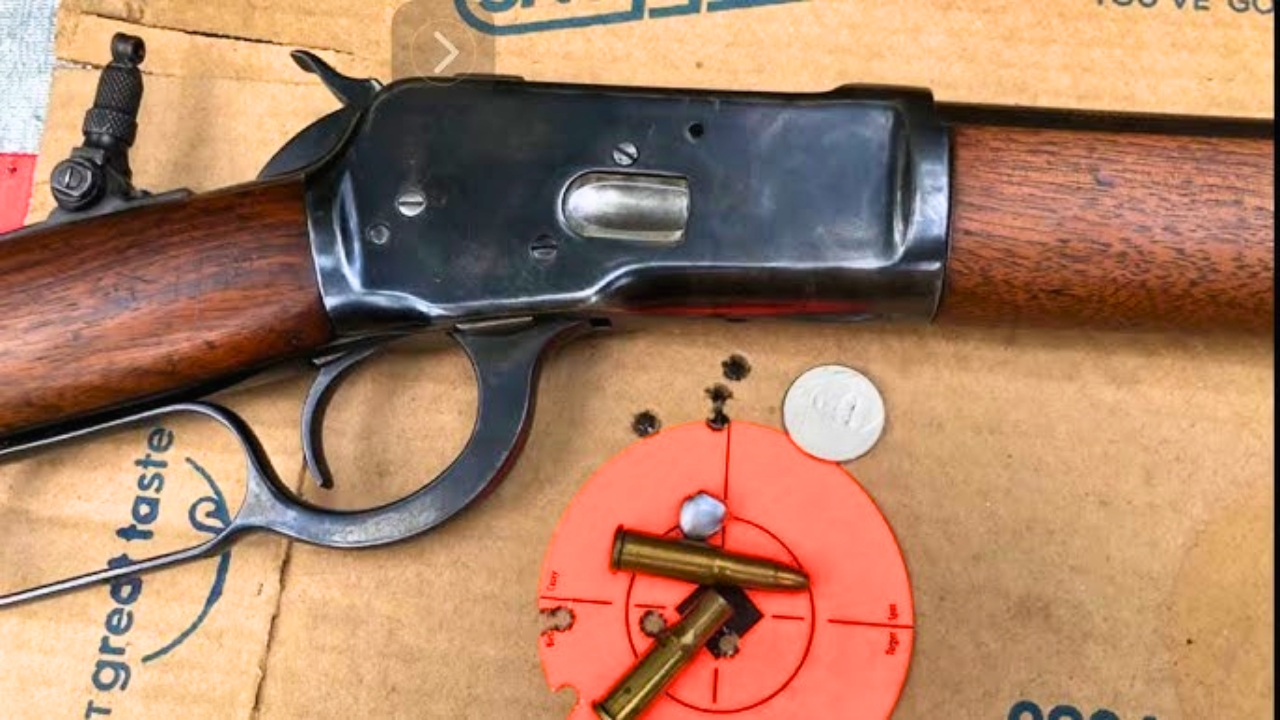
The 1892 is a rifle that feels alive in your hands. It’s compact, smooth, and built like a watch. Chambered in classic pistol calibers like .44-40 and .45 Colt, it bridged the gap between handguns and rifles for ranchers, trappers, and lawmen.
It’s easy to see why collectors and shooters still chase them down. The action is silky, the profile is unmistakable, and every lever stroke reminds you why Winchester ruled the frontier. Even the modern reproductions capture that same magic. The 1892 endures because it represents the moment rifles stopped being tools and started being legends.
Winchester Model 1886
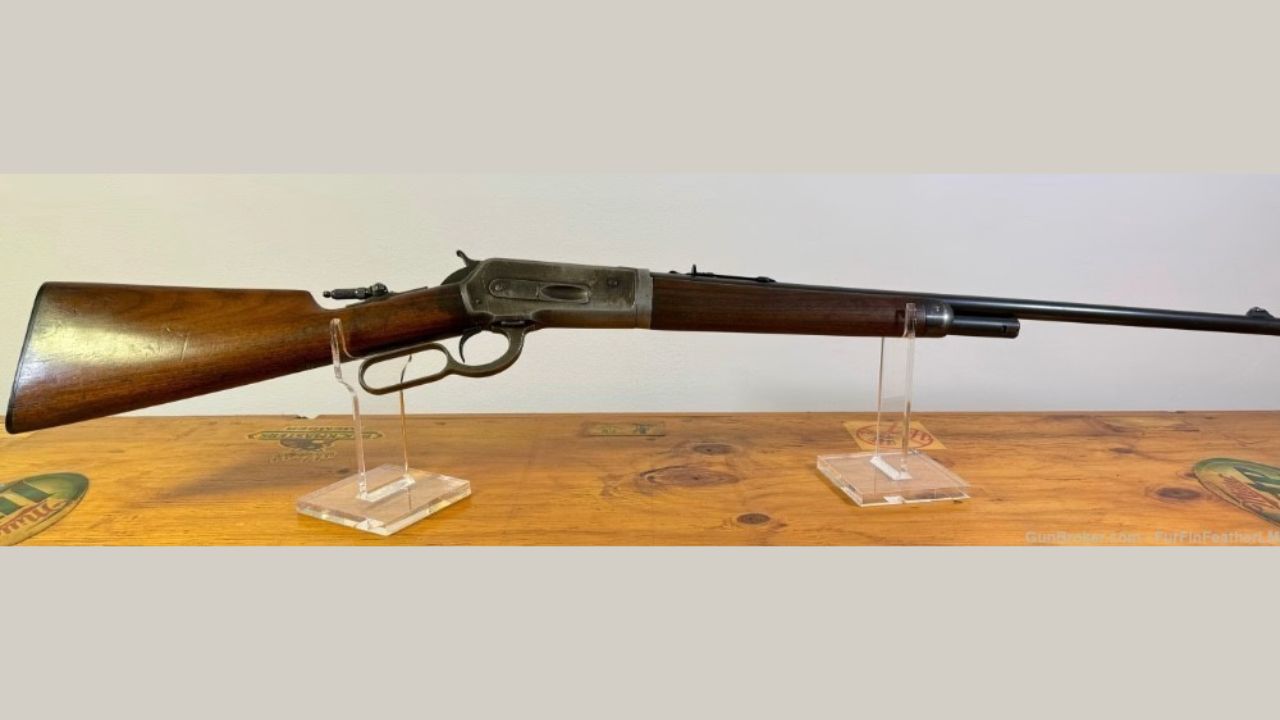
Built to handle serious cartridges like the .45-70, the Model 1886 was a powerhouse in its day. It brought real authority to the lever-action world with an action strong enough to tackle anything North America offered. Hunters still trust it for bear and elk when they want something that hits with weight and history.
There’s a confidence that comes from running an 1886—smooth lever throw, steady recoil, and that unmistakable metallic click. It doesn’t try to be light or flashy. It’s heavy steel and hard purpose, built for people who expect their rifle to do the hard work without complaint. Few rifles carry that same kind of presence today.
Winchester Model 1873
The Model 1873 was called “The Gun That Won the West,” and for good reason. It was dependable, accurate enough for its time, and chambered in popular handgun rounds that made logistics easy for frontiersmen. You could ride with one gun on your hip and another on your saddle, both feeding from the same box of ammo.
What’s kept it relevant is more than history—it’s how natural it feels to shoot. The toggle-link action has a rhythm that’s addictive, and the rifle points like it’s part of you. Whether you’re ringing steel or working cattle, the 1873 feels as authentic today as it did 150 years ago.
Winchester Model 64

The Model 64 doesn’t get the same spotlight as the 94, but it earned plenty of quiet respect. Built as a sleeker, more refined lever-action, it offered better sights, longer barrels, and smoother lines. Many deer hunters in the mid-20th century considered it their go-to rifle.
It was chambered in the same trusted .30-30 and .32 Special loads, making it a perfect fit for hunters who wanted a touch more reach and accuracy. The 64 might not have been as widespread, but those who owned one rarely gave it up. It showed that Winchester could take a proven design and polish it into something even more capable.
Winchester Model 52
The Model 52 was precision before precision rifles were a category. Rimfire shooters loved it for its accuracy, trigger, and craftsmanship. It dominated target shooting in its era and set the standard for what a small-bore rifle could do.
Even now, a well-kept Model 52 can still outshoot many modern .22s. The action feels like glass, and every round feeds flawlessly. Whether you’re punching paper or training for big game season, the Model 52 remains one of the smoothest shooting experiences you can find. It’s not nostalgia—it’s performance that still holds up generations later.
Winchester Model 9422

When Winchester released the 9422, they gave kids and small-game hunters a rimfire that felt like a full-size lever gun. Chambered in .22 LR and .22 WMR, it was built like its bigger centerfire brothers—tight, smooth, and dependable.
Plinking cans or chasing squirrels, the 9422 built skills and memories for countless shooters. It carried the same lever feel and walnut warmth that made Winchesters famous, and that’s why they still bring premium prices on the used market. The 9422 didn’t just keep the Winchester name alive—it passed it on to a new generation.
Winchester Model 88
The Model 88 was Winchester’s bold step toward modernizing the lever-action. With a rotating bolt and detachable magazine, it offered the accuracy of a bolt gun with the speed of a lever. Chambered in cartridges like .308 and .358, it gave hunters serious reach without losing that Winchester feel.
It may not have achieved the fame of earlier models, but its innovation influenced rifle design for decades. The 88 proved Winchester could evolve without losing its character. Shooters who own one still swear by its balance and reliability—proof that even change, when done right, can keep tradition alive.
Winchester Model 71
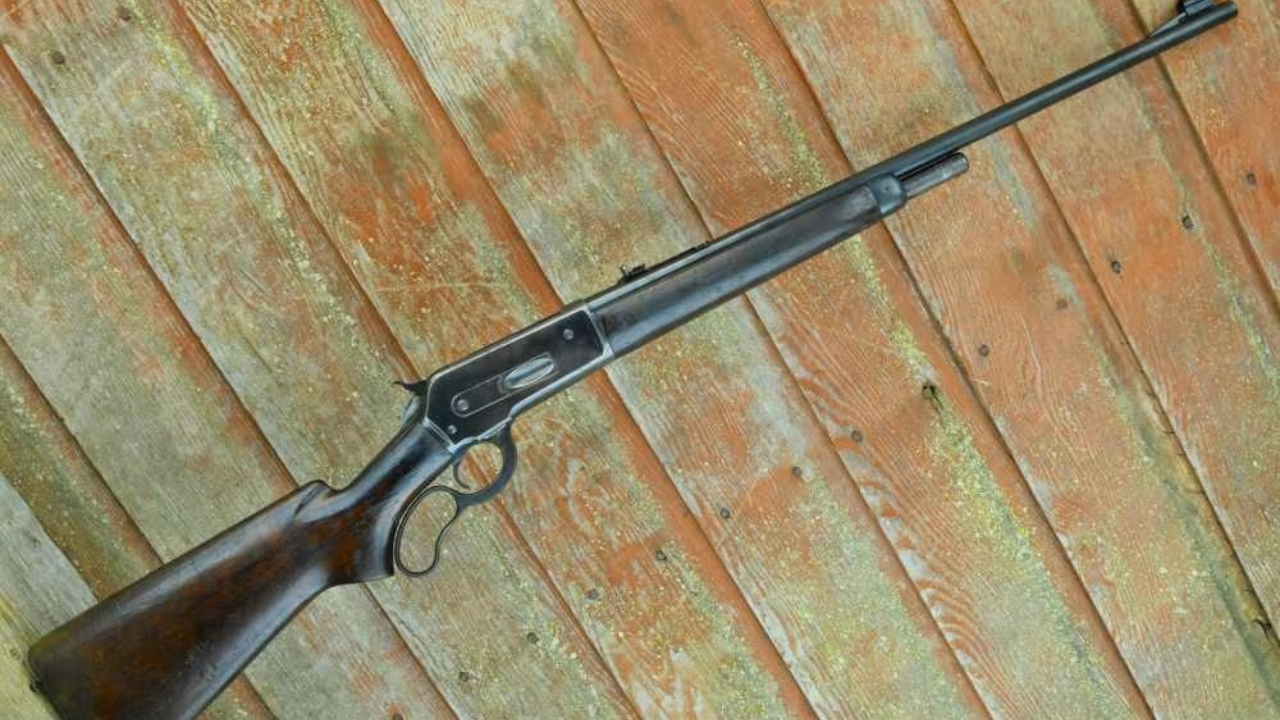
Built to handle the .348 Winchester cartridge, the Model 71 was power wrapped in walnut and steel. It was designed for heavy game in tough country, and it handled that role beautifully. The rifle’s smooth action and authority at close range made it a favorite among serious hunters in the northern states and Canada.
Though production ended long ago, the Model 71 maintains a devoted following. Its combination of power, handling, and classic looks makes it one of Winchester’s most respected designs. You can still find them in the field, doing the work they were made for—quietly reminding everyone that old Winchester rifles don’t retire; they endure.
Like The Avid Outdoorsman’s content? Be sure to follow us.
Here’s more from us:
The worst deer rifles money can buy
Sidearms That Belong in the Safe — Not Your Belt
*This article was developed with AI-powered tools and has been carefully reviewed by our editors.