Photo credit: anuelaculescu/Shutterstock.com
Some guns stop being tools long before they stop being meaningful. Maybe they were your first rifle, or your dad’s old deer gun, or the one that dropped a once-in-a-lifetime buck. These aren’t the rifles you reach for when you’re packing for a hunt—they’re the ones you glance at on your way out the door. They don’t ride in the truck anymore, but they haven’t left your world either. Every scratch on the stock or bit of blueing worn thin means something. You don’t keep these to punch tags—you keep them because they remind you where you started.
Winchester Model 94 (well-worn)

Plenty of hunters still carry a Model 94, but for a lot of folks, it’s become more of a memory than a rifle. The well-used ones with worn stocks and loose levers tend to live in the cabinet, not the field. You remember where every scratch came from. Maybe it was the first rifle you hunted with. Maybe it was your granddad’s.
Either way, it’s probably been outpaced by flatter-shooting calibers and modern optics. The open sights aren’t easy on older eyes, and the .30-30 round doesn’t do what it used to for today’s hunting demands. But it still gets cleaned every year, still earns its place on the wall.
Marlin Model 60

The Marlin Model 60 is one of the most common .22s ever made, and for a lot of folks, it was their first real rifle. It ran on tin cans and squirrels for years, maybe even got stuffed in a truck toolbox or taken on summer camping trips.
Over time, the feed tube gets sluggish, the accuracy drops off, and newer rimfires take its place. But it doesn’t leave the safe. You hang on to it because it feels like childhood, and you remember the first time you nailed a target offhand. It’s earned its retirement—not because it can’t shoot, but because it already proved it could.
H&R Topper Single-Shot

The H&R Topper wasn’t fancy, but it worked. It was often a kid’s first shotgun or rifle, and its break-action simplicity made it nearly foolproof. Whether it was chambered in .410, 20 gauge, or .30-30, it probably rode behind the seat of a farm truck for years.
Now, though, it’s mostly a keepsake. One shot at a time doesn’t fit modern hunting styles, and most hunters reach for repeaters with optics. Still, nobody tosses a Topper. You keep it for the memories—maybe your dad gave it to you, or maybe you’ll pass it on. It’s part of your hunting story even if it never gets carried again.
Remington 742 Woodsmaster
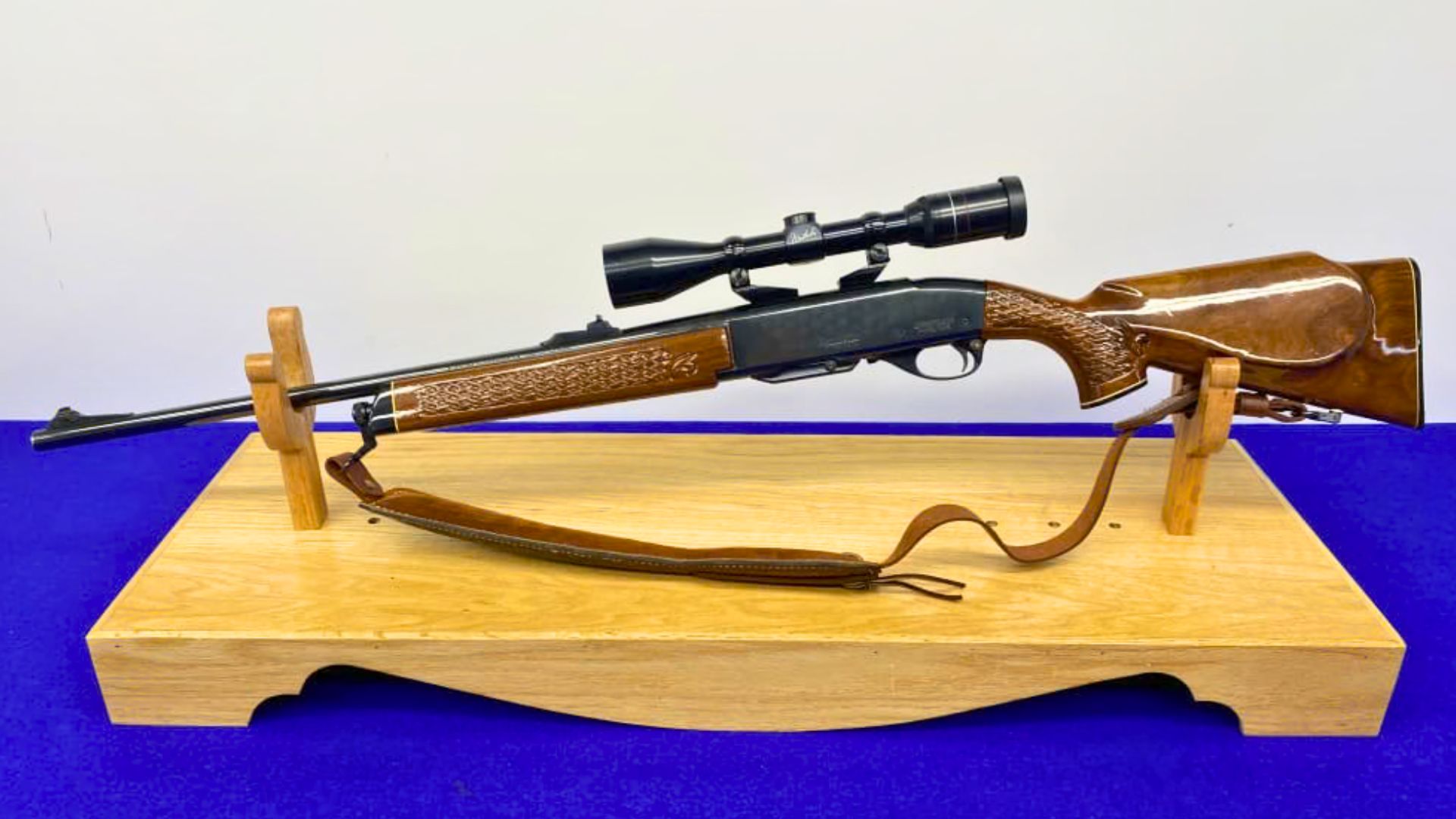
The 742 Woodsmaster was popular in deer camps for decades. Semi-auto .30-06 power with a nice walnut stock—it looked good and shot fast. But over time, they earned a reputation for jamming and poor accuracy as they wore out. The locking lugs would peen, the action would gum up, and parts got harder to find.
Even so, a lot of folks keep their old 742s. Maybe it was the rifle that dropped their first buck or the one that sat across their lap for every opening morning growing up. It may not run clean today, but it’s got a place in the safe because of what it’s already done.
Savage Model 340
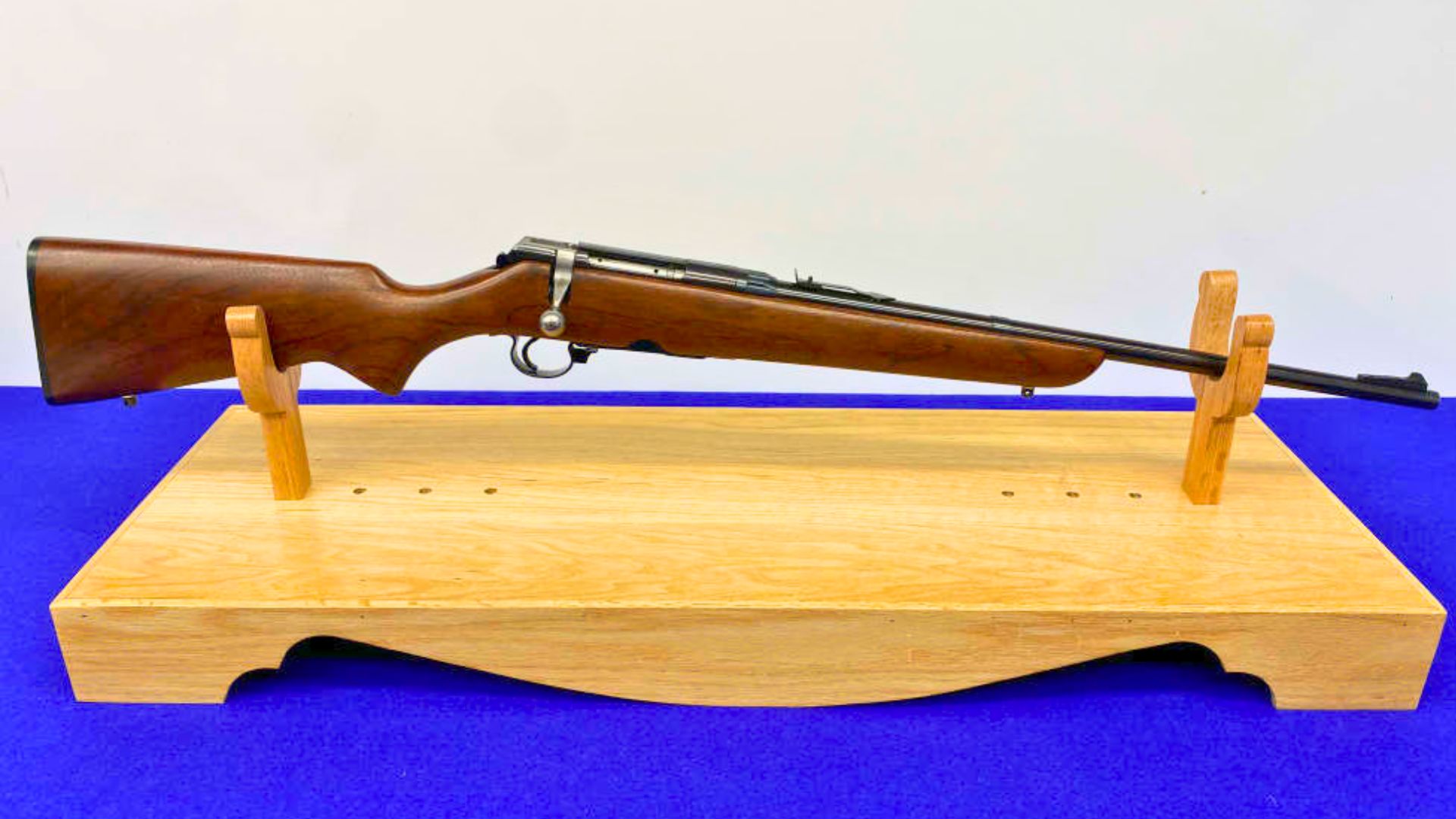
The Savage 340 wasn’t flashy. It had a bolt that felt a little rough, a magazine that rattled, and iron sights that were good enough for 100 yards. But it killed a lot of deer. Chambered in .30-30, .222, and .22 Hornet, it served working-class hunters well for decades.
Nowadays, most hunters have moved on to rifles with better triggers and glass. But if there’s a 340 in the house, it’s probably still being cleaned once a year, maybe even loaded once in a while. You don’t keep it because it’s the best—you keep it because it worked back when it mattered.
Glenfield Model 25
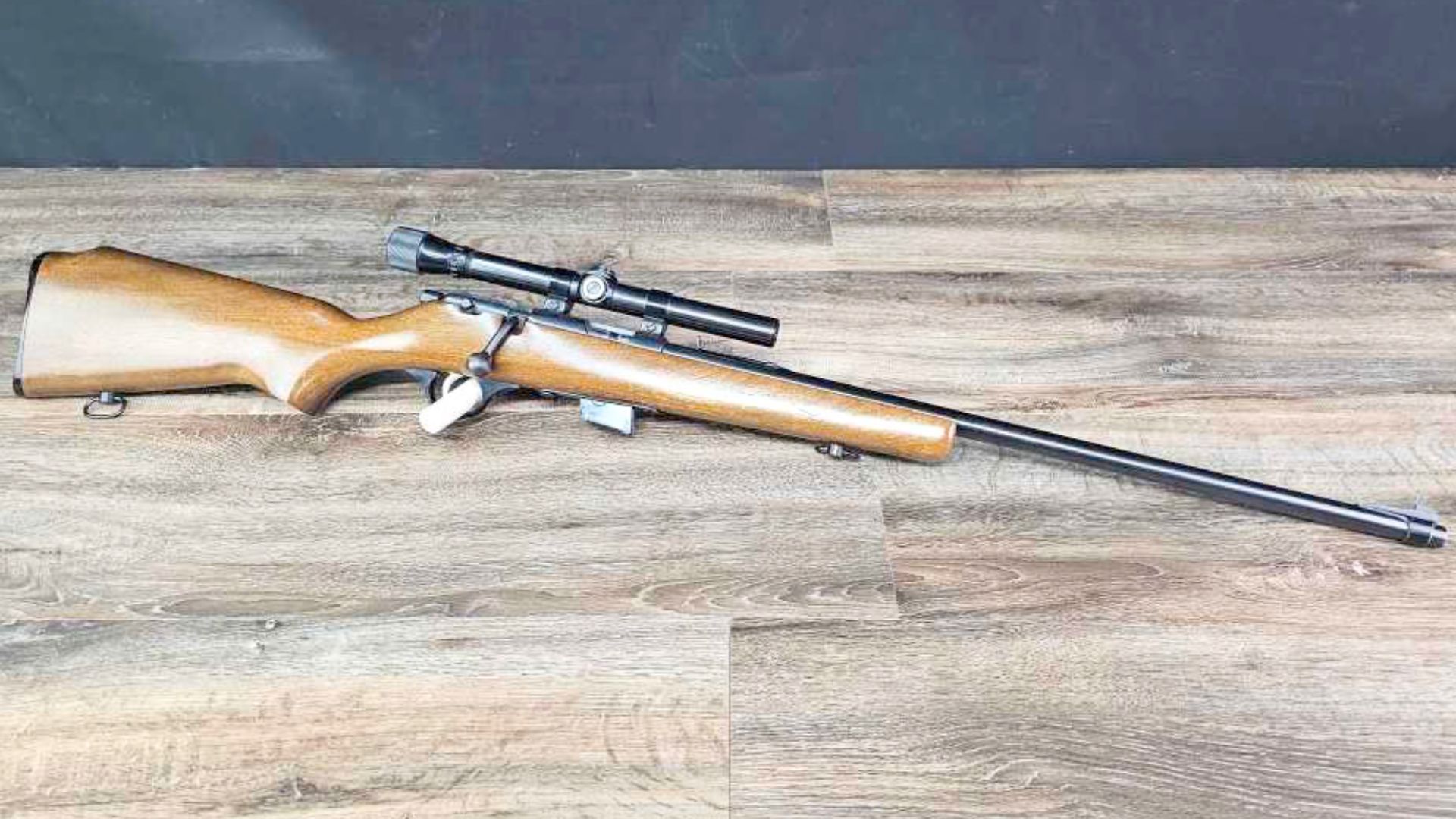
The Glenfield 25 was a bolt-action .22 that didn’t try to impress anyone. It was accurate enough, built simply, and often passed down from parent to child. A lot of these rifles lived behind barn doors or next to wood stoves, always ready but rarely flashy.
You might have something more modern now, something threaded or topped with a scope. But that old Glenfield still brings back the smell of burnt powder and the sound of squirrels dropping from limbs. It’s not your go-to anymore, but you’d never get rid of it. That little bolt gun helped teach patience.
Winchester 67
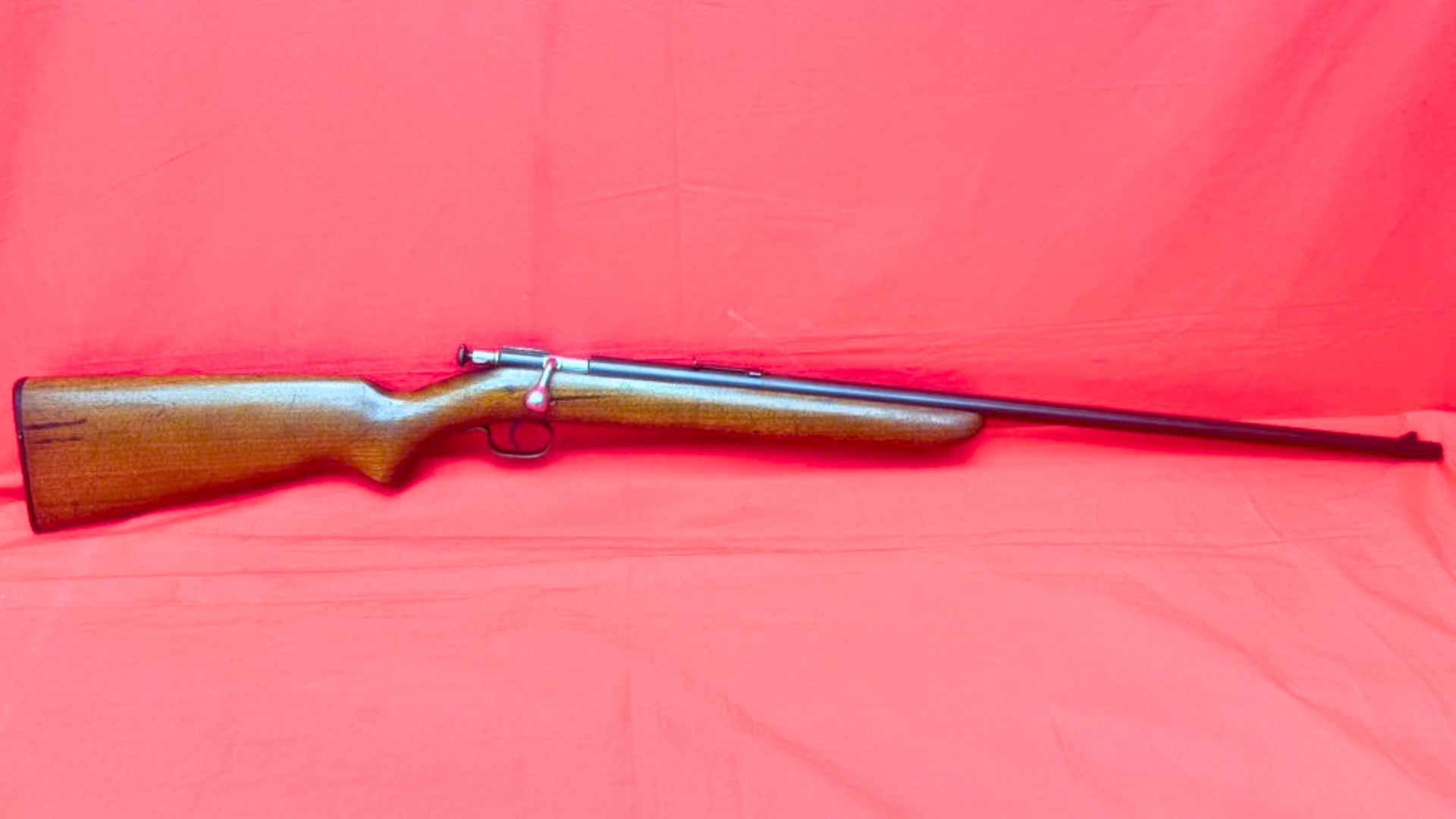
The Winchester 67 was a single-shot .22 that forced you to slow down and aim right the first time. It’s not something most modern shooters would pick up for fast-paced plinking, but there’s a quiet pride in making every shot count.
Many of these rifles were handed down through generations. The bluing may be gone, and the wood may be worn smooth, but that’s part of the appeal. It doesn’t leave the safe often, but it’s not going anywhere, either. It’s a rifle you keep because of who gave it to you—not because it fits your hunting style now.
Remington Nylon 66

The Remington Nylon 66 was futuristic when it came out, with a polymer stock and lightweight frame that surprised a lot of folks. It shot fast and ran forever without cleaning. Plenty of them were used for hunting small game, and they earned a loyal following.
Today, they’re a bit of a novelty—parts are scarce, and optics mounting isn’t easy. Still, many hunters hold onto their old Nylon 66 not because they still use it, but because it brings back those early years of running through the woods. It’s a reminder of faster legs and lighter packs.
Sears Roebuck Bolt-Actions
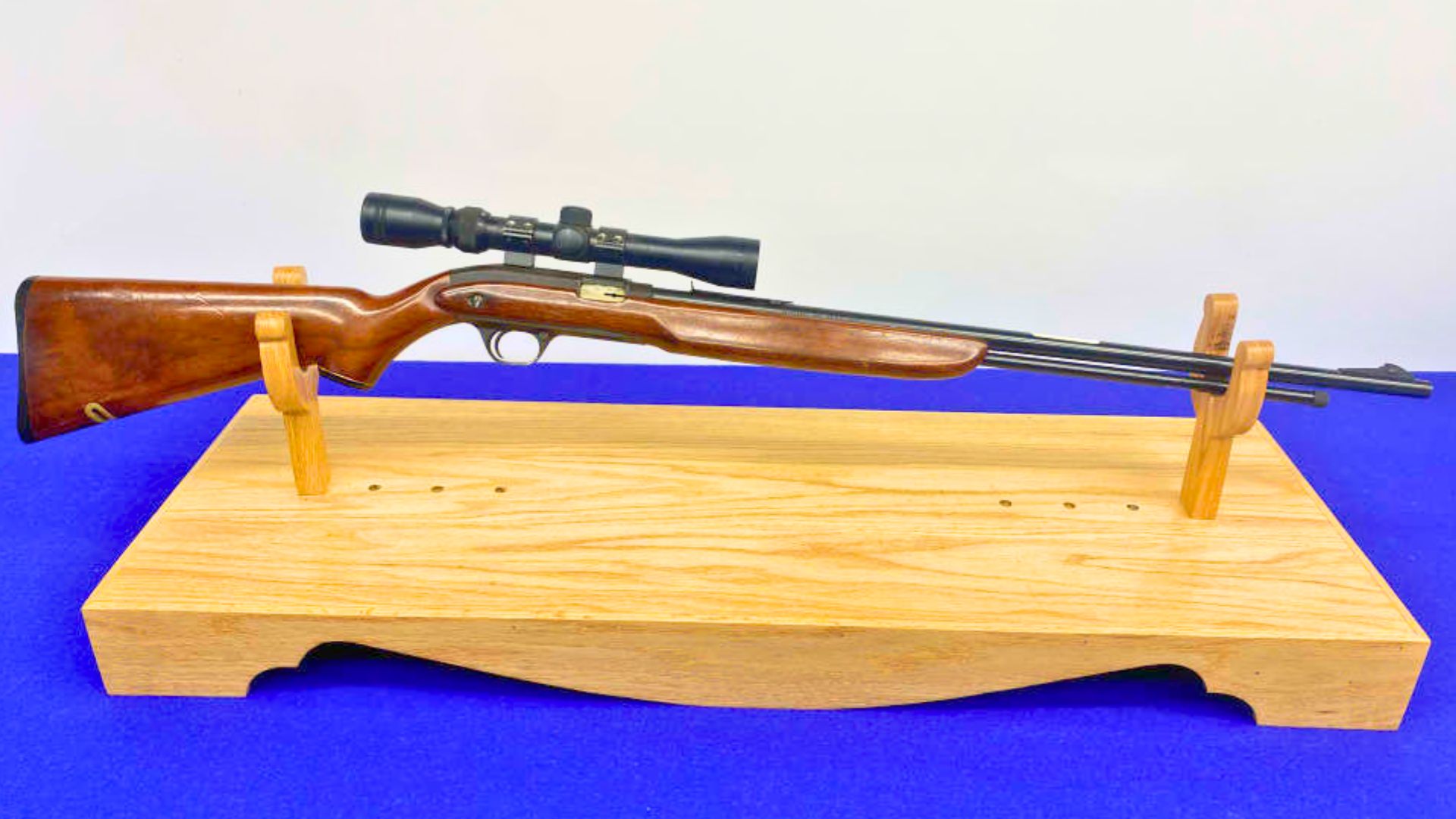
Back when you could order a rifle from a catalog, Sears sold house-brand guns made by manufacturers like Winchester, Savage, and Marlin. These bolt-actions were often handed down to kids or used as first hunting rifles. They weren’t high-end, but they were built to work.
These days, most of them are outdated. The sights are crude, stocks are scratched, and some have feeding issues. But the value isn’t in what they shoot—it’s in what they represent. A rifle that came from grandpa’s attic carries more weight than one that comes out of a box with foam inserts.
Marlin Glenfield 30A
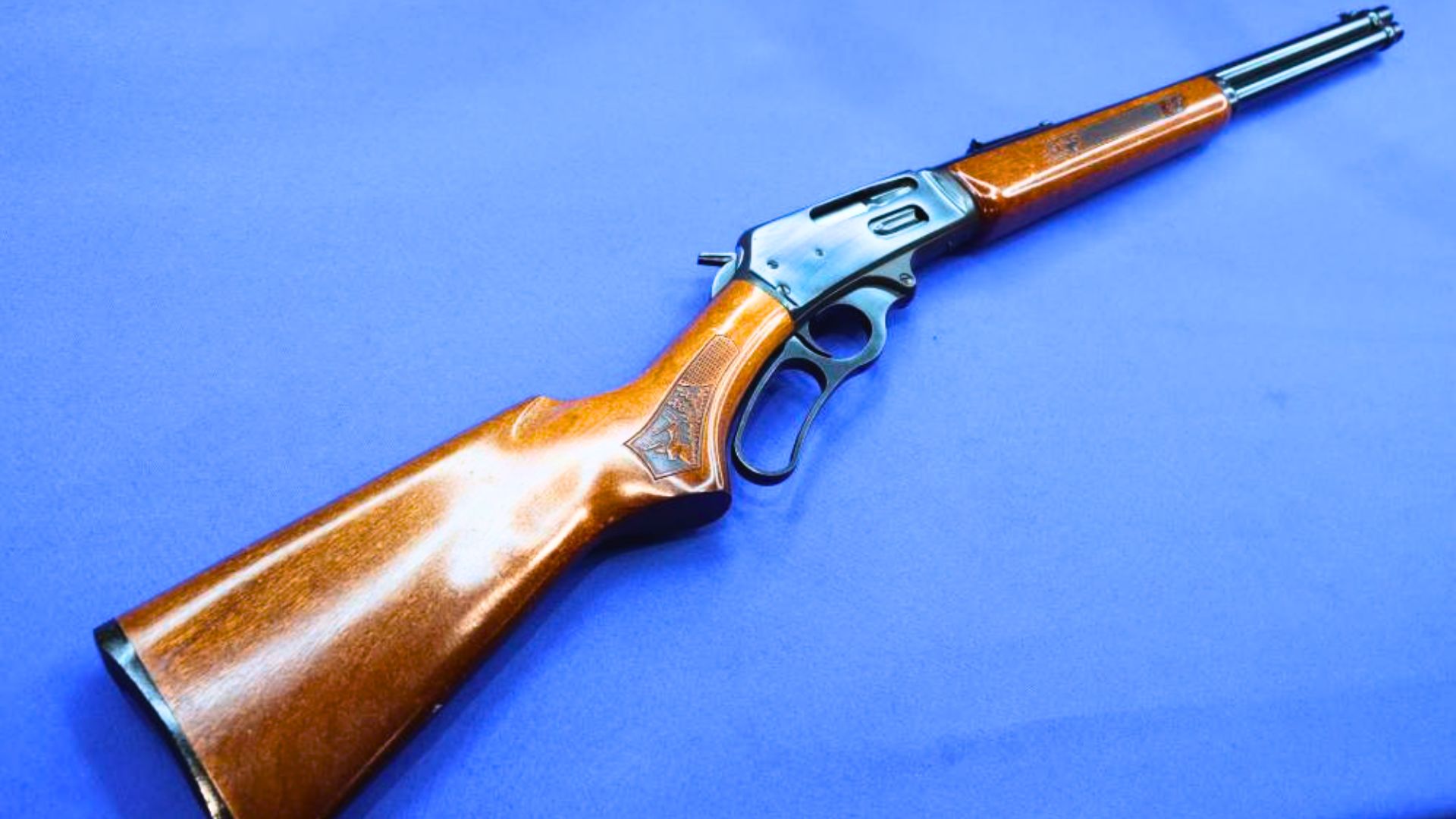
The Glenfield 30A was Marlin’s more affordable version of the 336, and it showed up in a lot of hunting cabins over the years. It ran smooth, shot straight, and carried easy in the woods. Plenty of deer fell to that rifle long before anyone cared about ballistics charts.
It’s probably not the rifle you’d take out now if you’ve upgraded, but it’s not one you sell, either. That 30A probably still smells like Hoppe’s No. 9 and woodsmoke. When you see it, you remember who you were hunting with—not just what you were hunting.
Ithaca Model 49 Saddle Gun
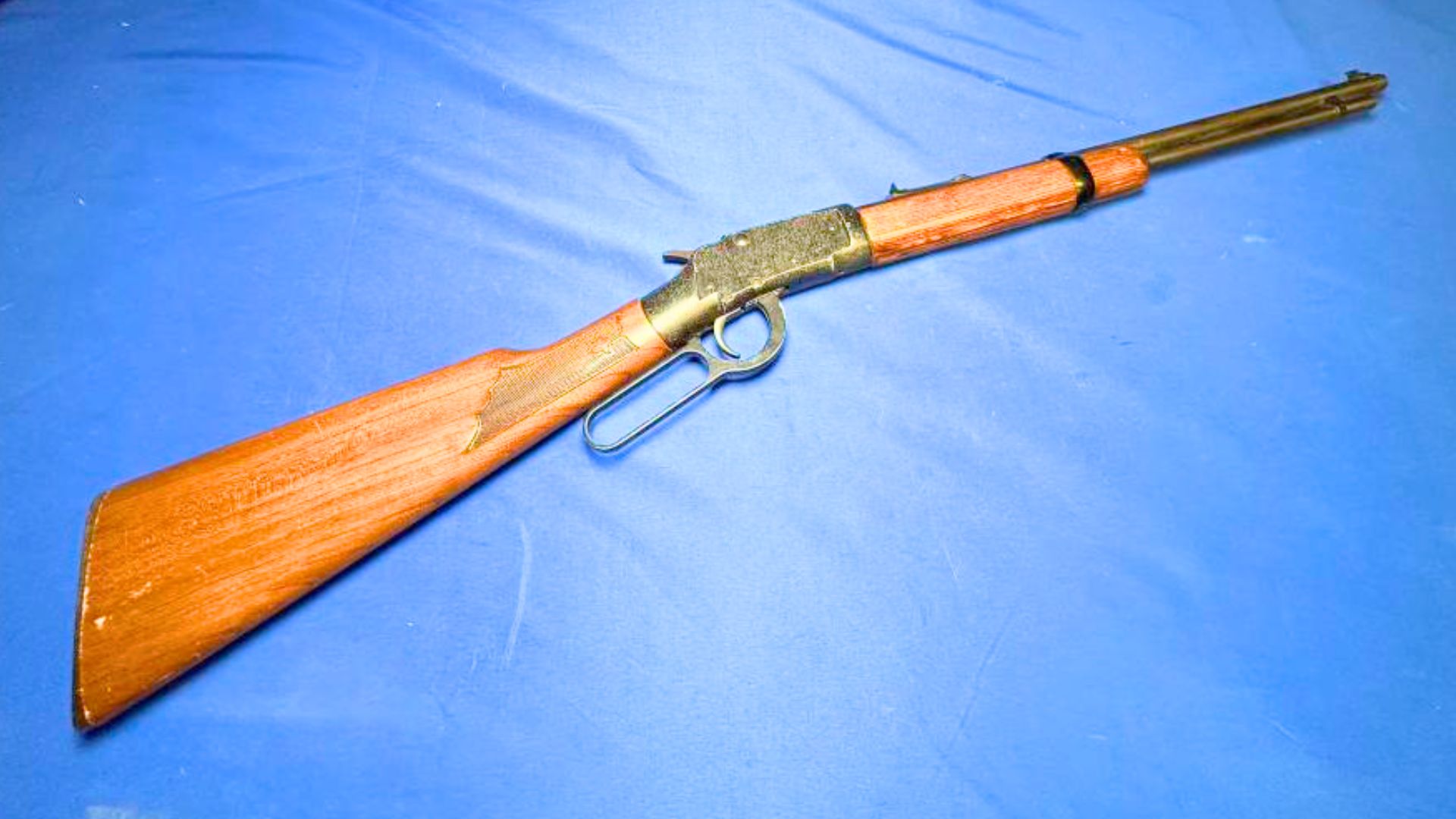
The Ithaca 49 was a single-shot .22 lever-action that looked like a repeater but wasn’t. It was a kid’s rifle, plain and simple. It forced you to cock it every time and made you appreciate a good hit more than a fast one.
A lot of folks who grew up in the ’60s and ’70s still have one tucked away. They don’t shoot it much anymore, but they can’t part with it either. It might’ve taken down its fair share of cans, crows, or groundhogs, but now it mostly sits quiet—holding memories better than most pictures do.
Like The Avid Outdoorsman’s content? Be sure to follow us.
Here’s more from us:
The worst deer rifles money can buy
Sidearms That Belong in the Safe — Not Your Belt
*This article was developed with AI-powered tools and has been carefully reviewed by our editors.