Photo credit: Mrgunsngear Channel/YouTube
Some pistols run like a sewing machine for decades. Others start falling apart before you’ve even finished breaking them in. And the frustrating part? A lot of them come from brands folks swear by. Whether it’s subpar materials, sloppy machining, or a design that was rushed to market, some guns just don’t hold up.
If you’ve ever watched your sights walk off-center, your slide rails chew themselves up, or your trigger bar wear down by the third class, you know exactly what I’m talking about. A lifetime warranty doesn’t mean a lifetime of reliability. Some pistols age in dog years—and you’ll be replacing springs, pins, and parts long before the paperwork runs out.
Let’s talk about the ones that give up early and make you do the same.
Taurus PT111 Millennium G2
You’ll hear some folks swear their PT111 ran great. But if you’ve ever spent time on a range that hosts serious round-counts, you’ve probably seen these things cough up issues early. The recoil spring assembly is known to deform. Pins start walking after a few hundred rounds.
The trigger bar and sear engagement wear unevenly, and by 1,000 rounds, the trigger feel can be downright unpredictable. For a carry gun, that’s a red flag. Sure, Taurus offered a lifetime warranty, but if you’re relying on a pistol that’s chewing itself to pieces, shipping it back doesn’t make up for the fact that it failed when it mattered.
KelTec PF-9

KelTec’s PF-9 is light, thin, and budget-friendly—but that combo comes with tradeoffs. The polymer rails embedded in the frame don’t hold up well to sustained shooting. You can literally watch the contact surfaces start to round off by 500 rounds.
The takedown pin has been known to shear. The magazine release gets mushy. And the trigger return spring? You’ll get real familiar with it once it goes soft and leaves your trigger sticking forward. It was never built to last—it was built to be light and cheap. That’s exactly how it performs.
SCCY CPX-2
The SCCY CPX-2 is another budget pistol that promises a lot on paper: 10+1 capacity, internal hammer, decent ergonomics. But in practice, the materials don’t hold up. Frame peening is common. Recoil assemblies flatten out sooner than they should.
The long, heavy trigger wears unevenly, and you can feel the degradation after a few hundred trigger pulls. If you run this gun like you’d run a Glock 19, it’ll start giving up on you fast. The warranty’s generous, but the gun itself isn’t meant for serious, repeated use.
Remington R51 (Gen 1)

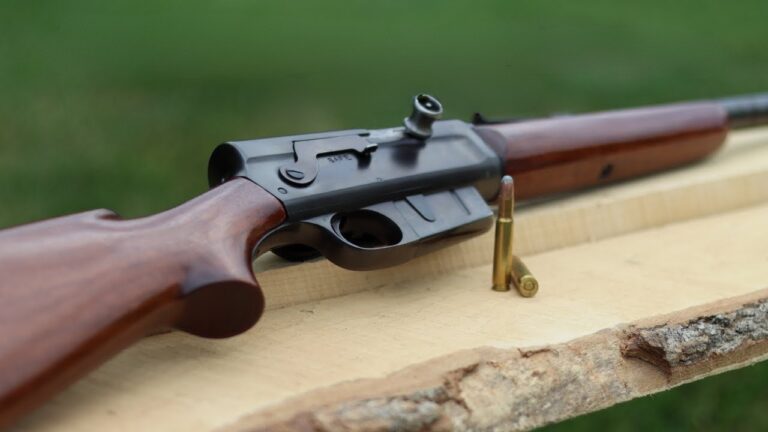
When Remington brought back the R51, folks were excited. It had a unique delayed-blowback system and sleek looks. Then the wheels came off. The first generation was plagued with premature wear. Slides galled on frames. Springs deformed. The locking system failed under pressure.
Even if you got a working one, the materials didn’t inspire confidence. Slide-to-frame fit loosened with use, and extractor tension started failing quickly. Remington reissued a second gen, but by then, the damage was done—and so were the guns.
SIG Sauer Mosquito
It’s got SIG branding, but the Mosquito was always a different animal. Internally, it’s a scaled-down design made by GSG, and it shows. The slide finish wears quickly, especially around the breech face and guide rod channel. The controls feel like they came off a toy.
Even with high-velocity ammo, the Mosquito suffers failures early. The slide spring system weakens fast, and the zinc-alloy frame doesn’t inspire long-term confidence. It’s not a pistol that’ll grow old with you—it’s one you’ll get tired of feeding and fixing.
Kimber Solo Carry

Kimber’s Solo Carry was marketed as a premium micro-9mm for concealed carry. What folks actually got was a maintenance-heavy diva of a pistol. The recoil system is over-tuned, and springs start to fatigue early. It’s picky with ammo and punishing on parts.
The slide stop lever wears against the frame. The magazine catch softens and rounds off. And if you actually put more than 500 rounds through it, you’ll start noticing how everything feels looser. For a gun in that price range, the early wear is inexcusable.
Zastava EZ9
Zastava’s EZ9 looked good on paper. It was a Serbian-made service pistol, inspired by the SIG P226. But the execution was all over the place. The internals don’t polish well with use—they grind. The barrel hood and locking surfaces show wear early.
The slide rails lose their tightness fast, especially when run dirty. And parts availability? Good luck. Springs lose their tension within a few hundred rounds, and by the time you notice accuracy shifting, the rear sight might already be wiggling. These weren’t built for high-mileage range use.
Like The Avid Outdoorsman’s content? Be sure to follow us.
Here’s more from us:
*This article was developed with AI-powered tools and has been carefully reviewed by our editors.