Photo credit: ZRUS Outdoors Channel/YouTube
Some guns are picky. You’d think a firearm should run anything you feed it, but that’s just not the case with some models. Whether it’s tight tolerances, finicky extractors, or just questionable design choices, a few guns flat-out refuse to cycle bargain-bin ammo. If you’ve ever scratched your head at constant jams or light strikes, your ammo might be the issue—and your gun might be on this list.
Here are 15 firearms that are notorious for running best on name-brand ammo—and causing headaches with anything else.
Kimber 1911s

Kimber makes some tight guns, and that’s part of the problem. Their 1911s often don’t tolerate lower-end ammo well, especially during the break-in period. You’ll get failures to feed, stovepipes, or inconsistent cycling if you’re not feeding them decent brass.
Shooters tend to have better luck with premium ball or hollow-point rounds from brands like Federal or Hornady. Cheap steel-case or no-name stuff? Usually a recipe for frustration—at least until the gun gets a few hundred rounds through it.
Walther PPK
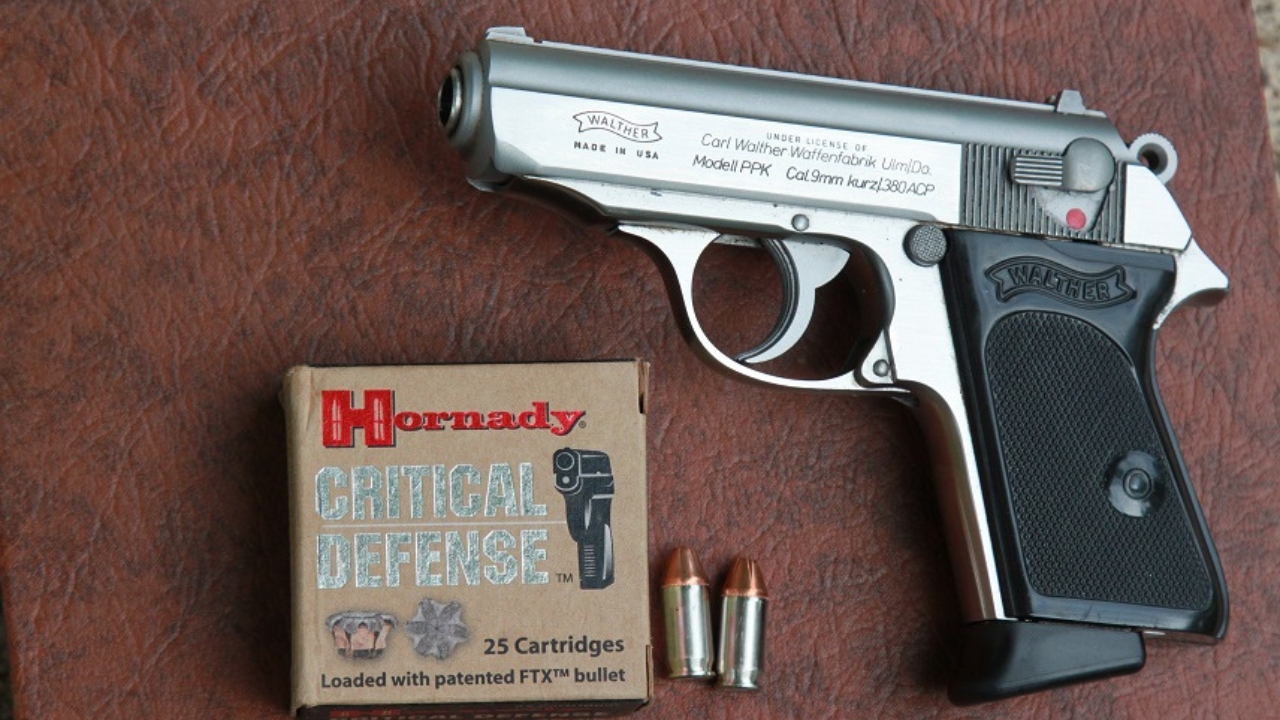
The PPK has that classic look, but it doesn’t like running dirty or underpowered ammo. Especially in .380, weak loads won’t cycle the slide reliably, and extraction can get spotty with bargain rounds.
Name-brand ammo with consistent pressure makes a big difference here. Winchester White Box or Speer Gold Dot tend to keep it happier than off-brand imports. It’s a small gun with a tight recoil system—cut corners on ammo, and you’ll feel it.
Keltec Sub2000

The Sub2000 is lightweight, compact, and super handy—but not always forgiving. Especially in 9mm, users have reported jams and failures to extract when shooting steel-case or old surplus rounds.
Stick to brass-cased, factory-new ammo from known brands and the gun tends to behave. But throw in something inconsistent, and you might be clearing malfunctions more than shooting. It’s a gun that runs well when treated right—but it doesn’t like shortcuts.
Desert Eagle

The Desert Eagle is one of the most ammo-sensitive handguns out there. It’s gas-operated and demands a certain pressure curve to function correctly. Weak loads or bargain ammo often won’t cycle the slide, leaving you with a single-shot hand cannon.
Magnum Research even recommends specific loads by brand. If you’re not running premium, full-power rounds from names like Hornady or Federal, don’t be surprised if it turns temperamental.
Beretta 92FS

The Beretta 92 is usually reliable, but it has its quirks. Some users find that it struggles with certain budget hollow points or steel-cased ammo, especially in older or heavily used pistols.
It’s not that it won’t shoot them at all—it just doesn’t always like them. Stick with factory brass-cased rounds from reputable brands, and things stay smooth. Try to cheap out, and expect occasional hiccups.
Springfield Hellcat

Compact and modern, the Hellcat is another gun that doesn’t always love budget ammo. Especially with lower-quality hollow points or steel cases, you might run into feeding issues.
Reliable function tends to come with well-made, name-brand rounds. Think Speer Gold Dot or Federal HST for defense, and clean brass FMJ from brands like Blazer or Winchester for training. It’ll shoot more than you think—it just prefers the good stuff.
Glock 44 (.22 LR)

Unlike most Glocks, the 44 is ammo picky. It’s a rimfire, so that’s part of it, but low-velocity or inconsistent bulk .22 ammo will give you headaches. Misfires, failure to feed, and light strikes are all common.
Run CCI Mini-Mags or high-velocity rounds from Federal, and it works a lot better. Cheap bulk .22 might save money, but with this Glock, it might cost you range time clearing jams.
SIG P938

The P938 is a tiny 9mm with a tight recoil spring, and that makes it finicky. Underpowered ammo often fails to cycle the slide completely, especially during the first few hundred rounds.
Name-brand, full-power ammo like Speer Lawman or American Eagle usually gets the job done. If you want reliable function in this micro-9, skip the reloads and mystery-box range fodder.
Ruger LCP
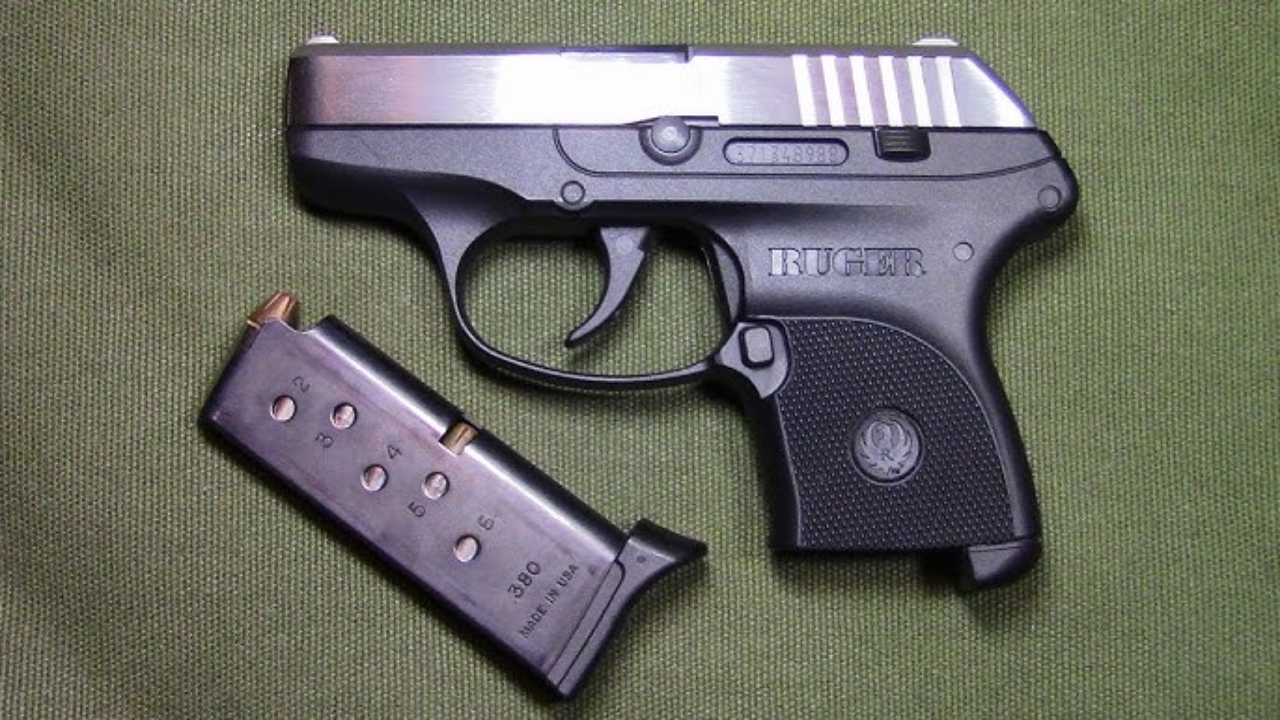
The original LCP in .380 ACP is known for being pretty choosy. Light or low-pressure loads can cause short-stroking, failures to eject, and poor reliability across the board.
Good quality ammo with consistent pressure, like Hornady Critical Defense or Fiocchi FMJs, tends to work best. The gun’s size and weight just don’t allow for much room when ammo gets weird.
Remington R51
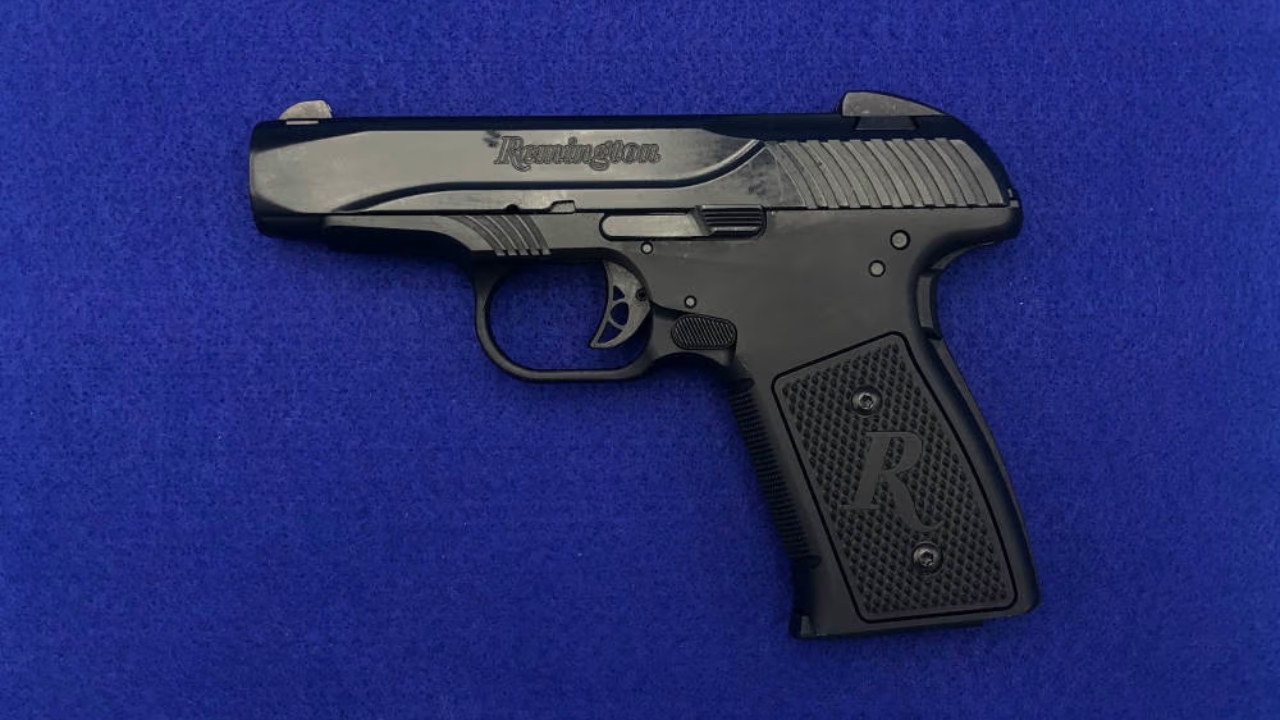
The R51 had a rocky start, and ammo sensitivity was part of it. This pistol has a unique delayed blowback system that simply doesn’t like inconsistent rounds. Even small variations in pressure can lead to feeding or cycling issues.
Shooters who stuck with higher-end factory ammo saw better results, but even then, it wasn’t always smooth sailing. Throw in bargain stuff, and it just gets worse.
CZ 52

Chambered in 7.62×25 Tokarev, the CZ 52 can be pretty picky—especially with surplus or reloaded rounds. Soft primers or inconsistent powder charges can cause misfires or slide cycling problems.
Modern, name-brand ammo tends to treat this Cold War relic better. The roller-locking system is tough, but not immune to bad ammo. Treat it to good brass, and it runs surprisingly well.
Taurus PT709 Slim

This compact 9mm is known for being temperamental with ammo. It’s had mixed reviews over the years, and much of that comes down to inconsistent performance with steel-case or weak loads.
Give it decent, brass-cased ammo from a trusted brand, and it’ll likely hold up fine. But if you’re experimenting with cheaper rounds, expect a few failures here and there.
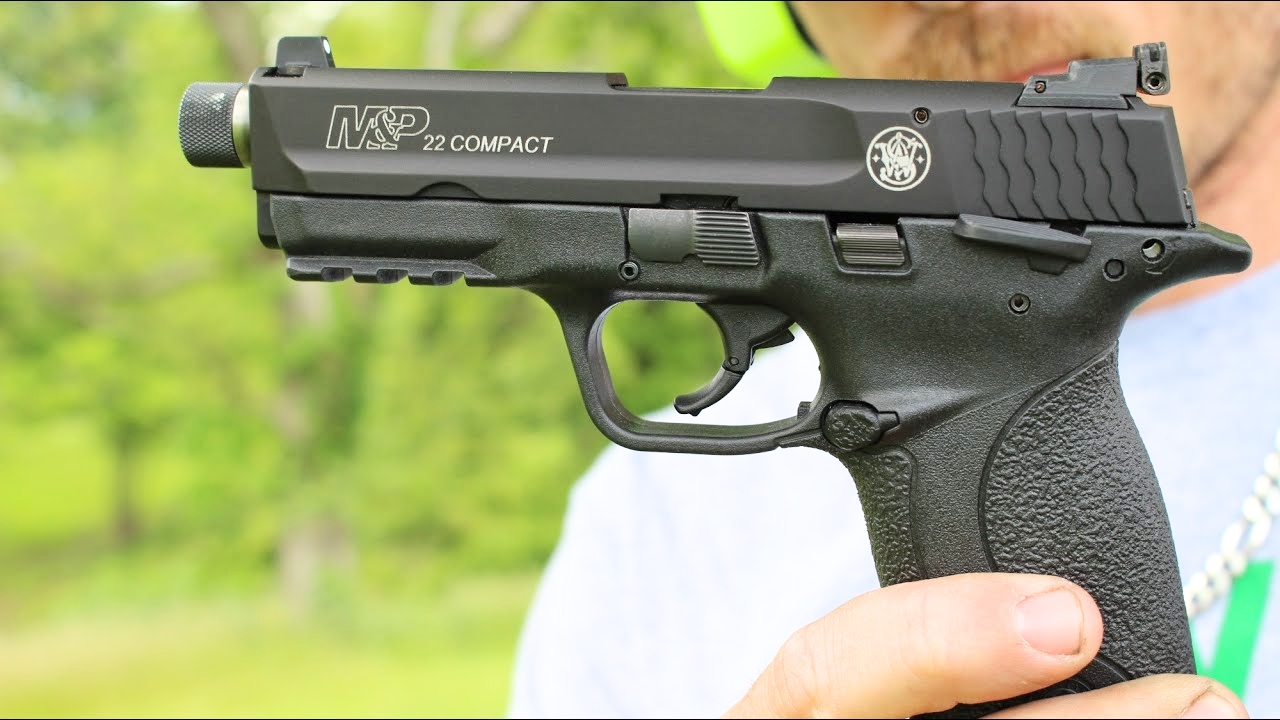
Smith & Wesson M&P22 Compact

Like a lot of rimfire pistols, the M&P22 Compact needs quality ammo to function well. Low-powered or super-dirty .22 LR can lead to all kinds of malfunctions—especially stovepipes and failures to fire.
CCI Mini-Mags or Aguila Super Extra usually get things running right. Go with no-name bulk packs, and your fun plinker might become a frustration factory.
Beretta Bobcat (.22 LR)

This little tip-up barrel .22 is cool in theory, but definitely fussy. It hates inconsistent .22 ammo and will regularly fail to feed, fire, or extract unless you’re feeding it high-quality stuff.
Stick with well-known brands like CCI or Federal. Anything too soft or too gritty just gums up the works fast. For a gun this small, every detail matters—and ammo quality is one of them.
FN Five-seveN

This pistol shoots a fast, bottlenecked round—5.7x28mm—and it’s engineered with tight tolerances. The FN Five-seveN doesn’t play nice with off-brand or surplus 5.7 ammo, especially anything with questionable powder charges or hard primers.
It runs best with factory FN or Federal ammo specifically designed for it. Deviate from that, and you might get feeding issues or poor accuracy. It’s not a forgiving platform for cheap ammo.
*This article was developed with AI-powered tools and has been carefully reviewed by our editors.