Photo credit: 3DGunner/YouTube
Fewer Rounds Means Less Margin for Error

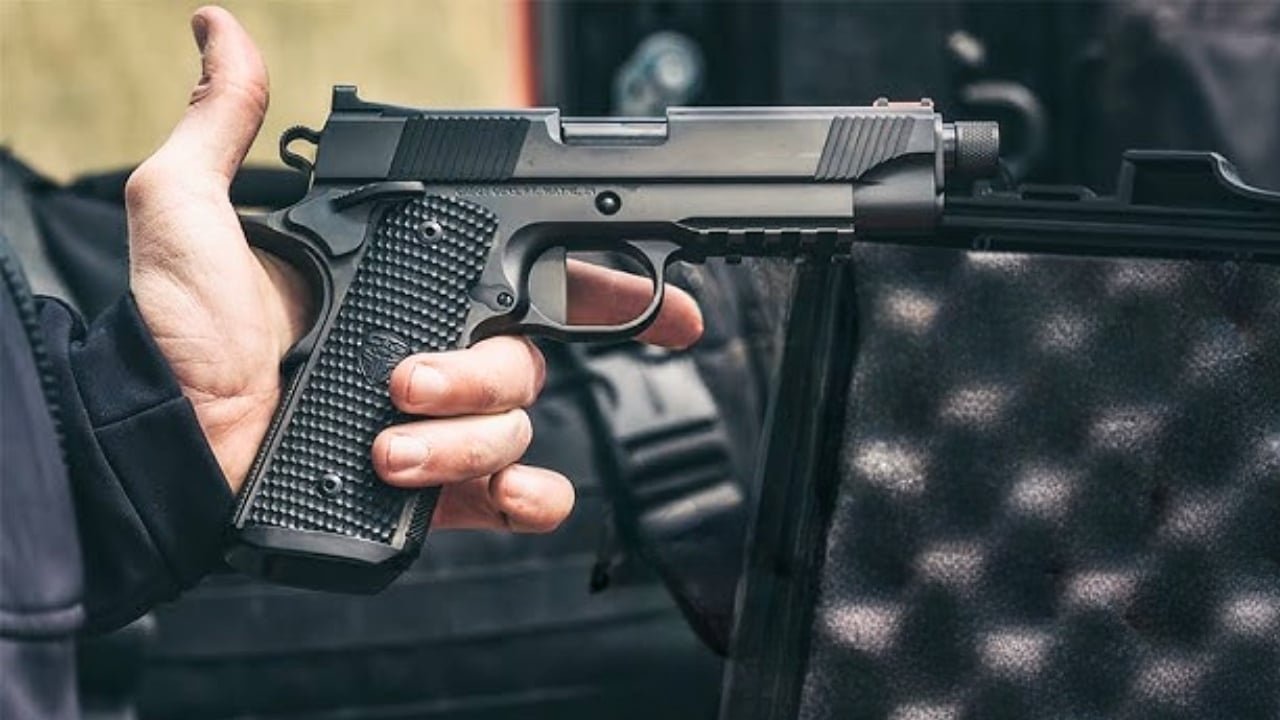
Most standard 1911s carry 7 or 8 rounds in the mag. That’s not a lot, especially when modern carry guns often double that. It puts pressure on accuracy and shot placement in a way many folks don’t think about until they’re running drills.
If you miss once or twice, your available firepower shrinks fast. In a real-world encounter, that can feel pretty limiting.
Extra Mags Are Basically Required

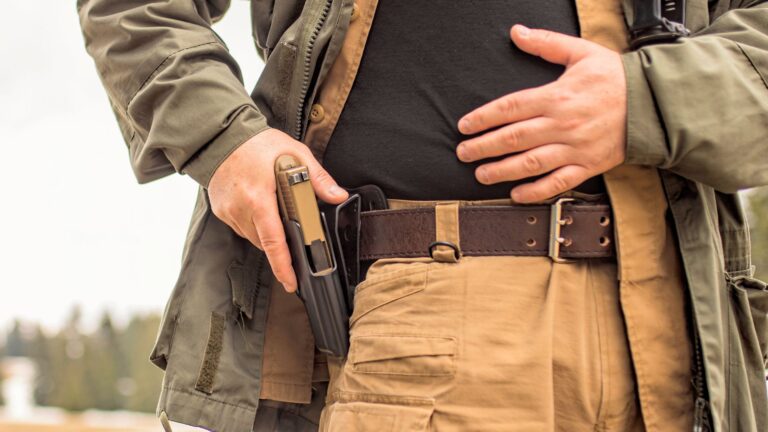
Carrying a 1911 often means carrying a spare mag—or two. It’s not optional if you want to feel prepared. And while 1911 mags are slim, adding more gear to your belt can be a hassle.
You go from carrying a pistol to carrying a setup. That’s fine if you’re committed, but not everyone wants that much on them just to match modern capacity.
Reloads Have to Be Fast and Clean
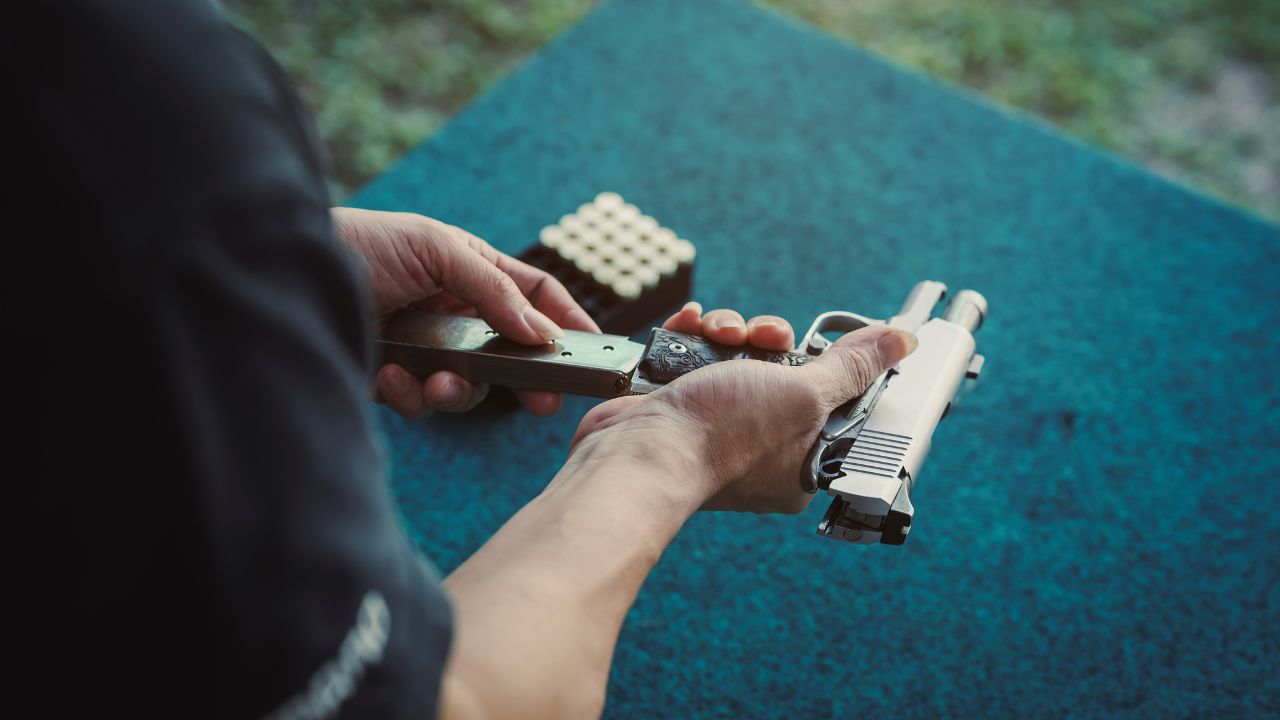
The 1911’s single-stack design makes reloads straightforward, but the small magwell means you’ve got to be sharp. A flared magwell helps, but most carry models don’t come with one.
When your capacity is low, reloading fast isn’t a “nice to have”—it’s mandatory. If you fumble or miss the well, you lose valuable time you probably don’t have.
Decision-Making Gets Tighter

With only 7 or 8 rounds, every shot counts. That reality can shift how you think in a defensive situation. You might hesitate longer or second-guess yourself more because you know there’s not much in the tank.
It’s not about fear—it’s about math. Fewer rounds mean you have to think more and react faster. That added pressure can work against you.
It’s Easy to Feel Under-Gunned

It’s not that the 1911 isn’t effective—it absolutely is. But when you stack it up against a double-stack 9mm with 15–17 rounds, it’s hard not to feel outpaced.
If you carry a 1911, you have to really believe in shot placement, confidence, and muscle memory. Otherwise, the limited capacity becomes a nagging concern you can’t shake.
Capacity Limits Your Flexibility

If you’re faced with more than one threat, your options shrink quickly. With a low round count, you’re forced into very deliberate engagement. There’s little room for suppressive fire or bad angles.
That’s not always a deal-breaker—but it does mean you need to train and prepare differently. It’s a different mindset than carrying a higher-capacity platform.
Carry Models Often Give Up More Than Capacity

Many compact 1911s lose barrel length and sight radius along with capacity. That combo can affect accuracy, recoil control, and follow-up speed—especially with .45 ACP.
So now you’re running fewer rounds through a smaller, snappier platform. That makes training even more important if you want to stay confident in what you’re carrying.
You’re Counting on Reliability

1911s can be extremely reliable—but they can also be finicky, especially with certain ammo or magazines. And with so few rounds on board, even one malfunction matters a lot more.
It’s not that they can’t be trusted—it’s that they need to be vetted thoroughly. If your 1911 doesn’t run 100% with your carry ammo, that low capacity becomes a bigger liability.
It’s a Trade-Off, Not a Failure

Carrying a 1911 isn’t wrong—it’s just a different approach. You trade capacity for control, a great trigger, and a platform with real history. But you’ve got to go into it knowing the math.
If you’re honest about the trade-offs and train with that in mind, a 1911 can still hold its own. You just have to be a little more deliberate in everything you do.
*This article was developed with AI-powered tools and has been carefully reviewed by our editors.