Photo credit: The Kentucky Patriot/YouTube
Small guns sound great until you actually have to shoot them well. They are easy to carry, easy to stash, and easy to justify at the gun counter. Then the range trip starts, the sights disappear, the grip feels too short, recoil gets sharp, and suddenly that “perfect little gun” is not nearly as perfect as it looked in the case.
That does not mean every compact gun is bad. Some small guns are excellent when used for the right job. The problem starts when a firearm gets so small that it becomes harder to control, harder to aim, harder to reload, or less useful than a slightly larger option. These 20 guns are all useful in some way, but they are also small enough that their size can work against them.
Ruger LCP

The Ruger LCP is one of the easiest pistols to carry and one of the least enjoyable pistols to shoot. That is the tradeoff. It disappears in a pocket, weighs almost nothing, and gives you a real defensive pistol in a package that feels barely bigger than a wallet.
The problem is that the tiny grip, short sights, and snappy .380 recoil make it harder to shoot well than people expect. It is not a range gun, and it was never meant to be. But if someone buys one thinking small automatically means easy, the LCP teaches that lesson fast.
KelTec P-32
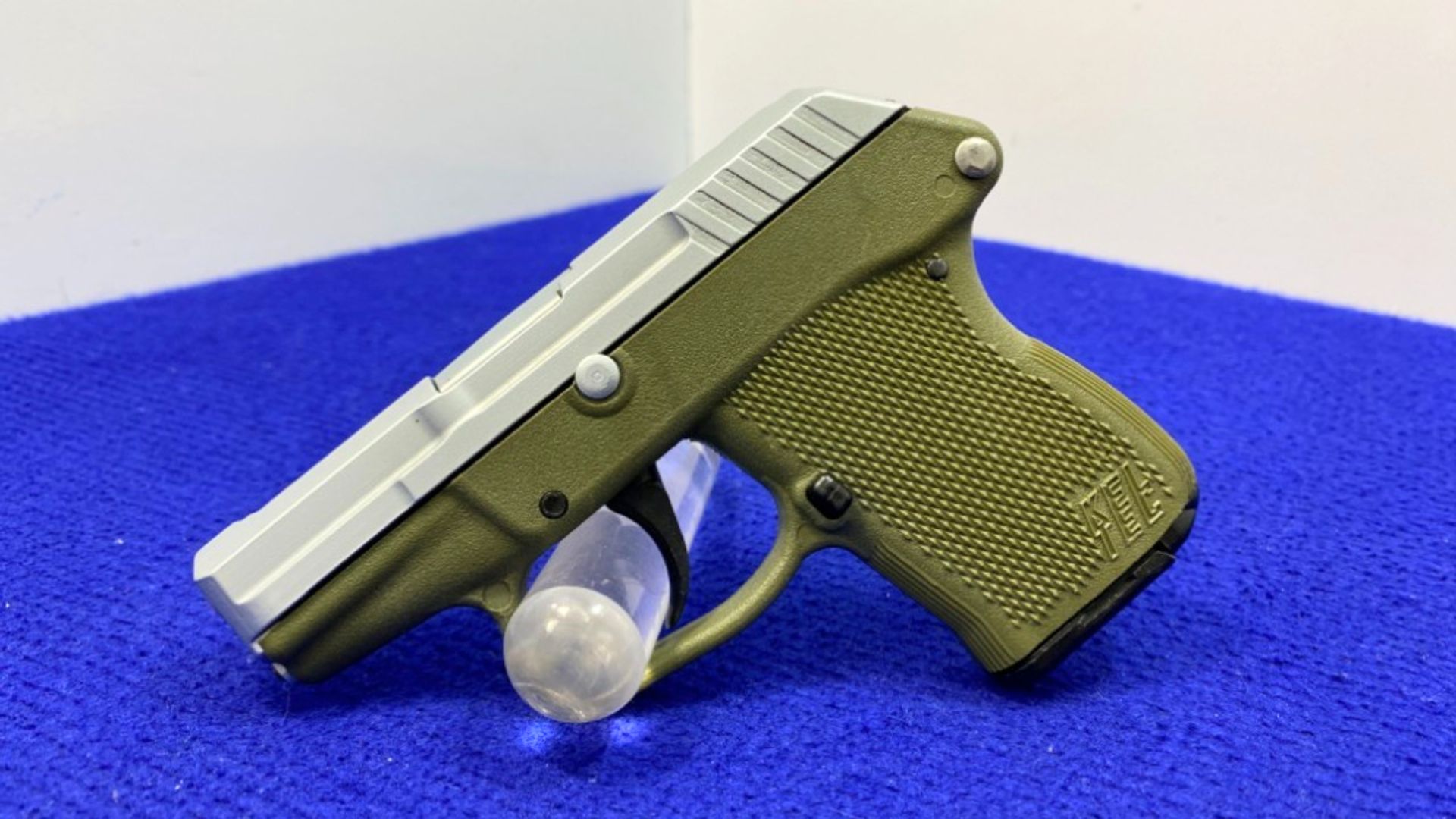
The KelTec P-32 is impressively small. It is also one of those pistols that reminds you how quickly a gun can become more convenient to carry than to actually use. In .32 ACP, recoil is mild, but the grip and sights are so small that precision is not exactly its strong point.
As a deep concealment pistol, it has a role. The issue is that it feels closer to an emergency tool than a gun most shooters would willingly practice with often. A little more size gives you a lot more control, and that makes the P-32 feel like it crosses the line from compact into compromised.
Beretta 21A Bobcat

The Beretta 21A Bobcat is charming, clever, and tiny. The tip-up barrel is a neat feature, especially for people who struggle with racking a slide. It is also small enough to carry almost anywhere, which is part of why people still like it.
But in .22 LR or .25 ACP, it is limited by both size and cartridge. The sights are minimal, the grip is short, and the gun feels more like a last-ditch backup than something you would want as your only option. It is fun to own, but its size keeps it from being as practical as its personality suggests.
North American Arms Mini Revolver
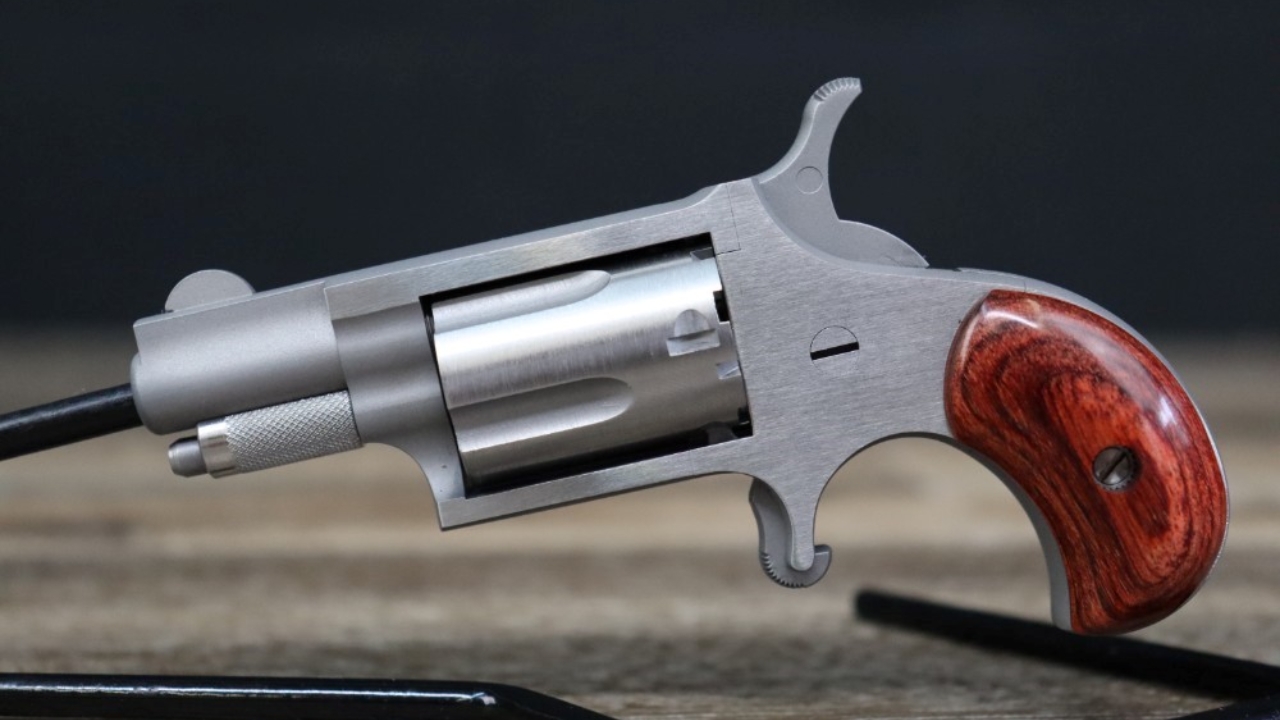
The North American Arms Mini Revolver is about as small as a functional firearm can get. It is fascinating, well-made, and easy to drop into a pocket. It is also extremely difficult to shoot quickly or accurately compared with almost any normal-sized defensive handgun.
The tiny grip gives you very little control, and the small sights do not help much. Reloading is slow, handling is delicate, and the whole gun demands careful attention. It is a clever little revolver, but it is so small that its usefulness is narrow.
Smith & Wesson Model 340PD
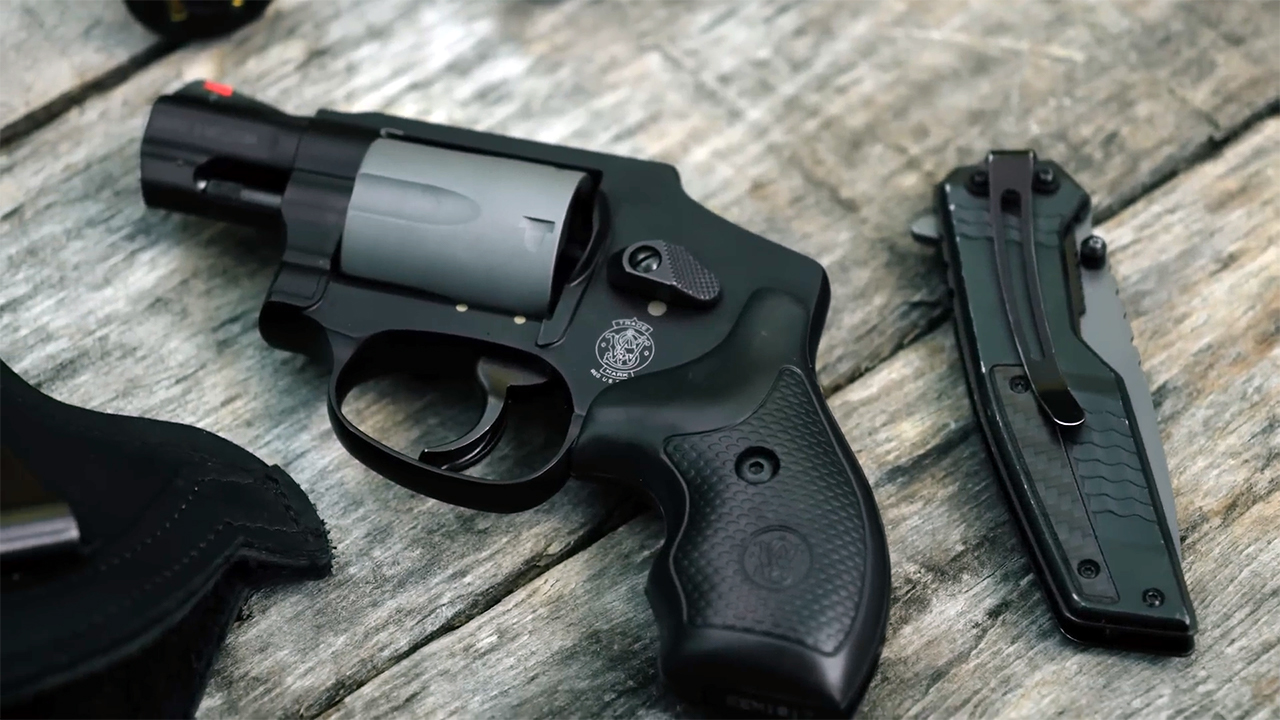
The Smith & Wesson Model 340PD is light, powerful, and punishing. A scandium-frame .357 Magnum snubnose sounds impressive, and in some ways it is. It gives you serious power in a revolver that is incredibly easy to carry.
The downside is recoil. Full-power .357 Magnum loads in a revolver this light are brutal for many shooters. Even experienced handgun owners often end up carrying .38 Special +P instead because it is more controllable. The 340PD proves that making a powerful gun extremely small does not always make it better.
Ruger LCR .357 Magnum
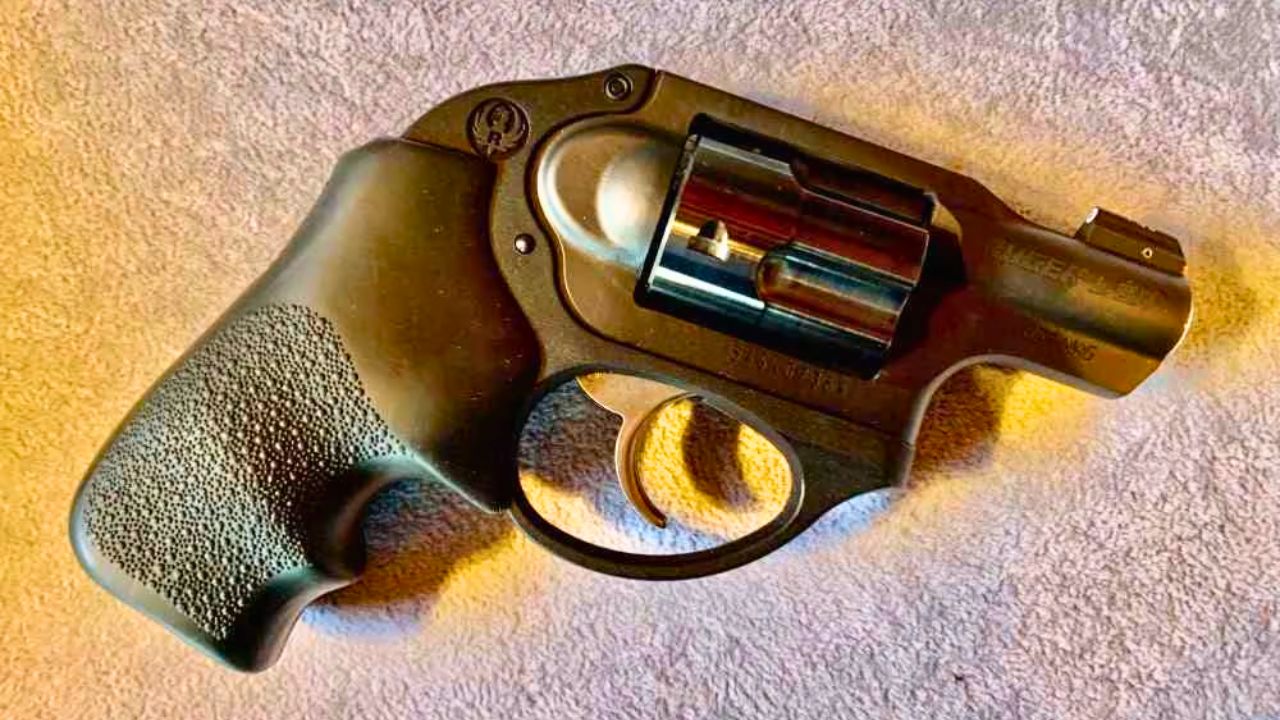
The Ruger LCR is a smart revolver design, and the .38 Special versions make a lot of sense. The .357 Magnum model is where things get more complicated. It gives you magnum capability in a light, compact revolver, but shooting it with serious loads can be unpleasant fast.
The trigger is good and the gun carries well, but there is only so much grip and weight to work with. A slightly heavier revolver can make .357 Magnum much more manageable. The LCR .357 is useful, but its small size keeps many owners from getting the best out of the cartridge.
Kimber K6s

The Kimber K6s is a well-built small revolver with a smooth trigger and six-shot capacity. On paper, that sounds like the perfect upgrade over a traditional five-shot snubnose. It is compact, nicely finished, and easier to carry than many steel revolvers.
Even so, it is still a small .357 Magnum revolver. The short sight radius and compact grip limit what most shooters can do with it under pressure. It is better behaved than ultralight snubs, but it still asks a lot from the person behind the trigger.
Glock 42

The Glock 42 is one of the softest-shooting little .380 pistols, and that is why many people like it. It is reliable, light, slim, and easier to shoot than some of the truly tiny pocket guns. For recoil-sensitive shooters, it can make sense.
The issue is that it is still a very small pistol with limited capacity and less grip than many people shoot best. Once you move up just a little in size, several 9mm options start to look more capable. The Glock 42 is not a bad pistol, but it is small enough to make you question whether the size savings are worth it.
Glock 43
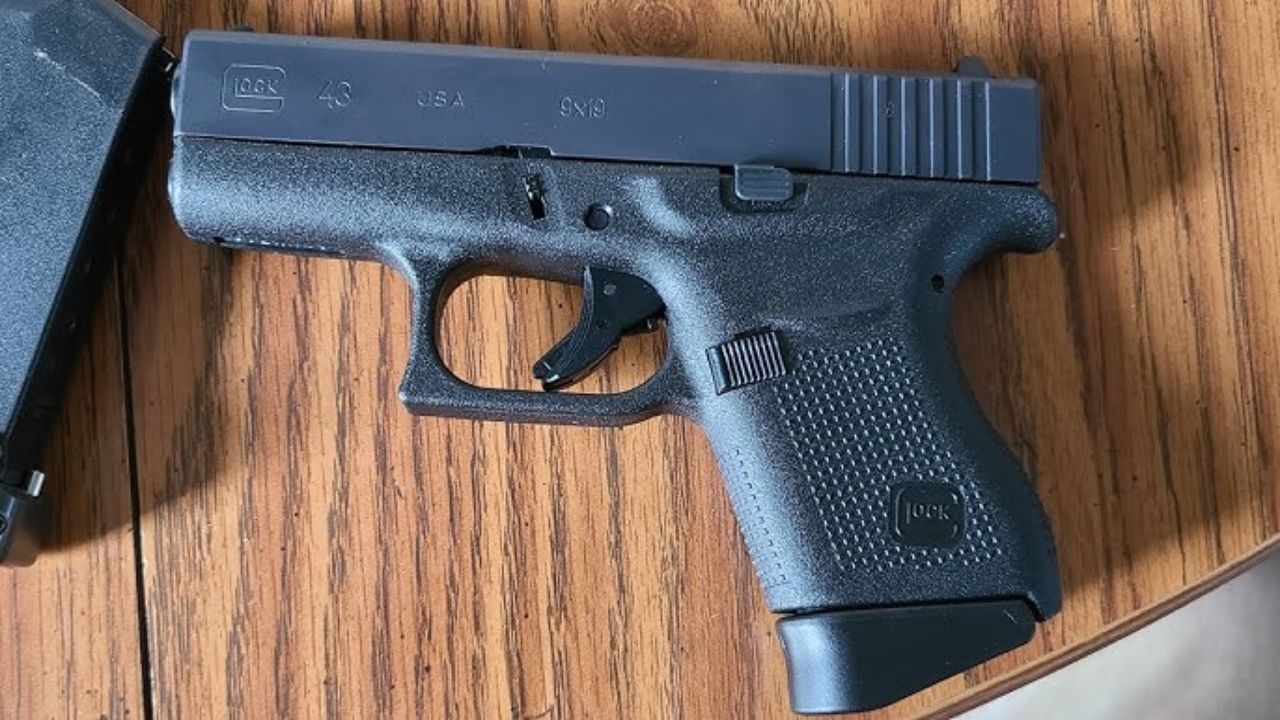
The Glock 43 helped set the standard for slim single-stack 9mm carry pistols. It is simple, reliable, and easy to conceal. For years, it made a lot of sense for people who wanted Glock reliability in a smaller package.
The problem is that the short grip and limited capacity feel dated next to slightly larger micro-compacts. The Glock 43 is shootable, but not especially forgiving. Add a pinky extension and you start getting close to the size of guns that hold more rounds and shoot flatter.
Smith & Wesson M&P Bodyguard 380

The M&P Bodyguard 380 is built for deep concealment, not comfort at the range. It is slim, light, and easy to carry in situations where a larger pistol would be a hassle. That is the part it gets right.
Where it struggles is shootability. The small grip, long trigger, and tiny controls can make it frustrating for people who do not practice with it. It is not the kind of pistol that flatters bad fundamentals. It works best as a carry compromise, but it is definitely a compromise.
SIG Sauer P365 SAS

The SIG Sauer P365 SAS tried to make a carry pistol even slicker by shaving down the sights and controls. The idea made sense for snag-free carry, but the result was not for everyone. The sighting system is different enough that many shooters never warmed up to it.
The standard P365 is already small, so making the sights less conventional added another hurdle. A carry gun needs to be fast and clear under stress. The SAS is compact and smooth, but for many owners, it became too specialized for its own good.
Springfield Armory Hellcat

The Springfield Hellcat packs impressive capacity into a very small 9mm pistol. That is the reason it became popular. It gives you a lot of rounds in a gun that hides easily and feels ready for serious carry.
But there is no escaping physics. The Hellcat can feel snappier than some slightly larger pistols, especially during longer range sessions. The grip texture helps, but the gun still demands a firm hand. It is capable, but shooters who struggle with small 9mm pistols may find it less forgiving than expected.
Ruger Max-9

The Ruger Max-9 offers a strong feature set in a small, affordable 9mm package. It is optic-ready in many versions, has good capacity for its size, and carries easily. For the money, it gives buyers a lot to consider.
Still, the compact grip and light frame mean recoil and control can be more noticeable than with larger carry pistols. It is not hard to shoot, but it does not give you much extra help either. For some shooters, stepping up to a slightly larger compact makes practice more productive.
Taurus GX4
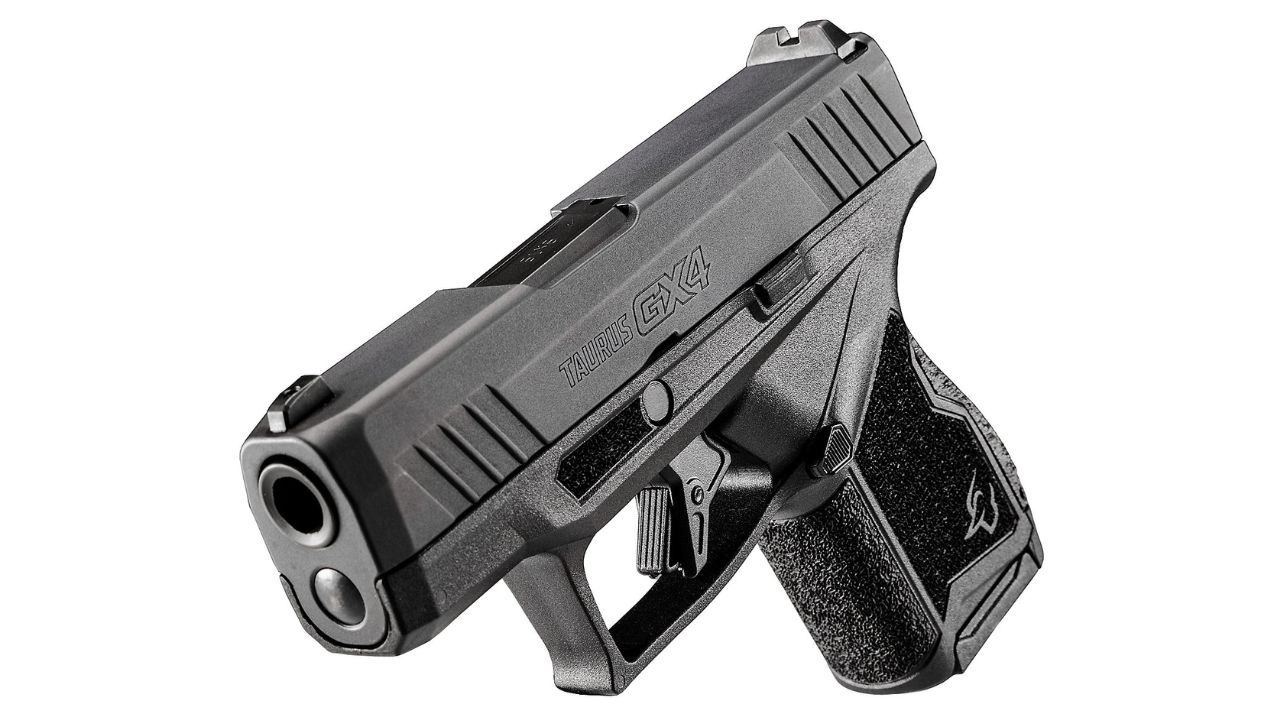
The Taurus GX4 is a small 9mm that brought Taurus into the modern micro-compact fight. It has good capacity, a clean profile, and a price that undercuts many competitors. It makes sense for concealed carry on a budget.
The downside is that it is still a short, light little pistol chambered in 9mm. It can be quick and handy, but it also punishes sloppy grip and weak follow-through. The GX4 is not too small to be useful, but it is small enough that many shooters would perform better with more gun in their hand.
KelTec PF9

The KelTec PF9 was thin, light, and easy to carry before micro-compacts became the hot category. That was its main appeal. It gave people a very slim 9mm pistol at a low price when the market had fewer options.
The tradeoff was a pistol that could be unpleasant to shoot. The grip is thin, recoil is sharp, and the trigger takes some getting used to. It is the kind of gun that makes sense in a waistband but less sense during a full practice session.
Bond Arms Backup
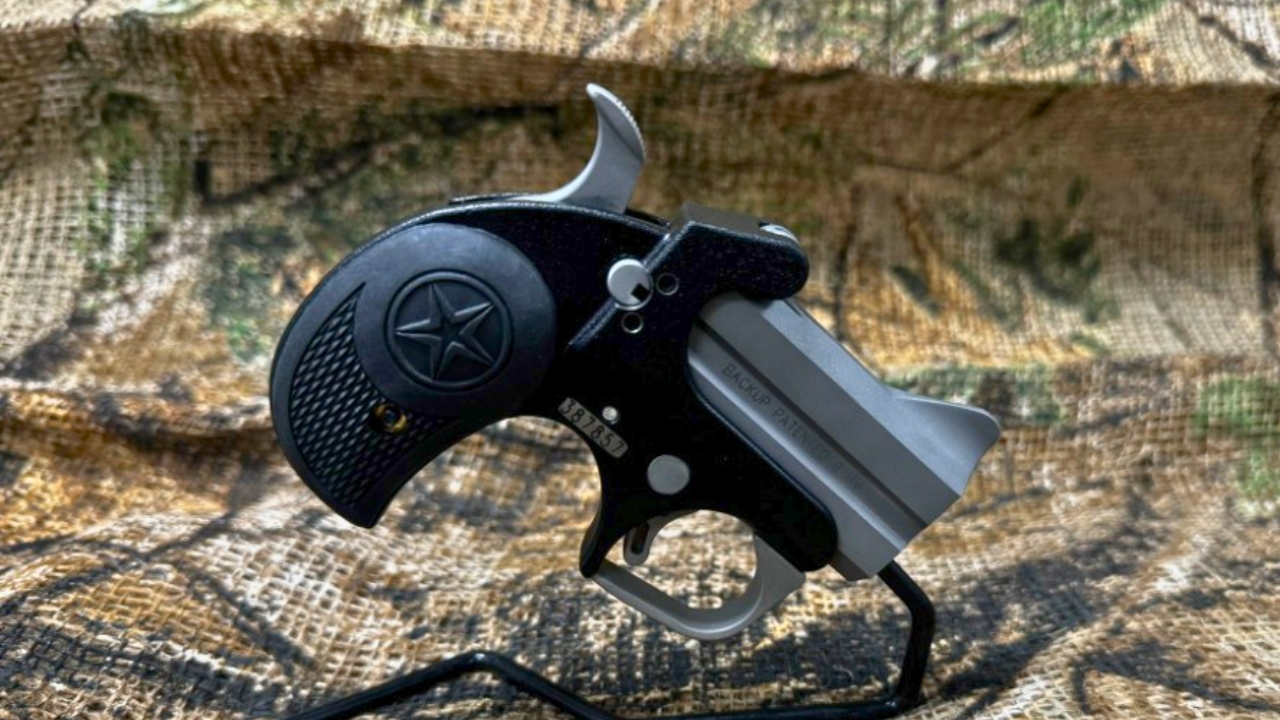
The Bond Arms Backup is solidly built and extremely compact, but it is still a derringer-style gun. That means limited capacity, slow reloads, and a shooting experience that can be rough depending on the chambering. It looks simple, but simple does not always mean easy.
As a close-range backup, it has a niche. As a primary defensive gun, it gives up a lot compared with even a small semi-auto or revolver. The Backup is small enough to carry easily, but that same small size keeps it from being very flexible.
Mossberg Shockwave
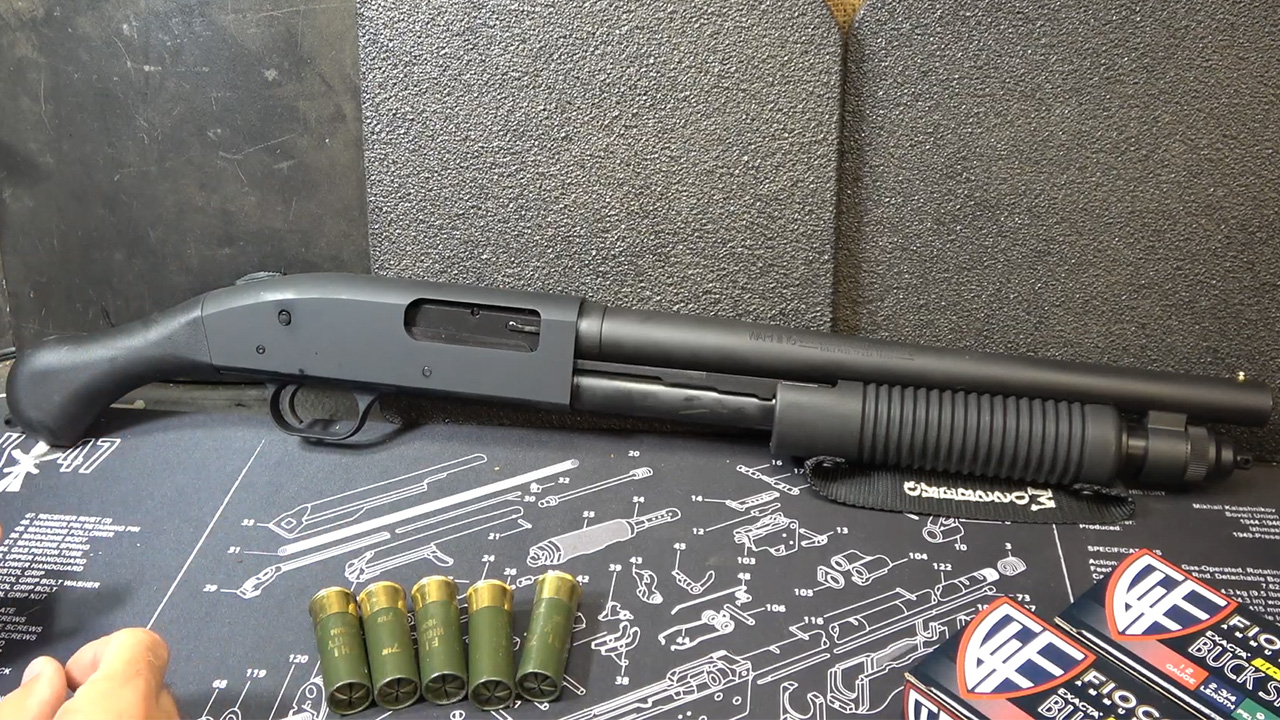
The Mossberg Shockwave is compact, intimidating, and easy to maneuver compared with a full-size shotgun. It is also a firearm that takes more skill than many buyers expect. Without a shoulder stock, controlling it well is a different experience from running a normal pump shotgun.
Its short overall length is the whole selling point, but that is also what makes it harder to use effectively. Recoil management, aiming, and follow-up shots all require practice. A stocked 18.5-inch shotgun may be longer, but it is usually much easier for most people to shoot well.
Remington Tac-14
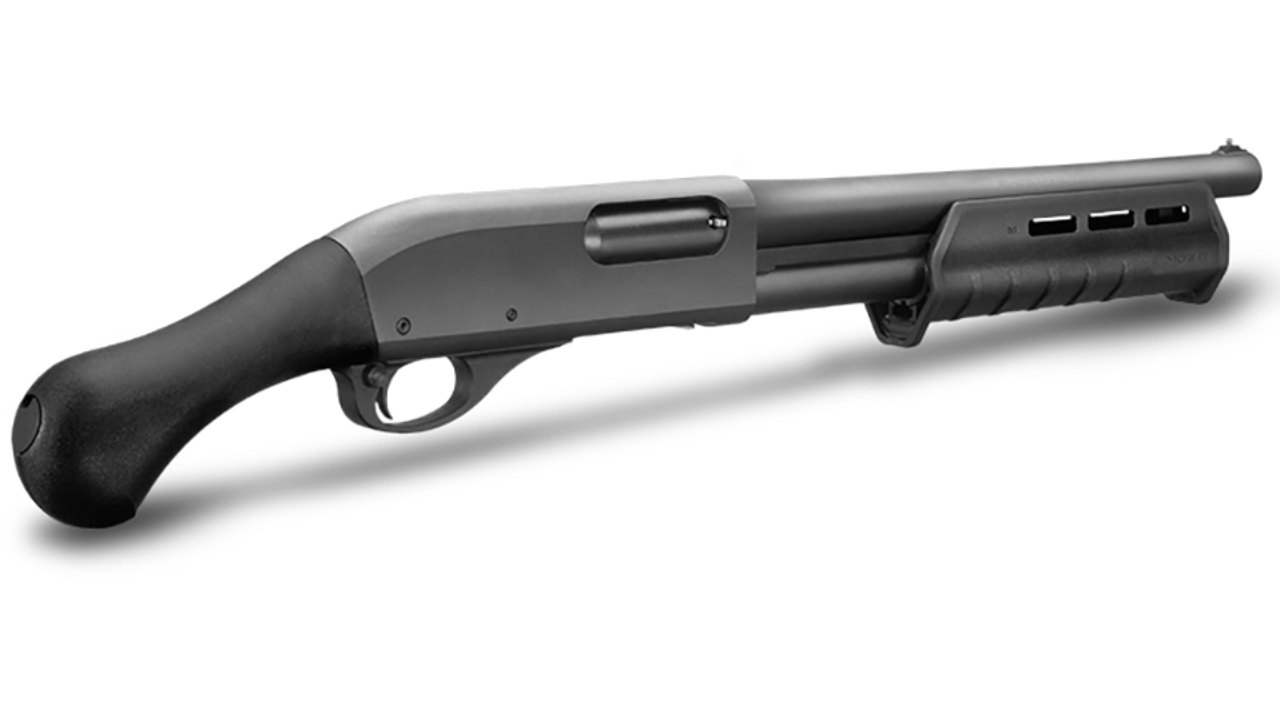
The Remington Tac-14 falls into the same category as the Shockwave. It is short, handy, and attention-grabbing. It also gives up a lot of the control that makes a traditional shotgun so effective.
The Tac-14 can be useful in trained hands, but it is not automatically better just because it is shorter. For many owners, it is more awkward than expected once live shells are involved. A compact shotgun that cannot be shouldered is often more specialized than practical.
Savage 110 Ultralite
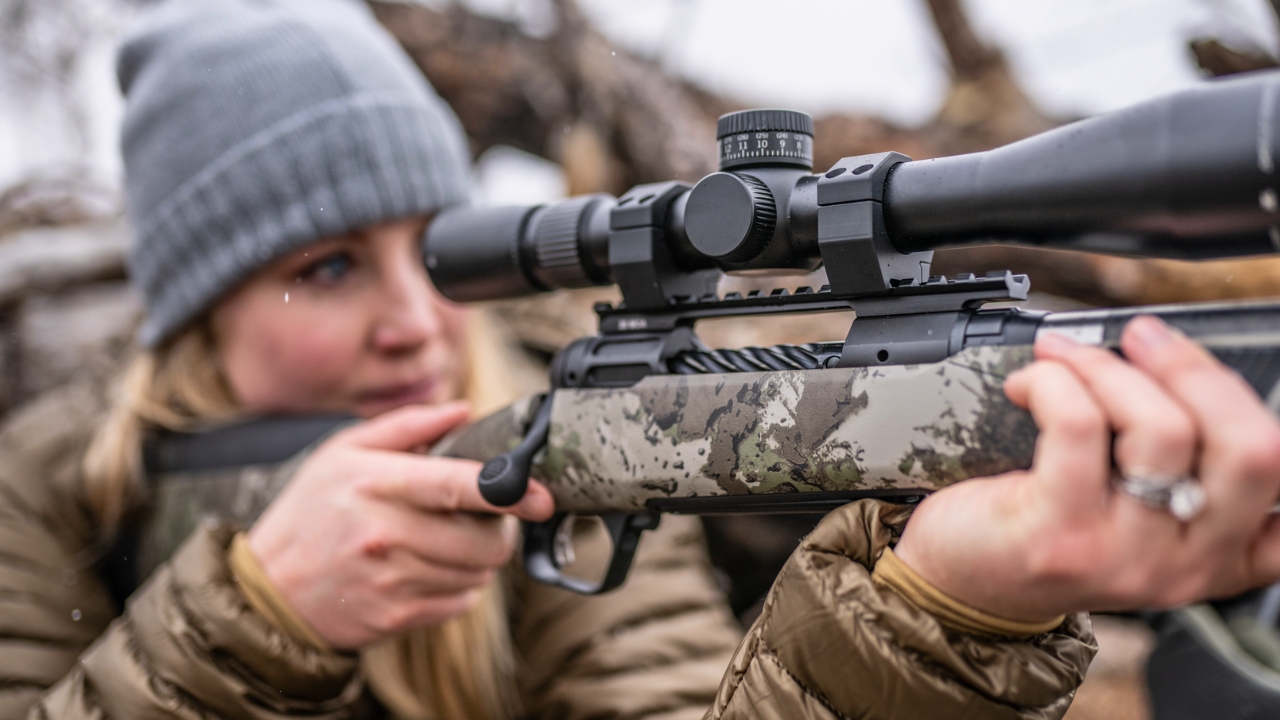
The Savage 110 Ultralite is a serious hunting rifle, and the light weight is useful in rough country. It makes sense for mountain hunts, long hikes, and anyone who actually needs to shave ounces from a rifle. The problem is that not every hunter needs that tradeoff.
Very light rifles are harder to steady and less pleasant with harder-kicking cartridges. A little more weight can make a rifle easier to shoot from field positions. The 110 Ultralite is not a bad rifle at all, but it shows how “smaller and lighter” can become a disadvantage when the shot matters.
Kimber Mountain Ascent

The Kimber Mountain Ascent is built for hunters who count ounces. It is light, accurate enough for serious hunting, and easy to carry in steep country. For the right person, that is a real advantage.
But for the average deer hunter, it may be too light for its own good. Light rifles can be harder to shoot well, especially from improvised rests or with cartridges that generate real recoil. If most of your hunting happens from a blind, stand, or short walk from the truck, a heavier and less expensive rifle may make more sense.
Like The Avid Outdoorsman’s content? Subscribe to our newsletter so you never miss an article.
Here’s more from us: