
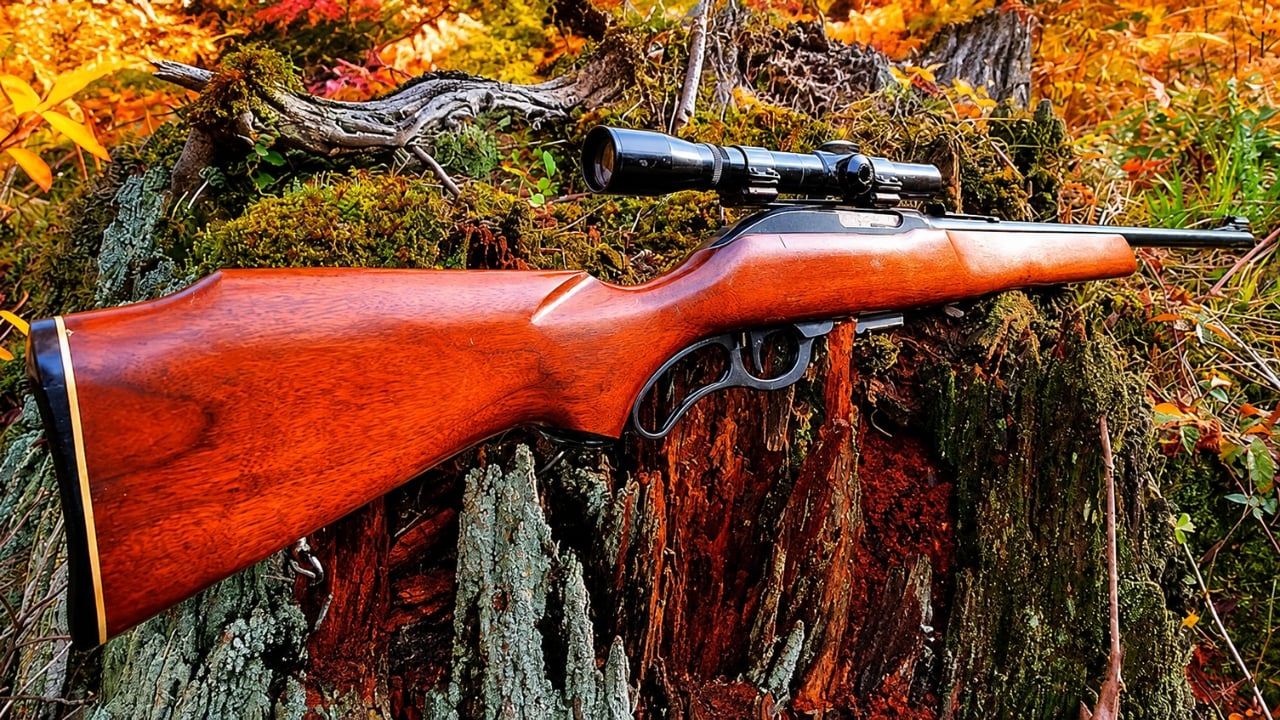
Photo credit: USOG/YouTube
Some guns seem ordinary right up until you sell them.
Then you start looking for another one and realize the exact configuration you had is no longer common, clean examples have dried up, or the market has moved on entirely. A replacement may technically exist, but not with the same action, proportions, chambering, build quality, or feel. These are the firearms owners often assume they can buy again later, only to discover that replacing the one they let go is far more difficult than expected.
Remington Model 700 Mountain Rifle
The Mountain Rifle never looked especially exotic. It was simply a lighter, trimmer version of the Model 700 built for hunters who cared more about carrying comfort than heavy barrels or tactical features.
That simplicity is exactly why it is hard to replace. Modern lightweight rifles exist everywhere, but many use radically different stocks, detachable magazines, oversized bolt knobs, or ultralight materials that do not feel the same. A clean older Mountain Rifle with nice walnut and a slim barrel has a combination of traditional styling and field weight that has become much less common.
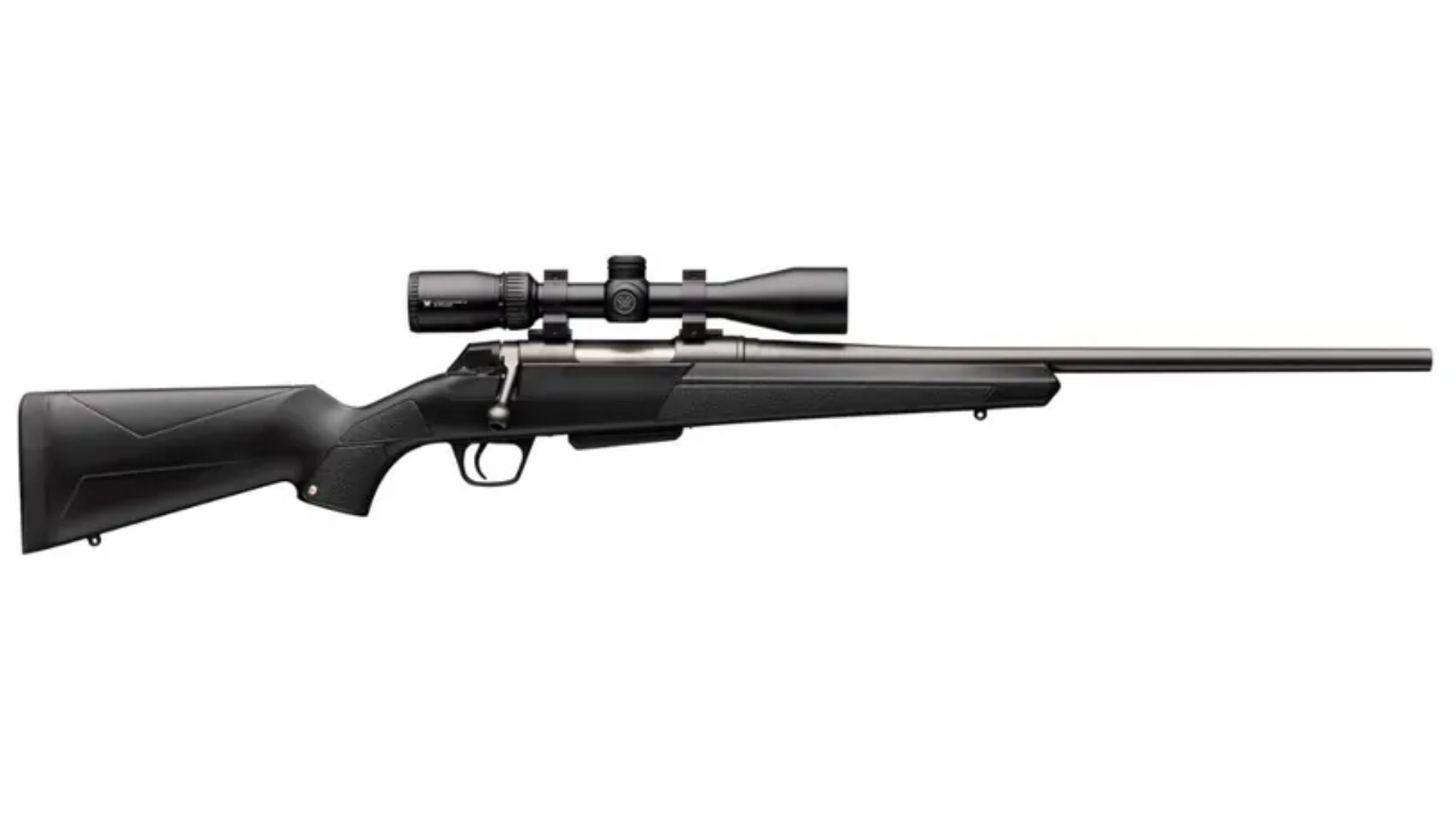
Browning A-Bolt Micro Hunter

The Micro Hunter was one of those rifles that made perfect sense for smaller shooters without feeling like a disposable youth gun.
Its short stock, compact barrel, and quality Browning construction gave it real long-term usefulness. Owners sometimes sell them after a child outgrows the rifle, assuming another compact bolt gun will do the same job later. The problem is that many replacements feel cheaper, bulkier, or less refined. A clean Micro Hunter in a useful chambering can be surprisingly difficult to duplicate.
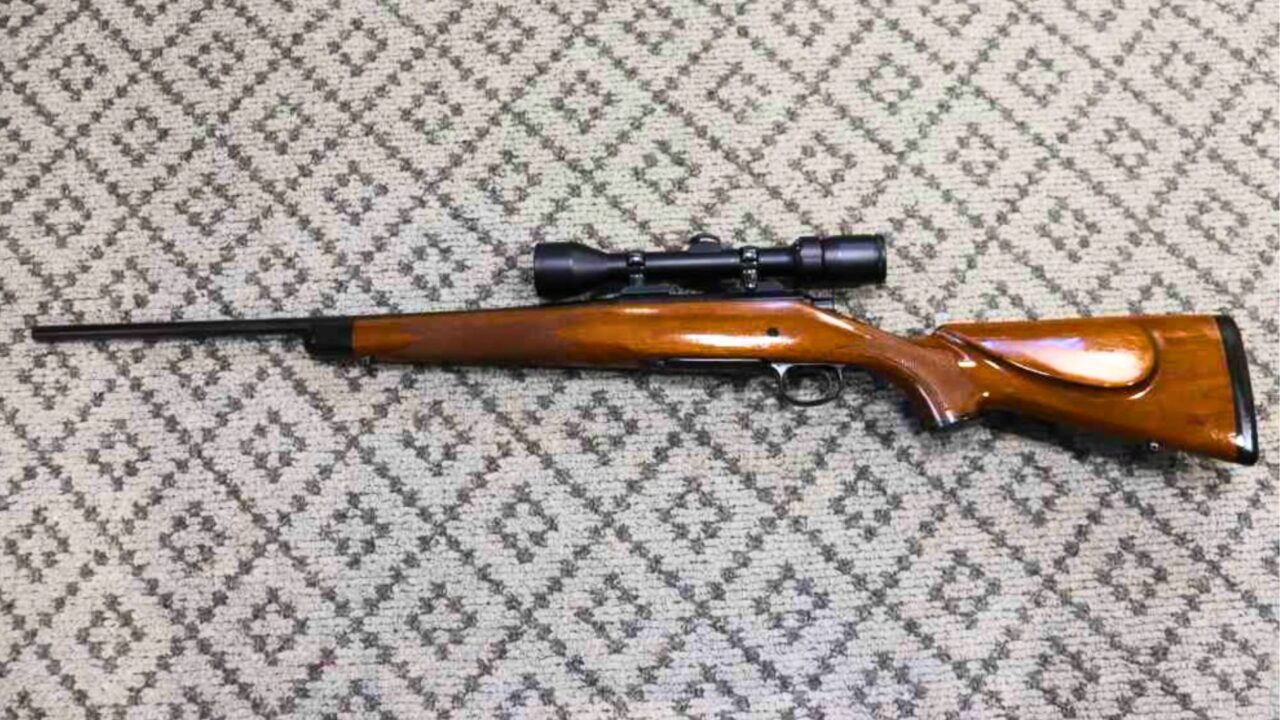
Winchester Model 70 Featherweight Compact
The Featherweight Compact blends traditional Model 70 styling with dimensions that work better for smaller-framed shooters or anyone who simply likes short rifles.
That combination is not nearly as common as it sounds. Plenty of compact rifles are built around budget stocks and stripped-down actions, while full-quality hunting rifles tend to come in adult dimensions. If you sell one that fits somebody in your family perfectly, finding another with the same controlled-round-feed feel and compact proportions can become frustrating.
Ruger M77 Compact
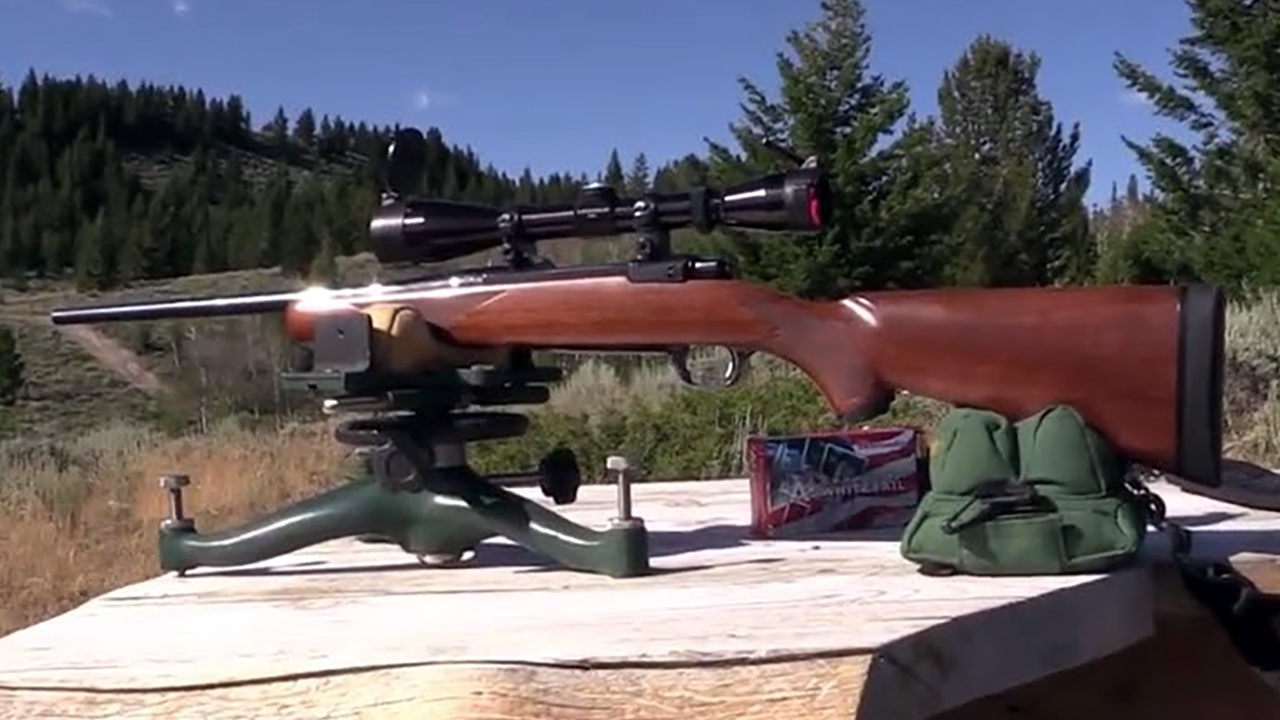
The M77 Compact is another rifle owners sometimes underestimate because it looks like a shortened version of a common Ruger.
Once it is gone, the differences become more obvious. The compact dimensions, traditional Ruger action, integral scope-mounting system, and older stock designs give these rifles a very specific personality. Current short bolt guns may be lighter or more modular, but they do not necessarily feel like a classic M77. The right chambering makes replacement even harder.
Remington Model 600 Mohawk
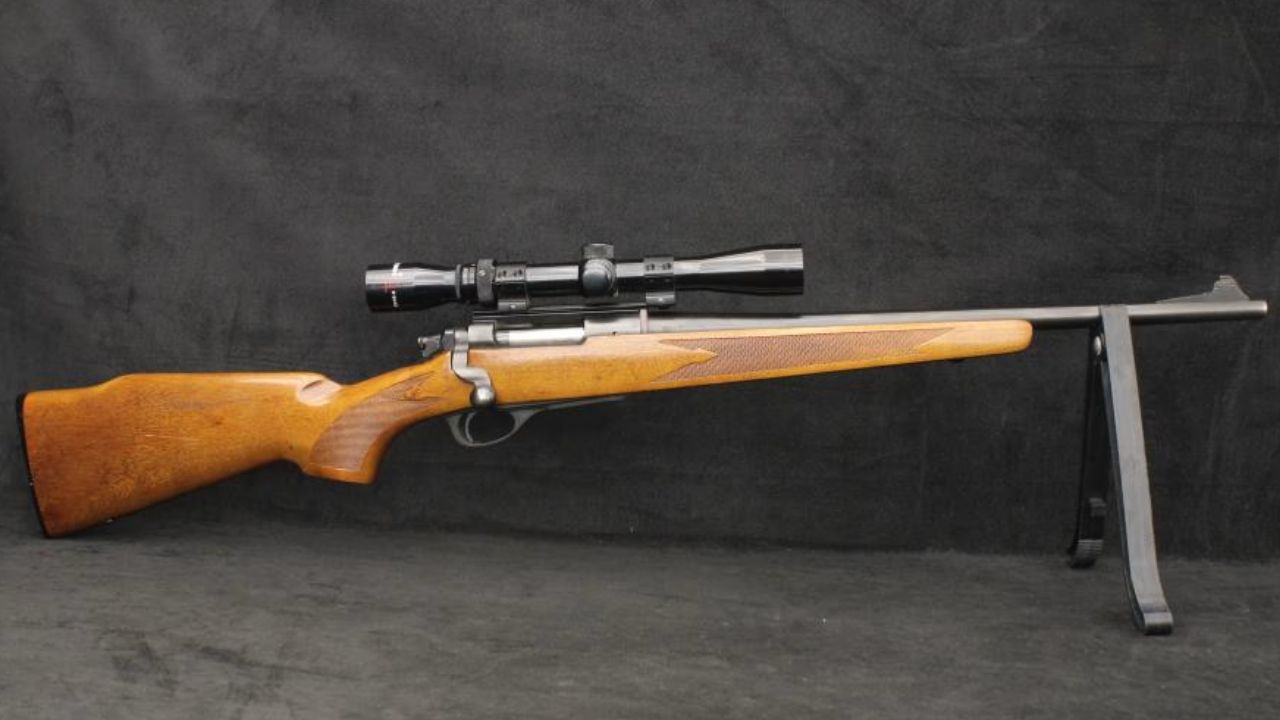
The Mohawk was never a prestige rifle. It was short, handy, and unconventional enough that many owners treated it as a useful woods gun rather than something collectible.
That has changed. Compact vintage bolt rifles with distinctive styling are no longer being made in large numbers, and clean Mohawks tend to disappear quickly. Sell one because you think another short deer rifle will replace it and you may discover that the replacement works fine while feeling completely different.
Browning BPR

The Browning Pump Rifle was never common enough to become a household name, which is one reason owners can underestimate how difficult it is to replace.
It combines a centerfire pump action with Browning fit and finish in a hunting rifle format that has largely disappeared. If you like the speed and handling of a pump rifle but want something more refined than the usual options, there are very few modern substitutes. Once a good BPR leaves the safe, getting back into one can take patience.
Winchester Model 88 Carbine
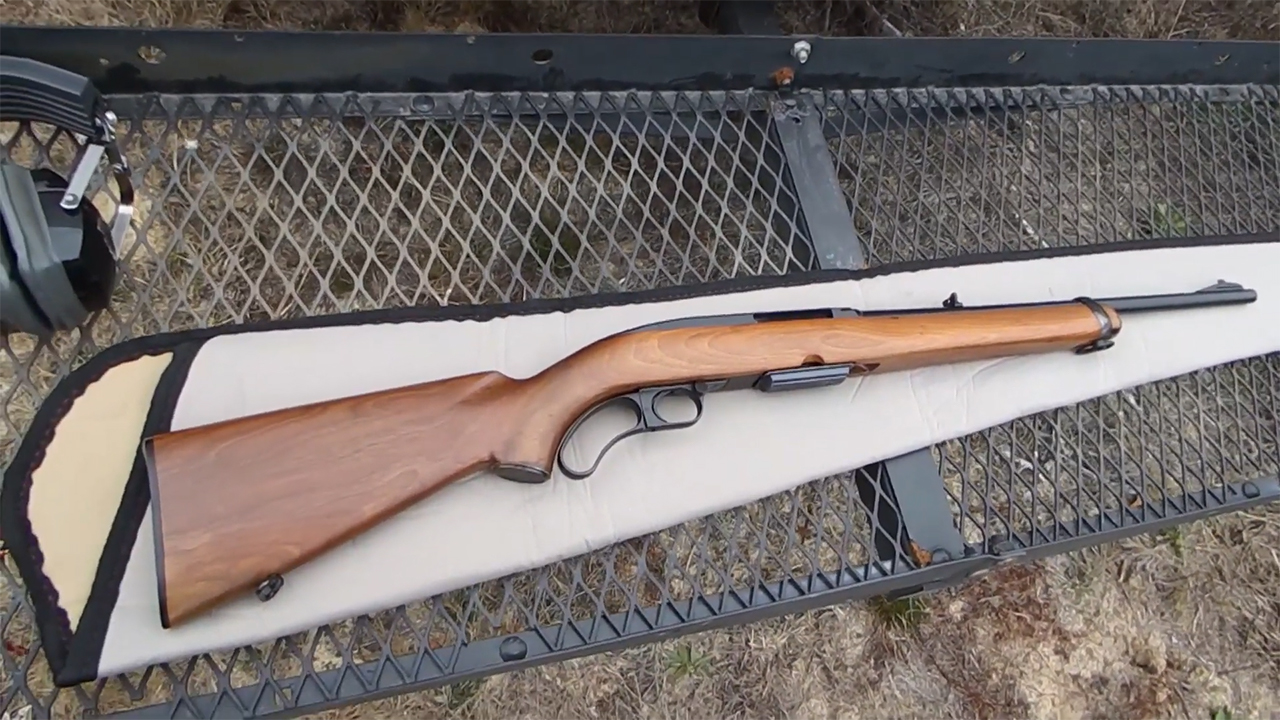
The Model 88 Carbine is much more than a shortened old Winchester. It combines a lever action with a detachable box magazine and modern-style cartridges in a package that still feels remarkably quick in the woods.
There is almost nothing exactly like it now. Modern lever guns tend to follow either traditional tubular-magazine designs or completely different tactical concepts. A clean Carbine that shoulders correctly and shoots well is not something I would assume could be replaced with another lever rifle later.
Savage Model 1899 Take-Down
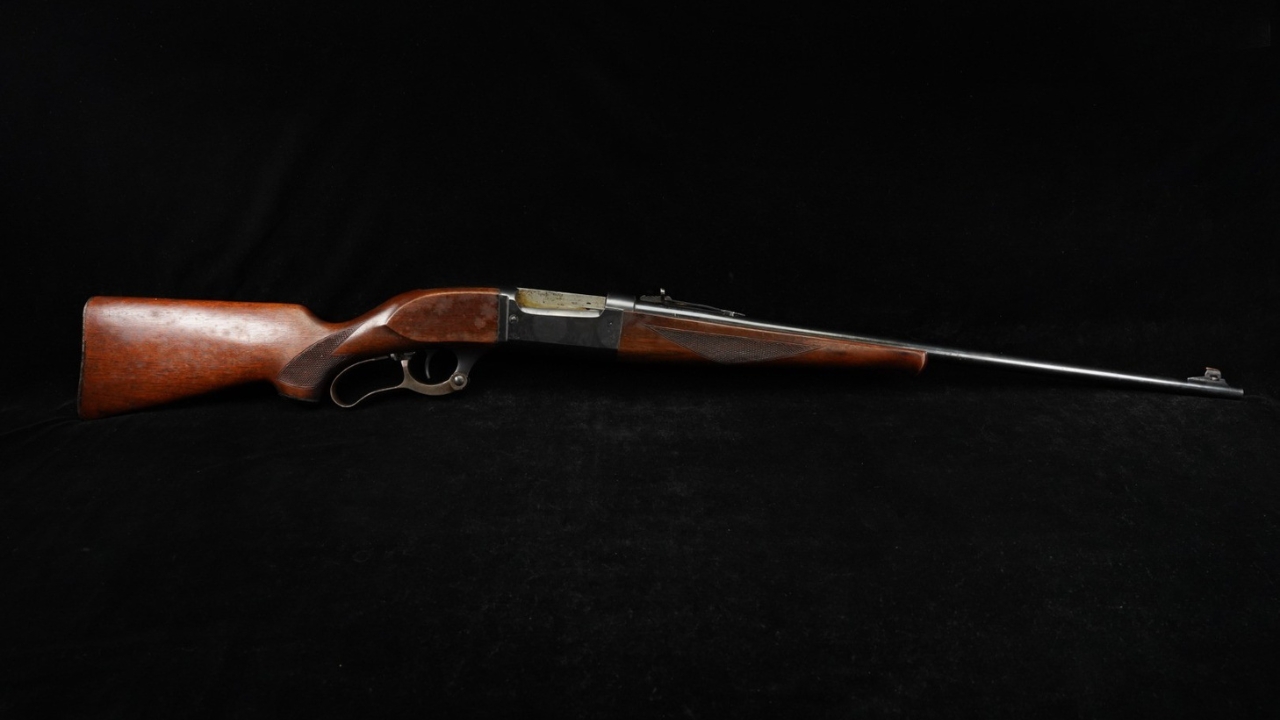
Take-down Savage lever rifles are easy to underestimate when they are sitting among ordinary old hunting guns.
The appeal becomes clearer once you sell one. The rotary-magazine action, classic receiver profile, and take-down capability create a combination modern manufacturers simply do not offer. Even finding another Savage 99 is one thing. Finding the right take-down configuration in equally good condition is something else entirely.
Marlin Model 62 Levermatic
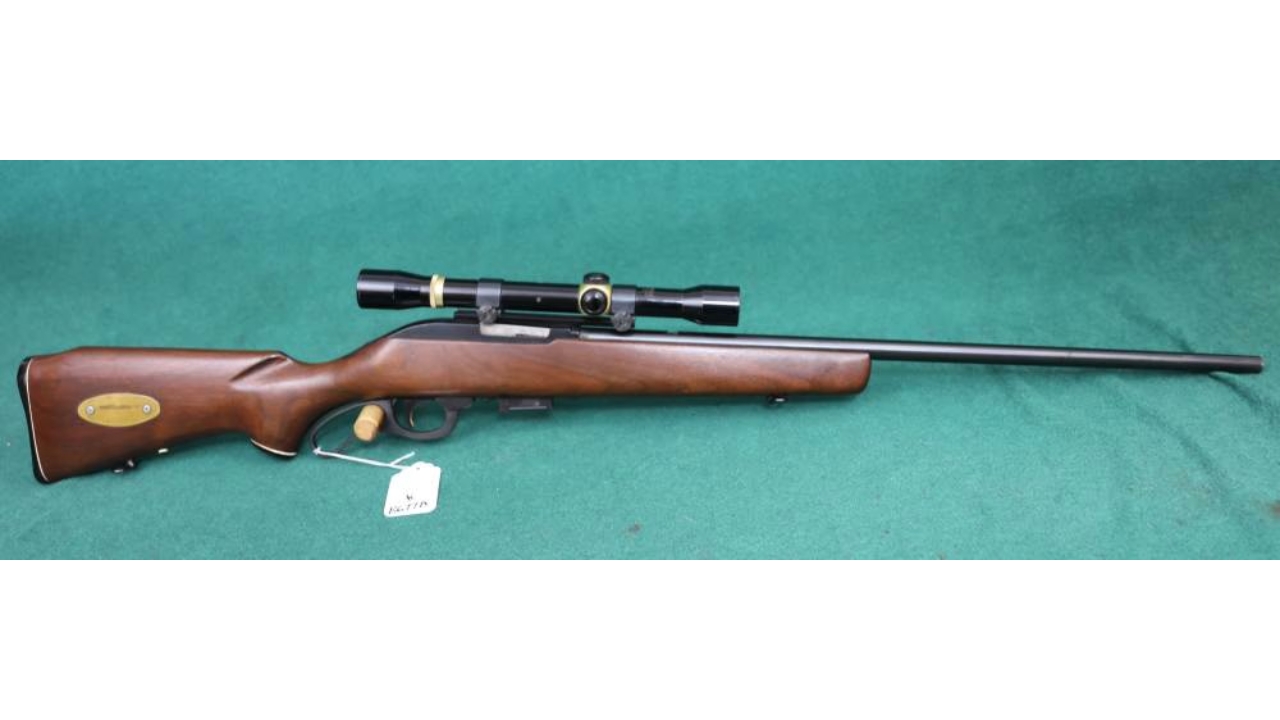
The Model 62 looks almost like somebody crossed a lever rifle with a completely different action, and that is what makes it so interesting.
Its short lever throw and detachable magazine make it feel unlike traditional Marlin lever guns. Owners sometimes dismiss them because they are not one of the famous 336 or 39-series rifles. Once sold, however, there is no current-production Marlin that recreates the same experience. Unique actions are always harder to replace than owners expect.
Remington Model 572 Fieldmaster
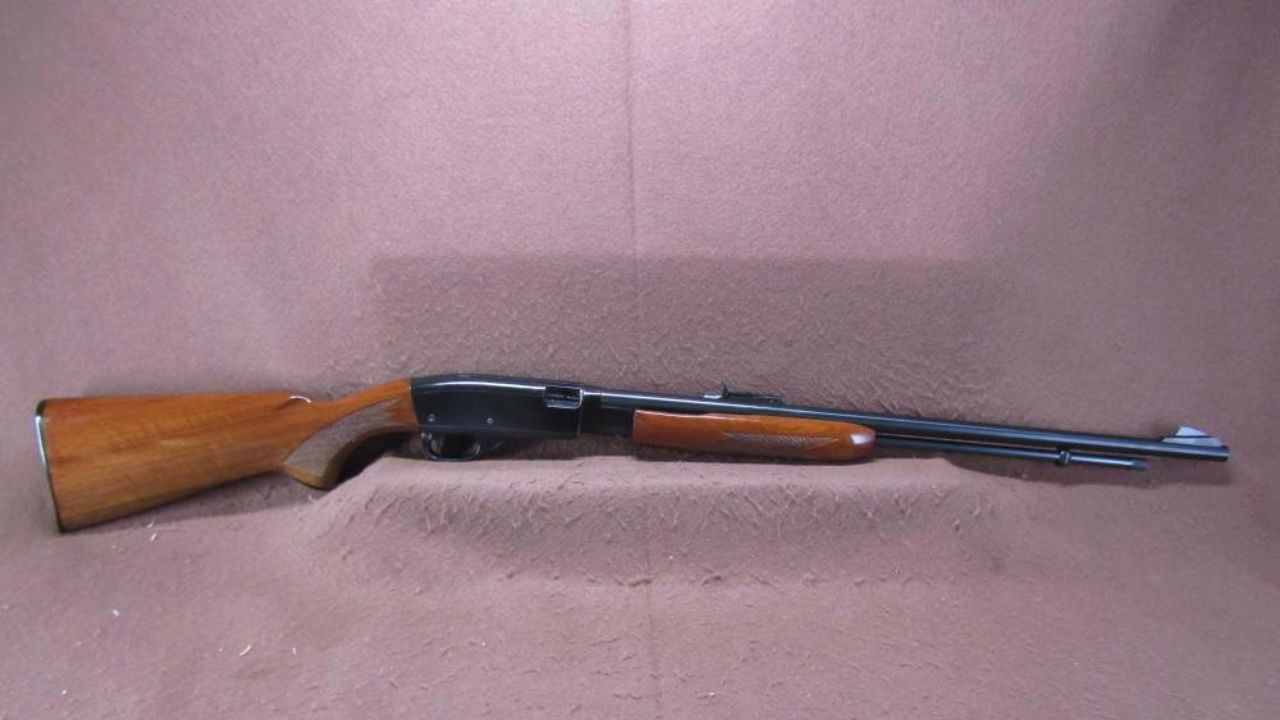
The 572 is a pump-action .22 that can easily be mistaken for just another old rimfire.
A good one is much harder to substitute than that. It combines pump operation with tubular-magazine versatility and traditional full-size rifle proportions. Modern rimfire buyers have endless semiautomatic and bolt-action choices, but quality pump .22s are much thinner on the ground. If yours is smooth, accurate, and clean, selling it can create a hole that is surprisingly annoying to fill.
Browning B-80
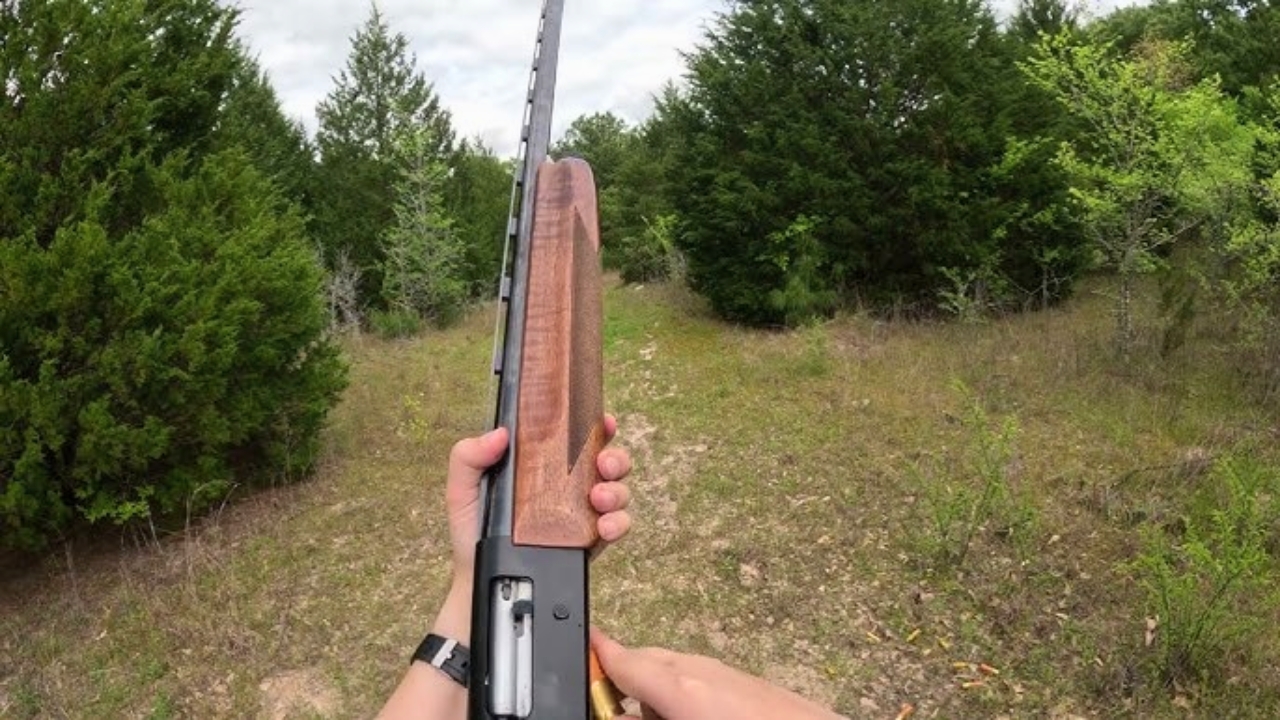
The B-80 was a gas-operated semiautomatic shotgun built during a period when Browning’s shotgun lineup looked very different from today.
Owners may assume any modern gas gun will replace it. Functionally, perhaps. In feel, balance, wood quality, and old-school sporting-gun character, not necessarily. A B-80 that fits you well can become much harder to replace than its relatively modest collector reputation suggests.
Winchester Super X Model 1
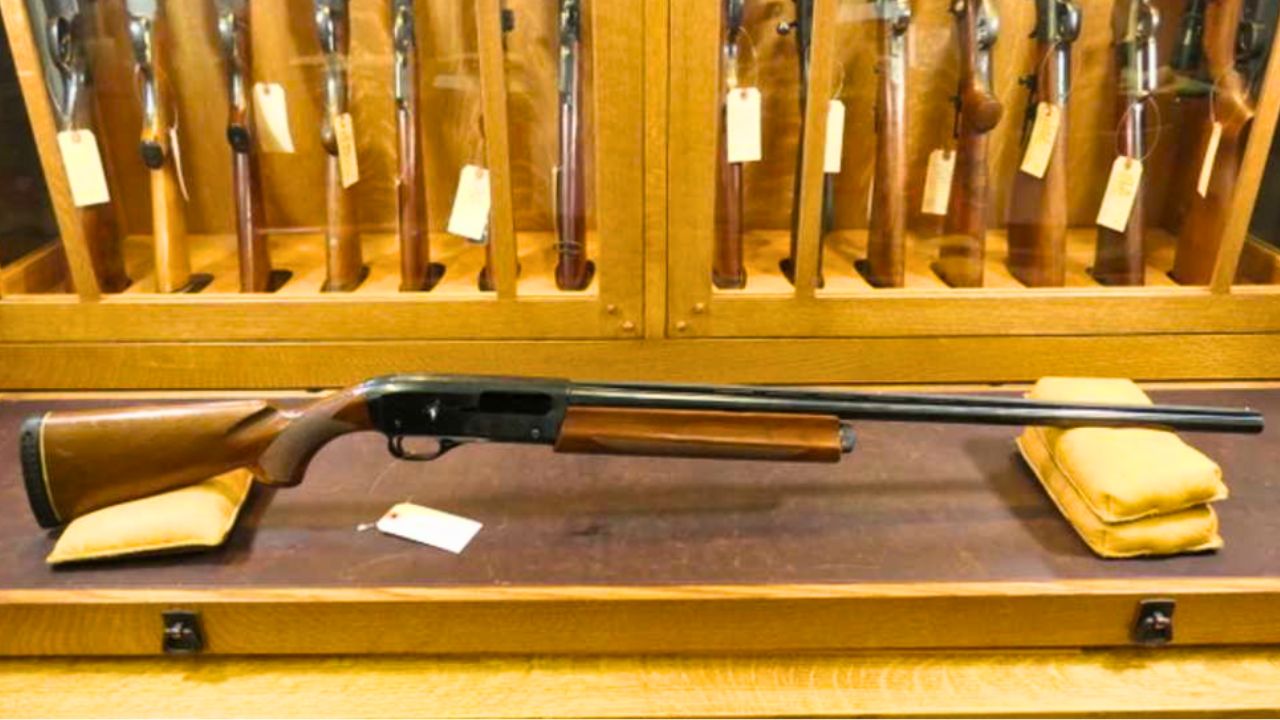
The original Super X earned a loyal following because it was built with a level of steel, machining, and smoothness that would be expensive to reproduce now.
That is the trap. Someone can sell one assuming a new semiautomatic shotgun will be lighter and more advanced. It probably will be. It may not feel nearly as solid or cycle with the same mechanical character. Owners who appreciate the Super X often end up hunting for another after discovering modern does not automatically mean more satisfying.
Ithaca Model 37 Deerslayer II
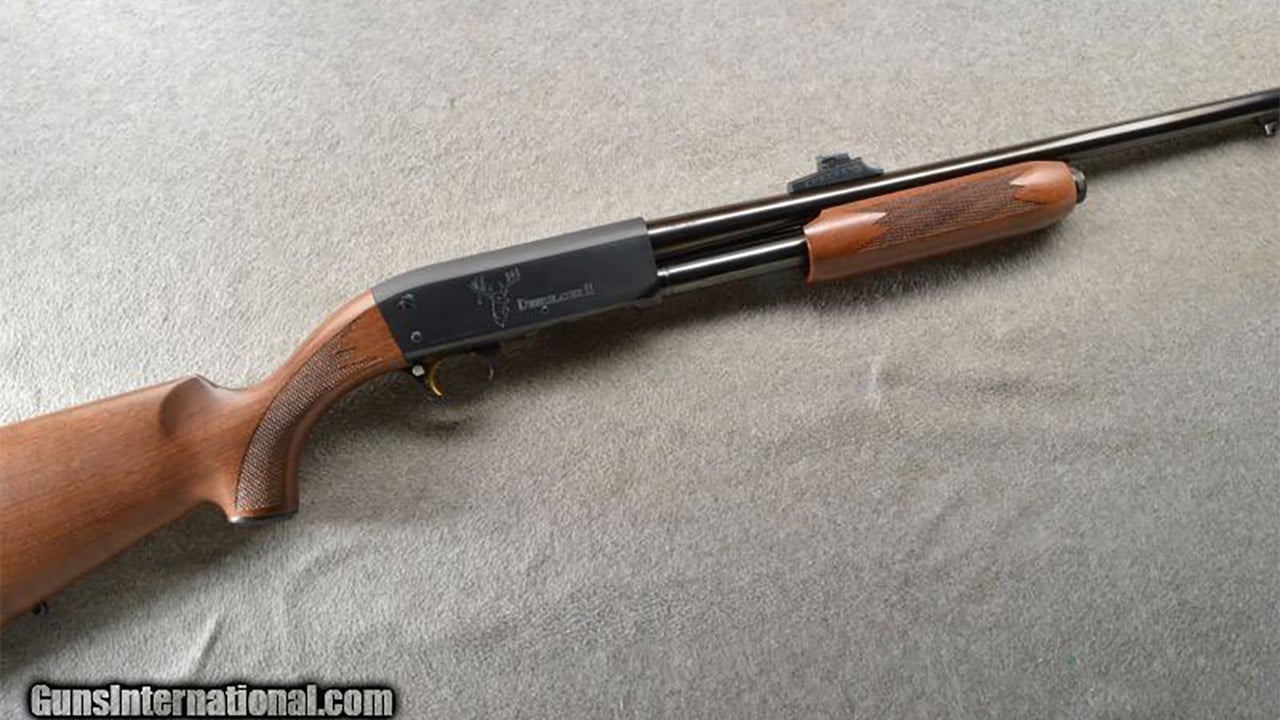
The Deerslayer II is more specialized than an ordinary Model 37. It was built around slug hunting, and the better examples can be remarkably effective in the environments where shotgun-only hunting once dominated.
That niche has shrunk as regulations and straight-wall rifles changed the landscape. Manufacturers have less incentive to build premium dedicated slug guns now. If you sell a Deerslayer II that already shoots well with a particular load, replacing that proven combination can be much harder than buying another shotgun.
Smith & Wesson Model 547 3-Inch
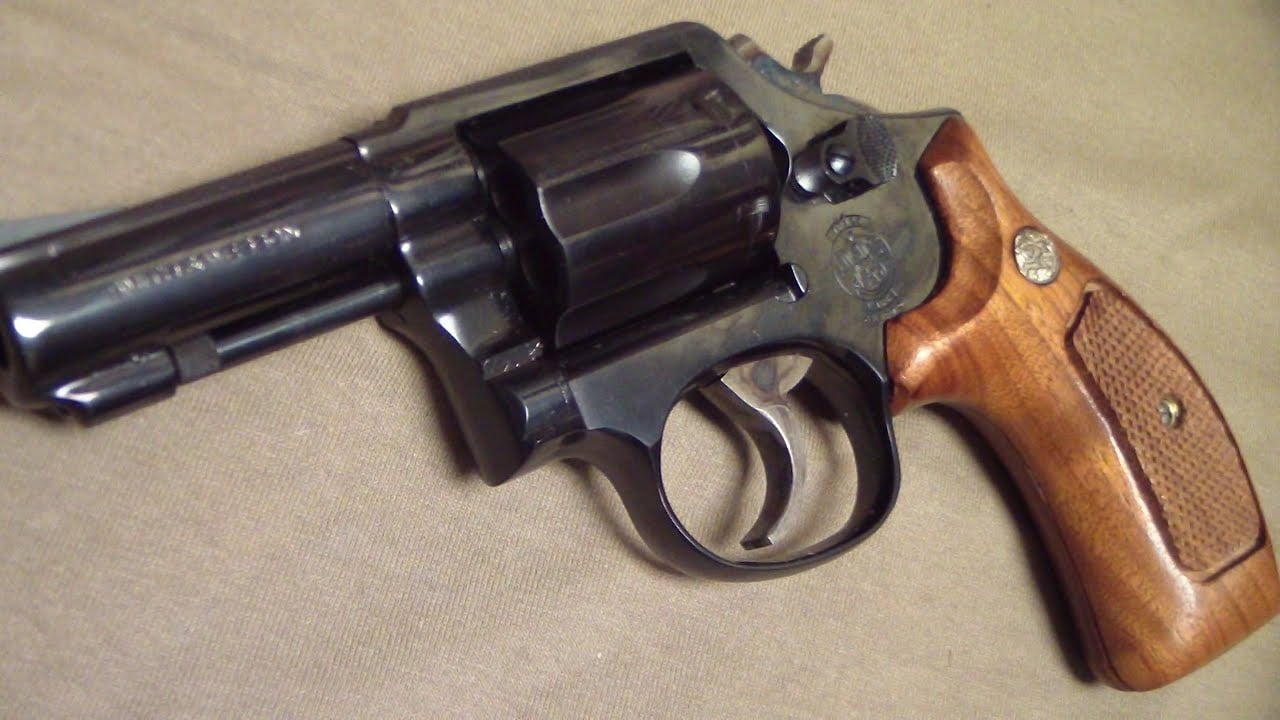
The Model 547 is already unusual because it chambers 9mm without conventional moon clips. The short-barreled version makes the gun even more distinctive.
This is exactly the kind of revolver an owner can underestimate until it is gone. There is no mainstream modern substitute that recreates the same mechanical system, K-frame proportions, and chambering. Once collectors absorb the clean examples, replacement becomes a search rather than a purchase.
Colt Metropolitan Mk III
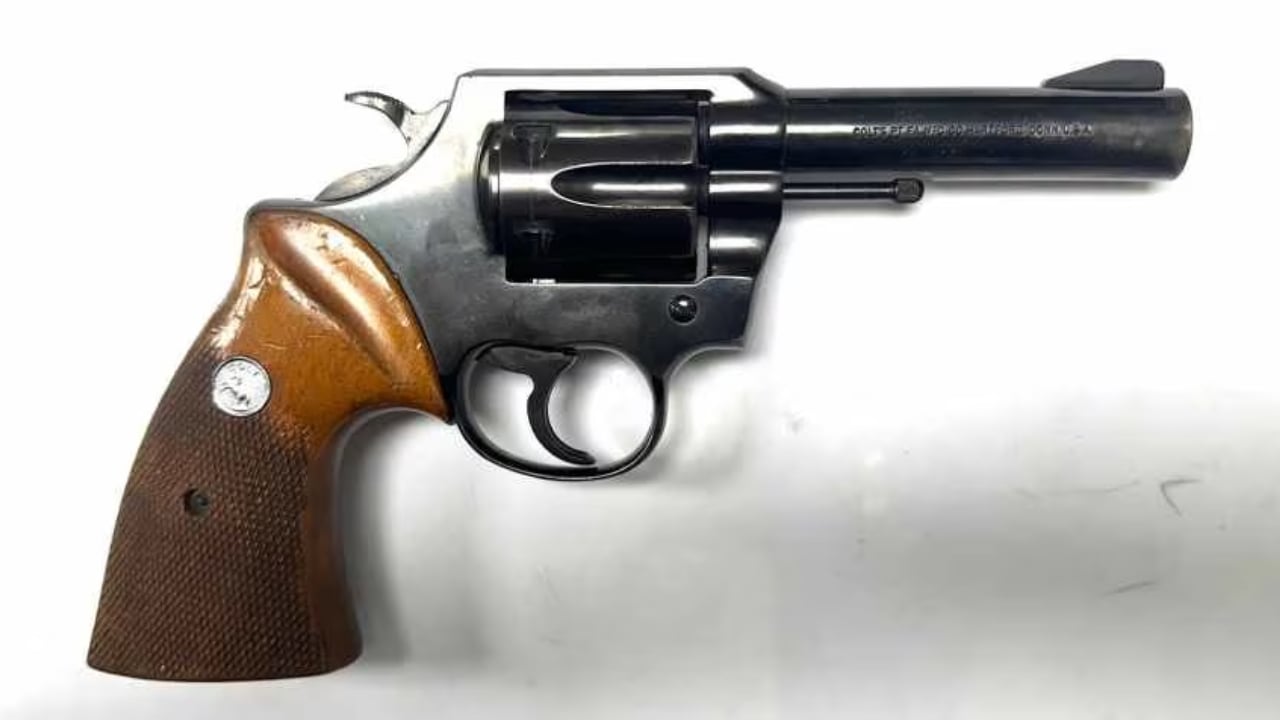
The Metropolitan Mk III is one of those Colt revolvers that sits outside the usual Python and Detective Special conversation.
That relative obscurity can fool owners into thinking it is easily replaceable. It is not. Less-famous factory configurations often become harder to find precisely because fewer were preserved or actively collected. If you own a clean example, selling it means betting that another correct one will eventually appear when you want it. That is not always a good bet.
Ruger Service-Six .38 Special
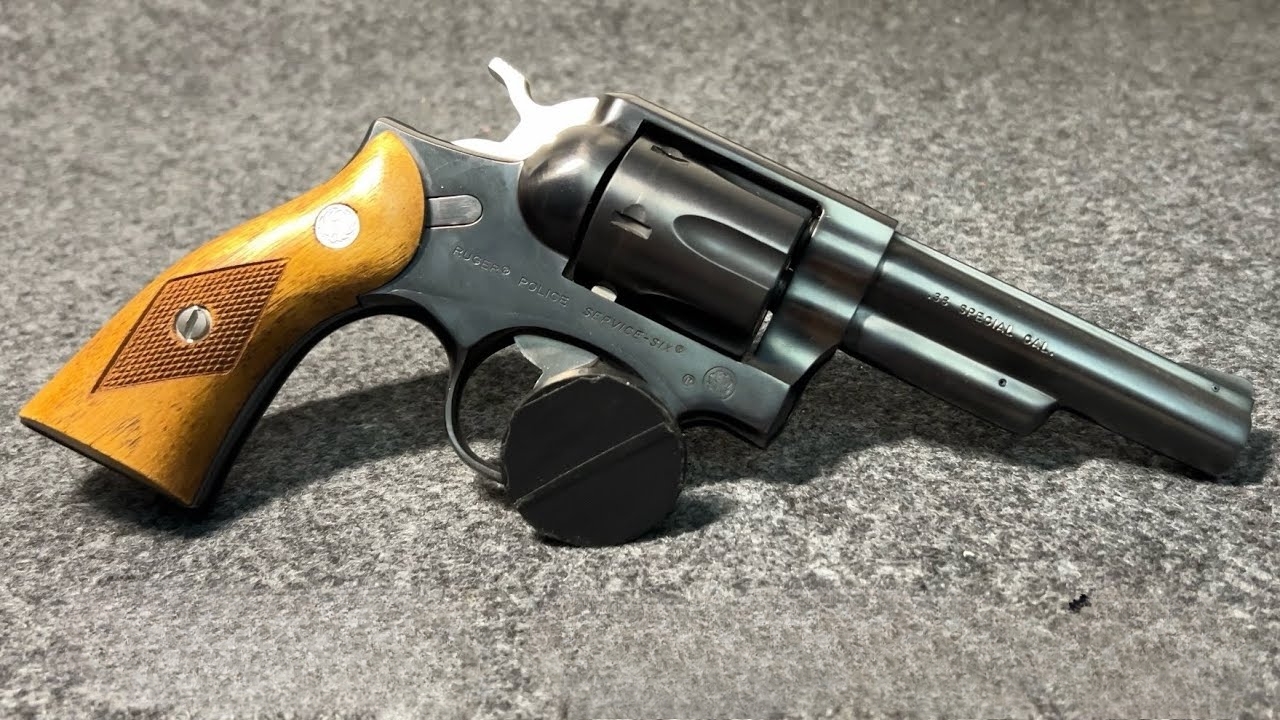
Most shooters associate Ruger’s older double-action revolvers with .357 Magnum, which makes .38 Special-only versions much less obvious.
That chambering difference can matter to collectors and owners who appreciate unusual factory configurations. It also means you cannot necessarily replace one by buying any old Ruger revolver. The exact combination of fixed sights, frame size, chambering, and vintage construction is what makes the gun distinct.
Smith & Wesson Model 242
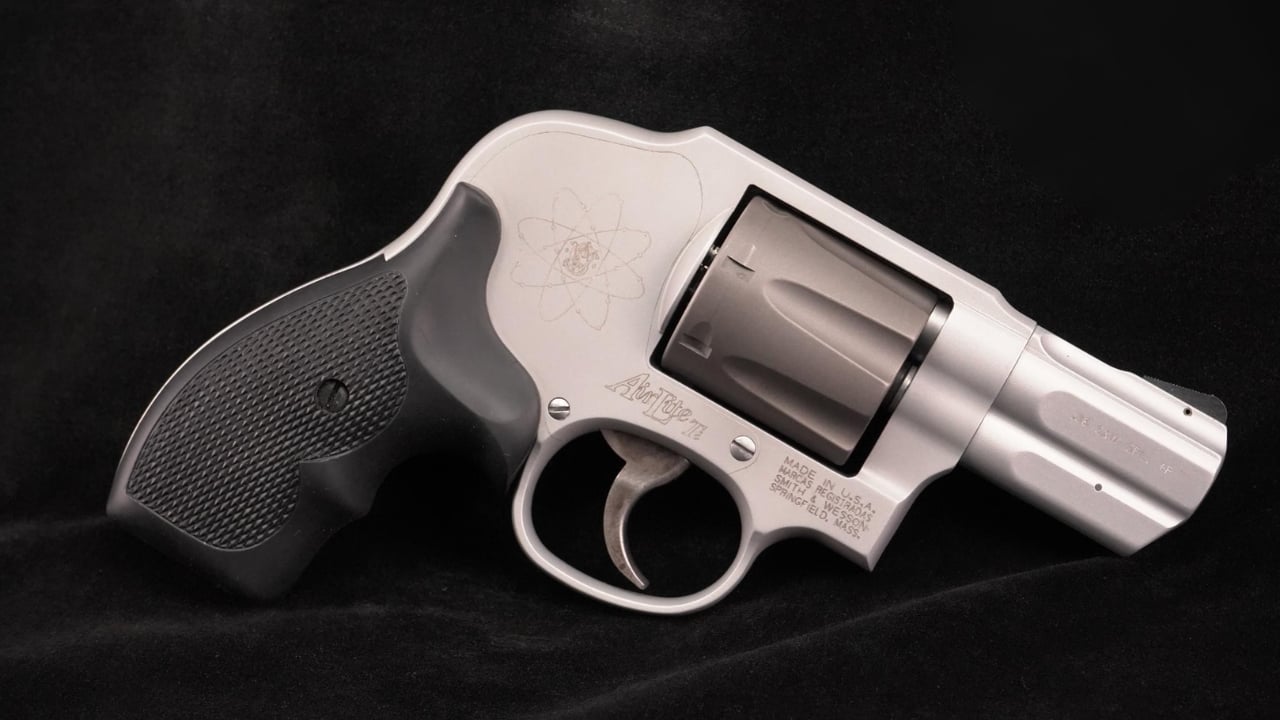
The Model 242 is a lightweight L-frame revolver chambered in .38 Special and built around an enclosed-hammer configuration.
That is an unusual combination even before you consider that it did not become a long-running mainstream model. Modern lightweight revolvers are usually much smaller, while full-size L-frames are generally heavier and chambered for .357 Magnum. The 242 sits in a strange middle ground that makes it far harder to replace than its appearance suggests.
Colt Pony Pocketlite
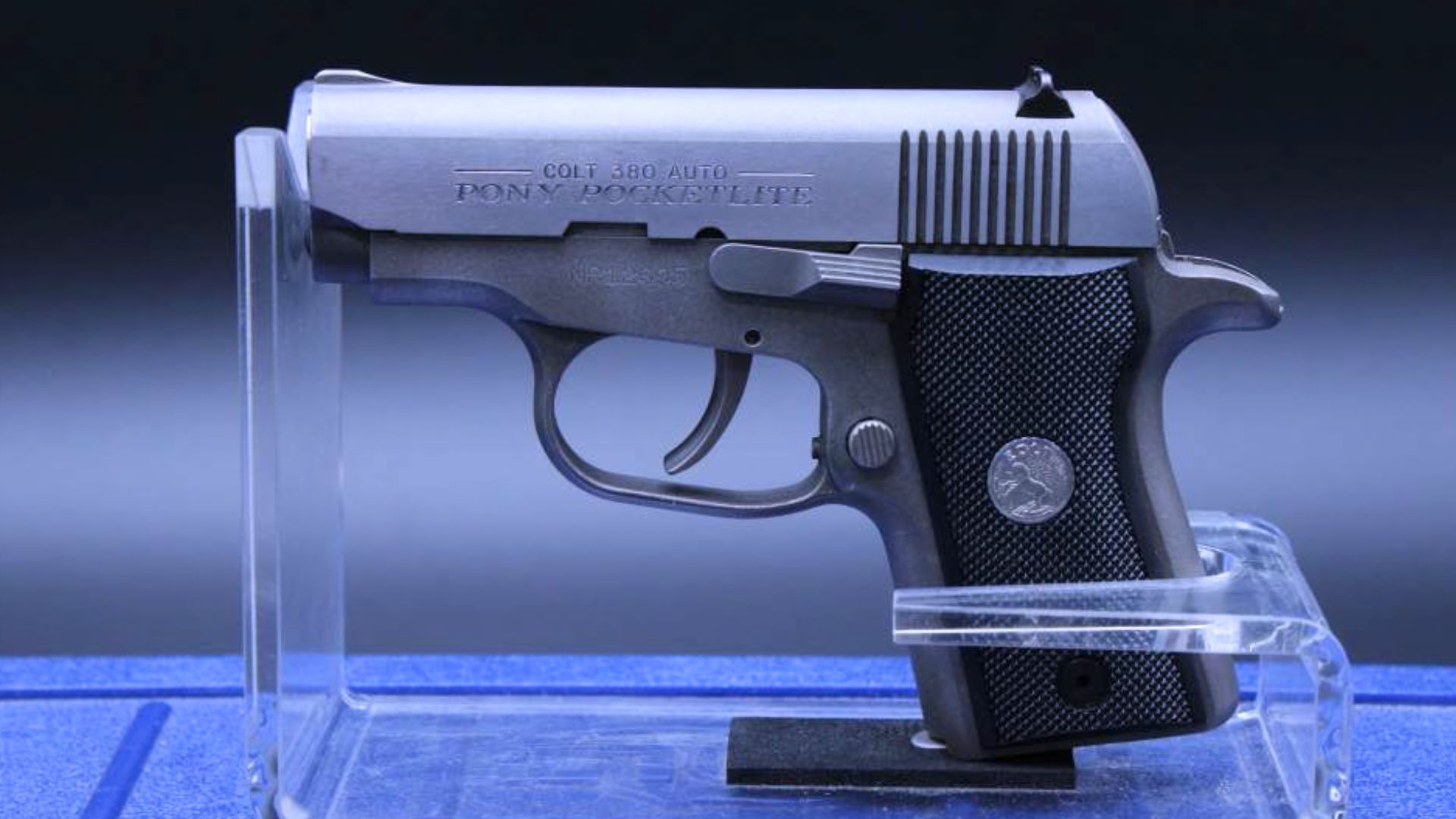
The Pony Pocketlite arrived before today’s explosion of tiny defensive semiautomatics. Its lightweight metal construction and compact .380 format made it genuinely small for the time.
A modern micro .380 can easily outperform it on capacity or sights, but that does not recreate the gun. Collectors increasingly appreciate discontinued Colt pocket pistols, and clean examples do not seem to multiply. If you like the way one carries and shoots, selling it because something newer exists may be a decision you regret later.
SIG Sauer P232

The P232 looked almost timeless when it was still in production, which made it easy to assume SIG would always offer something similar.
It did not. The slim metal frame, fixed-barrel feel, DA/SA trigger, and elegant proportions have no direct equivalent in SIG’s current mainstream lineup. Modern .380s are smaller and hold more ammunition, but they do not shoot or handle like a P232. Owners who sell one often discover they were replacing a category, not merely a model.
Walther TPH

The TPH is tiny even by classic pocket-pistol standards, and its all-metal construction gives it a character modern polymer rimfires and .25s simply do not share.
It is easy to think of it as a novelty until you try finding another nice one. Production is long gone, high-condition examples are increasingly collectible, and there are very few modern pistols that duplicate its dimensions and old-world feel. This is exactly the sort of small gun that seems replaceable until you actually start shopping for the replacement.
Like The Avid Outdoorsman’s content? Subscribe to our newsletter so you never miss an article.
Here’s more from us:


