Photo credit: clbishopguns/GunBroker
Every hunter has bought into the promise of a new cartridge at some point. The ballistics look unbeatable, the ads make it sound like the ultimate solution, and you can’t help but wonder if it’s the one round to rule them all. But cartridges that look good on paper don’t always deliver in the field. Sometimes the recoil is too harsh, the barrel life too short, or the performance doesn’t actually improve on what hunters already trust. After a box or two at the range—or a frustrating trip in the woods—many of these rounds end up forgotten in the safe. These are the cartridges hunters tend to abandon once they put them through real-world tests.
.17 Remington

The .17 Remington was supposed to be the ultimate varmint round, pushing tiny bullets at blistering speeds. Hunters loved the idea of flat trajectories, but real-world use told another story. Those light bullets are extremely sensitive to wind, which means even the slightest breeze sends shots off target. Accuracy that looks incredible on a calm range day turns into frustration in the field.
On top of that, the .17 bore fouls quickly, forcing you to clean more often than you’d like. Barrels wear faster than expected, and even experienced reloaders struggle to keep consistency past a few hundred rounds. What looked like a precision tool for long-range varmints often becomes a maintenance headache. Hunters who try it usually stick with it for a short time before going back to .22-caliber options that offer better balance. The .17 Remington is flashy, but its real-world performance leaves most hunters walking away.
.220 Swift
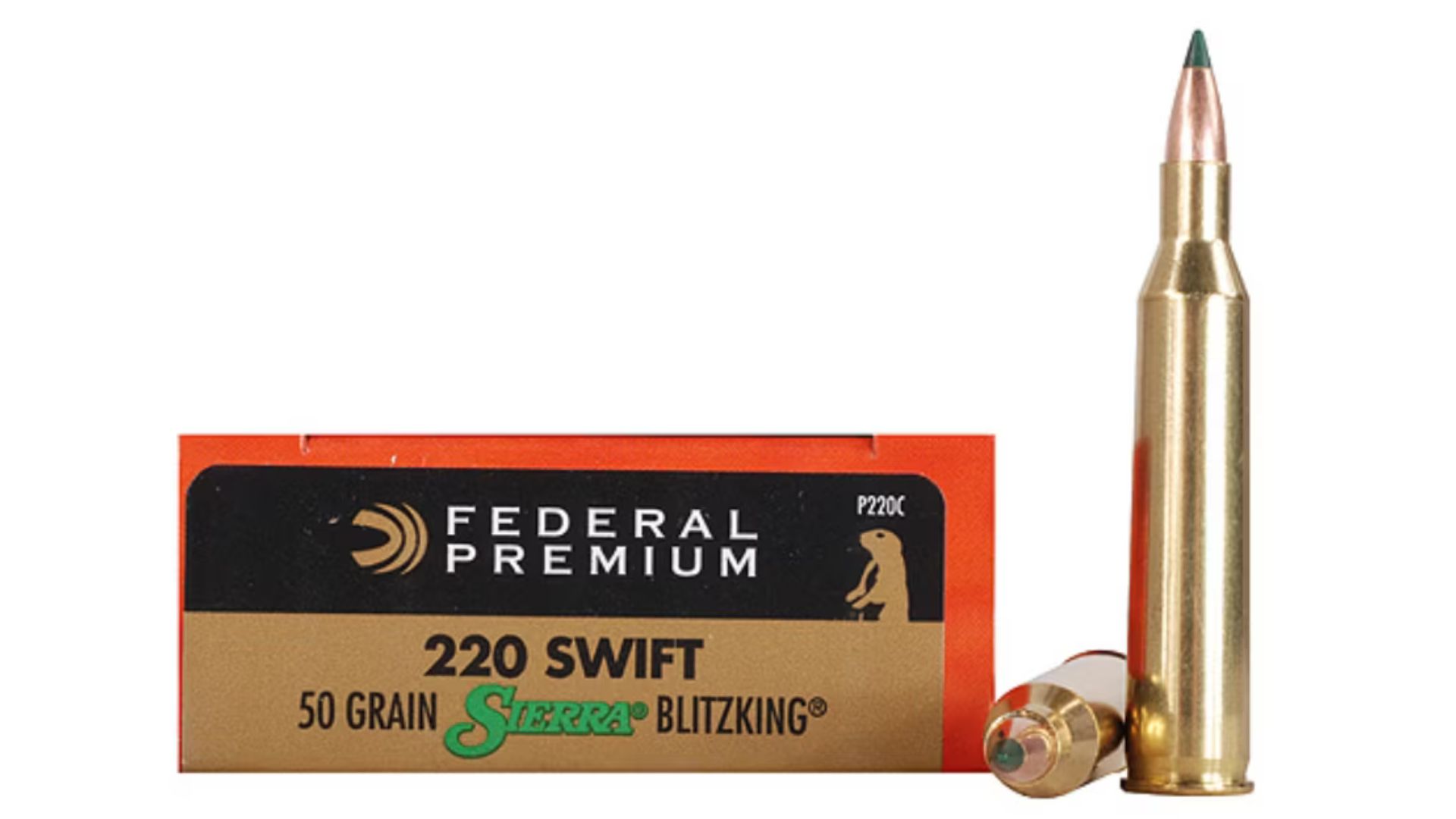
The .220 Swift has long carried the reputation of being the fastest commercial cartridge, but speed isn’t everything. Hunters quickly realize that pushing light bullets over 4,000 feet per second comes with trade-offs. Barrel life is notoriously short, with throat erosion setting in fast. Accuracy declines sharply once the barrel starts to wear, which doesn’t take long for a cartridge this hot.
Wind drift also becomes an issue at extended ranges. Despite its initial flat trajectory, the light bullets don’t carry energy as well as hunters expect. What looks unbeatable in a ballistics chart often disappoints when shots don’t land where they should. Reloaders can tame the Swift with heavier bullets and moderate loads, but factory ammo tends to push the limits. Many hunters try the Swift, get a taste of its impressive speed, and then move on when the downsides pile up. It’s a cartridge that dazzles, then fades quickly.
.25 WSSM

The .25 Winchester Super Short Magnum looked like a promising hunting round when it was released. It promised big performance in a short-action package, appealing to hunters looking for efficiency. The reality is that the cartridge was overbore and burned barrels faster than expected. Accuracy dropped off once throat erosion set in, and shooters found themselves spending more time maintaining rifles than enjoying them.
Ammo availability also became an issue. Even when it was new, finding consistent factory loads wasn’t easy, and it only got worse as interest dropped. Hunters realized they could achieve nearly identical results with established cartridges like the .25-06 or .257 Roberts without the headaches. While the concept of the WSSM line had potential, the .25 WSSM ended up being one of those cartridges hunters try briefly before abandoning. Its short life span in the marketplace reflects how quickly enthusiasm fades once real-world performance doesn’t measure up.
.30-378 Weatherby Magnum

The .30-378 Weatherby Magnum is a powerhouse on paper, pushing bullets at incredible speeds. Hunters drawn to its flat trajectory and energy quickly learn that the recoil is punishing. Consistency suffers when you’re flinching after every shot. Barrel life is also painfully short, with throat erosion setting in quickly due to the enormous powder charges.
While it looks like a long-range dream, real-world accuracy often lags behind expectations. Maintaining tight groups takes serious practice, and even then, barrel heat ruins consistency fast. Ammo is expensive, and rifles chambered in .30-378 aren’t cheap either, which makes experimenting costly. Many hunters discover that more moderate cartridges, like the .300 Win Mag or .300 Weatherby, give nearly the same real-world results without the punishment. The .30-378 is impressive when you first read about it, but once you actually take it hunting, the downsides usually outweigh the benefits, leading most to leave it behind.
8mm Remington Magnum
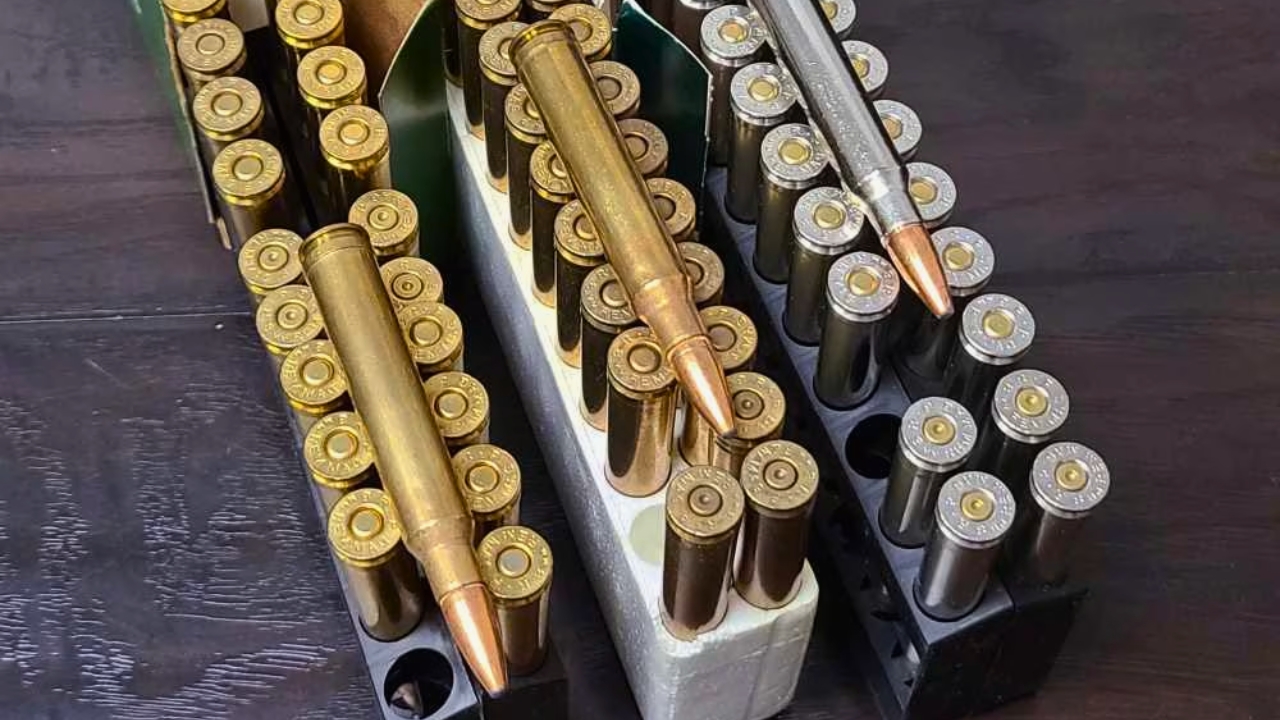
The 8mm Remington Magnum seemed like it could carve out a niche between the .30 calibers and the .338s, but hunters rarely stick with it. Ammo has always been hard to find, and bullet selection in .323 caliber is limited compared to other sizes. That alone makes it frustrating when you’re trying to fine-tune loads or track down hunting ammo.
On top of that, recoil is stout, similar to the big magnums, but without clear advantages. Hunters expecting superior performance quickly realize the 8mm doesn’t bring much that the .300 Win Mag or .338 Win Mag can’t already do better. With limited support and no real standout benefits, it’s a cartridge that looks interesting in theory but falls flat in practice. Many hunters who try the 8mm Rem Mag end up shelving the rifle after a short time. It never delivered enough practical value to keep anyone loyal for long.
.264 Winchester Magnum

The .264 Winchester Magnum was marketed as a flat-shooting long-range hunting round, but it turned into a barrel burner. Hunters who put it to the test found accuracy falling off rapidly after a relatively small number of rounds. The cartridge’s overbore design eats throats quickly, and maintaining precision becomes expensive and frustrating.
Even before barrels wear, the recoil impulse and muzzle blast turn off many hunters expecting a smooth shooter. While it can be accurate when tuned, most found they could get the same results from cartridges like the 6.5 Creedmoor or .270 Winchester without the drawbacks. The .264 Win Mag looked exciting when it debuted, but hunters who gave it a chance often dropped it once they saw the maintenance demands. It’s a classic case of a round that promised too much and delivered too little in the long run, leaving it as more curiosity than staple.
.375 Ruger
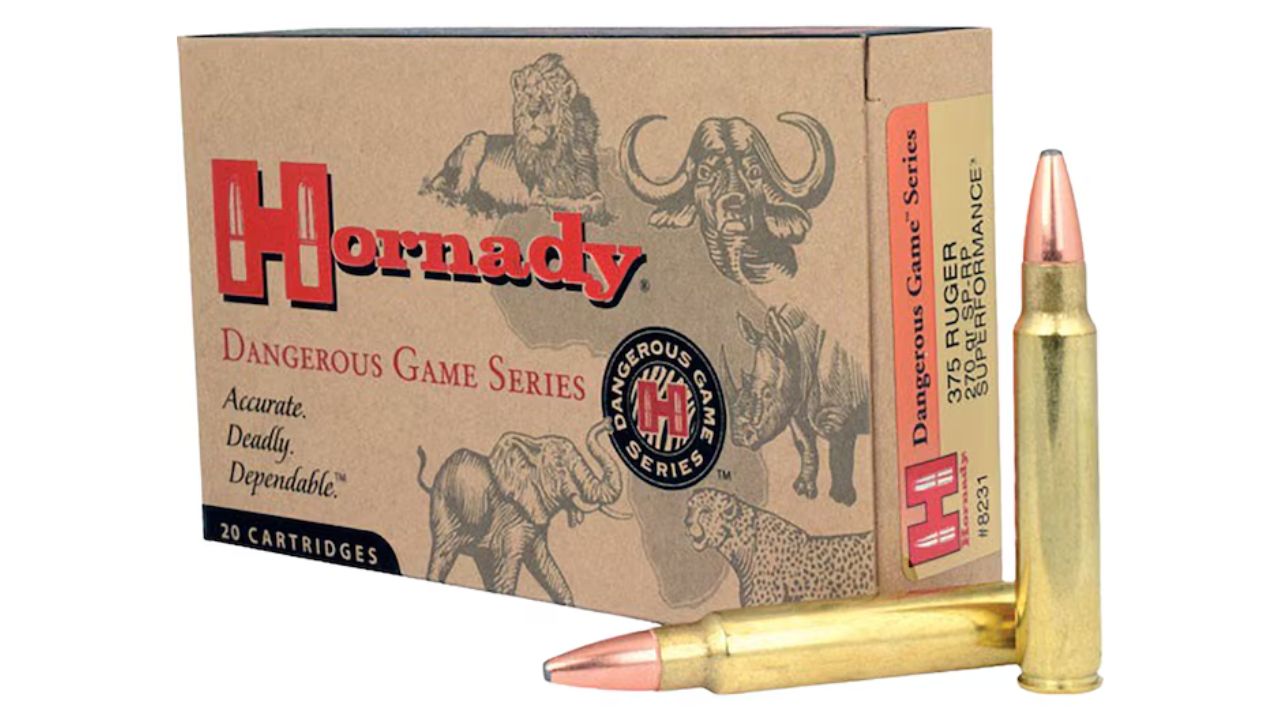
The .375 Ruger was introduced as a modern alternative to the .375 H&H, promising equal performance in a shorter case. While ballistics were solid, hunters soon found that the recoil was sharper than the .375 H&H, making it less pleasant to shoot. The rifles chambered for it were often lighter, which amplified the punishment during extended practice sessions.
Ammo availability also lagged behind, especially outside North America, making it less practical for international hunts where the .375 H&H remains standard. Hunters who expected an improvement often walked away disappointed, realizing the .375 H&H still offered better shootability and global availability. While the .375 Ruger is fully capable, it never built lasting loyalty. Many who tried it ended up selling their rifles after realizing it didn’t give them enough to justify switching from a century-old classic that still does everything better in the field.
.280 Remington

The .280 Remington is a fine cartridge on paper, sitting between the .270 Winchester and the .30-06. But that’s also the problem—hunters who try it often discover it doesn’t do anything those two don’t already handle better. The ammo is harder to find, and rifle options have always been limited, which frustrates hunters who want practical availability.
Performance-wise, it shoots flatter than the .30-06 and hits harder than the .270, but not by enough to matter in most real hunts. Hunters who test it quickly realize they could have picked the .270 or .30-06 and had easier access to rifles, ammo, and load data. The .280 Remington has loyal fans, but it never gained mainstream traction because it doesn’t stand out enough. Many hunters try it once, appreciate its balance, and then go back to more common cartridges. It’s more of a niche experiment than a lasting choice.
7mm Remington Ultra Magnum

The 7mm Remington Ultra Magnum promised blistering speed and long-range performance, but it punished hunters in ways that made them abandon it. The recoil is intense, the muzzle blast is extreme, and barrel life is short. Consistency is difficult when you’re dealing with that much powder and heat, which turns accuracy into a moving target.
While it delivers impressive numbers on paper, the real-world benefits are slim compared to the standard 7mm Rem Mag. Hunters testing the Ultra Magnum often find that the extra recoil and barrel wear don’t translate into enough performance gain to justify it. Ammo costs are high, and rifles chambered for it are limited, adding to the frustration. Many who bought into the promise of the 7mm RUM quickly sold their rifles after realizing it was more headache than help. It’s one of those cartridges that looks great in theory but gets dropped once tested in the field.
.225 Winchester

The .225 Winchester was introduced as a varmint round to compete with the .22-250, but it never measured up. Hunters who tried it quickly found accuracy inconsistent, and ammo was scarce even in its prime. With better-performing cartridges already available, the .225 failed to attract lasting interest.
The case design made reloading more finicky than competitors, and it didn’t offer enough ballistic advantage to stand out. Once shooters compared it side by side with the .22-250 or .220 Swift, the decision was easy. The .225 often ended up abandoned after a single season, with hunters realizing it brought more hassle than benefit. It’s one of those cartridges that seemed like a good idea but never proved itself in the field. Today, it’s more of a collector’s curiosity than a tool anyone depends on for serious hunting. Most who tested it didn’t stick around long enough to develop loyalty.
.307 Winchester
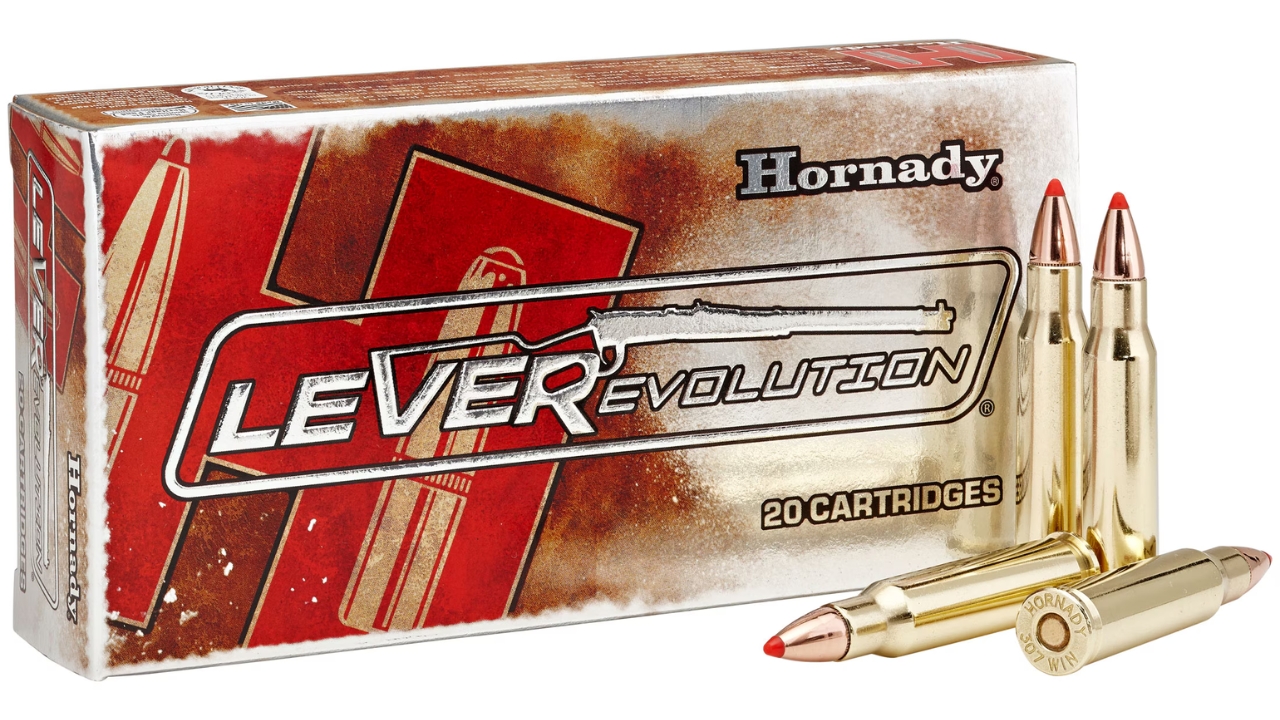
The .307 Winchester was marketed as a modern lever-action cartridge, but hunters who gave it a shot found it underwhelming. While it was supposed to deliver .308-like performance from a lever gun, the reality was more recoil without much added benefit. Ammo availability was poor from the start, and it only worsened as demand dwindled.
Rifles chambered for it were limited, and performance didn’t offer enough to justify the extra effort. Compared to the established .30-30 or the more versatile .308, the .307 Winchester felt like an unnecessary in-between option. Hunters who tested it often shelved the rifle after realizing it didn’t live up to the promise. While some diehards appreciated its novelty, most quickly moved back to tried-and-true cartridges. The .307 Winchester is a reminder that not every new round fills a need, and many fade quickly once real-world testing exposes the flaws.
.32 Winchester Special

The .32 Winchester Special has been around for over a century, but many hunters who try it today don’t stick with it. On paper, it looks like a step up from the .30-30, but in practice, the difference is negligible. Ammo is harder to find, and bullet selection is limited compared to the .30-30.
Accuracy has also been criticized historically, with the .32 WS earning a reputation for inconsistent groups. Hunters who take it into the field often realize it doesn’t do anything the .30-30 doesn’t already handle more effectively. While it has history and charm, modern shooters testing it for the first time usually walk away unimpressed. It’s not that it’s unusable, but the lack of practical advantages makes it hard to justify. The .32 Winchester Special is one of those cartridges that continues to exist, but rarely earns long-term loyalty from hunters who actually put it to the test.
6.5 Remington Magnum
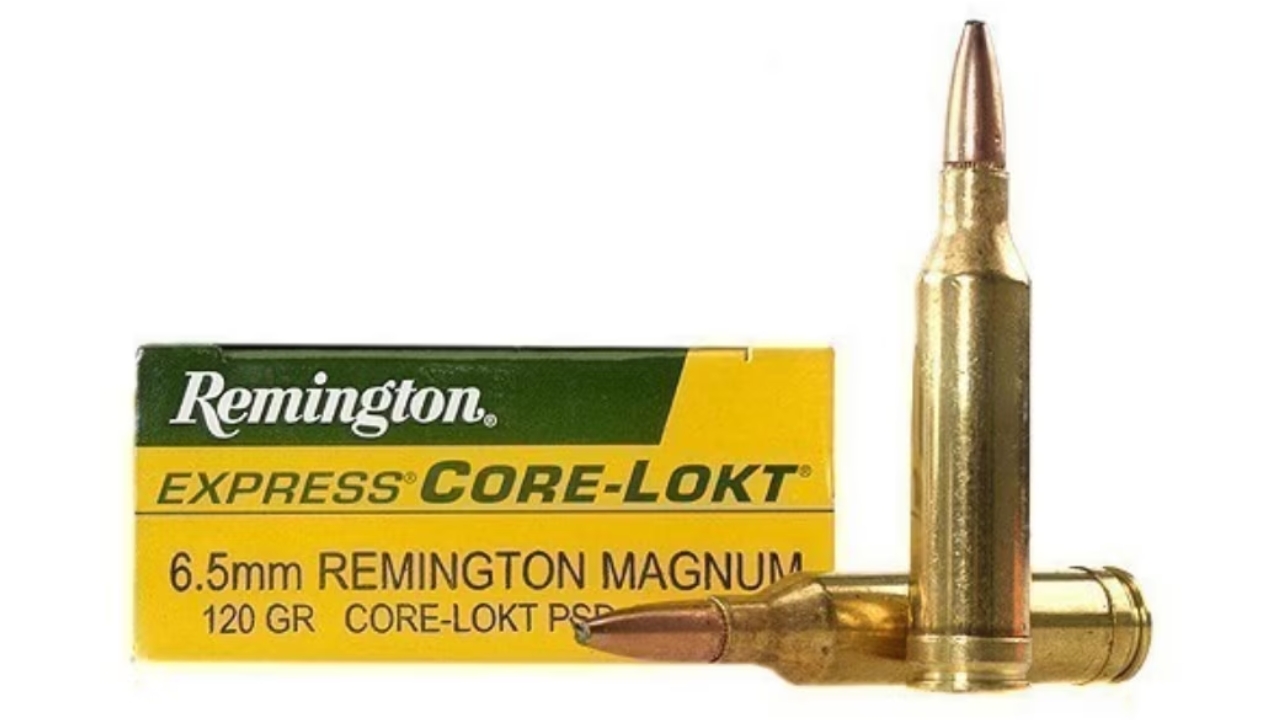
The 6.5 Remington Magnum was one of the early American attempts to capitalize on the 6.5 craze, but it never caught on. Hunters who tried it found performance solid, but rifles chambered for it often had short barrels that robbed velocity. The result was disappointing real-world ballistics compared to what the cartridge could have delivered.
Ammo was always limited, and the cartridge didn’t offer enough advantage over the .270 Winchester or .30-06 to earn loyalty. While today’s shooters appreciate 6.5 cartridges like the Creedmoor for their accuracy and efficiency, the 6.5 Rem Mag failed to hit that balance. Many hunters who experimented with it quickly set it aside after realizing the availability issues and lack of real-world benefits. It’s an example of a cartridge that could have been more successful if handled differently, but instead it ended up being one that hunters dropped almost as quickly as they tried it.
*This article was developed with AI-powered tools and has been carefully reviewed by our editors.