Photo credit: Krasula/Shutterstock.com
Some cartridges sound great on paper or rack up views on YouTube, but when it comes down to actual use, they fall flat. Whether it’s poor real-world accuracy, impractical recoil, or just not living up to the marketing, some rounds just don’t deliver. If you’ve been eyeing one of these thinking it’s the magic fix for your shooting or hunting needs, you might want to pump the brakes.
Here are ten rifle calibers that get talked up way more than they should.
.300 Blackout
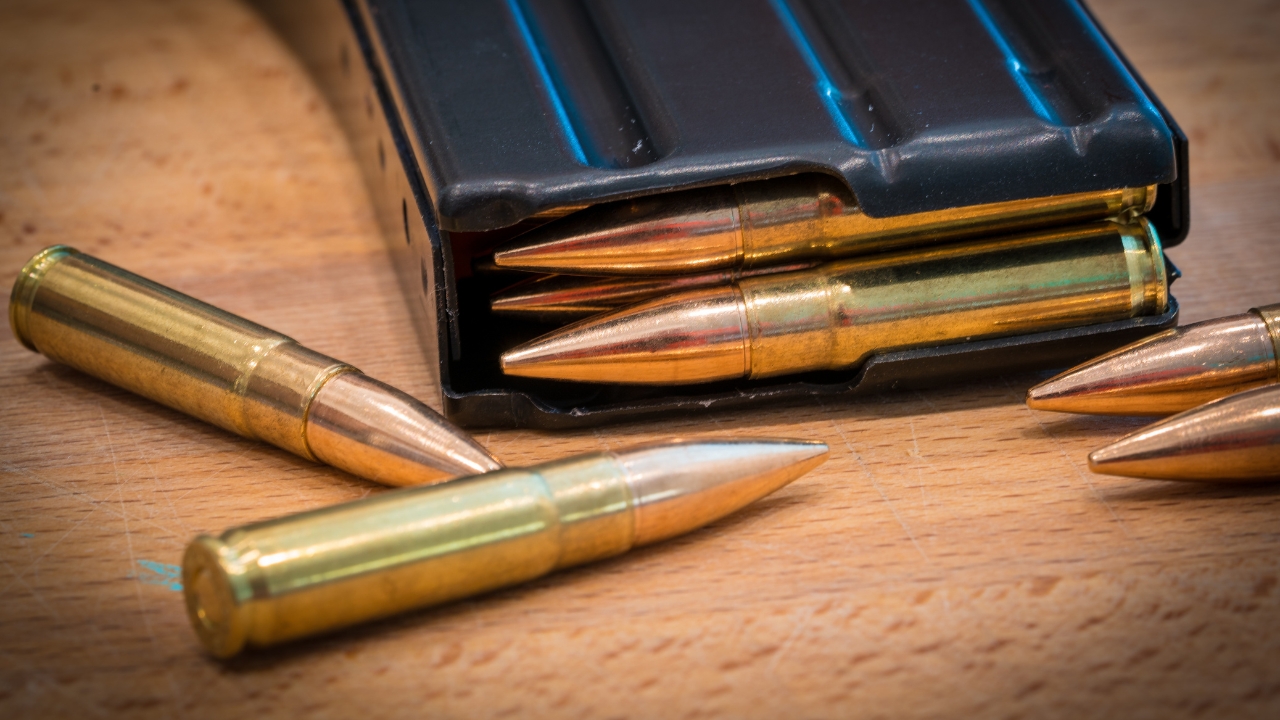
The .300 Blackout gets a lot of love in AR circles, especially for suppressed use. And yeah, it works great in specific roles. But for general-purpose use? It’s lacking.
It drops off fast past 100 yards and doesn’t really offer much you can’t get from other, more common rounds. For most folks, it’s more of a range toy or niche home-defense setup than a real do-it-all cartridge.
6.5 PRC

The 6.5 PRC was supposed to be the hotter, flatter-shooting cousin of the 6.5 Creedmoor. Problem is, it brings more recoil and barrel wear without a huge real-world gain.
Unless you’re shooting long-range matches or hunting elk out west, the average shooter won’t notice the difference—other than in their wallet. For most uses, it’s just more cartridge than you really need.
.17 HMR

The .17 HMR is a fun little round and insanely fast for a rimfire, but it doesn’t quite live up to the hype. It’s light, zippy, and flat-shooting—but also extremely wind-sensitive.
People act like it’s a small game sniper round, but the wind can toss it all over the place. And it’s not exactly cheap to shoot, either. For the price, you’re better off with a good ol’ .22 LR or .22 WMR in most cases.
.22-250 Remington

There’s no denying the .22-250 is fast and flat, but it’s also known for chewing through barrels at a shocking rate. It’s hyped up for varmint shooting, but you better like changing barrels if you shoot a lot.
For most folks, something like .223 will get the job done just fine with a whole lot less cost and wear. Unless you’re into ultra-high-volume prairie dog shooting, it’s probably more than you need.
7mm Remington Ultra Magnum

This round is all horsepower, but not much control. The 7mm RUM delivers big numbers, but with harsh recoil, heavy rifles, and shorter barrel life.
It sounds great if you’re hunting big game at long range, but it’s overkill for most real-world scenarios. Plenty of cartridges hit hard without all the downsides. It’s a handful, and not in a good way.
5.7x28mm

This one’s more often talked about in the pistol and PDW world, but rifles in 5.7x28mm are starting to pop up. The problem is, once you put it in a rifle, it’s kind of pointless.
You’re lugging around a full-size gun for sub-par ballistics. It won’t hit as hard as a rifle round, and it’s not that much quieter or lighter either. It’s neat, sure—but neat doesn’t always mean useful.
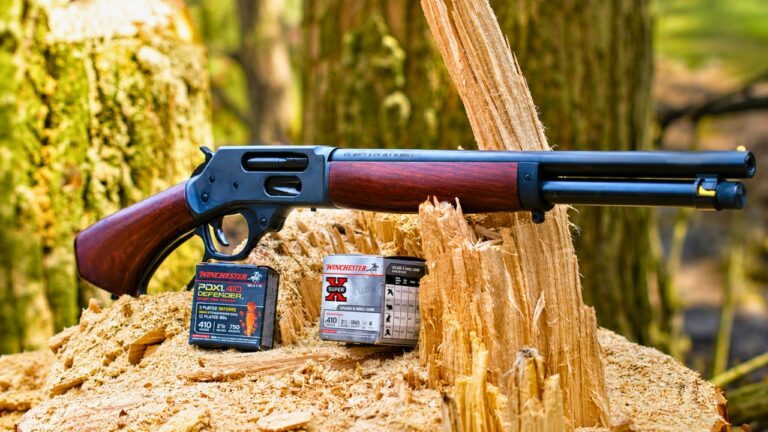
.450 Bushmaster
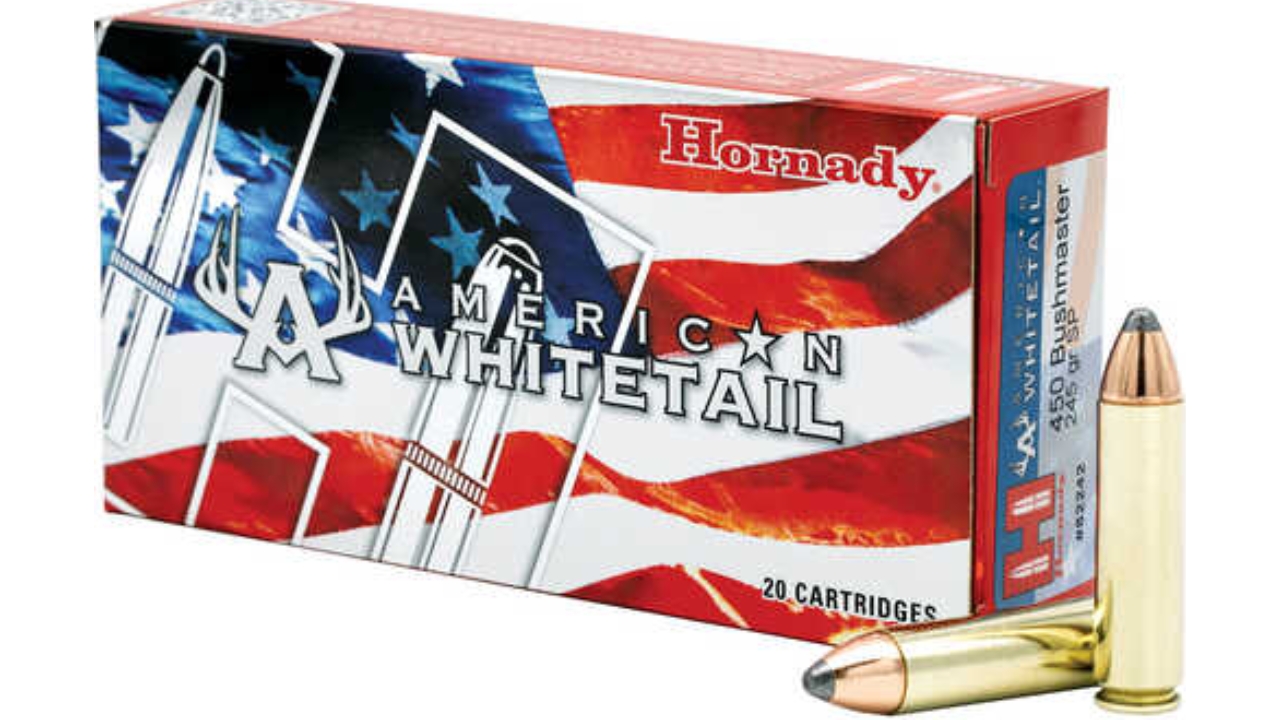
It was hyped as the straight-wall solution for states with hunting restrictions, and yeah—it works. But outside of that narrow purpose, it’s not great.
It kicks hard, has rainbow-like trajectory, and ammo isn’t exactly cheap or easy to find. If you don’t have to use it for legal reasons, there are better options that’ll put meat in the freezer without beating up your shoulder.
7.62x39mm (in AR platforms)

In an AK, it works fine. In an AR, it’s more trouble than it’s worth. Feeding issues, mag compatibility problems, and inconsistent accuracy can make it a headache.
People love the idea of combining AR ergonomics with cheap ammo, but it rarely works as smoothly as advertised. If you want to shoot 7.62x39mm, you’re usually better off just buying an AK and calling it a day.
.26 Nosler

The .26 Nosler is blazing fast and was supposed to be the next big long-range hunting round. Instead, it burns through barrels like a blowtorch and kicks like a mule.
It’s also tough to find ammo for, and when you do, it’s pricey. You don’t gain much in real-world hunting situations that a .270 or 6.5 Creedmoor can’t already handle just fine.
.243 Winchester

This one might ruffle feathers, but hear me out. The .243 Winchester gets hyped as the “perfect” youth or deer round, but it walks a fine line when it comes to bullet weight and performance.
Too light, and you risk poor penetration. Too heavy, and you lose speed. It’s not bad—but it’s not nearly as magical as some folks make it out to be. There are more forgiving options out there now.
*This article was developed with AI-powered tools and has been carefully reviewed by our editors.