Photo credit: Erik Mclean/Unsplash.com
There’s a big difference between knowing how something works and being the one who has to make it work when it breaks. You can read about repairs, watch videos, even help out in controlled situations. But when something fails out in the field—truck, trailer, gear, camp setup—there’s no pause button, no perfect lighting, and no guarantee you’ve got everything you need. That’s where the gap shows up between people who’ve dealt with real problems and people who mostly understand them in theory.
Fixing things in the field isn’t about doing it pretty. It’s about getting it working again well enough to keep moving. It’s uncomfortable, usually rushed, and often happens at the worst possible time. The guys who’ve been through it get a certain calm about them. They don’t panic, and they don’t overthink. The guys who haven’t tend to show it in a hurry. These are the ways you can tell a man hasn’t actually had to fix anything when it counted.
He Looks for Perfect Tools Before Starting
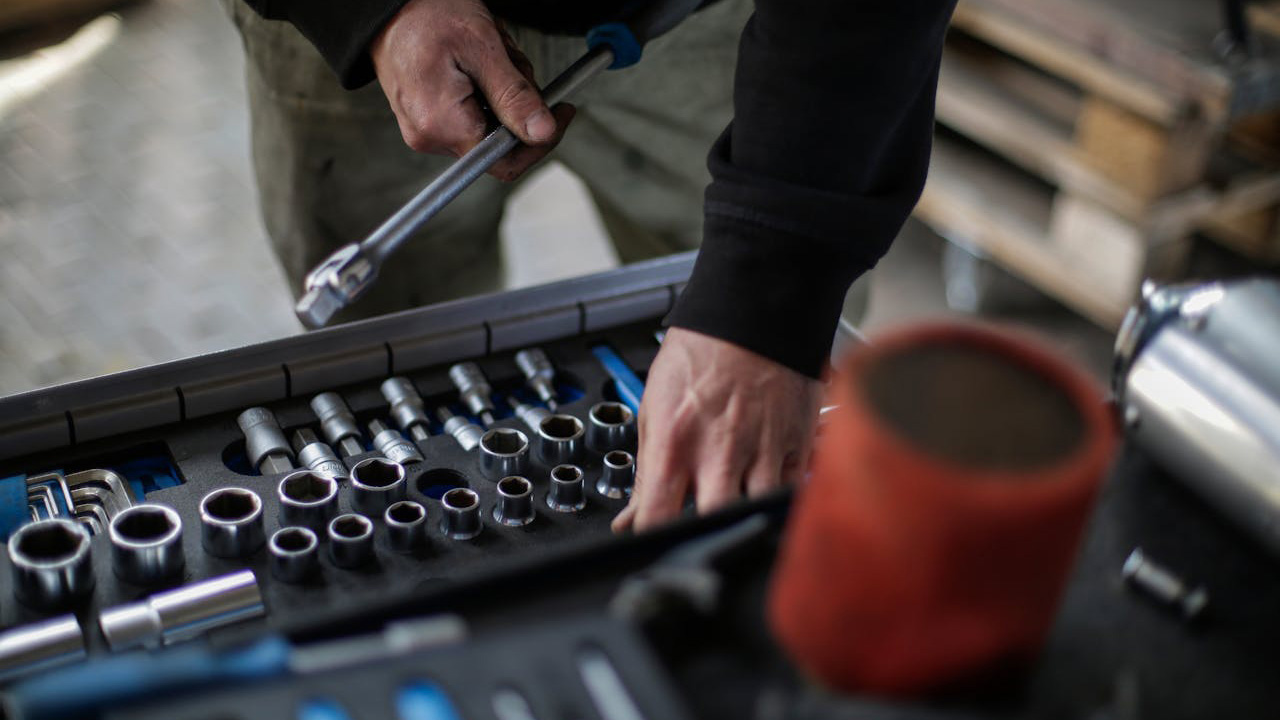
The first sign is a man who won’t begin unless he has exactly the right tool for every step. He stands there thinking through what he “should” have instead of using what’s in front of him. Meanwhile, the problem is still sitting there, not getting any better.
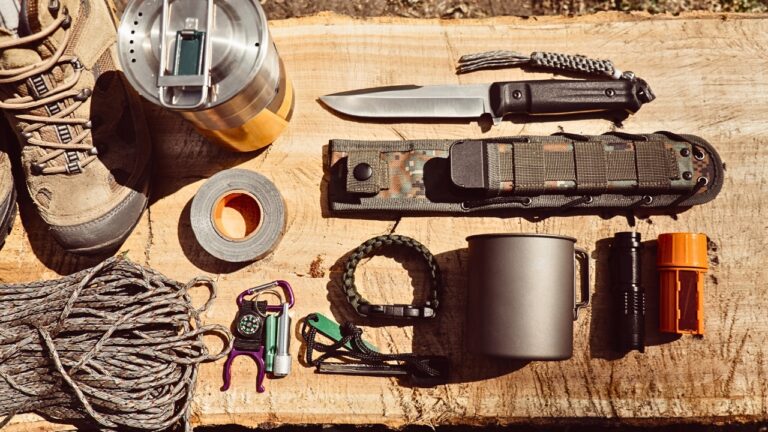
Field repairs rarely come with perfect conditions. You use what you’ve got, and you make it work. Maybe it’s not ideal, but it’s enough. The man waiting on perfect tools usually hasn’t learned that most fixes start with imperfect ones. The longer he waits, the worse the situation gets.
He Treats Temporary Fixes Like Failure
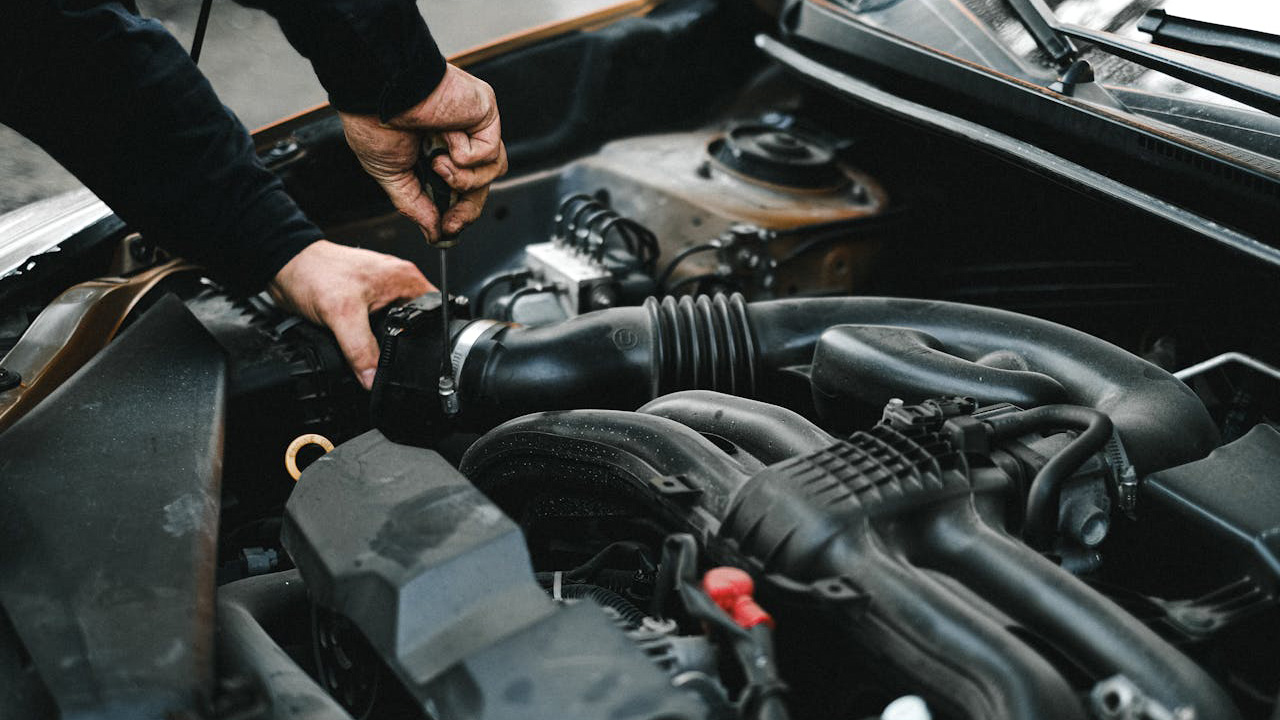
Some guys hear “temporary fix” and think it means they did something wrong. In the field, temporary fixes are often the entire goal. You’re trying to get through the next mile, the next hour, or the rest of the day without things falling apart completely.
The man who hasn’t been there yet keeps trying to make it permanent on the spot. He wastes time, overbuilds something that doesn’t need it, or refuses to accept a solid short-term solution. Meanwhile, experienced guys know that a good temporary fix is often the smartest move you can make.
He Overthinks Simple Problems

You’ll see this when something basic goes wrong and instead of addressing it directly, he starts running through every possible explanation and solution in his head. He turns a straightforward issue into something complicated because he hasn’t developed that instinct to simplify under pressure.
Field fixes reward clear thinking. What’s broken, what do we have, and what gets us moving again? That’s it. The guy who spirals into overthinking usually hasn’t had to solve enough real problems where time and conditions force you to keep it simple.
He Gets Frustrated Too Fast
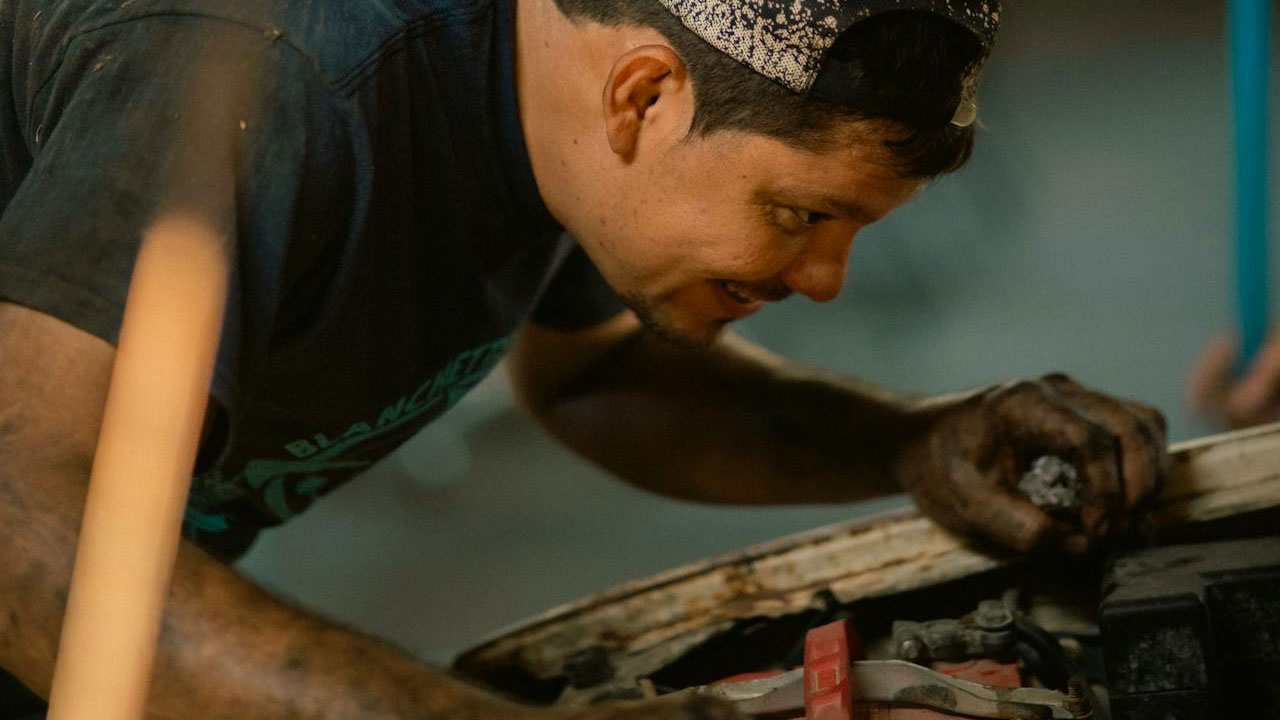
Repairs in the field don’t always go clean. Things stick, parts don’t line up, tools slip, and sometimes the first attempt doesn’t work. The guy without experience tends to get irritated quickly when things don’t go right the first time.
That frustration makes everything worse. He rushes, forces things, and creates new problems while trying to solve the original one. The men who’ve done it before expect resistance. They slow down just enough to stay in control and work through it instead of fighting it.
He Doesn’t Know What Matters Most

When something breaks, not everything is equally important. Some parts matter right now, and others can wait. The inexperienced guy treats everything like it needs attention at the same level.
That’s how you end up wasting time fixing something cosmetic while the real issue sits there untouched. Field repairs are about priorities. What has to work for you to keep going? Focus on that first. Everything else can come later.
He Keeps Taking Things Apart Without a Plan

There’s always a moment where someone starts disassembling something just to “see what’s going on,” without a clear idea of how it’s going to go back together. That’s usually where things go from manageable to worse.
Taking something apart in the field should be deliberate. Every step matters because you may not have the time, tools, or parts to undo a mistake. The man who starts pulling things apart without thinking ahead hasn’t learned that lesson yet.
He Doesn’t Improvise Well
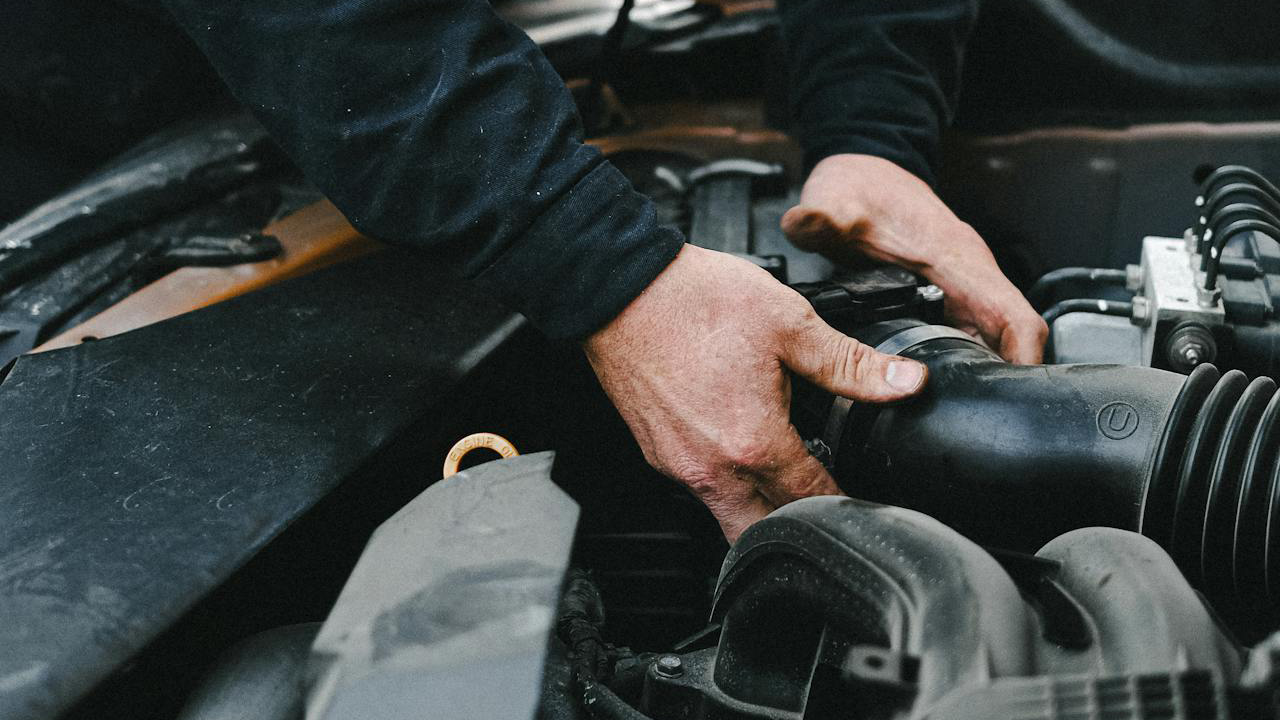
Improvisation is a big part of field repairs. Zip ties, tape, wire, spare rope, random hardware—those things become solutions when used right. The inexperienced guy sees them as substitutes, not real options.
He struggles because he’s trying to match a textbook solution instead of adapting to what’s available. The guy who’s been through it knows that half the time, the fix looks nothing like the original setup, but it works well enough to get the job done.
He Forgets to Check the Obvious

Before diving into a big fix, experienced guys check the simple stuff first. Loose connections, empty tanks, dead batteries, something not seated right—basic things that cause bigger-looking problems.
The inexperienced guy skips that and goes straight into deeper troubleshooting. He assumes the issue must be complicated because it looks bad. That’s how you end up chasing the wrong problem while the real one sits there in plain sight.
He Doesn’t Manage His Time
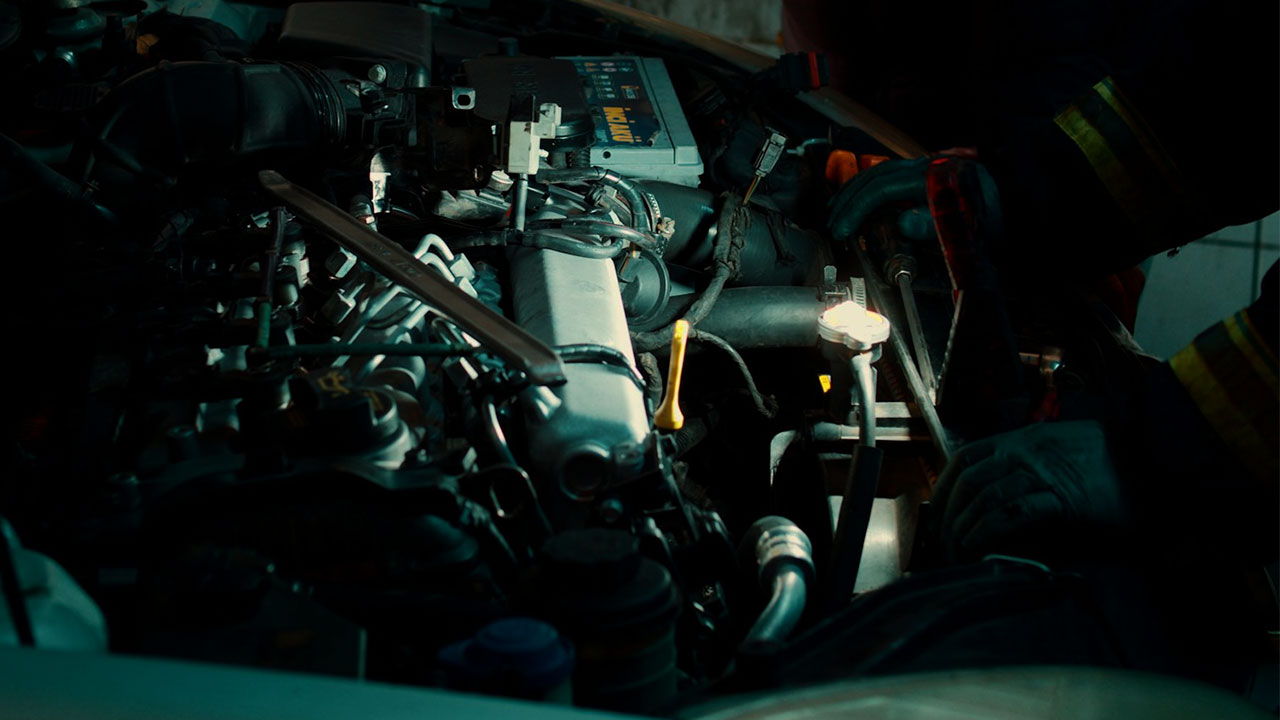
Out in the field, time matters. Daylight, weather, energy, and distance all play into how much time you have to fix something. The inexperienced guy treats time like it’s unlimited.
He takes too long on one approach, doesn’t adjust when it’s not working, and ends up in a worse position as conditions change. The experienced guy is always aware of the clock, even if he’s not talking about it.
He Makes the Problem Bigger
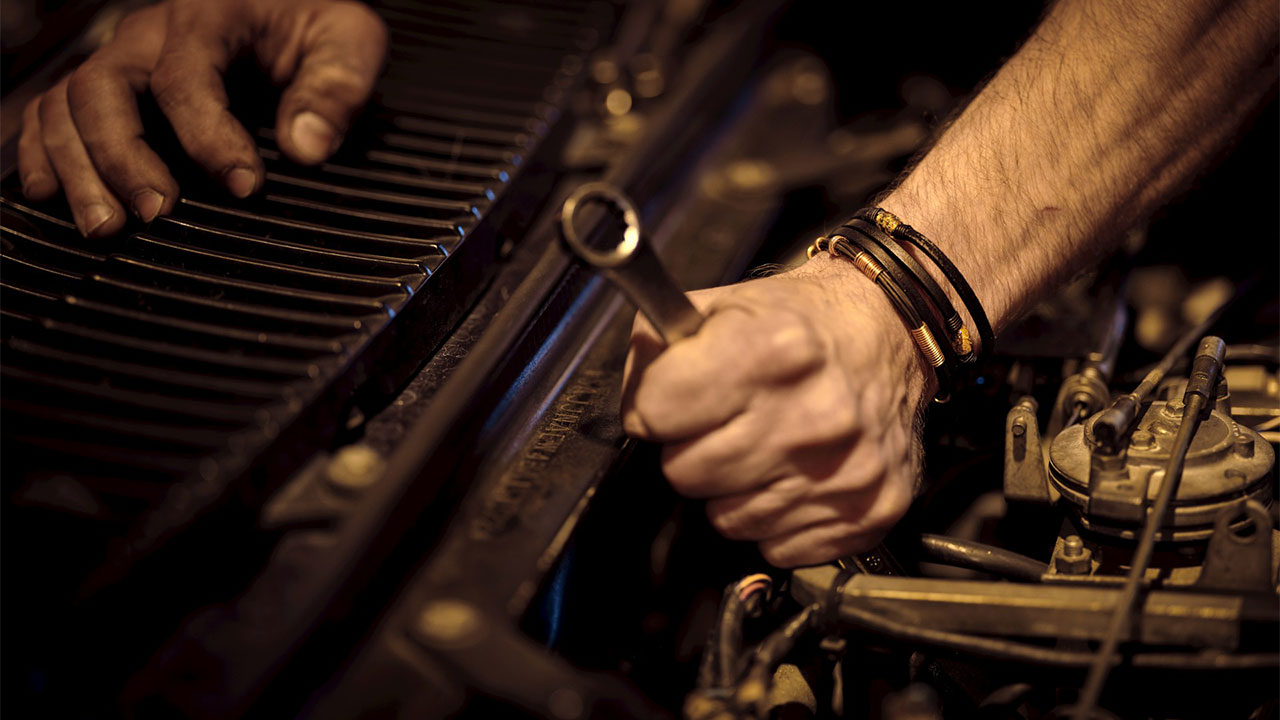
One of the clearest signs is when a fix turns into a bigger issue than what you started with. Over-tightening, forcing parts, using the wrong tool, or rushing through steps can all make things worse.
The guy who hasn’t learned yet tends to push too hard when something resists. He’s trying to make progress, but ends up creating new damage. The experienced guy knows when to apply pressure and when to back off.
He Doesn’t Ask for Help Early Enough
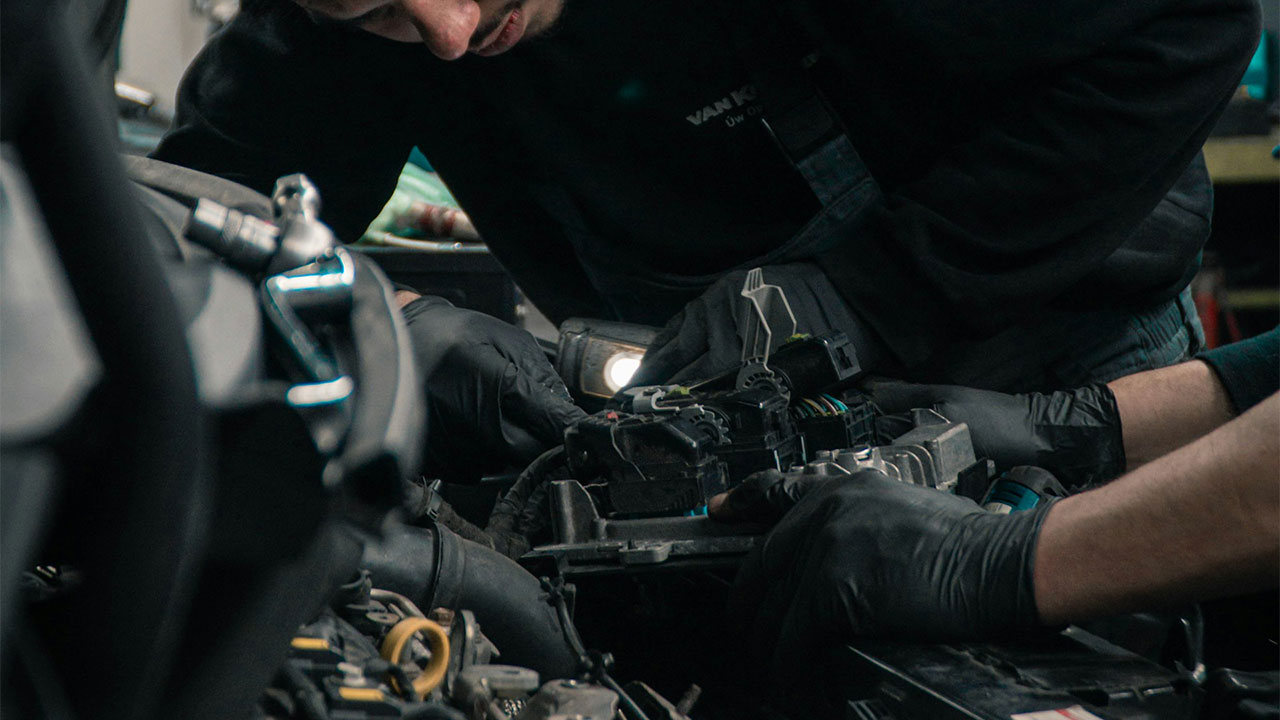
There’s a difference between independence and stubbornness. A man who’s never had to fix things under pressure often waits too long to ask for input. He wants to solve it himself, even when someone else could help get it done faster.
Out in the field, getting back on track matters more than proving a point. The guys who’ve done it know when to pull someone in, share the problem, and move forward together.
He Doesn’t Keep Track of What He’s Done

When troubleshooting, it helps to know what you’ve already tried. The inexperienced guy jumps between ideas without keeping track, repeating steps or undoing progress without realizing it.
That lack of structure wastes time and energy. The experienced guy works through things in a more controlled way, even if it’s not formal. He knows what’s been tested and what hasn’t.
He Treats Every Fix Like It Has to Be Clean
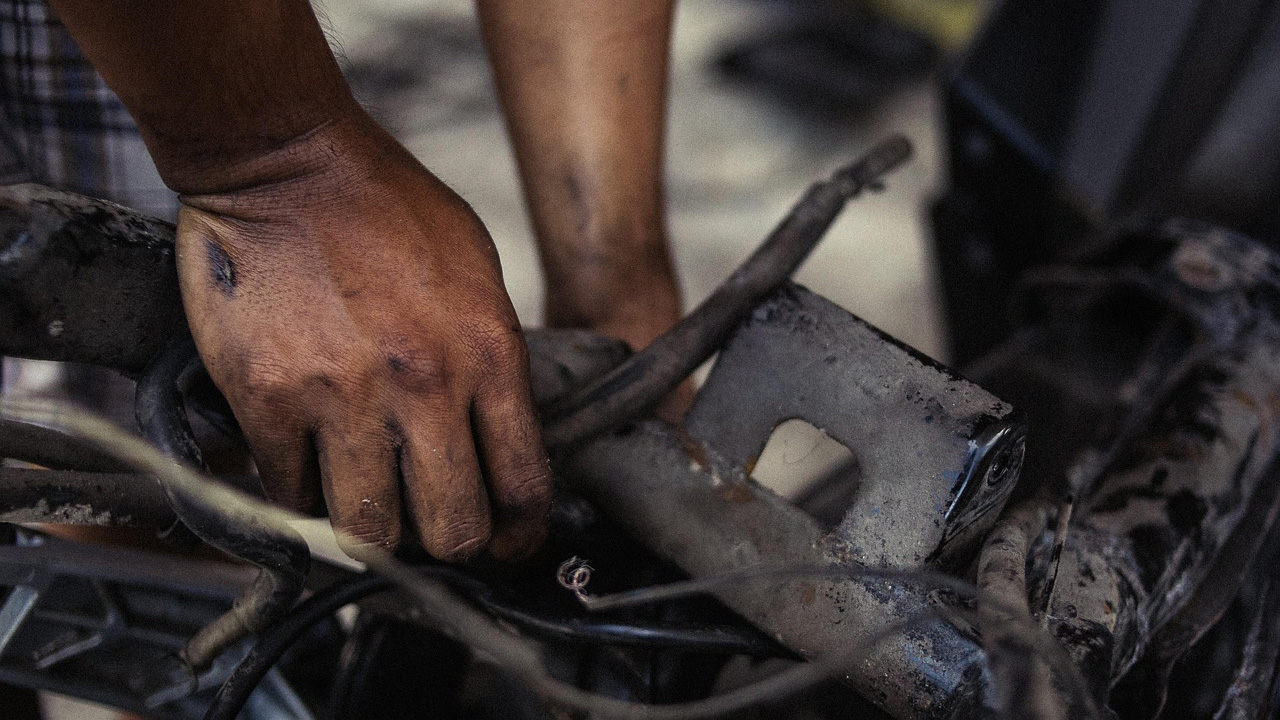
Field repairs aren’t about looking good. They’re about working. The inexperienced guy hesitates if something looks rough or unpolished, like it somehow doesn’t count unless it’s done neatly.
The guy with experience doesn’t care if it’s ugly as long as it holds. Tape, wire, uneven fits—if it works, it works. Clean can come later when you’re back in a better setup.
He Doesn’t Think About the Next Problem
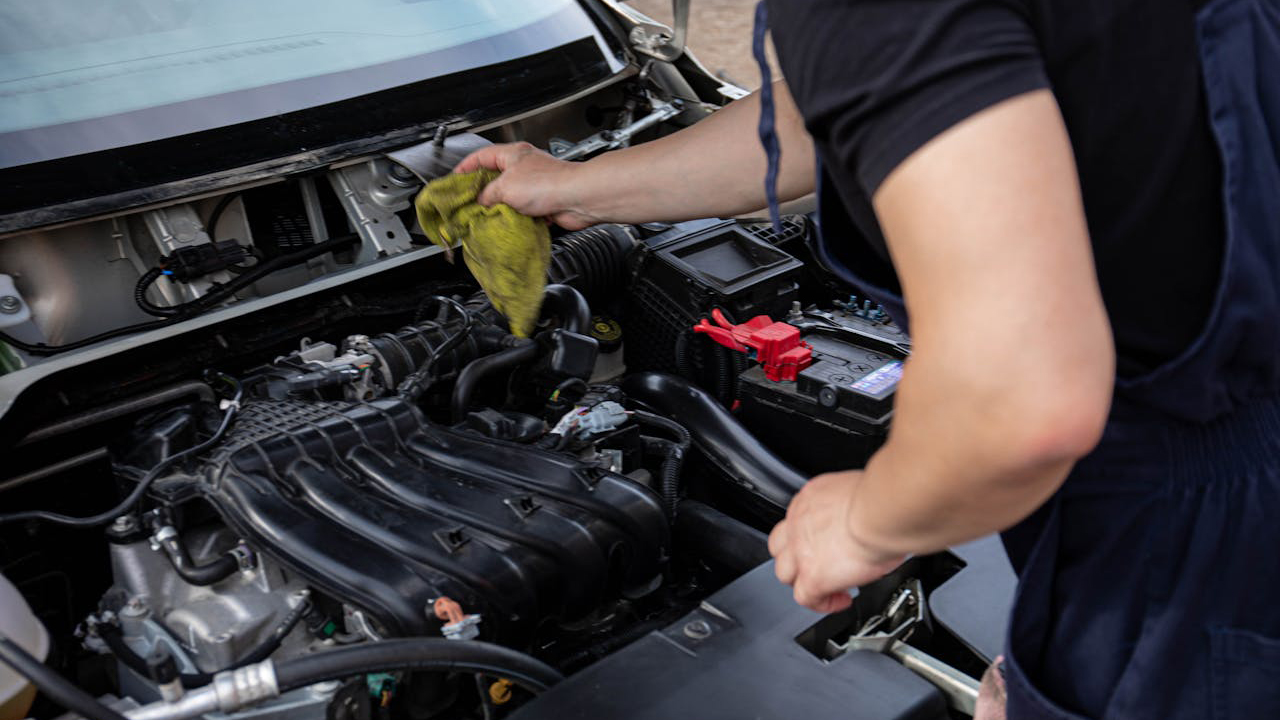
A good field fix doesn’t just solve the current issue. It considers what might happen next. Will this hold under stress? Will it fail again quickly? Can it be adjusted if needed?
The inexperienced guy focuses only on the immediate fix without thinking ahead. That’s how you end up fixing the same thing twice in the same day.
He Panics When It Doesn’t Work the First Time

This might be the biggest one. The first attempt doesn’t solve it, and suddenly he’s unsure, second-guessing everything, or rushing into the next idea without thinking it through.
The experienced guy expects that. Rarely does the first fix solve everything cleanly. He adjusts, tries again, and keeps moving forward. No panic, just progress.
Like The Avid Outdoorsman’s content? Subscribe to our newsletter so you never miss an article.
Here’s more from us: