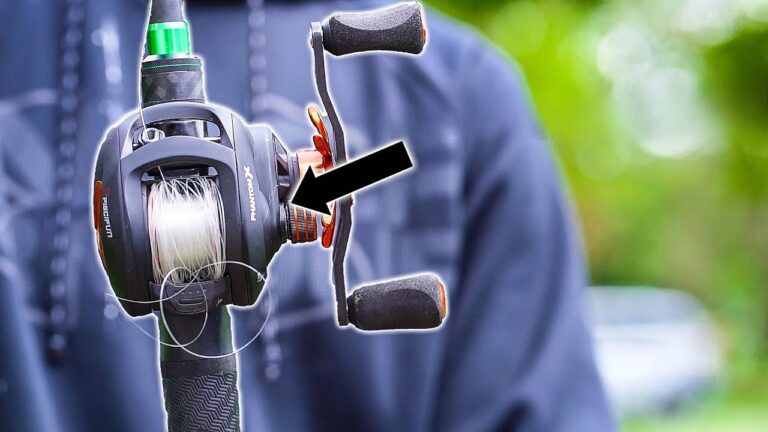
Photo credit: cottonbro studio/Pexels.com
A fishing trip is supposed to have some rhythm to it. Even when the bite is slow, even when the weather isn’t perfect, it should still feel like something you want to be doing. The problem is, one guy with bad habits can turn the whole thing into a job nobody signed up for. Instead of watching lines, covering water, and enjoying the day, everybody ends up dealing with his mess, his delays, or the problem he created ten minutes after getting there.
That’s what separates a solid day on the water from one that feels like unpaid labor with snacks. It usually isn’t one big disaster, either. Most of the time it’s a pile of small stuff—bad planning, wasted motion, constant confusion, and the kind of behavior that drags every simple thing out twice as long as it needs to be. If you’ve spent enough time fishing with different people, you start recognizing the patterns fast.
He shows up late and still acts like everybody else is the problem

Nothing puts a bad taste on a fishing trip faster than the guy who rolls in late, moves slow, and somehow still carries himself like everybody else needs to relax. By the time he gets there, the bait should already be in the water. Instead, you’re standing around while he digs through the truck, asks where everything is, and acts surprised that people are irritated. A morning bite window doesn’t care why he overslept, and neither does anybody who was ready when they said they’d be ready.
What makes it worse is the attitude that usually comes with it. It’s not just lateness—it’s the way he turns his poor timing into everybody else’s inconvenience and then expects the group to absorb it without saying much. Now the launch is delayed, the setup is rushed, and the whole trip starts behind the eight ball because one man couldn’t get himself together. That’s how a fishing trip starts feeling like work before the first cast is ever made.
He brings gear like he packed in the dark

You don’t need a mountain of gear to fish well, but you do need the right stuff, and you need to know where it is. The guy who shows up with loose hooks, half-filled tackle trays, mismatched rods, dead batteries, and no clear system turns every stop into a scavenger hunt. He’s always digging, always repacking, always saying he “just had it a second ago.” Meanwhile, everybody else is trying to fish, not stand there watching him unpack his confusion onto every flat surface in sight.
Bad organization slows everything down because it never stays contained. Suddenly he needs your pliers because he can’t find his. Then he needs your leader material, your scissors, your extra jigheads, your net, your patience. A guy like that doesn’t just make his own day harder—he leaks problems into everybody else’s. When one man’s gear situation is that sloppy, the whole trip starts feeling less like fishing and more like managing a traveling yard sale that somehow ended up on a boat.
He can’t tie a knot without turning it into a full event

There’s always somebody who makes the simplest part of fishing feel like a roadside repair. He misses the eyelet twice, licks the line like that’s the secret to fixing everything, fumbles the tag end, and then wants to explain why the knot he tied badly is actually a better one than the knot everybody else uses. By the time he’s done, the fish could’ve moved, the school could’ve passed through, and the rest of the group has already made ten casts while he’s still working on his first setup.
The real issue isn’t that he’s still learning. Everybody starts somewhere. It’s that he comes unprepared and then acts like the delay is built into the day. If you know you’re slow at certain things, you handle that before the trip or you get faster through practice. You don’t make everybody wait while you reinvent basic line work at daylight. Once knot-tying starts eating up half the morning, the whole trip takes on that same feeling as helping a buddy move when he swore he was already packed.
He treats the boat ramp like a place to figure life out

The boat ramp is not the place to start thinking through your checklist for the first time. If a guy waits until he’s blocking everybody to mess with straps, plugs, coolers, rods, batteries, and whatever else he should’ve had handled already, he instantly changes the mood. Nothing about that is casual or harmless. It backs people up, builds pressure, and turns a basic launch into a public display of poor planning that everybody around has to work around.
That kind of ramp behavior carries into the rest of the day too. A guy who isn’t prepared at launch usually isn’t prepared anywhere else either. He’s reacting instead of moving with purpose, and everyone around him starts spending energy compensating for that. Fishing already comes with enough moving parts. When somebody treats the ramp like his personal rehearsal space, it makes the whole outing feel more like a shift you got tricked into covering than time you were supposed to enjoy.
He opens every cooler like he’s looking for lost evidence
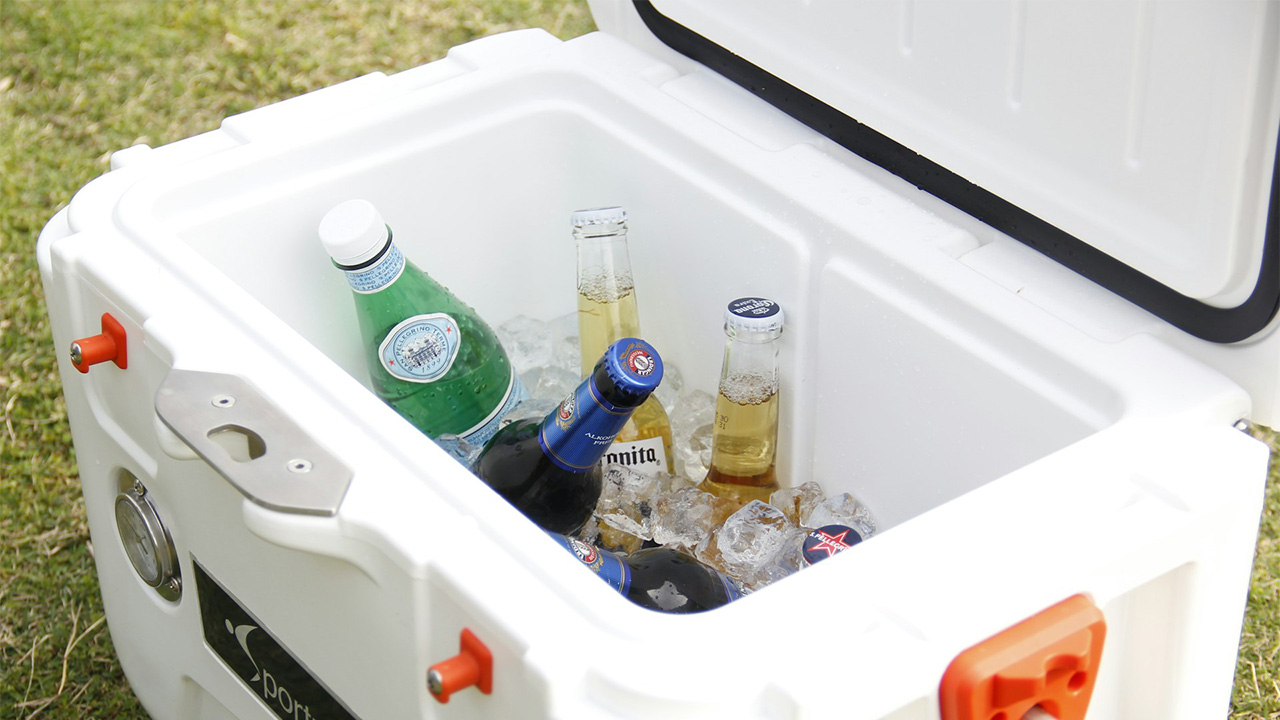
There’s a certain kind of guy who can’t leave anything alone once the trip starts. He’s in the bait cooler, the food cooler, the drink cooler, the storage hatch, the side compartment—opening, closing, moving stuff around, asking where something is that he probably buried himself twenty minutes earlier. That constant digging gets old fast, especially when it means stepping around him every five minutes while he acts like a missing sandwich has become the main event of the day.
It’s not just annoying because it’s distracting. It’s annoying because it turns simple access into repeated disruption. Every time he goes looking for something, the flow gets broken. Somebody has to move, somebody has to answer a question, something gets left open, and now what should’ve been a smooth day starts feeling like you’re working around a coworker who can’t operate without creating extra motion. Fishing should have enough stillness in it to let people settle in. A guy like that keeps the whole trip stirred up.
He can’t make a simple plan and stick to it

Some trips are loose by design, and that’s fine. But even a relaxed day needs a little structure. The guy who wants to switch spots every fifteen minutes, change tactics every ten casts, and second-guess every decision after five quiet minutes brings a kind of chaos that wears people out. He never lets anything develop. Every move becomes rushed, and every pause turns into another debate about what the group “should be doing instead.”
A person like that turns fishing into management. You’re no longer reading conditions or settling into a pattern—you’re babysitting somebody’s attention span. Good anglers can adjust, but they don’t do it just to feel busy. They let conditions tell them when to move. The restless guy does the opposite. He lets his own impatience run the day, and before long the trip starts feeling like one long series of unnecessary meetings nobody wanted to attend.
He birdnests every other cast and then needs an audience for it
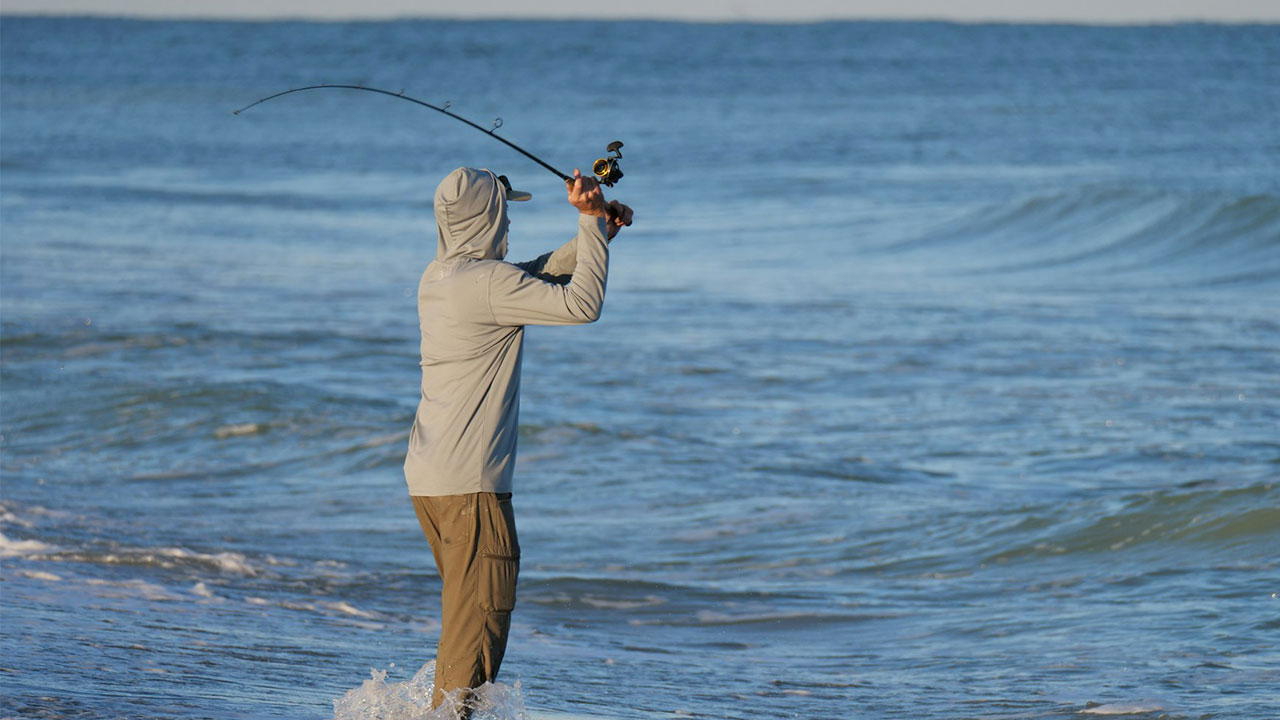
Backlashes happen. Snarls happen. Bad casts happen. That’s part of fishing. But the guy who does it constantly and then makes every mess a group project can drain the life out of a trip in a hurry. He’s holding up the front deck, muttering at the reel, blaming the line, blaming the wind, blaming the rod, and then handing the whole setup to somebody else like they’ve been waiting all day for a chance to fix his avoidable mess.
What makes it feel like work is the frequency. Once in a while, nobody cares. But when it becomes the pattern, everybody starts anticipating the next delay before it even happens. That’s when the mood changes. Fishing works best when each person can carry his own weight and keep the day moving. When one guy keeps turning bad reel control into a recurring maintenance issue, the rest of the crew stops feeling like fishing partners and starts feeling like unpaid support staff.
He brought snacks for himself and problems for everybody else
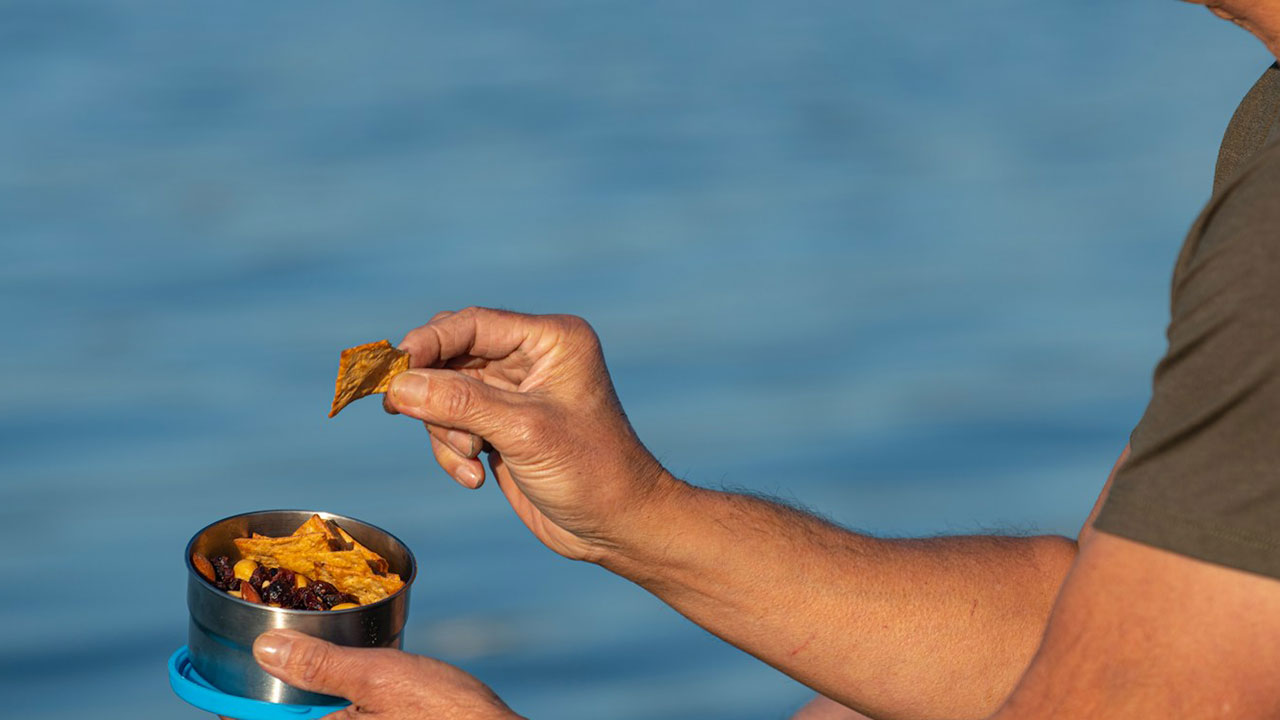
There’s always one guy who shows up with exactly enough food, water, and comfort for himself, then starts circling everybody else’s supplies the minute the trip gets long or the weather turns. He forgot sunscreen, didn’t pack enough drinks, brought no real food, and now he’s half-joking his way into your cooler like his lack of planning is somehow part of the group experience. It gets old, especially when the trip runs long and his bad prep becomes everybody else’s burden.
A fishing trip doesn’t require luxury, but it does require some common sense. If you know you’ll be out for hours, pack like it. The guy who never thinks ahead about heat, hunger, hydration, or changing conditions always ends up dragging attention away from the actual fishing. Instead of focusing on the water, the group starts dealing with whether he’s getting cranky, overheated, hungry, or desperate for a drink. At that point, you’re not just fishing anymore. You’re managing morale because one grown man didn’t prepare like a grown man.
He talks nonstop and never says anything useful

There’s a kind of talking that belongs on a fishing trip. Then there’s the kind that makes you want to drift away from the boat on purpose. The nonstop guy fills every quiet second with stories, complaints, random opinions, and repeated questions that don’t need answering. He narrates every cast, every missed bite, every memory from high school, and every thought that should’ve stayed inside his own head. By midmorning, it starts feeling less like a day on the water and more like being trapped in a truck with no radio.
What wears people down is that fishing needs room. You need a little quiet to notice patterns, hear movement, think through what the water is doing, and just enjoy being out there. A guy who can’t stop talking strips that away. He makes the whole trip feel mentally crowded. You end up more tired from the noise than from the sun or the casting, and that’s when a fishing trip starts carrying the same kind of fatigue as a workday that was all meetings and no progress.
He steps on every rod, bag, and loose item in sight

Some people move through a boat, dock, or bank setup like they’ve done it their whole life. Others move like they’re mad at the ground. The guy who’s always stepping on rods, kicking tackle, snagging landing nets with his boots, and knocking over things that were sitting just fine turns simple movement into constant damage control. You start watching him more than the water because it feels like something expensive is about to get broken every time he shifts his weight.
That kind of carelessness changes the whole feel of the trip. Nobody relaxes when one man moves like a bull in a feed room. Instead of enjoying the day, people start guarding gear, adjusting positions, and keeping an eye on what he’s about to bump into next. Fishing works when everybody respects the space, the equipment, and the pace of the day. Once somebody starts stomping through it all with zero awareness, the outing feels less like time outdoors and more like working alongside somebody who creates a safety issue just by existing.
He volunteers everyone else for the hard part

There’s always a guy who somehow avoids the annoying jobs without ever technically refusing them. He’s never the first one grabbing the trailer strap, untangling the anchor rope, netting fish in awkward positions, or cleaning up the mess after a long day. But somehow he’s always close enough to benefit from all that work. He has a real gift for disappearing when something needs muscle or patience, then reappearing when it’s time to fish, eat, or take credit for how “good the day turned out.”
That’s one of the fastest ways to make a fishing trip feel like labor. It creates a quiet resentment that hangs around all day because everyone notices who’s carrying the load and who’s staying conveniently above it. Good fishing partners aren’t just fun to be around—they’re useful. They jump in, handle their part, and don’t wait to be assigned every basic responsibility. When one guy keeps turning his share of the work into someone else’s issue, the trip starts feeling a whole lot less like recreation.
He insists on helping, but makes everything take longer

Bad help is often worse than no help at all. The guy who jumps in at the wrong moment, grabs the wrong thing, asks six questions in the middle of a simple task, and somehow complicates every process can be exhausting. He means well, maybe, but meaning well doesn’t matter much when launching, loading, or landing fish turns into a longer, sloppier ordeal because he wanted to be involved without understanding what was happening.
That’s where fishing starts feeling like work in the most familiar sense—because now you’re not just doing the task, you’re managing a helper. You’re correcting, redirecting, and trying not to sound irritated while he turns a thirty-second problem into a five-minute production. Real help lowers the burden. It reads the moment and makes things easier. The wrong kind of help does the opposite. It adds friction to every routine part of the day until even simple things start feeling heavier than they ought to.
He acts shocked that weather affects fishing

A little wind shift, a temperature change, some clouds moving in, and suddenly he’s acting like nature personally betrayed him. He can’t believe the fish moved, can’t believe the water changed, can’t believe the plan from sunrise doesn’t feel perfect by noon. That kind of reaction tells you he likes the idea of fishing more than he understands what fishing actually is. Conditions are always part of the deal. Anybody who’s spent enough time on the water knows that.
What makes it tiring is how much energy gets burned on his disbelief. Instead of adjusting, he complains. Instead of reading the water differently, he keeps trying the same thing while getting mad that the world didn’t stay frozen around his expectations. That attitude drags a trip down because it keeps the whole group anchored to frustration instead of adaptation. Fishing already requires patience. When one guy treats normal changing conditions like a personal injustice, he makes the day feel heavier than the weather ever could.
He loses things like it’s part of his personality

Some guys misplace one item once in a while. Other guys seem committed to turning every trip into a series of small recoveries. Phone, knife, pliers, bait bag, sunglasses, fish grips, scale—every hour there’s something missing, and everybody ends up involved whether they want to be or not. You’ve barely started working a bank line and suddenly the whole crew is looking under seats, inside bags, and behind coolers for some object he swears was “right here.”
That constant disorder wears people out because it steals focus and momentum. Fishing is full of little rhythms, and once they’re broken enough times, the whole day starts feeling choppy and unproductive. It’s hard to enjoy the trip when one man keeps scattering his own necessities across the setup like breadcrumbs. At some point, it stops being bad luck and starts being a character flaw with storage consequences, and everybody else feels it right along with him.
He keeps turning a miss into a speech

Missing fish is part of it. It happens to everybody. What gets old is the guy who can’t just miss one and move on. He has to explain exactly what happened, what the fish did, what the lure did, what he should’ve done, what he almost did, and why it definitely would’ve been a giant. Then ten minutes later he retells it like the group missed the first presentation. A simple missed hookup turns into a full breakdown nobody asked for.
That kind of behavior drags the day because it turns every little setback into a production. Fishing has enough disappointment built into it already. You lose fish, make bad casts, choose the wrong bait, and keep going. That’s the game. But the guy who makes every miss into a public emotional event slows the whole atmosphere down. Instead of staying loose and in the moment, everybody gets pulled into his running commentary. After a while, it feels less like time on the water and more like doing unpaid listening work for someone who can’t let anything go.
Like The Avid Outdoorsman’s content? Subscribe to our newsletter so you never miss an article.
Here’s more from us: