Photo credit: Jay Brand/Pexels.com
Waterfowl migration has always been driven by weather, water, and food, but prolonged drought is changing those variables in ways hunters are feeling immediately. In many regions, traditional wetlands aren’t holding water deep enough or long enough to support birds through the season. That’s forcing ducks and geese to shift earlier, bypass familiar stops, or pile into fewer remaining pockets of habitat. For hunters, it means old “sure thing” spots go quiet while new areas suddenly load up. These states are seeing the most noticeable changes, based on habitat conditions, reported bird movements, and pressure shifts tied directly to drought.
California
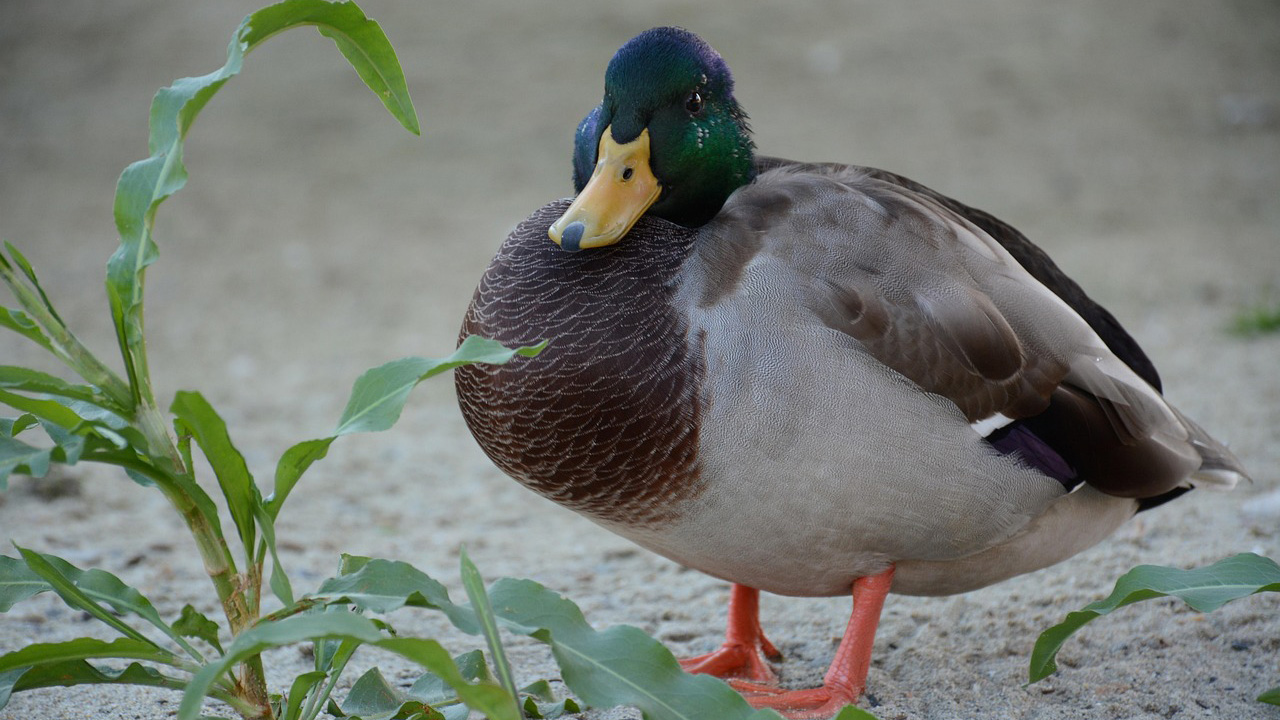
California’s waterfowl system depends heavily on managed wetlands and agricultural flooding, and drought hits both at once. When surface water allocations drop, refuges shrink fast and rice fields stay dry longer into the fall. That compresses birds into fewer areas, making them easier to locate early but harder to hunt once pressure ramps up. Late-season birds either push south quickly or pile into the last flooded units, where they get educated in a hurry. Hunters who rely on historic refuge averages are finding those numbers far less predictable than they were even five years ago.
Texas
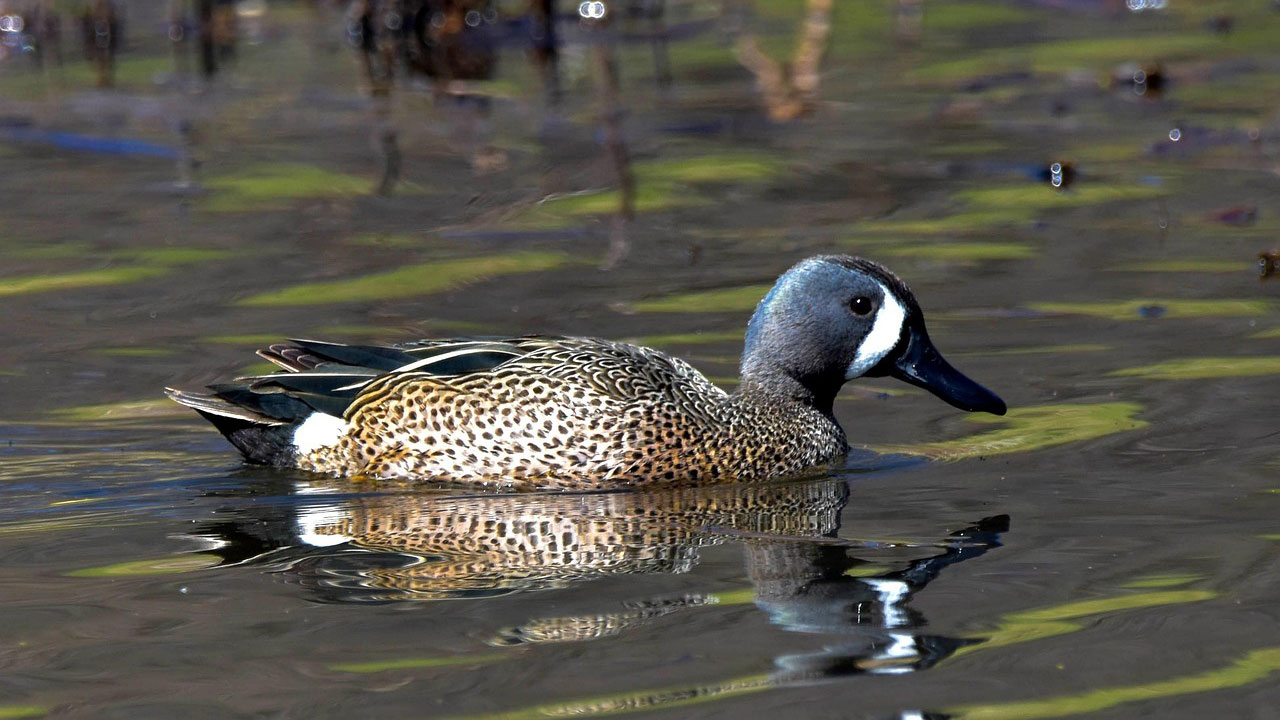
Texas drought changes migration timing more than numbers. When stock tanks, playas, and shallow marshes dry up, ducks don’t linger — they move until they find stable water. That often means shorter windows of strong action followed by long dry spells. Coastal birds may hold, but inland zones feel feast-or-famine seasons. The other impact is pressure concentration: when only a handful of water sources exist, every hunter knows where to go. Birds adapt fast, shifting roosts nightly and feeding later, making late-season success much more dependent on scouting than tradition.
Kansas
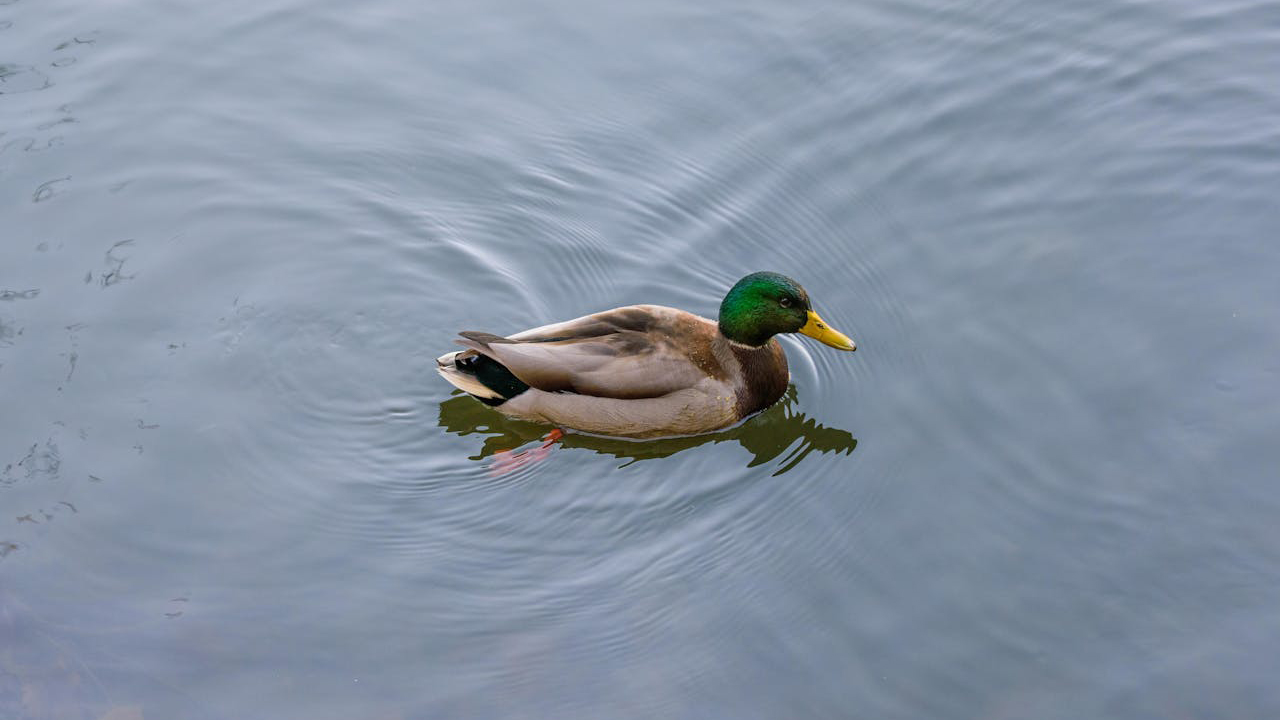
Kansas relies on shallow wetlands and agricultural water, both of which disappear quickly in dry years. When drought hits, migration becomes more of a pass-through than a stopover. Ducks stack briefly after a front, then leave just as fast. Hunters who remember weeks-long pushes are now seeing two- or three-day bursts instead. Geese adapt slightly better, but even they shift to fewer roosts, increasing competition for access. The result is fewer consistent hunts and more pressure on anyone holding water that can last past midseason.
Nebraska
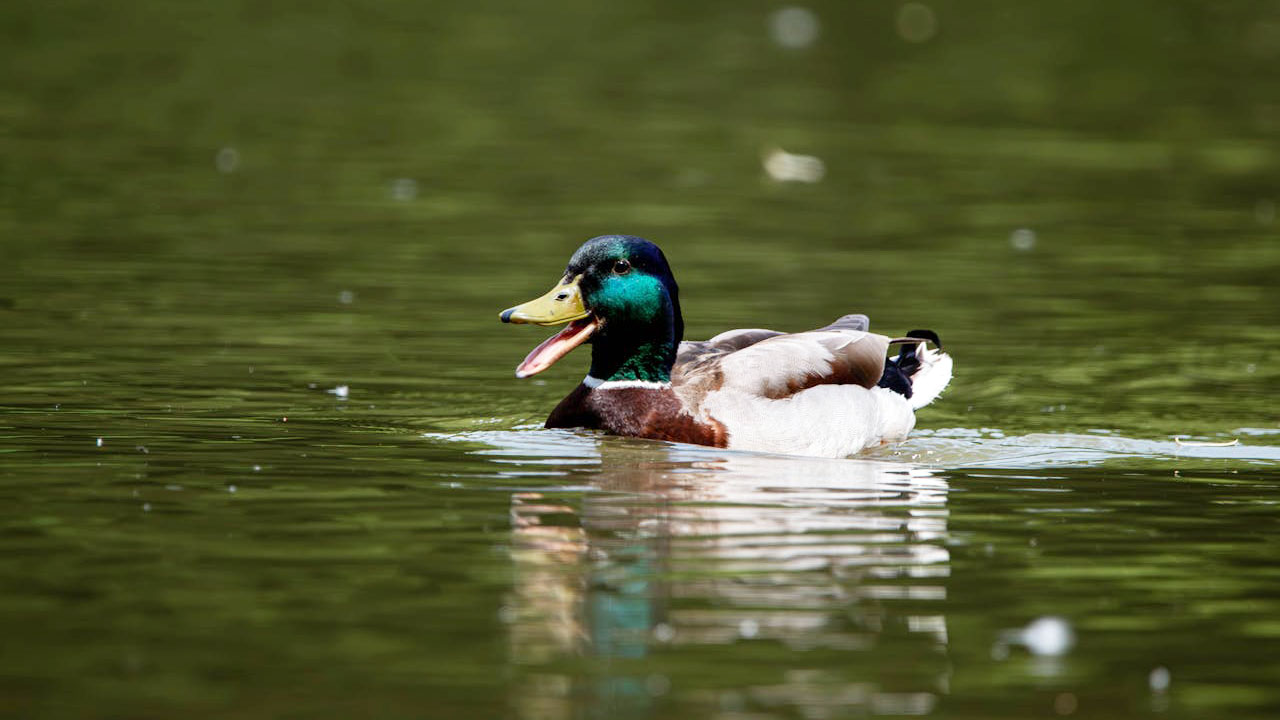
Nebraska’s river systems and rain-fed wetlands are especially vulnerable to prolonged dry conditions. Low river flows reduce sandbar habitat and force birds to roost in deeper, safer water — often out of reach. Drought also limits corn availability near water, separating food from roosts and pushing birds to move farther daily. That spreads flocks thin or shifts them entirely into neighboring states. Hunters accustomed to predictable river hunts are now dealing with scattered birds and rapidly changing patterns that don’t settle until freeze-up forces a decision.
North Dakota
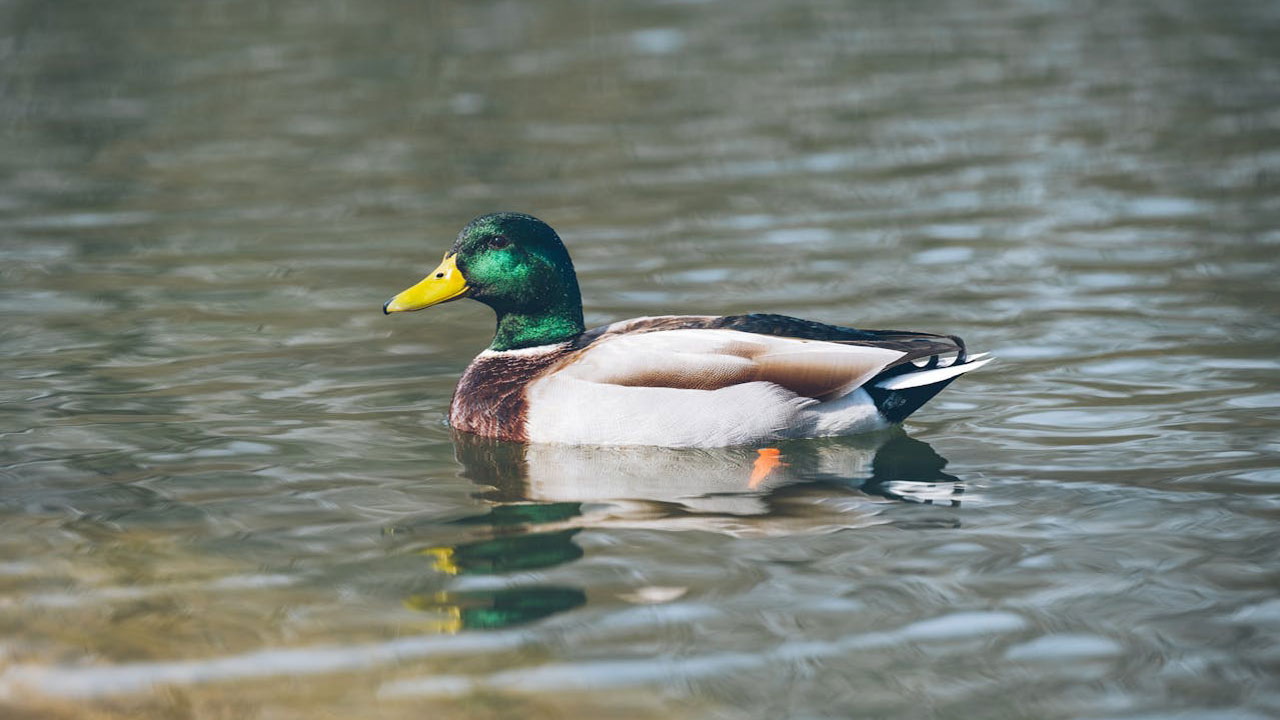
The Prairie Pothole Region is ground zero for drought-driven waterfowl change, and North Dakota shows it clearly. When potholes dry up, breeding success drops and fall migration numbers follow. Fewer small wetlands also mean birds concentrate on larger lakes, where pressure and visibility skyrocket. Ducks become rafted, wary, and hard to decoy. Late season often sees earlier southward movement than normal, shortening the hunt window. Even strong cold fronts don’t hold birds when shallow water simply isn’t available to support them.
South Dakota
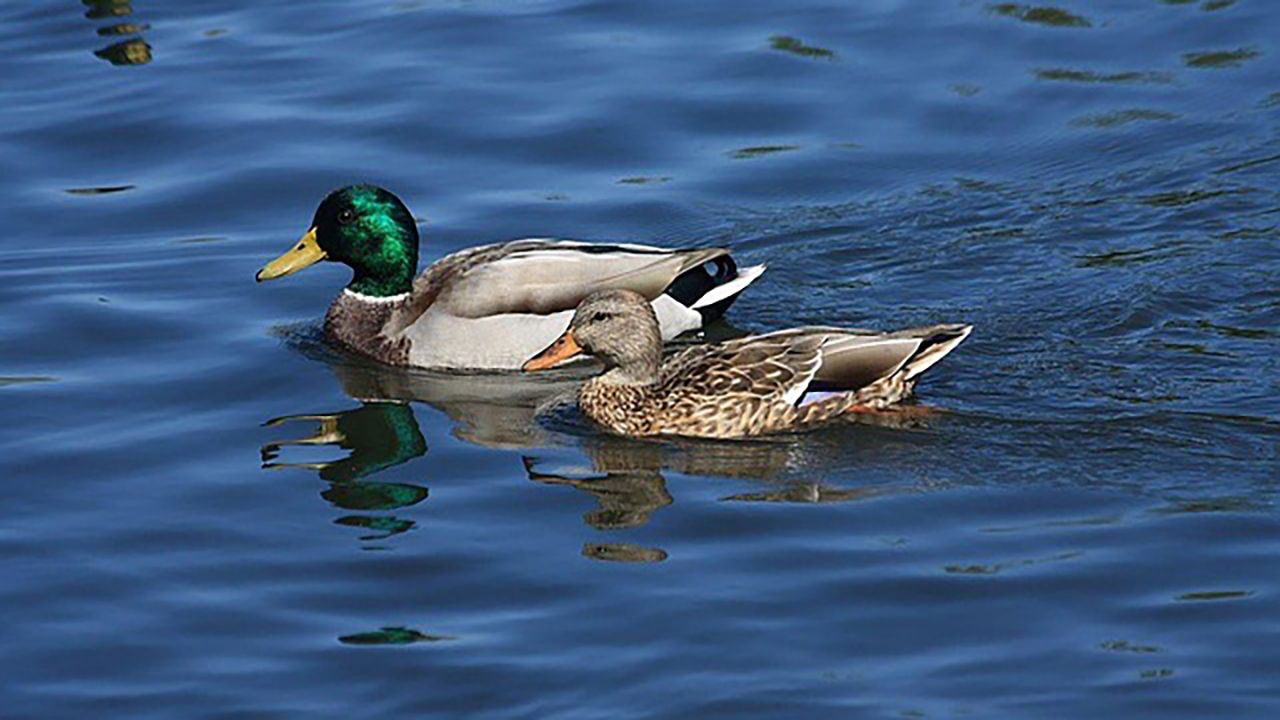
South Dakota experiences the same pothole loss as its northern neighbor, but with added agricultural impacts. Dry years reduce post-harvest grain access near water, which pushes birds to prioritize states farther south with irrigated crops. When birds do stop, they’re often stacked tightly on reservoirs or managed units, leading to heavy competition. Hunters report seeing plenty of birds but struggling to get them to commit, especially late season when pressure and limited habitat combine to change flight behavior dramatically.
Colorado
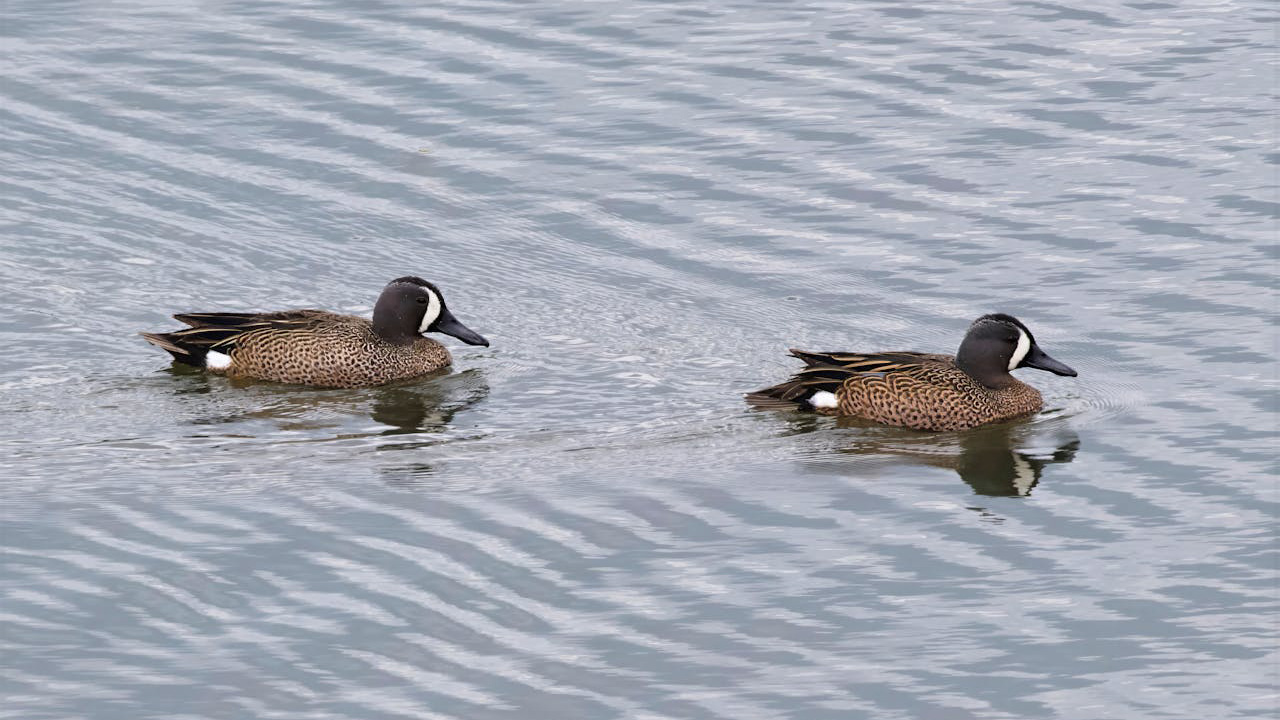
Colorado’s waterfowl habitat is already limited compared to Midwest states, so drought effects show up fast. Reduced snowpack lowers river flows, shrinking roosting areas and exposing birds to predators and pressure. Ducks tend to pass through quickly unless they find managed wetlands with guaranteed water. When those units dry early, migration timing becomes erratic. Hunters who once relied on late-season freezes to concentrate birds now find many flocks never stop long enough to pattern.
New Mexico
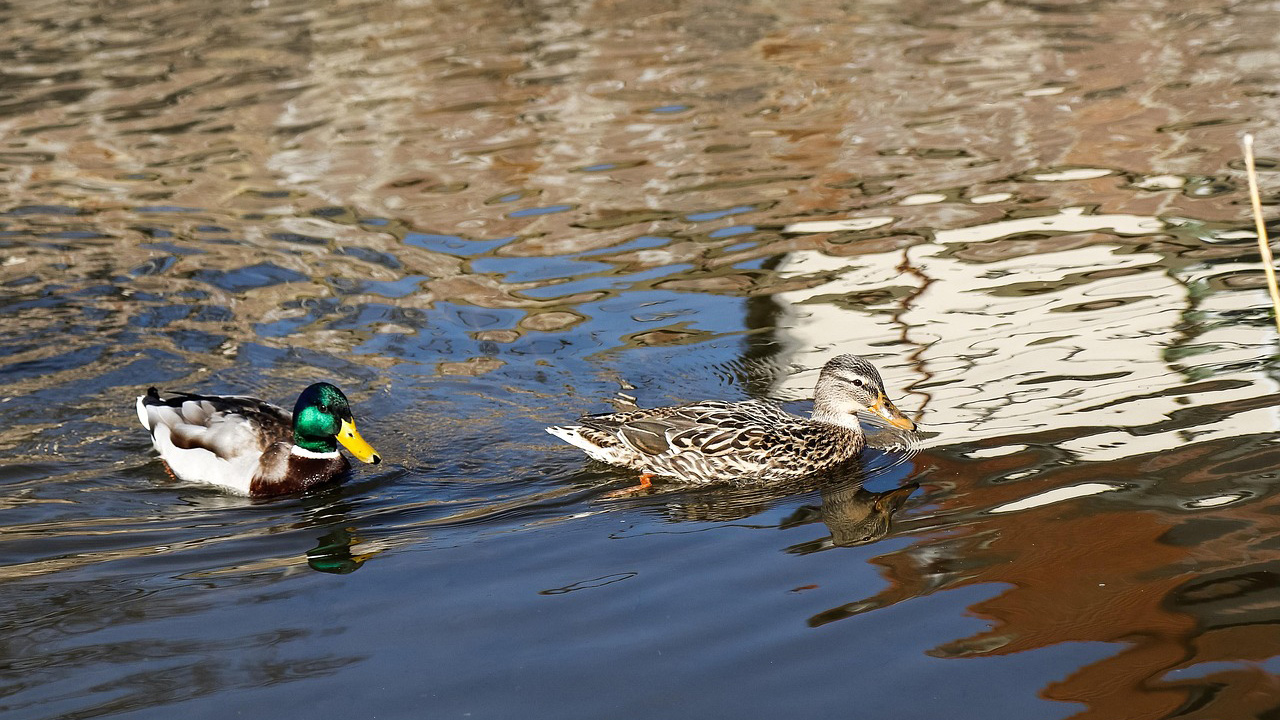
New Mexico’s waterfowl depend almost entirely on managed water systems. During drought, irrigation releases and refuge flooding become inconsistent, forcing birds to leapfrog the state entirely in some years. When water is available, it draws heavy concentrations, but hunting pressure follows immediately. Birds adapt by flying higher, later, and shorter distances. The result is fewer daylight opportunities and a sharper divide between productive and empty areas, with little middle ground for average hunters.
Oklahoma
Oklahoma sits at a crossroads for Central Flyway birds, and drought disrupts that balance. Dry conditions reduce shallow feeding areas, causing ducks to bypass traditional stopovers unless major weather forces them down. When they do stop, it’s often on deeper reservoirs that favor geese more than puddle ducks. Late-season duck hunting suffers most, while goose numbers may spike unpredictably. Hunters are seeing shorter, more intense windows that reward mobility rather than loyalty to one location.
Nevada
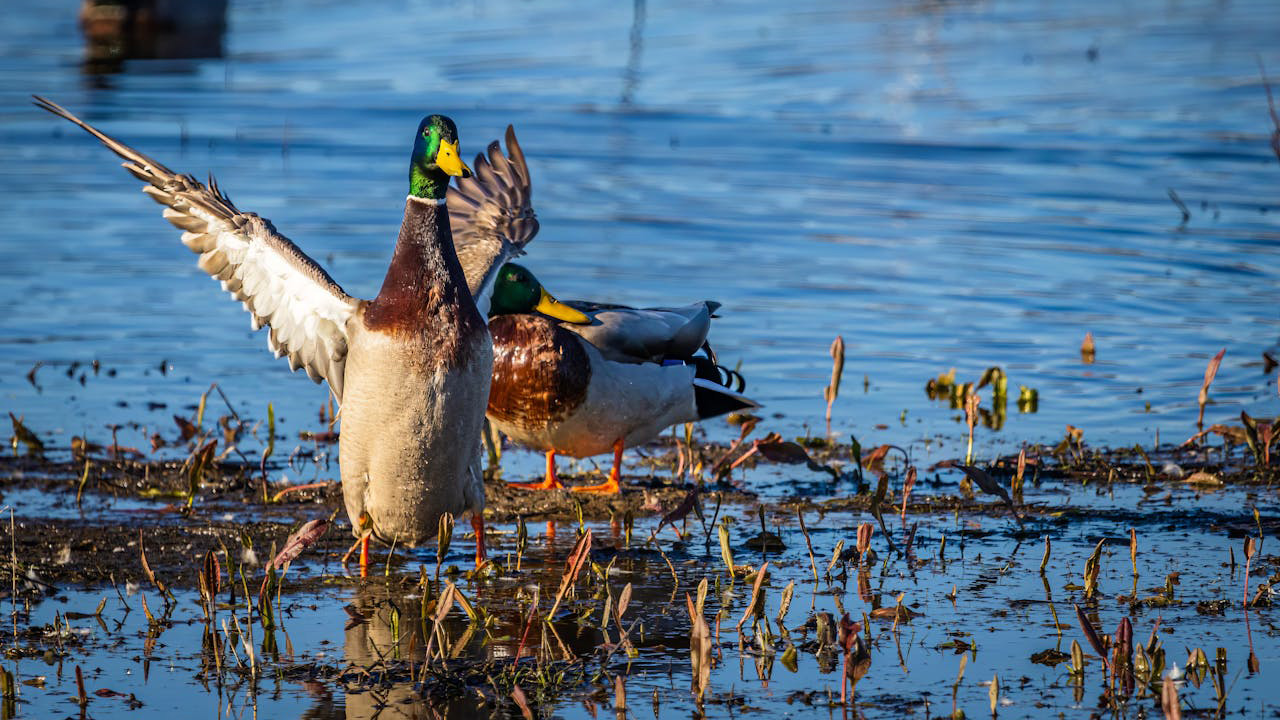
Nevada’s waterfowl habitat is scarce in good years and fragile in dry ones. Extended drought shrinks marsh systems dramatically, forcing birds to rely on a handful of managed wetlands. Those areas see extreme pressure, and birds quickly adjust movement patterns to avoid shooting hours. Many ducks simply continue south or west without stopping. For hunters, success increasingly depends on drawing limited-access areas or catching brief migration pulses tied directly to storms.
Arizona
Arizona waterfowl hunting lives or dies by water management, and drought tightens that margin. Reduced river flows and irrigation changes limit available habitat, concentrating birds into urban-adjacent or heavily managed areas. Ducks that do winter here become nocturnal feeders fast. Migration timing also shifts, with birds arriving later and leaving earlier depending on reservoir levels. Traditional desert patterns are less reliable, forcing hunters to adapt to rapidly changing water conditions week to week.
Utah
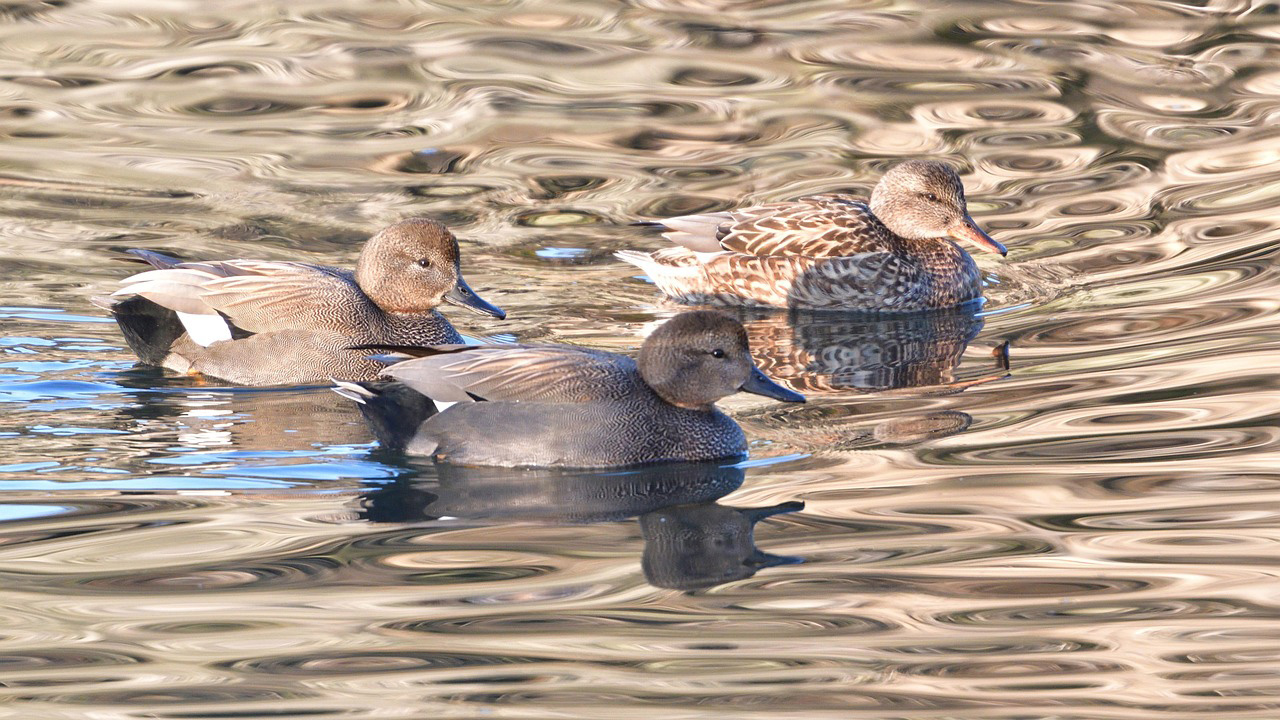
Utah’s Great Salt Lake wetlands have seen major impacts from drought, reducing salinity buffers and shallow feeding zones. As water recedes, birds redistribute to fewer freshwater units, increasing pressure and competition. Some species adjust by moving earlier or skipping the region entirely. Hunters are seeing more variability year to year, with strong early seasons followed by sudden drop-offs. The long, stable late seasons many relied on are becoming less common.
Montana
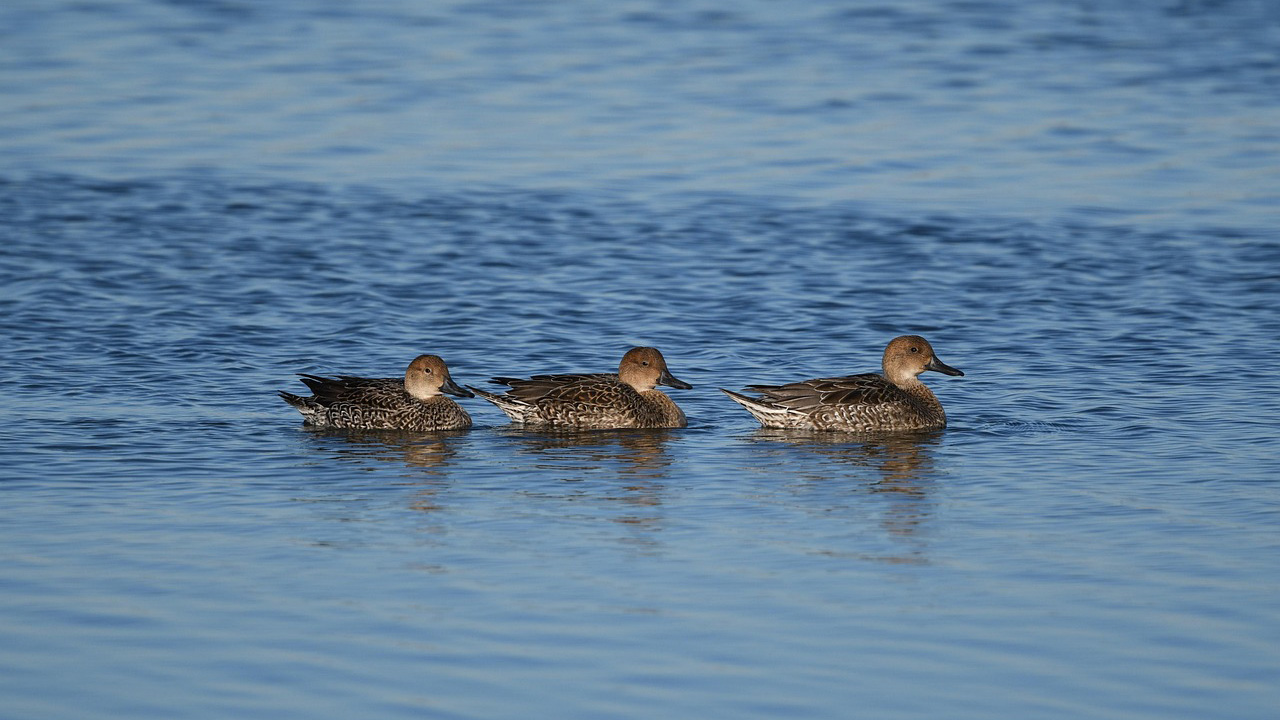
Montana’s waterfowl patterns are closely tied to snowmelt and river systems. Drought lowers flows and reduces floodplain habitat that birds rely on during migration. When water is scarce, ducks move faster and stop less, often pushing into the Dakotas or south sooner than expected. Late-season hunting becomes highly weather-dependent, with cold snaps briefly pulling birds back before they leave again. Consistency has become the biggest casualty.
Idaho
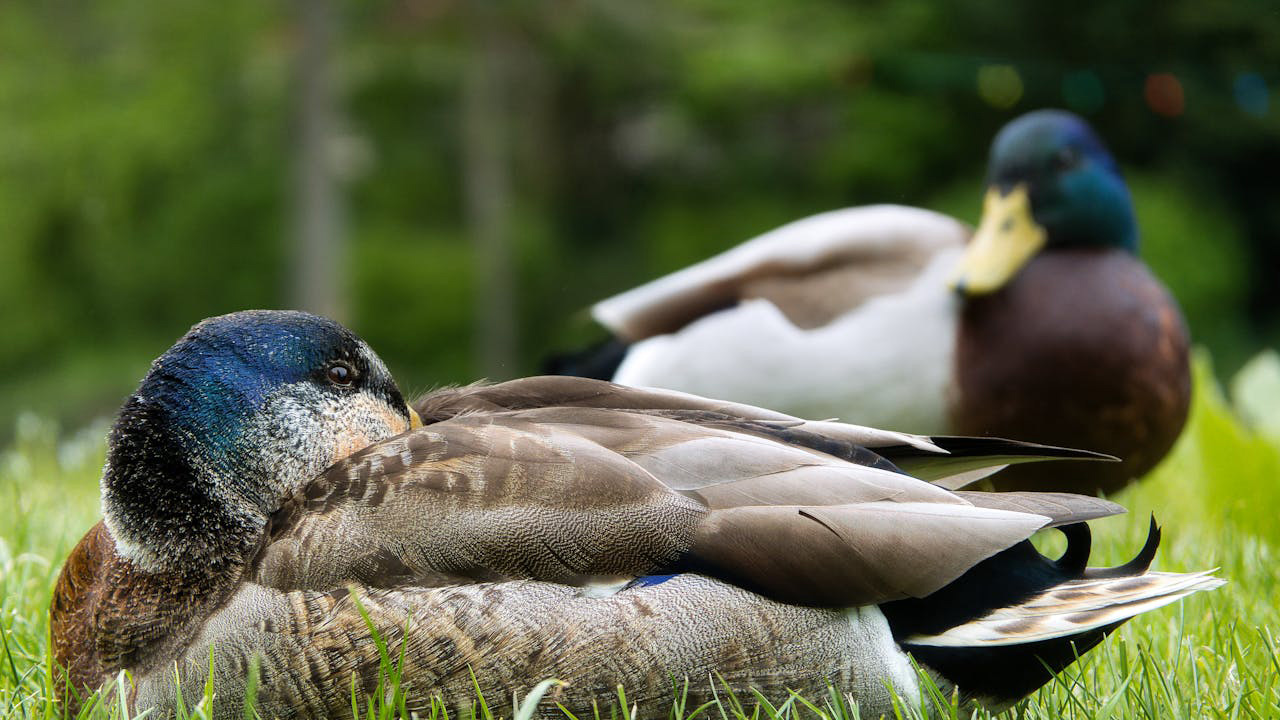
Idaho’s mix of river corridors and managed wetlands makes it sensitive to drought timing. Reduced water releases can leave prime habitat dry during peak migration. Birds respond by shifting to neighboring states or concentrating heavily where water remains. That leads to crowded conditions and quick bird education. Hunters who once enjoyed steady migration through the state are now dealing with boom-or-bust seasons that hinge on a narrow set of water decisions.
Oregon
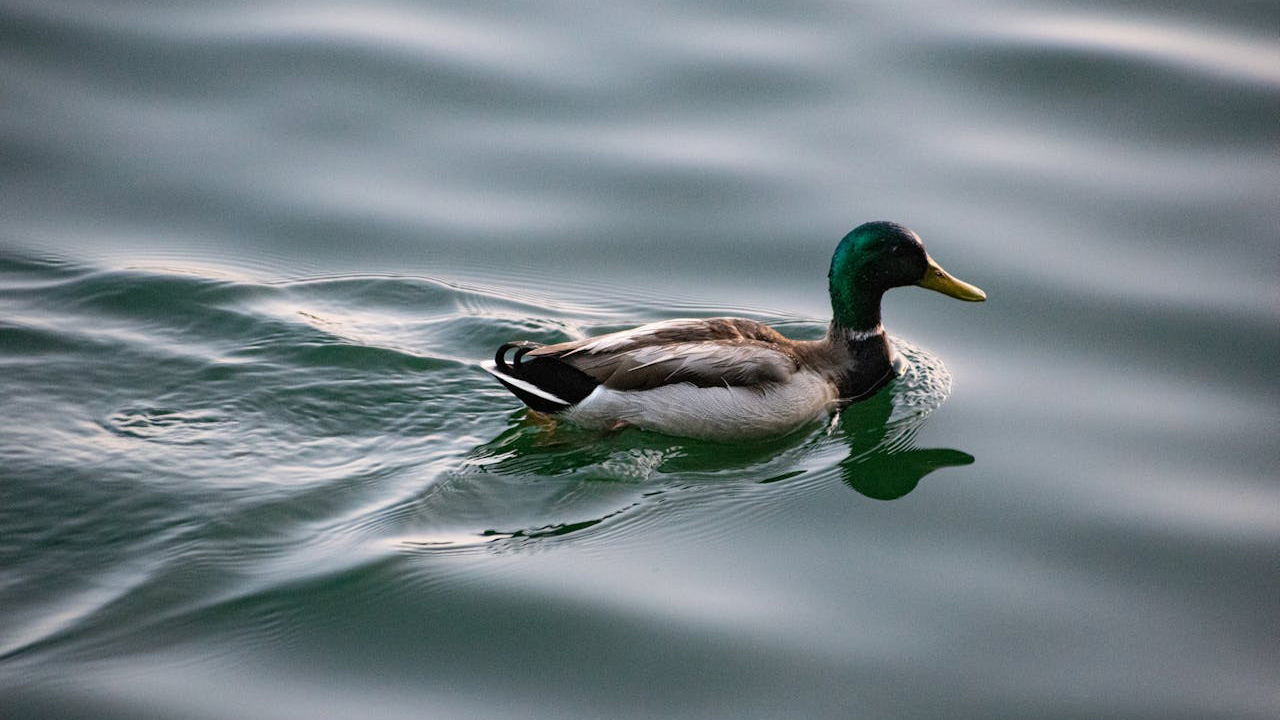
Oregon’s interior wetlands have been hit hard by repeated dry years, shrinking traditional staging areas. Coastal zones may still hold birds, but inland migration patterns are changing fast. Ducks are arriving later, staying shorter, or skipping certain valleys altogether. When water is present, pressure ramps up immediately, pushing birds into less accessible areas. The predictable movement Oregon hunters once counted on is giving way to a far more volatile season structure.
Like The Avid Outdoorsman’s content? Subscribe to our newsletter so you never miss an article.
Here’s more from us: