
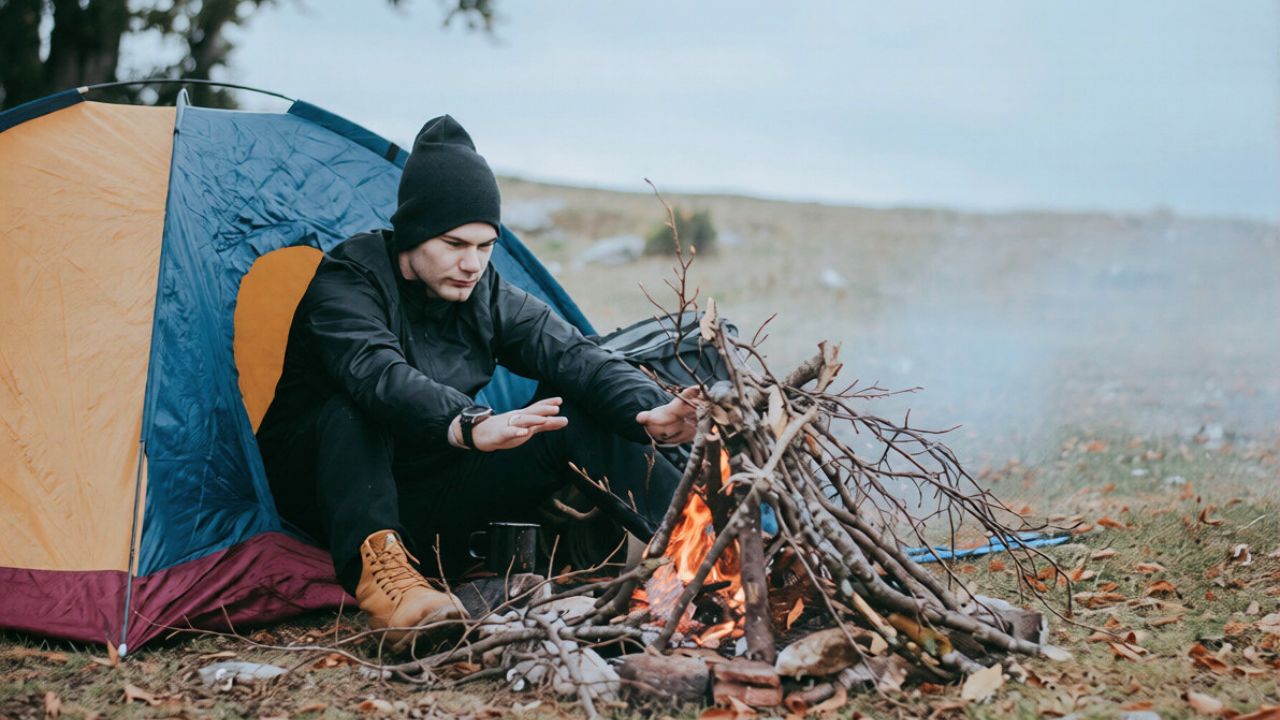
Photo credit: Noody/Shutterstock.com
There’s cold, and then there’s the kind of cold that changes how a man thinks. A lot of people talk about being cold when what they really mean is mildly uncomfortable. They forgot gloves, underdressed for a morning sit, or spent an hour outside wishing they had worn thicker socks. That’s not pleasant, but it’s not the same as the kind of cold that strips away pride, exposes bad planning, and makes every simple task feel clumsy and slow. Once you’ve been cold for real, your whole relationship with weather changes. You stop treating it like background scenery and start respecting it like a force that can wreck a hunt, a camp, or a person fast if you get casual. That’s why some habits jump out at me. They tell me right away a man has probably spent more time talking about winter conditions than actually dealing with them. He might own insulated gear and tell stories about rough weather, but the way he moves, packs, dresses, and reacts says he has not yet had one of those days where cold stops being annoying and starts becoming serious.
Men who dress for the truck ride tell on themselves fast
One of the first signs is when somebody dresses like the weather only matters between the house and the heater. He throws on one bulky jacket, calls it good, and seems surprised when he’s miserable the second he starts sweating, sitting still, or dealing with wind. That tells me he hasn’t learned what real cold usually teaches the hard way, which is that layering matters a whole lot more than one heavy outer piece. Cold-weather comfort is not just about thickness. It’s about moisture control, wind resistance, and having the flexibility to adjust before sweat turns into a problem. Men who have truly been cold enough to remember it usually respect base layers, dry socks, neck coverage, and gloves they can actually work in. They know that cotton is a liar, that damp clothes become an enemy quick, and that warm on the tailgate is not the same as warm two miles in or three hours into a sit. If a guy’s whole system looks built around appearing winter-ready instead of actually staying functional, I assume he hasn’t been cold enough yet for the lesson to stick.
Bad glove habits usually reveal the truth
Gloves are one of those small details that expose people fast. A man who’s never really suffered in the cold tends to treat gloves like an accessory. He’ll bring one pair, usually the wrong pair, and then act aggravated all day when they get wet, too bulky, or not warm enough. Men who have paid for cold-weather mistakes usually think differently. They understand gloves get damp, hands stop working right, and little tasks become a lot harder when fingers go numb. So they carry backups, use liners, and think through what they actually need their hands to do. Same with hats and socks. Once you’ve dealt with real cold, you stop gambling on those things. You know a wet cuff, a gap at the wrist, or a bad boot setup can make the whole day go sideways one miserable inch at a time. That’s why I notice when a guy keeps stuffing bare hands into armpits, blowing on his fingers every ten minutes, or acting shocked that cheap gloves are failing. He’s not just uncomfortable. He’s advertising that he built his system without much firsthand memory of what prolonged cold really does.
Real cold teaches you to respect the boring stuff
People who haven’t been cold for real usually chase dramatic solutions and ignore the plain ones that matter most. They want the warmest parka, the thickest boot, the fanciest insulated bibs, but they’ll skip the boring habits that actually keep a body going in rough conditions. They won’t eat enough. They won’t hydrate. They won’t change out damp layers. They won’t sit on insulation instead of cold surfaces. They won’t pack hand warmers where they’re easy to reach or think ahead about how long they’ll be exposed before daylight. Real cold teaches men to care about all the unglamorous details because that’s what keeps the day manageable. A quality merino base layer, good wool socks, and an honest windproof outer layer from a place like Bass Pro matter a lot more than some oversized hero jacket if the man wearing them doesn’t understand how heat gets lost in the first place. Cold has a way of making theory feel silly. Once you’ve shivered hard enough, simple preparation starts looking a lot smarter than macho talk.
Men who keep standing around instead of fixing the problem usually haven’t learned yet
Another thing I watch is how quickly someone responds once the cold starts getting after him. A man who has really suffered through cold before usually takes action early. He adds a layer, changes gloves, eats something, starts moving, blocks wind, or rethinks the setup. He does not just stand there complaining while his body keeps losing ground. That kind of passivity usually tells me the lesson hasn’t fully landed yet. He still thinks cold is a feeling to endure instead of a condition to manage. The trouble with that mindset is that cold gets more expensive the longer you wait. Dexterity drops. Judgment gets worse. Patience disappears. Simple jobs start taking twice as long. You stop thinking clearly and start wanting quick fixes that often make things worse. A man who has truly been cold enough to get rattled tends to respect the early warning signs a lot more. He knows that if you let cold build momentum on you, pride gets real unimportant in a hurry. You stop worrying about looking tough and start worrying about getting back ahead of the problem before you become dead weight.
If your cold-weather plan depends on “toughing it out,” it’s probably weak
This is another dead giveaway. Men with limited real cold exposure tend to talk too much about toughness. They act like the answer is to bear down, quit whining, and push through. There’s some truth in not being soft, sure. But actual cold-weather competence is not built on pretending misery is a strategy. It’s built on managing conditions before toughness becomes the only thing left in the toolbox. Toughness helps when things go bad. It should not be the whole plan. A man who’s actually had cold humble him knows that stubbornness without preparation is just a slower path to a worse morning. He knows the best hunts and camps in cold weather usually go to the people who respected the conditions enough to prepare for them, not the ones who treated discomfort like a personality trait. Whenever I hear a guy talking big about how he doesn’t need much in the cold, I usually start watching a little closer. A lot of the time, that confidence lasts right up until the wind picks up, the sweat cools off, and the long sit begins.
Real cold changes the way you pack forever
One of the clearest signs a man has paid his dues in bad cold is how permanent the lesson becomes. He doesn’t keep relearning the same things every winter. Once he’s had a miserable enough day, the extra socks stay in the bag. The hand warmers stay stocked. The backup gloves start living in the truck. The better base layers get bought and actually used. He quits gambling on “probably fine” because he’s seen how fast probably fine turns into a long, stupid sufferfest. That’s why I can usually tell when someone hasn’t been cold for real. Their packing still feels optional, casual, and optimistic. It’s built around the idea that the weather will cooperate or the day won’t demand much. Cold-experienced men pack more like real conditions might show up and stay. That doesn’t mean fear. It means memory. Once the cold has truly put hands, feet, and judgment in a vise on you, you stop treating preparation like overkill. You start treating it like the cost of still being useful when the temperature gets ugly.
Cold doesn’t care how tough you sound
That’s probably the cleanest truth in all of it. Cold does not care how outdoorsy a man looks, how much he spent on camo, how loudly he talks, or how many stories he tells about hunting rough weather. It only cares whether the body is protected, the system is working, and the person inside it has enough sense to respond before things spiral. I’ve got a lot more respect these days for the quiet guy who stays warm enough, keeps his hands working, and planned for the conditions than for the one trying to turn discomfort into a performance. If I see a man making all the classic mistakes — one giant jacket, bad gloves, weak layering, not enough food, no backup dry gear, and a whole lot of complaining once the sun disappears — I don’t assume he’s rugged. I usually assume he’s still one truly bitter morning away from understanding what cold really is. When that day comes, he’ll probably get a lot less theatrical and a whole lot better prepared. Most of us do.
Like The Avid Outdoorsman’s content? Subscribe to our newsletter so you never miss an article.
Here’s more from us:


