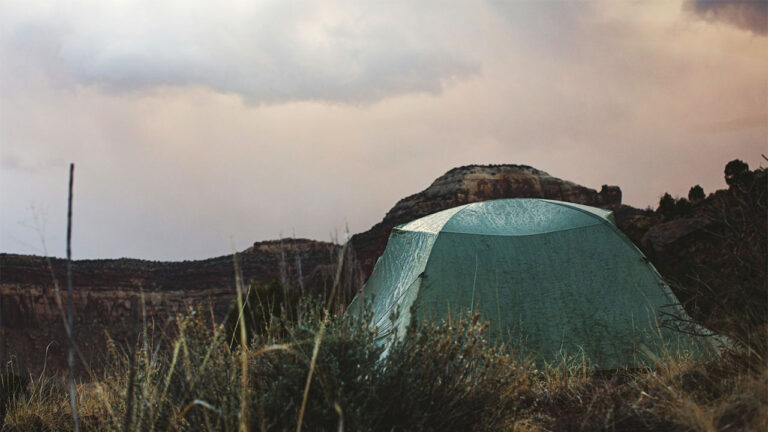
Photo credit: Syahdannugraha/Pixabay.com
There’s always that guy who can dress up bad judgment with a grin and act like the whole mess was somehow the point. Flat tire in a bad spot, wrong trail after dark, soaked gear, dead battery, forgot the food, lost the light, missed the turn, cooked the whole morning before the work even started—he’ll just laugh and call it “part of the adventure” like that phrase fixes anything. It doesn’t. Sometimes things really do go sideways no matter what you do. But a lot of the time, what gets called an adventure is really just the visible result of poor planning, weak awareness, or a man who mistakes avoidable trouble for personality.
That mindset gets old fast because it lets a person stay careless without ever taking ownership. Instead of learning from the mistake, he turns it into a story before the problem is even solved. Now everybody else is dealing with the consequences while he’s already busy reframing it like some rugged badge of honor. Real outdoorsmen know the difference between real hardship and self-inflicted nonsense. One earns respect. The other usually just burns daylight, patience, and fuel while somebody keeps trying to sell it as part of the fun.
You treat being underprepared like it makes you tougher

There are men who honestly seem to believe preparation somehow makes an outing less real. They come light on gear, thin on supplies, loose on planning, and then act proud when the obvious trouble starts showing up. Now they’re cold because they didn’t pack layers, hungry because they brought nothing decent to eat, fumbling in the dark because they forgot extra batteries, and talking like all of that is proof they know how to rough it. It’s not. Most of the time it just proves they had every chance to make the day easier and chose not to.
That kind of thinking turns avoidable discomfort into a personality trait. A capable man doesn’t go looking for unnecessary hardship just so he can brag about enduring it later. He plans well because he knows the outdoors will hand out enough real problems on their own. If a guy keeps acting like poor prep is somehow more authentic, there’s a good chance he’s confusing recklessness with grit. Those are not the same thing, no matter how many times he laughs and calls it an adventure.
You burn time on mistakes that didn’t need to exist

There’s a real difference between running into a challenge and creating one with sloppy habits. Miss a weather shift you couldn’t have predicted, fine. Hit unexpected trouble on rough ground, that happens. But if you keep losing an hour because you didn’t check fuel, forgot the map, packed badly, or didn’t think through the route, that’s not “how these things go.” That’s you leaking time because you were too casual about details that mattered.
What makes this especially annoying is how often the same guy acts like the delay adds character to the day. Meanwhile everyone else knows exactly what got lost: good light, good movement, good timing, and a cleaner start. Men who’ve done enough of this understand that a smooth day is not a lesser day. It’s usually the result of foresight. The man who keeps burning prime time on preventable mistakes and then calling it part of the deal is usually just trying to avoid admitting he could’ve done better.
You act like confusion is the same thing as spontaneity

Some men love the idea of just going with the flow, but what they really mean is they don’t want to think ahead. No clear plan, no checked route, no settled meeting point, no backup option, and no real sense of what the day asks for. Then once things get muddy, they call it spontaneity like that somehow sounds better than confusion. It doesn’t. If everybody’s standing around trying to figure out what’s happening because one man never locked in the basics, that’s not freedom. That’s drift.
Real flexibility comes from being prepared enough to adapt, not from floating into the day with no structure and hoping personality carries the rest. The men worth following can change course because they understand the original one. The man who’s always “winging it” is often just refusing to own the planning part. Then once that refusal starts costing the group time or energy, he dresses it up as some rugged, carefree spirit. Most of the time it’s just a softer way of saying he didn’t get ready.
You laugh off every bad decision before anybody can call it one

A certain type of guy is always first to turn his own mistake into a joke. Missed turn? “Adventure.” Dropped the gear in the creek? “Adventure.” Forgot the keys, packed the wrong shells, brought the wrong tool, trusted a bad crossing, ignored the weather, or didn’t tie something down right? Somehow it’s all just part of the story. That habit can look harmless, but half the time it’s really just a shield. If he laughs first, he thinks nobody gets to point out what actually happened.
The problem with that habit is it kills accountability before it has a chance to form. A mistake that gets turned into humor too fast often never gets studied properly. So the same guy keeps doing the same things over and over because he’s more committed to the tone of the story than the lesson inside it. Outdoors life teaches plenty if you let it. But the man who keeps joking his way around every bad decision usually stays right where he is—entertained by his own pattern and surprised when it keeps costing people.
You keep making other people absorb your “adventure”

A lot of these so-called adventures are only fun for the guy who caused them because everybody else is the one carrying the weight. He forgot supplies, so now people share theirs. He chose the bad route, so now everyone loses time. He didn’t secure the load, so everyone helps recover it. He let small problems stack up, then calls the mess “one for the books” while the rest of the group is still doing the boring part—fixing what he made harder.
That’s what really separates harmless chaos from selfish chaos. If a man’s mistakes only cost him, fine. He can call them whatever he wants. But once the fallout lands on the people around him, the tone changes. You’re not just the fun guy with a story anymore. You’re the reason everyone had to work harder than they should’ve. Men who understand that try hard not to export the price of their bad choices onto others. The guy who doesn’t is usually having a lot more fun with the “adventure” than anyone else involved.
You never seem embarrassed by the same problem twice

Most men learn because discomfort leaves a mark. Get wet once from packing sloppily, and you tighten that up next time. Lose your light once, and suddenly you’re a lot more careful about where it rides. Burn time on a wrong turn in the dark, and your route-checking gets serious in a hurry. But some men seem oddly untouched by consequences. The exact same kind of mistake keeps showing up, and they keep meeting it with the same grin and the same line about how that’s just part of being out there.
That tells me the lesson isn’t landing. A man doesn’t have to become uptight to improve, but he does need enough self-respect to dislike repeating avoidable mistakes. If somebody keeps treating recurring issues like random color in the story, he’s not growing. He’s just normalizing his own weak spots. That might feel easy in the moment, but it gets expensive over time, especially when the same old nonsense keeps showing up in situations where people needed him to be steadier.
You think a rough story automatically makes a good one

Some men are so eager for a memorable story that they don’t seem too bothered by what the story cost while it was happening. In their mind, if the truck got stuck, if the weather turned ugly, if the gear got soaked, if the route went wrong, then at least there’s something to talk about later. But not every rough outing becomes a great story. A lot of them are just evidence that basic decisions were poor and the people involved had to grind through the result.
The men who’ve done enough of this usually don’t chase stories. They chase good days, useful work, solid time, and clean execution. If a wild story comes out of that, fine. But they don’t go building chaos just so the retelling sounds more dramatic. The guy who seems to value the future story more than the present outcome is often one bad choice away from creating trouble nobody wanted just because he likes the version of himself who “survived” it later.
You leave no margin for when things stop going right

One of the clearest signs a man mistakes preventable trouble for adventure is how thin he runs everything. Just enough fuel, just enough water, just enough daylight, just enough battery, just enough food, just enough time. No buffer. No room. No plan for anything shifting even a little. Then when something does shift, which it usually will, the whole thing gets tight fast and he acts like that’s just the wild nature of outdoor life. No, that’s what happens when you planned with zero margin and expected the world to stay neat for you.
Experienced men build in extra because they’ve seen how little it takes for a normal outing to change shape. The point of margin is not fear. It’s maturity. It keeps a small issue from becoming a bigger one. The guy who never leaves margin usually does it because he wants the excitement of being close to the edge without admitting he put himself there. Then when the edge bites back, he labels it an adventure to keep from calling it what it was: a setup that had no room for real life.
You confuse avoidable suffering with authenticity

There’s a certain romantic nonsense some guys carry around where every miserable, sloppy, inconvenient situation gets treated like proof they’re living right. Wet boots, empty stomach, no sleep, busted gear, bad route, no real shelter, no backup—somehow all of that becomes part of the image they want to project. They act like doing it the hard way makes it more honest, even when the hard way was completely self-inflicted.
Real authenticity outdoors has nothing to do with choosing avoidable suffering. It comes from being competent enough to handle what actually happens, not from refusing comfort or preparation so you can look rougher in the story later. Men who know what they’re doing don’t usually worship discomfort. They respect it when it arrives, and they manage it. The guy who keeps choosing conditions that make everything harder than it has to be is often more interested in feeling rugged than in being reliable.
You turn every setback into a personality performance

There’s always a man who can’t just have a problem—he has to perform one. The rain comes, the fire won’t catch, the trail gets muddy, the trailer backs badly, the fish don’t bite, the wind shifts, and suddenly he’s doing the full routine. Big grin, dramatic shrug, some line about how this is what it’s all about, and a whole lot of energy spent framing the problem instead of quietly fixing it. He doesn’t just want to endure the setback. He wants to be seen enduring it.
That kind of performance wears people out because it adds extra motion to something that needed less. Most outdoor problems improve with calm, not commentary. The guy who’s always turning frustration into theater is usually less steady than he sounds. The performance is often covering for the fact that he doesn’t like feeling out of control. So instead of simply handling the issue, he starts narrating himself through it in a way that keeps attention on him instead of on the fix.
You rely on attitude to cover for weak habits

A good attitude matters. Nobody wants to spend time with a man who folds emotionally every time the day gets harder than expected. But attitude is not magic. It doesn’t charge batteries, find the right turn, dry your sleeping bag, tie down loose gear, or put forgotten supplies back in the truck. It helps, but only if it’s sitting on top of decent habits. Without that, it just becomes a bright coat of paint over the same weak planning.
That’s the guy who smiles through every avoidable setback and seems to think positivity should earn him a pass. But good company and poor habits still cost people something. The best men to be around in rough conditions usually have both: they stay steady, and they do the basics right often enough that their optimism isn’t constantly being tested by their own mistakes. If somebody needs a cheerful attitude just to survive his own repeated poor choices, that’s not maturity. That’s a coping style.
You keep pushing bad situations farther than they should go
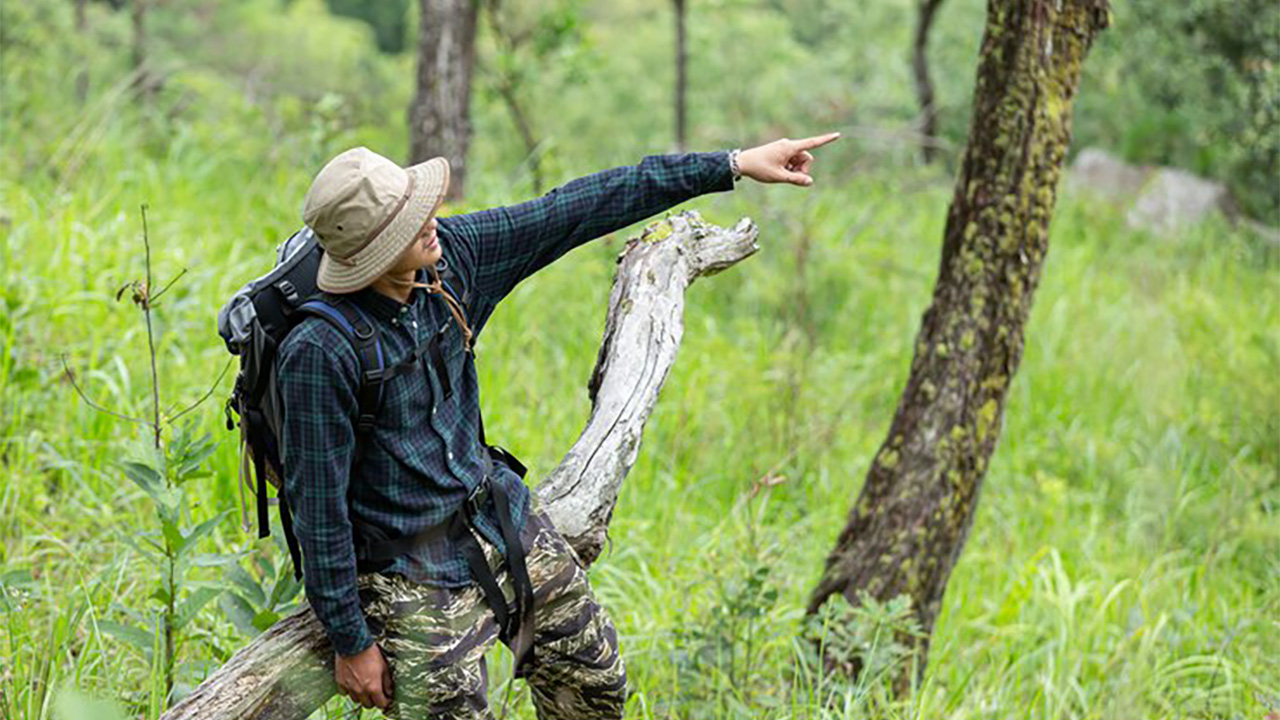
Sometimes the smart move is to stop, reset, or turn around. But the guy who calls every problem part of the adventure usually hates that move because stopping feels like admitting the whole thing wasn’t under control. So he keeps pressing. Keeps driving the bad road. Keeps trying to make the soaked setup work. Keeps forcing the route, the launch, the crossing, or the plan long after a more disciplined man would’ve said, “This isn’t worth what it’s becoming.”
That’s where harmless chaos turns into foolishness. A setback is one thing. Committing harder to the setback because your pride likes the sound of “we made it anyway” is something else entirely. Outdoorsmen with good judgment know that backing out, waiting, or doing it right later is often the better story even if it sounds less dramatic. The man who keeps forcing bad situations just so he can rebrand them later usually doesn’t know the difference between grit and stubbornness yet.
You act like the lesson is optional as long as the story landed

This may be the biggest tell of all. If a man comes out of a bad situation with a story but no adjustment, he hasn’t really learned much. He may have entertained himself, maybe even everyone else, but if the same patterns keep showing up—poor prep, no margin, sloppy thinking, weak timing—then all that adventure talk is just another way of avoiding the obvious. The point was never the funny retelling. The point was what the problem revealed.
Men who grow from experience don’t have to make a speech about it. You just see the changes later. Better packing. Cleaner timing. More margin. Better routes. Smarter calls. Quieter confidence. The guy who keeps acting like the story itself was the whole payoff usually stays stuck in the same cycle. And after enough of that, it gets pretty easy to tell he doesn’t really love adventure. He just doesn’t love admitting when something was preventable.
Like The Avid Outdoorsman’s content? Subscribe to our newsletter so you never miss an article.
Here’s more from us: