Photo credit: RDNE Stock project/Pexels.com
A solid camp setup does not have to be fancy, expensive, or loaded down with gear nobody knows how to use. It just has to work. It needs to keep people dry, let them sleep, make cooking and cleanup manageable, and hold together when the weather, the dark, and a little inconvenience show up all at once. That is the difference between a camp that supports the trip and a camp that becomes the main problem on it. Some men understand that. Others build camp like they are trying to impress somebody for thirty seconds before reality gets a vote.
You can usually spot those setups early. Everything looks confident at first glance. Big talk, fast decisions, a lot of “we’ll be fine,” and just enough motion to make it seem like there is a plan. Then the sun drops, the wind picks up, something gets wet, something gets lost, nobody can find a light, and all that confidence starts showing how little it was actually attached to. A weak camp setup will tell on a man fast, especially when comfort, safety, and basic function depend on more than just a good attitude.
Your shelter choice made more sense in your head than on the ground
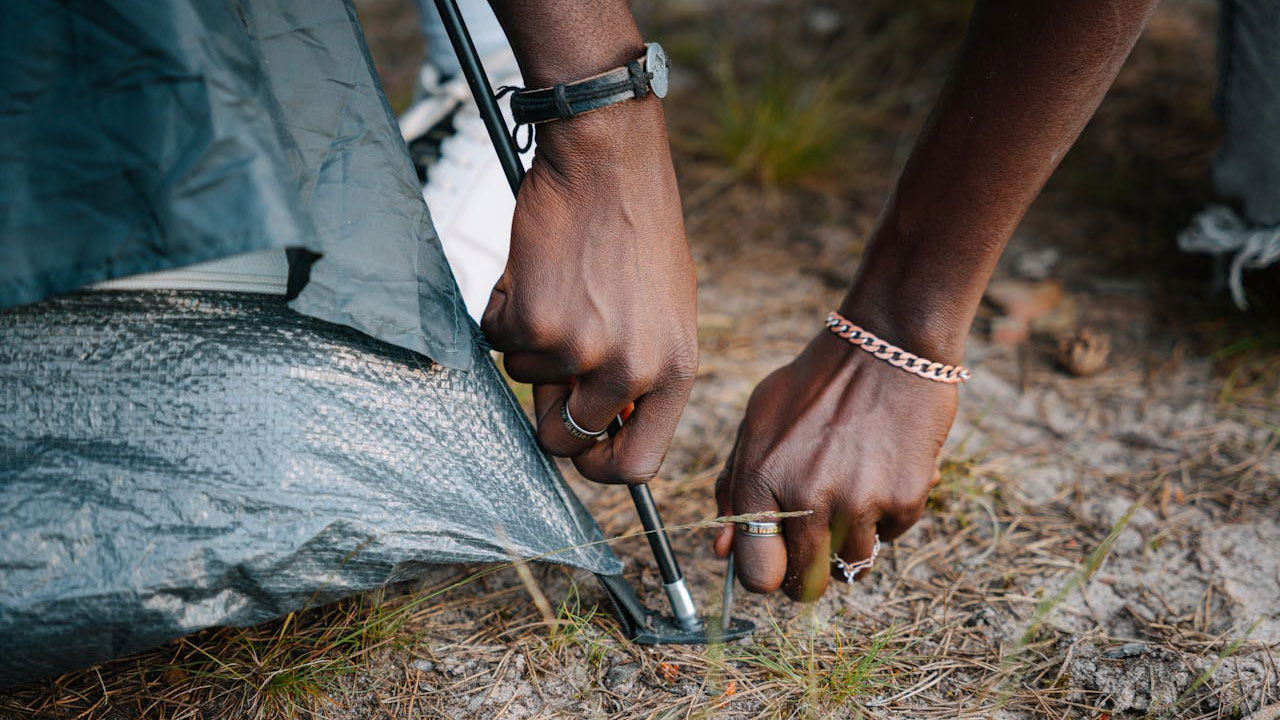
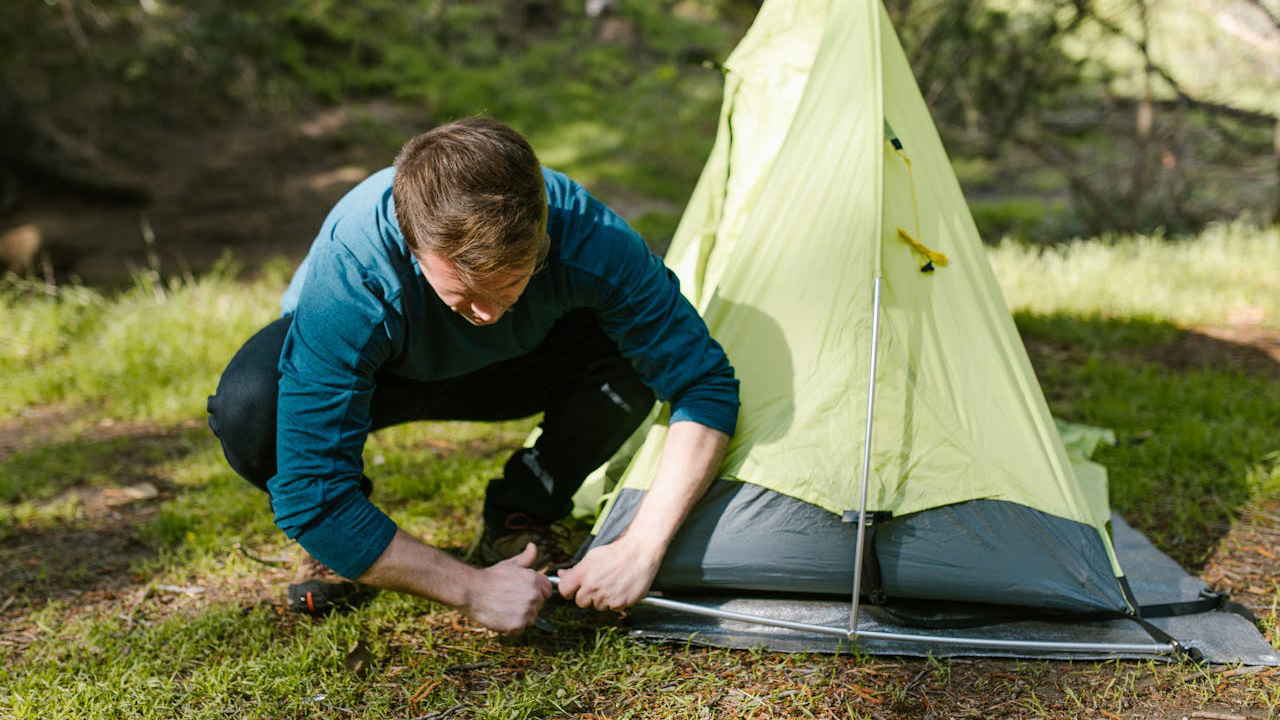
A lot of weak camp setups start with a shelter that sounded right before anybody actually put eyes on the terrain, the weather, or the amount of room needed to live out of it. The guy picked the wrong tent size, brought a tarp that is too small to matter, chose a hammock setup for conditions that clearly do not favor it, or acted like one flimsy cover was enough for gear, people, and whatever the sky decides to do overnight. At first it feels manageable. Then packs start getting shoved into corners, wet boots end up inside sleeping space, and every little inconvenience gets amplified because the shelter never fit the real job.
That is where confidence starts carrying more weight than judgment. Men who camp enough know shelter decisions are not about style points. They are about how the camp functions once it gets crowded, dark, damp, or tired. If the setup only works as long as conditions stay easy, then it never really worked. It just looked acceptable in the daylight. Once a man’s whole camp starts feeling cramped, exposed, or awkward because he picked based on image instead of use, it gets real obvious that the planning stopped too early.
You picked the spot like weather and drainage were optional details

Some people choose a campsite like they are selecting a photo backdrop. Flat enough, looks nice, maybe close to what they want, and that is about as far as the thinking goes. Then the wind starts funneling harder than expected, the ground turns out softer than it looked, water starts collecting where they laid their gear, and now the whole camp is paying for a decision that should have taken five more minutes of actual attention. A good camp spot keeps small weather shifts from becoming camp-wide headaches. A bad one invites trouble in and calls it bad luck.
That is one of the clearest signs a camp was built on confidence instead of sense. Men with real field habits read the ground. They notice how water might move, where runoff could collect, which direction the wind is working, whether dead limbs are hanging above them, and how foot traffic will feel once people settle in. The man who skips all that and just drops camp wherever it looks good from ten feet away is usually the same man acting surprised when the place stops feeling good after dark.
You brought lighting like the night was a rumor

Nothing exposes a weak camp faster than darkness arriving before the setup is truly ready. A lot of confident-but-thin camp planning shows up in the lighting situation. One flashlight with dying batteries. A lantern no one tested. Headlamps forgotten in a glove box or buried in a gear bag under everything else. The camp seems fine at sunset because people can still see enough to ignore the holes in the system. Then it gets black for real, and suddenly every simple task turns clumsy. Cooking, finding gear, walking around camp, even just getting to bed starts taking twice the effort because the light plan was mostly hope.
Men who know what they are doing do not treat lighting like an afterthought. They understand that darkness changes the whole pace and feel of camp. It makes bad layouts worse, weak organization more obvious, and simple jobs more annoying. If your camp falls apart the minute natural light leaves, that means your setup was never truly ready. It was coasting on daylight. A dependable camp keeps working after the sun is gone. The shaky one starts exposing everybody’s bad assumptions as soon as the shadows do their job.
Your gear layout says nobody thought about the second step

A weak camp layout always looks like it was assembled item by item with no thought for how people would actually move through it. Cooler in the way. Cook setup too close to sleeping space. Chairs blocking access to bags. Wet gear mixed with dry gear. Trash with no real place to go. Firewood piled where people keep walking. Nothing is where it ought to be once the camp starts living like a real camp instead of posing like one. So every normal action—grabbing food, finding layers, getting a stove going, walking to your cot—turns into a little obstacle course.
That kind of setup tells me the camp was built by somebody thinking only about the first move, not the tenth. Real camp function depends on flow. Things should have places that make sense once people are tired, cold, wet, or moving around in the dark. The guy who builds camp without thinking through use usually feels efficient for about twenty minutes. Then everybody starts stepping around each other, moving things twice, and muttering at the layout because it never had enough practical thought behind it to hold up under real use.
Your sleep setup looks like discomfort was part of the strategy

There are men who act like a miserable sleep setup is just proof they are tough. Tiny pad, poor insulation, no thought to ground temp, bad pillow situation, weak layering, and a bag that clearly does not match the conditions. They will say they can handle it, laugh it off, and treat comfort like something only soft people plan around. Then the night actually happens, sleep gets chopped to pieces, and now the whole next day starts with one tired, stiff, irritable man pretending he is fine while clearly operating on fumes.
That is not toughness. That is a bad system with a confident sales pitch. Men who camp enough understand sleep is not extra. It affects decision-making, patience, energy, and the overall quality of the trip. A camp setup built on confidence alone often ignores that because it assumes determination can replace insulation and planning. It cannot. If your night setup leaves you more worn down than the actual outing, then the camp failed one of its most basic jobs, no matter how hard you try to act like that was the plan.
You handled rain protection like optimism was waterproof

Few things reveal fake camp readiness faster than a little rain. The gear bag is left exposed. The firewood is uncovered. The shelter line is wrong. The tarp angle is poor. Water starts creeping toward sleeping space, and suddenly everyone is making emergency adjustments in conditions that would have been manageable if the setup had been smarter from the start. That is what happens when a guy treats rain like some unlikely inconvenience instead of one of the most normal things camp has to be ready for.
Real camp planning does not require certainty about weather. It requires enough respect for it to build some protection into the setup before the first drop falls. Men who do this often know that moisture spreads trouble fast. Wet bedding ruins sleep. Wet wood ruins fire. Wet gear ruins comfort. Wet clothing drags the whole camp downhill. If your entire system starts scrambling the second clouds actually cash the check they were threatening all afternoon, then your camp was not well built. It was just temporarily lucky.
Your cooking setup depends on everything going perfectly

You can always spot the camp kitchen that only works in ideal conditions. One stove, no backup. No wind protection. No decent surface. No clear way to organize food, utensils, fuel, cleanup, and hot items without crossing over everything else. At first it sounds fine because people assume mealtime will somehow come together on vibes and appetite. Then a breeze shows up, it gets dark, somebody cannot find what they need, and the whole camp meal starts feeling like a group project led by a man who never thought through the basics.
A solid cooking setup does not have to be elaborate, but it does need enough structure to function when people are hungry and conditions are less than perfect. The weak one always depends on patience from everybody else because it was built around best-case conditions that rarely stay best-case for long. If a man’s camp cooking turns simple meals into confusion, delays, or minor chaos every time, that tells me he set it up on confidence and assumption, not on repeated experience doing it when people actually need the system to work.
Your fire setup looks like you thought flame was automatic

A lot of shaky camp confidence gets exposed around the fire ring. Wood is not staged well, tinder is weak, backup fire-starting options are missing, and everything seems to rely on the idea that flame will appear because people want it badly enough. Then conditions get slightly damp or the wind starts messing with things, and suddenly starting or maintaining a fire becomes a frustrating little drama that eats time and patience. Meanwhile the guy who acted relaxed earlier is now crouched over smoke, muttering at kindling choices he should have solved before sunset.
Men who understand camp know fire is not just a mood piece. It is warmth, cooking support, morale, and sometimes the center of the whole evening. Treating it casually is one of the easiest ways to show you built camp with more swagger than sense. A dependable fire setup is built before it is needed. Wood is thought through. Dry material is protected. Tools are within reach. The camp that cannot reliably create or keep heat with any consistency is usually attached to a man who assumed confidence would do more than it ever could.
Your “organization” disappears the second anyone needs something quickly

Some camp setups can look organized in a calm moment when nobody is tired, hungry, cold, or in a hurry. But real organization reveals itself when somebody needs something now. Find the med kit. Grab the light. Where is the lighter? Which bag has the dry socks? Who has the extra batteries? If every one of those questions turns into a camp-wide scavenger hunt, then the setup was never truly organized. It was just spread out in a way that passed for order as long as nobody tested it.
That is a major tell. Camps built on real experience are not always neat in a polished way, but they are functional under pressure. Important items have obvious homes. People know where things live. Access makes sense. The man who says he has a system but cannot produce the basics without uprooting three bags and asking four questions does not have a system. He has a pile with confidence attached to it, and those two things are not even close to the same.
Your camp comfort depends on borrowing from everybody else

One of the fastest ways to identify a weak setup is noticing how much of it gets completed by other people’s preparation. Somebody else’s chair because yours is junk. Somebody else’s light because yours is weak. Somebody else’s dry wood, tarp line, stove fuel, extra blanket, bug spray, or cookware because you either forgot, underpacked, or assumed the group would cover the gap. By the second half of the evening, it becomes clear that your camp never really stood on its own. It was leaning on the rest of the crew from the start.
That says a lot about how the trip was approached. Dependable campers try not to make their comfort somebody else’s responsibility. They may share and help, sure, but they do not treat the group as an unofficial gear repair kit for their own weak planning. If a man’s camp only starts feeling complete after he has borrowed enough function from everyone around him, then what he brought was not a real setup. It was the rough outline of one, with the missing pieces expected to show up through other people’s foresight.
Your trash and cleanup plan is basically “we’ll deal with it later”
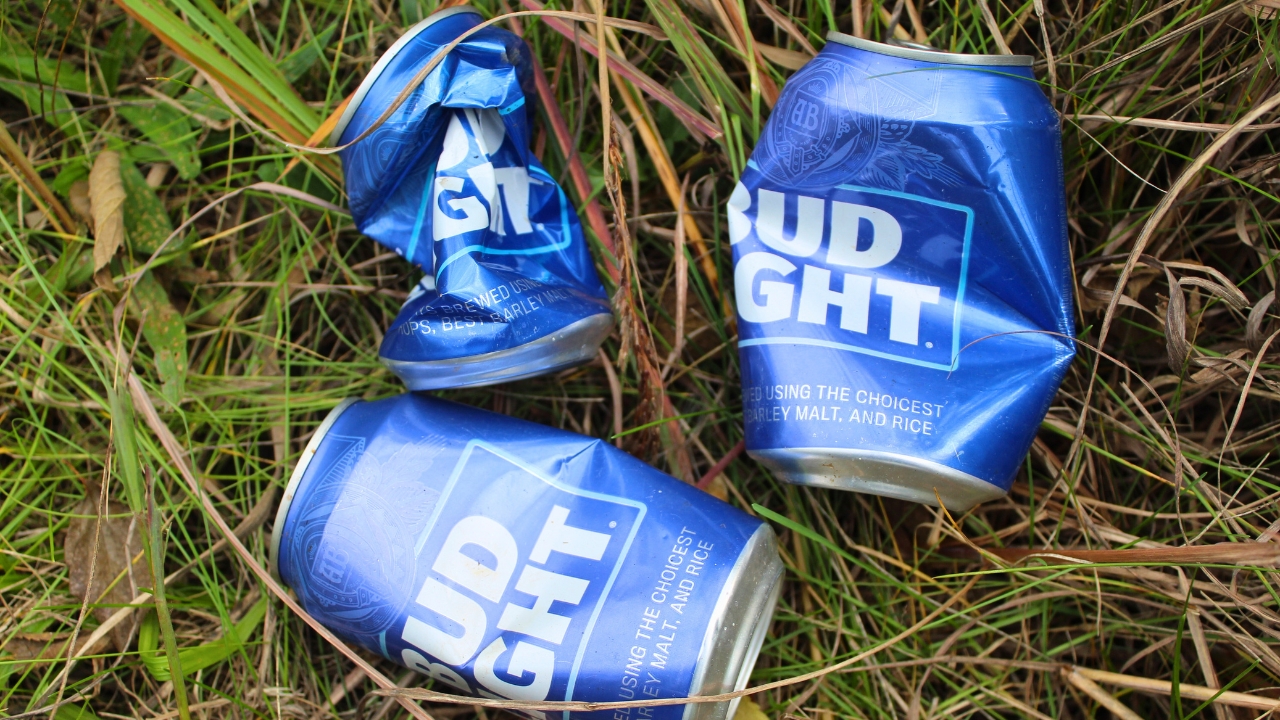
Nothing makes a camp feel sloppier faster than no clear plan for mess. Food wrappers end up wherever. Dirty cookware lingers too long. Wet towels sit where they fell. Trash bags are missing, half full, ripped, or never placed where they need to be. Then the camp starts smelling off, attracting attention from bugs or animals, and feeling more cluttered every hour because nobody made cleanup part of the setup in the first place. It all gets pushed into “later” until later becomes one more job nobody wants at the end of the day.
A good camp holds up because it includes the unglamorous parts too. Real function is not just shelter and fire. It is cleanup, order, waste, and keeping little messes from becoming bigger ones. The man who skips that planning is usually the same man surprised when camp starts feeling gross, crowded, or harder to live in by the second day. If basic cleanup has no place in the system, then the setup is not complete. It is just confident enough to ignore one of the things that makes camp livable.
Your whole system gets shaky when the temperature swings

A confident-but-thin camp setup almost always assumes the conditions will stay close to whatever they felt like during setup. Then the temperature drops harder after sunset or climbs quicker after sunrise, and suddenly nobody is quite dressed right, bedding feels wrong, shade matters more, and the camp starts reacting instead of operating. That is what happens when a man builds for the moment instead of for the range of conditions that camp life usually runs through.
Men with real camp sense do not need perfect forecasts to think this way. They just know conditions move, especially overnight and early morning. So they stage layers, think through ventilation, plan for warmth, and leave themselves room to adjust. The weak setup always feels one step late because it was built around the most comfortable version of the day, not the full one. If your camp functions well only inside a narrow comfort band, then it was built with confidence and convenience—not with enough field sense to carry through a real night outside.
You’re still “finishing camp” when everyone else should be relaxing

One of the clearest signs the setup had more confidence than substance is when camp never quite gets done. People should reach a point where the core work is handled and the evening can settle down. But in a shaky setup, there is always one more thing. Still tensioning tarps. Still moving gear. Still fixing the light situation. Still figuring out where food goes. Still reorganizing the sleep area. Still solving something that should have been solved before dark. Camp never reaches that settled feeling because the original setup never had enough thought behind it to let the work end cleanly.
That constant unfinished state drags on morale more than people realize. Outdoors, a good camp gives back to the trip. It becomes the place where effort eases off and the pace changes. A weak camp keeps demanding more because it was built too fast, too shallow, or too casually to support the people inside it. If a man is always one more adjustment away from camp feeling right, he probably was not building from experience. He was building from confidence and hoping reality would fill in the gaps.
Like The Avid Outdoorsman’s content? Subscribe to our newsletter so you never miss an article.
Here’s more from us: