
Photo credit: Krasula/Shutterstock.com
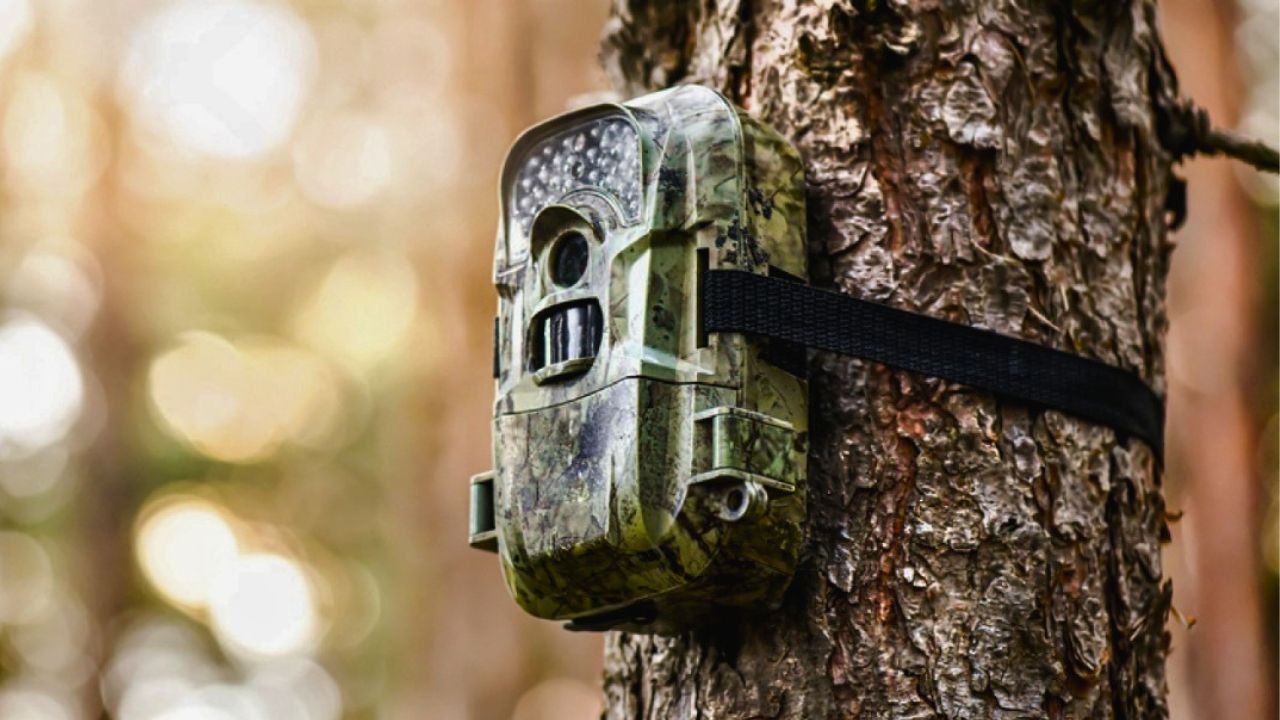
Trail cameras can cause more bad blood on public land than almost anything hanging in the woods. A camera seems harmless enough. It’s just a small box strapped to a tree, watching a trail, scrape, crossing, or food source. But once hunters start using cameras to mark “their” areas, keep tabs on other hunters, or prove they’ve been scouting a spot, things can get tense fast.
The dispute usually starts small. Someone finds a camera near a stand. Someone believes another hunter moved one. Someone gets caught on camera walking through an area. Someone thinks a camera is pointed at the trail on purpose to watch people instead of deer. Before long, what should be a scouting tool turns into an argument over space, privacy, pressure, and who has the right to hunt a certain piece of public ground.
A camera does not reserve the area
This is where a lot of hunters get sideways. Hanging a trail camera on public land does not give you ownership of that ridge, trail, scrape, funnel, or creek crossing. It means you found a spot and wanted information. That’s it. Another hunter can still legally walk through the area, scout nearby, or hunt the same general section if the property rules allow it.
That doesn’t mean crowding someone’s camera is always respectful. If you find another hunter’s camera and intentionally set up right on top of it, most hunters are going to see that as poor form. But the camera itself is not a claim marker. Public land is shared, and the sooner hunters accept that, the fewer arguments start over a plastic box on a tree.
Don’t touch a camera that isn’t yours
If you find someone else’s camera, leave it alone. Don’t turn it around. Don’t open it. Don’t check the card. Don’t move it. Don’t take it down because you think it’s too close to where you wanted to hunt. Touching another hunter’s gear is one of the fastest ways to turn an ordinary public-land overlap into a serious problem.
Even if the camera annoys you, it is still someone else’s property. If you believe it is placed illegally, violating property rules, or being used in a way that crosses a line, document it safely and report it to the proper land manager or wildlife agency. Don’t make yourself the problem by putting your hands on it. That one decision can make you look worse than the person who hung it.
Know the camera rules for that property
Trail camera rules vary a lot depending on the state, wildlife area, refuge, timber company land, or specific public property. Some places allow them with no issue. Some require name and contact information. Some restrict how long they can stay up. Some ban cellular cameras during certain seasons. Some ban cameras entirely on certain lands.
Before you hang a camera, read the current rules for that property. Don’t assume last year’s rules still apply, and don’t assume one public area follows the same rule as another. If you’re going to use cameras as part of your scouting, it’s your job to know where they’re allowed, how they must be marked, and when they need to come down.
Be careful where you point it
A trail camera aimed at a deer trail is one thing. A trail camera pointed directly at a parking area, access gate, campsite, restroom, or obvious footpath can make people uncomfortable fast. Even if your intent is innocent, other hunters may feel like you’re trying to watch them more than the wildlife.
Think about what the camera is actually capturing. If it’s on public land, people are going to walk through. That’s normal. But don’t set your camera in a way that seems designed to monitor other users. It’s better to angle it toward game movement, scrapes, crossings, or pinch points where wildlife is the main target. Good placement keeps the focus where it belongs.
Finding yourself on someone’s camera is not a crime
A lot of hunters get irritated when they realize they’ve walked past another person’s camera. It can feel like being watched, especially if you didn’t know the camera was there until you saw the flash, noticed the strap, or found it later in daylight. That feeling is understandable, but on public land, walking past a legal camera is usually part of the deal.
Don’t overreact just because your picture may be on someone else’s SD card or cellular app. If the camera is legally placed and aimed at a trail or deer sign, you probably just crossed the same spot the camera owner was scouting. That does not mean they were targeting you. Public land creates overlap. Cameras simply make the overlap more obvious.
Don’t use camera photos to start a feud
Cell cameras can make hunters act strange. A picture hits the phone, a hunter sees another person walking through, and suddenly he’s mad from miles away. Then come the assumptions: the guy was stealing the spot, checking the camera, scouting too close, or intentionally ruining the hunt. Maybe. Or maybe he was simply walking through public land he had every right to access.
A photo rarely tells the whole story. Don’t build a whole grudge around one image. If someone is clearly tampering with gear, that’s different. Save the photo and report it. But if the picture shows a hunter passing through with his gear, take it for what it is: information. Public land pressure is part of the puzzle, not always a personal attack.
Don’t hang cameras right on top of someone else’s setup
If you find a stand, blind, or obvious active setup, think twice before hanging a camera right beside it. Legally, the answer may depend on the property. Ethically, it’s often a bad move. Even if you didn’t mean anything by it, the other hunter may read it as crowding, spying, or trying to claim the same exact spot.
There is a lot of ground out there. Move a little. Find another trail, another crossing, another edge, or another angle. You may still gather useful information without creating friction. A camera placed with some space shows you understand public-land manners. A camera strapped five yards from another man’s stand says something else.
Mark your camera properly if required
Some properties require trail cameras to be labeled with name, customer ID, conservation number, phone number, or other identifying information. If that rule applies, follow it. It may feel like a small detail, but it can matter if your camera is reported, lost, stolen, or questioned by a land manager.
Proper marking also shows you’re not trying to hide from the rules. A legally placed, properly labeled camera is easier to defend if someone complains. An unmarked camera in a place with clear marking requirements can create problems for you, even if your intentions were fine. Public land has enough friction already. Don’t invite more by skipping simple rules.
Use cameras for information, not control
A trail camera should help you understand deer movement, hunter pressure, daylight activity, and travel patterns. It should not become your way of policing the woods. If you start using cameras to track every hunter who passes, confront people over photos, or claim certain trails as yours because you’ve been watching them, you’re using the tool wrong.
Good hunters use information to adapt. If a camera shows heavy pressure, they shift. If deer move at night, they adjust. If another hunter is using the same access, they make a new plan. Bad hunters use camera photos as fuel for arguments. Don’t be that guy. The camera is there to help your hunt, not feed your ego.
Have a plan for theft or damage
Trail camera theft happens. So does damage from weather, animals, falling limbs, and occasionally other people. If you put a camera on public land, understand that risk before you hang it. Use a lock box or cable if allowed. Choose locations carefully. Avoid putting your most expensive camera in the most obvious spot off a main trail.
If a camera disappears or gets damaged, don’t immediately accuse the first hunter you saw nearby. Gather what information you have. Check whether the camera could have been removed by a land manager for rule violations. If you have proof of theft or tampering, report it. If you don’t, be careful with accusations. A missing camera is frustrating, but guessing wrong can start a fight with the wrong person.
Don’t let a camera dispute ruin the bigger picture
A trail camera can help, but it is not the whole hunt. Too many hunters let cameras take over their thinking. They obsess over who walked by, who found the spot, who touched what, and who might be hunting “their” buck. Meanwhile, they stop reading sign, watching wind, and adapting to pressure.
On public land, cameras are useful tools, but they are also magnets for conflict when hunters forget what they are. Hang them legally, place them respectfully, leave other people’s gear alone, and don’t use photos as an excuse to start a feud. The woods are already crowded enough. A little restraint around trail cameras can save a season from turning into a pointless argument.
Like The Avid Outdoorsman’s content? Be sure to follow us.
Here’s more from us:


