Image Credit: Lucky Gunner Ammo/YouTube.
The .22 cartridge is like an old friend in the world of firearms. It’s affordable, easy to handle, and endlessly versatile. Whether you’re plinking cans off a fence post or hunting small game, the .22 is likely the first round you’ll turn to.
But here’s the deal—if you’re new to shooting, there are a few things about .22 ammo that might trip you up. Let’s break it down, so you can avoid rookie mistakes and enjoy this classic round to its fullest.
A Look Back at the History of the .22 Cartridge
If you think the .22 is just another round, think again. This little cartridge has been around since the 1850s, starting with the .22 BB Cap. Back then, it was designed for low-powered target shooting, but it’s come a long way. By the 1870s, we had the .22 Long, and not long after that, the .22 Long Rifle (LR) was born. The .22 LR has become the gold standard for everything from plinking to pest control.
The .22’s longevity is no accident. Its design has adapted over time to meet the needs of shooters everywhere. When you load up a .22 LR, you’re using a piece of history that’s still one of the most popular cartridges in the world. Pretty cool, right?
.22 Long vs. .22 Long Rifle: What’s the Difference?
Here’s a common mix-up I see all the time: people think .22 Long and .22 Long Rifle are the same thing. They’re not. The .22 Long has a longer case than the .22 Short and uses the same 29-grain bullet, but it’s not as powerful or as common as the .22 LR.
Most firearms today are designed for .22 LR. It’s got a heavier bullet, more punch, and is far more reliable in modern guns, especially semi-automatics. If you try using .22 Long in a semi-auto, you’re probably setting yourself up for frustration with jams or misfires. Stick with .22 LR unless you’re shooting an older rifle or revolver that can handle the .22 Long.
Why Ammo Choice Matters for Semi-Automatics
Here’s the thing about semi-autos: they’re picky eaters. If you’re using a semi-automatic .22, you’ll need high-velocity ammo to make it cycle properly.
Semi-autos rely on the energy from the cartridge to operate the action, and low-powered rounds just don’t cut it. Trust me, nothing’s more frustrating than constant jams when you’re trying to enjoy your day at the range.
For bolt-action rifles or revolvers, though, it’s a different story. These firearms don’t depend on the cartridge’s energy to function, so they can handle lower-velocity ammo just fine. Knowing the quirks of your firearm will save you a lot of headaches—and probably some money on wasted ammo.
The Many Faces of .22 Ammo
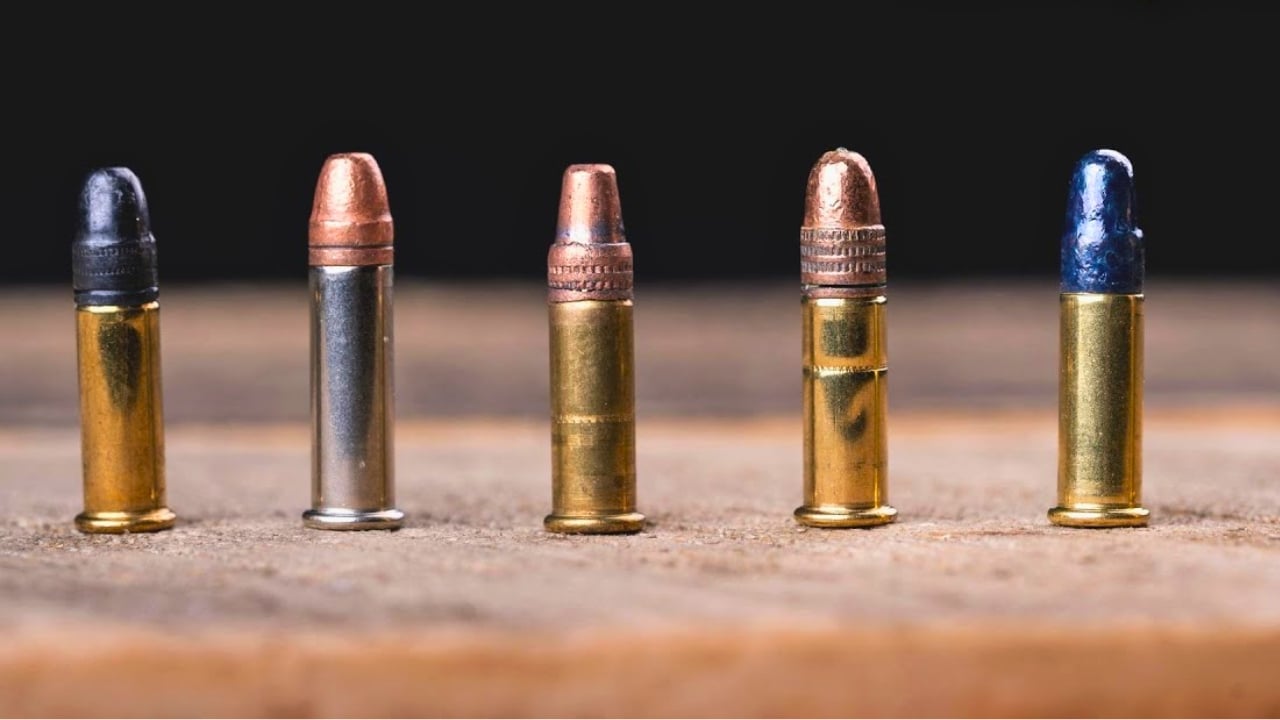
Did you know the .22 comes in more flavors than just .22 LR? You’ve got .22 Short, .22 CB Cap, and even .22 Colibri. Each serves a purpose. Low-velocity rounds are almost whisper-quiet and perfect for indoor practice or dealing with pests.
But heads up: these rounds won’t cycle in semi-automatics and can sometimes get stuck in rifle barrels. Always check your gun’s manual to be sure.
On the other hand, hyper-velocity rounds are built for speed, reaching up to 1,600 feet per second. These are great for small-game hunting or when you need that extra bit of power. With so many options, it’s worth experimenting to find what works best for your needs.
The .22 Magnum Dilemma
Here’s a question I hear a lot: Can I use .22 LR in a .22 Magnum firearm? The short answer? Nope. While the bullets are close in diameter, the .22 Magnum casing is larger and won’t fit properly in a .22 LR chamber. Some revolvers have interchangeable cylinders that let you use both, but that’s a special case.
Trying to force a .22 LR into a .22 Magnum chamber can damage your gun or cause malfunctions. Play it safe and stick to the ammo your firearm is designed for. The barrel markings will usually tell you exactly what it’s chambered for.
Why the .22 Remains a Favorite
There’s a reason the .22 LR has stuck around for so long. It’s cheap, easy to find, and works for just about anything. For new shooters, it’s a no-brainer. The low recoil and quiet report make it a confidence-builder, while experienced marksmen appreciate its precision and affordability.
If you’re just starting out, learning the ins and outs of .22 ammo will make your time at the range or in the field a lot more enjoyable. The more you know about your ammo and your firearm, the better your shooting experience will be. And if you ever find yourself digging into the history of the .22, you’ll have even more reasons to appreciate this classic cartridge.
*This article was created with the assistance of AI.