Photo credit: Dmitri T/Shutterstock.com
Few things expose a pistol’s real build quality faster than a long afternoon on the range. A gun may look tight in the display case and feel good in the shop, but a few boxes of ammo can reveal flaws that don’t show up anywhere else. Weak springs, soft parts, inconsistent machining, and poorly tested designs often start to surface once the gun heats up and carbon builds. When a pistol loses reliability early, it’s rarely a maintenance issue—it’s usually a design problem that becomes obvious only after a couple hundred rounds.
Kimber Micro 9

The Kimber Micro 9 is compact, sharp-looking, and comfortable to carry, but long shooting sessions expose how sensitive it is to fouling and spring wear. After a few boxes of ammo, you’ll often notice sluggish slide movement or failures to return to battery. The recoil system is small and works hard, which means it doesn’t tolerate carbon buildup well.
It’s also selective about ammunition, especially with defensive loads. While it performs nicely when clean, it doesn’t take much shooting before things tighten up and reliability dips. For a carry gun, that kind of early fatigue becomes hard to overlook.
Taurus G2S
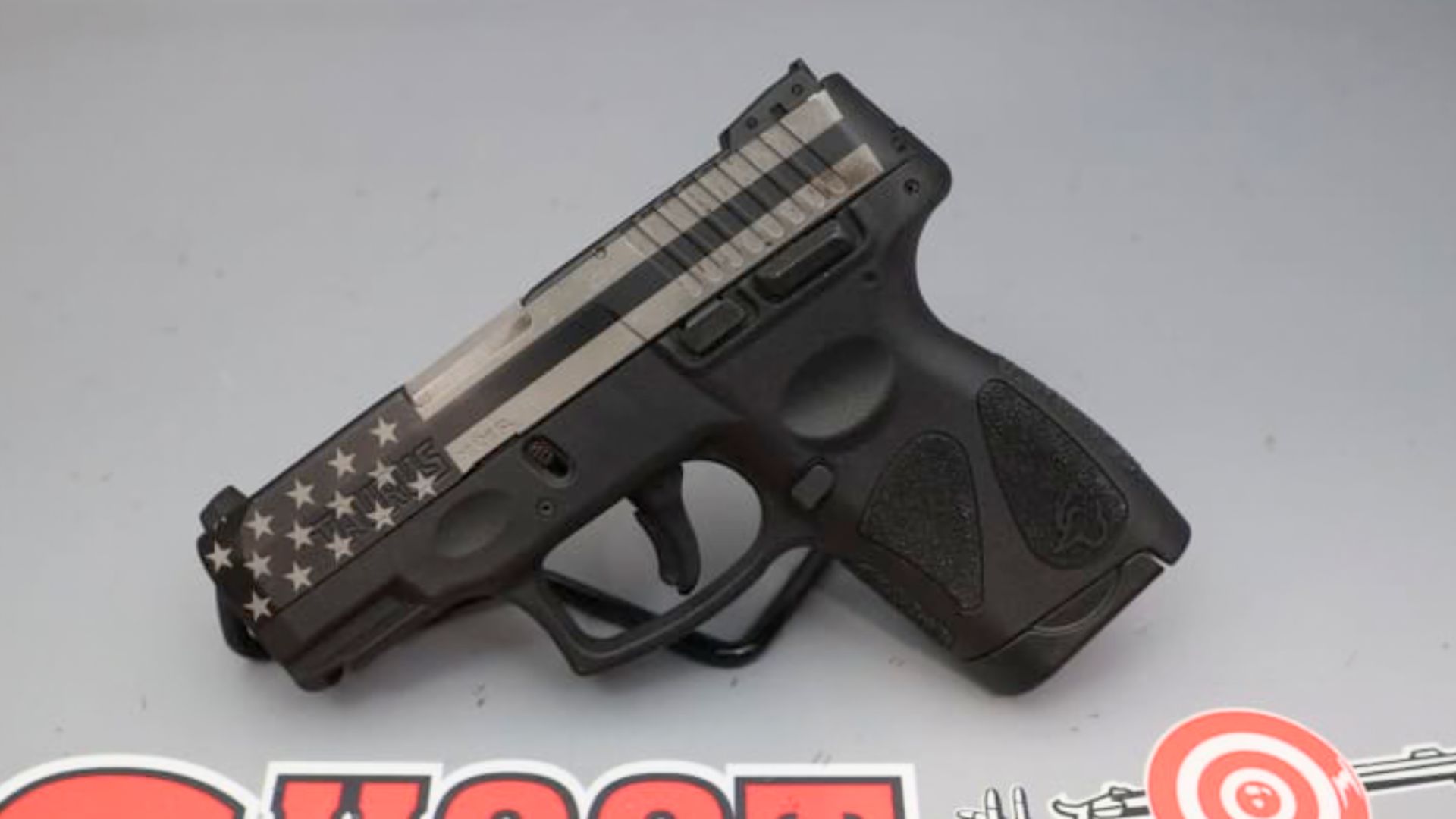
The Taurus G2S is appealing because of its price and size, but extended shooting makes its shortcomings more apparent. The trigger bar and striker interaction can get gritty quickly, causing inconsistent ignition or light strikes. You may also see magazine-related issues once springs start settling in.
The pistol does run well for some shooters, yet others report early wear in the slide rails or extractor. These aren’t catastrophic problems, but they show a design pushed to hit a low price point. After a few boxes of ammo, the weak spots start revealing themselves.
SCCY CPX-2

The SCCY CPX-2 is lightweight and easy to carry, but its long, heavy trigger pull and budget internals begin working against it once you start running it consistently. Many shooters notice early failures to extract or feed, especially as carbon builds in the chamber.
The polymer frame flexes more than expected under recoil, and that movement can affect how reliably the slide cycles. It’s not unusable, but after a few range trips it becomes clear the pistol was built around affordability first. The gun demands frequent cleaning to keep behaving, which isn’t ideal for defensive use.
Remington R51 (Gen 1 and Many Gen 2)

The Remington R51 had an ambitious design, but extended shooting exposes recurring reliability problems. After a few boxes, the hesitation lock system often starts showing timing issues, leading to feeding failures and erratic extraction. The gun also heats up fast, and the frame-channel surfaces wear oddly.
Even in improved versions, the gun tends to feel inconsistent once it gets dirty. Accuracy is fine, but the mechanical cycle becomes unpredictable under real use. Many owners found the pistol charming at first, only to lose confidence once they pushed past the first hundred rounds.
Kahr CW380

The Kahr CW380 is wonderfully small, but it requires a long break-in period that doesn’t inspire faith. After a few boxes, you’ll often see failures to feed or return to battery, especially if the gun isn’t kept perfectly lubricated. The slide is tiny, and the recoil spring assembly works hard with every cycle.
Those stresses show up early. The extractor can lose tension, and the gun becomes highly dependent on ammunition type. It’s a capable deep-concealment pistol, but it exposes its limitations quickly once you start shooting it like a primary.
Honor Defense Honor Guard
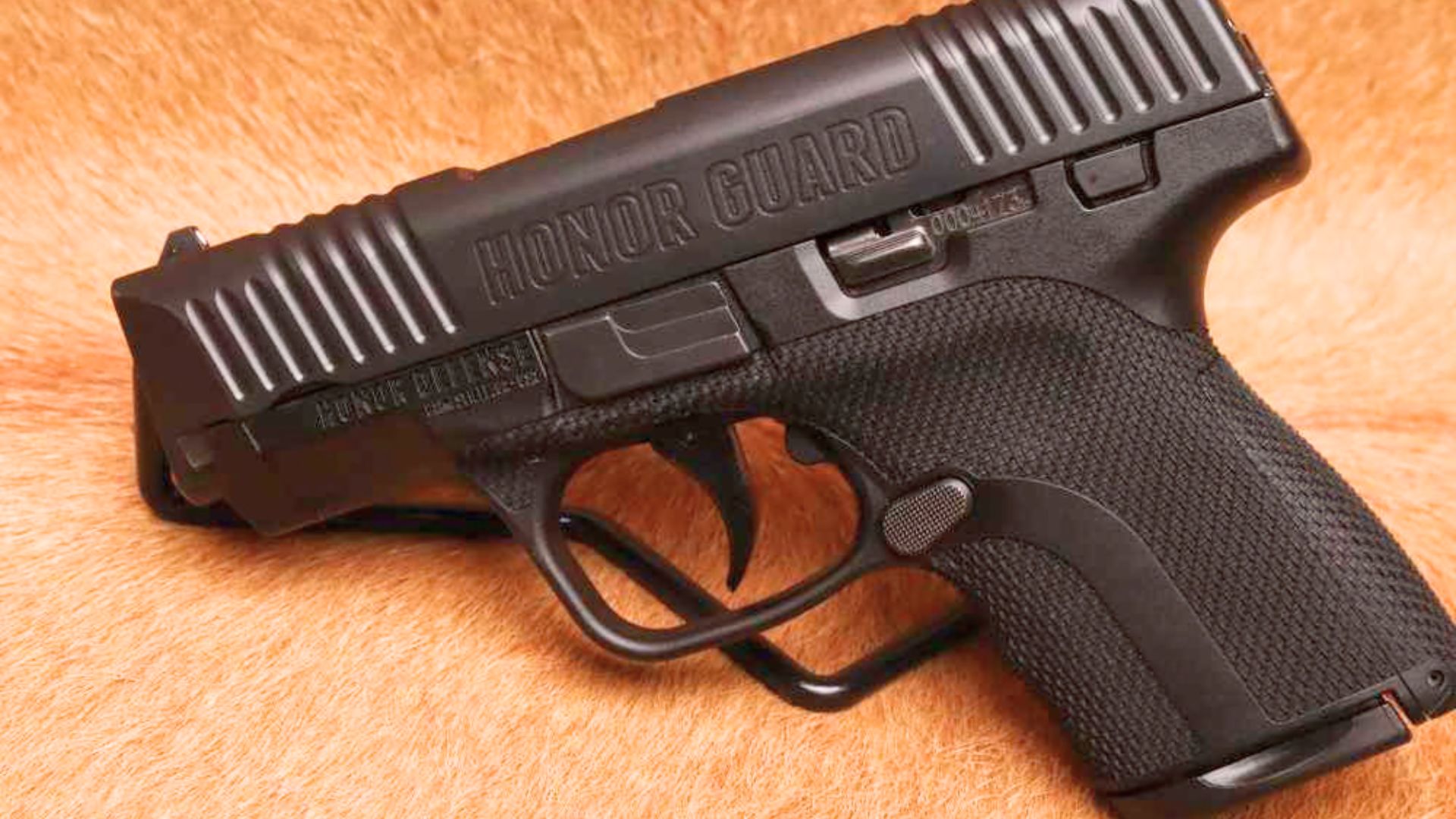
The Honor Guard had good intentions behind it, but the pistol reveals durability and consistency shortcomings once it gets some real range time. The trigger system can feel inconsistent as parts wear in, and extraction issues show up faster than they should.
It’s not unsafe or unusable—just not built with the refinement needed for heavy use. After a few boxes, tolerances loosen in ways you can feel in the slide-to-frame fit. You can clean and tune it, but the underlying design fatigue still shows through.
Ruger LC380
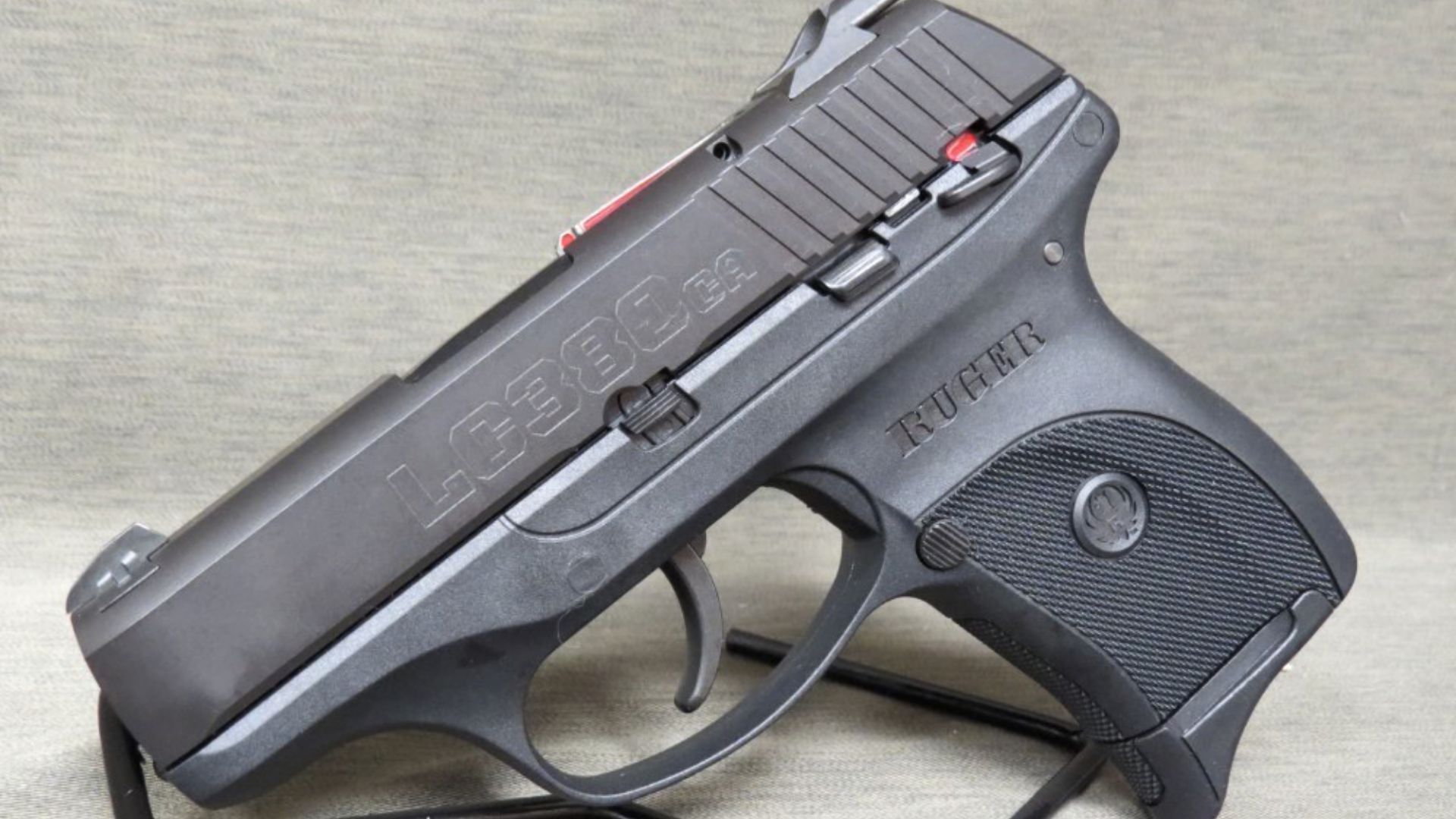
The Ruger LC380 is soft-shooting and easy to handle, yet it starts to show reliability quirks after moderate shooting. The recoil spring assembly and lightweight slide don’t always play nicely with hotter defensive loads, and feeding issues appear once the gun gets warm.
The design works for mild-range use, but the more you shoot it, the more obvious it becomes that the pistol wasn’t meant for frequent, heavy use. After a few boxes of ammo, you may find yourself clearing malfunctions more than you’d expect from a Ruger.
Walther CCP M1

The CCP M1 brought a unique piston system to the carry market, but extended shooting exposes its quirks. Once the gun heats up, carbon can cause the system to drag, slowing the slide and causing failures to feed. Some shooters also see striker drag and inconsistent resets as parts warm.
Walther improved this in the M2 version, but the M1 still shows early fatigue when pushed. You can keep it alive with cleaning and lubrication, but a pistol meant for defense shouldn’t stumble after a couple hundred rounds.
KelTec PF9
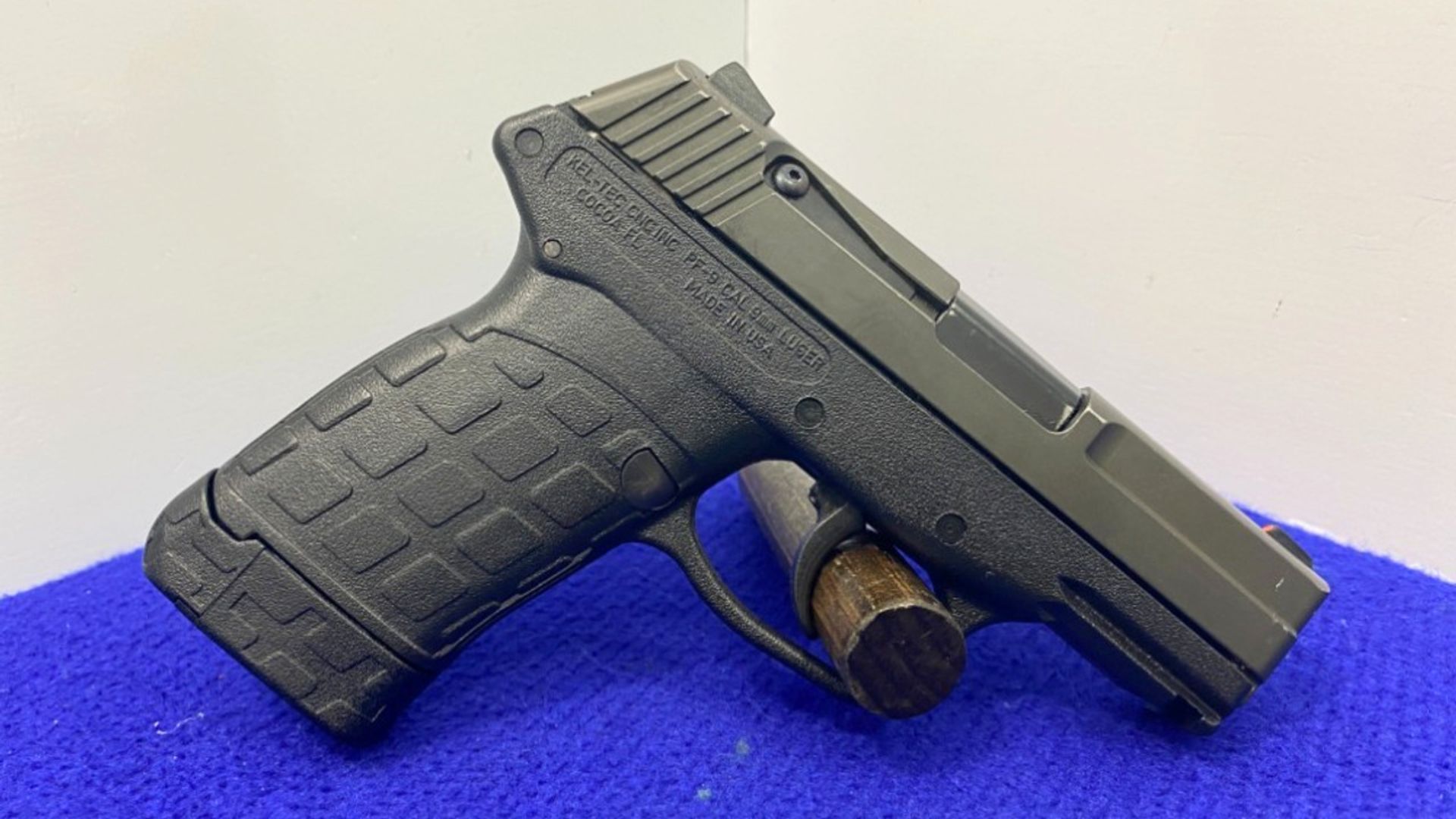
The KelTec PF9 is impressively thin and lightweight, but its minimalist design struggles with volume shooting. After a few boxes, the frame pins loosen, the magazine catch wears quickly, and you may see the slide outrunning the magazine under recoil.
It was designed for deep carry, not high-mileage shooting. The gun can work well for its intended purpose, yet it becomes clear early on that comfort and durability were traded for extreme lightness. If you push it hard, it starts showing that compromise.
ATI FX45

The ATI FX45 is an affordable 1911, but extensive shooting reveals cost-cutting in the small parts. After a few boxes, sear surfaces can feel rougher, the extractor may lose tension, and the gun may start showing feeding issues without warning.
The platform is solid in theory, but the materials and finishing aren’t built for long sessions. Shooters often end up replacing internal components sooner than expected. Eventually you can get it tuned into a reliable pistol—but out of the box, early fatigue is common.
Bersa Thunder 380 Combat

The Bersa Thunder 380 Combat is a fun pistol with solid ergonomics, but once you start running it hard, the slide rails and recoil system show their limits. Heat affects its timing more than most blowback pistols, and you may see early stovepipes or failures to extract after a box or two.
It’s accurate and pleasant to shoot, but it’s not built for sustained volume. The design handles casual range use well but starts revealing weaknesses quickly under real testing.
Kimber Solo

The Kimber Solo has great aesthetics, but its reliability window is extremely narrow. After a few boxes of ammo—especially if you stray from specific high-quality loads—you’ll often see failures to feed. The steep feed geometry and stiff recoil spring assembly don’t handle variation well.
It also gets sensitive to fouling faster than most micro carry guns. Once it’s dirty, feeding issues appear rapidly. Even with meticulous care, the pistol exposes its fragile balance early in real-world use.
Taurus PT738 TCP
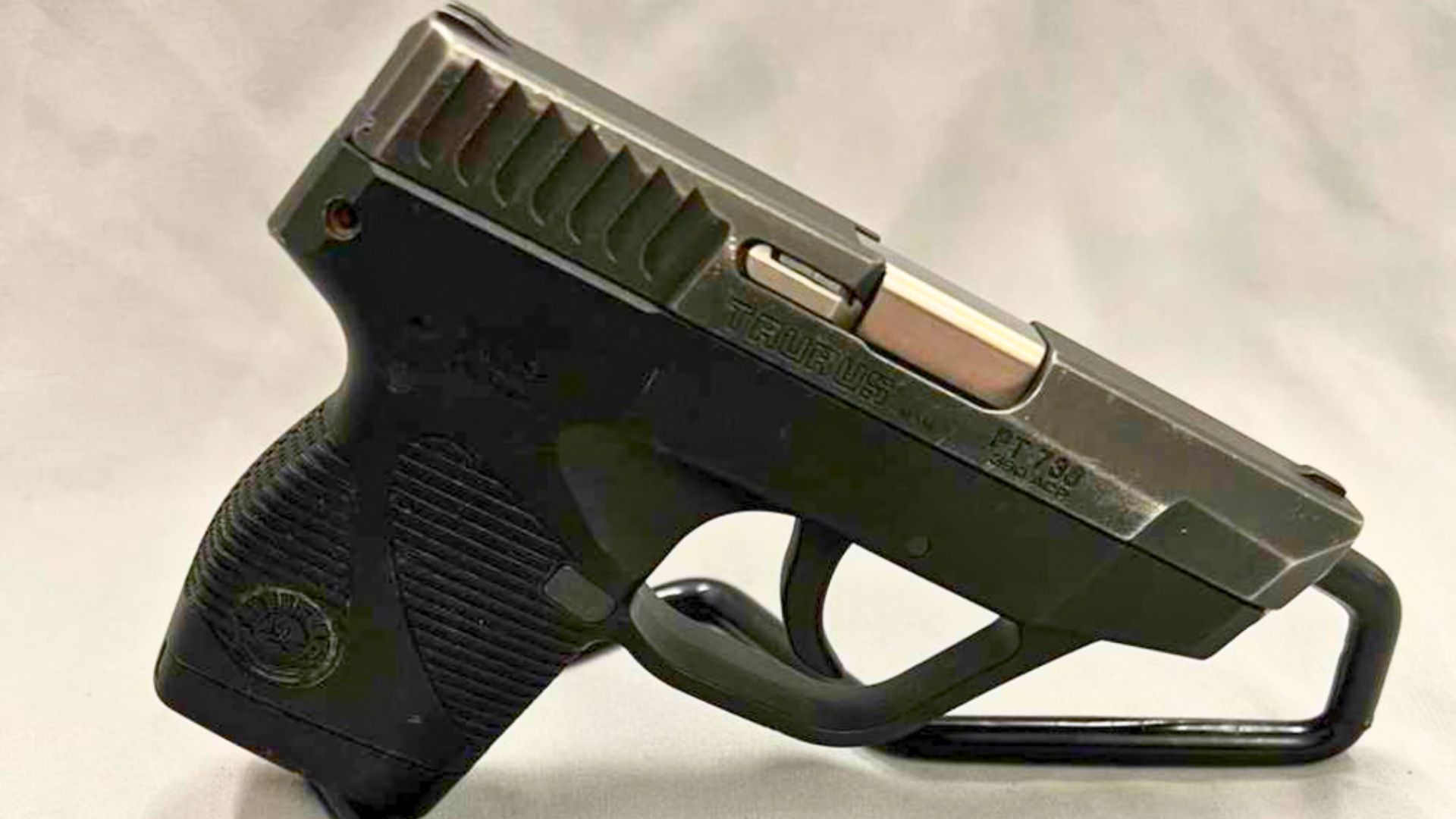
The PT738 TCP is light and manageable, but blowback-style .380 pistols already work hard, and extended use exposes how marginal the internals are. After a few boxes, the extractor may start slipping, magazines may fail to lock consistently, and cycling can become erratic.
It’s capable as a pocket gun, yet the design simply isn’t built for high-volume shooting. Its limitations show up sooner than in most competitors, and reliability tends to fall off quickly unless you stay ahead on maintenance.
Phoenix Arms HP22A
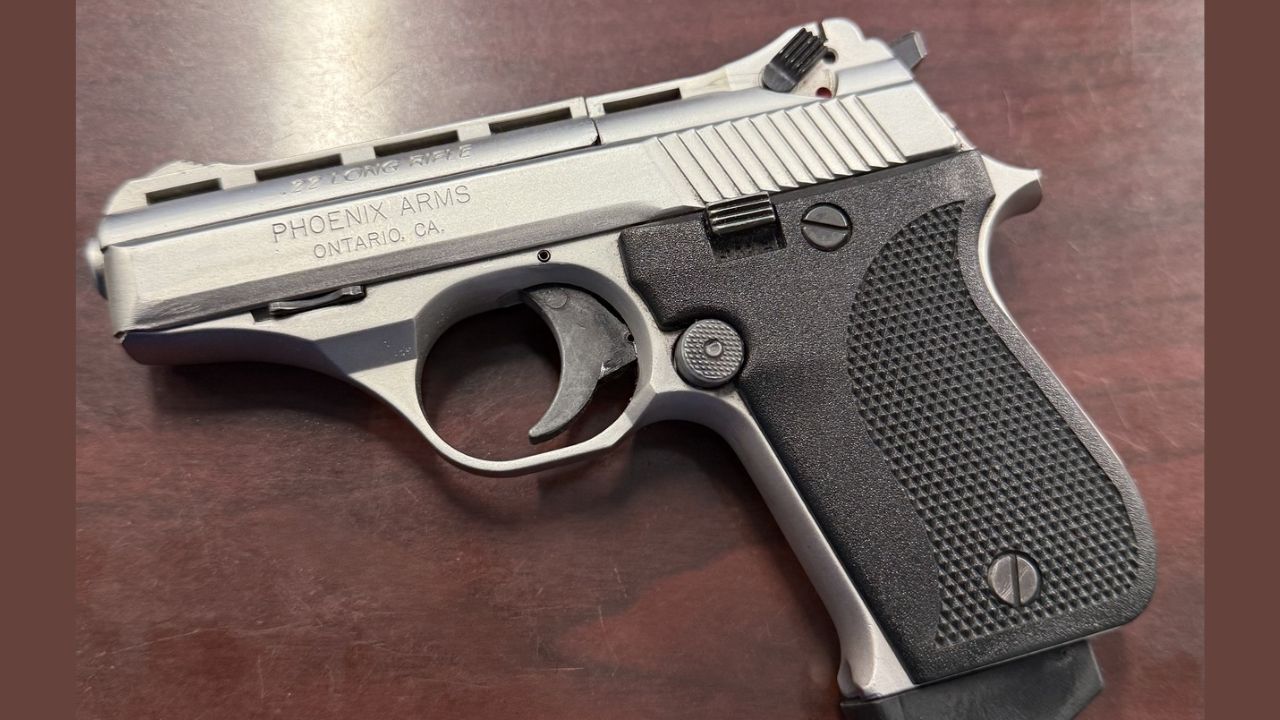
The HP22A is inexpensive and surprisingly accurate, but its zinc-alloy construction shows wear quickly. Extended shooting exposes how sensitive it is to ammunition and spring condition. Failures to eject and light strikes aren’t uncommon once it starts getting dirty.
It’s a fun plinker for slow-paced range trips, but it cannot sustain large round counts in short periods. Even with perfect upkeep, the design begins showing fatigue early.
Charter Arms Pitbull 9mm
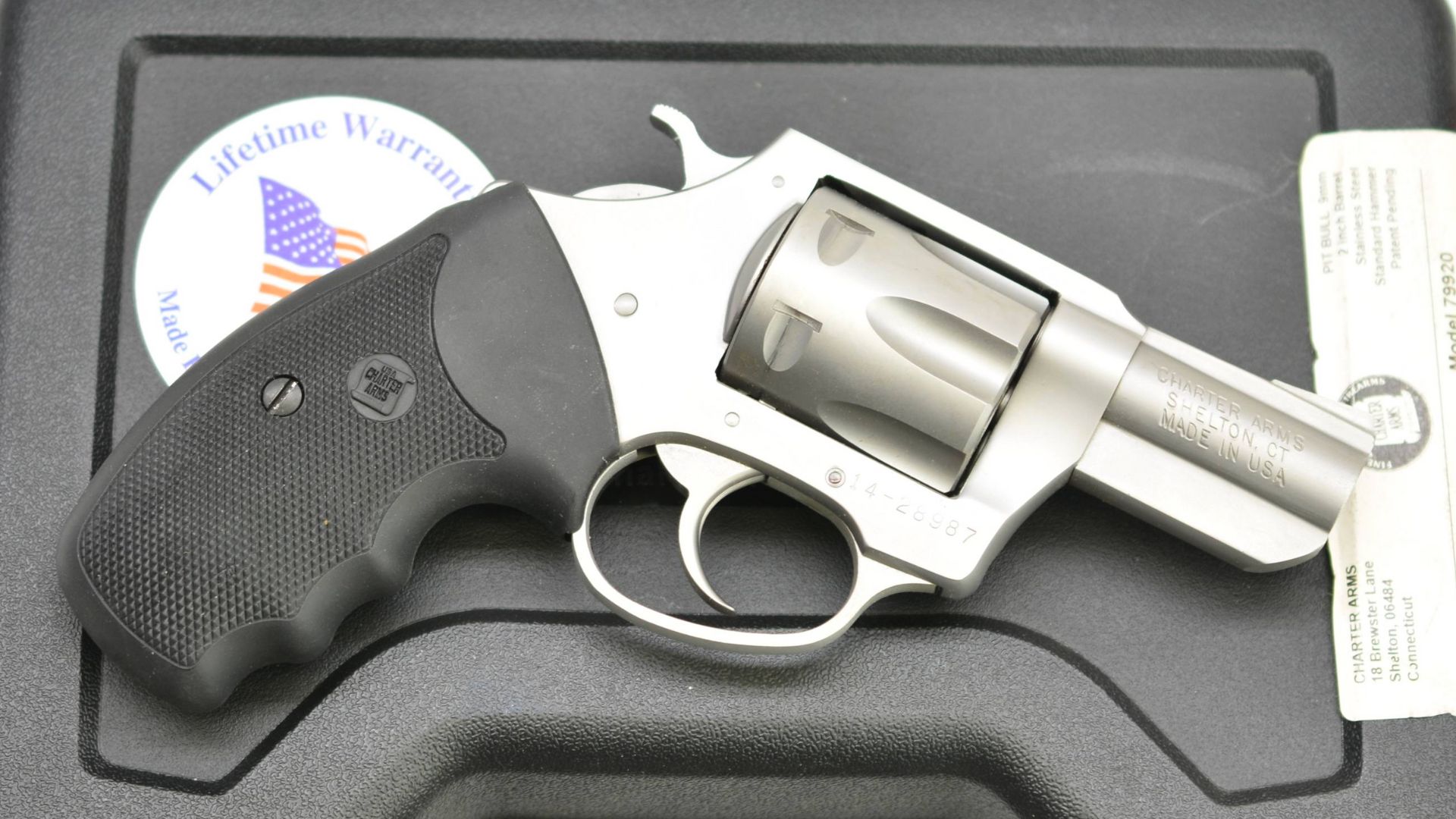
The Pitbull 9mm offers a clever rimless cartridge extraction system, but that same system becomes its weakness with extended use. After a few boxes of ammo, the extractor springs may weaken and cause slow or inconsistent extraction.
The revolver shoots comfortably, yet the unique mechanics introduce more wear points than a traditional rimmed-cartridge wheelgun. It works well early on, but regular range use shows that the extraction setup needs more refinement to hold up long-term.
Like The Avid Outdoorsman’s content? Subscribe to our newsletter so you never miss an article.
Here’s more from us: