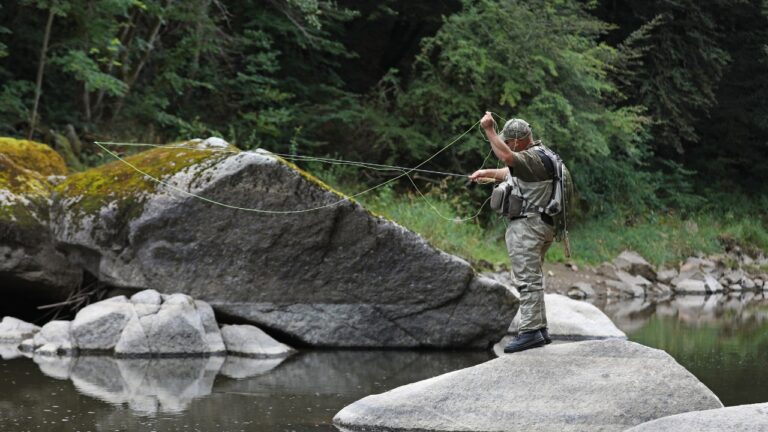
Photo credit: CSNafzger/Shutterstock.com
Choosing between fly fishing and spin fishing for catching trout is like picking the right tool for the job—it depends on what you’re working with. If you’ve spent any time on the water, you know that trout can be picky, unpredictable, and sometimes downright frustrating. That’s what makes deciding between these two methods so interesting. Both have their strengths, weaknesses, and their own kind of magic when it comes to hooking into those elusive fish.
Maybe you love the simplicity of casting a spinner or the challenge of matching the perfect fly to a rising trout. Or maybe you’re still figuring out which method suits you best. Either way, understanding how each approach stacks up can make all the difference in your success—and your enjoyment—on the water.
Spin Fishing
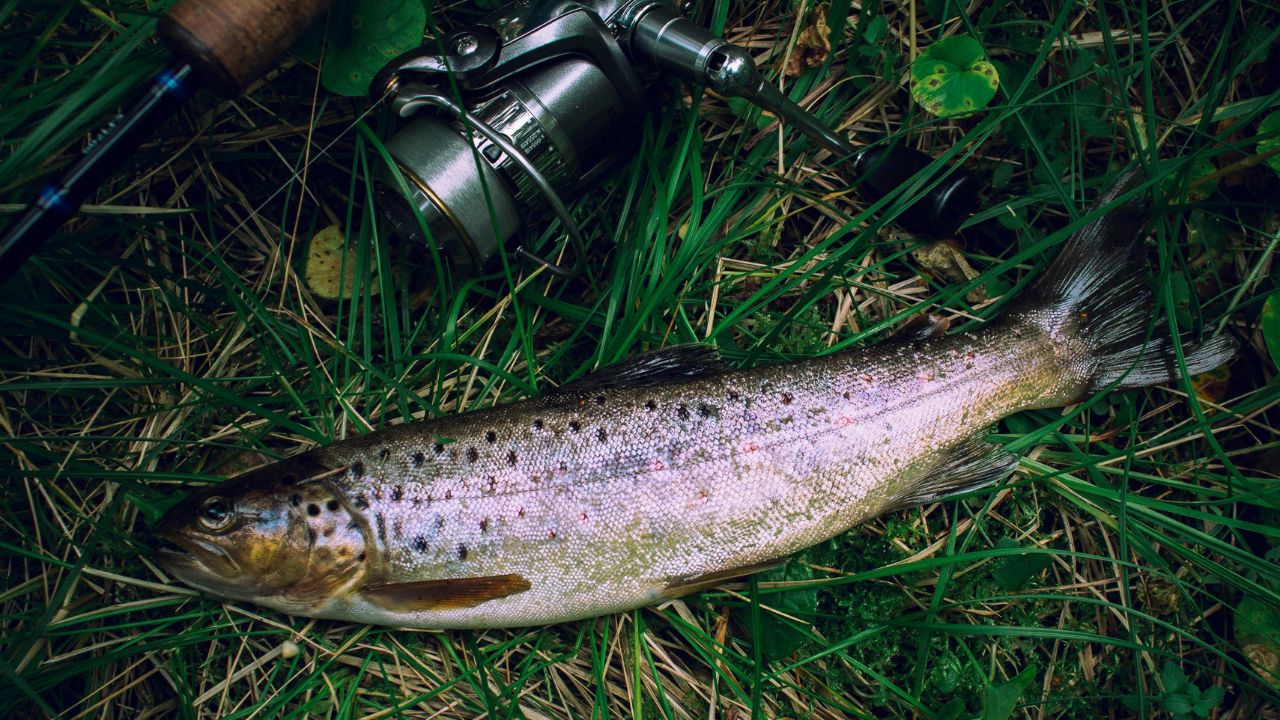
Spin fishing is a straightforward and practical choice, especially for those just getting into trout fishing. With its easy-to-master casting technique and ability to cover long distances, it’s perfect for working large sections of rivers and lakes. The spinning reel’s simplicity means less time fiddling with your gear and more time focusing on finding the fish. Plus, it’s excellent for accessing those tricky spots where trout love to hide, like under overhangs or in deeper pools.
The main draw of spin fishing is the use of spinners and lures that mimic baitfish or aquatic insects. They’re particularly effective for aggressive trout on the hunt. That said, it has its limits. Wild trout, often picky eaters, tend to prefer smaller insects, which spinning gear struggles to replicate. While spin fishing excels at covering water quickly and efficiently, it can fall short when finesse is needed to tempt more selective fish.
Fly Fishing
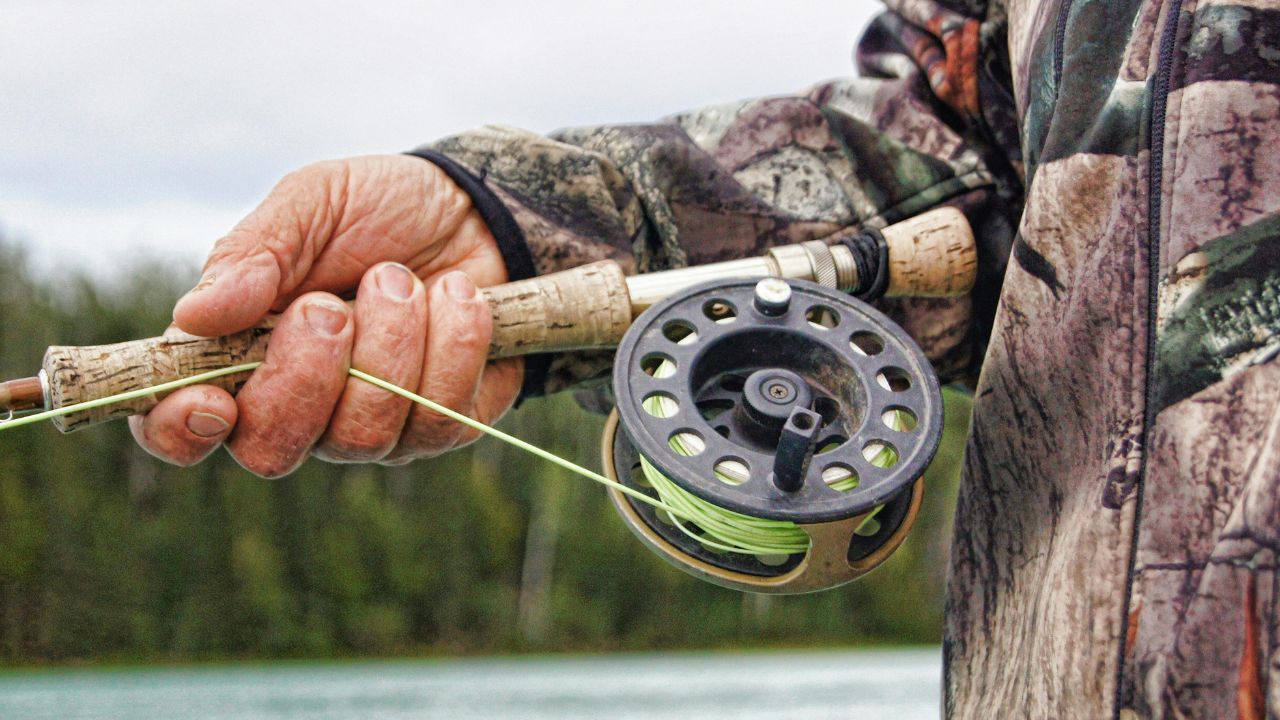
Fly fishing isn’t just a fishing technique—it’s an experience. It takes time and patience to get the hang of, but once you do, it opens a world of possibilities. Using fly rods, you can mimic a trout’s natural diet with unmatched precision. Whether you’re casting delicate dry flies to imitate insects on the surface or using nymphs to probe deeper runs, fly fishing lets you tailor your approach to what the trout are feeding on at any given moment.
The real magic of fly fishing lies in its versatility. It allows you to adapt to various conditions and trout behaviors, from matching a mayfly hatch to swinging streamers that imitate small fish. This adaptability makes it especially effective for wild or pressured trout that won’t fall for just anything. While it does require a bit of a learning curve, the satisfaction of outsmarting a wary trout makes every cast worth it.
Spin Fishing vs. Fly Fishing

When it comes to ease of entry, spin fishing takes the prize. It’s simple, straightforward, and lets you get a line in the water with minimal fuss. That’s why it’s such a favorite among beginners. You don’t need to master intricate techniques or spend hours researching; you can just grab your rod, tie on a lure, and start fishing.
Fly fishing, on the other hand, is a skill that takes dedication. Casting isn’t just about strength—it’s about timing and finesse. Then there’s the fly selection, which requires understanding what trout are eating and when. While this can feel overwhelming at first, many anglers find the process incredibly rewarding. It’s not just about catching fish—it’s about becoming part of the environment and understanding the rhythms of the water.
Which Method is More Effective?
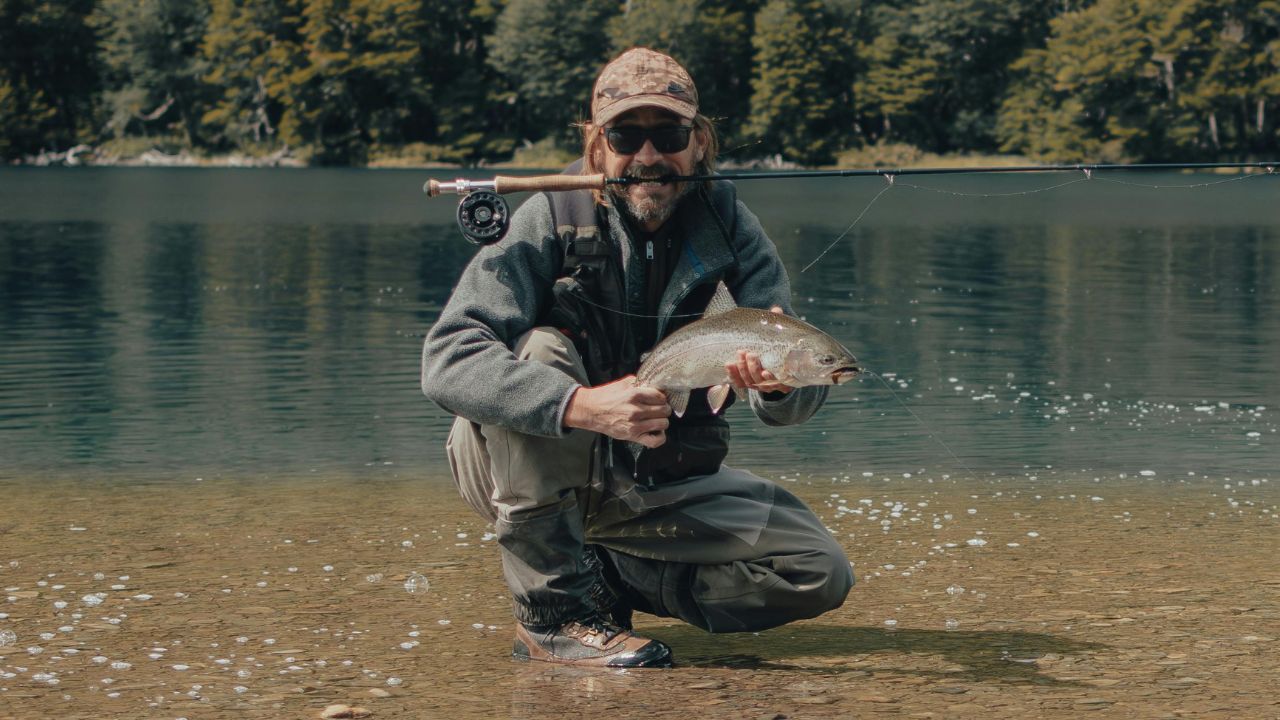
When it comes to catching trout, the effectiveness of each method depends on your target. Wild trout are often picky eaters, tuned into the insects and small creatures naturally found in their habitat. This is where fly fishing shines. A well-presented nymph or dry fly can mimic these food sources perfectly, giving you a distinct advantage.
For stocked trout, the story changes. These fish are typically less selective and more inclined to strike at a flashy spinner or lure. In these situations, spin fishing can be just as effective, if not more so, especially when you need to cover a lot of water quickly. Both methods have their strengths—it’s all about matching your approach to the trout you’re after.
Seasonal Adjustments for Trout Fishing
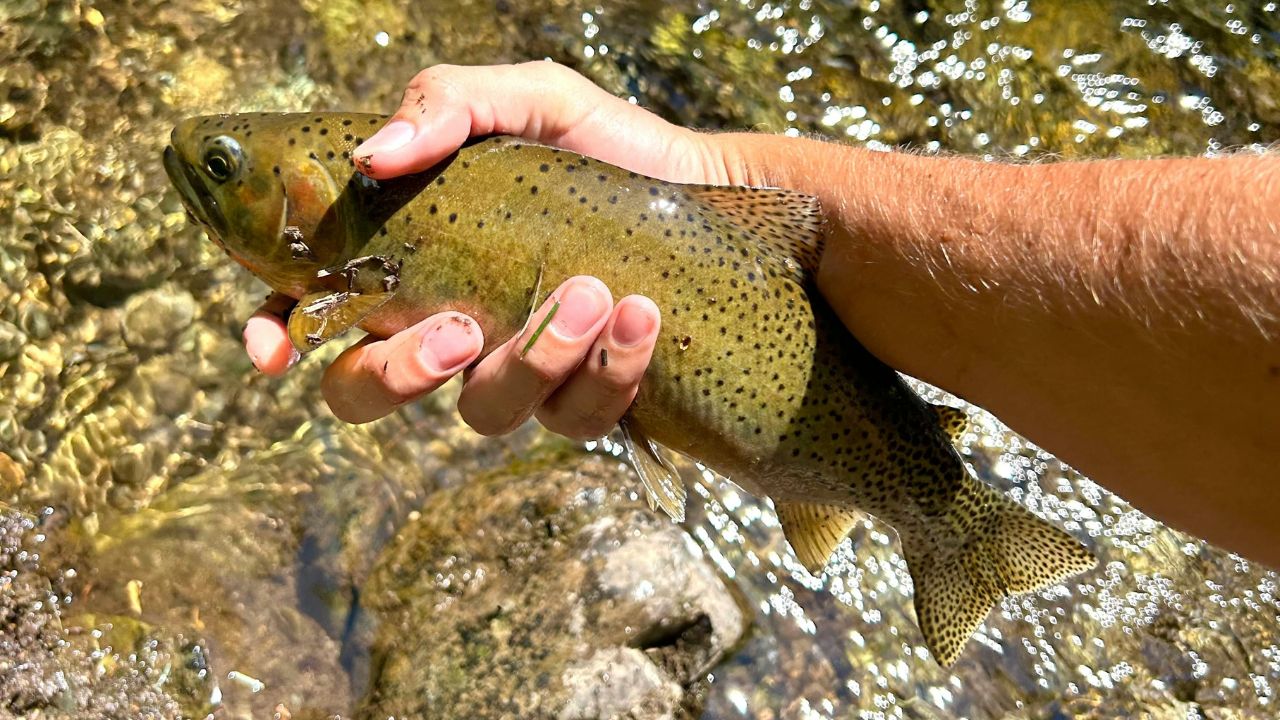
Seasons can make or break your fishing strategy, and knowing when to switch gears is key. In the winter months, trout slow down and stick to deeper pools, making fly fishing with nymphs a go-to method. The ability to drift a small nymph along the bottom with a fly rod often gets results when other techniques fall short. Come summer, when trout rise to snack on surface insects, dry flies take the spotlight, offering exciting topwater action.
Spin fishing is more of an all-season approach, but it does have its limits. When trout are keyed in on tiny hatches or feeding selectively, spin anglers can struggle to mimic those food sources effectively. While spinners and spoons work well for active fish, they’re not as versatile when trout have a one-track mind for specific bugs.
The Experience of Fly Fishing vs. Spin Fishing

Fly fishing isn’t just about catching trout; it’s about the process. The rhythmic motion of casting, the careful placement of a fly, and the satisfaction of fooling a fish with a lifelike imitation create an experience that feels almost artistic. It’s hands-on and engaging, keeping you connected to the water and the environment around you.
Spin fishing has its own charm, especially for anglers who enjoy a faster-paced day on the water. Covering ground quickly, casting into different pockets of water, and the thrill of a sudden strike make it exciting and accessible. While it may not have the same meditative feel as fly fishing, the efficiency and simplicity of spin fishing offer a different kind of satisfaction. Both approaches have their own rhythm—it’s just a matter of finding which one suits your style.
Wild Trout vs. Stocked Trout

Knowing whether you’re fishing for wild or stocked trout can make all the difference. Wild trout are usually picky and attuned to their natural environment, making them a better match for the subtlety of fly fishing. A well-placed dry fly or nymph mimicking their food sources often seals the deal. These trout demand precision, and fly fishing delivers it in spades.
Stocked trout, on the other hand, are typically less selective and more aggressive. Spinners and lures used in spin fishing tend to work wonders on these fish, as they’re less suspicious of artificial presentations. For a stocked pond or lake, spin fishing is often the most efficient way to catch your limit, especially when the fish are on the move.
Fly Fishing for Trophy Trout
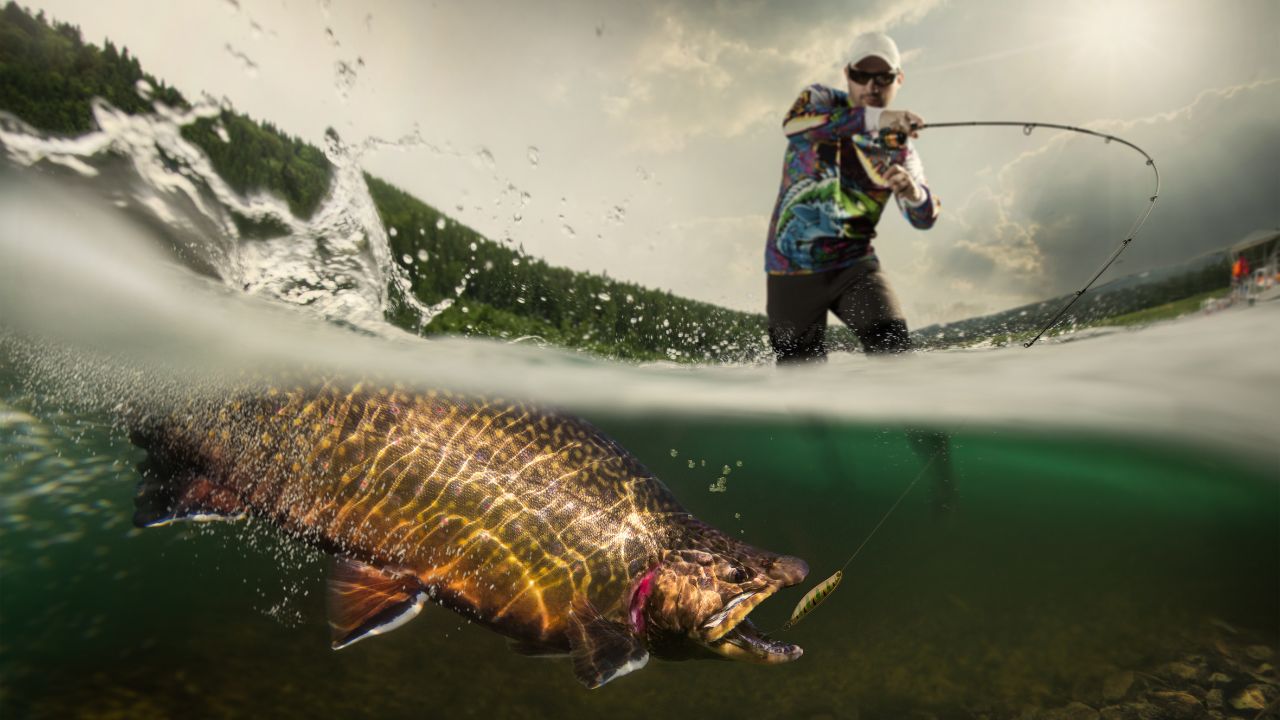
If your goal is to hook into a big, brag-worthy trout, fly fishing offers a significant advantage. Techniques like using double nymph rigs or swinging streamers allow you to present exactly what large trout are looking for—whether it’s a small insect drifting naturally or a baitfish imitating a quick snack. The versatility of fly gear means you can adapt to the behavior of bigger fish with ease.
Larger trout tend to be more cautious, and a flashy spinner might not always convince them to bite. A well-executed fly presentation, however, mimics their food perfectly and can be the key to landing that once-in-a-lifetime catch. Fly fishing’s ability to balance finesse with the strength needed for big fish makes it a go-to method for trophy hunters.
Versatility

Spin fishing is reliable, but it’s not always the most flexible approach. Spinners and lures work great for imitating baitfish or triggering aggressive strikes, but when trout are keyed in on tiny insects like midges or emergers, spin fishing often falls short. That’s where fly fishing steps in. Whether it’s casting dry flies to surface feeders, drifting nymphs along the bottom, or swinging streamers for bigger fish, fly fishing gives you a technique for nearly every scenario.
This adaptability makes fly fishing a game-changer in challenging conditions. When trout aren’t biting on the obvious options, switching to a fly that matches their natural food can turn your day around.
Gear

When it comes to gear, spin fishing setups are the budget-friendly option. A decent spinning rod and reel won’t break the bank, and maintenance is as simple as a quick rinse and occasional oiling. This makes it a great choice for beginners or anglers who want something straightforward and hassle-free.
Fly fishing gear, on the other hand, is an investment. Quality rods, reels, and lines can add up quickly, not to mention the flies and accessories you’ll need. But once you’ve got the hang of it, fly fishing gear opens up endless possibilities. From delicate presentations to tackling big water, the versatility and precision of fly gear make it worth the upfront cost for those who are serious about their trout fishing.
My Take on Fly Fishing and Spin Fishing

After years of using both methods, I can confidently say they each shine in their own way. Spin fishing is my go-to when I want to cover a lot of water or focus on stocked fish. It’s straightforward, efficient, and great for days when I just want to keep things simple. Fly fishing, though, has a special appeal. It’s unmatched when it comes to targeting wild trout or tailoring my approach to the specific conditions on the water.
The choice really comes down to what you’re after. If you’re new to fishing or want a quick and effective way to reel in trout, spin fishing is hard to beat. But if you’re ready to immerse yourself in the rhythm of the water and connect more deeply with the sport, fly fishing offers a rewarding challenge.
Like The Avid Outdoorsman’s content? Be sure to follow us.
Here’s more from us: