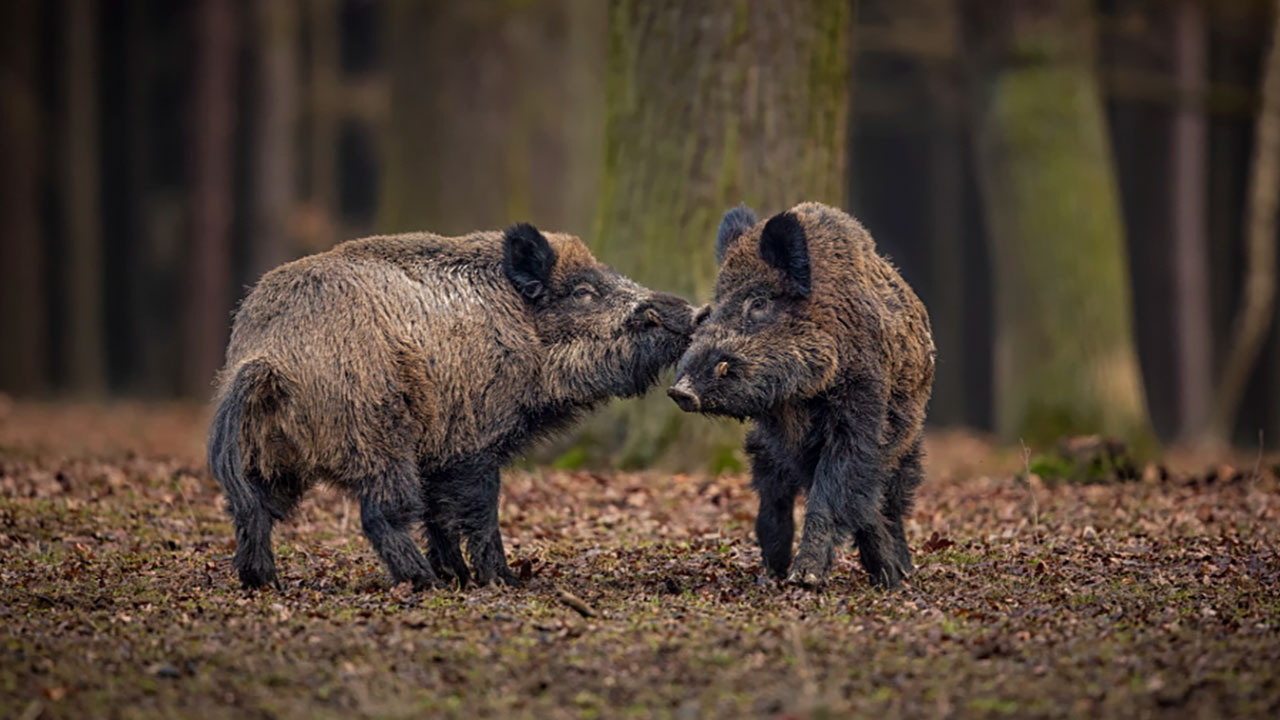
Photo credit: vladimircech/Freepik.com
Feral hogs are not some isolated backwoods problem anymore. USDA says feral swine are found in at least 35 states, and the agency estimates damage and control costs at about $2.5 billion a year in the U.S. agricultural sector alone. APHIS also says the animals damage crops, livestock, property, wetlands, waterways, and native habitat, which is why more states keep building control programs around them.
For landowners, the problem usually stops being abstract the minute a pasture gets rooted up, a hay field gets torn apart, a fence line gets tested, or a creek crossing turns into a mud pit. Some states are still trying to keep populations from spreading. Others are so deep into the fight that agencies are running trap-rental programs, exclusion-fence programs, watershed-by-watershed elimination plans, or special landowner assistance efforts. These are 15 states where the damage has become hard to shrug off.
Texas

Texas still feels like the center of the feral hog problem, and the numbers back that up. Texas A&M’s Natural Resources Institute says 2024 agricultural losses from feral pig activity in Texas exceeded $670 million, while landowners across the state were spending more than $130 million in control costs. Texas A&M also notes that the problem reaches beyond big ranch country and affects small-acreage and metropolitan-area landowners too.
That matters because once a problem shows up in row-crop country, cattle country, suburban edges, and small properties all at the same time, it stops being somebody else’s issue. In Texas, landowners are not just dealing with occasional sightings. They are dealing with a destructive animal that breeds fast, adapts well, and keeps finding fresh places to cause trouble. When the state with the biggest feral pig reputation is still talking about climbing losses and rising control costs, that tells you the problem is not leveling off.
Louisiana

Louisiana belongs high on this list because the state is dealing with both scale and spread. The Louisiana Department of Wildlife and Fisheries says feral hogs are found in all 64 parishes, with a population currently estimated at 700,000. The agency also notes that because of the hogs’ reproductive rate, roughly 70% to 75% of the population has to be harvested just to control numbers, and current harvest is less than half that, meaning populations are still growing.
That is the kind of math landowners hate hearing, because it means hard work does not always equal real progress. LSU AgCenter has also estimated that feral hogs cost Louisiana farmers about $91.1 million a year in damage to agricultural and timber lands. When a state has hogs in every parish and researchers are putting nine-figure losses on the board, it is pretty clear this has moved well past nuisance status.
Georgia
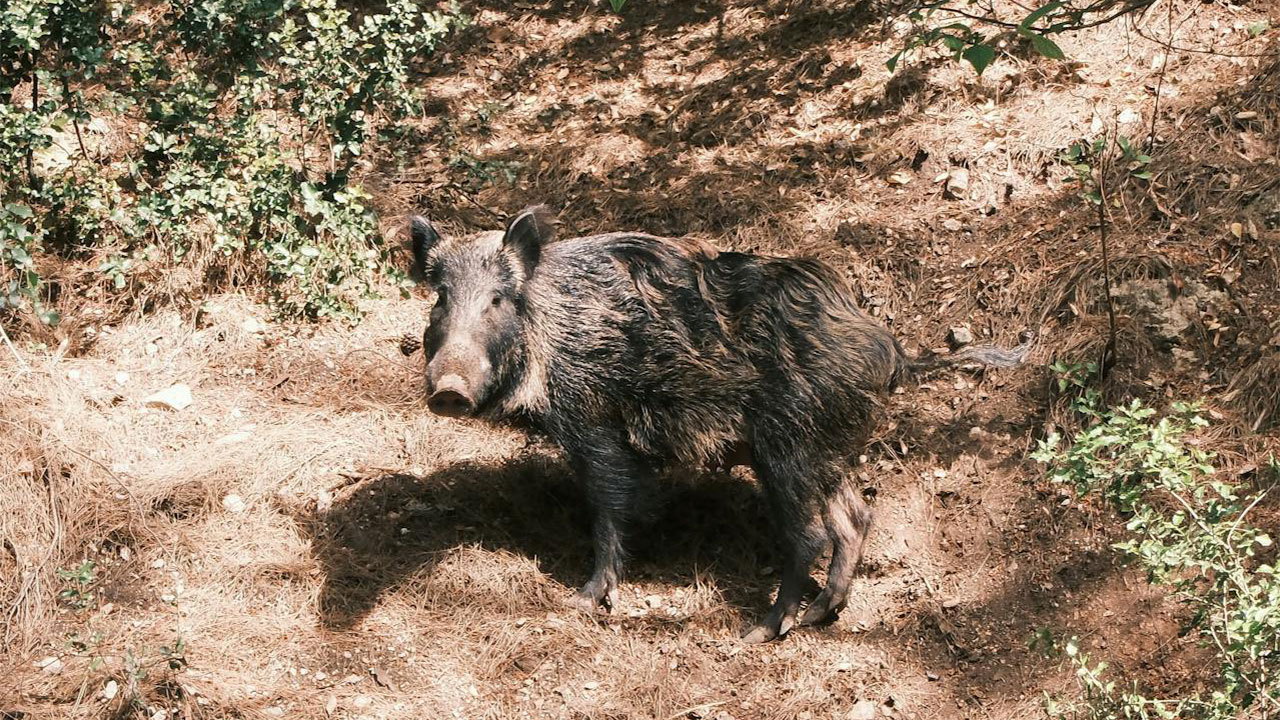
Georgia is one of those states where the feral hog conversation has gotten more serious because the damage is now getting talked about in dollars, not just frustration. A January 2026 University of Georgia Extension county post said the estimated economic impact of feral swine damage in Georgia is $150 million, and the write-up was promoting a trap rental program for landowners in multiple counties. That is a good sign the problem is established enough that landowner help has to be practical, local, and ongoing.
UGA also reported in 2025 that new research found Georgia farmers lose more than $100,000 a year from crop damage caused by wild pigs alone. That number does not even fully capture the wider pressure on natural resources and wildlife habitat. What stands out in Georgia is how normal the conversation has become: training, trap systems, county programs, and recurring damage estimates. That usually means landowners are not asking whether hogs are a problem anymore. They are asking how to keep up with them.
Mississippi

Mississippi has been blunt about the problem. Mississippi State University Extension says wild hogs cause more than $66 million in property damage in the state every year and says they are threatening the economy, farms, lifestyle, treasured places, and native wildlife. That is about as plainspoken as a state extension message gets, and it tells you the damage is broad enough to hit far more than just one crop or one type of property owner.
The bigger issue for landowners is that Mississippi’s response is not framed like a small cleanup job. It is framed like a standing fight. Extension is pushing traps, in-depth guides, and statewide education because casual one-off hunting is not enough to solve a problem this entrenched. When a state is using language like “hold our ground,” it is admitting something important: hog damage is already part of daily land management for too many people to ignore.
Florida

Florida has had wild hogs long enough that some people treat them like they are just part of the scenery. That is a mistake. Florida Fish and Wildlife says keeping hogs off a property can be difficult and notes that landowners, with permission, may trap, shoot, or hunt wild hogs year-round on private land without fees, licenses, or permits. States do not usually keep rules that open unless the animals are established, destructive, and persistent.
What makes Florida especially rough is the range of places hogs can damage. This is not just a woods-and-swamp issue. It can hit pasture, small farms, rural homesites, and edges where development meets brush and water. The state’s farm groups have also described feral hogs as causing extensive physical and financial damage, which is why trapping-rule changes have drawn so much attention from producers. In Florida, landowners are not dealing with a rare invasive animal. They are dealing with one that has settled in and learned the state very well.
Alabama

Alabama does not always get as much national attention as Texas or Louisiana on feral hogs, but that does not mean the state is getting off easy. Outdoor Alabama said in 2024 that damage from feral hogs in Alabama is estimated at $50 million annually. The agency described the animals as a threat to property, crops, timber, livestock, native wildlife, ecosystems, and cultural resources. That is the kind of damage footprint that hits landowners from several directions at once.
The reason Alabama belongs on this list is that the state is clearly operating in response mode, not curiosity mode. There have been multi-agency meetings focused on feral swine solutions, and Auburn researchers have described the state’s agricultural losses as more than $50 million a year. Once you get to the point where agencies, researchers, and farm groups are all talking about the same animal as a statewide agricultural and land-management problem, landowners have already been forced to notice.
South Carolina

South Carolina is another state where feral hogs are now driving specific landowner assistance instead of general warnings. The South Carolina Association of Conservation Districts says feral hogs cause significant damage to agricultural land, crops, pasture, and natural resources across the state, which is why it operates a Feral Hog Exclusion Fence Program for eligible landowners. Once a state is helping fund barrier infrastructure, you know the damage is not minor or occasional.
That fencing angle matters because it shows how landowners are being pushed to think beyond simple removal. If pigs are tearing up vulnerable areas often enough that exclusion becomes part of the answer, the problem is already expensive and recurring. South Carolina farmers have also been talking more openly about new control options, including drone use at night, because conventional methods are not always enough where hogs do most of their damage. This is a state where the issue has moved from complaints to systems.
Tennessee

Tennessee has been dealing with enough damage that the state has put real numbers to it. The Tennessee Wildlife Resources Agency says landowners spent nearly $2 million controlling wild hogs on their property, resulting in a total of $28.31 million in damage and control costs. That total matters because it captures what landowners already know from experience: the bill is not just what hogs destroy, but also what it costs trying to stop them.
There is also the Land Between the Lakes angle, where control efforts have intensified because hog populations remained stubborn. Reports this year said APHIS and partners removed 1,445 feral swine there in 2025 after scaling up efforts. Even though that is not the whole state, it shows how fast hog management becomes serious when agencies decide normal pressure is not enough. Tennessee is one of those states where the damage conversation has moved beyond isolated farms and into broader land-use and management strategy.
Arkansas

Arkansas has been forced into a more organized fight than a lot of people realize. The Arkansas Department of Agriculture runs a Feral Hog Eradication Program that provides leadership, coordination, and support for reducing feral hog damage, while the University of Arkansas Extension directs landowners with damage problems to USDA Wildlife Services for trapping, removal, and in some cases aerial shooting. That kind of structure only happens when hogs have already become a recurring landowner problem.
The state also keeps revisiting the issue through rule changes and task-force style coordination, which tells you Arkansas is still trying to gain ground. Recent Arkansas reporting on feral hog management has stressed that cooperation among landowners matters because hogs move and do not stay inside one fence line. That is exactly why landowners start feeling the problem more sharply over time. Even if one property works hard, a neighboring property that does not can keep the cycle going.
Oklahoma

Oklahoma does not need dramatic headlines to make the case. Oklahoma State University Extension said in January 2026 that feral swine cause tremendous damage to soil, water, and other environmental systems and continuously destroy significant row-crop fields every year by eating seed at planting or rooting in the crop. That gets to the real issue fast. This is not just a wildlife annoyance. It is a field-level production problem.
The policy side also shows how established the issue has become. Oklahoma’s wildlife regulations include landowner provisions for feral swine, and lawmakers this year pushed bills to loosen hunting and nighttime-removal rules even further. States do not keep revisiting feral hog removal law unless landowners and agricultural interests are making clear that existing pressure is not enough. In Oklahoma, the story is less about one eye-popping statewide number and more about how normal hog damage has become in agriculture and land-management conversations.
Missouri
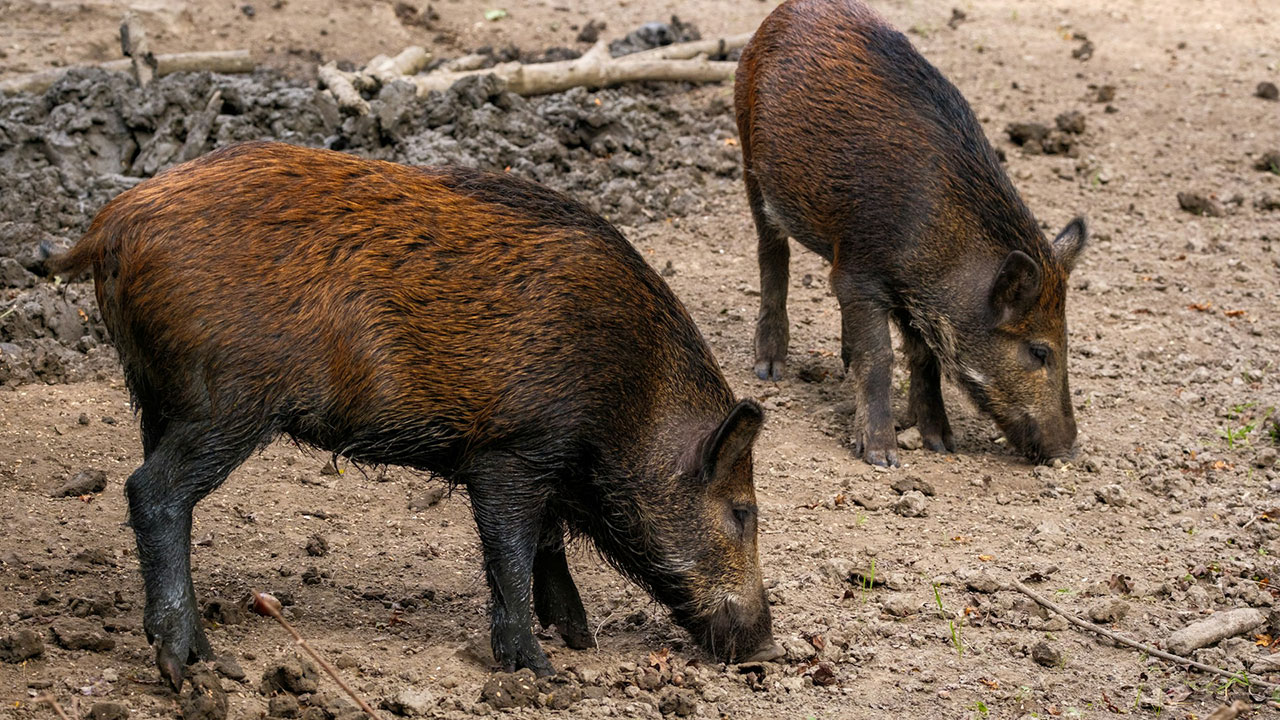
Missouri is interesting because it shows both how bad hogs can get and how much work it takes to push them back. The Missouri Department of Conservation says a social group of 10 hogs can destroy 10 to 20 acres overnight, including crops, creating financial burdens for landowners and producers. The state also directs landowners with damage to call for agency help instead of trying to freelance the problem.
Missouri has leaned hard into a coordinated elimination model through the Missouri Feral Hog Elimination Partnership, with federal and state agencies working watershed by watershed. Officials and partners have reported big reductions in hog occupancy in some areas, but that does not mean the state escaped the problem. It means the problem got bad enough that long-term, coordinated eradication became the only serious answer. If a state is fighting hogs by watershed instead of by individual complaint, landowners have definitely been forced to pay attention.
North Carolina

North Carolina belongs here because the state’s own wildlife agency says complaints and damages have increased in the past decade along with a growing feral swine population. The North Carolina Wildlife Resources Commission describes feral swine as invasive and highly destructive on the landscape and asks the public to report sightings, kills, and damage. That kind of messaging usually means the state is still trying to stay ahead of a problem that wants to expand.
The political side confirms that the issue is getting harder to dismiss. North Carolina lawmakers moved to establish a Feral Swine Working Group in 2025 to develop a statewide plan to control feral swine damage on private and public lands. Once a state starts building a formal statewide damage-control framework, it is acknowledging that landowners need more than scattered local advice. North Carolina may not be the first state people picture, but it is clearly one where the problem is climbing the ladder.
California

California’s feral pig problem hits differently because people still tend to think of it as mostly a hunting or park issue, when in reality it also reaches farmers, preserves, and suburban edges. Regional officials in the Bay Area say feral pigs damage crops and can drive economic losses for farmers, while recent reporting tied their growth to several wet winters that boosted food availability. Reports in 2025 also noted that wild pigs are present in 56 of California’s 58 counties.
That county count is why California fits this list so well. A problem spread across nearly the whole state stops being regional. It becomes a statewide land-management issue with local flavors. In some places it is habitat destruction and erosion. In others it is rooted fields, damaged water systems, or pigs showing up near parks and neighborhoods. California landowners may talk about the damage differently than southern row-crop states do, but the underlying issue is the same: these animals keep finding new ways to make themselves expensive.
Hawaii

Hawaii’s feral pig problem is its own animal because the damage is tied not just to agriculture and property, but also to fragile native ecosystems and watersheds. State and local officials have repeatedly described feral pigs as damaging native plants, increasing erosion, and creating public health and safety concerns. A 2025 Hawaiʻi Invasive Species Council legislative summary described a bill that would have created an expedited permitting process for private-land pig control when feral pigs had caused or were likely to cause substantial damage to crops, native plants, wildlife, or human health and safety.
Even though that measure was deferred, the fact that it was pushed at all shows how seriously the issue is being taken. Hawaii is a place where landowners and agencies are not just trying to save a corn field or a pasture edge. They are also trying to protect watersheds, native habitat, and places that are far harder to restore once they get torn up. When a state starts debating faster private-land control authority, it is not because the damage feels hypothetical.
Kentucky
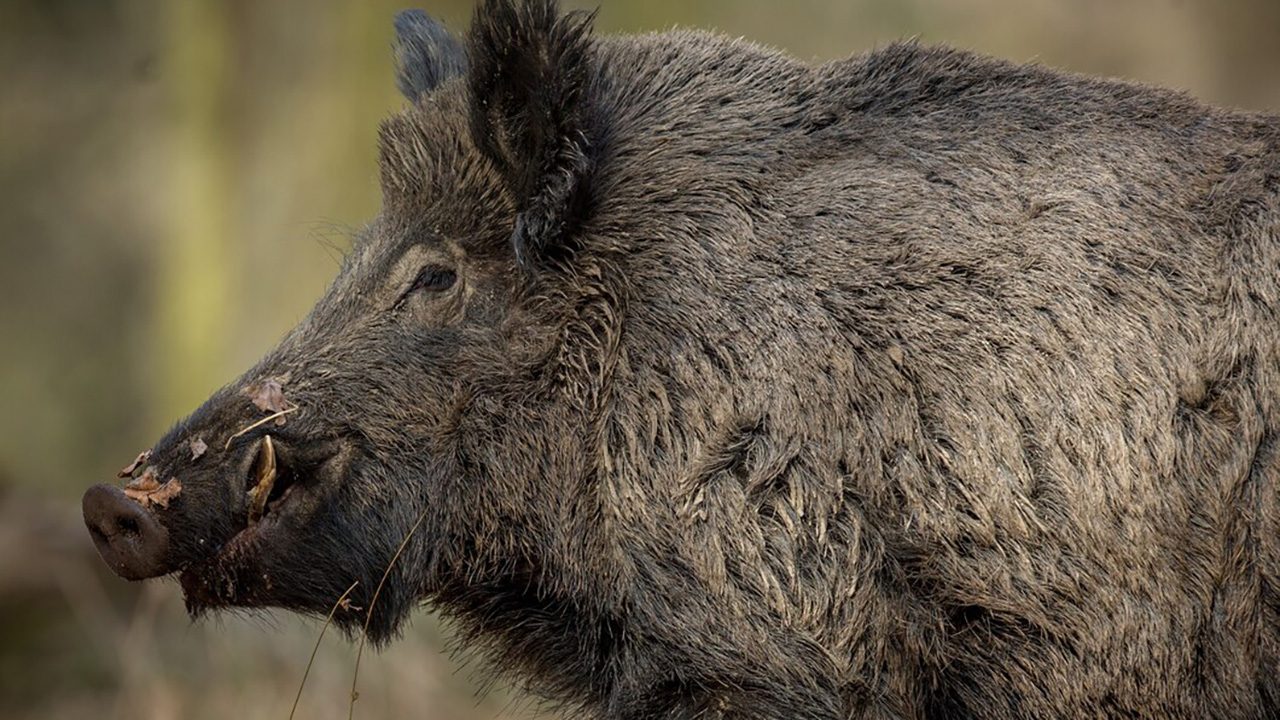
Kentucky is not the first state that comes to mind in the feral hog conversation, but that is part of why it belongs here. Kentucky Fish and Wildlife says wild pigs are invasive and makes clear that landowners can remove pigs that cause damage to private property, while encouraging people to report sightings and damage. A state does not keep that kind of guidance front and center unless officials know landowners are still running into the problem.
The Land Between the Lakes region also keeps the issue in view, with managers describing feral hogs as a serious threat to fish, forests, wildlife, agriculture, and property. Kentucky’s situation is a good reminder that not every state on this list has the same level of infestation or the same kind of damage footprint. But once landowners are being told to report damage and agencies are emphasizing the invasive threat, the problem has already crossed the line from rare sighting to active management concern.
Like The Avid Outdoorsman’s content? Subscribe to our newsletter so you never miss an article.
Here’s more from us: